Can DHA and Omega-3s Lift the Brain Fog of Long COVID and ME/CFS?
March 5, 2026
DHA UltimateLong COVIDME/CFS
Share:
Disclaimer: The information provided here is for educational purposes only and is not intended as medical advice. It should not be used to diagnose, treat, cure, or prevent any medical condition. Instead, use it as a starting point for discussion with your healthcare provider. Always consult with a qualified healthcare provider before starting any new medication, supplement, device, or making changes to your health regimen.
Months or even years after a viral infection, many patients find themselves battling a profound, suffocating mental cloudiness. This symptom, universally described by patients as "brain fog," is far more severe than standard fatigue; it is a fundamental disruption of cognitive processing, memory recall, and executive function. For individuals living with Long COVID, myalgic encephalomyelitis/chronic fatigue syndrome (ME/CFS), and dysautonomia, this neurological impairment can make reading a simple email, holding a conversation, or remembering a familiar word feel like an insurmountable task. The frustration of living with an invisible illness is compounded when standard medical tests return "normal" results, leaving patients without clear answers or actionable treatments.
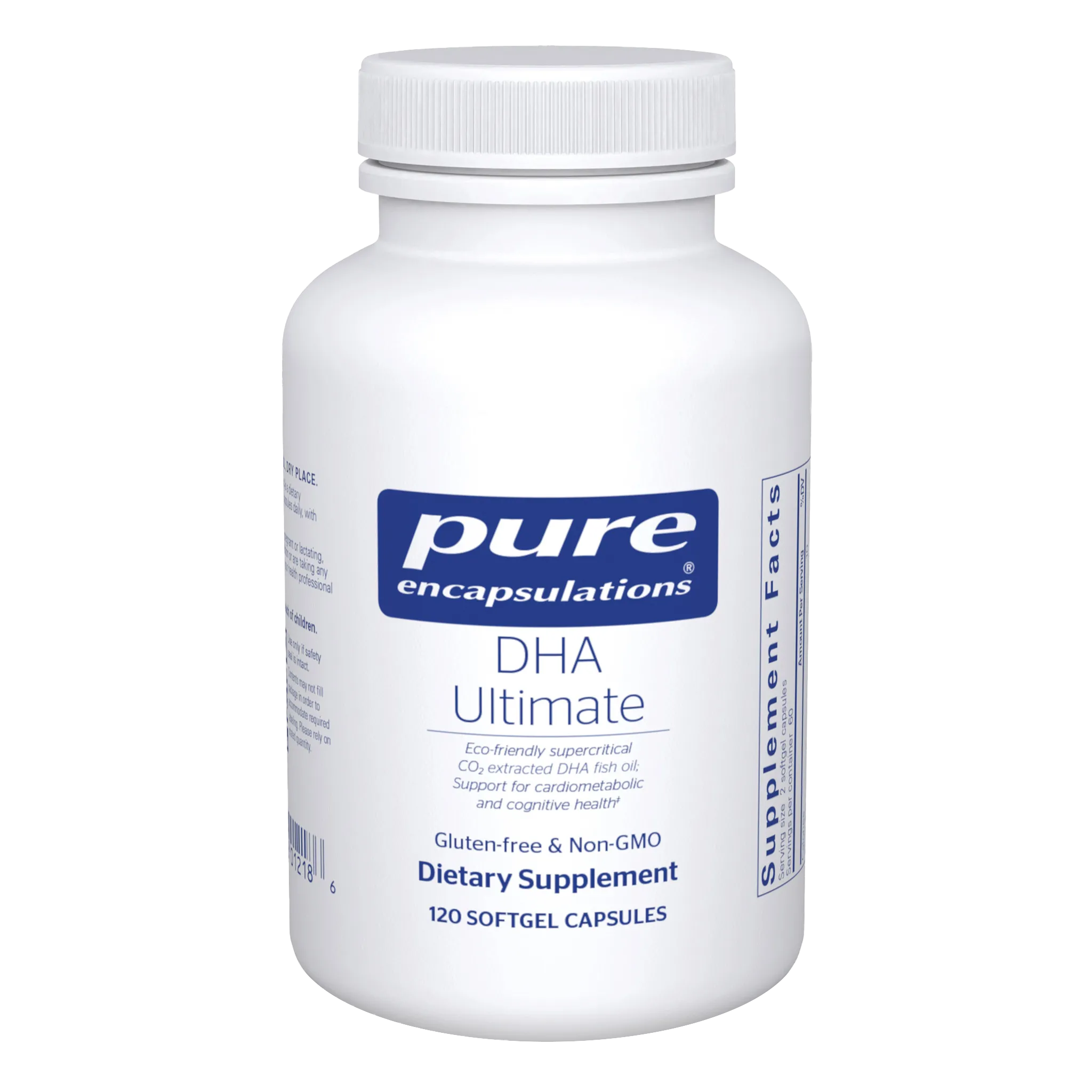
However, emerging research into the neuroimmune pathophysiology of these complex chronic conditions is revealing that brain fog is not a psychological manifestation, but a deeply physiological one. It is driven by persistent neuroinflammation, microglial activation, and the degradation of neuronal cell membranes. In the search for targeted, science-backed interventions, researchers are increasingly looking at the foundational building blocks of the brain itself. Among the most critical of these molecules is Docosahexaenoic Acid (DHA), a highly specialized omega-3 fatty acid. By understanding how DHA structurally supports the brain and actively resolves cellular inflammation, patients and providers can better utilize high-quality supplements like DHA Ultimate to support cognitive recovery and cardiovascular health.
TL;DR
DHA is an essential omega-3 fatty acid that structurally supports brain health and membrane fluidity.
It may help manage neuroinflammation and cognitive dysfunction (brain fog) in Long COVID and ME/CFS.
DHA acts as a precursor to molecules that resolve immune system inflammation and support cellular repair.
Always consult your healthcare provider before starting high-dose omega-3s, especially if on blood thinners.
What is DHA and How Does it Function?
The Structural Foundation of the Brain
Docosahexaenoic Acid (DHA) is a long-chain omega-3 polyunsaturated fatty acid that is fundamentally critical for the development, maintenance, and daily function of the human central nervous system. In a healthy body, DHA is not merely a passive nutritional component; it is a primary structural building block of the brain. It constitutes roughly 20% to 30% of total brain lipids and makes up an astonishing 40% of the polyunsaturated fatty acids within the brain tissue. Because the human body cannot synthesize DHA efficiently from shorter-chain omega-3s (like ALA found in flaxseeds), it must be acquired directly through diet or high-quality supplementation, making it an "essential" fatty acid for neurological survival.
At the molecular level, DHA is predominantly incorporated into the phospholipid bilayer of neuronal cell membranes. Its unique chemical structure—featuring a long chain of 22 carbon atoms and six double bonds—makes it highly flexible. This flexibility is what gives neuronal membranes their necessary "fluidity." Membrane fluidity is absolutely essential for the creation of lipid rafts, which are specialized microdomains on the cell surface that house critical signaling proteins, ion channels, and neurotransmitter receptors. Without adequate DHA, these cell membranes become rigid, severely impairing the neuron's ability to send and receive the rapid electrical and chemical signals required for memory, focus, and higher-order cognition.
The Synaptamide and BDNF Pathways
Beyond its structural role, DHA acts as a powerful signaling molecule that actively drives neurogenesis—the creation and repair of neurons. Once incorporated into the brain, DHA is metabolized into an endocannabinoid-like lipid mediator known as synaptamide. Synaptamide binds directly to specific receptors (like GPR110) on the surface of neurons, triggering a cascade of intracellular events. This binding activates the cAMP/PKA signaling pathway, which ultimately stimulates CREB (cAMP-response element binding protein), a transcription factor that upregulates the genes responsible for building new synaptic connections.
Furthermore, DHA is one of the most potent natural stimulators of Brain-Derived Neurotrophic Factor (BDNF). BDNF is often described as "Miracle-Gro" for the brain; it is a vital protein that promotes the survival of existing neurons and encourages the growth and differentiation of new neurons and synapses. High levels of BDNF are strongly correlated with robust learning capabilities, emotional regulation, and memory retention. By upregulating BDNF and facilitating the synaptamide pathway, DHA ensures that the brain maintains its neuroplasticity—the ability to adapt, heal, and rewire itself in response to learning or injury.
Specialized Pro-Resolving Mediators (SPMs)
Perhaps the most critical function of DHA in the context of chronic illness is its role as a precursor to Specialized Pro-resolving Mediators (SPMs). When the immune system encounters a threat—such as a virus or an injury—it triggers acute inflammation to neutralize the danger. However, this inflammation must eventually be turned off. DHA is enzymatically converted by lipoxygenases into highly bioactive molecules known as Resolvins, Maresins, and Neuroprotectin D1 (NPD1). These SPMs are the immune system's dedicated "cleanup crew."
SPMs actively resolve inflammation by halting the migration of pro-inflammatory white blood cells, clearing away cellular debris, and promoting tissue regeneration. In the brain, Neuroprotectin D1 specifically protects neurons from oxidative stress and prevents the apoptosis (programmed cell death) that can occur during severe neuroinflammation. By supplying the raw materials needed to create these resolving molecules, DHA ensures that the immune system can successfully transition from a state of active attack to a state of healing and homeostasis, protecting delicate neural networks from collateral damage.
How Long COVID and ME/CFS Impact Brain and Cellular Health
The Neuroinflammatory Fire Alarm
In complex chronic conditions like Long COVID and myalgic encephalomyelitis/chronic fatigue syndrome (ME/CFS), the immune system's natural inflammatory response fails to shut off. Following an initial viral infection, such as SARS-CoV-2 or the Epstein-Barr Virus (EBV), the immune system's "fire alarm" gets stuck in the "on" position. Research indicates that this persistent viral presence and immune dysregulation trigger chronic activation of microglia—the primary immune cells of the central nervous system. When microglia are chronically activated, they continuously pump out pro-inflammatory cytokines like IL-6 and TNF-alpha, creating a highly toxic environment for surrounding neurons.
This sustained neuroinflammation directly degrades the integrity of the blood-brain barrier (BBB) and disrupts normal neurotransmitter synthesis. For patients, this microscopic cellular chaos manifests clinically as severe cognitive dysfunction. To understand more about how this specific type of neurological impairment presents, you can read our comprehensive guide on What Is “Brain Fog” and Cognitive Dysfunction in Long COVID?. The constant inflammatory signaling drains cellular energy reserves, leaving the brain struggling to perform basic executive functions and leading to the profound mental fatigue that characterizes post-exertional malaise (PEM).
The Omega-3 Index and Cellular Rigidity in ME/CFS
The systemic inflammation seen in these conditions heavily depletes the body's stores of essential fatty acids. The "Omega-3 Hypothesis" of ME/CFS suggests that a persistent viral infection may block the delta-6-desaturase enzyme, leading to deficiencies in long-chain fatty acids like EPA and DHA. This deficiency directly correlates with a pro-inflammatory state, as EPA is both a precursor to interferons and directly antiviral.
When DHA and arachidonic acid are depleted, the brain is forced to incorporate stiffer, less optimal fats into its neuronal membranes. This cellular rigidity severely impairs the function of membrane-bound proteins and neurotransmitter receptors, disrupting cell signaling. As a result, the brain loses its structural plasticity, making it incredibly difficult for neurons to fire efficiently. This lipid dysfunction is a major underlying driver of the cognitive impairment and sluggish processing speeds reported by patients.
Dysautonomia and the Hyperactive Nervous System
The impact of this lipid dysregulation extends beyond the brain and deeply affects the autonomic nervous system (ANS), which controls involuntary functions like heart rate, blood pressure, and digestion. Many patients with Long COVID and ME/CFS develop Postural Orthostatic Tachycardia Syndrome (POTS) or other forms of dysautonomia. In these states, the sympathetic nervous system is trapped in a hyperactive "fight or flight" overdrive, while the parasympathetic (rest and digest) system is suppressed.
DHA and EPA play a crucial role in regulating autonomic tone and cardiovascular health. They act as bioelectric modulators within the heart tissue and the vagus nerve. When omega-3 levels are critically low, the electrical signaling in the heart becomes less stable, contributing to the exaggerated heart rate spikes and palpitations seen in POTS upon standing. The loss of DHA's anti-inflammatory protection also allows endothelial dysfunction to take root in the blood vessels, further impairing the precise blood flow regulation required to keep the brain adequately oxygenated when a patient changes posture.
DHA Ultimate: Supporting Cognitive and Cardiometabolic Health
Restoring Membrane Fluidity and Synaptic Plasticity
Supplementing with a high-quality, concentrated source of omega-3s like DHA Ultimate provides the exact molecular building blocks the brain needs to repair itself. By flooding the system with bioavailable DHA, the body can begin replacing the rigid, pro-inflammatory fats that have accumulated in neuronal cell membranes. This process gradually restores membrane fluidity, allowing lipid rafts to reorganize and function properly. As the membranes become more flexible, neurotransmitter receptors—particularly those for dopamine, serotonin, and glutamate—can operate with greater efficiency, improving the speed and clarity of neural transmission.
Furthermore, this influx of DHA directly supports the synaptamide and BDNF pathways mentioned earlier. By upregulating Brain-Derived Neurotrophic Factor, DHA supplementation encourages the brain to sprout new dendrites and form fresh synaptic connections. This enhanced neuroplasticity is vital for patients trying to recover lost cognitive function, as it allows the brain to physically rewire itself around areas damaged by post-viral neuroinflammation. For patients exploring multiple avenues to support neuroplasticity and cognitive repair, you might also consider reading about Lifting Brain Fog with Guanfacine, which targets complementary prefrontal cortex pathways.
Calming Microglial Activation and Neuroinflammation
One of the most profound therapeutic mechanisms of DHA and its partner molecule, EPA (Eicosapentaenoic Acid), is their ability to actively extinguish the neuroinflammatory fires driving Long COVID and ME/CFS. When provided in sufficient doses, DHA and EPA displace arachidonic acid (AA) in the cell membranes. Because arachidonic acid is the primary precursor to inflammatory cytokines, reducing its presence directly lowers the production of neurotoxic compounds. Prominent researchers, such as those at Washington University, continue to investigate the broad, systemic impacts of Long COVID on the body.
Crucially, the high levels of DHA provided by DHA Ultimate serve as the raw material for the body to synthesize Specialized Pro-resolving Mediators (SPMs), including Neuroprotectin D1. These SPMs cross the blood-brain barrier and actively signal the immune system that the threat has passed, initiating the cleanup of cellular debris and promoting tissue healing. By shifting the brain's environment from a state of chronic alarm to a state of resolution, DHA helps lift the suffocating weight of brain fog, allowing patients to experience longer periods of mental clarity and reduced cognitive fatigue.
Stabilizing Heart Rate in POTS and Dysautonomia
Beyond cognitive support, the omega-3 fatty acids in DHA Ultimate offer significant cardiometabolic benefits, particularly for those managing dysautonomia and POTS. DHA and EPA incorporate into the membranes of cardiac muscle cells (cardiomyocytes), where they modulate the activity of ion channels responsible for the heart's electrical rhythm. This stabilizing effect on cardiac electrophysiology helps reduce the hyper-excitability of the heart muscle, making it less prone to the rapid, exaggerated spikes in heart rate that occur when a POTS patient stands up.
Additionally, DHA supports vascular health by promoting the release of nitric oxide from the endothelial cells lining the blood vessels. Nitric oxide is a potent vasodilator that helps blood vessels relax and expand, improving overall blood flow and reducing the cardiovascular strain associated with autonomic dysfunction. By enhancing parasympathetic (vagal) tone and improving endothelial function, DHA supplementation provides a foundational, non-pharmaceutical layer of support for stabilizing heart rate variability and improving orthostatic tolerance. For a deeper look at managing these specific cardiovascular symptoms, explore our article: Brain Fog, Fast Heart Rate, and Fatigue. Is Pyridostigmine Right for You?.

Symptoms DHA May Help Manage
Cognitive and Neurological Symptoms
Brain Fog and Mental Cloudiness: By reducing microglial activation and restoring neuronal membrane fluidity, DHA helps clear the persistent neuroinflammation that disrupts executive function and mental clarity.
Memory Lapses and Poor Recall: DHA upregulates Brain-Derived Neurotrophic Factor (BDNF) and supports the synaptamide pathway, promoting the synaptic plasticity required to form and retrieve memories efficiently.
Sluggish Processing Speed: By optimizing the lipid rafts that house neurotransmitter receptors, DHA ensures that electrical and chemical signals can travel rapidly across synapses, improving cognitive reaction times.
Mental Fatigue and Cognitive Crashes: DHA provides structural protection against oxidative stress, helping neurons maintain their energy efficiency and reducing the severity of cognitive post-exertional malaise (PEM).
Autonomic and Cardiovascular Symptoms
Exaggerated Heart Rate (Tachycardia): Omega-3s incorporate into cardiac cell membranes and modulate ion channels, stabilizing the heart's electrical rhythm and helping to blunt the rapid heart rate spikes seen in POTS.
Orthostatic Intolerance (Dizziness upon standing): By promoting endothelial health and nitric oxide production, DHA supports better blood vessel constriction and dilation, aiding the body's ability to regulate blood flow to the brain when changing postures.
Systemic Inflammation and Joint Pain: DHA and EPA displace pro-inflammatory arachidonic acid and serve as precursors to Specialized Pro-resolving Mediators (SPMs), which actively resolve systemic cytokine storms and alleviate inflammatory joint pain.
Mood Disturbances and Anxiety: By lowering neuroinflammation and supporting healthy serotonin and dopamine receptor function, DHA can help stabilize mood fluctuations associated with chronic illness. For more on this connection, read Long COVID and Mental Health.
Practical Considerations: Forms, Dosing, and Absorption
Triglyceride (TG) vs. Ethyl Ester (EE) Forms
When selecting an omega-3 supplement, the molecular form of the fatty acids dictates how effectively your body can absorb and utilize them. In nature, DHA and EPA are found in a Triglyceride (TG) form, where three fatty acids are attached to a single glycerol backbone. The human digestive system, specifically pancreatic lipases, is evolutionarily designed to break down and absorb fats in this exact structure. However, many cheaper, mass-market fish oils use a synthetic Ethyl Ester (EE) form. In the EE form, the natural glycerol backbone is removed and replaced with an ethanol (alcohol) molecule to make the purification process easier and less expensive for the manufacturer.
Clinical research overwhelmingly demonstrates that the natural Triglyceride (TG) form is vastly superior for bioavailability. Because the EE form requires an extra, energy-intensive enzymatic step to cleave off the ethanol molecule before absorption, much of the DHA is lost or excreted. Studies have shown that Triglyceride forms can produce up to 50% higher plasma concentrations of EPA and DHA compared to Ethyl Ester oils. Furthermore, EE forms are highly dependent on being taken with a large, high-fat meal to be absorbed at all, whereas TG forms are absorbed efficiently regardless of dietary fat intake. DHA Ultimate utilizes the highly bioavailable Triglyceride form to ensure maximum cellular uptake.
The Advantage of Supercritical CO2 Extraction
Omega-3 polyunsaturated fats are incredibly fragile molecules. When exposed to high heat, light, or oxygen, they rapidly oxidize, turning rancid. Consuming oxidized fish oil is counterproductive, as it introduces harmful free radicals into the body, driving further inflammation rather than resolving it. Traditional fish oil purification relies on high-heat molecular distillation, which can damage the delicate DHA molecules and leave behind trace amounts of chemical solvents like hexane.
To combat this, premium supplements like DHA Ultimate utilize an advanced, eco-friendly process called Supercritical CO2 Extraction. This method uses pressurized carbon dioxide at much lower temperatures in a completely oxygen-free environment. Because oxygen is entirely displaced by the CO2, the DHA is perfectly protected from oxidation during the extraction process. Furthermore, Supercritical CO2 extraction is highly selective, allowing manufacturers to filter out heavy metals, PCBs, and environmental toxins with unmatched precision, all without the use of toxic chemical solvents. The result is an exceptionally pure, stable, and highly concentrated DHA oil.
Dosing, Timing, and Safety Precautions
For general cognitive and cardiometabolic support, the suggested use for DHA Ultimate is 2 softgel capsules daily with a meal, providing a robust 790 mg of DHA and 188 mg of EPA. While the Triglyceride form absorbs well on its own, taking the supplement alongside a meal containing healthy fats (like avocado, olive oil, or nuts) can further optimize intestinal absorption. Because it takes time for the body to physically rebuild neuronal cell membranes and displace pro-inflammatory arachidonic acid, patients should consistently take DHA for at least 8 to 12 weeks before evaluating its full impact on brain fog and systemic symptoms.
While omega-3s are generally recognized as safe, there are important clinical interactions to consider. Because DHA and EPA naturally decrease platelet aggregation (blood clotting), they can have an additive effect when combined with prescription blood thinners (like Warfarin or DOACs) or antiplatelet medications (like aspirin or clopidogrel). Patients taking these medications, or those with severe bleeding disorders, should consult their healthcare provider before starting high-dose omega-3 therapy. Additionally, individuals with a history of atrial fibrillation (AFib) should discuss supplementation with their cardiologist, as very high doses of EPA/DHA (typically exceeding 1.5 to 2 grams per day) have been associated with a slight increased risk of AFib in some clinical trials. Always consult your medical team to ensure DHA is appropriate for your specific health profile.
Follow the Science
Recent Trials on Cognitive Function and Brain Volume
The scientific community has extensively researched the impact of DHA on cognitive decline, yielding nuanced insights into how and when supplementation is most effective. A double-blind, randomized, placebo-controlled trial (PreventE4) evaluated cognitively unimpaired older adults with limited omega-3 consumption and dementia risk factors. Participants received 2 grams of DHA daily for two years. The study aims to confirm whether high-dose supplementation successfully increases brain DHA levels and affects brain imaging biomarkers and cognitive function.
However, other major trials, such as the PreventE4 study presented at the 2024 Clinical Trials on Alzheimer's Disease congress, highlight the importance of early intervention. In this two-year trial, high-dose DHA successfully penetrated the cerebrospinal fluid of older adults at risk for dementia, but it did not reverse existing cognitive decline over the short study period. The current medical consensus suggests that DHA is most effective as a preventative and restorative tool when utilized early in the course of neuroinflammation, before permanent neurodegenerative damage has occurred, underscoring its potential utility for post-viral brain fog in Long COVID.
Real-World Impacts of Long COVID
Direct clinical research into Long COVID is rapidly expanding. Prominent researchers, such as Dr. Ziyad Al-Aly at Washington University, have extensively documented the real-world impacts of Long COVID and other chronic conditions on multiple organ systems, highlighting the need for ongoing clinical research into systemic recovery.
As our understanding of post-viral inflammation grows, researchers conclude that patients likely need sustained, comprehensive management strategies to allow the body enough time to physically rebuild and translate molecular changes into symptomatic relief. For a broader look at complementary approaches to cognitive repair, consider reading Can Acetyl-L-Carnitine Help Clear Brain Fog in Long COVID and ME/CFS?.
Essential Fatty Acids in Chronic Fatigue Syndrome
The benefits of essential fatty acids have also been documented in the context of chronic fatigue syndrome. A study by Basant K. Puri examined patients suffering from chronic fatigue syndrome. The patients were treated solely with a high-eicosapentaenoic acid (EPA) supplement.
The clinical data was encouraging: all patients showed an improvement in their symptomatology within eight to 12 weeks. The researchers concluded that high-EPA essential fatty acid supplementation may offer an effective therapeutic approach for at least some patients managing the complex symptoms of chronic fatigue syndrome.
The Path Forward
A Pillar of Cellular Repair
Living with the cognitive and physical weight of Long COVID, ME/CFS, and dysautonomia is an exhausting daily battle. When your brain feels like it is operating through thick mud, and your heart races simply from standing up, it is easy to feel disconnected from your own body. Validating these symptoms is the first step toward healing: your brain fog is not a lack of willpower, but a tangible, physiological state of neuroinflammation and cellular depletion. While there are no overnight cures for these complex post-viral conditions, providing your body with the exact molecular building blocks it needs to repair itself is a powerful strategy for regaining ground.
DHA Ultimate offers a highly pure, bioavailable source of the essential fatty acids required to rebuild flexible neuronal membranes, calm hyperactive microglia, and stabilize autonomic signaling. By incorporating a premium, Supercritical CO2-extracted omega-3 into your daily routine, you are directly supporting your brain's structural integrity and its ability to resolve chronic inflammation. For those struggling with sleep disturbances alongside brain fog, you might also explore Can 5-HTP Lift the Brain Fog and Sleep Disturbances of Long COVID? as part of your research.
Comprehensive Care and Next Steps
It is important to remember that supplements are most effective when utilized as one pillar of a comprehensive, multi-modal management strategy. Recovering from neuroimmune conditions requires a holistic approach that includes rigorous pacing to avoid post-exertional malaise (PEM), nervous system regulation techniques, dietary adjustments, and careful symptom tracking. Because rebuilding cellular membranes takes time, patience and consistency are key when evaluating the benefits of DHA.
Always consult with your healthcare provider before introducing new supplements, especially if you are taking prescription blood thinners or managing complex cardiovascular conditions. Together with your medical team, you can determine the optimal dosage and ensure that omega-3 therapy aligns safely with your broader treatment plan. If you are ready to support your cognitive function and cardiometabolic health with a premium, sustainably sourced omega-3, you can explore the benefits of DHA Ultimate below.
Sources
Frontiers in Cellular Neuroscience: The Synaptamide and GPR110 Pathway in Neurogenesis
National Institutes of Health: Neuroprotectin D1 and Specialized Pro-resolving Mediators
Psychiatry and Clinical Neurosciences: Neuroimmune pathophysiology of long COVID
Washington University School of Medicine: Omega-3s and Microglial Activation in Long COVID
National Institutes of Health: Triglyceride vs. Ethyl Ester Bioavailability Differences
National Institutes of Health: Safety, Bleeding Risks, and Drug Interactions of EPA/DHA
Neurology (OHSU Trial): Omega-3 levels, cognitive test scores, and white matter integrity