Sleep Apnea in Chronic Illness: CPAP, Diagnosis, and Why It Matters for ME/CFS
March 10, 2026
Sleep ApneaME/CFSPOTS

Share:
Disclaimer: The information provided here is for educational purposes only and is not intended as medical advice. It should not be used to diagnose, treat, cure, or prevent any medical condition. Instead, use it as a starting point for discussion with your healthcare provider. Always consult with a qualified healthcare provider before starting any new medication, supplement, device, or making changes to your health regimen.
For individuals living with complex chronic conditions like myalgic encephalomyelitis/chronic fatigue syndrome (ME/CFS), fibromyalgia, and postural orthostatic tachycardia syndrome (POTS), waking up feeling utterly exhausted is a daily reality. Unrefreshing sleep is a hallmark symptom of these illnesses, often attributed directly to the underlying neuroimmune or autonomic dysfunction. However, a growing body of clinical research reveals a hidden, highly treatable culprit that frequently masquerades as—or severely exacerbates—these chronic conditions: undiagnosed sleep-disordered breathing, particularly obstructive sleep apnea (OSA). Because the symptoms of sleep apnea so closely mirror the brain fog, profound fatigue, and widespread pain of ME/CFS and fibromyalgia, it is routinely overlooked by both patients and healthcare providers.
The intersection of sleep apnea and chronic illness is a rapidly evolving field of medical research, particularly concerning how structural connective tissue disorders like hypermobile Ehlers-Danlos syndrome (hEDS) physically predispose individuals to airway collapse. When the airway repeatedly collapses during sleep, it triggers a cascade of physiological stressors—including intermittent oxygen deprivation and massive adrenaline surges—that place an unbearable load on an already fragile autonomic nervous system. This comprehensive guide explores the biological mechanisms linking sleep apnea to complex chronic illnesses, the critical importance of specialized diagnostic testing, and how continuous positive airway pressure (CPAP) therapy can serve as a vital tool in managing debilitating symptoms and improving overall quality of life.
TL;DR
Sleep apnea often mimics or worsens symptoms of ME/CFS, POTS, and fibromyalgia.
Structural issues in conditions like hEDS increase the risk of airway collapse during sleep.
In-lab sleep studies are crucial, as home tests often miss Upper Airway Resistance Syndrome (UARS).
CPAP therapy may help stabilize the autonomic nervous system and improve daily functioning.
What is CPAP and Why Is It Used for Sleep Apnea in Chronic Illness?
Sleep-disordered breathing encompasses a spectrum of conditions characterized by abnormal respiratory patterns or pauses in breathing during sleep. The most well-known of these is obstructive sleep apnea (OSA), a condition where the muscles in the back of the throat relax too much, causing the upper airway to partially or completely collapse. This physical obstruction prevents air from reaching the lungs, leading to drops in blood oxygen levels (hypoxia) and prompting the brain to briefly wake the body to restore normal breathing. These micro-arousals can happen dozens or even hundreds of times per night, completely fracturing the patient's sleep architecture and preventing them from reaching the deep, restorative stages of sleep required for cellular repair.
While classical OSA is often associated with loud snoring and is most commonly diagnosed in older, overweight males, there is another critical presentation known as upper airway resistance syndrome (UARS). In UARS, the airway does not collapse completely, and blood oxygen levels may remain relatively stable. However, the airway becomes narrow enough that the body must exert significantly increased effort to pull air into the lungs. The brain detects this increased respiratory effort and triggers a stress response, pulling the individual out of deep sleep. Clinical observations indicate UARS is incredibly common in younger, non-obese individuals, particularly women with connective tissue disorders, making it a crucial concept for the chronic illness community.
Both OSA and UARS fundamentally disrupt the body's ability to rest and recover. Instead of sleep being a time of parasympathetic "rest and digest" activity, sleep-disordered breathing turns the night into a physiological battleground. The constant neurological arousals and respiratory struggles mean that the brain and body are working overtime, which is devastating for individuals who already suffer from severe energy-limiting conditions. Understanding this spectrum is the first step in recognizing why standard sleep assessments often miss the subtle, yet debilitating, breathing disruptions present in complex chronic illnesses.
The clinical presentation of sleep-disordered breathing overlaps so heavily with conditions like ME/CFS and fibromyalgia that they are frequently conflated. The hallmark symptoms of OSA—waking up feeling unrefreshed, profound daytime somnolence, cognitive impairment, morning headaches, and generalized body aches—are virtually identical to the diagnostic criteria for these chronic neuroimmune conditions. Because of this massive symptom overlap, when a patient with a known ME/CFS diagnosis reports worsening fatigue, providers often attribute it to a natural fluctuation of the disease rather than investigating a secondary, treatable sleep disorder.
This diagnostic overshadowing is a significant problem in clinical practice. Sleep apnea is frequently treated as a "rule-out" diagnosis rather than a common comorbidity. Patients may spend years trying various supplements, pacing strategies, and medications to manage their fatigue, completely unaware that their brain is being starved of oxygen or forcefully awakened dozens of times every hour. The failure to identify and treat comorbid sleep apnea leaves a massive physiological stressor unchecked, making it nearly impossible for the patient to stabilize their primary chronic illness.
Furthermore, the relationship between these conditions is often bidirectional. The systemic inflammation, autonomic dysfunction, and reduced physical activity associated with severe chronic illness can actually predispose individuals to developing sleep apnea over time. For example, the muscular deconditioning that occurs due to post-exertional malaise (PEM) in ME/CFS can affect the tone of the pharyngeal muscles, increasing the likelihood of airway collapse. Recognizing this intricate, overlapping relationship is essential for providing comprehensive care to patients who feel trapped in a cycle of unrefreshing sleep.
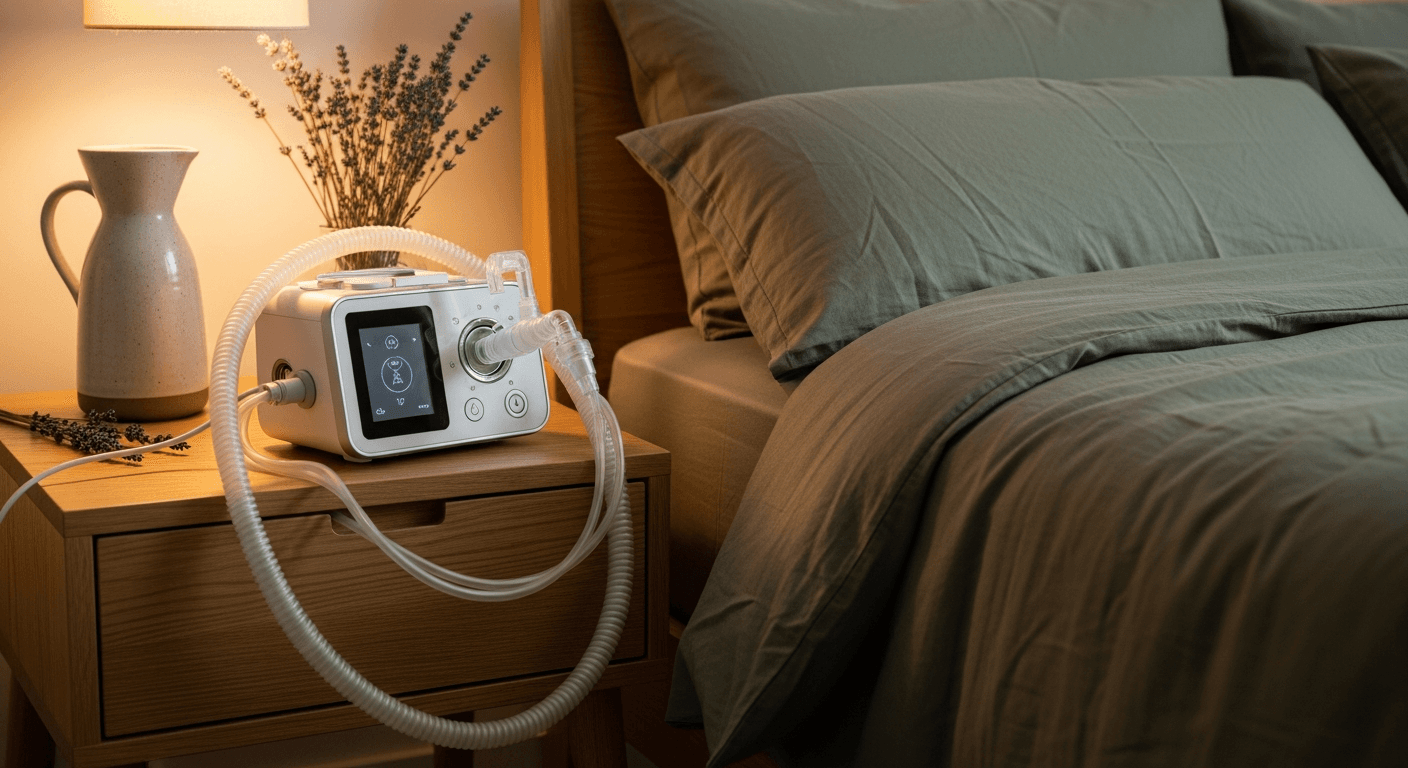
Continuous positive airway pressure (CPAP) therapy remains the gold standard treatment for obstructive sleep apnea and, in many cases, upper airway resistance syndrome. A CPAP machine works by delivering a steady, continuous stream of pressurized air through a mask worn over the nose or mouth. This pressurized air acts as a "pneumatic splint," physically holding the soft tissues of the upper airway open and preventing them from collapsing during inhalation. By maintaining an open airway, CPAP eliminates the obstructive events, stabilizes blood oxygen levels, and allows the patient to finally progress into deep, uninterrupted sleep.
For patients with chronic illness, the introduction of CPAP therapy can be transformative, though it is not a cure for their primary condition. By removing the nocturnal stress of suffocation and adrenaline surges, CPAP drastically reduces the allostatic load on the body. This allows the autonomic nervous system to calm down, reduces systemic inflammation, and provides the brain with the continuous oxygen it needs to clear metabolic waste. While CPAP may not resolve the underlying mitochondrial or neuroimmune dysfunction of ME/CFS, it removes a massive barrier to baseline functioning.
It is important to note that CPAP is not the only form of positive airway pressure therapy. Some patients, particularly those with complex respiratory needs or severe autonomic dysfunction, may require BiPAP (bilevel positive airway pressure), which delivers a higher pressure during inhalation and a lower pressure during exhalation. This can make breathing feel more natural and reduce the physical effort required to exhale against the machine's pressure. Determining the appropriate therapy requires careful evaluation by a sleep medicine specialist familiar with the nuances of complex chronic illness.
How Sleep Fragmentation Worsens Chronic Illness: The Biology
The biological link between hypermobile Ehlers-Danlos syndrome (hEDS) and sleep-disordered breathing is one of the most fascinating and clinically significant discoveries in recent sleep medicine. hEDS is a genetic disorder characterized by defective collagen, the primary structural protein that provides strength and elasticity to connective tissues throughout the body. Because the nose, throat, upper airway, and jaw are heavily reliant on connective tissue for their structural integrity, this genetic defect fundamentally alters respiratory mechanics. The airway of an EDS patient is often described as "floppy" or abnormally compliant, making it highly susceptible to collapse during the muscle relaxation that naturally occurs during sleep.
Dr. Christian Guilleminault famously designated Ehlers-Danlos syndrome as a "genetic model of obstructive sleep apnea." His studies demonstrated that children and adults with EDS frequently exhibit craniofacial abnormalities, such as a high-arched palate and a narrow maxilla (upper jaw), due to altered cartilage development during growth. These anatomical variations significantly increase nasal resistance and narrow the physical space available for airflow. Consequently, even young, thin individuals with EDS can suffer from severe upper airway resistance syndrome (UARS) or OSA, challenging the traditional stereotype of the typical sleep apnea patient.
This structural predisposition means that for many patients with hEDS, sleep-disordered breathing is an inevitable mechanical consequence of their genetics. The constant effort required to breathe through a collapsing, narrow airway places immense strain on the respiratory muscles and the central nervous system. This mechanical failure of the airway is a primary driver of the chronic, unrefreshing sleep reported by the vast majority of hypermobile patients, highlighting the critical need for early and aggressive sleep screening in this population.
The consequences of a collapsing airway extend far beyond the respiratory system; they have a profound and devastating impact on the autonomic nervous system (ANS). When the airway narrows or collapses, the brain detects a drop in oxygen or an increase in carbon dioxide. To prevent suffocation, the brain triggers a massive "fight-or-flight" sympathetic nervous system response. It floods the bloodstream with adrenaline and noradrenaline, forcing the heart to beat faster and blood vessels to constrict, which jolts the brain awake just enough to restore muscle tone and open the airway. For a healthy person, this is a life-saving reflex. For someone with postural orthostatic tachycardia syndrome (POTS), it is a physiological nightmare.
Patients with POTS already suffer from an overactive sympathetic nervous system and severe cardiovascular dysregulation. The repetitive, nocturnal adrenaline surges caused by sleep apnea place their ANS in a state of chronic, inescapable hyperarousal. Instead of the heart rate and blood pressure dropping during sleep—a healthy process known as nocturnal dipping—many POTS patients experience "non-dipping" or even reverse dipping profiles. This means their cardiovascular system is working just as hard, if not harder, during the night as it does during the day, leading to severe nocturnal palpitations, night sweats, and morning tachycardia. You can learn more about these mechanisms in our guide to Heart Rate Spikes in POTS: Why Your Heart Races When You Stand Up.
This nocturnal autonomic warfare directly exacerbates daytime dysautonomia symptoms. Because the sympathetic nervous system is continually triggered throughout the night, the patient's adrenaline reserves are depleted, and their autonomic tone is completely destabilized by morning. This makes orthostatic intolerance—the inability to stand without severe symptoms—significantly worse upon waking. Treating the underlying sleep-disordered breathing with CPAP acts as a critical intervention to stop these nocturnal adrenaline surges, allowing the autonomic nervous system a chance to finally rest and recalibrate.
The relationship between sleep apnea and fibromyalgia is deeply rooted in how the brain and body process pain. Fibromyalgia is characterized by widespread musculoskeletal pain, allodynia (pain from normally non-painful stimuli), and central sensitization, where the central nervous system amplifies sensory signals. When a patient with sleep apnea experiences repeated episodes of intermittent hypoxia (drops in blood oxygen), it triggers a cascade of systemic inflammation and oxidative stress. This hypoxic stress directly damages tissues and alters the function of nociceptors, the sensory receptors responsible for detecting pain.
Clinical observations demonstrate that sleep fragmentation and intermittent hypoxia induce hyperalgesia, a state of heightened pain sensitivity. The constant interruptions to sleep prevent the body from releasing essential growth hormones that are typically secreted during deep, slow-wave sleep. These hormones are crucial for repairing micro-tears in muscles and soothing inflamed tissues. Without them, the body cannot heal from the daily wear and tear, leading to the chronic, widespread aches and stiffness that are the hallmark of fibromyalgia. For a deeper understanding of this condition, explore our comprehensive Fibromyalgia: What It Is, How It Feels, and What Helps guide.
Furthermore, the chronic lack of oxygen caused by untreated OSA has been shown to cause maladaptive neuroplasticity in the brain's pain centers. The brain essentially becomes "wired" to expect and amplify pain signals. This biological mechanism explains why traditional pain medications are often ineffective for fibromyalgia patients who have comorbid, untreated sleep apnea. By restoring continuous oxygen flow and allowing for uninterrupted deep sleep, CPAP therapy can help reverse this maladaptive neuroplasticity, significantly lowering systemic inflammation and reducing the severity of fibromyalgia pain flares.
One of the most debilitating symptoms shared across ME/CFS, POTS, and fibromyalgia is profound cognitive impairment, commonly referred to as "brain fog." The biological link between sleep apnea and brain fog lies in the disruption of the glymphatic system. The glymphatic system is the brain's unique waste clearance pathway, responsible for flushing out neurotoxic waste products, including amyloid-beta and tau proteins, that accumulate during waking hours. Crucially, this system is primarily active during deep, slow-wave sleep.
When sleep is constantly fractured by respiratory arousals, patients rarely spend adequate time in slow-wave sleep. As a result, the glymphatic system cannot function efficiently, and metabolic waste builds up in the brain tissue. This accumulation of neurotoxins directly impairs neuronal communication, leading to deficits in working memory, executive function, and sustained attention. The brain is essentially operating in a toxic environment, which manifests clinically as the severe cognitive slowing and confusion reported by so many patients with chronic illness.
In addition to impaired waste clearance, sleep apnea also causes fluctuations in cerebral blood flow. The drops in oxygen and spikes in carbon dioxide during an apneic event alter the dilation and constriction of blood vessels in the brain. For patients who already struggle with reduced brain perfusion—a common issue in dysautonomia—this further starves the brain of the oxygen and glucose it needs to function. Understanding how blood flow impacts cognition is vital; you can read more in our article on Brain Fog in POTS: How Reduced Cerebral Blood Flow Clouds Your Thinking. Restoring normal breathing with CPAP allows the glymphatic system to do its job and stabilizes cerebral blood flow, offering a biological pathway to lifting the fog.
The Clinical Evidence
The clinical evidence revealing the high prevalence of sleep-disordered breathing in chronic illness populations is both robust and alarming. For decades, the severe fatigue reported by patients with ME/CFS and fibromyalgia was assumed to be entirely intrinsic to the diseases themselves. However, modern polysomnographic studies have painted a very different picture. When researchers actively screen these patient populations using objective, in-lab sleep studies, they consistently find rates of obstructive sleep apnea that far exceed those of the general public, fundamentally challenging how these conditions should be evaluated.
In the context of fibromyalgia, the data is striking. Other clinical data suggests a high prevalence of concurrent obstructive sleep apnea in fibromyalgia. Furthermore, researchers have noted a strong, direct correlation between the severity of the sleep apnea (measured by the Apnea-Hypopnea Index) and the patient's fibromyalgia disease activity score. Another massive 2024 meta-analysis encompassing over 23,000 patients confirmed this bidirectional relationship, noting that the collective incidence of fibromyalgia in patients with a primary OSA diagnosis is approximately 21%.
The numbers are similarly compelling for ME/CFS. Other data suggests a high prevalence of obstructive sleep apnea in ME/CFS. Other prospective cohort studies of chronically fatigued patients have shown that over 80% have at least one objective sleep disorder, with sleep apnea being the most common. These high prevalence rates strongly suggest that sleep apnea is not just an incidental finding, but a major, overlapping pathology that must be systematically ruled out or treated in every patient presenting with complex chronic fatigue or widespread pain.
For patients suffering from both fibromyalgia and obstructive sleep apnea, the clinical evidence supporting the use of CPAP therapy is highly encouraging. Because fragmented sleep and intermittent hypoxia directly drive the central sensitization and hyperalgesia characteristic of fibromyalgia, stabilizing the airway can lead to profound improvements in pain scores. Clinical trials have demonstrated that treating severe OSA with nasal CPAP can result in significant reductions in widespread musculoskeletal pain, with some case series even reporting the near-complete elimination of fibromyalgia symptoms in highly compliant patients.
Beyond subjective pain relief, CPAP therapy has been shown to improve functional outcomes and quality of life. Studies utilizing the Fibromyalgia Impact Questionnaire (FIQR) consistently show that patients who successfully adhere to CPAP therapy experience less morning stiffness, improved daytime energy, and a reduction in the cognitive symptoms associated with "fibro fog." This makes CPAP a critical, non-pharmacological intervention that addresses a root physiological stressor, rather than merely masking symptoms.
Importantly, researchers and rheumatologists increasingly view CPAP as a significantly safer and more effective alternative to prescribing opioids or heavy sedatives for fibromyalgia pain. Opioids and benzodiazepines act as central nervous system depressants, which can actually relax the airway muscles further, severely worsening underlying sleep apnea and exacerbating daytime fatigue. By focusing on airway management, clinicians can avoid the dangerous cycle of prescribing medications that inadvertently worsen the patient's respiratory and autonomic baseline.
The clinical outcomes of CPAP therapy for patients with ME/CFS are more nuanced than in fibromyalgia. While CPAP is highly effective at resolving the mechanical breathing disruptions, it is generally not a universal cure for the underlying neuroimmune pathology of ME/CFS. Other reports note that while treating comorbid sleep apnea improves objective sleep metrics and reduces daytime sleepiness, some patients may not experience a total resolution of their core ME/CFS symptoms, such as post-exertional malaise (PEM).
However, this does not mean CPAP is ineffective; rather, its benefits are often delayed and related to baseline functional improvement. Studies tracking patients with disabling chronic fatigue and OSA have found that while short-term CPAP trials (e.g., one month) might not show dramatic changes in fatigue scores, long-term follow-ups of one to two years reveal substantial and sustained improvements. Patients who exhibit a high arousal index (frequent micro-awakenings) during their diagnostic sleep study tend to be the most likely to experience significant relief from their chronic fatigue symptoms once those arousals are eliminated by CPAP.
Furthermore, long-term CPAP therapy has been proven to significantly enhance cognitive functions that are heavily impaired in ME/CFS. Clinical evidence shows that compliant CPAP use over six months noticeably improves episodic memory, sustained attention, and executive control, while reducing the subjective feeling of "cognitive fatigue." For an ME/CFS patient, removing the compounding burden of sleep apnea may not cure the disease, but it can elevate their baseline energy envelope enough to vastly improve their daily quality of life and make other management strategies more effective.
Dosing, Timing, and Administration: Navigating CPAP Therapy
The journey to effective CPAP therapy begins with an accurate diagnosis, which can be surprisingly difficult for patients with complex chronic illnesses. The current standard of care often relies on Home Sleep Apnea Tests (HSATs) as a first-line diagnostic tool. These devices are convenient and cost-effective, typically measuring airflow, chest movement, and blood oxygen levels. However, home tests are notoriously poor at detecting Upper Airway Resistance Syndrome (UARS), which is incredibly common in patients with hypermobile Ehlers-Danlos syndrome and POTS. Because UARS causes neurological arousals without necessarily causing deep drops in blood oxygen, a home test may return a "false negative," leaving the patient without answers.
For individuals with ME/CFS, fibromyalgia, or dysautonomia, advocating for an in-lab polysomnography (PSG) is crucial. An in-lab study involves sleeping in a clinical setting while connected to an array of sensors, including an electroencephalogram (EEG) to monitor brain waves. This allows sleep technicians to detect the subtle, microscopic brain arousals caused by increased respiratory effort, even if oxygen levels remain normal. The EEG data is essential for identifying the fragmented sleep architecture and lack of slow-wave sleep that drive chronic fatigue and pain.
Furthermore, an in-lab study can identify other sleep pathologies that frequently co-occur with chronic illness, such as periodic limb movement disorder (PLMD) or central sleep apnea (where the brain fails to send the signal to breathe). Getting a comprehensive, accurate picture of what happens to your brain and body during sleep is the foundational step in developing an effective treatment plan. For more insights on navigating sleep issues, explore our guide on Sleep Disturbances in Chronic Illness: Why Rest Doesn't Feel Restoring.
Once a diagnosis is confirmed, the next step is initiating CPAP therapy. This usually involves a "titration study," which can be done in the sleep lab or at home using an auto-titrating CPAP (APAP) machine. The goal of titration is to find the exact amount of air pressure required to keep the airway open without causing discomfort. An APAP machine uses algorithms to automatically adjust the pressure breath-by-breath throughout the night, responding to airway resistance, snoring, and apneic events in real-time.
Finding the right mask is arguably the most critical factor in CPAP success. Masks come in various styles, including nasal pillows (which sit just inside the nostrils), nasal masks (which cover the nose), and full-face masks (which cover the nose and mouth). Patients with chronic sinus congestion or those who naturally breathe through their mouths may require a full-face mask, while those who feel claustrophobic might prefer the minimalist design of nasal pillows. Working closely with a respiratory therapist or sleep technician to trial different masks is essential for long-term adherence.
It is completely normal for the adjustment period to take several weeks or even months. Patients often report feeling overwhelmed by the sensation of the pressurized air or struggling to fall asleep with the equipment on. Utilizing features like the "ramp" function, which starts the pressure at a very low setting and gradually increases it as you fall asleep, can make the transition much easier. Consistency is key; even wearing the mask for a few hours a night initially can help the brain and body acclimate to the therapy.
While CPAP is highly effective, it is not the only option, and some patients with complex chronic illnesses may require alternative therapies. BiPAP (bilevel positive airway pressure) machines deliver two distinct pressures: a higher pressure during inhalation and a lower pressure during exhalation. For patients with severe fatigue, respiratory muscle weakness, or high pressure requirements, exhaling against the constant force of a standard CPAP can be exhausting. BiPAP reduces this work of breathing, making the therapy significantly more comfortable and tolerable.
For patients who absolutely cannot tolerate positive airway pressure therapy—often due to sensory processing issues, claustrophobia, or facial allodynia—Mandibular Advancement Devices (MADs) offer a viable alternative. These custom-fitted oral appliances look similar to a sports mouthguard and work by physically holding the lower jaw slightly forward during sleep. This mechanical shift prevents the base of the tongue from falling backward and obstructing the airway. MADs are often suggested for patients who fail CPAP trials.
However, the use of MADs in patients with hypermobile Ehlers-Danlos syndrome requires extreme caution. Because hEDS affects the connective tissue of the temporomandibular joint (TMJ), forcing the jaw forward for eight hours a night can cause severe joint pain, subluxations, or permanent bite changes. Patients considering an oral appliance must work with a specialized dental sleep medicine practitioner who understands the unique biomechanics of hypermobility and can monitor the TMJ closely throughout treatment.
Side Effects and Safety Considerations
While CPAP therapy is generally very safe and non-invasive, it does come with a range of physical side effects that can be particularly frustrating during the initial adjustment period. One of the most common issues is aerophagia, a condition where the patient inadvertently swallows pressurized air during the night. This can lead to severe morning bloating, gas, belching, and abdominal discomfort. For patients who already suffer from gastrointestinal issues or irritable bowel syndrome (IBS)—which are highly prevalent in ME/CFS and dysautonomia—aerophagia can trigger significant symptom flares. Adjusting the machine's pressure settings or switching to a BiPAP device often resolves this issue.
Another frequent side effect is severe dryness of the mouth, nasal passages, and throat. The continuous flow of air can strip moisture from the mucous membranes, leading to nosebleeds, sore throats, and an increased risk of upper respiratory infections. To combat this, modern CPAP machines are equipped with heated humidifiers and heated tubing. These features allow the user to precisely control the temperature and moisture level of the air being delivered, making the therapy much more comfortable and protecting the delicate tissues of the airway.
Skin irritation and pressure sores from the mask are also common complaints. The straps required to maintain a proper seal can cause indentations, redness, and even blistering on the bridge of the nose or the cheeks. Ensuring the mask is properly sized and not over-tightened is crucial. Many patients find relief by using specialized CPAP mask liners, strap covers made of fleece, or barrier creams to protect the skin. If skin breakdown continues, switching to a different style of mask, such as nasal pillows that do not rest on the bridge of the nose, is highly recommended.
For patients with fibromyalgia and ME/CFS, the sensory experience of wearing a CPAP mask can present a massive barrier to adherence. Many of these individuals suffer from allodynia, a type of central sensitization where stimuli that are normally harmless—such as the light pressure of a silicone mask or the feeling of air blowing against the face—are perceived by the brain as intensely painful or overwhelming. This neurological hypersensitivity can make the physical act of wearing the equipment feel unbearable, leading to high rates of therapy abandonment.
Furthermore, patients with dysautonomia and neuroimmune conditions often struggle with severe sensory processing issues, including heightened sensitivity to noise. While modern CPAP machines are remarkably quiet, the sound of the rushing air, the rhythmic breathing of the machine, or the hiss of a minor mask leak can be enough to prevent a hyper-aroused nervous system from falling asleep. The combination of physical discomfort and auditory overstimulation requires a highly patient and individualized approach to therapy initiation.
To navigate these sensory challenges, patients should work closely with their sleep medicine team to explore desensitization techniques. This might involve wearing the mask while awake and distracted (such as while watching television or reading) to allow the nervous system to acclimate to the sensation without the pressure of trying to sleep. Utilizing ultra-soft memory foam mask cushions, white noise machines to mask the sound of the CPAP, and practicing deep breathing exercises can also help calm the nervous system and improve tolerance over time.
Patients with hypermobile Ehlers-Danlos syndrome face unique anatomical and safety challenges when treating sleep apnea. The temporomandibular joint (TMJ) is frequently unstable in hEDS patients, prone to subluxations, dislocations, and chronic pain. Standard full-face CPAP masks often rely on the lower jaw for stability, applying backward pressure against the chin. For a hypermobile patient, this constant backward force over eight hours can push the jaw out of alignment, causing severe TMJ pain, muscle spasms, and exacerbating headaches.
Because of this risk, EDS patients often do better with nasal masks or nasal pillows that do not place any pressure on the lower jaw. However, if a patient's jaw naturally falls open during sleep—a common occurrence due to connective tissue laxity—the pressurized air will escape through the mouth, rendering the therapy ineffective and causing severe dry mouth. In these cases, a soft chin strap may be necessary to gently support the jaw, though it must be fitted carefully to avoid pulling the jaw backward into the airway.
As previously mentioned, the use of Mandibular Advancement Devices (MADs) must be approached with extreme caution in the EDS population. While MADs are an excellent alternative for the general public, the mechanical force required to hold the jaw forward can severely damage the delicate ligaments of a hypermobile TMJ. Any EDS patient considering an oral appliance must be evaluated by a dentist who specializes in sleep medicine and is intimately familiar with connective tissue disorders, ensuring that the treatment does not cause irreversible joint damage.
How to Discuss Sleep Apnea Testing with Your Healthcare Provider
Discussing sleep apnea testing with a healthcare provider can be challenging, especially when you already carry diagnoses like ME/CFS, fibromyalgia, or POTS. Because extreme fatigue and unrefreshing sleep are expected symptoms of these conditions, many doctors may dismiss your concerns, assuming that your exhaustion is simply the nature of your chronic illness. It is vital to advocate for yourself by clearly articulating that while you understand your baseline diagnoses, you suspect a secondary, treatable sleep disorder may be exacerbating your symptoms and preventing you from reaching your baseline.
When requesting a sleep study, specifically ask for an in-lab polysomnography (PSG) rather than a home sleep test. Explain to your provider that because of your complex medical history—particularly if you have hypermobility or dysautonomia—you are at a high risk for Upper Airway Resistance Syndrome (UARS), which home tests frequently miss. You can reference clinical literature, such as studies showing the high prevalence of sleep-disordered breathing in hypermobile populations, to support your request for comprehensive, in-lab neurological monitoring.
If your primary care provider or specialist is hesitant to order the test, ask for a referral to a board-certified sleep medicine physician. A specialist is much more likely to understand the nuanced relationship between sleep fragmentation, autonomic dysfunction, and chronic pain. Be prepared to gently but firmly insist that ruling out a mechanical breathing issue is a standard, evidence-based step in managing any severe chronic fatigue condition.
To make the most of your appointment, come prepared with concrete data. Keep a detailed sleep diary for at least two weeks prior to your visit. Note what time you go to bed, how long it takes to fall asleep, how many times you wake up during the night, and exactly how you feel upon waking. Specific details are crucial; write down if you wake up with a racing heart, night sweats, a dry mouth, or a morning headache, as these are classic signs of sympathetic nervous system surges caused by airway collapse.
If you share a bed, ask your partner for their observations. Do you snore loudly? Do you gasp, choke, or suddenly stop breathing during the night? Do you toss and turn excessively? Partner observations are often the most compelling evidence for a physician to order a sleep study. If you sleep alone, consider using a sleep tracking app or a smart ring that monitors overnight heart rate variability and oxygen saturation, though keep in mind these consumer devices are not diagnostic tools.
Additionally, track how your sleep impacts your daytime symptoms. Note if your brain fog is worse on days following particularly restless nights, or if your orthostatic intolerance spikes immediately upon getting out of bed. Providing a clear timeline of how your sleep quality directly correlates with your dysautonomia or pain flares helps paint a comprehensive clinical picture. For more on optimizing your sleep routine while you seek a diagnosis, consider reading our guide on Can High-Dose Melatonin Support Cellular Health and Immune Function in Long COVID and ME/CFS?.
When you meet with your provider or sleep specialist, having a list of targeted questions can help guide the conversation and ensure your specific needs are met. Start by asking: "Given my diagnoses of ME/CFS/POTS/Fibromyalgia, what is your experience with how sleep-disordered breathing interacts with these conditions?" This helps you gauge their level of expertise regarding complex chronic illnesses and autonomic dysfunction.
Other important questions include: "If my home sleep test comes back negative, will you automatically order an in-lab polysomnography to check for UARS?" and "How do you score respiratory effort-related arousals (RERAs) during your sleep studies?" The latter is a highly technical but crucial question; if a sleep lab does not actively score RERAs, they will likely miss a UARS diagnosis entirely. Ensuring the lab uses the most sensitive scoring criteria is vital for hypermobile and dysautonomia patients.
Finally, ask about the follow-up process: "If I am diagnosed with sleep apnea, what kind of support do you provide during the CPAP titration and adjustment phase?" Successful CPAP therapy requires ongoing support, particularly for patients with sensory sensitivities or TMJ issues. Knowing that your provider has a dedicated respiratory therapist or a structured follow-up plan will give you confidence as you begin treatment.
The Path Forward
Living with ME/CFS, fibromyalgia, POTS, or hypermobile Ehlers-Danlos syndrome requires navigating a complex web of overlapping symptoms and systemic dysfunctions. While there is rarely a single "magic bullet" that resolves these conditions entirely, identifying and treating comorbid sleep apnea is often one of the most impactful interventions available. By stabilizing the airway with CPAP therapy, you remove a massive, nightly physiological stressor, stopping the cycle of intermittent hypoxia and autonomic adrenaline surges that drive chronic pain and profound fatigue.
It is essential to view sleep apnea treatment not as a standalone cure, but as a foundational pillar of comprehensive chronic illness management. When your brain is finally allowed to enter deep, restorative sleep, the glymphatic system can clear neurotoxic waste, reducing brain fog. When your autonomic nervous system isn't fighting for air all night, your daytime POTS symptoms may become significantly more manageable. CPAP therapy can elevate your baseline energy envelope, making other treatments—like pacing, physical therapy, or targeted medications—much more effective.
The journey to a diagnosis and successful CPAP adherence can be challenging, particularly when dealing with sensory sensitivities, medical gaslighting, or the unique anatomical hurdles of hypermobility. However, the potential for improved quality of life makes the effort profoundly worthwhile. Advocating for an in-lab sleep study and working patiently through the mask titration process are critical steps toward reclaiming your rest and supporting your body's innate ability to heal.
Managing the intersection of sleep-disordered breathing, dysautonomia, and neuroimmune conditions requires a multidisciplinary, highly individualized approach. Standard sleep medicine protocols often fall short for patients with complex chronic illnesses, making it crucial to find healthcare providers who understand the nuances of UARS, connective tissue disorders, and autonomic dysfunction. A collaborative care team that includes a knowledgeable sleep specialist, a dysautonomia-literate cardiologist or neurologist, and potentially a specialized dental sleep medicine practitioner is key to navigating these overlapping challenges safely and effectively.
At RTHM, we understand the profound impact that unrefreshing sleep and autonomic dysregulation have on your daily life. Our clinical team is dedicated to uncovering the root causes of your symptoms, including overlooked factors like sleep-disordered breathing, to build a comprehensive, personalized management plan. If you are struggling with debilitating fatigue, brain fog, or orthostatic intolerance, we are here to help you piece the puzzle together. Explore RTHM's comprehensive care options to learn how we can support your journey toward better health.
Disclaimer: The information provided in this article is for educational purposes only and is not intended as medical advice. Always consult your healthcare provider before starting, stopping, or changing any treatment, including CPAP therapy or sleep testing. Your doctor can help determine the safest and most effective approach based on your individual medical history and specific diagnoses.
Sources
Gaisl, T., et al. (2017). Obstructive sleep apnoea and quality of life in Ehlers-Danlos syndrome: a parallel cohort study. Thorax. https://thorax.bmj.com/content/72/8/729
SLEEP Abstract Supplement. (2018). 0923 The Diagnosis and Treatment of Sleep Disordered Breathing in a Hypermobile Population. ResearchGate. https://www.researchgate.net/publication/325010668_0923_The_Diagnosis_and_Treatment_of_Sleep_Disordered_Breathing_in_a_Hypermobile_Population
Marvisi, M., et al. (2015). Fibromyalgia is frequent in obstructive sleep apnea and responds to CPAP therapy. European Journal of Internal Medicine. https://pubmed.ncbi.nlm.nih.gov/26129987/
Libman, E., et al. (2016). Predictors of Improvement with CPAP in Patients with Chronic Fatigue Syndrome and Obstructive Sleep Apnea. Chest. https://journal.chestnet.org/article/S0012-3692(16)49569-4/fulltext