Can CoQ10 and Geranylgeraniol Support Energy Levels for Long COVID and ME/CFS Patients?
March 5, 2026
CoQ10UbiquinolLong COVID
Share:
Disclaimer: The information provided here is for educational purposes only and is not intended as medical advice. It should not be used to diagnose, treat, cure, or prevent any medical condition. Instead, use it as a starting point for discussion with your healthcare provider. Always consult with a qualified healthcare provider before starting any new medication, supplement, device, or making changes to your health regimen.
Months or even years after an initial viral infection, many individuals find themselves trapped in a relentless cycle of debilitating symptoms. Waking up feeling as though you have just run a marathon, struggling through a thick fog that clouds your thinking, and experiencing a racing heart simply from standing up are daily realities for those living with Long COVID, myalgic encephalomyelitis/chronic fatigue syndrome (ME/CFS), and dysautonomia. These invisible illnesses strip away the predictability of life, leaving patients and their caregivers desperately searching for scientifically grounded answers, validating care, and effective management strategies.
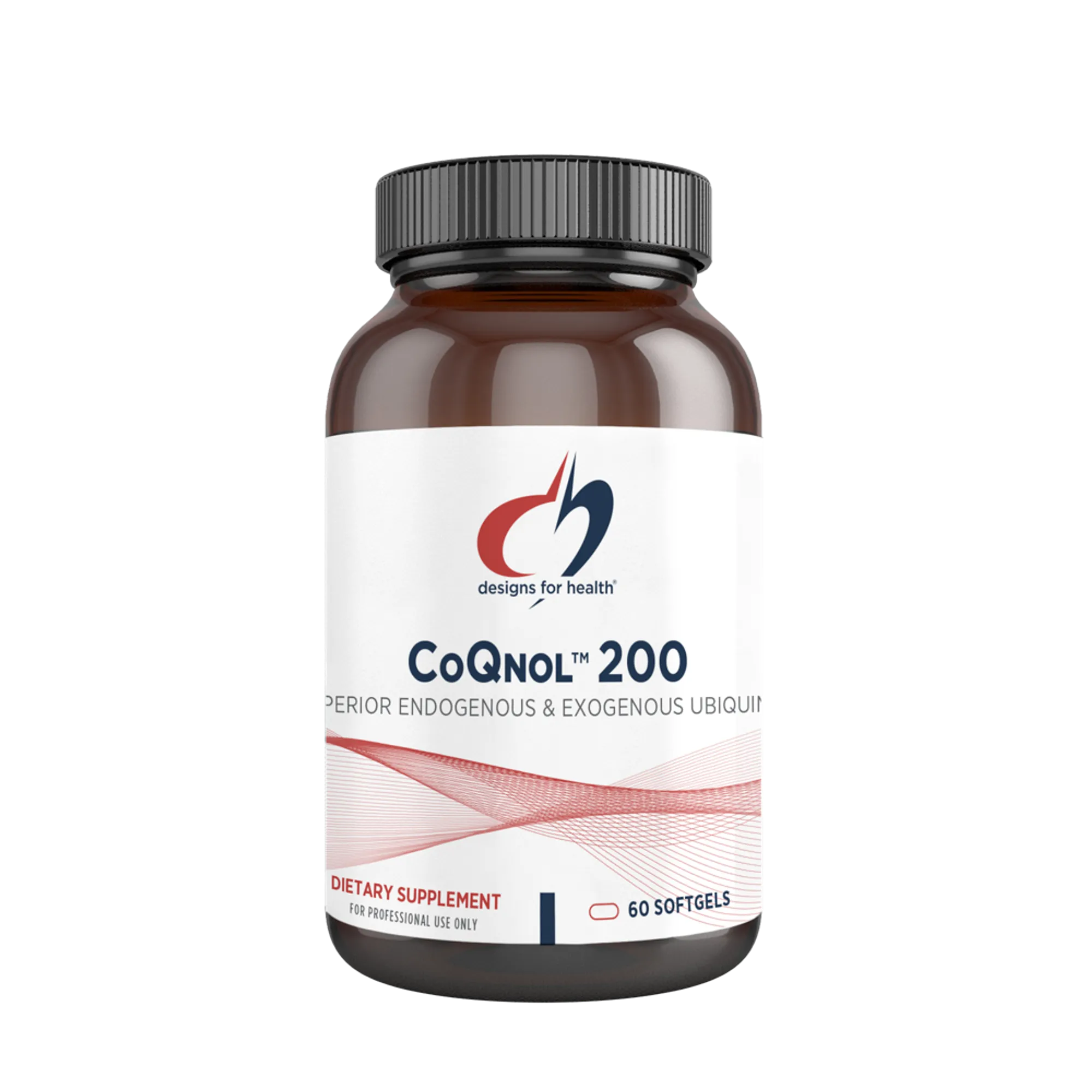
At the core of many of these complex, overlapping conditions lies a fundamental disruption in how our cells generate and utilize energy. The mitochondrial dysfunction hypothesis suggests that chronic inflammation, viral persistence, and severe oxidative stress damage the microscopic powerhouses within our cells, leading to a systemic energy crisis. This is where targeted nutritional interventions come into play. By utilizing advanced formulations like COQ200 200mg—which combines the highly bioavailable antioxidant ubiquinol with geranylgeraniol (GG)—patients can directly support their cellular energy production, bolster their antioxidant defenses, and take a crucial step toward managing their most unpredictable symptoms.
TL;DR
CoQ10 and geranylgeraniol (GG) support cellular energy production and may help manage chronic fatigue.
Viral infections and chronic illness can impair mitochondrial function, leading to severe energy deficits.
Ubiquinol acts as a potent antioxidant, protecting cells from oxidative stress and supporting autonomic function.
Advanced formulations like COQ200 improve absorption, helping to replenish depleted energy stores more effectively.
What is Coenzyme Q10 and Geranylgeraniol?
The Electron Transport Chain and ATP Production
To understand the profound impact of Coenzyme Q10 (CoQ10) on the body, we must first look deep inside the cell to the mitochondria, often referred to as the cellular powerhouses. The primary function of the mitochondria is to convert the macronutrients from the food we eat into adenosine triphosphate (ATP), the universal energy currency of the human body. This complex biochemical conversion occurs along the inner mitochondrial membrane through a series of protein complexes known as the electron transport chain (ETC).
CoQ10 acts as an indispensable, lipid-soluble electron shuttle within this chain. It moves freely within the hydrophobic (water-repelling) core of the mitochondrial membrane, accepting high-energy electrons from Complex I (NADH dehydrogenase) and Complex II (succinate dehydrogenase). It then physically transports these electrons to Complex III (cytochrome bc1 complex). This precise movement of electrons facilitates the pumping of protons across the membrane, creating a powerful electrochemical gradient that ATP synthase ultimately uses to manufacture ATP. Without adequate CoQ10, this entire energy-producing assembly line grinds to a halt.
While CoQ10 is widely known, its vital partner, geranylgeraniol (GG), is often overlooked. GG is an endogenous isoprenoid compound synthesized naturally within the human body. It serves as the fundamental biochemical building block required to create the polyisoprenoid "tail" of the CoQ10 molecule. This long, lipid-rich tail is what allows CoQ10 to anchor itself into the mitochondrial membrane and perform its electron-shuttling duties. Without sufficient GG, the body simply cannot construct new CoQ10 molecules, regardless of how much precursor material is available.
The Mevalonate Pathway and Endogenous Synthesis
The body does not rely solely on dietary intake for its CoQ10 supply; it manufactures it internally through a complex metabolic route known as the mevalonate pathway. This pathway is most famous for synthesizing cholesterol, but it is equally responsible for producing crucial isoprenoids like farnesyl pyrophosphate (FPP) and geranylgeranyl pyrophosphate (GGPP). These intermediate molecules are the direct precursors to GG and, subsequently, CoQ10.
Beyond its role in CoQ10 synthesis, GG is essential for a critical cellular process called protein prenylation, specifically geranylgeranylation. This process involves attaching a lipid anchor to various signaling proteins (such as the Rho, Rac, and Cdc42 protein families), allowing them to attach to cell membranes. These proteins regulate the cytoskeleton, cell growth, and survival. In skeletal muscle tissue, proper geranylgeranylation is an absolute requirement for muscle fiber maintenance and the prevention of muscular atrophy.
As we age, or when the body is subjected to chronic physiological stress from severe viral infections or long-term illness, the efficiency of the mevalonate pathway naturally declines. This age-related and illness-induced suppression leads to a steady drop in endogenous GG and CoQ10 production. This systemic decline is a primary driver of the reduced metabolic flexibility and delayed cellular repair frequently observed in complex chronic conditions. For a broader overview of mitochondrial support, you can read our CoQ10 supplement guide.
Antioxidant Defense and Cellular Membrane Integrity
While ATP production is its most famous role, CoQ10 is equally critical as the body's primary lipid-soluble antioxidant. During the normal process of electron transport, a small percentage of electrons inevitably leak from the chain and interact with oxygen, creating highly reactive molecules known as superoxide radicals or reactive oxygen species (ROS). In a healthy state, the body easily neutralizes these free radicals before they can cause harm.
CoQ10, specifically in its reduced, active form known as ubiquinol, is uniquely positioned to scavenge these dangerous ROS directly at the site of their creation within the mitochondria. By donating electrons to neutralize free radicals, ubiquinol prevents a destructive process called lipid peroxidation. This process occurs when free radicals attack and degrade the delicate phospholipid bilayers that make up the mitochondrial and cellular membranes, leading to structural collapse and cell death.
Furthermore, ubiquinol works synergistically with other cellular antioxidants to maintain a robust defense network. Once Vitamin E or Vitamin C has neutralized a free radical and become oxidized itself, ubiquinol steps in to donate an electron, effectively recycling and regenerating these vitamins back into their active antioxidant states. This continuous cycle of protection is vital for preserving the structural integrity of every cell in the human body, particularly those in high-energy organs like the heart and brain.
How Long COVID and ME/CFS Impact Mitochondrial Function
Viral Hijacking and Mitochondrial Fragmentation
In the context of complex chronic illnesses, the mitochondria are often the primary casualties of ongoing physiological warfare. Research into the pathophysiology of Long COVID reveals that the SARS-CoV-2 virus does not merely affect the respiratory system; it actively hijacks the mitochondria to facilitate its own replication. The virus alters mitochondrial dynamics, promoting a process called fission (fragmentation) over fusion, which effectively destroys the interconnected mitochondrial network required for optimal energy distribution.
This structural damage severely impairs the electron transport chain. As the mitochondrial membranes are co-opted to form double-membrane vesicles for viral replication, the precise alignment of Complex I through IV is disrupted. This misalignment causes a drastic reduction in the efficiency of electron transfer, leading to a plummet in ATP output. For patients, this microscopic energy crisis manifests macroscopically as profound, unrelenting fatigue that does not improve with standard rest.
Similar mitochondrial impairments have been extensively documented in ME/CFS. A 2009 study published in Neuro Endocrinology Letters identified a significant deficiency of CoQ10 in patients with ME/CFS, directly linking this depletion to increased fatigue, autonomic dysfunction, and neurocognitive symptoms. The study highlighted that CoQ10 depletion is a core component of the disease's pathophysiology, driving the characteristic energy deficits.
Oxidative Stress and the Vicious Cycle of Fatigue
Because the electron transport chain is damaged and misaligned, an abnormally high number of electrons leak into the mitochondrial matrix, creating a massive surge in reactive oxygen species (ROS). This state of severe oxidative stress overwhelms the body's native ubiquinol stores. As the available ubiquinol is rapidly oxidized into ubiquinone in a desperate attempt to neutralize the free radical fire, the critical ratio of ubiquinol to ubiquinone plummets.
This depletion creates a devastating vicious cycle. With less active CoQ10 available to shuttle electrons, ATP production drops even further, causing more electron leakage and generating even more ROS. This biochemical downward spiral is a primary driver of post-exertional malaise (PEM), the hallmark symptom of ME/CFS and Long COVID, where even minor physical or cognitive exertion triggers a disproportionate and debilitating crash in energy levels.
Furthermore, this systemic oxidative stress extends beyond the mitochondria, triggering widespread neuroinflammation and immune dysregulation. A 2023 review in the International Journal of Molecular Sciences synthesized evidence showing that Long COVID and ME/CFS involve chronic systemic inflammation, microglial activation in the brain, and blood-brain barrier permeability, all exacerbated by underlying mitochondrial and redox defects. Addressing the microbiome with a gut-brain reset can also support this systemic inflammatory burden.
The Statin Paradox and Iatrogenic Depletion
Many patients managing chronic illnesses also face cardiovascular comorbidities and are prescribed statin medications to manage cholesterol levels. Statins function by inhibiting HMG-CoA reductase, an enzyme located early in the mevalonate pathway. While this mechanism is highly effective at lowering cholesterol, it acts indiscriminately, inadvertently starving the downstream production of essential isoprenoids, including geranylgeraniol (GG) and CoQ10.
This pharmacological blockade leads to a phenomenon known as the "statin paradox." By depleting the exact molecules required for mitochondrial respiration and muscle protein maintenance, statins frequently induce Statin-Associated Muscle Symptoms (SAMS), characterized by severe myalgia (muscle pain), weakness, and fatigue. Research published in Translational Research demonstrates that this muscle damage is fundamentally a geranylgeranylation defect.
For a patient already battling the severe fatigue and muscle weakness of Long COVID or ME/CFS, this iatrogenic (medically induced) depletion of GG and CoQ10 compounds their existing mitochondrial dysfunction. The muscles lack the GG required for proper protein modification and survival, leading to accelerated atrophy and an exacerbation of exercise intolerance. Recognizing and addressing this specific depletion is critical for comprehensive patient care.
COQ200 200mg: Supporting Cellular Energy and Autonomic Function
Ubiquinol: The Active, Ready-to-Use Antioxidant
COQ200 200mg features DuoQuinol™, a highly bioavailable form of ubiquinol. Standard CoQ10 supplements typically contain ubiquinone, the oxidized form of the molecule. For ubiquinone to be utilized by the body as an antioxidant, it must first be enzymatically reduced into ubiquinol. In healthy, young individuals, this conversion process is relatively efficient. However, in states of chronic illness, advanced age, or severe oxidative stress, the enzymes responsible for this conversion become impaired or overwhelmed.
Providing pre-converted ubiquinol bypasses this metabolic bottleneck entirely. By delivering the active, reduced form directly to the cells, ubiquinol immediately supplies the mitochondria with the vital electron carrier and potent antioxidant it desperately needs. This direct intervention rapidly restores the ubiquinol-to-ubiquinone ratio, halting the vicious cycle of lipid peroxidation and protecting the delicate mitochondrial membranes from further free radical damage.
This rapid restoration of antioxidant capacity is particularly crucial for the brain and nervous system. The brain consumes roughly 20% of the body's total ATP and is highly susceptible to oxidative stress. By crossing the blood-brain barrier and neutralizing ROS, ubiquinol helps mitigate the neuroinflammation that drives severe brain fog, cognitive fatigue, and sensory overload in patients with complex chronic conditions.
Geranylgeraniol (GG): Stimulating Natural CoQ10 Production
While ubiquinol provides an immediate, exogenous supply of active CoQ10, the inclusion of GG-Gold®—a patented form of trans-geranylgeraniol extracted from annatto seeds—addresses the body's endogenous production capabilities. This creates a powerful, dual-action approach to mitochondrial restoration. GG provides the exact raw material the mevalonate pathway requires to synthesize native CoQ10 directly inside the cell, ensuring a sustained and natural replenishment of cellular energy stores.
Furthermore, GG plays a profound role in rescuing skeletal muscle tissue. By restoring the pool of geranylgeranyl pyrophosphate (GGPP), GG facilitates the essential protein geranylgeranylation required for muscle fiber survival. A pivotal 2020 study by Irwin et al. demonstrated that co-administering GG completely abrogated statin-induced muscle fatigue and reversed the loss of force production in fast-twitch muscle fibers.
This muscle-rescuing property is incredibly relevant for patients experiencing severe deconditioning due to prolonged bed rest, frequent PEM crashes, or statin use. By supporting the structural integrity and functional capacity of skeletal muscle, GG helps patients slowly rebuild their physical stamina and tolerance for basic daily activities without triggering immediate muscular failure.
Stabilizing Mast Cells and Managing Histamine
Many patients with Long COVID and ME/CFS develop secondary immunological conditions, most notably mast cell activation syndrome (MCAS). Mast cells are immune sentinels that, when inappropriately triggered, release massive amounts of inflammatory mediators, including histamine. The process of mast cell degranulation is highly calcium-dependent and is frequently triggered by excessive oxidative stress damaging the mast cell membrane and altering calcium ion channels. Similar to how medications like ketotifen stabilize mast cells, targeted antioxidants offer crucial support.
Ubiquinol acts as a natural mast cell stabilizer through its potent ROS-scavenging abilities. By neutralizing the free radicals that threaten the mast cell membrane, ubiquinol prevents the abnormal influx of calcium, thereby halting the explosive release of histamine, offering potential relief for patients suffering from unpredictable allergic responses and flushing.
Additionally, the primary enzymes responsible for breaking down systemic histamine—Diamine Oxidase (DAO) in the gut and Histamine N-Methyltransferase (HNMT) in the tissues—are highly ATP-dependent. By restoring mitochondrial oxidative phosphorylation and elevating cellular energy levels, ubiquinol provides the body with the necessary fuel to efficiently metabolize and clear excess histamine, reducing the overall inflammatory burden.
Modulating Autonomic Tone in Dysautonomia and POTS
The autonomic nervous system (ANS) operates continuously in the background, regulating critical functions like heart rate, blood pressure, and vascular tone. This relentless operation requires massive amounts of cellular energy. In patients managing dysautonomia and Postural Orthostatic Tachycardia Syndrome (POTS), severe mitochondrial energy deficits lead to autonomic misfiring, resulting in exaggerated heart rate responses and poor blood vessel constriction upon standing.
By bridging this cellular energy deficit, ubiquinol supports the intense energetic demands of the ANS, helping to stabilize autonomic responses. Furthermore, the antioxidant properties of ubiquinol play a vital role in endothelial function—the health of the inner lining of the blood vessels. Ubiquinol protects endothelial nitric oxide from being destroyed by superoxide radicals, ensuring proper vasodilation and vascular compliance.
This improved vascular tone helps counteract the blood pooling in the lower extremities that frequently triggers the compensatory tachycardia seen in POTS. By addressing both the energetic and oxidative components of autonomic dysfunction, COQ200 200mg provides foundational support for cardiovascular stability and improved orthostatic tolerance.
Symptoms COQ200 200mg May Help Manage
Energy and Exertion Symptoms
By directly supporting the electron transport chain and restoring ATP production, ubiquinol and geranylgeraniol target the core energy deficits that drive severe fatigue and exercise intolerance.
Post-Exertional Malaise (PEM): Supports the mitochondrial capacity to handle physical and cognitive exertion without triggering a catastrophic drop in ATP and subsequent symptom flares.
Severe, Unrefreshing Fatigue: Provides the cellular fuel necessary to maintain baseline energy levels throughout the day, reducing the sensation of heavy, leaden limbs.
Muscle Weakness and Myalgia: GG facilitates protein geranylgeranylation, rescuing skeletal muscle fibers from atrophy and reducing the deep muscle aching associated with chronic illness and statin use.
Cardiovascular and Autonomic Symptoms
The energetic and antioxidant support provided by COQ200 helps stabilize the autonomic nervous system and improve endothelial function, addressing the hallmark symptoms of dysautonomia.
Tachycardia and Palpitations: By supporting autonomic tone and vascular compliance, it helps mitigate the exaggerated heart rate spikes seen upon standing in POTS patients.
Orthostatic Intolerance: Improves endothelial nitric oxide bioavailability, aiding in proper blood vessel constriction and reducing dizziness and pre-syncope when upright.
Endothelial Dysfunction: Protects the delicate lining of the blood vessels from oxidative damage, promoting healthy circulation and reducing microvascular inflammation.
Immunological and Neurological Symptoms
By scavenging reactive oxygen species and providing the energy required for enzymatic detoxification, ubiquinol helps calm hyperactive immune responses and neuroinflammation.
Histamine Intolerance and Flushing: Stabilizes mast cell membranes by neutralizing ROS, preventing calcium influx and the erratic release of histamine and other inflammatory mediators.
Brain Fog and Cognitive Fatigue: Crosses the blood-brain barrier to reduce neuroinflammation and supply the high-energy demands of the central nervous system, improving mental clarity.
Neuropathic Pain: Protects intraepidermal nerve fibers from oxidative damage, addressing the burning, tingling sensations often associated with neuropathic POTS and small fiber neuropathy.
Practical Considerations: Forms, Dosing, and Absorption
The Bioavailability Challenge of CoQ10
Despite its profound therapeutic potential, CoQ10 is notoriously difficult for the human body to absorb. It is a highly lipophilic (fat-soluble) molecule with a large molecular weight and a strong tendency to crystallize at room temperature. Because the gastrointestinal tract is primarily an aqueous (water-based) environment, standard crystalline CoQ10 powders or poorly formulated capsules tend to clump together during digestion.
This clumping results in extremely poor intestinal permeability. The large, crystallized molecules simply cannot pass through the intestinal wall into the bloodstream, leading to incredibly low absorption rates and high excretion. This fundamental physical limitation is the primary reason why many over-the-counter, inexpensive CoQ10 supplements fail to produce any measurable clinical improvements or changes in blood plasma levels.
To achieve therapeutic efficacy, especially in patients with compromised gastrointestinal function or dysmotility, the CoQ10 must be kept in a solubilized, non-crystallized state throughout the entire digestive process. This requires advanced formulation technologies that can bridge the gap between the fat-soluble molecule and the water-based digestive tract.
Quillaja Extract: A Breakthrough in Nanoemulsion Technology
To overcome these severe absorption challenges, COQ200 200mg incorporates a highly specialized delivery system utilizing quillaja extract. Derived from the inner bark of the Quillaja saponaria (soapbark) tree native to Chile, this extract is incredibly rich in natural saponins. Saponins are amphiphilic molecules, meaning they possess both water-loving (hydrophilic) and fat-loving (hydrophobic) components, making them exceptionally powerful natural emulsifiers.
In pharmacological engineering, quillaja saponins act as highly effective biosurfactants. When mixed with ubiquinol, they rapidly reduce the interfacial tension between the oil and water phases, creating a stable nanoemulsion. This process disperses the ubiquinol into microscopic droplets—often smaller than 200 nanometers—physically preventing the molecules from oxidizing or crystallizing in the harsh, acidic environment of the stomach.
This proprietary blending of ubiquinol, quillaja extract, and geranylgeraniol creates a stable matrix that dramatically enhances bioaccessibility. Clinical pharmacokinetic studies demonstrate that formulations utilizing quillaja extract achieve absorption rates approximately 18% to 20% higher than other leading brands of commercially solubilized ubiquinol, ensuring that the active ingredients successfully reach the intestinal wall and are transported into general circulation.
Dosing Guidelines, Timing, and Interactions
Because CoQ10 is a natural compound, dosing must be individualized, but clinical protocols for chronic illness often recommend a starting dose of 100 mg to 200 mg of ubiquinol daily. For patients managing severe dysautonomia or statin-induced myopathy, functional medicine practitioners may titrate the dose higher, aiming for specific therapeutic blood plasma levels between 4.0 and 7.0 mg/L.
Timing and administration are critical for optimal results. Even with advanced nanoemulsion technology, ubiquinol remains a fat-soluble nutrient and should always be taken with a meal containing healthy fats (such as avocado, olive oil, or nuts) to maximize gastrointestinal absorption. Furthermore, because it actively enhances cellular energy production, taking it late in the afternoon or evening may cause insomnia or disrupt sleep architecture; morning or early afternoon dosing is strongly preferred.
While ubiquinol and GG are exceptionally safe and well-tolerated, they can interact with certain medications. CoQ10 has a mild blood-pressure-lowering effect, which should be monitored in patients taking antihypertensive drugs. Additionally, its chemical structure is similar to Vitamin K, meaning it can potentially interact with blood thinners like warfarin (Coumadin), altering their efficacy. Patients should always consult their prescribing physician before adding high-dose ubiquinol to their regimen.
Follow the Science
Clinical Trials on Long COVID and Post-Viral Fatigue
The clinical exploration of CoQ10 for post-viral syndromes has yielded nuanced and highly instructive results, emphasizing the need for targeted, synergistic formulations. A rigorous 2023 trial conducted by Aarhus University tested high-dose CoQ10 (500 mg/day of standard ubiquinone) as a standalone monotherapy for Long COVID fatigue. The study did not find a statistically significant reduction in symptoms compared to the placebo, leading researchers to conclude that singular interventions may be insufficient to resolve complex mitochondrial dysfunction.
Conversely, the 2023 REQUPERO study demonstrated profound success by utilizing a synergistic approach. This prospective observational study evaluated 174 patients with Chronic COVID syndrome suffering from severe fatigue. The treatment group received a combination of CoQ10 and alpha-lipoic acid (ALA) for two months. An astounding 53.5% of the treated patients achieved a complete response (recovery from fatigue), compared to only 3.5% in the untreated control group, proving that CoQ10's efficacy is vastly amplified when paired with complementary metabolic supporters.
Furthermore, a 2023 interventional study by Comenius University specifically utilized ubiquinol alongside spa rehabilitation for Post-COVID syndrome. The study confirmed that post-viral patients suffered from suppressed endogenous CoQ10 levels and reduced ATP production. The targeted administration of ubiquinol successfully decreased oxidative stress and improved platelet mitochondrial bioenergetics, accelerating cellular regeneration and directly alleviating fatigue.
Evidence for Dysautonomia and ME/CFS Management
While massive, multi-center trials exclusively labeling "POTS" alongside CoQ10 are still developing, highly relevant clinical trials on ME/CFS—which shares a massive clinical and pathophysiological overlap with dysautonomia—have yielded very promising data regarding autonomic regulation and exercise intolerance.
Geranylgeraniol and the Rescue of Skeletal Muscle
The clinical literature surrounding geranylgeraniol (GG) is rapidly expanding, particularly regarding its ability to protect and rescue skeletal muscle from iatrogenic damage. Recent "add-back" studies—where GG is administered alongside a statin medication—have demonstrated profound protective effects on muscle tissue without negating the cholesterol-lowering benefits of the statin therapy.
A 2020 study published in Translational Research by Irwin et al. evaluated the effects of simvastatin on fast-twitch muscle fibers. The statin administration severely reduced force production and induced rapid muscle fatigue. However, the coadministration of GG completely abrogated this muscle fatigue, rescuing the muscle cells and reversing the fiber loss by restoring essential protein prenylation.
Moving from animal models to human applications, further research on annatto-derived GG supplementation suggests it may be safe and well-tolerated in adults. This emerging safety data paves the way for the widespread clinical use of GG in reversing statin-associated myopathy and supporting the endogenous synthesis of CoQ10 in aging and chronically ill populations.
The Path Forward
Validating Your Invisible Illness Journey
Living with complex, invisible illnesses like Long COVID, ME/CFS, and dysautonomia is an exhausting, relentless battle. The daily struggle against unpredictable symptoms—waking up paralyzed by post-exertional malaise, fighting through suffocating brain fog, or feeling your heart race simply from standing—takes a profound physical and emotional toll. It is incredibly common to feel dismissed or misunderstood by a medical system that often relies on standard blood tests that fail to capture the deep, cellular dysfunction occurring within your body.
It is crucial to hear and internalize this truth: your symptoms are real, they are valid, and they are rooted in measurable physiological disruptions. The severe fatigue and autonomic misfiring you experience are not psychological deficits or a lack of willpower; they are the direct result of mitochondrial impairment, oxidative stress, and systemic energy failure. Understanding the biochemistry behind your illness is the first empowering step toward reclaiming your quality of life.
A Comprehensive, Multi-Modal Management Strategy
While advanced nutritional interventions like COQ200 200mg offer powerful, targeted support for cellular energy and antioxidant defense, it is vital to approach recovery with realistic expectations. There is no single miracle pill or quick fix for complex chronic conditions. Supplements are most effective when utilized as one crucial piece of a comprehensive, multi-modal management strategy.
Restoring mitochondrial health is a marathon, not a sprint. It requires strict adherence to pacing strategies to avoid triggering PEM crashes, meticulous symptom tracking to identify specific triggers, dietary modifications to support gut health, and ongoing, compassionate medical care. By combining the direct antioxidant power of ubiquinol with the endogenous synthesis support of geranylgeraniol, you are providing your body with the foundational tools it needs to slowly repair and rebuild its energy reserves over time.
Next Steps for Your Cellular Health
If you are struggling with the debilitating fatigue of post-viral syndromes, the unpredictable heart rate spikes of POTS, or the muscle pain associated with statin use, discussing targeted mitochondrial support with your healthcare provider is a critical next step. Together, you can determine if a dual-action approach utilizing ubiquinol and GG is appropriate for your specific clinical presentation and metabolic needs.