Can CopaCalm Ease the Brain Fog and Sympathetic Overdrive of Long COVID?
March 6, 2026
CopaCalmLong COVIDBrain Fog
Share:
Disclaimer: The information provided here is for educational purposes only and is not intended as medical advice. It should not be used to diagnose, treat, cure, or prevent any medical condition. Instead, use it as a starting point for discussion with your healthcare provider. Always consult with a qualified healthcare provider before starting any new medication, supplement, device, or making changes to your health regimen.
Living with a complex chronic illness like Long COVID, myalgic encephalomyelitis/chronic fatigue syndrome (ME/CFS), or dysautonomia often feels like your nervous system is trapped in a perpetual state of high alert. Patients frequently describe a paradoxical sensation of being "wired but tired"—physically exhausted to the bone, yet mentally overstimulated, anxious, and unable to achieve restorative rest. This state of sympathetic overdrive is frequently accompanied by profound cognitive dysfunction, commonly referred to as "brain fog," which can make even simple daily tasks feel insurmountable. When your brain's communication pathways are disrupted by chronic inflammation and neurotransmitter imbalances, finding a sense of calm, focused clarity can seem impossible.
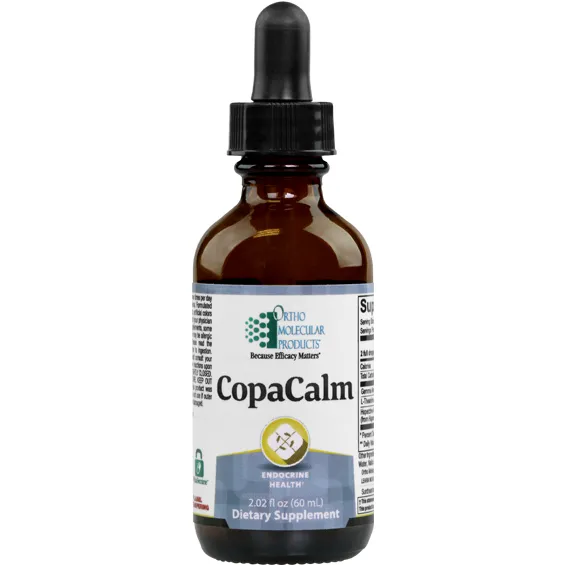
Enter CopaCalm, a targeted liquid supplement formulated by Ortho Molecular to address daily stress and provide a state of relaxed focus without causing drowsiness. By combining three potent, scientifically backed ingredients—Gamma-Aminobutyric Acid (GABA), L-Theanine (as Suntheanine®), and Huperzine A—CopaCalm is designed to modulate the autonomic nervous system, quell neuroinflammation, and restore the delicate balance of neurotransmitters in the brain. In this comprehensive guide, we will explore the intricate biochemistry of how CopaCalm works, delve into the latest clinical research, and discuss how it may serve as a valuable tool for patients navigating the neurological complexities of Long COVID and related chronic conditions.
What is CopaCalm?
Understanding the Neurotransmitter Orchestra
To fully appreciate how CopaCalm works, it is essential to first understand the natural function of its key ingredients within a healthy human body. The central nervous system operates much like a highly complex symphony orchestra, relying on a delicate balance of chemical messengers known as neurotransmitters to transmit signals between neurons. These neurotransmitters bind to specific receptors on the surface of nerve cells, acting as the gateways for cellular communication. When this system is functioning optimally, excitatory neurotransmitters (which stimulate brain activity) and inhibitory neurotransmitters (which calm brain activity) work in perfect harmony, allowing for sharp focus, emotional stability, and restorative sleep.
However, when the body is subjected to chronic physiological or psychological stress, this delicate balance is easily disrupted. The nervous system can become flooded with excitatory signals, leading to cellular exhaustion and cognitive decline. CopaCalm is specifically formulated to counter this imbalance by providing three distinct compounds that target different aspects of the brain's communication network. Each ingredient plays a unique, synergistic role at the molecular and cellular level to promote a state of relaxed, clear-headed focus.
Gamma-Aminobutyric Acid (GABA): The Brain's Natural Brake Pedal
Gamma-Aminobutyric Acid (GABA) is the primary inhibitory neurotransmitter in the mammalian central nervous system. If excitatory neurotransmitters like glutamate act as the brain's accelerator, GABA functions as its critical brake pedal. At the cellular level, GABA works by binding to specific transmembrane receptors—primarily GABA-A and GABA-B receptors—located on the synapses of neurons. When GABA binds to a GABA-A receptor, it triggers the opening of ion channels that allow negatively charged chloride ions to flood into the neuron.
This sudden influx of negative ions causes a process known as "hyperpolarization." In simple terms, hyperpolarization lowers the electrical charge inside the cell, making it significantly more difficult for the neuron to reach the threshold required to fire an action potential. By inhibiting this electrical firing, GABA effectively slows down excessive brain activity, dampens the physical sensations of anxiety, and prevents the over-excitability that leads to stress and sensory overload. In a healthy body, robust GABA production is essential for initiating sleep, maintaining emotional regulation, and recovering from acute stressors.
L-Theanine (Suntheanine®): The Promoter of Wakeful Relaxation
L-Theanine is a unique, non-protein amino acid found almost exclusively in the leaves of the green tea plant (Camellia sinensis). Structurally, L-theanine closely resembles glutamate, the brain's most abundant excitatory neurotransmitter. Because of this structural similarity, L-theanine can easily cross the blood-brain barrier and bind to glutamate receptors in the cortex. However, instead of stimulating these receptors, L-theanine acts as a mild antagonist, effectively blocking glutamate from over-exciting the neurons.
Beyond its role as a glutamate blocker, L-theanine actively stimulates the endogenous production of GABA, serotonin, and dopamine. One of its most remarkable physiological effects is its ability to alter brain wave patterns. Electroencephalogram (EEG) studies have consistently shown that L-theanine significantly increases the generation of alpha brain waves. Alpha waves are associated with a state of "wakeful relaxation"—the calm, focused mental state you might experience during deep meditation or right before falling asleep. This allows L-theanine to reduce stress and anxiety without causing the heavy sedation or drowsiness typically associated with pharmaceutical relaxants.
Huperzine A and the Preservation of Acetylcholine
The third key ingredient in CopaCalm is Huperzine A, a highly selective, natural sesquiterpene alkaloid extracted from the Chinese club moss plant (Huperzia serrata). While GABA and L-theanine primarily focus on calming the nervous system, Huperzine A is dedicated to supporting cognitive function and memory. It achieves this through a potent mechanism known as acetylcholinesterase inhibition.
Acetylcholine is a vital neurotransmitter responsible for learning, memory formation, attention, and executive function. After acetylcholine transmits a signal across a synapse, an enzyme called acetylcholinesterase (AChE) rapidly breaks it down to prevent continuous, uncontrolled nerve stimulation. Huperzine A works by competitively and reversibly binding to this enzyme, inhibiting its ability to destroy acetylcholine. By slowing down this breakdown process, Huperzine A allows acetylcholine to accumulate and remain active in the synaptic cleft for longer periods. This enhanced cholinergic neurotransmission is crucial for maintaining sharp cognitive focus, especially in environments where the brain is struggling to process information efficiently.
How Chronic Illness Impacts the Nervous System
The Vicious Cycle of Sympathetic Overdrive
To understand why a supplement like CopaCalm is highly relevant for patients with complex chronic illnesses, we must examine how conditions like Long COVID, myalgic encephalomyelitis/chronic fatigue syndrome (ME/CFS), and dysautonomia fundamentally alter the nervous system. One of the most common and debilitating features of these conditions is autonomic nervous system (ANS) dysfunction. The ANS controls involuntary bodily functions, balancing the sympathetic nervous system (the "fight or flight" response) with the parasympathetic nervous system (the "rest and digest" response).
In many patients with dysautonomia—such as Postural Orthostatic Tachycardia Syndrome (POTS)—the autonomic nervous system becomes severely dysregulated. The body becomes trapped in a state of chronic sympathetic overdrive. The brain perceives a constant state of threat, flooding the system with stress hormones like cortisol and adrenaline. This relentless hyperarousal leads to a vicious cycle: the constant physiological stress depletes the brain's natural reserves of inhibitory neurotransmitters like GABA, which in turn makes the nervous system even more reactive to minor stimuli. This manifests clinically as palpitations, severe anxiety, sensory overload, and the exhausting "wired but tired" sensation that makes restorative sleep nearly impossible.
Neuroinflammation and Microglial Activation
Beyond autonomic dysregulation, recent research into Long COVID has heavily implicated chronic neuroinflammation as a primary driver of neurological symptoms. When the body is exposed to a severe viral infection like SARS-CoV-2, it can trigger a prolonged, maladaptive immune response. In the brain, this involves the activation of microglia and astrocytes—the resident immune cells of the central nervous system. While these cells normally protect the brain, chronic activation causes them to release a constant stream of pro-inflammatory cytokines, such as Interleukin-6 (IL-6) and Tumor Necrosis Factor-alpha (TNF-α).
This persistent neuroinflammation physically damages neuronal synapses and disrupts the synthesis and transport of crucial neurotransmitters. The inflammatory cascade impairs the brain's ability to efficiently process information, leading to the profound cognitive dysfunction commonly referred to as "brain fog". Patients experience this as a devastating loss of short-term memory, an inability to find words, poor concentration, and severe cognitive fatigue. The brain is essentially operating in a hostile, inflamed environment, making normal cognitive tasks feel like wading through wet concrete.
The Cholinergic Deficit and Cognitive Decline
The intersection of neuroinflammation and cognitive dysfunction is heavily tied to the cholinergic system. Acetylcholine, the neurotransmitter vital for memory and learning, is highly vulnerable to oxidative stress and inflammatory damage. In conditions characterized by chronic neuro-inflammation, the pathways responsible for producing and utilizing acetylcholine are often compromised. This leads to a functional cholinergic deficit in the brain.
Furthermore, acetylcholine plays a critical role in regulating the immune system through a mechanism known as the "cholinergic anti-inflammatory pathway." When acetylcholine levels drop due to chronic illness, the brain loses one of its primary mechanisms for signaling the immune system to stand down and stop producing inflammatory cytokines. This creates another vicious cycle: inflammation depletes acetylcholine, which causes cognitive dysfunction, and the lack of acetylcholine allows the inflammation to continue unchecked. Breaking this cycle requires targeted interventions that can simultaneously calm the nervous system, reduce inflammatory signaling, and support neurotransmitter preservation.
CopaCalm: Supporting Relaxed Focus and Neurotransmitter Balance
Modulating the Autonomic Nervous System with GABA
CopaCalm addresses the complex pathophysiology of chronic illness through multiple, overlapping mechanisms of action. The inclusion of GABA directly targets the sympathetic overdrive seen in dysautonomia and ME/CFS. While there has been historical debate about whether oral GABA can effectively cross the blood-brain barrier, recent clinical reviews (2024) have elucidated alternative pathways through which it exerts profound systemic effects. Oral GABA is now understood to interact heavily with the Enteric Nervous System (ENS) in the gut. By binding to peripheral GABA receptors in the gastrointestinal tract, it sends powerful calming signals up to the brain via the vagus nerve.
This gut-brain axis communication directly modulates the autonomic nervous system. Clinical studies have demonstrated that GABA supplementation can significantly increase Heart Rate Variability (HRV)—a key biomarker of autonomic health—by activating the parasympathetic nervous system. By enhancing vagal tone and dampening the sympathetic "fight or flight" response, GABA helps lower salivary cortisol levels and reduces the physiological markers of acute stress. For a patient trapped in hyperarousal, this mechanism acts as a systemic reset, helping to lower the baseline level of nervous system reactivity.
Promoting "Wakeful Relaxation" with L-Theanine
While GABA works to calm the physiological stress response, L-Theanine targets the cognitive and emotional aspects of hyperarousal. Because L-Theanine easily crosses the blood-brain barrier, it can directly interact with the brain's glutamate receptors. In the context of Long COVID and neuroinflammation, the brain often suffers from glutamate excitotoxicity—a state where excessive excitatory signaling damages neurons and exacerbates brain fog. By acting as a glutamate antagonist, L-Theanine shields neurons from this overstimulation.
Simultaneously, L-Theanine's ability to promote alpha brain wave activity is crucial for patients struggling with cognitive fatigue. Alpha waves bridge the gap between conscious thinking and the subconscious mind, fostering a state of relaxed alertness. This allows patients to maintain focus and execute cognitive tasks without the jittery, anxiety-inducing effects of traditional stimulants like caffeine. By smoothing out the brain's electrical activity, L-Theanine helps clear the mental static associated with brain fog, allowing for smoother, more efficient cognitive processing.
Quelling Neuroinflammation via the Cholinergic Pathway
Perhaps the most compelling mechanism for Long COVID and ME/CFS patients is Huperzine A's dual role as a cognitive enhancer and a neuroprotective anti-inflammatory agent. By inhibiting acetylcholinesterase, Huperzine A ensures that more acetylcholine remains available in the brain. This directly combats the cholinergic deficit responsible for memory loss and poor executive function. However, the benefits extend far beyond simple memory enhancement.
The accumulation of acetylcholine induced by Huperzine A actively stimulates α7 nicotinic acetylcholine receptors (α7 nAChRs) on the surface of microglial cells. Extensive preclinical research has shown that activating these specific receptors triggers the cholinergic anti-inflammatory pathway. This signaling cascade directly inhibits the NLRP3 inflammasome and suppresses the NF-κB pathway, which drastically reduces the production of pro-inflammatory cytokines like IL-6 and TNF-α. By halting this inflammatory cascade at the cellular level, Huperzine A helps protect neurons from oxidative damage and addresses the root cause of post-viral cognitive dysfunction.
The Synergistic Amplification of Ingredients
The true power of CopaCalm lies in the synergistic interaction between its ingredients. L-Theanine naturally stimulates the brain's endogenous production of GABA. When L-Theanine is combined with direct GABA supplementation, it amplifies the inhibitory, calming effects on the nervous system. This combination offers a comprehensive approach to easing anxiety: GABA lowers the physical, autonomic stress response, L-Theanine clears the mental static and promotes alpha waves, and Huperzine A repairs the cholinergic signaling pathways disrupted by inflammation. Together, they create an environment where the brain can finally shift out of survival mode and begin to heal.

Symptoms CopaCalm May Help Manage
Cognitive and Executive Function Symptoms
By targeting neurotransmitter balance and neuroinflammation, the ingredients in CopaCalm may help manage several debilitating cognitive symptoms associated with chronic illness. For a broader approach to cognitive support, you might also explore how CurcumaSorb Mind or Memory Pro can help clear brain fog alongside CopaCalm:
Brain Fog and Mental Clarity: By reducing glutamate excitotoxicity and increasing alpha brain waves via L-Theanine, the supplement helps clear the mental static that makes thinking feel sluggish and disconnected.
Short-Term Memory Loss: Huperzine A's ability to preserve acetylcholine directly supports the brain's memory formation pathways, making it easier to retain new information and recall recent events.
Poor Concentration and Executive Dysfunction: The synergistic effect of calm focus allows patients to sustain attention on tasks without becoming rapidly overwhelmed or cognitively fatigued.
Word-Finding Difficulties (Aphasia): Enhanced cholinergic transmission supports the complex neural networks required for language processing and verbal fluency.
Autonomic and Nervous System Symptoms
For patients dealing with dysautonomia, POTS, or general central sensitization, CopaCalm's autonomic modulation can address severe hyperarousal:
"Wired But Tired" Hyperarousal: GABA's interaction with the gut-brain axis helps increase parasympathetic tone, signaling the body to exit the exhausting "fight or flight" state.
Sensory Overload: By enhancing inhibitory signaling, the brain becomes less reactive to bright lights, loud noises, and busy environments, reducing the frequency of sensory crashes.
Physical Manifestations of Anxiety: The combination of GABA and L-Theanine helps lower cortisol levels and mitigates physical stress responses like palpitations and shallow breathing.
Sleep Architecture and Fatigue Symptoms
While CopaCalm is designed to be non-drowsy during the day, its ability to regulate the nervous system has profound downstream effects on sleep and energy. If sleep latency is a primary concern, learning how 5-HTP can lift sleep disturbances may provide additional strategies:
Prolonged Sleep Latency: By calming racing thoughts and lowering physiological arousal, the ingredients make it significantly easier to transition into sleep when taken proactively before bed.
Unrefreshing Sleep: Modulating brain waves and reducing nighttime cortisol spikes can help improve the overall architecture and depth of sleep, leading to better morning recovery.
Post-Exertional Cognitive Fatigue: Protecting neurons from inflammatory damage and oxidative stress helps increase the brain's resilience to cognitive exertion, potentially raising the threshold for mental crashes.
Practical Considerations: Forms, Dosing, and Absorption
The Superiority of Suntheanine®
When evaluating amino acid supplements, the specific form and purity of the ingredient are critical factors in determining clinical efficacy. CopaCalm utilizes Suntheanine®, a highly purified, patented form of L-Theanine produced via a proprietary enzymatic fermentation process. Generic L-Theanine supplements often contain a racemic mixture of both L-theanine and D-theanine enantiomers. The D-theanine isomer is poorly absorbed by the body and can actually inhibit the absorption of the beneficial L-isomer.
Suntheanine®, however, yields a 99% pure L-isomer. Because of this exceptional purity, it is the specific variant utilized in the vast majority of gold-standard clinical trials evaluating cognitive function and stress reduction. This ensures maximum bioavailability, allowing the compound to efficiently cross the blood-brain barrier and exert its therapeutic effects on alpha brain wave generation and glutamate modulation without being hindered by inactive isomers.
Liquid Bioavailability and Flexible Dosing
One of the primary advantages of CopaCalm is its liquid formulation. For patients with complex chronic illnesses, gastrointestinal dysfunction and malabsorption are common issues that can render traditional capsules or tablets ineffective. Liquid extracts bypass much of the digestive breakdown process. When held under the tongue briefly before swallowing (sublingual administration), the active compounds can be absorbed directly into the mucosal tissue and enter the bloodstream rapidly.
This liquid form also allows for highly flexible, titrated dosing. The suggested use is 2 full droppers (about 2 mL) two to three times per day. However, patients with sensitive nervous systems or MCAS can start with a micro-dose (e.g., a few drops) and slowly titrate up to assess their tolerance. This flexibility is crucial for avoiding the paradoxical reactions that sometimes occur in severely dysregulated nervous systems.
Timing Your Supplementation
CopaCalm is designed to be used both proactively and reactively. For proactive management of daily stress and brain fog, taking a dose in the morning and early afternoon can help maintain a steady state of relaxed focus throughout the day. Because it does not cause drowsiness, it will not interfere with daytime functioning.
For reactive use, it can be taken immediately prior to known stressors—such as a cognitively demanding medical appointment, a social gathering, or a period of sensory overload—to help blunt the sympathetic nervous system's response. Additionally, while it is not a sedative, taking a dose 30 to 60 minutes before bedtime can help quiet a racing mind and lower physiological arousal, facilitating a smoother transition into sleep.
Safety, Contraindications, and Interactions
While the ingredients in CopaCalm are generally recognized as safe and well-tolerated, there are important clinical considerations. Because both GABA and L-Theanine have natural blood pressure-lowering properties (due to their relaxing effect on blood vessels and the autonomic nervous system), patients currently taking antihypertensive medications or those with severe, unmanaged hypotension should exercise caution. Combining these supplements with blood pressure drugs could potentially cause blood pressure to drop too low.
Furthermore, because GABA acts as a central nervous system inhibitor, individuals taking anti-epileptic drugs, prescription sedatives, or heavy psychiatric medications should consult their healthcare provider before use, as the supplement may unpredictably amplify the effects of these medications. Huperzine A's cholinergic effects also mean it should be used cautiously in patients with severe asthma or cardiac arrhythmias, as excess acetylcholine can affect airway constriction and heart rate. Always consult a knowledgeable medical professional before introducing a new supplement into your regimen.

Follow the Science
Clinical Trials on GABA and Autonomic Stress
The clinical evidence supporting the use of GABA for stress and autonomic regulation has expanded significantly in recent years. A 2024 randomized, double-blind, placebo-controlled trial published in the Journal of Dietary Supplements evaluated the effects of GABA supplementation on sedentary women undergoing physical stress. The study found that participants taking GABA demonstrated marked improvements in post-exercise Heart Rate Variability (HRV), indicating a heightened parasympathetic dominance and an improved physiological ability to recover from stress.
Furthermore, the GABA group showed significant amelioration in depression and stress scores on clinical scales, and experienced diminished negative affect. Recent animal models (2024/2025) have also provided a deeper understanding of GABA's cellular mechanisms, revealing that oral GABA directly increases anti-inflammatory cytokines (like IL-10 and TGF-β1) in the prefrontal cortex and reverses complement dysregulation, proving its efficacy in mitigating neuroinflammation-driven anxiety.
L-Theanine's Impact on Post-COVID Cognition
L-Theanine's ability to enhance cognitive function has been rigorously tested, particularly in the context of post-viral syndromes. A recent clinical trial known as the "Synaid" study investigated elderly patients suffering from post-COVID cognitive impairment, characterized by severe memory loss and brain fog. Patients were given a daily nutraceutical combining L-theanine with other neuro-supportive compounds. The results showed a statistically significant improvement in overall functional status and global cognition, with the most distinct improvements noted in the attention and executive functioning domains.
These findings build upon foundational research, such as the Hidese et al. (2019) study, which demonstrated that 200 mg/day of Suntheanine significantly improved executive function and verbal fluency in healthy adults while drastically reducing stress-related symptoms on the State-Trait Anxiety Inventory (STAI). Similar to how Acetyl-L-Carnitine helps clear brain fog, L-theanine consistently proves to be a powerful tool for cognitive rehabilitation by modulating glutamate and promoting alpha waves.
Huperzine A and Neuroprotective Evidence
Huperzine A has been extensively studied for its neuroprotective properties in conditions characterized by severe cognitive decline and neuroinflammation, such as Alzheimer's disease and Traumatic Brain Injury (TBI). In preclinical models of TBI, researchers found that Huperzine A treatment significantly reduced spatial memory impairment. Western blot analysis revealed that it successfully rescued the TBI-induced drop in Synaptophysin, a crucial protein marker for synaptic health and connectivity.
Additionally, studies evaluating neuroinflammation have shown that Huperzine A dramatically reduces hippocampal levels of pro-inflammatory cytokines like IL-6 and TNF-α while completely reversing the loss of Brain-Derived Neurotrophic Factor (BDNF), a protein essential for neuronal survival and neuroplasticity. This robust anti-inflammatory and cholinergic action makes it a highly promising candidate for addressing the post-viral neuroinflammation seen in Long COVID.
The Proven Synergy of GABA and L-Theanine
The synergistic combination of GABA and L-Theanine has been the subject of several compelling trials. A foundational 2006 study by Abdou et al. evaluated the effects of this combination on brain waves and immunity during an acute stress challenge. Within 60 minutes, the combination significantly increased alpha brain waves compared to a placebo. Crucially, subjects taking the supplement maintained higher levels of salivary IgA (an immune antibody that typically plummets during stress), proving it helps the body physiologically resist acute stressors.
More recently, a 2023 exploratory study utilizing wearable devices investigated the combined intake of high-dose GABA and L-theanine for stress and sleep. The wearable technology detected a statistically significant improvement in electrodermal activity—a direct metric of sympathetic sweat gland activity that indicates physical stress reduction and autonomic nervous system recovery. The combination also significantly improved global sleep quality scores, validating its powerful synergistic effect on the nervous system.
The Path Forward
Validating the Invisible Struggle
Living with the invisible, unpredictable symptoms of Long COVID, ME/CFS, and dysautonomia is an exhausting daily battle. When your nervous system is stuck in overdrive and your cognitive function is clouded by brain fog, it is easy to feel disconnected from your own life and entirely misunderstood by the traditional medical system. It is vital to recognize that these symptoms are not psychological; they are the result of profound, measurable physiological disruptions in your autonomic nervous system, inflammatory pathways, and neurotransmitter networks. Your experience is real, your symptoms are valid, and the exhaustion you feel is a natural consequence of a body fighting a relentless internal battle.
Integrating Supplements into Your Pacing Strategy
While the science behind CopaCalm is highly promising, it is important to approach supplementation with realistic expectations. There is no single miracle cure for complex chronic illnesses. Supplements like CopaCalm should be viewed as one valuable tool within a broader, comprehensive management strategy. Calming the nervous system and supporting cognitive function works best when combined with aggressive radical resting, strict energy pacing to avoid post-exertional malaise (PEM), dietary modifications to lower systemic inflammation, and ongoing medical care. By giving your brain the raw materials it needs to balance neurotransmitters, you may slowly increase your baseline resilience and improve your daily quality of life.
Next Steps
If you are struggling with the debilitating combination of brain fog, sensory overload, and sympathetic overdrive, addressing your neurotransmitter balance may be a critical step forward in your management plan. Always consult with your primary healthcare provider or a specialist familiar with complex chronic conditions before starting any new supplement, especially if you are taking prescription medications or have severe autonomic dysfunction.