Anti-Inflammatory Eating for POTS: Foods That Help and Hurt Autonomic Function
March 10, 2026
POTSDysautonomiaNutrition
Share:
Disclaimer: The information provided here is for educational purposes only and is not intended as medical advice. It should not be used to diagnose, treat, cure, or prevent any medical condition. Instead, use it as a starting point for discussion with your healthcare provider. Always consult with a qualified healthcare provider before starting any new medication, supplement, device, or making changes to your health regimen.
Living with postural orthostatic tachycardia syndrome (POTS) and other forms of dysautonomia often feels like navigating a complex, unpredictable maze. You might find that simply standing up to make breakfast sends your heart racing, or that eating a seemingly normal meal leaves you profoundly exhausted, dizzy, and struggling to think clearly. For many, the connection between what is on their plate and how their autonomic nervous system functions is a missing piece of the puzzle. The food we consume does not just provide energy; it directly influences blood volume, vascular inflammation, and the intricate neurological signaling that governs our heart rate and blood pressure.
Increasingly, medical research is uncovering a profound link between dysautonomia, systemic inflammation, and gastrointestinal dynamics. Conditions like POTS are no longer viewed solely as isolated cardiovascular or neurological anomalies. Instead, they are recognized as complex, multi-system disorders where immune dysregulation, mast cell activation, and nutritional deficits play starring roles. This guide explores the biological mechanisms behind the "POTS diet," detailing how anti-inflammatory eating, strategic meal timing, and targeted supplementation can help stabilize your autonomic nervous system and improve your quality of life.
TL;DR
Diet directly impacts POTS symptoms by influencing blood volume, vascular inflammation, and autonomic nervous system signaling.
Small, frequent, low-carbohydrate meals can help minimize blood pooling in the gut and reduce post-meal heart rate spikes.
Expanding blood volume requires pairing high sodium intake with adequate hydration, ideally using clean electrolyte formulations.
Targeted supplements and anti-inflammatory foods may help stabilize mast cells and support overall vascular health.
The Nutritional Challenge of POTS
The Gut-Autonomic Connection and Splanchnic Pooling
To understand why nutrition is so critical for managing postural orthostatic tachycardia syndrome (POTS), we must first look at the profound connection between the gut and the autonomic nervous system (ANS). The ANS is responsible for regulating involuntary bodily functions, including heart rate, blood pressure, and digestion. In a healthy individual, eating a meal triggers a highly coordinated response. Blood is directed to the gastrointestinal tract to aid in digestion—a process known as splanchnic blood pooling. To maintain stable blood pressure and ensure adequate blood flow to the brain, the ANS simultaneously constricts blood vessels in other parts of the body.
In individuals with dysautonomia, this intricate balancing act fails. The autonomic nervous system struggles to properly constrict peripheral blood vessels, meaning that when blood pools in the gut during digestion, it is drawn away from the brain and the heart. This excessive splanchnic pooling exacerbates the hypovolemia (low blood volume) that many POTS patients already experience. To compensate for the sudden drop in circulating blood volume and the resulting lack of oxygen to the brain, the heart begins to beat rapidly. This reflex tachycardia is why many patients experience a severe spike in symptoms, including dizziness, palpitations, and profound fatigue, immediately after eating.
The severity of this splanchnic pooling is heavily influenced by the size and composition of the meal. Large, heavy meals require significantly more blood flow for digestion than smaller ones. Furthermore, meals high in simple carbohydrates trigger a rapid release of insulin. Insulin acts as a potent vasodilator in the gastrointestinal tract, widening the blood vessels even further and drawing an even larger volume of blood into the gut. This biological mechanism explains why diet is not just a secondary concern in POTS, but a primary driver of daily symptom severity.
The Role of Systemic Inflammation and Mast Cells
Beyond the mechanical shifting of blood volume, the nutritional challenge of POTS is deeply intertwined with systemic inflammation. A growing body of clinical research suggests that many cases of POTS are driven by underlying immune dysregulation, leading to a subtype often referred to as "inflammatory POTS." In these patients, the immune system is in a state of chronic hyper-reactivity, constantly releasing inflammatory cytokines into the bloodstream. These cytokines, such as interleukin-1 beta (IL-1β) and tumor necrosis factor-alpha (TNF-α), have a direct and detrimental impact on vascular tone and autonomic nerve function.
This inflammatory profile is frequently linked to mast cell activation syndrome (MCAS), a common comorbidity in the dysautonomia community. Mast cells are immune cells that, when triggered, release a cascade of chemical mediators, including histamine, tryptase, and prostaglandins. Histamine is a powerful vasodilator; it causes blood vessels to widen and become highly permeable, or "leaky." This vascular permeability allows fluid to leak out of the blood vessels and into the surrounding tissues, directly worsening the low blood volume and orthostatic intolerance that characterize POTS. Groundbreaking research has even identified genetic links, such as elevated tryptase, connecting these conditions.
When the diet is high in inflammatory foods or rich in histamine, it can continuously trigger these unstable mast cells, keeping the body in a perpetual state of vascular instability and autonomic overdrive. The circulating inflammatory cytokines can also cross the blood-brain barrier, triggering neuroinflammation. This neuroinflammatory response is a primary driver of the debilitating cognitive dysfunction, or "brain fog," that so many patients experience. Therefore, managing dietary inflammation is not just about gut health; it is about stabilizing the blood vessels and protecting the brain.
The Dysautonomia Diet Paradox
Patients navigating POTS often find themselves caught in what clinicians call the "dysautonomia diet paradox." On one hand, the foundational medical advice for managing POTS is to consume a highly salted diet to artificially expand blood volume and prevent fainting. The 2021 POTS Expert Consensus Review recommends consuming anywhere from 3 to 10 grams of sodium daily, a massive increase compared to standard dietary guidelines. To meet this target, many patients understandably turn to highly processed, salty snacks, canned soups, and fast food.
However, these heavily processed foods are typically loaded with refined carbohydrates, unhealthy trans fats, and artificial additives—all of which are known to drive systemic inflammation. By relying on processed foods to meet their sodium needs, patients may inadvertently be fueling the very inflammatory and mast cell pathways that are worsening their vasodilation and tachycardia. Over time, this diet can also lead to secondary complications like hyperlipidemia (elevated cholesterol) or insulin resistance, further complicating their cardiovascular health.
Resolving this paradox requires a strategic shift in how we approach POTS nutrition. The goal is to achieve the necessary high sodium and fluid intake without triggering the inflammatory cascades that destabilize the autonomic nervous system. This involves transitioning away from processed sodium sources and embracing a targeted, anti-inflammatory dietary pattern that supports vascular health, stabilizes mast cells, and minimizes splanchnic blood pooling.
Key Nutrients: What They Are and Why They Matter
Sodium, Fluid Balance, and Blood Volume Expansion
At the core of POTS management is the critical need to expand blood volume. Many patients with dysautonomia live in a chronic state of hypovolemia, meaning they simply do not have enough fluid circulating in their blood vessels. When they stand up, gravity pulls this already limited blood supply downward, and the malfunctioning autonomic nervous system fails to push it back up to the brain. Sodium is the key nutrient required to combat this. When you consume high amounts of sodium, it increases the osmolarity of your blood, which in turn draws water into the blood vessels and keeps it there, effectively expanding your total blood volume.
However, sodium cannot work in isolation; it must be paired with aggressive hydration. Clinical guidelines universally advise POTS patients to drink 2 to 3 liters of water or electrolyte-rich fluids daily. The relationship between sodium and water is synergistic. If you consume high salt without adequate water, you risk cellular dehydration and kidney strain. Conversely, if you drink massive amounts of plain water without sufficient sodium, you will simply excrete the fluid, failing to expand your blood volume and potentially flushing out other vital electrolytes in the process. Understanding salt and fluid loading for POTS is the first step in stabilizing orthostatic heart rate.
Interestingly, the osmolarity of the fluids you consume also plays a fascinating role in autonomic regulation. Research has shown that rapid ingestion of plain, hypo-osmotic water can trigger a sympathetic pressor response—a sudden increase in blood pressure that helps combat orthostatic intolerance. In contrast, consuming iso-osmotic fluids like clear soup may not trigger this same immediate pressor effect, though it still contributes to overall hydration and sodium intake. This highlights the nuanced ways in which different types of fluids interact with the autonomic nervous system.
Iron and Red Blood Cell Mass
While sodium and water increase the liquid portion of the blood (plasma), iron is absolutely essential for building the cellular portion—specifically, the red blood cells that carry oxygen to the brain and tissues. Iron deficiency, even in the absence of clinical anemia, is highly prevalent in the POTS community and is a major, often overlooked, driver of symptoms. A landmark study by Dr. Benjamin Levine demonstrated that the average red blood cell mass in POTS patients is depleted by approximately 20%. This deficit has profound implications for autonomic function.
When your red blood cell mass is low, your blood has a reduced oxygen-carrying capacity. To ensure the brain receives enough oxygen when you stand up, the heart is forced to pump faster and harder, directly exacerbating the hallmark tachycardia of POTS. Furthermore, iron plays a crucial role in the production of endothelial nitric oxide, a molecule that helps regulate blood vessel constriction. Disruption of this pathway due to low iron can induce inappropriate postural vasodilation, making it even harder for the body to maintain blood pressure upon standing.
Because standard hemoglobin tests often miss early-stage iron depletion, dysautonomia specialists focus heavily on serum ferritin, which measures the body's stored iron. Many clinics consider a ferritin level below 40 µg/L to be deficient in the context of dysautonomia. Correcting this deficiency through targeted supplementation or infusions can significantly increase red cell mass, improve oxygen delivery, and independently relieve the severe fatigue in POTS. Patients often explore options like iron bisglycinate to rebuild these critical stores without severe gastrointestinal distress.
Magnesium and Vitamin D: The Neurological Stabilizers
Magnesium is a vital mineral that acts as a natural "neurological brake" on the sympathetic nervous system. It regulates nerve transmission, muscle contraction, and heart rhythm. In a magnesium-deficient state, the sympathetic nervous system—the body's "fight-or-flight" mechanism—can easily go into overdrive. This hyperactive state leads to inappropriate adrenaline surges, severe anxiety, tremors, and the heart rate spikes that are so characteristic of POTS. Magnesium functions as a natural calcium channel blocker and NMDA receptor antagonist, helping to calm this excessive neurological firing.
Vitamin D, often thought of primarily in the context of bone health, is actually a potent neuroactive hormone with receptors heavily concentrated throughout the central and peripheral nervous systems. It is crucial for maintaining healthy endothelial function and regulating cardiovascular autonomic tone. Clinical research has found that over 50% of POTS patients are strictly deficient in Vitamin D, and this deficiency correlates directly with worsened autonomic metrics, such as poor heart rate variability.
Furthermore, Vitamin D plays a critical role in stabilizing mast cells. In a Vitamin D-deficient environment, mast cells become highly unstable and prone to degranulation, releasing massive amounts of histamine and inflammatory cytokines. Calcitriol, the active form of Vitamin D, acts as a natural mast cell stabilizer, helping to prevent the sudden vasodilation and capillary leak that trigger POTS flares. Ensuring adequate levels of electrolytes like magnesium and optimizing Vitamin D are essential steps in calming the neurological and immunological chaos of dysautonomia.
What the Research Shows
The Impact of Meal Composition on Heart Rate
The clinical evidence supporting dietary modification for POTS is robust and growing. One of the most significant areas of research focuses on how meal composition directly affects orthostatic symptoms. A large community survey involving 8,919 self-reported POTS patients provided compelling data on this phenomenon. The survey revealed that a staggering 53% of patients experienced worsened symptoms after consuming high-carbohydrate meals. In contrast, 43% reported worsening after high-fat meals, and only 15% felt worse after high-protein meals.
Small physiological studies and case data back up these patient reports, documenting large, meal-induced increases in standing heart rate following carbohydrate-heavy meals. The mechanism behind this is rooted in the splanchnic blood pooling discussed earlier. High-carbohydrate meals, particularly those rich in simple sugars, cause a rapid spike in blood glucose, which triggers a massive release of insulin. Because insulin acts as a vasodilator in the gut, it forces the blood vessels in the digestive tract to open wide, drawing blood away from the systemic circulation.
This research underscores the critical importance of meal composition and timing in POTS management. By shifting away from large, carbohydrate-heavy meals and instead focusing on smaller, frequent meals rich in protein and complex carbohydrates, patients can minimize the insulin spike and the subsequent splanchnic pooling. This simple dietary shift can significantly reduce the postprandial (post-meal) exhaustion and tachycardia that leave many patients bedbound after eating.
Time-Restricted Eating and Autonomic Function
Recent clinical trials have begun exploring more structured dietary frameworks, such as Time-Restricted Eating (TRE), for managing dysautonomia. A breakthrough open-label pilot study published in Scientific Reports in October 2025 by Taub et al. investigated the effects of TRE on POTS patients. Participants in the study fasted for 14 to 16 hours overnight and consumed all their daily calories within an 8 to 10-hour window. The results were highly significant and offer a promising new avenue for symptom management.
After 12 weeks of adhering to the TRE protocol, participants experienced a significant reduction in their orthostatic heart rate increase upon standing. On average, their standing heart rate decreased by 11 beats per minute (bpm) (p < 0.001). To put this into perspective, an 11 bpm reduction is clinically comparable to the effects achieved by some pharmacological interventions, such as beta-blockers. The researchers hypothesized that TRE helps align circadian rhythms, significantly increases mitochondrial-derived ATP (energy) production, and reduces systemic inflammation.
These cellular improvements translated directly into profound enhancements in patient Quality of Life (QOL) metrics. Participants reported higher energy levels, better physical functioning, and a reduction in the severe fatigue that characterizes the condition. While more research is needed to understand the long-term effects, this study provides strong clinical evidence that when you eat may be just as important as what you eat when it comes to regulating the autonomic nervous system.
Pharmacological and Neurovascular Research
While dietary triggers are often discussed, pharmacological research also plays a role in treatment design.
The study evaluated the dissolution profiles of these tablets, comparing a biorelevant bicarbonate buffering system with standard phosphate buffers. This type of research is critical for understanding how medications are absorbed in the gastrointestinal tract, which can be particularly relevant for patients with dysautonomia who often experience altered gut motility.
Supplements: What Evidence Supports
Optimizing Electrolytes and Salt Formulations
When building a supplement strategy for POTS, high-quality electrolytes are the absolute foundation. Because patients need to consume between 3 and 10 grams of sodium daily, relying solely on table salt or processed foods is often insufficient and can drive inflammation. Clinical evidence strongly supports the use of specialized electrolyte formulations designed to maximize fluid retention and blood volume expansion. These supplements typically combine sodium with potassium and magnesium, mirroring the body's natural cellular balance.
When choosing an electrolyte supplement, it is crucial to look for clean formulations. Many commercial sports drinks are loaded with artificial dyes, excessive refined sugars, and chemical preservatives that can trigger mast cell activation and worsen systemic inflammation. Instead, patients should seek out medical-grade hydration powders or pure salt capsules that provide high doses of sodium (often 500mg to 1000mg per serving) without the inflammatory additives.
The timing and method of electrolyte consumption also matter. Rather than drinking a massive amount of electrolytes all at once, which can cause gastrointestinal distress and osmotic diarrhea, evidence suggests sipping them consistently throughout the day. This steady intake helps maintain a constant expansion of blood volume, preventing the sudden drops in blood pressure that lead to shortness of breath in POTS and severe dizziness upon standing.
Targeted Iron Supplementation for Cellular Energy
Given the high prevalence of iron deficiency and its direct impact on red blood cell mass and reflex tachycardia, targeted iron supplementation is a critical intervention for many POTS patients. However, traditional iron supplements, such as ferrous sulfate, are notoriously difficult to absorb and frequently cause severe gastrointestinal side effects, including constipation and nausea. For patients who already struggle with dysautonomia-related gastroparesis or irritable bowel syndrome, these side effects can be intolerable.
Clinical studies increasingly support the use of chelated forms of iron, which are bound to amino acids to enhance absorption and minimize gut irritation. Reacted iron supplements, such as iron bisglycinate, bypass the standard absorption pathways in the gut, allowing for higher cellular uptake with a fraction of the side effects. Studies have shown that these chelated forms can effectively raise serum ferritin levels, rebuilding the oxygen-carrying capacity of the blood.
By restoring adequate iron stores, patients often experience a significant reduction in the profound, cellular-level fatigue that makes daily tasks feel impossible. It also helps stabilize the endothelial nitric oxide pathways, improving the blood vessels' ability to constrict properly when standing. Always work with a healthcare provider to monitor your ferritin levels and ensure you are taking the correct dosage for your specific deficiency.
Natural Mast Cell Stabilizers and Anti-Inflammatories
For the large subset of POTS patients dealing with concurrent mast cell activation and systemic inflammation, targeted supplements can help calm the immune response. Quercetin, a powerful natural bioflavonoid found in apples and onions, acts as a master regulator of the immune system. Clinical studies have demonstrated that quercetin directly blocks calcium channels on the mast cell membrane, effectively paralyzing the degranulation process and preventing the release of histamine and the inflammatory cytokine TNF-α. In some comparative research, quercetin was found to be even more effective at inhibiting pro-inflammatory cytokines than certain pharmaceutical mast-cell stabilizers.
Vitamin C (ascorbic acid) is another crucial supplement in this toolkit. It serves as a potent antioxidant, a natural mast cell stabilizer, and it actively accelerates the degradation of circulating histamine in the bloodstream. By lowering the overall histamine burden, Vitamin C helps reduce the vascular permeability and inappropriate vasodilation that drive orthostatic tachycardia.
Additionally, Diamine Oxidase (DAO) enzymes can be highly beneficial for patients reacting to dietary histamine. DAO is the enzyme naturally produced in the gut responsible for breaking down histamine from food. Supplementing with DAO just before meals can help manage the systemic histamine load, allowing patients to tolerate a wider variety of foods while maintaining their anti-inflammatory dietary pattern. Together, these supplements form a powerful defense against the inflammatory drivers of dysautonomia.
Food Sources and Dietary Strategies
Implementing a Low-Histamine Approach
For POTS patients whose symptoms are driven by mast cell activation and inflammation, adopting a low-histamine diet can be a game-changer. Histamine is a powerful vasodilator, and when it accumulates in the body, it directly worsens the blood pooling and tachycardia associated with dysautonomia. The goal of this dietary strategy is to "empty the histamine bucket" by avoiding foods that are naturally high in histamine or that trigger the body to release it.
Foods that are aged, fermented, or cured are typically the highest in histamine. Patients are often advised to eliminate aged cheeses, cured meats (like salami and bacon), fermented foods (such as sauerkraut, kimchi, and kefir), vinegar, and alcohol. Additionally, leftovers can be a hidden source of histamine; as food sits in the refrigerator, histamine-producing bacteria proliferate rapidly. Freezing meals immediately after cooking is a practical strategy to halt this histamine development.
It is also important to be aware of "histamine liberators"—foods that do not necessarily contain high levels of histamine themselves but trigger the body's mast cells to release it. Common liberators include tomatoes, bananas, citrus fruits, strawberries, shellfish, and cow's milk. By carefully removing these triggers and focusing on fresh, low-histamine alternatives, many patients experience a significant reduction in their vascular instability, flushing, and brain fog.
Managing Carbohydrates and Meal Timing
As clinical research has shown, large, carbohydrate-heavy meals are a primary trigger for splanchnic blood pooling and subsequent symptom flares. To combat this, patients must rethink both the composition and the timing of their meals. The traditional pattern of eating three large meals a day is often detrimental for those with dysautonomia. Instead, transitioning to five or six small, frequent meals helps prevent massive shifts of blood volume to the gastrointestinal tract.
When it comes to carbohydrates, the focus must be on the glycemic index. Simple sugars and highly refined carbohydrates (like white bread, pastries, and sugary drinks) cause rapid spikes in blood glucose and insulin. Because insulin is a gut vasodilator, these spikes dramatically worsen blood pooling. Patients should prioritize complex carbohydrates that digest slowly, such as sweet potatoes, quinoa, and non-starchy vegetables.
Pairing these complex carbohydrates with high-quality proteins and healthy fats further slows digestion and blunts the insulin response. A meal consisting of grilled chicken, a small portion of quinoa, and olive oil will have a vastly different autonomic impact than a large bowl of pasta. By stabilizing blood sugar and minimizing insulin surges, patients can significantly reduce the post-meal tachycardia and exhaustion that disrupt their daily lives.
Embracing Anti-Inflammatory Whole Foods
While avoiding triggers is crucial, it is equally important to proactively consume foods that lower the body's dietary inflammatory index (DII). An anti-inflammatory diet for POTS focuses on nutrient-dense, whole foods that support cellular health and stabilize the immune system. Fresh, organic produce should form the foundation of the diet, providing the antioxidants necessary to combat oxidative stress and neuroinflammation.
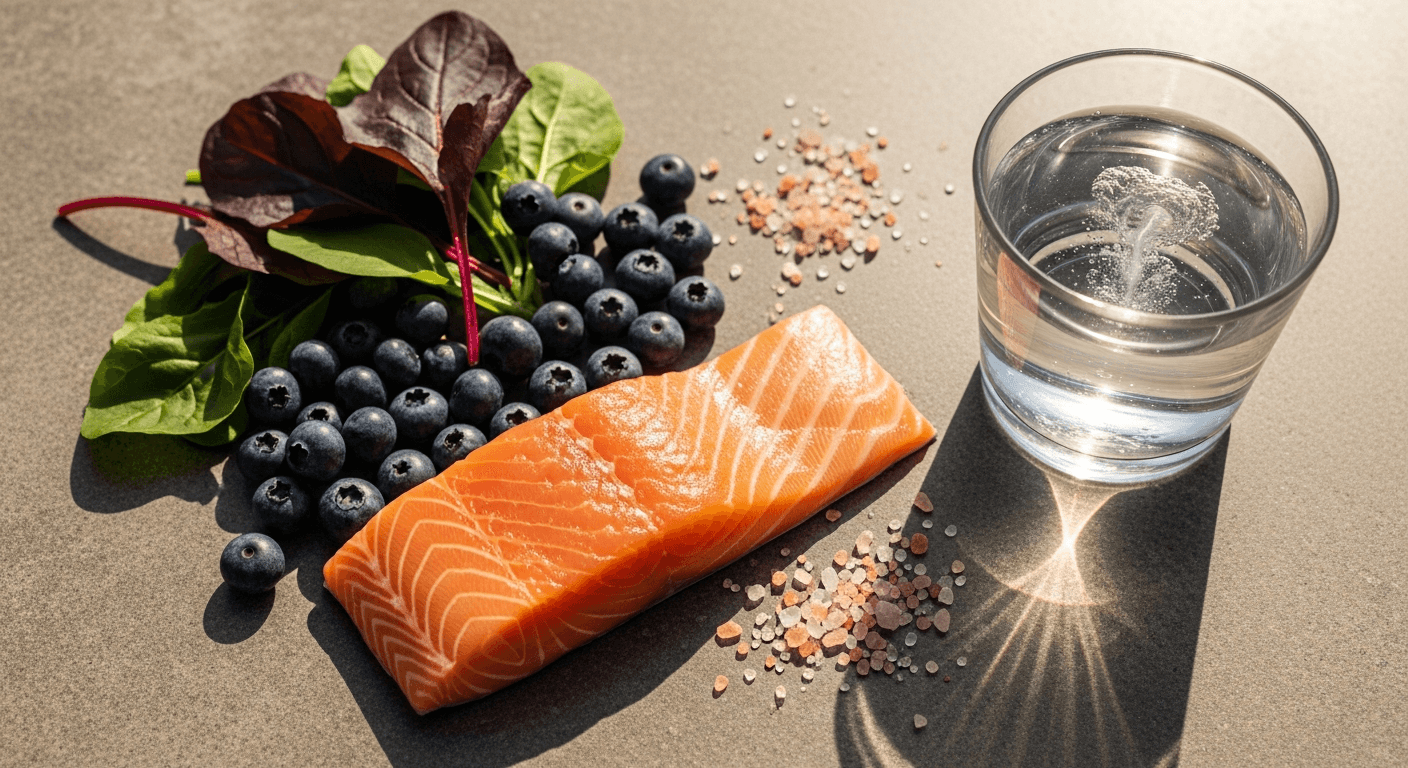
Healthy fats, particularly omega-3 fatty acids, are essential for reducing systemic inflammation and supporting cardiovascular health. Excellent sources include wild-caught salmon (if tolerated from a histamine perspective), chia seeds, flaxseeds, and high-quality extra virgin olive oil. These fats help modulate the immune response and protect the endothelial lining of the blood vessels, which is critical for proper vasoconstriction upon standing.
Fresh, grass-fed meats and pasture-raised poultry provide high-quality protein and bioavailable nutrients like zinc and B vitamins, which are necessary for tissue repair and nerve function. By focusing on these clean, anti-inflammatory whole foods, patients can nourish their bodies, support their mitochondrial energy production, and create an internal environment that is less prone to the autonomic misfires that characterize POTS.
Practical Considerations
Hydration Timing and Osmolarity Techniques
Implementing a POTS-friendly diet requires more than just knowing what to eat; it requires strategic execution. Hydration, for example, is highly dependent on timing and technique. While sipping electrolyte-rich fluids throughout the day is the baseline for maintaining expanded blood volume, there are specific moments when rapid hydration can be used as a targeted intervention. Research indicates that rapidly drinking 16 to 20 ounces of cold, plain water can trigger a sympathetic pressor response, temporarily raising blood pressure and combating acute orthostatic intolerance.
This technique, often called "water bolusing," takes advantage of the hypo-osmotic nature of plain water to stimulate autonomic reflexes. It can be particularly useful first thing in the morning, when patients are most dehydrated and vulnerable to heart palpitations upon getting out of bed. However, this should not replace the steady intake of sodium-rich electrolytes needed for long-term blood volume maintenance.
Patients must also be mindful of fluid temperature. Extremely hot environments or hot beverages can trigger systemic vasodilation, worsening blood pooling and tachycardia. Consuming cool or room-temperature fluids and meals can help maintain vascular tone. Understanding these subtle physiological triggers allows patients to use hydration not just for basic health, but as an active tool for autonomic regulation.
Navigating the Processed Food Trap
One of the greatest practical challenges in managing POTS is avoiding the processed food trap while still meeting the massive 3 to 10-gram daily sodium requirement. It is incredibly easy to rely on canned soups, salty chips, and fast food to hit these targets. However, as discussed, the artificial additives, refined oils, and preservatives in these foods drive the systemic inflammation and mast cell activation that worsen the condition overall.
To navigate this, patients must learn to heavily salt clean, whole foods. This means generously applying high-quality sea salt or pink Himalayan salt to roasted vegetables, fresh meats, and homemade broths. Using pure sodium chloride tablets or medical-grade, unflavored electrolyte powders can also help bridge the gap without introducing inflammatory ingredients.
For patients who have relied on processed foods and are now dealing with secondary issues like elevated cholesterol (hyperlipidemia), incorporating plant sterols (phytosterols) can be beneficial. Phytosterols help block the absorption of cholesterol in the digestive tract, mitigating some of the cardiovascular risks associated with a high-salt, higher-fat dysautonomia diet. Transitioning to a clean, high-sodium diet takes planning and effort, but it is essential for long-term autonomic stability.
Working With Your Healthcare Provider
It is critical to remember that dysautonomia is a highly individualized condition. What works perfectly for one patient may trigger a severe flare in another, especially when dealing with overlapping conditions like MCAS or gastrointestinal motility disorders. Therefore, any significant dietary changes or new supplement protocols must be undertaken in close consultation with a knowledgeable healthcare provider or a registered dietitian who understands complex chronic illness.
Your provider can help you run the necessary diagnostic tests to guide your nutritional strategy. This includes checking your serum ferritin levels to assess your true iron stores, evaluating your 25-OH Vitamin D levels, and monitoring your kidney function and blood pressure as you increase your sodium intake. They can also help you safely navigate elimination diets, ensuring you do not become malnourished while trying to identify your specific food triggers.
Finally, utilizing a symptom tracker is one of the most practical steps you can take. By logging your meals, fluid intake, supplement usage, and daily symptom severity, you and your provider can identify clear patterns. You may discover that a specific carbohydrate threshold triggers your splanchnic pooling, or that a certain histamine liberator is causing your brain fog. This data-driven approach empowers you to refine your diet and take control of your autonomic health.
The Path Forward
Building Your Nutritional Toolkit
Managing POTS and dysautonomia is an ongoing journey that requires a multifaceted approach. Nutrition is not a cure, but it is one of the most powerful tools you have to influence your autonomic nervous system on a daily basis. By understanding the mechanics of splanchnic blood pooling, the inflammatory impact of mast cell activation, and the critical role of key nutrients like sodium, iron, and magnesium, you can transform your diet from a potential trigger into a stabilizing force.
The path forward involves transitioning away from the processed foods that drive systemic inflammation and embracing a diet rich in whole, nutrient-dense foods. It means prioritizing small, frequent meals to prevent insulin spikes, aggressively managing your fluid and sodium intake with clean electrolytes, and utilizing targeted supplements to correct underlying deficiencies and calm hyperactive immune responses. With patience and persistence, you can build a nutritional toolkit that supports your vascular health and improves your daily quality of life.
Next Steps in Your Journey
As you refine your dietary strategy, having access to high-quality, evidence-based supplements is essential. Whether you are looking for clean electrolyte formulations to expand your blood volume, highly absorbable chelated iron to combat cellular fatigue, or natural mast cell stabilizers like quercetin, choosing the right products matters. We encourage you to explore options that are specifically designed with complex chronic illness in mind.
Explore RTHM's supplement options to find targeted formulations that can support your autonomic health and complement your anti-inflammatory dietary goals. Always remember to consult with your healthcare provider before starting or stopping any new supplement or dietary protocol to ensure it is safe and appropriate for your unique clinical presentation.
Sources
Taub, P. R., et al. (2025). Effects of Time-Restricted Eating on Postural Orthostatic Tachycardia Syndrome: A Pilot Study. Scientific Reports.
Raj, S. R., et al. (2021). Postural Orthostatic Tachycardia Syndrome (POTS) Expert Consensus Review. Heart Rhythm.
Levine, B. D., et al. (Various). Studies on Red Blood Cell Mass and Hypovolemia in Postural Orthostatic Tachycardia Syndrome.
Mathias, C. J., et al. (2010). Acute fluid ingestion in the treatment of orthostatic intolerance - important implications for daily practice. European Journal of Neurology.
AK. Eating patterns of US adults: Meals, snacks, and time of eating. Physiology & Behavior (2018), referenced in context of splanchnic pooling and high-carbohydrate meals in POTS.
Wake Forest University Clinical Trial (NCT03032328). Vitamin D Replacement in Adolescents with Orthostatic Intolerance and Chronic Nausea.
Milner, J., et al. Research on TPSAB1 gene replication, elevated tryptase, and the clinical trifecta of POTS, MCAS, and EDS. National Institute of Allergy and Infectious Diseases (NIAID).
Various Clinical Reviews on Magnesium Administration and Reduction of Dysautonomia Symptoms (Premature Ventricular Contractions and Dizziness).