Can High-DHA Omega-3s Clear the Brain Fog of Long COVID and ME/CFS?
March 6, 2026
Advanced DHALong COVIDME/CFS
Share:
Disclaimer: The information provided here is for educational purposes only and is not intended as medical advice. It should not be used to diagnose, treat, cure, or prevent any medical condition. Instead, use it as a starting point for discussion with your healthcare provider. Always consult with a qualified healthcare provider before starting any new medication, supplement, device, or making changes to your health regimen.
Months or even years after a mild SARS-CoV-2 infection or the onset of Myalgic Encephalomyelitis/Chronic Fatigue Syndrome (ME/CFS), many patients find themselves battling a profound, invisible symptom: cognitive dysfunction, commonly referred to as "brain fog." This is not simply everyday forgetfulness or normal tiredness. It is a debilitating neurological impairment characterized by memory lapses, an inability to concentrate, confusion, and mental fatigue that worsens with physical or cognitive exertion. For those living with complex chronic conditions like Long COVID, dysautonomia, and mast cell activation syndrome (MCAS), this cognitive impairment can make reading a simple email, holding a conversation, or navigating a grocery store feel like an insurmountable challenge. The frustration of losing one's sharp, pre-illness mind is deeply valid, and the search for biological answers is a primary focus of modern neuro-immunology.
As researchers dive deeper into the pathophysiology of post-viral syndromes, a clear picture is emerging: persistent neuroinflammation and severely disrupted lipid metabolism are driving these cognitive symptoms. The brain is an incredibly fat-rich organ, relying on specific essential fatty acids to maintain structural integrity, regulate immune responses, and facilitate rapid communication between neurons. When chronic illness depletes these crucial molecules, the brain's cellular membranes become rigid, and inflammatory fires are left to burn without the biological "water" needed to extinguish them. This is where high-quality omega-3 fatty acids, specifically Docosahexaenoic Acid (DHA) and Eicosapentaenoic Acid (EPA), step into the clinical spotlight. By understanding how these foundational nutrients operate at a molecular level, patients can better grasp why targeted supplementation, such as Thorne's Advanced DHA, is frequently recommended as a core component of cognitive recovery protocols.
TL;DR
Brain fog in Long COVID and ME/CFS is driven by neuroinflammation and disrupted lipid metabolism.
DHA and EPA omega-3s support brain structure and actively help resolve chronic inflammation.
Choose triglyceride forms of omega-3s for better absorption and take with healthy fats.
Consistent supplementation over 3-6 months may help manage cognitive fatigue and support recovery.
What Are DHA and EPA?
The Structural Foundation of the Brain
Docosahexaenoic Acid (DHA) and Eicosapentaenoic Acid (EPA) are long-chain, highly unsaturated omega-3 fatty acids that are absolutely essential for human health. Because the human body lacks the specific enzymes required to synthesize these molecules efficiently from shorter-chain plant fats (like alpha-linolenic acid found in flaxseeds), they must be acquired directly through diet or supplementation. In a healthy body, DHA is the undisputed king of neurological lipids. Approximately 60 percent of a healthy human brain is comprised of fat, and DHA alone accounts for more than 90 percent of the omega-3 fatty acids found within the brain and the central nervous system. It is particularly concentrated in the frontal and prefrontal lobes, the areas responsible for complex executive functions, decision-making, and working memory.
At a cellular level, DHA is primarily incorporated into the phospholipid bilayer of neuronal cell membranes. Because of its unique molecular structure—featuring six double bonds—DHA is highly flexible. This flexibility provides the cellular membrane with "fluidity," a critical physical property that allows the cell to change shape, release neurotransmitters into the synaptic cleft, and embed functional receptor proteins along its surface. Without adequate DHA, neuronal membranes become stiff and rigid, severely impairing the speed and efficiency of electrical and chemical signaling between brain cells. This structural role is why DHA is heavily accumulated during fetal development and remains a non-negotiable requirement for maintaining cognitive acuity and supporting overall brain health throughout adulthood.
The Active Resolvers of Inflammation
Historically, the medical community believed that the resolution of an inflammatory response was a passive process—that once an infection or injury was cleared, the immune system simply stopped producing inflammatory signals, allowing the tissue to slowly return to normal. However, groundbreaking biochemical research has revealed that the resolution of inflammation is actually a highly active, tightly orchestrated biological process driven by omega-3 fatty acids. When an immune response needs to be shut down, the body utilizes enzymes to metabolize EPA and DHA into a family of powerful lipid mediators known collectively as Specialized Pro-Resolving Mediators (SPMs).
These SPMs include specific molecules called Resolvins, Protectins, and Maresins, which operate at subnanomolar concentrations directly at the site of inflammation. These molecules act as the immune system's biological "brakes." They actively halt the infiltration of pro-inflammatory neutrophils, signal macrophages to clear out cellular debris and dead tissue, and promote the polarization of immune cells from an aggressive, tissue-damaging state to a tissue-repairing state. In the brain, Neuroprotectin D1 is particularly vital; it protects neurons from oxidative stress, blocks pathways that lead to cellular death (apoptosis), and shields the delicate neural architecture from the collateral damage of a hyperactive immune response.
EPA's Role in Systemic Balance
While DHA is the primary structural component of the brain, EPA plays a slightly different, highly synergistic role in maintaining systemic immune balance. EPA is primarily known for its ability to competitively inhibit the production of pro-inflammatory molecules derived from omega-6 fatty acids. In the standard modern diet, individuals consume vast amounts of omega-6 fatty acids, particularly arachidonic acid (AA). When the body is stressed or infected, enzymes like cyclooxygenase (COX) and lipoxygenase (LOX) convert arachidonic acid into highly inflammatory prostaglandins and leukotrienes, driving systemic pain, swelling, and fever.
EPA competes directly with arachidonic acid for access to these exact same COX and LOX enzymes. When EPA levels are high, the enzymes bind to EPA instead of arachidonic acid, resulting in the production of significantly weaker, less inflammatory signaling molecules. Furthermore, these EPA-derived mediators are highly effective at supporting the reduction of peripheral, systemic inflammation. This is why clinical data often correlates higher EPA levels with improvements in systemic mood disorders, depression, and widespread vascular inflammation, making the combination of DHA and EPA a comprehensive, multi-targeted approach to cellular health.
How Long COVID and ME/CFS Impact Lipid Metabolism and the Brain
The Broken Resolution Pathway
In complex chronic illnesses like Long COVID and ME/CFS, the immune system fails to return to a baseline state of rest following an initial viral trigger or stressor. Recent high-throughput metabolomic and lipidomic studies have revealed that this is not merely a psychological phenomenon, but a profound biochemical failure. Researchers have identified that patients with ME/CFS often suffer from "peroxisomal dysfunction." Peroxisomes are cellular organelles responsible for oxidizing long-chain fatty acids and remodeling cell membranes. When these organelles fail, the entire lipid metabolism pipeline breaks down, leading to a severe disruption in the body's ability to process and utilize omega-3 fatty acids effectively.
Because of this metabolic roadblock, the crucial "resolution pathway" becomes broken. Even though the initial acute infection (such as SARS-CoV-2 or Epstein-Barr Virus) may have been cleared, the body fails to efficiently convert precursor omega-3s into the Specialized Pro-Resolving Mediators (SPMs) required to shut off the immune response, such as Neuroprotectin D1, a direct derivative of DHA. Without these resolving molecules, the immune system remains trapped in a state of chronic, low-grade hyper-vigilance. Microglia—the resident immune cells of the brain—remain chronically activated, continuously pumping out neurotoxic cytokines that impair neuronal function and drive the crushing sensation of mental fatigue and brain fog.
The Kynurenine Pathway and Oxidative Stress
Another major pathological mechanism identified in Long COVID is the dysregulation of the kynurenine pathway. During a severe viral infection, the massive release of inflammatory cytokines (like Interferon-gamma) forces the body to rapidly break down the amino acid tryptophan. Instead of converting tryptophan into serotonin (the neurotransmitter responsible for mood regulation and sleep) or melatonin, the inflamed body shunts it down the kynurenine pathway. This results in the overproduction of neurotoxic metabolites, such as quinolinic acid, which directly damage brain cells and generate massive amounts of oxidative stress.
This neurotoxic cascade creates a vicious cycle. The oxidative stress damages the delicate lipid membranes of the neurons, literally oxidizing the structural DHA right out of the brain tissue. As the neuronal membranes degrade, their ability to transmit signals slows to a crawl, manifesting clinically as impaired memory, word-finding difficulties, and slowed processing speeds. Learn more about the specific mechanisms of brain fog and cognitive dysfunction in Long COVID. The depletion of serotonin simultaneously contributes to the deep depressive symptoms, anxiety, and sleep disturbances that so frequently accompany post-viral cognitive decline.
Blood-Brain Barrier Disruption and Dysautonomia
The blood-brain barrier (BBB) is a highly selective, semi-permeable border of endothelial cells that prevents circulating pathogens, toxins, and peripheral inflammatory cytokines from entering the central nervous system. In a healthy state, tight junction proteins keep this barrier sealed. However, chronic systemic inflammation, driven by an elevated ratio of arachidonic acid to EPA, can degrade these tight junctions. In Long COVID and MCAS, circulating inflammatory mediators compromise the integrity of the BBB, making it "leaky."
When the BBB is compromised, peripheral inflammation spills over into the brain, directly triggering neuroinflammation. This neuroinflammation can disrupt the autonomic nervous system's control centers located in the brainstem, exacerbating the symptoms of dysautonomia and Postural Orthostatic Tachycardia Syndrome (POTS). The brain's microvasculature also becomes inflamed, leading to reduced cerebral blood flow. When neurons are deprived of adequate oxygen and glucose due to this microvascular dysfunction, they simply cannot generate the ATP required to sustain complex thought, resulting in rapid cognitive exhaustion after even minor mental exertion.
Advanced DHA: Supporting Cognitive Function and Neuroprotection
Restoring Membrane Fluidity and Synaptic Function
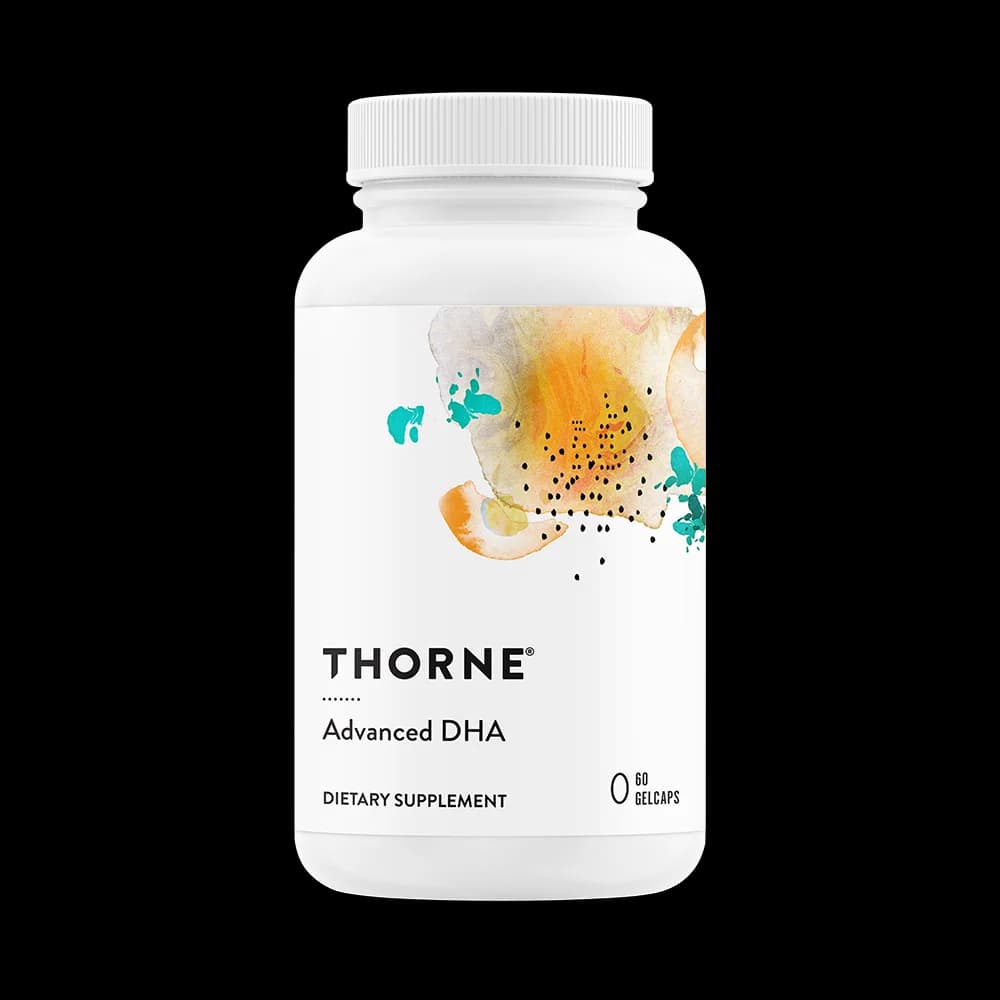
Thorne's Advanced DHA provides a highly concentrated dose of docosahexaenoic acid (650 mg per serving) designed specifically to replenish the structural lipids that are oxidized and depleted during chronic illness. By supplying the brain with a direct source of pre-formed DHA, supplementation bypasses the body's inefficient conversion processes. Once absorbed, this DHA is actively transported across the blood-brain barrier and incorporated directly into the phospholipid bilayers of the neurons. This structural integration is the first step in supporting the improvement of cognitive dysfunction, as it physically restores the membrane fluidity required for optimal cellular signaling.
With restored membrane fluidity, the neurons can once again embed and utilize neurotransmitter receptors efficiently. This is particularly crucial for dopamine and serotonin receptors, which are heavily reliant on a flexible lipid environment to function properly. By repairing the physical architecture of the synapse, high-dose DHA supplementation helps facilitate faster, more efficient electrical transmission between brain regions. This physical repair mechanism directly counteracts the slowed processing speeds and memory retrieval issues that characterize post-viral brain fog, giving the brain the structural support it needs to heal from neuroimmune pathophysiology.
Fueling the Active Resolution of Neuroinflammation
Beyond structural repair, the high concentration of DHA and the targeted inclusion of EPA (200 mg per serving) provide the raw biochemical substrates necessary to restart the body's stalled resolution pathways. When the body is flooded with these specific omega-3s, it shifts the competitive balance away from inflammatory omega-6 arachidonic acid. The enzymes that were previously churning out tissue-damaging prostaglandins are instead forced to process the EPA and DHA, resulting in a dramatic reduction in systemic inflammatory markers.
More importantly, providing high doses of DHA allows the brain to generate Neuroprotectin D1 and D-series Resolvins. These Specialized Pro-Resolving Mediators actively signal the hyperactive microglia to stand down, shifting them from a neurotoxic, inflammatory state to a neuroprotective, debris-clearing state. By actively supporting the reduction of inflammatory fires within the central nervous system, DHA supplementation may help halt the vicious cycle of neuroinflammation that drives chronic mental fatigue and post-exertional cognitive crashes.
Supporting Cardiovascular and Endothelial Health
The benefits of Advanced DHA extend beyond the central nervous system, offering vital support for the cardiovascular system and the endothelial lining of the blood vessels. EPA and DHA are well-documented for their ability to lower serum triglycerides, improve endothelial nitric oxide production, and enhance overall blood vessel elasticity. In the context of Long COVID and dysautonomia, where microvascular dysfunction and endothelial inflammation severely impair blood flow to the brain, this cardiovascular support is paramount.
By reducing endothelial inflammation and supporting healthy vasodilation, omega-3 fatty acids help ensure that adequate oxygen and nutrient-rich blood can reach the cerebral cortex. This improved cerebral perfusion directly combats the hypoxic (low oxygen) conditions that trigger brain fog and dizziness upon standing. Furthermore, by reinforcing the structural integrity of the tight junction proteins, DHA helps reseal the leaky blood-brain barrier, preventing further peripheral inflammatory cytokines from infiltrating the brain and triggering subsequent neurological crashes. Explore how other targeted formulas, like EPA/DHA liquids, support the nervous system in Long COVID and POTS.

Symptoms Advanced DHA May Help Manage
Cognitive and Neurological Symptoms
Thorne's Advanced DHA provides targeted nutritional support for the central nervous system. By repairing neuronal membranes and actively resolving neuroinflammation, it may help manage the following cognitive symptoms:
Brain Fog and Mental Fatigue: By restoring neuronal membrane fluidity and improving cerebral blood flow, DHA supports faster processing speeds and reduces the crushing mental exhaustion that follows cognitive tasks.
Memory Lapses and Word-Finding Difficulties: DHA is heavily concentrated in the prefrontal cortex; replenishing these lipid stores supports working memory retention and the efficient retrieval of vocabulary.
Poor Concentration and Focus: By actively reducing microglial activation and neurotoxic cytokine production, DHA helps clear the inflammatory "static" that disrupts sustained attention and focus.
Visual Disturbances: DHA accounts for more than 90 percent of the fatty acids in the retina; supplementation supports retinal structural integrity, helping to manage visual acuity issues and light sensitivity often linked to neuroinflammation.
Systemic and Mood Symptoms
Because omega-3 fatty acids influence systemic inflammation and neurotransmitter receptor function, they also provide broad support for interconnected bodily systems:
Depressive Symptoms and Mood Swings: By ensuring that serotonin and dopamine receptors have a flexible lipid environment to operate within, and by lowering systemic inflammation, EPA and DHA support a more stable, positive mood.
Post-Exertional Malaise (PEM): While not a cure for PEM, reducing the baseline level of systemic inflammation and oxidative stress can help raise the threshold at which physical or mental exertion triggers a severe symptom crash.
Cardiovascular and Autonomic Instability: By supporting endothelial health and reducing vascular inflammation, omega-3s assist in maintaining healthy blood pressure regulation and cerebral perfusion, indirectly supporting those with POTS and dysautonomia.
Joint Pain and Systemic Aches: By competitively inhibiting the conversion of arachidonic acid into inflammatory prostaglandins, EPA helps reduce the widespread, migratory joint and muscle pain common in post-viral syndromes.
Practical Considerations: Forms, Dosing, and Absorption
Triglyceride (TG) vs. Ethyl Ester (EE) Forms
When selecting an omega-3 supplement, the molecular form of the fatty acids is arguably the most critical factor determining its efficacy. The two most common forms available on the market are Triglycerides (TG) and Ethyl Esters (EE). The triglyceride form is the natural molecular structure of fats found in wild fish and the human body, consisting of three fatty acids attached to a glycerol backbone. Ethyl esters, on the other hand, are a synthetic, heavily processed form created during industrial distillation, where the natural glycerol backbone is removed and replaced with an ethanol (alcohol) molecule to concentrate the oil.
Clinical research consistently demonstrates that the natural triglyceride form is vastly superior in terms of bioavailability and absorption. Because the human digestive system evolved to process triglycerides, enzymes easily break them down for rapid intestinal absorption. In contrast, the digestive system struggles to process the synthetic ethyl ester bonds, requiring an extra, inefficient metabolic step to cleave the ethanol and find a replacement glycerol molecule. Landmark bioavailability studies have shown that re-esterified triglyceride forms offer superior bioavailability (124%) compared to ethyl ester forms (73%). Thorne's Advanced DHA is provided exclusively in the triglyceride form, ensuring maximum absorption and utilization by the brain.
The Crucial Role of Dietary Fat in Absorption
The molecular form of your omega-3 supplement also dictates how and when you should take it. Ethyl ester supplements are notoriously dependent on the presence of a heavy, high-fat meal to trigger the release of pancreatic lipase, the enzyme required to break their synthetic bonds. Research has shown that taking an ethyl ester fish oil on an empty stomach results in a dismal absorption rate of around 20%. If you take an EE supplement with just a piece of toast or a glass of water, your body will likely waste up to 80% of the active ingredients.
The triglyceride form found in Advanced DHA is far more forgiving and metabolically efficient. Because it is already in a naturally recognized structure, it does not strictly require a high-fat meal to be absorbed efficiently. Studies indicate that triglyceride absorption rates can jump even higher when paired with dietary fat. For optimal results, it is still recommended to take Advanced DHA with a meal containing some healthy fats (like avocado, olive oil, or nuts) to maximize the digestive process, but you are not penalized as severely if taken with a lighter meal.
Tolerability, Oxidation, and Safety
Omega-3 polyunsaturated fatty acids are highly volatile molecules that are extremely prone to oxidation. When fish oil oxidizes, it goes rancid, producing harmful free radicals and causing the infamous, unpleasant "fish burps." The synthetic ethyl ester form is inherently less stable and oxidizes much more rapidly than the natural triglyceride form. By utilizing the stable triglyceride form, Advanced DHA inherently resists this rapid degradation, ensuring the oil remains fresh and biologically active.
To further protect the delicate fatty acids and enhance patient tolerability, Thorne incorporates natural preservatives into the Advanced DHA formula, including rosemary extract, mint, and mixed tocopherols (Vitamin E). These antioxidants act as a protective shield, neutralizing any oxidative threats within the gelcap and the digestive tract. This meticulous formulation minimizes the likelihood of gastrointestinal upset or fishy aftertaste, making it highly tolerable even for patients with sensitive stomachs or MCAS. As always, because high-dose omega-3s can have a mild blood-thinning effect, patients on anticoagulant medications or those with upcoming surgeries should consult their healthcare provider before beginning supplementation.

Follow the Science
Long COVID and Brain Fog Clinical Trials
The potential of high-dose omega-3 fatty acids to resolve post-viral cognitive dysfunction is a major focus of current clinical research. A recent feasibility trial conducted by Hackensack Meridian Health (NCT05121766) evaluated the effects of high-dose EPA/DHA supplementation on healthcare workers suffering from Long COVID. Participants received over 2,000 mg of combined EPA/DHA daily for 12 weeks. The results demonstrated that the supplementation successfully and significantly lowered systemic biological inflammation, drastically improving the patients' Arachidonic Acid to EPA (AA:EPA) ratio. However, the 12-week duration was not long enough to show statistically significant improvements in self-reported brain fog, leading researchers to conclude that while the biological mechanism works, neuro-regeneration likely requires longer-term sustained supplementation.
Building on these findings, newer, highly targeted clinical trials are currently underway. The NBF-MG01 Trial (NCT06695910) is actively investigating the direct modulation of the "Brain Fog Scale" in patients suffering from post-viral mental fatigue. This trial utilizes highly bioavailable monoglyceride forms of EPA and DHA to bypass metabolic bottlenecks, measuring cognitive acuity, confusion, and mental fatigue over a 16-week period. These evolving trial designs highlight the medical community's confidence in omega-3s as a foundational tool for managing post-viral neuroinflammation, while refining our understanding of the necessary dosages and timelines required for clinical brain recovery.
ME/CFS and Lipidomic Research
The connection between disrupted lipid metabolism and Myalgic Encephalomyelitis/Chronic Fatigue Syndrome (ME/CFS) has been documented for decades. A foundational 2005 study by Dr. Michael Maes mapped the blood profiles of ME/CFS patients and established a clear pathological link: patients had significantly lower ratios of omega-3 to omega-6 fatty acids, and the severity of this deficiency correlated directly with the severity of their fatigue, cognitive failure, and immune dysfunction. This early research laid the groundwork for understanding that ME/CFS involves a profound structural degradation of cellular lipids.
Modern high-throughput metabolomics has confirmed and expanded upon these early findings. Recent studies from institutions like Columbia University have identified global decreases in plasmalogens and phosphatidylcholines in ME/CFS cohorts, pointing to a systemic failure of the peroxisomes to oxidize and utilize long-chain fatty acids like DHA. This persistent immune dysregulation and metabolic dysfunction explains why patients remain trapped in a state of chronic neuroinflammation, and why supplying highly bioavailable, pre-formed DHA in the triglyceride form is a critical strategy to bypass these broken metabolic pathways and force the resolution of the inflammatory state.
Large-Scale Observational Data
While waiting for definitive, long-term randomized controlled trials to conclude, massive real-world observational data sets strongly support the neuroprotective effects of omega-3 supplementation following viral infections. A comprehensive 2023 retrospective cohort study analyzed the medical records of over 33,000 post-COVID patients drawn from a database of over 2 million individuals. The researchers sought to understand if nutritional interventions could alter the trajectory of post-acute sequelae.
The findings were striking: patients who supplemented with omega-3 polyunsaturated fatty acids post-infection had a significantly lower risk of developing psychiatric and neurological conditions—including depression, anxiety, and severe insomnia—during their post-acute recovery phase. This protective effect remained robust regardless of the patient's age, sex, or initial infection severity, strongly indicating that elevating systemic EPA and DHA levels provides a critical biological shield for the central nervous system against virus-induced neuro-degradation.
The Path Forward
A Foundational Piece of the Puzzle
Living with the cognitive dysfunction and crushing mental fatigue of Long COVID, ME/CFS, or dysautonomia is an incredibly isolating and frustrating experience. When your brain—the very organ you rely on to navigate the world and advocate for your health—feels hijacked by inflammation, it is easy to feel overwhelmed. It is vital to remember that these symptoms are not psychological; they are the result of measurable, biological disruptions in lipid metabolism and neuro-immune signaling. Supplementing with high-quality, bioavailable omega-3s like Thorne's Advanced DHA provides your brain with the exact molecular building blocks it needs to begin repairing damaged membranes and actively resolving chronic inflammation.
However, it is equally important to recognize that no single supplement is a magic cure for complex chronic illness. Advanced DHA is a foundational piece of a much larger management puzzle. True recovery and symptom management require a comprehensive, multi-disciplinary approach. This includes strict pacing to avoid post-exertional symptom exacerbation, aggressive rest, nervous system regulation, and the management of co-occurring conditions like POTS and MCAS. Learn more about comprehensive strategies for managing brain fog and cognitive dysfunction. By combining targeted nutritional support with intelligent energy management, you can create the biological environment necessary for healing.
Setting Realistic Expectations
When beginning any new supplement protocol, especially one targeting the central nervous system, setting realistic timelines is crucial. Rebuilding the phospholipid bilayers of billions of neurons and shifting the systemic balance of inflammatory mediators is not an overnight process. Clinical trials indicate that while biological markers of inflammation may improve within weeks, it often takes 3 to 6 months of consistent, high-dose supplementation to translate those biochemical changes into noticeable, sustained improvements in cognitive clarity and mental stamina. Patience and consistency are key when providing your body with the tools it needs to rebuild.
Always consult with your primary care provider or a specialist familiar with complex chronic illnesses before adding high-dose omega-3s to your regimen, especially if you are taking blood thinners, have a history of bleeding disorders, or are navigating severe MCAS sensitivities. Your healthcare team can help you determine the optimal dosage and ensure that Advanced DHA integrates safely into your broader treatment plan.
Next Steps
If you are ready to support your cognitive health, repair neuronal membranes, and actively combat post-viral neuroinflammation, high-quality DHA supplementation is a scientifically backed place to start.