Can ADR Formula® Support Energy and the HPA Axis in Long COVID and ME/CFS?
March 5, 2026
ADR FormulaAdrenal SupportLong COVID
Share:
Disclaimer: The information provided here is for educational purposes only and is not intended as medical advice. It should not be used to diagnose, treat, cure, or prevent any medical condition. Instead, use it as a starting point for discussion with your healthcare provider. Always consult with a qualified healthcare provider before starting any new medication, supplement, device, or making changes to your health regimen.
For individuals navigating the complex and often debilitating realities of post-viral chronic illnesses, the search for answers can feel like an endless uphill battle. Months or even years after an initial viral infection, many patients continue to experience profound exhaustion, cognitive dysfunction, and an inability to tolerate physical or mental exertion. If you are living with these symptoms, you may have been told that your blood work is "normal" or that you simply need to rest more. However, emerging scientific research is painting a very different picture, revealing profound physiological disruptions at the core of these conditions, particularly within the body's neuroendocrine system.
One of the most critical systems impacted by conditions like Long COVID and Myalgic Encephalomyelitis/Chronic Fatigue Syndrome (ME/CFS) is the Hypothalamic-Pituitary-Adrenal (HPA) axis. This complex communication network serves as the body’s primary command center for stress response, energy regulation, and immune modulation. When this system becomes dysregulated—a state often colloquially referred to as "adrenal fatigue" but more accurately described as central HPA axis dysfunction—the resulting symptoms can be life-altering. Today, we are exploring how targeted nutritional interventions, specifically the ADR Formula® by Pure Encapsulations, may help support this vital system. By combining glandular extracts, adaptogenic botanicals like Panax ginseng and Eleuthero, and essential nutrients like pantothenic acid, this comprehensive formula aims to nurture the adrenal glands, modulate cortisol levels, and support a balanced stress response for those fighting invisible battles.
TL;DR
ADR Formula® combines adaptogens and nutrients to support the body's stress response and energy levels.
Chronic conditions like Long COVID may cause HPA axis dysregulation and low cortisol levels.
Ingredients like licorice root and Panax ginseng may help prolong cortisol and support receptor sensitivity.
Consult a healthcare provider before use, as licorice root can affect blood pressure and potassium.
What is ADR Formula®?
A Comprehensive Approach to Adrenal Support
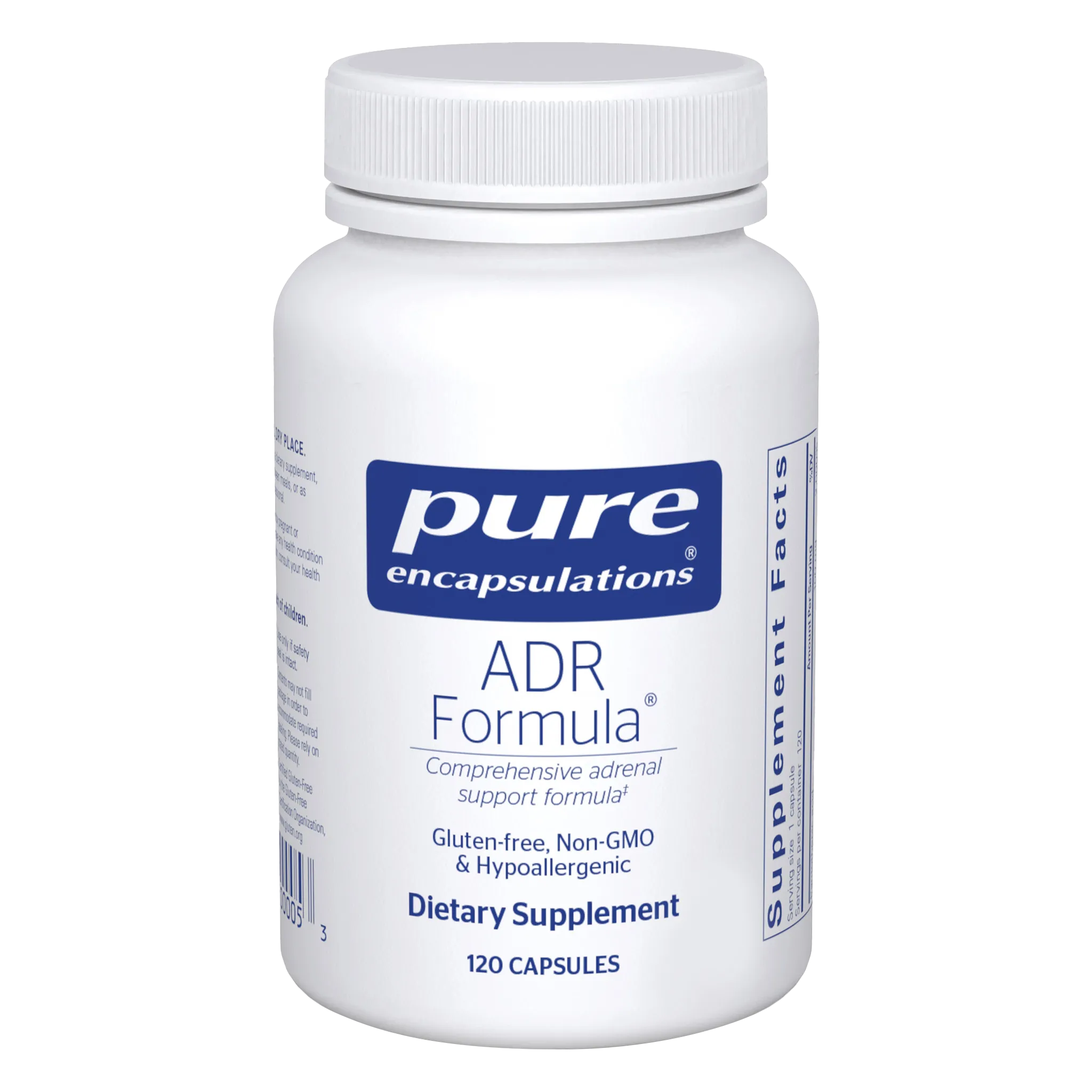
The ADR Formula® by Pure Encapsulations is a meticulously designed dietary supplement intended to provide comprehensive nutritional and botanical support for the adrenal glands and the broader neuroendocrine system. Unlike single-ingredient supplements that target only one biochemical pathway, this formula utilizes a synergistic blend of compounds to address the multifaceted nature of stress and energy depletion. The formulation includes 100 mg of pantothenic acid (Vitamin B5), 200 mg of standardized Asian ginseng (Panax ginseng) extract, 100 mg of Eleuthero (Eleutherococcus senticosus) extract, 100 mg of standardized licorice (Glycyrrhiza glabra) extract, alongside 150 mg of whole bovine adrenal extract and 75 mg of bovine adrenal cortex extract. This specific combination is engineered to support the production of adrenal hormones, maintain a healthy immune response, and promote overall resilience in the face of physiological stressors.
At the core of this formula is the recognition that the body's stress response is not a localized event, but a systemic cascade that requires a diverse array of nutritional cofactors and modulatory compounds to function optimally. When the body is subjected to chronic biological stress—such as a persistent viral infection, systemic inflammation, or autonomic nervous system dysregulation—the demand for these specific nutrients and supportive botanicals increases exponentially. By supplying standardized herbal extracts, which ensure a consistent and potent dose of active phytochemicals like ginsenosides and glycyrrhizic acid, the ADR Formula® aims to intervene at multiple points along the Hypothalamic-Pituitary-Adrenal (HPA) axis. This multi-targeted approach is particularly relevant for individuals exploring how long COVID fatigue normally lasts and seeking actionable ways to support their recovery journey.
The Role of Glandular Extracts in Nutritional Therapy
One of the distinguishing features of the ADR Formula® is the inclusion of whole adrenal and adrenal cortex glandular extracts derived from bovine sources. The use of glandular therapy is rooted in a long-standing tradition in functional and naturopathic medicine, operating on the principle that consuming specific animal gland tissues can provide targeted nutritional support, specific peptides, and essential building blocks for the corresponding human gland. The adrenal glands are structurally divided into two main parts: the inner adrenal medulla, which is responsible for producing fast-acting catecholamines like epinephrine (adrenaline) and norepinephrine, and the outer adrenal cortex, which synthesizes vital corticosteroid hormones including cortisol, aldosterone, and dehydroepiandrosterone (DHEA).
By including both whole adrenal and concentrated adrenal cortex extracts, the supplement aims to deliver a broad spectrum of tissue-specific nucleoproteins, enzymes, and raw materials. While the exact pharmacokinetic mechanisms of glandular extracts in humans are still a subject of ongoing scientific inquiry, clinical experience in functional medicine suggests that these extracts may help prime the adrenal glands, providing the necessary substrates to support healthy hormone synthesis. This is particularly crucial when the adrenal glands have been subjected to prolonged periods of high demand, leading to a state of cellular exhaustion and diminished functional reserve.
Adaptogenic Botanicals and Essential Cellular Nutrients
Beyond glandulars, the formula relies heavily on the power of adaptogenic botanicals. Adaptogens are a unique class of natural substances, primarily herbs and roots, that have been shown to enhance the body's non-specific resistance to a wide variety of physical, chemical, and biological stressors. Unlike stimulants, which force the body into a state of artificial hyper-arousal and inevitably lead to a crash, true adaptogens work by promoting homeostasis—the body's natural state of dynamic balance. They exert a bidirectional, or amphoteric, effect on physiological processes. If the stress response system is overactive, adaptogens help to calm it down; if the system is depleted and underactive, adaptogens help to gently stimulate and restore it. In the ADR Formula®, Panax ginseng and Eleutherococcus senticosus serve as the primary adaptogenic pillars, working in tandem to modulate neuroendocrine signaling.
Complementing these complex botanicals is pantothenic acid, also known as Vitamin B5. While it may seem less exotic than Siberian ginseng or licorice root, pantothenic acid is an absolute biological necessity for life and energy production. It is the foundational precursor to Coenzyme A (CoA), a vital molecule that sits at the crossroads of cellular metabolism. Without adequate pantothenic acid, the adrenal glands physically cannot synthesize cortisol or other steroid hormones, and the mitochondria cannot efficiently produce adenosine triphosphate (ATP), the energy currency of the cell. Together, these ingredients form a comprehensive matrix designed to support the structural integrity, biochemical output, and regulatory feedback loops of the adrenal system.
How Long COVID and ME/CFS Impact the HPA Axis
The Hypothalamic-Pituitary-Adrenal (HPA) Axis Explained
To understand how chronic illnesses impact the body, we must first understand the intricate machinery of the Hypothalamic-Pituitary-Adrenal (HPA) axis. This neuroendocrine system is the primary mechanism by which the brain communicates with the body to manage stress and regulate energy. The process begins in the brain, specifically in the paraventricular nucleus (PVN) of the hypothalamus. When the brain perceives a stressor—whether it is psychological stress, a drop in blood pressure, or an invading virus—the hypothalamus secretes corticotropin-releasing hormone (CRH). This hormone travels a short distance to the anterior pituitary gland, prompting it to release adrenocorticotropic hormone (ACTH) into the systemic bloodstream. ACTH then travels down to the adrenal glands, which sit atop the kidneys, signaling the adrenal cortex to synthesize and release glucocorticoids, primarily cortisol.
Cortisol is often unfairly demonized as merely the "stress hormone" that causes weight gain and anxiety. In reality, cortisol is essential for human survival. It regulates the metabolism of glucose, fats, and proteins to ensure the brain and muscles have enough energy during a crisis. It acts as a potent endogenous anti-inflammatory agent, keeping the immune system from overreacting and attacking healthy tissues. Furthermore, cortisol follows a strict circadian rhythm. In a healthy individual, cortisol levels surge dramatically in the first 30 to 45 minutes after waking—a phenomenon known as the Cortisol Awakening Response (CAR). This morning spike is what gives us the energy to get out of bed, clears the brain of sleep inertia, and sets the autonomic tone for the cardiovascular system for the rest of the day. As the day progresses, cortisol levels gradually taper off, reaching their lowest point at midnight to allow for restorative sleep.
From Acute Infection to Chronic Hypocortisolism
When a patient contracts a severe viral infection, such as SARS-CoV-2 (the virus responsible for COVID-19) or the Epstein-Barr Virus (a common trigger for ME/CFS), the HPA axis is thrown into overdrive. During the acute phase of the illness, the body produces massive amounts of cortisol to combat the intense systemic inflammation and physiological stress. However, as the acute infection transitions into a chronic post-viral state, a profound shift occurs. Research has increasingly shown that patients with Long COVID and ME/CFS develop a state of chronic hypocortisolism—abnormally low levels of circulating cortisol. A landmark 2023 study published by Yale researchers found that cortisol levels in Long COVID patients were roughly half the amount found in healthy controls, making low cortisol one of the most significant and accurate biological predictors of the condition.
This transition from acute hypercortisolism to chronic hypocortisolism is often described as a "stress crash." The mechanisms driving this crash are complex and multifaceted. First, the SARS-CoV-2 virus utilizes ACE2 receptors to enter human cells, and these receptors are highly expressed in the tissues of the hypothalamus and the pituitary gland. This allows the virus to directly invade and damage the very endocrine centers responsible for initiating the stress response. Second, the persistent systemic inflammation and microglial activation in the brain—hallmarks of these conditions—create a state of chronic neuroinflammation. This neuroinflammation actively suppresses the paraventricular nucleus, dampening the release of CRH. Consequently, the adrenal glands do not receive the signal to produce cortisol, leading to a blunted morning cortisol spike and a flattened circadian curve. This lack of cortisol fails to keep the immune system in check, allowing chronic inflammation to run rampant in a vicious, self-perpetuating cycle.
The Myth of "Adrenal Fatigue" vs. Central Dysregulation
For decades, the profound exhaustion experienced by patients with chronic fatigue was often labeled as "adrenal fatigue" within alternative medicine circles. The theory suggested that chronic stress caused the adrenal glands to simply "burn out" and lose their capacity to manufacture hormones. However, mainstream endocrinology has long rejected this concept, noting that the adrenal glands do not simply tire out in this manner. Modern scientific research has provided a much more accurate and validating explanation: the issue is rarely a primary failure of the adrenal glands themselves, but rather a central dysregulation of the HPA axis. The brain is failing to send the correct signals, a condition more accurately termed central adrenal insufficiency or neuroendocrine dysregulation.
Understanding this distinction is crucial for patients exploring whether Long COVID can trigger ME/CFS. The profound fatigue, orthostatic intolerance, and cognitive dysfunction are not signs of a weak character or a lack of willpower; they are the direct physiological consequences of a broken neuroendocrine communication system. When cortisol levels are chronically low, the body cannot maintain adequate blood pressure upon standing, cannot mobilize glucose for cellular energy, and cannot suppress the inflammatory cytokines that cause brain fog and joint pain. By recognizing that the root cause lies in the HPA axis and neuroinflammation, we can better understand why targeted interventions that modulate this axis, rather than just stimulating the body with caffeine, are so vital for recovery.
ADR Formula®: Supporting the Stress Response and Energy Production
Prolonging Cortisol Half-Life with Licorice Root
One of the most pharmacologically active and fascinating ingredients in the ADR Formula® is licorice root extract (Glycyrrhiza glabra), standardized to contain 20% glycyrrhizic acid. In the context of post-viral hypocortisolism, licorice root acts as a powerful biochemical intervention. When consumed, glycyrrhizic acid is hydrolyzed by gut bacteria into its active form, glycyrrhetinic acid (GRA). Once in the bloodstream, GRA performs a highly specific function: it acts as a potent competitive inhibitor of the enzyme 11-beta-hydroxysteroid dehydrogenase type 2 (11β-HSD2). In a healthy body, 11β-HSD2 is primarily located in the kidneys, where its job is to rapidly convert active cortisol into inactive cortisone. This conversion is necessary to prevent cortisol from overstimulating the mineralocorticoid receptors, which regulate fluid and sodium balance.
By inhibiting 11β-HSD2, the glycyrrhetinic acid from licorice root effectively places a roadblock in the pathway of cortisol degradation. Furthermore, GRA also suppresses 5-beta-reductase, the primary hepatic enzyme responsible for the broader systemic breakdown of cortisol in the liver. The dual inhibition of these enzymes drastically prolongs the plasma half-life of circulating cortisol. For a patient suffering from Long COVID or ME/CFS with a blunted HPA axis and low endogenous cortisol production, this mechanism is profoundly beneficial. By slowing down the breakdown of whatever small amount of cortisol the adrenal glands manage to produce, licorice root helps to maintain higher, more functional levels of active cortisol in the tissues and bloodstream, thereby supporting energy metabolism, vascular tone, and anti-inflammatory processes without requiring the exhausted adrenal glands to work harder.
Restoring Glucocorticoid Receptor Sensitivity with Panax Ginseng
While licorice works to extend the life of circulating cortisol, Panax ginseng works at the cellular level to ensure that the brain and body can actually respond to it. The adaptogenic properties of Panax ginseng are driven by a diverse group of triterpenoid saponins known as ginsenosides. Recent breakthroughs in molecular biology have illuminated exactly how these compounds modulate the stress response. Under conditions of chronic stress and neuroinflammation, the body often develops glucocorticoid receptor (GR) resistance. A chaperone protein called FKBP51 becomes overexpressed, binding to glucocorticoid receptors in the brain and preventing them from entering the cell nucleus. This effectively blinds the brain to the presence of cortisol, disrupting the negative feedback loop and keeping the HPA axis in a state of dysfunctional dysregulation.
Ginsenosides have been shown to directly inhibit the FKBP51 protein, weakening its restraint on the glucocorticoid receptor. This action facilitates the transport of the GR into the nucleus, helping to restore the brain's sensitivity to glucocorticoids and support the negative feedback loop of the HPA axis. Furthermore, Panax ginseng exerts profound neuroprotective effects. Chronic HPA activation and viral-induced neuroinflammation trigger oxidative stress in the brain, leading to the apoptosis (death) of neurons in the hippocampus and prefrontal cortex. Ginsenosides counteract this by upregulating Brain-Derived Neurotrophic Factor (BDNF), a vital protein for synaptic plasticity and neuronal survival, and by activating the Nrf2/HO-1 antioxidant pathway. This dual action may help normalize the neuroendocrine thermostat and protect the brain's delicate architecture from the toxic effects of chronic illness.
Fueling Hormone Synthesis with Pantothenic Acid (Vitamin B5)
At the foundational level of cellular biochemistry, the adrenal glands require specific raw materials to synthesize hormones, and pantothenic acid (Vitamin B5) is arguably the most critical. Pantothenic acid is the obligate precursor for the biosynthesis of Coenzyme A (CoA). In the mitochondria of the adrenal cortex cells, the production of all steroid hormones—including cortisol, aldosterone, and DHEA—begins with the conversion of cholesterol into pregnenolone. This complex enzymatic process, mediated by the cytochrome P450 side-chain cleavage enzyme, is heavily dependent on the availability of CoA. Without sufficient pantothenic acid, the adrenal glands face a biochemical bottleneck, unable to efficiently convert circulating cholesterol into the vital hormones needed to mount a stress response.
Beyond hormone synthesis, pantothenic acid is indispensable for cellular energy production, a critical factor for patients exploring mitochondrial health as a key to combat Long COVID. Coenzyme A is a central player in the Citric Acid Cycle (Krebs cycle) within the mitochondria. It acts as a molecular ferry, transporting acetyl groups into the cycle to be oxidized, a process that ultimately generates NADH and FADH2. These molecules then donate electrons to the electron transport chain, driving the production of ATP. By providing a robust 100 mg dose of pantothenic acid, the ADR Formula® ensures that both the neuroendocrine pathways responsible for hormone synthesis and the mitochondrial pathways responsible for energy production have the essential enzymatic cofactors required to function optimally.
Modulating the Stress Response with Eleuthero and Glandulars
The final pillars of the ADR Formula® are Eleutherococcus senticosus (Eleuthero) and the bovine glandular extracts. Eleuthero, often referred to as Siberian ginseng, contains active compounds called eleutherosides. While it is not a true ginseng, clinical research has demonstrated its utility as a mild adaptogen, particularly effective in helping to manage stress-related fatigue and supporting overall physical resilience. It works synergistically with Panax ginseng to modulate the autonomic nervous system, helping to smooth out the extreme highs and lows of the physiological stress response.
Simultaneously, the whole adrenal and adrenal cortex extracts provide a rich source of tissue-specific nucleoproteins and peptides. In the context of functional medicine, these glandulars are believed to act as nutritional "decoys" or targeted support structures, providing the exact ratio of amino acids and raw materials that the human adrenal glands require for repair and regeneration. Together, these ingredients create a comprehensive, multi-tiered approach to neuroendocrine support, addressing the half-life of cortisol, the sensitivity of cellular receptors, the biochemical synthesis of hormones, and the foundational energy production of the mitochondria.

Symptoms ADR Formula® May Help Manage
Targeting the Downstream Effects of Low Cortisol
When the HPA axis is dysregulated and cortisol levels are chronically low or improperly timed, the downstream effects manifest as a wide array of debilitating symptoms. By utilizing the ADR Formula® to support cortisol metabolism, receptor sensitivity, and mitochondrial energy production, patients may experience support across several interconnected symptom domains. Here is a breakdown of the specific symptoms this comprehensive formula may help manage:
Profound Morning Fatigue and Sleep Inertia: In healthy individuals, the Cortisol Awakening Response (CAR) provides a surge of energy upon waking. In Long COVID and ME/CFS, this spike is often blunted or absent, making it incredibly difficult to wake up and start the day. By prolonging the half-life of available cortisol with licorice root and supporting circadian rhythm modulation with adaptogens, this formula may help restore morning energy levels and reduce the heavy, dragging sensation of sleep inertia.
Orthostatic Intolerance and POTS: Cortisol plays a critical role in maintaining vascular tone and regulating sodium retention, which directly impacts blood volume. When cortisol is low, blood vessels may struggle to constrict properly upon standing, leading to blood pooling, dizziness, and the rapid heart rate characteristic of Postural Orthostatic Tachycardia Syndrome (POTS). The glycyrrhizic acid in licorice root mimics the fluid-retaining properties of aldosterone, potentially helping to expand blood volume and stabilize blood pressure upon standing.
Cognitive Dysfunction (Brain Fog): The neuroinflammation driven by an overactive immune system and a lack of anti-inflammatory cortisol can severely impair cognitive function, memory, and focus. Panax ginseng's ability to upregulate Brain-Derived Neurotrophic Factor (BDNF) and activate antioxidant pathways in the brain may help protect neurons from inflammatory damage, thereby supporting mental clarity and reducing the severity of brain fog.
Post-Exertional Malaise (PEM): PEM, or "crashing," occurs when the body is unable to mount an appropriate metabolic and neuroendocrine response to physical or mental exertion. By providing pantothenic acid to fuel the mitochondrial Krebs cycle and adaptogens to stabilize the HPA axis, the body may become more resilient to minor stressors, potentially raising the threshold for exertion before a crash occurs.
Unrefreshing Sleep and Circadian Disruption: A dysregulated HPA axis often results in an inverted cortisol curve—low in the morning and inappropriately high at night—leading to insomnia and unrefreshing sleep. The bidirectional, modulating effects of adaptogens like Eleuthero and Panax ginseng may help to normalize this rhythm, supporting a calmer nervous system in the evening and a more restorative sleep architecture.
Practical Considerations: Forms, Dosing, and Absorption
Bioavailability and Synergistic Absorption
To maximize the therapeutic benefits of the ADR Formula®, it is essential to understand how its ingredients are absorbed and utilized by the body. The bioavailability of botanical extracts is heavily dependent on the health of the gastrointestinal tract and the gut microbiome. For instance, the glycyrrhizic acid in licorice root is not inherently active in its raw form; it must be hydrolyzed by specific strains of gut bacteria into glycyrrhetinic acid (GRA) before it can enter the bloodstream and inhibit the 11β-HSD2 enzyme. This highlights the profound interconnectedness of bodily systems and underscores why exploring interventions like a gut-brain reset can synergistically enhance the efficacy of targeted adrenal support supplements.
Similarly, the ginsenosides found in Panax ginseng undergo extensive biotransformation by intestinal microflora into active metabolites, such as Compound K, which are far more easily absorbed across the intestinal barrier. The inclusion of pantothenic acid in a highly bioavailable form (calcium pantothenate) ensures that this water-soluble vitamin is readily absorbed in the small intestine via sodium-dependent multivitamin transporters. Because the ingredients in the ADR Formula® work synergistically—with pantothenic acid providing the raw materials for hormone synthesis while licorice extends the half-life of those hormones—ensuring optimal digestion and absorption is key to experiencing the full potential benefits.
Optimal Timing for Circadian Rhythm Support
The timing of supplementation is a critical factor when dealing with neuroendocrine support, as the goal is to mimic and reinforce the body's natural circadian rhythms. The suggested use for the ADR Formula® is to take one capsule daily, between meals. However, for patients dealing with HPA axis dysfunction characterized by a blunted morning cortisol spike, it is generally recommended to take this supplement early in the day, preferably upon waking or mid-morning. Taking it in the morning aligns with the natural Cortisol Awakening Response (CAR), providing the necessary botanical and nutritional support exactly when the body expects a surge in energy and alertness.
Conversely, taking adrenal support supplements that contain licorice root and stimulating adaptogens late in the afternoon or evening can be counterproductive. Prolonging the half-life of cortisol too close to bedtime can disrupt the natural evening taper of the hormone, potentially leading to insomnia, hyperarousal, and a worsening of circadian dysregulation. Consistency is also vital; the modulatory effects of adaptogens and the pharmacokinetic buildup of glycyrrhetinic acid often take several weeks of continuous use to reach their full therapeutic potential and stabilize the HPA axis.
Crucial Safety Warnings and Contraindications
While the ADR Formula® offers profound benefits for those with hypocortisolism, it carries significant safety considerations, primarily due to the inclusion of licorice root extract. As detailed earlier, glycyrrhetinic acid inhibits the 11β-HSD2 enzyme, allowing cortisol to flood the mineralocorticoid receptors. In individuals with normal or high cortisol levels, or those with pre-existing cardiovascular conditions, this can trigger a dangerous condition known as Apparent Mineralocorticoid Excess (AME) or pseudohyperaldosteronism. This state forces the kidneys to aggressively retain sodium and water while rapidly excreting potassium, leading to severe spikes in blood pressure (hypertension) and dangerously low potassium levels (hypokalemia).
Because of this mechanism, the ADR Formula® is strictly contraindicated for individuals with a history of hypertension, heart failure, kidney disease, or severe edema. It should not be taken by pregnant or lactating women. Furthermore, patients taking potassium-depleting diuretics, blood pressure medications, or corticosteroids must consult their healthcare provider before initiating this supplement, as the interactions can be severe. Even for patients with low blood pressure (a common feature of dysautonomia), regular monitoring of blood pressure and serum potassium levels is highly recommended when taking any supplement containing standardized licorice extract for an extended period.

Follow the Science
Clinical Evidence on HPA Axis Dysfunction in Post-Viral Illness
The scientific understanding of post-viral chronic illness has evolved dramatically in recent years, moving away from psychological explanations and firmly into the realm of measurable neuroendocrine and immunological dysfunction. The concept of HPA axis dysregulation is now supported by robust clinical data. A landmark 2023 study published by Yale researchers utilizing machine learning to analyze biomarkers in Long COVID patients found that circulating cortisol levels were significantly lower in the patient group compared to healthy controls. In fact, low cortisol was identified as the single most accurate predictor of Long COVID status, achieving an Area Under the Curve (AUC) accuracy rating of 0.96. This profound state of hypocortisolism validates the physical reality of the exhaustion experienced by patients and underscores the necessity of interventions that support the adrenal system.
Furthermore, research spanning decades into Myalgic Encephalomyelitis/Chronic Fatigue Syndrome (ME/CFS) has consistently demonstrated similar patterns of central adrenal insufficiency. Studies investigating the biology of ME/CFS have shown that chronic systemic inflammation and neuroinflammation lead to a downregulation of the HPA axis. When the brain is bathed in inflammatory cytokines, the paraventricular nucleus of the hypothalamus is suppressed, leading to a failure to release adequate corticotropin-releasing hormone (CRH). This central failure explains why the adrenal glands, despite being structurally intact, do not produce enough cortisol to maintain energy and autonomic stability.
Research on Adaptogens and Cortisol Modulation
The botanical ingredients in the ADR Formula® have also been the subject of extensive pharmacological research. A breakthrough 2024 study published in Phytotherapy Research elucidated the precise mechanism by which Panax ginseng modulates the stress response. The researchers discovered that ginsenosides directly inhibit the FKBP51 chaperone protein, which is overexpressed during chronic stress and blocks glucocorticoid receptors. By inhibiting this protein, research suggests Panax ginseng may help restore the brain's sensitivity to cortisol, supporting the negative feedback loop of the HPA axis. Additionally, systematic reviews of human trials have confirmed that adaptogens possess a unique, bidirectional ability to modulate salivary cortisol rhythms, lowering it when it is excessively high and supporting it when it is depleted.
The Pharmacokinetics of Licorice Root
The clinical effects of licorice root on cortisol metabolism are among the most well-documented botanical interactions in medical literature. Numerous studies, including those published in Cardiovascular Research, have detailed how glycyrrhetinic acid (GRA) acts as a potent competitive inhibitor of the 11β-HSD2 enzyme. Clinical trials have demonstrated that ingestion of standardized licorice extract rapidly alters the urinary ratio of free cortisol to free cortisone, supporting its role in prolonging the half-life of active cortisol in the human body. While this mechanism is responsible for the herb's potential cardiovascular side effects in healthy individuals, it is precisely this pharmacological action that makes it a valuable tool for supporting patients suffering from the debilitating effects of post-viral hypocortisolism.
The Path Forward
Validating Your Experience with Chronic Fatigue
Living with complex chronic conditions like Long COVID, ME/CFS, and dysautonomia can be an profoundly isolating experience. The invisible nature of the symptoms, combined with the limitations of standard medical testing, often leaves patients feeling dismissed or misunderstood. It is crucial to recognize that the profound fatigue, brain fog, and physical crashes you experience are not a lack of willpower or a psychological failing. As the scientific evidence clearly demonstrates, these symptoms are rooted in deep physiological disruptions, particularly within the neuroendocrine system and the HPA axis. Your experience is valid, your symptoms are real, and the biological mechanisms driving them are finally being brought to light by rigorous medical research.
A Comprehensive Management Strategy
While targeted nutritional interventions like the ADR Formula® can provide powerful biochemical support for the adrenal glands and the stress response system, they are not standalone cures. Managing post-viral chronic illness requires a comprehensive, multi-disciplinary approach. Supplements should be integrated into a broader strategy that includes aggressive resting, strict pacing to avoid post-exertional malaise, nervous system regulation techniques, and adequate hydration and sodium intake for those managing orthostatic intolerance. Exploring complementary strategies, such as supporting mitochondrial energy levels with CoQ10, can further enhance your body's cellular resilience and overall functional capacity.
Next Steps and Medical Guidance
Navigating the complexities of HPA axis dysfunction requires personalized, expert medical guidance. Because the ingredients in adrenal support formulas can have potent physiological effects—particularly the impact of licorice root on blood pressure and potassium levels—it is imperative to work closely with a healthcare provider who understands the nuances of complex chronic illness. They can help you monitor your vital signs, assess your individual neuroendocrine status, and determine if this specific formulation is safe and appropriate for your unique clinical picture. If you and your medical team decide that supporting your adrenal function is the right next step, you can Explore ADR Formula® to learn more about integrating this targeted support into your daily management plan.