Can Zinc Picolinate Support Immune Recovery in Long COVID and ME/CFS?
March 6, 2026
Zinc PicolinateLong COVIDME/CFS
Share:
Disclaimer: The information provided here is for educational purposes only and is not intended as medical advice. It should not be used to diagnose, treat, cure, or prevent any medical condition. Instead, use it as a starting point for discussion with your healthcare provider. Always consult with a qualified healthcare provider before starting any new medication, supplement, device, or making changes to your health regimen.
Months or even years after recovering from an initial viral infection, many individuals find themselves locked in an exhausting, daily battle against debilitating symptoms. The profound fatigue, unpredictable cognitive dysfunction, and systemic inflammation associated with complex chronic conditions like Long COVID, myalgic encephalomyelitis/chronic fatigue syndrome (ME/CFS), and dysautonomia can leave patients feeling isolated and frustrated by a lack of clear medical answers. When the body’s foundational systems remain in a state of hyper-vigilance and oxidative stress, finding scientifically grounded strategies to support cellular repair becomes a critical component of the recovery journey.
In the search for effective management tools, medical researchers are increasingly focusing on the vital role of essential trace minerals in immune regulation and cellular defense. Zinc, a powerful micronutrient responsible for hundreds of enzymatic reactions, has emerged as a key player in the fight against post-viral inflammation and mitochondrial dysfunction. However, because the body’s ability to absorb and utilize this mineral can be severely compromised during chronic illness, the specific chemical form of the supplement matters immensely. Zinc Picolinate, a highly bioavailable and tissue-retaining form of this essential mineral, offers a targeted approach to replenishing depleted reserves, neutralizing free radicals, and supporting the intricate pathways required for immune system homeostasis and long-term wellness.
TL;DR
Zinc Picolinate is a highly absorbable supplement that supports immune regulation and foundational cellular repair.
It may help manage chronic symptoms like post-viral fatigue, brain fog, and systemic inflammation.
Zinc supports antioxidant defenses, helping to neutralize free radicals and protect delicate mitochondrial function.
Always consult a healthcare provider for proper dosing to avoid mineral imbalances like copper deficiency.
What is Zinc Picolinate?
Zinc is not merely a simple dietary mineral; it is a fundamental, indispensable gatekeeper of human biology and cellular function. As an essential trace element, zinc serves as a critical structural and catalytic co-factor for over 300 distinct enzymatic reactions and more than 2,000 transcription factors throughout the body. It is deeply woven into the microscopic fabric of our cellular machinery, playing an absolute, non-negotiable role in DNA synthesis, cellular division, hormone metabolism, and the intricate, moment-to-moment regulation of our immune response. Without a constant, adequate supply of cellular zinc, the body's ability to repair damaged connective tissues, produce essential hormones like testosterone, and mount a coordinated, effective defense against invading viral or bacterial pathogens is severely and rapidly compromised.
Because the human body does not possess a specialized, dedicated storage system for zinc—unlike minerals such as iron or calcium—it relies entirely on continuous daily intake and highly efficient intestinal absorption to maintain physiological homeostasis. When this delicate balance is disrupted by poor absorption, chronic stress, or the massive metabolic demands of an acute viral infection, systemic zinc levels can plummet. This rapid depletion forces the body to prioritize essential survival functions, often downregulating less immediate processes like hair growth, skin repair, and optimal cognitive processing, which explains why zinc deficiency manifests in such a wide, complex array of systemic symptoms.
While the raw, elemental form of zinc is vital for health, it is notoriously difficult for the human digestive tract to absorb efficiently. This is where the "picolinate" component of Zinc Picolinate becomes a crucial biochemical advantage. Picolinic acid is a naturally occurring organic compound, specifically a metabolic byproduct derived from the enzymatic breakdown of the essential amino acid L-tryptophan in the liver and kidneys. When elemental zinc is chemically bound—or chelated—to picolinic acid during the manufacturing process, it forms a highly stable, neutral complex that can easily navigate the harsh, highly acidic environment of the stomach without degrading or prematurely binding to other dietary compounds.
This specialized chelation process essentially mimics the body's own natural method of transporting heavy minerals. By wrapping the reactive zinc ion in a protective organic shell, picolinic acid facilitates the efficient shuttling of the mineral across the dense intestinal mucosal barrier. Once it successfully passes through the gut lining, the picolinate complex delivers the zinc directly into the bloodstream, where it can be distributed to the deep cellular tissues, organs, and intracellular compartments that desperately require it for structural repair and enzymatic activation.
Beyond its well-known role as a passive structural building block for proteins and enzymes, modern molecular biology has revealed that zinc acts as a dynamic, highly reactive intracellular secondary messenger, functioning in a manner remarkably similar to calcium in cellular signaling. Under normal, healthy physiological conditions, zinc is safely sequestered and stored within the cytoplasm of the cell by specialized, cysteine-rich proteins known as metallothioneins. These proteins act as a localized reservoir, tightly holding onto the zinc ions until a specific cellular action is required.
When a cell—particularly an immune T-cell—encounters a pathogenic threat or experiences a sudden burst of mild oxidative stress, these metallothionein proteins undergo a rapid structural change, releasing their stored zinc into the intracellular fluid. This sudden, localized influx of free intracellular zinc is referred to by immunologists as a "zinc wave." This crucial zinc wave acts as a biological trigger, activating a complex cascade of downstream signaling pathways, including the p38 MAPK pathway, which are strictly required for the cell to activate, differentiate, and execute its protective immune functions. Without this precise, zinc-driven signaling mechanism, the immune system remains sluggish and unresponsive to emerging threats.
How Long COVID and ME/CFS Impact Immune and Cellular Function
When a novel viral pathogen, such as the SARS-CoV-2 virus responsible for COVID-19, breaches the body's initial defenses, it initiates a massive, immediate, and overwhelming demand on the immune system's nutritional reserves. Zinc is rapidly deployed to the absolute front lines of this cellular battle because it possesses potent, direct antiviral properties. High concentrations of intracellular zinc are understood to influence oxidative stress and cellular defense mechanisms, which are critical factors in how the body responds to viral infections and protects host tissues. Consequently, the immense metabolic effort required to fight off the acute infection can severely and rapidly deplete the body's systemic zinc stores.
For patients who go on to develop complex, lingering post-viral conditions, this initial acute depletion often fails to resolve, transitioning instead into a chronic state of hypozincemia (clinically low serum zinc). When exploring What Causes Long COVID?, researchers frequently point to this sustained nutritional deficit as a key factor that prevents the immune system from returning to a state of baseline homeostasis. Stranded without the critical trace minerals required to regulate its own activity, the immune system remains locked in a dysfunctional, hyper-vigilant state, continuously draining the body's energy reserves while failing to fully clear viral remnants or repair damaged tissues.
In debilitating neuroimmune conditions like ME/CFS, this profound nutrient depletion feeds directly into a destructive, self-perpetuating cycle of mitochondrial dysfunction and severe oxidative stress. Mitochondria, the microscopic, membrane-bound organelles responsible for generating the vast majority of cellular energy in the form of adenosine triphosphate (ATP), are highly vulnerable to structural damage from reactive oxygen species (ROS). When systemic zinc levels are insufficient, the body's primary, endogenous antioxidant defense systems falter and fail, allowing these highly reactive, toxic free radicals to run rampant and physically damage the delicate mitochondrial membranes and mitochondrial DNA.
This biochemical failure at the foundational cellular level translates directly into the profound, debilitating physical exhaustion and severe post-exertional malaise (PEM) that define the daily reality for so many patients. When investigating the complex mechanisms behind Can Long COVID Trigger ME/CFS? Unraveling the Connection, scientists highlight how this ongoing oxidative damage impairs the electron transport chain, drastically reducing the total amount of ATP the cells can produce. Without adequate energy, even minor physical or cognitive exertion can trigger a catastrophic metabolic crash, leaving the patient bedbound and struggling to perform basic activities of daily living.
Furthermore, this unchecked, ongoing oxidative stress acts as a constant, irritating trigger for persistent, low-grade systemic inflammation, which is a recognized hallmark of nearly all post-viral syndromes. Without the calming, regulatory presence of adequate intracellular zinc, the immune system remains locked in an overactive state, continuously pumping out pro-inflammatory cytokines such as Interleukin-6 (IL-6) and Tumor Necrosis Factor-alpha (TNF-α). This chronic inflammatory environment can wreak havoc on the vascular system, promoting endothelial dysfunction and driving the production of fibrinogen, a protein heavily involved in abnormal blood clotting and microclot formation.
This systemic inflammatory burden can also severely destabilize mast cells, contributing directly to the development or exacerbation of mast cell activation syndrome (MCAS). Mast cells are heavily involved in the body's allergic and inflammatory responses; when they become overly sensitized by chronic oxidative stress and a lack of stabilizing minerals, they begin to inappropriately degranulate, releasing massive amounts of histamine and other inflammatory mediators in response to minor, everyday triggers. The resulting widespread, unpredictable inflammation affects everything from the gastrointestinal tract to the central nervous system, driving the severe, fluctuating symptoms that make managing these conditions so incredibly challenging.
Zinc Picolinate: Supporting Immune Recovery and Cellular Defense
Supplementing with a highly bioavailable form like Zinc Picolinate offers a targeted, scientifically grounded strategy to interrupt these destructive inflammatory cycles and support profound, foundational cellular repair. One of the most critical mechanisms of action for supplemental zinc is the direct restoration of T-cell function and immune system maturation. Zinc is an absolute, non-negotiable biochemical requirement for the biological activity of thymulin, a specialized hormone secreted by the thymus gland that drives the maturation of naïve, undifferentiated T-cells into fully functional, protective immune defenders. Without adequate zinc, this maturation process stalls, leaving the body vulnerable to opportunistic infections and viral reactivation.
By ensuring adequate intracellular zinc levels, supplementation helps restore the delicate, highly complex balance between protective Th1 cells and regulatory T-cells (Tregs). This balancing act is crucial for patients with chronic illness, as it actively helps keep the immune system from skewing toward the hyper-inflammatory Th17 pathways that drive systemic, autoimmune-like symptoms and widespread tissue damage. By promoting a balanced, tightly regulated immune response, zinc helps the body accurately identify and neutralize true threats without launching friendly-fire attacks on its own healthy cells and organs.
On the microscopic front lines of cellular defense, zinc acts as a potent, highly effective indirect antioxidant by upregulating the body's own endogenous protective pathways. When zinc enters the cellular environment, it activates the Nrf2 signaling pathway, a master genetic regulator that significantly increases the production of glutamate-cysteine ligase. This specific enzyme represents the critical, rate-limiting step in the biological synthesis of glutathione, which is widely recognized as the most powerful and abundant intracellular antioxidant in the human body. By boosting glutathione production, zinc equips the cells with the tools they need to continuously neutralize incoming oxidative threats.
Additionally, zinc serves as a mandatory, irreplaceable structural co-factor for the enzyme Cu/Zn Superoxide Dismutase (SOD1). This vital enzyme actively patrols the cellular cytoplasm, hunting down and neutralizing highly toxic superoxide radicals. SOD1 catalyzes the conversion of these dangerous free radicals into less harmful molecules (like hydrogen peroxide and oxygen) long before they have the opportunity to physically damage delicate mitochondrial DNA, cellular membranes, or vital proteins. This robust antioxidant defense is absolutely essential for protecting the cellular machinery responsible for energy production and helping to manage the profound fatigue associated with mitochondrial failure.
Beyond its role in neutralizing free radicals, zinc exerts a powerful, direct anti-inflammatory effect by modulating genetic transcription at the deepest cellular levels. It specifically upregulates the expression of A20, a unique zinc-finger protein that acts as a crucial molecular brake on the body's inflammatory response. The A20 protein actively binds to and inhibits the IκB kinase (IKK) complex, which in turn prevents the activation of NF-κB, the primary transcription factor responsible for signaling the production of inflammatory cytokines like TNF-α and IL-1β. By shutting down this inflammatory master switch, zinc helps calm the hyperactive, systemic immune responses seen in complex chronic conditions.
This powerful reduction in systemic inflammation and oxidative stress also provides profound benefits for mast cell stability. Because mast cells are highly sensitive to their surrounding biochemical environment, reducing the overall burden of reactive oxygen species and inflammatory cytokines helps raise their activation threshold. By providing the structural stability needed for mast cells to resist inappropriate, sudden degranulation, zinc supplementation can play a supportive role in managing the unpredictable, systemic allergic-type reactions and histamine intolerance frequently experienced by patients battling MCAS and related dysautonomic conditions.
Symptoms Zinc Picolinate May Help Manage
Profound Post-Viral Fatigue and Post-Exertional Malaise (PEM): By actively supporting mitochondrial antioxidant defenses and protecting the delicate cellular machinery responsible for ATP (energy) production, zinc helps mitigate the severe cellular energy crashes that lead to debilitating physical exhaustion and delayed recovery after exertion.
Cognitive Dysfunction and "Brain Fog": Zinc's documented ability to inhibit the NF-κB inflammatory pathway helps significantly reduce neuroinflammation. This protects delicate neural tissues and the blood-brain barrier from oxidative damage, thereby supporting clearer cognitive processing, improved focus, and better memory retrieval.
Sleep Disturbances and Dyssomnia: Zinc plays a crucial role in the metabolism of neurotransmitters, including the conversion of tryptophan to serotonin and melatonin. Replenishing zinc levels can help regulate disrupted circadian rhythms and promote deeper, more restorative sleep cycles, which are often heavily impaired in post-viral syndromes.
Immune Dysregulation and Frequent Infections: By driving the maturation of naïve T-cells and supporting the production of the critical hormone thymulin, zinc restores the immune system's ability to mount a coordinated, effective defense against opportunistic pathogens without overreacting or triggering autoimmune flares.
Mast Cell Hyperactivity and Histamine Intolerance: By supporting overall cellular membrane stability and drastically reducing the systemic burden of reactive oxygen species, zinc helps lower the physiological stress that triggers inappropriate, sudden mast cell degranulation in conditions like MCAS.
Prolonged Viral Symptoms: For patients wondering Are You Contagious with Long COVID?, it is important to note that while the active virus may be cleared, zinc's ability to inhibit viral replication enzymes and support mucosal immunity helps the body fully clear viral remnants and resolve lingering, low-grade immune activation.
Connective Tissue and Joint Abnormalities: Zinc is a vital, irreplaceable co-factor for the enzymatic cross-linking of collagen and elastin fibers. Supplementation promotes the healthy formation, repair, and maintenance of connective tissues, which is absolutely crucial for maintaining vascular integrity, skin health, and joint stability in dysautonomia patients.
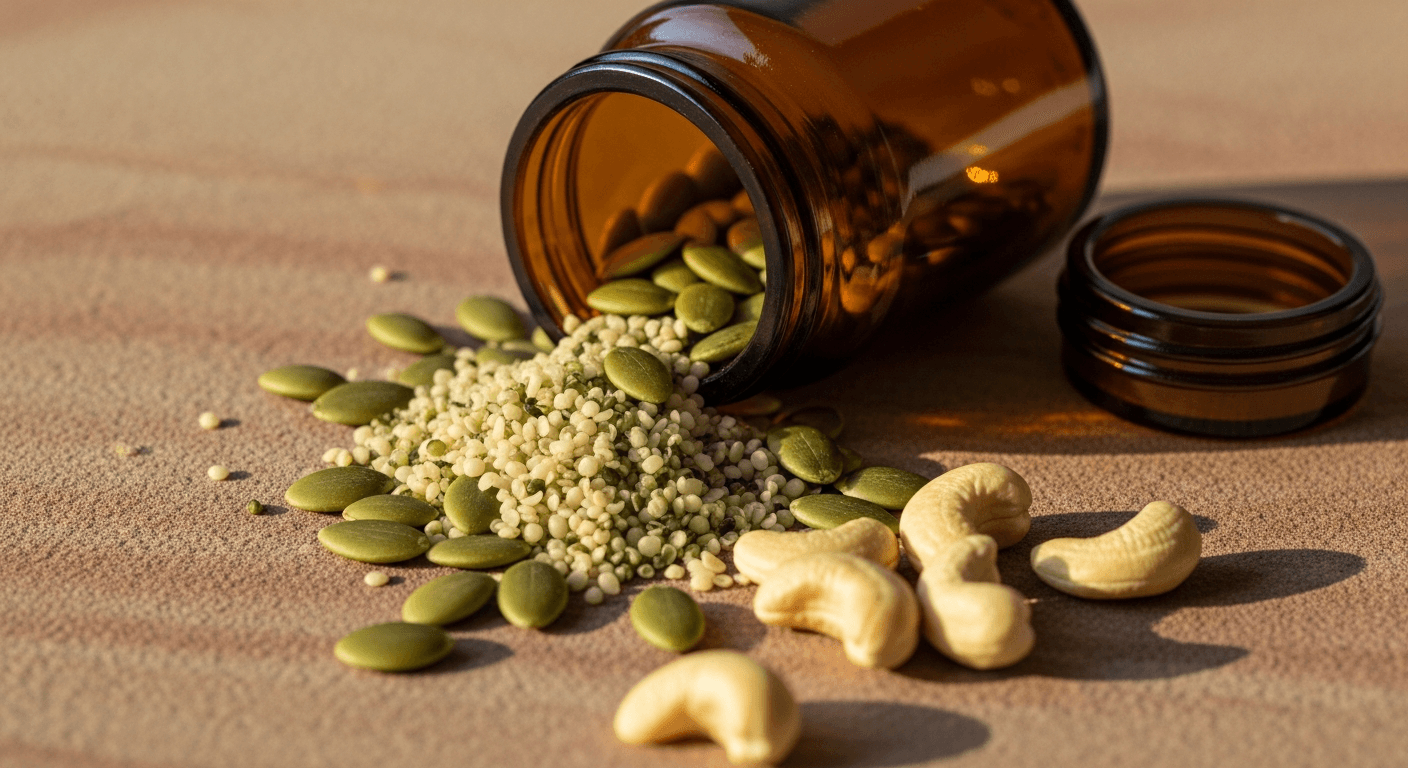
Loss of Taste and Smell (Dysgeusia and Dysosmia): Zinc is heavily concentrated in the olfactory bulb and is essential for the function of gustin, a specialized protein involved in taste bud development and function. Replenishing depleted zinc stores can actively support the regeneration of these delicate sensory pathways following a severe viral infection.
Hair Loss (Telogen Effluvium): Severe physiological stress and nutrient depletion often force hair follicles into a resting shedding phase. Zinc is required for the rapid cellular division and protein synthesis needed to rebuild hair follicles, helping to halt excessive post-viral hair loss and promote healthy regrowth.
Practical Considerations: Forms, Dosing, and Absorption
When integrating a zinc supplement into a comprehensive, long-term chronic illness management protocol, the specific chemical form of the mineral dictates its ultimate clinical efficacy and tolerability. The profound superiority of Zinc Picolinate for long-term cellular repletion was famously established in a landmark double-blind, crossover clinical trial by Barrie et al. in 1987. In this rigorous, highly controlled study, researchers meticulously compared the absorption and deep tissue retention of zinc picolinate, zinc citrate, and zinc gluconate over consecutive four-week periods in human subjects.
The results of this benchmark study were definitive and highly significant: only zinc picolinate significantly increased zinc concentrations across multiple, distinct bodily tissues, including hair, urine, and erythrocytes (red blood cells). This demonstrated conclusively that picolinic acid doesn't just help the zinc ion temporarily enter the bloodstream; it actively facilitates its transport across complex cellular membranes and into the deep intracellular compartments where it is needed most for long-term physiological repair, enzymatic activation, and sustained immune modulation.
While zinc picolinate remains the gold standard for long-term tissue saturation and correcting deep intracellular deficiencies, it is helpful to understand how it compares to other modern supplement forms. Zinc bisglycinate, an amino acid chelate where zinc is bound to two molecules of glycine, is highly regarded for its rapid acute absorption into blood plasma and its incredibly gentle nature on the gastrointestinal tract. However, picolinate remains unparalleled in its documented ability to penetrate and remain within red blood cells over extended periods, making it ideal for chronic, long-term recovery protocols.
Conversely, inorganic forms of the mineral, such as zinc oxide and zinc sulfate, should generally be strictly avoided by patients battling complex chronic illnesses. These cheap, unchelated forms have notoriously poor fractional absorption rates, are easily blocked by common dietary compounds, and frequently cause severe gastrointestinal distress, intense nausea, and painful abdominal cramping. For patients already dealing with the severe gut motility issues, nausea, or gastroparesis frequently associated with dysautonomia and Long COVID, introducing an irritating inorganic zinc salt can significantly exacerbate their daily suffering and derail their nutritional recovery.
Proper dosing, strategic timing, and careful monitoring are absolutely critical to maximizing the therapeutic benefits of zinc supplementation while strictly avoiding unintended, detrimental side effects. Because zinc is a highly reactive, competitive heavy metal, it actively competes for absorption pathways in the gut with other essential trace minerals, most notably copper. Long-term, high-dose zinc supplementation (typically exceeding 40-50 mg daily for extended periods) can inadvertently induce a severe, clinically significant copper deficiency. This secondary deficiency can lead to devastating neurological issues, severe fatigue, and a specific type of anemia that mimics the very symptoms patients are trying to manage.
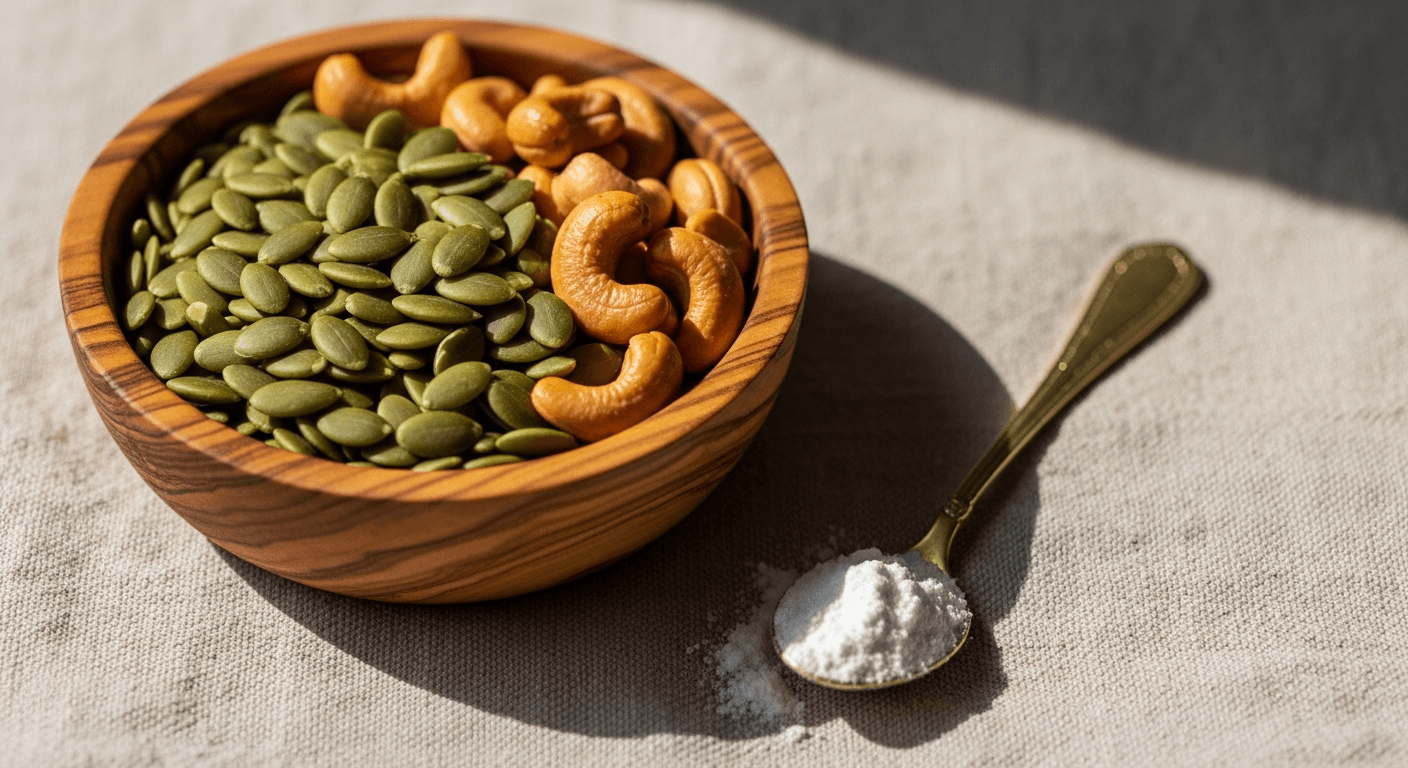
Therefore, clinical guidelines strongly recommend maintaining a safe zinc-to-copper ratio of approximately 15:1 during prolonged, daily use. Many practitioners will recommend a low-dose copper supplement or a comprehensive trace mineral blend to accompany long-term zinc therapy. Additionally, to ensure optimal, unhindered absorption, zinc picolinate should ideally be taken away from meals that are high in phytates—anti-nutrient compounds found abundantly in legumes, whole grains, and nuts that aggressively bind to minerals and prevent their uptake in the intestines. However, if taking zinc on a completely empty stomach causes mild nausea, taking it with a small, low-fiber, protein-rich snack can help mitigate any discomfort without significantly compromising its absorption.
Follow the Science: Recent Clinical Trials and Research
The clinical landscape surrounding post-viral syndromes has increasingly focused on the critical, foundational role of trace minerals, with recent, high-quality studies highlighting the profound, measurable impact of zinc deficiency on patient recovery. A pivotal 2023 study published in the Journal of Trace Elements in Medicine and Biology by Chen et al. meticulously evaluated a cohort of outpatients suffering from prolonged, debilitating symptoms following a SARS-CoV-2 infection. The researchers discovered that over 27% of these Long COVID patients exhibited clinically significant, measurable zinc deficiency in their blood serum.
Crucially, the study revealed that the patients with low zinc levels had significantly higher concentrations of fibrinogen, a well-established biomarker indicative of persistent, acute systemic inflammation and abnormal, hypercoagulable blood clotting. This robust data strongly supports the clinical hypothesis that failing to aggressively replenish depleted zinc stores allows post-viral inflammation to persist completely unchecked, driving the formation of inflammatory microclots and significantly delaying overall vascular and immune recovery. When reviewing What Drugs Are Used for COVID Long Haulers?, researchers are increasingly advocating for the inclusion of targeted mineral repletion alongside traditional pharmaceutical interventions.
Building upon these foundational findings, additional research has tracked thousands of COVID-19 patients over a comprehensive six-month period to assess their long-term health outcomes and complication rates. The expansive data demonstrated that patients with documented, untreated zinc deficiency faced a significantly higher risk of long-term hospitalization and overall mortality, alongside a markedly increased incidence of severe post-acute cardiac and renal complications. These large-scale, peer-reviewed observational studies underscore that zinc is not merely a passive, optional nutrient, but an active, absolutely necessary biological component for resolving the widespread endothelial and systemic damage inflicted by severe viral infections.
In the complex realm of myalgic encephalomyelitis/chronic fatigue syndrome (ME/CFS), leading researchers are actively exploring innovative, synergistic therapies that pair zinc with other powerful biological modulators to maximize cellular repair. A recent, highly promising 16-week randomized, double-blind, placebo-controlled pilot trial investigated the daily, combined administration of 10 mg of zinc alongside 1 mg of melatonin in a cohort of 50 strictly diagnosed ME/CFS patients. The trial was designed to target both the profound oxidative stress and the severe circadian rhythm disruptions that characterize the disease.
The trial reported a statistically significant reduction in the patients' subjective perception of physical fatigue and a marked, measurable improvement in the physical component of their health-related quality of life compared to the placebo control group. This initial clinical success has paved the way for larger, more comprehensive ongoing Phase 2 clinical trials, such as the MelatoZincME study (NCT05454683), which utilizes objective, wearable actigraphy sensors to meticulously measure how restoring intracellular zinc and regulating sleep cycles can collaboratively repair the profound autonomic, metabolic, and neurological dysfunctions inherent to ME/CFS.
The profound immunomodulatory power of zinc has also been extensively documented in broader clinical populations highly susceptible to oxidative stress and frequent infections. A prominent, highly cited clinical trial conducted by Prasad et al. at the Wayne State University School of Medicine evaluated the effects of daily zinc supplementation on a vulnerable elderly cohort. The rigorous study found that targeted zinc supplementation resulted in an astonishing 66% decrease in the overall incidence of infections among the participants.
Furthermore, detailed blood analyses from this trial revealed massive, quantitative drops in specific biomarkers of oxidative stress, including significant reductions in malondialdehyde (MDA) and 8-hydroxy-2'-deoxyguanosine (8-OHdG), which indicate reduced damage to cellular lipids and DNA. Ex vivo stimulation of the patients' mononuclear immune cells also showed a significant, measurable downregulation in the genetic generation of TNF-α and IL-1β mRNAs. This definitively proves that zinc supplementation actively, genetically programs the immune system to lower its production of damaging inflammatory cytokines, providing a clear, mechanistic blueprint for how it can help calm the systemic inflammation driving post-viral chronic illness.
The Path Forward
Navigating the unpredictable, deeply exhausting, and often entirely invisible landscape of complex chronic illnesses like Long COVID, ME/CFS, dysautonomia, and MCAS is a profound daily struggle. It is entirely valid and understandable to feel overwhelmed, isolated, and frustrated when your body seems inexplicably locked in a perpetual, unyielding state of systemic inflammation and profound energy depletion. While no single nutritional supplement is a miraculous, overnight solution for these deeply multifaceted and deeply entrenched conditions, targeted, scientifically backed nutritional support with highly bioavailable compounds like Zinc Picolinate represents a highly logical, biologically grounded step toward restoring your body's foundational cellular defenses and metabolic stability.
By actively, intentionally replenishing the essential trace minerals strictly required for immune modulation, T-cell maturation, and robust antioxidant protection, you are directly providing your struggling cells with the fundamental biochemical tools they desperately need to slowly rebuild, repair, and regain homeostasis. However, it is absolutely crucial to remember that nutritional supplementation is always most effective when intelligently integrated into a much broader, comprehensive, and holistic management strategy. Restoring deep cellular health requires a multi-pronged, patient-centric approach that includes aggressive, unapologetic resting, meticulous daily symptom tracking, and strict, disciplined adherence to pacing protocols to actively avoid triggering devastating post-exertional malaise (PEM).
As you explore resources on How Can You Live with Long-Term COVID and other chronic conditions, remember that your symptoms are real, they are physiologically based, and they are not your fault. The journey to managing a post-viral syndrome is rarely a straight line; it is a complex process of trial, error, and gradual stabilization. Working closely with a knowledgeable, compassionate healthcare provider who deeply understands the complex nuances and overlapping mechanisms of post-viral syndromes can help you safely tailor your supplement dosing, monitor essential biomarkers like your critical zinc-to-copper ratio, and ensure that your entire treatment plan is perfectly aligned with your unique, individual physiological needs and sensitivities.
You do not have to navigate this overwhelming biochemical puzzle alone. By staying informed about the latest clinical research, advocating fiercely for your own health, and utilizing high-quality, targeted tools to support your body's natural repair mechanisms, you can slowly begin to reclaim your baseline health and improve your daily quality of life. Every small, scientifically grounded step you take to reduce oxidative stress and calm systemic inflammation is a victory in the ongoing marathon of chronic illness recovery.
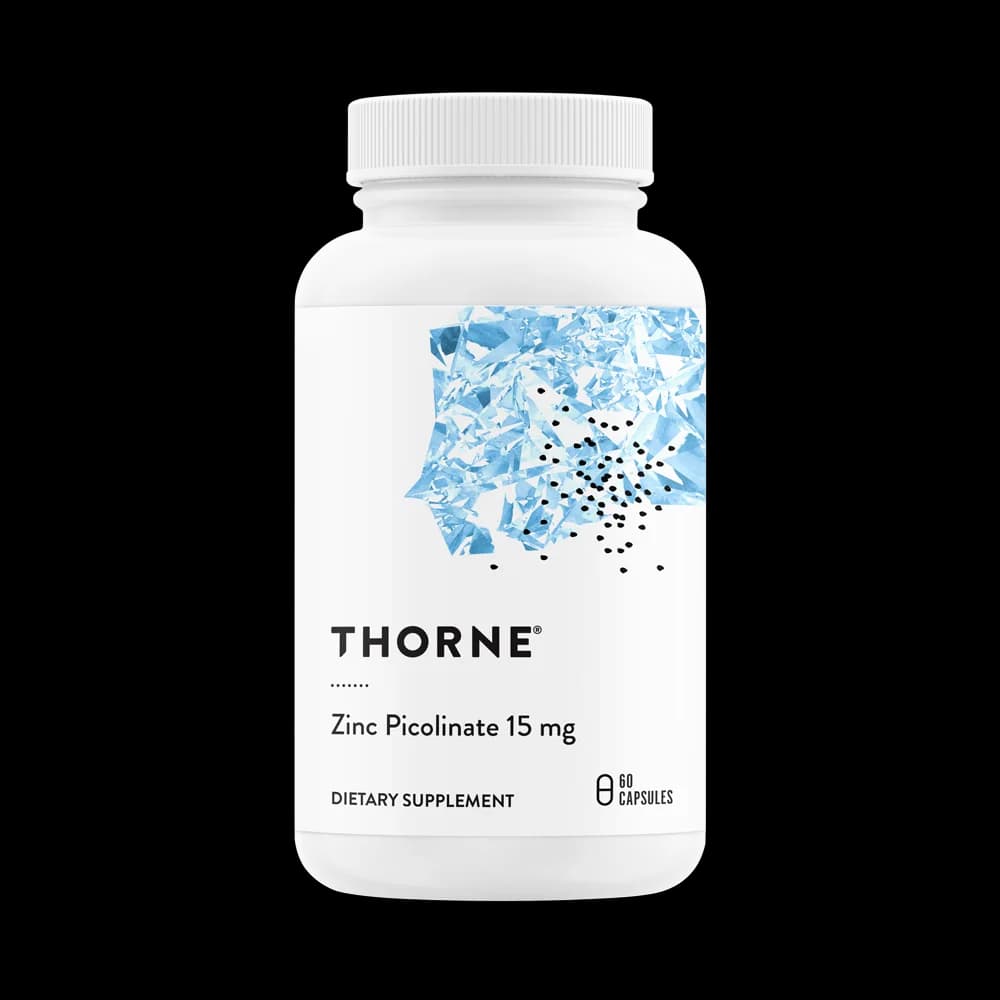
If you and your medical team are ready to explore how targeted, highly bioavailable mineral support can seamlessly fit into your personalized recovery and management protocol, consider taking the next step today.