March 6, 2026

Disclaimer: The information provided here is for educational purposes only and is not intended as medical advice. It should not be used to diagnose, treat, cure, or prevent any medical condition. Instead, use it as a starting point for discussion with your healthcare provider. Always consult with a qualified healthcare provider before starting any new medication, supplement, device, or making changes to your health regimen.
For individuals living with complex, chronic conditions like Long COVID, myalgic encephalomyelitis/chronic fatigue syndrome (ME/CFS), and dysautonomia, the daily reality often involves a frustrating constellation of invisible symptoms. Among the most debilitating of these are profound cognitive dysfunction—commonly referred to as brain fog—unpredictable mood swings, and a nervous system that feels perpetually locked in a state of high alert. Patients frequently describe feeling as though their brain is wading through wet concrete, accompanied by an underlying hum of physiological stress that no amount of deep breathing seems to fully resolve. When standard blood panels return "normal" results, it can be incredibly invalidating, leaving many to wonder if these profound neurological shifts are simply in their head.
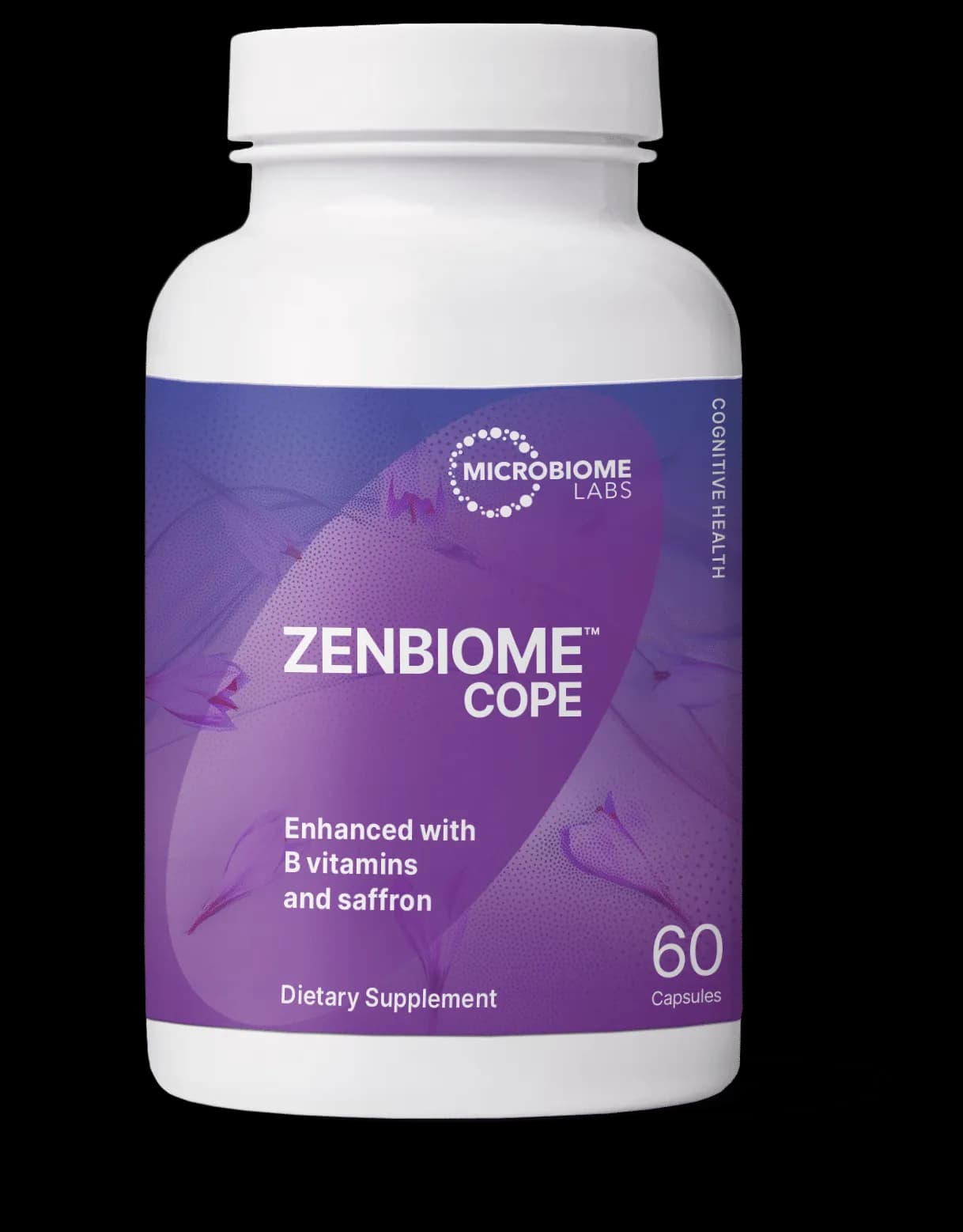
Modern microbiome research, however, provides a deeply validating biological explanation: these symptoms are heavily rooted in the gut. The intricate communication network between your digestive tract and your brain, known as the gut-brain axis, is often severely disrupted following viral infections or prolonged immune activation. This is where targeted interventions like Zenbiome Cope come into play. Formulated by Microbiome Labs, Zenbiome Cope is a specialized psychobiotic blend designed to nurture this exact pathway. By combining a clinically studied probiotic strain with targeted botanicals and essential neuro-vitamins, it aims to help patients manage periodic stress, support cognitive function, and restore a sense of emotional equilibrium.
To understand how a capsule taken orally can influence cognitive function and emotional well-being, we must first explore the concept of psychobiotics. A psychobiotic is a specialized classification of live microorganisms—typically specific strains of beneficial gut bacteria—that, when ingested in adequate amounts, confer measurable mental health and neurological benefits to the host. Unlike standard, broad-spectrum probiotics that are primarily designed to support general digestion or bowel regularity, psychobiotics are selected for their unique ability to interact directly with the enteric nervous system and the central nervous system. They act as microscopic biochemical factories within the gastrointestinal lumen, synthesizing active metabolites that communicate with the brain.
At the core of Zenbiome Cope is a highly researched, proprietary psychobiotic strain known as Bifidobacterium longum 1714 (often referred to clinically as B. longum 1714™). This specific strain is an endogenous human gut bacteria that has been extensively evaluated in gold-standard human clinical trials for its profound ability to modulate the microbiota-gut-brain axis. It does not simply pass through the digestive tract; rather, it actively colonizes the mucosal lining of the gut, where it begins to produce signaling molecules. These molecules include short-chain fatty acids (SCFAs), peptides, and neurotransmitter precursors that initiate a cascade of neurological signaling.
The discovery of psychobiotics represents a paradigm shift in how we approach neurological and psychiatric symptoms in chronic illness. For decades, the blood-brain barrier was viewed as an impenetrable fortress, and brain chemistry was thought to be entirely isolated from digestive health. We now know that the gut microbiome acts as a virtual endocrine organ, producing over 90% of the body's serotonin and a significant portion of its dopamine and gamma-aminobutyric acid (GABA). By introducing a targeted psychobiotic like B. longum 1714, we can gently but effectively influence this internal pharmacy, providing foundational support for a nervous system that has been destabilized by chronic illness.
While the psychobiotic strain serves as the foundational engine of Zenbiome Cope, the formula is synergistically enhanced by the inclusion of highly targeted botanicals and essential vitamins. Chief among these is saffron stigma extract (Crocus sativus L.), provided at a dose of 14 mg per capsule. Saffron is globally renowned not only as a precious culinary spice but also as a potent, clinically validated therapeutic agent for mood disorders. The vibrant red stigmas of the saffron flower contain unique bioactive phytochemicals, particularly crocin, crocetin, and safranal. These compounds have been shown in rigorous clinical trials to possess neuroprotective, antioxidant, and mood-elevating properties that rival conventional pharmaceutical interventions, but with a highly favorable safety profile.
The inclusion of saffron transforms the supplement from a simple probiotic into a comprehensive neuro-supportive blend. While the B. longum 1714 works from the "bottom up"—originating in the gut and signaling upward to the brain—the saffron extract provides systemic, circulating phytochemicals that cross the blood-brain barrier to act directly on neural tissue. This dual-action approach ensures that the nervous system is being supported from multiple physiological angles simultaneously. Saffron's ability to modulate neurotransmitter reuptake and soothe neuroinflammation makes it an ideal companion to the gut-healing properties of the psychobiotic.
Rounding out the Zenbiome Cope formula are two critical B-vitamins: Vitamin B6 (as pyridoxine hydrochloride) and Vitamin B12 (as hydroxocobalamin acetate). These are not merely nutritional afterthoughts; they are essential enzymatic cofactors required for the synthesis and regulation of neurotransmitters. Vitamin B6 is an absolute biological requirement for the conversion of 5-HTP into serotonin, and for the conversion of L-DOPA into dopamine. Without adequate B6, even an optimally functioning gut cannot produce the neurochemicals required for mood stability and cognitive clarity. Vitamin B12, particularly in the highly bioavailable hydroxocobalamin form, plays a vital role in maintaining the myelin sheath—the protective coating around nerves—and acts as a potent scavenger of nitric oxide, helping to reduce oxidative stress within the central nervous system.
The ultimate goal of this carefully curated blend is to nurture and restore the gut-brain axis. In a healthy body, this axis operates seamlessly, maintaining a state of homeostasis where the gut digests food efficiently, the immune system remains calm but vigilant, and the brain receives a steady stream of balanced neurotransmitters. However, in the context of complex chronic conditions, this delicate balance is shattered. The gut becomes a source of systemic inflammation, and the brain becomes the victim of that inflammatory cascade.
Zenbiome Cope is designed to intervene at the exact intersection of this dysfunction. By delivering live microorganisms that actively suppress stress-induced cortisol, alongside botanical extracts that protect neural tissue and vitamins that facilitate neurotransmitter production, the supplement offers a holistic tool for patients struggling with the neurological fallout of chronic illness. It is not a sedative, nor is it a synthetic stimulant; rather, it is a biological modulator designed to help the body's native systems return to a state of resilient equilibrium.
To fully appreciate the value of a psychobiotic, we must examine what causes Long COVID and ME/CFS at a microscopic level. The intersection of the gut-brain axis and post-viral illness is currently one of the most intensely researched areas in modern medicine. Following an acute viral infection—such as SARS-CoV-2 or the Epstein-Barr Virus (EBV)—the body's microbiome naturally undergoes a period of disruption. In healthy individuals, this microbial community eventually recovers. However, in patients who develop Long COVID or ME/CFS, this disruption becomes permanent, resulting in a state of persistent gut dysbiosis.
Recent studies utilizing advanced AI and genomic sequencing have revealed a striking, shared microbial signature among patients with these conditions. There is a profound depletion of beneficial, anti-inflammatory bacteria, particularly Faecalibacterium prausnitzii and Eubacterium rectale. These specific bacteria are the body's primary producers of butyrate, a crucial short-chain fatty acid (SCFA). Butyrate acts as the primary fuel source for the cells lining the colon (colonocytes) and is essential for maintaining the integrity of the intestinal barrier. When butyrate levels plummet due to dysbiosis, the gut lining begins to degrade, setting off a catastrophic chain reaction of systemic inflammation that directly impacts the brain.
Furthermore, researchers have identified that lingering viral reservoirs in the gastrointestinal tract can chronically reduce the expression of ACE2 receptors in Long COVID patients. ACE2 is vital for maintaining gut homeostasis and regulating the absorption of amino acids. Its reduction directly drives prolonged dysbiosis, allowing pro-inflammatory Gram-negative bacteria and opportunistic pathogens to overgrow. This hostile gut environment becomes a chronic source of physiological stress, constantly signaling to the brain that the body is under attack, which heavily contributes to the debilitating fatigue and post-exertional malaise (PEM) characteristic of these illnesses.
The depletion of butyrate and the subsequent weakening of the intestinal lining leads to a condition clinically known as increased intestinal permeability, or "leaky gut." When the tight junctions between intestinal cells fail, microscopic microbial components—such as lipopolysaccharides (LPS) from the cell walls of Gram-negative bacteria, and various fungal antigens—translocate from the gut lumen directly into the bloodstream. The immune system immediately recognizes these translocated particles as dangerous invaders, triggering a massive, systemic inflammatory response.
This systemic inflammation does not stay confined to the body; it crosses the blood-brain barrier. Elevated markers of this disruption, such as Zonulin-1 and soluble CD14 (sCD14), have been strongly correlated with microglial activation in the brain. Microglia are the brain's resident immune cells. When they are activated by systemic inflammatory signals originating from a leaky gut, they shift from a protective, housekeeping role into a highly aggressive, pro-inflammatory state. This resulting neuroinflammation is the biological root of what patients experience as "brain fog"—a profound cognitive dysfunction in Long COVID characterized by memory lapses, inability to concentrate, and a feeling of heavy mental fatigue.
This creates a vicious, self-perpetuating cycle. The neuroinflammation impairs the function of the autonomic nervous system, particularly the vagus nerve, which is responsible for regulating gut motility and digestion. As vagal tone decreases, gut motility slows down, leading to further bacterial overgrowth, worsening dysbiosis, and even more intestinal permeability. Breaking this cycle requires interventions that can simultaneously soothe the gut lining, reduce systemic inflammation, and support healthy vagal nerve signaling—which is precisely where targeted psychobiotics demonstrate their clinical utility.
Perhaps the most fascinating and devastating mechanism linking gut dysbiosis to mood and cognitive changes in chronic illness is a biochemical process known as the "tryptophan steal." Tryptophan is an essential amino acid acquired through diet, and it is the foundational building block for serotonin (the "feel-good" neurotransmitter) and melatonin (the sleep hormone). In a healthy, non-inflamed body, a significant portion of dietary tryptophan is converted into serotonin in the gut and the brain, supporting emotional stability, cognitive clarity, and restful sleep.
However, under states of chronic systemic inflammation—driven by the leaky gut and circulating cytokines like IL-6 and TNF-alpha—the body's metabolic priorities drastically shift. The inflammation heavily upregulates an enzyme called indoleamine 2,3-dioxygenase (IDO). The IDO enzyme essentially "steals" the available tryptophan, pulling it away from the serotonin pathway and forcing it down an alternative route known as the kynurenine pathway. This metabolic shunt is an evolutionary defense mechanism designed to starve intracellular pathogens of tryptophan, but in chronic illness, it becomes highly maladaptive.
As tryptophan is forced down the kynurenine pathway, it produces neurotoxic metabolites, most notably quinolinic acid. Quinolinic acid is a potent agonist (stimulator) of NMDA receptors in the brain. When these receptors are overstimulated, it causes a state of neural excitotoxicity, leading to severe anxiety, agitation, disrupted sleep, and profound cognitive impairment. Simultaneously, because the tryptophan was stolen, the patient is left with a severe deficit of serotonin and melatonin. This dual-blow—high neurotoxicity combined with low serotonin—perfectly explains the severe mood swings, deep depression, and unrefreshing sleep that plague so many patients with ME/CFS and Long COVID.
Zenbiome Cope is engineered to directly intervene in the dysfunctional pathways of the gut-brain axis. The primary mechanism by which the Bifidobacterium longum 1714 strain exerts its neurological benefits is through the modulation of the vagus nerve. The vagus nerve (the 10th cranial nerve) acts as the biological superhighway connecting the enteric nervous system to the central nervous system. Remarkably, between 80% to 90% of its nerve fibers are afferent, meaning they send sensory information from the gut up to the brain.
Beneficial gut bacteria like B. longum 1714 do not need to physically cross the blood-brain barrier to change brain chemistry. Instead, as they colonize the gut, they produce active metabolites that stimulate the afferent vagus nerve endings located in the intestinal lining. The vagus nerve transmits these calming, anti-inflammatory signals up to the brainstem (specifically the nucleus tractus solitarius) and subsequently to the limbic system and prefrontal cortex, which govern emotional regulation and stress responses. Pre-clinical models have definitively proven this dependency; if the vagus nerve is severed, the anti-anxiety and stress-blunting effects of the psychobiotic are completely abolished. By stimulating this pathway, Zenbiome Cope helps to restore healthy vagal tone, which is often severely compromised in patients dealing with dysautonomia and POTS.
Furthermore, the cell wall of B. longum 1714 features a unique exopolysaccharide (EPS) that interacts directly with the host's innate immune system. Recent immunological studies confirm that this specific EPS structure stimulates the production of anti-inflammatory cytokines, such as Interleukin-10 (IL-10), while actively suppressing the secretion of pro-inflammatory mediators like IL-1β and TNF-α. By soothing the localized inflammation in the gut lumen, the psychobiotic helps to repair the intestinal barrier, reducing the translocation of LPS and halting the systemic inflammatory cascade that drives microglial activation and brain fog.
One of the most profound clinical benefits of B. longum 1714 is its ability to directly counter the "tryptophan steal" that plagues patients with chronic neuroinflammation. As discussed, systemic inflammation upregulates the IDO enzyme, shunting tryptophan away from serotonin production and toward the creation of neurotoxic quinolinic acid. B. longum 1714 acts as a metabolic corrective force. Multi-omics and transcriptomic studies have revealed that this specific strain actively downregulates the expression of the IDO enzyme, effectively closing the gate to the neurotoxic kynurenine pathway.
Instead of allowing tryptophan to be wasted, the 1714 strain actively metabolizes it in the gut lumen into a highly beneficial compound called Indole Lactic Acid (ILA). ILA is a neuroprotective metabolite that directs the body's biochemistry back toward the healthy synthesis of serotonin and melatonin. By reversing this metabolic shunt, the psychobiotic helps to lower the levels of excitatory, anxiety-provoking compounds in the brain while simultaneously raising the levels of the neurotransmitters required for mood stability, deep sleep, and cognitive focus. This mechanism is particularly relevant for patients exploring whether 5-HTP can lift brain fog, as a healthy gut environment is a prerequisite for proper serotonin metabolism.
Additionally, B. longum 1714 interacts directly with the neuroendocrine system to modulate the Hypothalamic-Pituitary-Adrenal (HPA) axis. The HPA axis controls the body's physiological response to stress. In chronic illness, this axis is often dysregulated, leading to inappropriate spikes in cortisol (the primary stress hormone) or a flattened cortisol curve that causes profound morning fatigue. At a cellular level, the 1714 strain has been shown to physically blunt the hyper-secretion of cortisol in response to acute stressors, helping to normalize the body's stress response and prevent the nervous system from being locked in a state of chronic "fight or flight."
While the psychobiotic works to heal the gut-brain axis from the bottom up, the saffron extract in Zenbiome Cope provides immediate, top-down neurochemical support. Saffron acts as a multi-target modulator in the brain, offering a "triple-action" monoamine reuptake inhibition. Clinical research suggests that the bioactives in saffron—specifically safranal and crocin—inhibit the reuptake of serotonin, dopamine, and norepinephrine. By blocking the transporters that clear these neurotransmitters from the synapses, saffron keeps these mood-elevating chemicals in the synaptic cleft longer, effectively amplifying their signaling power.
Beyond reuptake inhibition, saffron acts as a potent balancer of the brain's excitatory and inhibitory signals. It functions as an agonist for GABA, the brain's primary calming neurotransmitter, which explains its potent anti-anxiety and sleep-promoting effects. Simultaneously, saffron acts as an antagonist at the NMDA receptors. By blocking excess glutamate from binding to these receptors, saffron prevents the excitotoxicity and neural overstimulation that often manifest as sensory overload, severe brain fog, and the "wired but tired" feeling common in ME/CFS and Long COVID.
Furthermore, saffron has been shown to upregulate endogenous neuroplasticity pathways, heavily increasing the production of Brain-Derived Neurotrophic Factor (BDNF). BDNF acts like a biological fertilizer for the brain, promoting the survival of existing neurons and the growth of new synaptic connections. In brains that have been subjected to months or years of neuroinflammation, boosting BDNF is critical for repairing cognitive deficits, improving memory consolidation, and restoring mental agility.
The inclusion of Vitamin B6 and Vitamin B12 in Zenbiome Cope ensures that the body has the raw materials necessary to execute the biochemical pathways supported by the psychobiotic and saffron. Vitamin B6 (pyridoxine) is an absolute requirement for the decarboxylation reactions that synthesize major neurotransmitters. Without adequate B6, the body cannot convert 5-HTP into serotonin, nor can it convert L-DOPA into dopamine or glutamate into GABA. By supplying bioavailable B6, the formula ensures that the enzymatic machinery required for mood regulation is fully operational.
Vitamin B12, provided in the form of hydroxocobalamin, offers specific benefits for patients with chronic neuroimmune conditions. Hydroxocobalamin is a highly active form of B12 that acts as a potent scavenger of excess nitric oxide. In conditions like Long COVID and ME/CFS, excessive nitric oxide production can lead to the formation of peroxynitrite, a highly damaging free radical that destroys mitochondrial function and exacerbates brain fog. By scavenging this nitric oxide, hydroxocobalamin protects the brain from oxidative stress while simultaneously supporting the maintenance of the myelin sheath, ensuring rapid and efficient nerve signaling throughout the central nervous system.
Because Zenbiome Cope targets the foundational mechanisms of the gut-brain axis, neuroinflammation, and neurotransmitter synthesis, it can help manage a wide array of neurological and psychological symptoms associated with chronic invisible illnesses. While it is not a cure for conditions like Long COVID or ME/CFS, patients incorporating this psychobiotic blend into their comprehensive management protocols often report improvements in the following areas:
Profound Brain Fog and Cognitive Dysfunction: By downregulating the IDO enzyme and reducing the production of neurotoxic quinolinic acid, the B. longum 1714 strain helps to clear the inflammatory "static" in the brain. Saffron's ability to boost BDNF further supports memory consolidation, focus, and mental clarity, making it easier to process information and hold conversations.
Unpredictable Mood Swings and Mild Depression: The synergistic combination of saffron's serotonin-reuptake inhibition and the psychobiotic's ability to direct tryptophan toward serotonin synthesis provides robust, natural support for emotional stability. This helps lift the heavy, depressive feelings that often accompany prolonged chronic illness and systemic inflammation.
Periodic Stress and Anxiety (The "Wired but Tired" Feeling): By physically blunting the hyper-secretion of cortisol via the HPA axis and promoting the calming neurotransmitter GABA through saffron extract, Zenbiome Cope helps to soothe an overactive nervous system. This reduces feelings of agitation, sensory overload, and the persistent hum of physiological anxiety.
Unrefreshing Sleep and Daytime Fatigue: While not a traditional sedative, the formula supports sleep architecture by normalizing the cortisol curve and promoting melatonin production (via the corrected tryptophan pathway). Clinical trials on the 1714 strain have demonstrated significant improvements in sleep quality and a marked reduction in daytime dysfunction and mental fatigue.
Post-Exertional Mental Fatigue: Following cognitive exertion, patients with ME/CFS often experience a severe crash in mental energy. By supporting healthy vagal tone and protecting against NMDA receptor excitotoxicity, the formula helps build neurological resilience, potentially increasing the threshold for cognitive post-exertional malaise (PEM).
When evaluating probiotic supplements, one of the most critical factors is strain specificity. It is not enough to simply look for the genus and species (e.g., Bifidobacterium longum); the specific alphanumeric strain designation (e.g., 1714) dictates the precise biological effects. Different strains of the exact same bacterial species can have vastly different functions in the body. While a generic B. longum strain might help with basic digestion, it is the proprietary 1714 strain in Zenbiome Cope that possesses the unique exopolysaccharide cell wall and the specific genetic coding required to modulate the vagus nerve, downregulate the IDO enzyme, and act as a true psychobiotic.
This strain specificity is why Zenbiome Cope is utilized by healthcare practitioners for targeted neurological support rather than general gut health. The 1714 strain has been isolated and cultivated specifically for its ability to survive the harsh, acidic environment of the stomach and successfully colonize the mucosal lining of the lower intestines. Once there, it begins its metabolic work, producing the Indole Lactic Acid (ILA) and short-chain fatty acids necessary to communicate with the central nervous system. Patients should be wary of generic probiotic blends that claim mental health benefits without citing specific, clinically researched strains.
Similarly, the saffron extract used in the formula is highly standardized. Saffron is notoriously difficult to harvest and is highly susceptible to adulteration in the supplement market. The extract in Zenbiome Cope is standardized to contain precise, therapeutic levels of the active phytochemicals—crocin and safranal. This standardization ensures that every capsule delivers the exact biochemical triggers needed to inhibit monoamine reuptake and promote GABAergic signaling in the brain, providing consistent and reliable mood support.
The suggested use for Zenbiome Cope is one capsule, taken twice daily. Because the formula contains live microorganisms alongside botanical extracts and water-soluble B-vitamins, timing and consistency are key to achieving optimal results. Unlike pharmaceutical antidepressants or sedatives, which may have an immediate, forceful impact on brain chemistry, psychobiotics work by fundamentally altering the ecosystem of the gut and gradually shifting metabolic pathways. This process requires time. Most clinical trials evaluating the 1714 strain and saffron extract measure significant outcomes after 4 to 8 weeks of continuous daily use.
Zenbiome Cope can be taken with or without food. However, many practitioners recommend taking probiotics alongside a small meal that contains some healthy fats and complex carbohydrates. The presence of food can help buffer stomach acid, ensuring a higher survival rate for the live bacteria as they pass through the upper digestive tract. Additionally, taking the supplement at consistent times each day—such as once in the morning and once in the early evening—helps to provide a steady stream of neuro-supportive metabolites and maintains a balanced modulation of the HPA axis and cortisol levels throughout the 24-hour circadian cycle.
For patients dealing with severe dysautonomia or delayed gastric emptying (gastroparesis)—common overlapping conditions in Long COVID and ME/CFS—absorption times may vary. It is important to be patient and track your symptoms meticulously. Consider keeping a daily log of your cognitive clarity, mood stability, and sleep quality to objectively measure the supplement's impact over the first two months of use.
Zenbiome Cope is generally well-tolerated and features a highly favorable safety profile, making it an excellent option for patients who are sensitive to harsh pharmaceuticals. The B. longum 1714 strain is a natural, endogenous human bacteria, and saffron has been used safely for centuries. Furthermore, the product is free from common allergens, which is crucial for patients managing concurrent mast cell activation syndrome (MCAS) who must be vigilant about excipients and fillers.
However, because saffron acts as a mild monoamine reuptake inhibitor and modulates serotonin levels, patients who are currently taking prescription antidepressants—particularly Selective Serotonin Reuptake Inhibitors (SSRIs) or Monoamine Oxidase Inhibitors (MAOIs)—should exercise caution. While clinical trials have successfully used saffron as an adjunct therapy alongside medications like sertraline, combining multiple serotonergic agents always carries a theoretical risk of serotonin syndrome. It is imperative to consult with your prescribing healthcare provider before adding Zenbiome Cope to your regimen if you are on psychiatric medications.
Additionally, while the B-vitamins in the formula are provided at safe, supportive doses, patients who are already taking high-dose B-complex supplements or receiving B12 injections should monitor their total daily intake. As always, supplements are designed to be part of a broader, medically supervised management strategy. Discussing new additions with a physician who understands the complexities of how a doctor diagnoses Long COVID and manages post-viral syndromes ensures that your protocol remains safe and synergistic.
The claims surrounding Zenbiome Cope are not based on theoretical biology; they are grounded in rigorous, gold-standard human clinical trials. Bifidobacterium longum 1714 is one of the few psychobiotics that has been successfully translated directly from preclinical animal models into measurable human outcomes. A foundational 2016 study published in Translational Psychiatry evaluated healthy volunteers subjected to an acute physical stressor (the cold pressor test). The researchers found that participants taking the 1714 strain for four weeks exhibited a significantly blunted increase in subjective anxiety and lower overall salivary cortisol output compared to the placebo group. Furthermore, cognitive testing revealed subtle but notable improvements in hippocampus-dependent visuospatial memory.
Building on this, a 2019 trial published in the American Journal of Gastroenterology utilized advanced Magnetoencephalography (MEG) to observe real-time brain activity in adults exposed to a standardized social stressor. The data was remarkable: the probiotic significantly altered resting-state neural oscillations, inducing an increase in theta and alpha band power in the frontal and cingulate cortex. These specific brain wave changes correlated heavily with a measured reduction in mental fatigue and an increase in perceived vitality. The researchers concluded that the psychobiotic physically activates the brain's "coping centers" to help counter-regulate negative emotions and stress.
More recently, a 2024 double-blind, placebo-controlled trial in Scientific Reports investigated the strain's impact on sleep and daytime functioning. Evaluating 89 adults with chronically impaired sleep over 8 weeks, the study found that the probiotic group achieved a faster improvement in sleep quality and a significant reduction in daytime dysfunction due to sleepiness by week 4. By week 8, the group showed highly significant improvements in overall social functioning and daytime energy, proving that healing the gut-brain axis can have profound impacts on systemic vitality.
The clinical evidence supporting saffron extract for mood disorders is equally robust. Numerous randomized, double-blind, placebo-controlled trials have evaluated standardized saffron extracts for the management of depression and anxiety. A rigorous 2018 meta-analysis published in Neuropsychiatric Disease and Treatment reviewed seven randomized controlled trials. The analysis found that saffron dramatically outperformed placebos in improving depression symptoms. Remarkably, when compared head-to-head with synthetic antidepressants (like fluoxetine and imipramine), saffron showed statistically equivalent efficacy, but with a significantly better side-effect profile, particularly avoiding the sexual dysfunction and emotional blunting often associated with SSRIs.
These findings validate the synergistic design of Zenbiome Cope. By combining a psychobiotic that has been clinically proven to alter stress-related brainwaves and reduce cortisol with a botanical extract that matches the efficacy of standard mood-elevating pharmaceuticals, the formula provides a deeply evidence-based approach to managing the neurological fallout of chronic illness. It stands as a testament to the power of targeted, microbiome-centric interventions in the modern landscape of neuro-immune medicine.
Living with the cognitive and emotional symptoms of Long COVID, ME/CFS, and dysautonomia is an exhausting daily battle. When your brain feels hijacked by inflammation and your nervous system is trapped in a perpetual stress response, it is easy to feel overwhelmed and invalidated by a medical system that often struggles to look beyond standard blood tests. However, the emerging science of the gut-brain axis offers a profound message of validation: your symptoms are real, they are biological, and they are rooted in complex, measurable physiological disruptions. You are not simply "stressed out"; your body is navigating a profound neuro-immune challenge.
Zenbiome Cope represents a targeted, scientifically grounded tool to help address these underlying disruptions. By leveraging the power of Bifidobacterium longum 1714 to modulate the vagus nerve and reverse the neurotoxic tryptophan steal, alongside the mood-elevating properties of saffron and essential B-vitamins, this psychobiotic blend offers a comprehensive approach to nurturing cognitive clarity and emotional resilience. It works with your body's native systems, gently guiding the gut and brain back toward a state of balanced communication.
While psychobiotics offer incredible potential, it is important to remember that they are one piece of a much larger puzzle. Managing complex chronic illness requires a holistic, multi-disciplinary approach. Supplements like Zenbiome Cope should be integrated alongside careful symptom tracking, aggressive rest and pacing to avoid triggering post-exertional crashes, dietary modifications to support gut health, and ongoing guidance from a medical team that truly understands neuro-immune conditions. Healing the gut-brain axis takes time, patience, and consistency.
If you are struggling with debilitating brain fog, unpredictable mood swings, or the heavy weight of chronic physiological stress, targeted microbiome support may be a valuable addition to your management toolkit. Always consult with your healthcare provider before starting any new supplement, especially if you are navigating complex sensitivities or taking prescription medications. By taking proactive, science-backed steps to support your gut-brain axis, you can begin to reclaim your cognitive clarity and build a foundation for long-term neurological resilience.