Can Whey Protein Help Manage Fatigue and Muscle Weakness in Long COVID and ME/CFS?
March 6, 2026
Whey ProteinLong COVIDME/CFS
Share:
Disclaimer: The information provided here is for educational purposes only and is not intended as medical advice. It should not be used to diagnose, treat, cure, or prevent any medical condition. Instead, use it as a starting point for discussion with your healthcare provider. Always consult with a qualified healthcare provider before starting any new medication, supplement, device, or making changes to your health regimen.
Months after recovering from an initial viral infection, many people find themselves fighting a new, exhausting battle against debilitating symptoms. Whether diagnosed with Long COVID, myalgic encephalomyelitis/chronic fatigue syndrome (ME/CFS), or dysautonomia, the daily reality often involves profound exhaustion, muscle weakness, and a frustrating inability to tolerate physical exertion. For those living with these complex, invisible illnesses, the simple act of walking up a flight of stairs or preparing a meal can trigger a cascade of symptoms known as post-exertional malaise (PEM), leaving them bedbound for days. It is a deeply validating truth that these symptoms are not in your head; they are rooted in measurable physiological dysfunctions, including severe oxidative stress, mitochondrial impairment, and systemic inflammation.
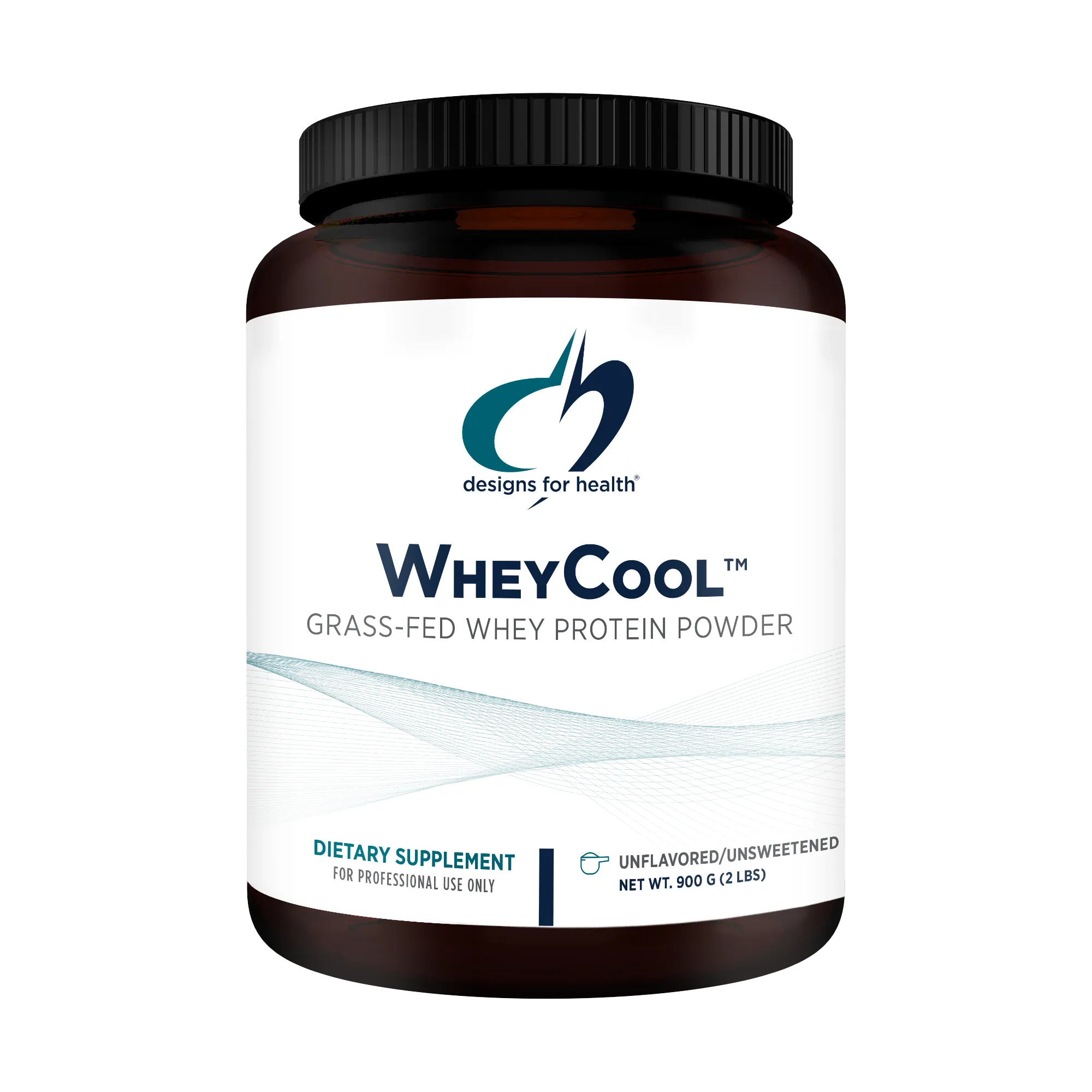
In the search for accessible, science-backed strategies to support the body's healing process, targeted nutritional interventions have emerged as a critical component of comprehensive care. One such intervention is high-quality whey protein, a foundational supplement that offers far more than just basic macronutrient support. By providing highly bioavailable essential amino acids, specific antioxidant precursors, and immune-supporting compounds, specialized formulations like WheyCool™ can help address the underlying biochemical disruptions driving chronic fatigue and muscle wasting. In this comprehensive guide, we will explore the intricate cellular mechanisms of whey protein, its clinical relevance for complex chronic conditions, and how it may help you reclaim a better quality of life.
TL;DR
Whey protein delivers essential amino acids that support muscle repair and combat post-viral muscle wasting.
It provides bioavailable cysteine to boost glutathione, helping neutralize oxidative stress and cellular damage.
Supplementing with high-quality whey may help manage fatigue, PEM, and brain fog in chronic conditions.
What is Whey Protein?
The Nutritional Powerhouse of Dairy
Whey protein is a naturally occurring, high-quality complex of proteins derived from milk during the cheese-making process. In a healthy human body, dietary protein is essential for the continuous repair, maintenance, and growth of all cellular structures, from skeletal muscle tissue to immune cells and vital enzymes. Whey is considered a "complete" protein because it contains all nine essential amino acids—the fundamental building blocks that the human body cannot synthesize on its own and must obtain through diet. Among these, whey is exceptionally rich in branched-chain amino acids (BCAAs), particularly leucine, isoleucine, and valine, which play a specialized role in energy metabolism and tissue regeneration.
Beyond its basic macronutrient profile, high-quality, cold-processed whey protein contains a matrix of bioactive peptides and immunoglobulins. These include alpha-lactalbumin, beta-lactoglobulin, bovine serum albumin, and lactoferrin, each of which exerts unique physiological effects within the body. For instance, lactoferrin is a potent iron-binding protein that helps regulate iron absorption and exhibits natural antimicrobial properties, supporting the body's innate immune defenses. When consumed, these delicate protein structures are broken down by digestive enzymes in the stomach and small intestine into individual amino acids and dipeptides, which are then absorbed into the bloodstream to be utilized by cells throughout the body.
The mTOR Pathway and Muscle Protein Synthesis
At the molecular level, whey protein acts as a powerful biological signaling agent, primarily through its interaction with the mechanistic Target of Rapamycin Complex 1 (mTORC1) pathway. The mTORC1 pathway is the master regulatory system within our cells that dictates whether the cell should grow and build new proteins (anabolism) or break down existing structures for energy (catabolism). When you consume whey protein, the rapid influx of the amino acid leucine enters the muscle cells and binds to specific intracellular sensors, such as Sestrin2, located at the lysosomal membrane. This binding event activates a cascade of proteins, including Rag GTPases and Rheb, which ultimately switch on the mTORC1 enzyme complex.
Once activated, mTORC1 initiates the complex process of muscle protein synthesis (MPS) by phosphorylating, or chemically modifying, specific downstream targets. Two of the most critical targets are p70S6K (70-kDa ribosomal protein S6 kinase) and 4E-BP1 (eukaryotic translation initiation factor 4E-binding protein 1). By phosphorylating 4E-BP1, mTORC1 forces it to release another protein called eIF4E, effectively removing the brakes on cellular translation and allowing the cell's ribosomes to begin assembling new muscle tissue. This highly efficient biochemical cascade is what allows whey protein to rapidly repair damaged muscle fibers, increase lean muscle mass, and prevent the breakdown of existing tissue during periods of physical stress or illness.
Cysteine and the Glutathione Connection
Perhaps the most critical, yet frequently overlooked, function of high-quality whey protein is its role as a highly bioavailable delivery system for the amino acid cysteine. Cysteine is the rate-limiting precursor required for the body to synthesize glutathione, a tripeptide molecule widely recognized as the body's "master antioxidant." Glutathione is produced inside every cell in the body through a two-step enzymatic process involving glutamate, glycine, and cysteine. Because free cysteine is highly unstable and easily oxidized during digestion, it is notoriously difficult to absorb from standard dietary sources. However, undenatured whey protein provides cysteine in the form of cystine (two cysteine molecules bound by a protective disulfide bond) and glutamylcystine, which easily survive the digestive tract.
Once these protected cysteine molecules enter the cell, they are cleaved apart and immediately utilized by the enzyme gamma-glutamylcysteine synthetase to produce fresh glutathione. This endogenous antioxidant system is the cell's primary defense mechanism against reactive oxygen species (ROS)—unstable molecules that cause severe oxidative damage to cellular membranes, DNA, and mitochondria. By continuously neutralizing these free radicals, glutathione is thought to prevent systemic inflammation and cellular exhaustion. Therefore, supplementing with a cysteine-rich whey protein is not merely about building muscle; it is a profound biochemical intervention designed to restore the body's fundamental antioxidant capacity.
How Long COVID and ME/CFS Impact Muscle and Energy Systems
Viral Infection, Inflammation, and Muscle Wasting
To understand why whey protein is so beneficial, we must first examine how complex chronic conditions disrupt the body's natural equilibrium. In conditions like Long COVID, the initial viral infection triggers a profound and often prolonged inflammatory response. This systemic inflammation, driven by elevated levels of circulating cytokines (such as IL-6 and TNF-alpha), shifts the body's metabolism into a chronically catabolic state. In this state, the body begins to break down its own skeletal muscle tissue to harvest amino acids for the immune system and vital organs, a process that rapidly leads to muscle wasting, or sarcopenia. Recent research published in Nature Communications has highlighted that patients with Long COVID exhibit significant metabolic alterations in skeletal muscle, including severe tissue damage and a shift towards fast-fatigable muscle fibers.
This physiological muscle breakdown is severely compounded by the prolonged periods of inactivity and bed rest that often accompany these illnesses. When patients experience debilitating fatigue or post-exertional malaise (PEM), their ability to engage in normal physical activity plummets. This physical deconditioning accelerates muscle atrophy, creating a vicious cycle: the less muscle mass a patient has, the more exhausting simple physical tasks become, leading to further inactivity and further muscle loss. If you are wondering what causes Long COVID to be so physically debilitating, this relentless cycle of inflammation-driven catabolism and forced inactivity is a primary culprit.
Oxidative Stress and Glutathione Depletion
Another hallmark of conditions like ME/CFS and Long COVID is severe, unmitigated oxidative stress. When the immune system is chronically activated, or when mitochondria become dysfunctional, the body produces an excess of reactive oxygen species (ROS). Normally, the body's glutathione reserves would neutralize these dangerous free radicals. However, the sheer volume of ROS generated during a prolonged illness rapidly depletes the body's intracellular glutathione stores. Once glutathione is depleted, the oxidative stress goes unchecked, causing widespread damage to cellular membranes, proteins, and mitochondrial DNA. This cellular damage is a primary driver of the profound, unrefreshing fatigue that patients experience daily.
Furthermore, this oxidative stress heavily impacts the central nervous system, contributing to the cognitive dysfunction commonly referred to as "brain fog." The brain is highly susceptible to oxidative damage due to its immense oxygen consumption and high lipid content. When glutathione levels drop in the brain, neuroinflammation increases, impairing neurotransmitter function and slowing cognitive processing speeds. This is why many patients find that their physical fatigue is inextricably linked to their cognitive exhaustion; both are downstream consequences of the same systemic glutathione depletion and unchecked oxidative stress.
Mitochondrial Dysfunction and Energy Starvation
At the core of the profound exhaustion seen in these conditions is mitochondrial dysfunction. The mitochondria are the powerhouses of the cell, responsible for producing adenosine triphosphate (ATP), the primary energy currency of the body. In ME/CFS and Long COVID, the intricate biochemical pathways that generate ATP—such as the tricarboxylic acid (TCA) cycle and the electron transport chain—become impaired. Studies suggest that viral persistence and chronic inflammation can physically damage mitochondrial structures or inhibit the enzymes required for efficient energy production. As a result, the cells are essentially starving for energy, even when adequate calories are consumed.
To compensate for this energy crisis, the starving muscles begin to aggressively consume circulating branched-chain amino acids (BCAAs) as an emergency fuel source. This compensatory mechanism has a profound secondary consequence: it alters the delicate balance of amino acids in the bloodstream. When peripheral BCAA levels drop, the amino acid tryptophan faces less competition at the blood-brain barrier. Excess tryptophan floods into the central nervous system, where it is converted into serotonin and melatonin. This unnatural surge in neuro-inhibitory chemicals during waking hours heavily contributes to the severe neurological fatigue, hypersomnia, and brain fog that characterize the symptoms of Long COVID.
WheyCool™: Supporting Muscle Health and Antioxidant Defense
Reversing Catabolism with High-Quality Leucine
WheyCool™ provides a targeted, highly bioavailable intervention to disrupt the vicious cycles of muscle wasting and fatigue. With 20 grams of high-quality protein per serving, it delivers a potent dose of essential amino acids, particularly leucine. When consumed, this leucine rapidly enters the bloodstream and acts as a direct molecular trigger for the mTORC1 pathway in skeletal muscle cells. By hyper-activating this pathway, WheyCool™ forces the muscle cells to shift from a catabolic (breakdown) state to an anabolic (building) state. This is crucial for patients who are struggling with physical deconditioning, as it helps preserve existing muscle mass and promotes the repair of damaged muscle fibers, even when exercise capacity is severely limited.
Furthermore, the rapid digestion and absorption kinetics of whey protein make it uniquely suited for individuals with compromised digestive systems or poor appetite, which are common in dysautonomia and Long COVID. Unlike dense, whole-food protein sources that require significant gastric acid and enzymatic effort to break down, the instantized whey protein in WheyCool™ is quickly assimilated. This ensures that the starving muscle tissues receive a rapid, concentrated influx of the necessary building blocks to initiate repair, helping to mitigate the severe muscle weakness and physical exhaustion that follow a crash or period of post-exertional malaise.
Boosting Intracellular Glutathione for Cellular Protection
Beyond muscle support, WheyCool™ serves as a vital tool for restoring the body's depleted antioxidant defenses. Because it is sourced from high-quality, carefully processed dairy, it retains the delicate, bioactive cystine molecules that are often destroyed in heavily processed or heat-treated protein powders. When these cystine molecules are absorbed and transported into the cells, they provide the exact rate-limiting substrate needed to synthesize fresh glutathione. By actively replenishing intracellular glutathione levels, WheyCool™ helps the body mount a robust defense against the rampant oxidative stress that drives chronic fatigue and cellular damage.
This restoration of glutathione has profound implications for both physical and cognitive symptoms. In the muscles, increased glutathione neutralizes the reactive oxygen species generated during even mild physical exertion, potentially raising the threshold for PEM and reducing the severity of muscle pain. In the brain, replenishing glutathione helps quell neuroinflammation and protects delicate neuronal structures from oxidative damage. By addressing this core biochemical deficit, WheyCool™ supports a more stable, resilient cellular environment, which is essential for patients navigating the unpredictable nature of how Long COVID symptoms come and go.
The Grass-Fed Advantage: Omega-3s and CLA
What sets WheyCool™ apart from conventional protein supplements is its exceptional sourcing. The whey is derived exclusively from the milk of cows that graze on pesticide-free, non-GMO grass pastures in New Zealand. This grass-fed diet fundamentally alters the lipid profile of the resulting dairy. Research published in the MDPI Foods journal demonstrates that milk from grass-fed cows contains significantly higher concentrations of anti-inflammatory Omega-3 fatty acids and Conjugated Linoleic Acid (CLA) compared to grain-fed, conventional dairy. While whey protein concentrate is relatively low in total fat, the residual lipids it does contain are of a vastly superior, health-promoting quality.
These specific fatty acids play important supportive roles in managing chronic illness. Omega-3 fatty acids are well-documented for their ability to modulate the immune system and reduce systemic inflammation by decreasing the production of pro-inflammatory eicosanoids and cytokines. CLA, a naturally occurring trans-fat, has been studied for its potential to support metabolic health and improve body composition. For patients dealing with the metabolic dysregulation and chronic inflammation inherent in Long COVID and ME/CFS, these trace, high-quality fats provide an additional layer of nutritional support that conventional, grain-fed whey simply cannot offer.
Enhanced Absorption with Sunflower Lecithin
To maximize bioavailability and ease of use, WheyCool™ is instantized with non-GMO sunflower lecithin. Lecithin is a natural mixture of phospholipids, primarily phosphatidylcholine, which acts as a powerful emulsifier. In the context of a protein powder, this means the lecithin allows the whey to dissolve effortlessly in water without clumping or foaming. However, the benefits of sunflower lecithin extend far beyond mixability. The phospholipids in lecithin are identical to the structural components of human cell membranes, and they play a crucial role in cellular health and nutrient absorption.
When ingested, these phospholipids can form microscopic, protective spheres known as liposomes around the delicate amino acids and bioactive peptides in the whey. This liposome-like action helps shield the nutrients from harsh stomach acids and enzymatic degradation, facilitating smoother passage through the intestinal wall and directly into systemic circulation. Furthermore, the phosphatidylcholine provided by the sunflower lecithin is a direct precursor to acetylcholine, a vital neurotransmitter involved in memory, focus, and autonomic nervous system regulation. This makes the inclusion of sunflower lecithin a highly strategic addition for patients battling brain fog and dysautonomia.

Symptoms Whey Protein May Help Manage
Physical Symptoms and Muscular Health
By targeting the mTOR pathway and replenishing glutathione, WheyCool™ may help manage several debilitating physical symptoms associated with chronic complex illnesses:
Muscle Weakness and Wasting (Sarcopenia): The 20 grams of high-quality protein, rich in leucine, directly stimulates muscle protein synthesis, helping to rebuild lost muscle mass and combat the physical deconditioning caused by prolonged bed rest and systemic inflammation.
Post-Exertional Malaise (PEM): By providing an immediate source of bioavailable amino acids and boosting intracellular glutathione, whey protein helps neutralize the massive spike in oxidative stress that occurs during exertion, potentially reducing the severity and duration of PEM crashes.
Profound Physical Fatigue: The free-form amino acids in whey can bypass impaired metabolic pathways, providing direct, usable fuel to starving mitochondria and supporting more efficient cellular energy production.
Delayed Muscle Recovery: The rapid absorption kinetics of whey ensure that damaged muscle fibers receive the necessary building blocks for repair quickly, reducing lingering muscle soreness and stiffness after mild activity.
Cognitive and Systemic Symptoms
The systemic benefits of glutathione restoration and amino acid balancing can also positively impact cognitive and immune-related symptoms:
Brain Fog and Cognitive Dysfunction: By supplying abundant BCAAs, whey protein outcompetes tryptophan at the blood-brain barrier, preventing the unnatural surge of neuro-inhibitory chemicals that cause severe neurological fatigue. Additionally, increased glutathione protects delicate neurons from oxidative damage.
Immune Dysregulation: The bioactive peptides in undenatured whey, such as lactoferrin and immunoglobulins, provide direct support to the innate immune system, helping to modulate immune responses and combat persistent viral fragments.
Blood Sugar Instability: High-quality protein helps slow the absorption of carbohydrates, promoting stable blood glucose levels and preventing the energy crashes associated with dysautonomia and metabolic dysfunction.
Poor Appetite and Weight Loss: For patients struggling to consume adequate calories due to nausea or altered taste, a highly soluble, easily digestible liquid protein source provides essential nutrition without overburdening the gastrointestinal tract.
Practical Considerations: Forms, Dosing, and Absorption
Whey Concentrate vs. Isolate
When selecting a whey protein supplement, understanding the difference between a concentrate and an isolate is crucial. Whey protein isolate undergoes extensive filtration processes to remove nearly all of the fat and lactose, resulting in a product that is upwards of 90% pure protein. While this is excellent for strict macronutrient control, the aggressive processing often strips away the beneficial lipids, such as Omega-3s and CLA, and can denature the fragile, immune-supporting peptides and cystine bonds. For a healthy athlete, an isolate might be preferable, but for a chronic illness patient seeking holistic cellular support, the loss of these bioactive compounds is a significant drawback.
WheyCool™ utilizes a high-quality whey protein concentrate. Because it is less aggressively processed, it retains a slightly higher percentage of naturally occurring dairy fats (2 grams per serving) and carbohydrates (4 grams per serving). More importantly, this gentler processing preserves the structural integrity of the delicate immunoglobulins, lactoferrin, and the crucial disulfide bonds of cystine required for glutathione synthesis. By choosing a grass-fed concentrate, patients receive the full spectrum of nutritional benefits exactly as nature intended, making it a far more therapeutic option for managing the complex, multi-systemic symptoms of Long COVID and ME/CFS.
Optimal Dosing for Chronic Illness
Determining the correct dosage of protein is vital for overcoming the catabolic state of chronic illness. Standard dietary guidelines often suggest 0.8 grams of protein per kilogram of body weight for healthy adults. However, clinical nutrition guidelines for individuals recovering from severe illness or battling sarcopenia strongly recommend increasing this intake to 1.2 to 1.5 grams per kilogram of body weight per day. This elevated requirement is necessary to offset the massive protein breakdown driven by systemic inflammation and to provide adequate raw materials for tissue repair and immune function.
To effectively stimulate the mTOR pathway and trigger muscle protein synthesis, research indicates that a minimum threshold of leucine must be met in a single sitting. A comprehensive 2025 meta-analysis demonstrated that consuming 20 to 40 grams of high-quality whey protein is the optimal dose to maximize the fractional synthetic rate of new muscle fibers. WheyCool™ is perfectly calibrated to meet this threshold, providing exactly 20 grams of complete protein per scoop. Consuming one to two servings daily, alongside a balanced diet, can help patients consistently hit their elevated protein targets and maintain a positive nitrogen balance.
Timing and Digestive Considerations
For patients with dysautonomia or ME/CFS, the timing of nutritional intake must be carefully managed to avoid triggering symptoms. Large, heavy meals can cause blood to pool in the splanchnic (abdominal) region, leading to a drop in blood pressure, tachycardia, and severe fatigue—a phenomenon known as postprandial hypotension. Because WheyCool™ is a liquid formulation instantized with sunflower lecithin, it requires minimal digestive effort and is rapidly absorbed, making it an ideal, low-burden nutritional source that minimizes the risk of post-meal symptom exacerbation. It can be easily mixed into water, almond milk, or a light smoothie.
It is important to note that while WheyCool™ is exceptionally high quality, it is still a dairy product and contains milk allergens. Patients with a true IgE-mediated dairy allergy should avoid whey protein. However, those with mild lactose sensitivity often tolerate high-quality whey concentrates well, especially when the protein is instantized with sunflower lecithin, which aids in the emulsification and smooth digestion of the product. As always, when introducing a new supplement into your routine, it is best to start with a smaller dose (e.g., half a scoop) to assess your individual gastrointestinal tolerance before working up to the full recommended serving.
Follow the Science
Clinical Trials on Whey Protein and Muscle Recovery
The efficacy of whey protein in stimulating muscle repair and combating sarcopenia is supported by decades of robust clinical research. A recent 2025 systematic review and meta-analysis published in the journal Nutrients evaluated 21 randomized controlled trials to determine the precise impact of whey protein on the AKT/mTOR pathway. The researchers concluded that doses of 20–40g of whey protein significantly elevated myofibrillar fractional synthetic rates by 1.3 to 1.6 times compared to control groups. The study confirmed that whey's high leucine content acts as a potent nutrient signal, rapidly phosphorylating key downstream targets like p70S6K and 4E-BP1 to maximize the anabolic window and rebuild damaged tissue.
In the specific context of post-viral recovery, a practical guide for primary care on post-COVID muscle weakness highlights how the virus impacts the neuromuscular system. The guide notes that COVID can damage the mitochondria and interfere with the electron transport chain supplying energy to muscles, which contributes to the profound physical deconditioning and muscle weakness patients experience.
Glutathione, Oxidative Stress, and Cognitive Function
An ongoing clinical trial evaluating post-COVID cognitive impairment utilized a specific cysteine-rich whey protein isolate to combat the oxidative stress driving "brain fog." Preliminary findings suggest that supplementing with 20g of bioactive whey significantly improved domains of executive functioning, divided attention, and working memory. By reducing neuroinflammation and protecting neuronal structures from free radical damage, whey protein offers a tangible, non-pharmacological approach to managing the debilitating cognitive sequelae of Long COVID.
ME/CFS and Amino Acid Therapy
In the realm of ME/CFS, specialized physicians have long utilized undenatured whey protein to address the hallmark biochemical dysfunctions of the disease. Research evaluating the utility of serum ferritin as a predictor for ME/CFS in Long COVID patients underscores the profound metabolic and inflammatory disruptions these patients face. To combat this, early clinical studies, such as those published in the Journal of Applied Nutrition, evaluated specific amino acid supplementation in CFS patients. The researchers found that supplying highly bioavailable, free-form amino acids—like those found in cold-processed whey—helped bypass blocked metabolic pathways in the TCA cycle, resulting in significant symptom resolution for a large majority of the trial participants.
Furthermore, prominent ME/CFS specialists, including Dr. Paul Cheney and Dr. Jacob Teitelbaum, have historically championed the use of bioactive whey protein to restore glutathione levels and improve oxygen transport. Extrapolated data from trials involving patients with advanced immune exhaustion (such as HIV) demonstrated that supplementing with 45g/day of specialized whey protein increased plasma glutathione levels by an impressive 44% within just two weeks. This robust body of evidence solidifies high-quality whey protein as a foundational therapeutic tool for combating the profound oxidative stress and metabolic starvation inherent in complex chronic illnesses.
The Path Forward
Validating the Journey of Chronic Illness
Living with a complex chronic condition like Long COVID, ME/CFS, or dysautonomia is an incredibly arduous journey. The profound exhaustion, the unpredictable nature of post-exertional malaise, and the visible loss of muscle strength can take a massive toll on both physical and mental well-being. It is entirely normal to feel frustrated by a medical system that often struggles to provide clear answers or definitive treatments. We want to validate that your symptoms are real, they are rooted in measurable biological dysfunctions, and the challenges you face every day require immense strength and resilience to navigate.
Understanding the intricate connections between viral persistence, oxidative stress, and muscle catabolism is the first step toward reclaiming your health. By recognizing that your body is fighting a continuous, unseen battle at the cellular level, you can begin to implement targeted, compassionate strategies to support its healing process. Whether you are wondering how you can live with long-term COVID or seeking ways to manage daily fatigue, knowledge is your most powerful tool in advocating for your own care and well-being.
Nutrition as a Pillar of Management
While there is no single miracle cure for these complex conditions, strategic nutritional interventions represent a critical pillar of a comprehensive management plan. Supplements like WheyCool™ are not designed to replace medical care, but rather to provide your body with the fundamental building blocks it desperately needs to repair damaged tissues, restore antioxidant defenses, and stabilize energy production. By consistently supplying your cells with high-quality amino acids and bioavailable cysteine, you can help raise your baseline functioning and build a more resilient foundation for recovery.
It is crucial to remember that nutritional support must be paired with other essential management strategies, particularly aggressive resting and strict pacing. Even the highest quality protein cannot override the physiological damage caused by pushing through a crash. However, when combined with careful energy management, symptom tracking, and the guidance of a knowledgeable healthcare provider, targeted supplementation can significantly improve your quality of life and help you slowly expand your "energy envelope" over time.
Taking the Next Step
If you are struggling with muscle weakness, profound fatigue, or the cognitive impacts of Long COVID and ME/CFS, incorporating a clean, highly bioavailable protein source into your daily routine may offer substantial benefits. WheyCool™ provides a scientifically backed, grass-fed formulation designed to support muscle protein synthesis and boost intracellular glutathione without burdening your digestive system.
As always, we strongly recommend consulting with your healthcare provider or a clinical nutritionist before adding any new supplement to your regimen, especially if you have existing food allergies, kidney concerns, or are managing a complex chronic illness. Together with your medical team, you can determine the optimal dosage and integration strategy to best support your unique healing journey.
Sources
Resistance exercise with whey protein ingestion affects mTOR signaling pathway and myostatin in men
Effect of supplementation with a cysteine donor on muscular performance
Use of a cysteine-rich whey protein isolate in post COVID-19 cognitive impairment
Grass-fed cows produce healthier milk - University of Minnesota Extension
Muscle abnormalities worsen after post-exertional malaise in long COVID
Muscle weakness post-COVID: a practical guide for primary care