Can Whey Protein Isolate Help Rebuild Muscle and Energy in Long COVID and ME/CFS?
March 6, 2026
Whey Protein IsolateLong COVIDME/CFS
Share:
Disclaimer: The information provided here is for educational purposes only and is not intended as medical advice. It should not be used to diagnose, treat, cure, or prevent any medical condition. Instead, use it as a starting point for discussion with your healthcare provider. Always consult with a qualified healthcare provider before starting any new medication, supplement, device, or making changes to your health regimen.
For many individuals living with complex chronic conditions like Long COVID, myalgic encephalomyelitis/chronic fatigue syndrome (ME/CFS), and dysautonomia, the simple act of standing up or walking to the kitchen can feel like running a marathon. When your body is trapped in a cycle of post-exertional malaise (PEM) and severe energy depletion, traditional advice to "exercise more" to maintain muscle mass is not just unhelpful—it can be actively harmful. Patients often watch helplessly as their muscle tone diminishes and physical weakness sets in, a direct result of prolonged inactivity and the metabolic dysfunction inherent to these illnesses.
In the wake of a viral infection, the body's cellular machinery can become profoundly dysregulated. Mitochondria struggle to produce energy, oxidative stress runs rampant, and the immune system remains locked in a state of chronic activation. In this depleted state, providing the body with the right nutritional building blocks becomes a critical strategy for survival and recovery. Whey Protein Isolate has emerged not just as a sports nutrition staple, but as a potent clinical tool. By delivering highly bioavailable amino acids, triggering muscle protein synthesis without the need for exertion, and supplying the precursors needed to rebuild the body's master antioxidant, whey protein isolate offers a passive yet powerful way to support physical resilience when you need it most.
TL;DR
Whey protein isolate (WPI) delivers bioavailable amino acids to support muscle preservation without requiring physical exertion.
WPI provides cystine, a crucial precursor for glutathione, helping combat oxidative stress and brain fog.
Added digestive enzymes like bromelain and papain enhance nutrient absorption and minimize gastrointestinal discomfort.
Clinical studies suggest WPI may help manage fatigue, cognitive impairment, and muscle weakness in chronic conditions.
What is Whey Protein Isolate?
To understand the therapeutic potential of Whey Protein Isolate (WPI), we must first look at its origins. Milk contains two primary types of protein: casein (which makes up about 80%) and whey (which makes up the remaining 20%). Whey is the liquid byproduct that separates from the curds during the cheese-making process. For decades, this nutrient-dense liquid was discarded, until researchers discovered its extraordinary biological value. Whey protein is a complete protein, meaning it contains all nine essential amino acids that the human body cannot synthesize on its own and must obtain through diet.
What sets whey apart from other protein sources, such as soy, pea, or even casein, is its exceptionally high concentration of branched-chain amino acids (BCAAs)—specifically leucine, isoleucine, and valine. These specific amino acids are critical because they bypass hepatic (liver) metabolism and are taken up directly by skeletal muscle tissue. In a healthy body, whey protein acts as a rapid-delivery system for these building blocks, facilitating tissue repair, supporting enzymatic functions, and maintaining nitrogen balance. For individuals recovering from illness or managing chronic conditions, this rapid delivery is essential for bypassing compromised digestive and metabolic pathways.
Not all whey protein is created equal. The raw liquid whey undergoes various filtration processes to become a powdered supplement, resulting in two main forms: Whey Protein Concentrate (WPC) and Whey Protein Isolate (WPI). Whey Protein Concentrate is the less processed form, typically yielding about 70% to 80% protein by weight, with the remaining percentage consisting of naturally occurring dairy fats and carbohydrates, primarily in the form of lactose. While WPC is beneficial, the presence of lactose and fat can slow down digestion and trigger gastrointestinal distress in sensitive individuals.
Whey Protein Isolate, on the other hand, undergoes a much more rigorous and advanced filtration process, such as cross-flow microfiltration or ion exchange. This intensive purification strips away almost all the non-protein elements. The result is a highly refined powder that is typically 90% to 95% pure protein by weight, with virtually zero fat and less than one gram of lactose per serving. This makes WPI exceptionally easy to digest, highly bioavailable, and safe for the vast majority of people with lactose intolerance. The removal of fats also means that the protein can pass through the stomach and into the small intestine for absorption much faster than its concentrate counterpart.
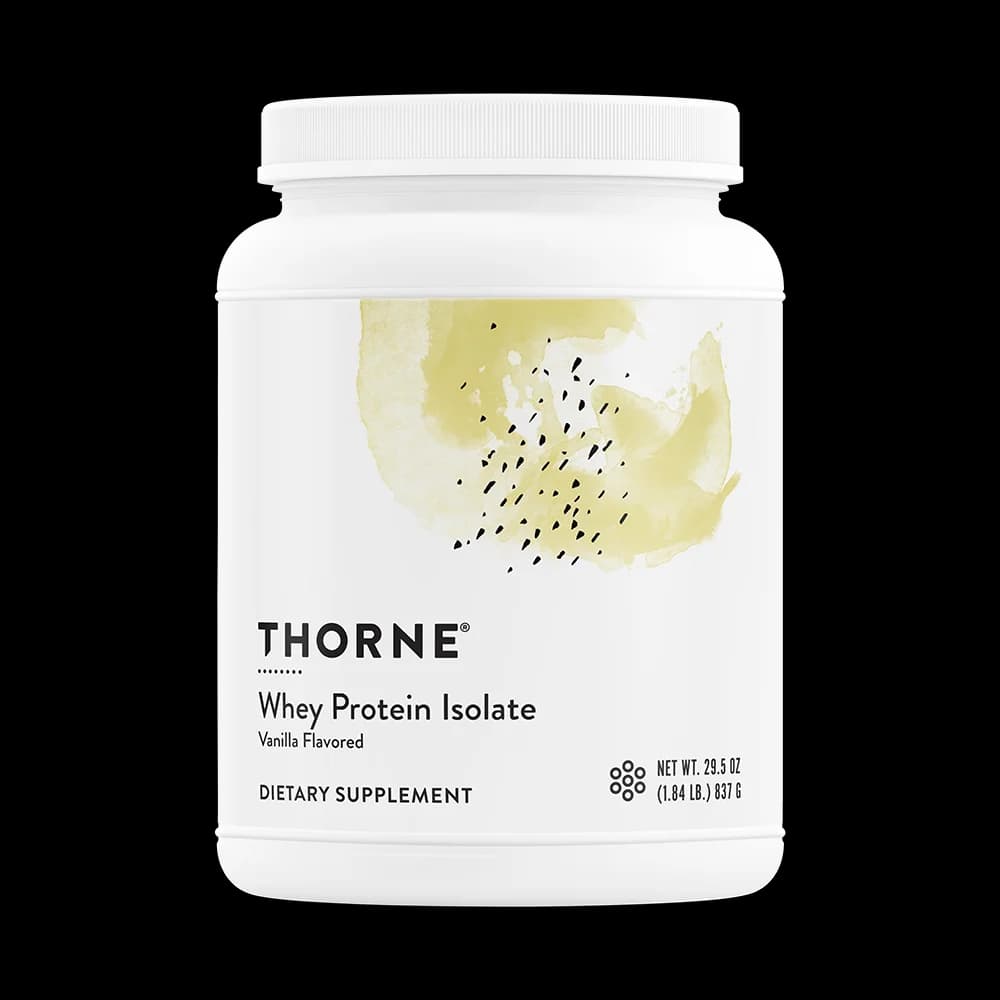
The true power of WPI lies in its precise molecular composition. A high-quality WPI, such as Thorne's formulation, delivers a robust 21 grams of protein per serving, including an optimal 2.2 grams of leucine. As we will explore later, this specific threshold of leucine is not arbitrary; it is the exact pharmacological trigger required to initiate muscle repair at the cellular level. Furthermore, WPI is rich in cysteine, a sulfur-containing amino acid that plays a vital role in the body's antioxidant defense systems.
To further optimize the absorption of these crucial amino acids, premium WPI formulations often include added digestive enzymes, specifically bromelain and papain. Bromelain is a complex mixture of proteolytic enzymes extracted from the stem and fruit of the pineapple plant (Ananas comosus), while papain is a cysteine protease derived from the latex of the raw papaya fruit (Carica papaya). These enzymes act as biological scissors, hydrolyzing the complex peptide bonds of the whey protein and breaking them down into smaller, easily absorbable peptides and free amino acids. This enzymatic assistance ensures that the body can fully assimilate the protein without expending excessive digestive energy, a crucial benefit for those dealing with chronic fatigue and gastrointestinal dysmotility.
How Chronic Illness Impacts Muscle and Energy
Living with conditions like Long COVID, ME/CFS, and dysautonomia often necessitates drastic lifestyle changes, the most prominent being a severe reduction in physical activity. When patients are bedbound or housebound for extended periods, the body rapidly enters a state of negative protein balance. Skeletal muscle is highly metabolically active tissue, and without the mechanical stimulus of regular movement, the body begins to break down muscle proteins to conserve energy—a process known as proteolysis. Over time, this leads to muscle wasting and secondary sarcopenia, compounding the patient's physical weakness and making even basic activities of daily living incredibly taxing.
Furthermore, chronic systemic inflammation, a hallmark of these conditions, induces a state of "anabolic resistance." In a healthy individual, eating a standard meal containing protein stimulates the body to build new muscle tissue. However, in the presence of chronic illness and high levels of inflammatory cytokines, the muscles become resistant to these nutritional signals. The body fails to efficiently utilize dietary protein, meaning that even if a patient is eating a seemingly adequate diet, they may still be losing lean muscle mass. This vicious cycle of inactivity and anabolic resistance is a primary driver of the profound physical deconditioning seen in post-viral syndromes.
The defining feature of ME/CFS and a major component of Long COVID is post-exertional malaise (PEM). PEM is a severe, disproportionate exacerbation of symptoms following minor physical, cognitive, or emotional exertion. To understand why this happens, we must look at the cellular level. Research indicates that Long COVID and ME/CFS are associated with intrinsic skeletal muscle abnormalities, including consistent impairments in mitochondrial respiration and a shift toward less efficient glycolytic muscle fibers. When a patient exerts themselves, their mitochondria struggle to produce adequate adenosine triphosphate (ATP) through normal aerobic pathways.
As a result, the body is forced to rely on anaerobic glycolysis, leading to an early and rapid accumulation of toxic metabolites like lactate. This metabolic crisis not only causes immediate muscle burning and fatigue but also induces micro-damage to the muscle fibers. In a healthy body, this damage is quickly repaired using circulating amino acids. However, in ME/CFS and Long COVID, the recovery mechanism is broken, leading to prolonged muscle pain, systemic inflammation, and a "crash" that can last for days or weeks. Understanding how early overexertion can prolong and worsen Long COVID symptoms is crucial for managing this fragile metabolic state.
Another critical pathophysiological mechanism in these chronic illnesses is unchecked oxidative stress. During an acute viral infection, such as SARS-CoV-2, the immune system generates a massive amount of reactive oxygen species (ROS) to destroy the pathogen. To protect healthy cells from this collateral damage, the body relies on its master antioxidant, glutathione. However, the sheer volume of oxidative stress during a severe or prolonged infection can completely deplete the body's intracellular glutathione reserves.
In Long COVID and ME/CFS, this depletion often persists long after the initial infection has cleared. Without adequate glutathione, ROS run rampant, damaging mitochondrial membranes, disrupting cellular signaling, and triggering neuroinflammation (often experienced as severe brain fog). Furthermore, research by scientists like Dr. Resia Pretorius has shown that this persistent inflammation and endothelial damage can lead to the formation of fibrinaloid microclots, which block capillaries and prevent oxygen and vital nutrients from reaching muscle tissues. This hypoxic environment further starves the muscles, exacerbating fatigue and perpetuating the cycle of chronic illness.
Whey Protein Isolate: Supporting Muscle Repair and Antioxidant Defense
To combat the severe muscle wasting and anabolic resistance seen in chronic illness, we must find a way to stimulate muscle growth without requiring the patient to engage in damaging physical exertion. This is where Whey Protein Isolate excels, primarily due to its high concentration of the amino acid leucine. Leucine is not just a structural building block; it acts as a direct pharmacological trigger that activates the mammalian target of rapamycin (mTOR) pathway, specifically the mTOR Complex 1 (mTORC1), which is the master regulatory kinase for skeletal muscle synthesis.
Clinical studies have mapped this mechanism precisely. When a patient consumes WPI, the rapid digestion causes a sharp spike in blood leucine levels. This leucine directly phosphorylates mTOR at the Ser^2448 site. Once activated, mTOR then phosphorylates two critical downstream effectors: p70S6K (at the Thr^389 site) and 4E-BP1 (at the Thr^37/46 site). The phosphorylation of 4E-BP1 is particularly crucial because, in its resting state, it actively inhibits protein translation. By phosphorylating it, leucine effectively "releases the brake," allowing the cellular machinery to begin constructing new muscle proteins. Because WPI contains the optimal 2.2 grams of leucine per serving, it successfully breaches the "leucine threshold" required to force the body into an anabolic state, helping to preserve lean mass even during periods of prolonged bed rest.
Beyond muscle preservation, WPI plays a profound role in restoring the body's antioxidant defenses. As discussed, Long COVID and ME/CFS are characterized by severe glutathione depletion. Glutathione cannot be effectively taken as a standard oral supplement because it is broken down in the gastrointestinal tract. Instead, it must be synthesized de novo inside the cells using three precursor amino acids: glutamate, glycine, and cysteine. Of these, cysteine is the rate-limiting factor, meaning the body can only produce as much glutathione as its cysteine supply allows.
High-quality, cold-processed Whey Protein Isolate is uniquely rich in bonded cysteine, known as cystine. Research demonstrates that this highly bioavailable cystine survives the digestive tract, enters the bloodstream, and crosses cellular membranes, where it is cleaved back into two cysteine molecules. This provides the exact substrate the cells need to ramp up glutathione production. By restoring intracellular glutathione, WPI helps neutralize the rampant reactive oxygen species (ROS) damaging the mitochondria, downregulates pro-inflammatory cytokines like IL-6 and TNF-alpha, and helps clear the neuroinflammation responsible for debilitating brain fog.
The inclusion of the digestive enzymes bromelain and papain in Thorne's WPI formulation elevates its therapeutic utility, particularly for patients with compromised gut function. Many individuals with dysautonomia and MCAS suffer from gastroparesis or reduced gastric acid secretion, making it difficult to break down dense proteins. Bromelain and papain are robust proteolytic enzymes that function across a wide pH range. They actively hydrolyze the peptide bonds of the whey protein, breaking it down into smaller, easily absorbable di- and tri-peptides.
Fascinatingly, recent studies have shown that these enzymes do more than just digest food in the lumen of the gut. Bromelain exhibits strong mucolytic activity, temporarily modulating tight junction proteins in the intestinal lining to allow for "self-enhanced paracellular diffusion." This means it actively improves the permeability of the gut lining just enough to enhance the systemic absorption of amino acids and other nutrients. Furthermore, a portion of these enzymes is absorbed intact into the bloodstream, where they bind to anti-proteinases like alpha-2-macroglobulin. Once systemic, bromelain acts on the kallikrein-kinin pathway, helping to reduce systemic inflammation and potentially aiding in the breakdown of fibrin, which is highly relevant for patients dealing with the microvascular clotting issues seen in Long COVID.

Symptoms Whey Protein Isolate May Help Manage
Because Whey Protein Isolate acts on multiple foundational biological pathways—from mTOR activation to glutathione synthesis—it can help manage a wide array of symptoms associated with complex chronic illnesses. Here is how targeted supplementation may improve daily quality of life:
Muscle Weakness and Atrophy: By providing a highly bioavailable dose of leucine (2.2g per serving), WPI triggers the mTOR pathway, forcing the body to initiate muscle protein synthesis. This helps preserve lean muscle mass and prevent sarcopenia, even when patients are bedbound or unable to exercise.
Post-Exertional Malaise (PEM) Severity: During exertion, patients with ME/CFS experience metabolic failure and micro-tears in their muscle fibers. Consuming fast-absorbing WPI provides an immediate pool of amino acids that can act as alternative metabolic substrates and supply the building blocks needed to blunt exercise-induced muscle damage, potentially reducing the duration and severity of a crash.
Brain Fog and Cognitive Dysfunction: WPI is rich in cystine, the rate-limiting precursor for glutathione. By driving up intracellular glutathione levels, WPI helps neutralize the oxidative stress and neuroinflammation in the brain that cause profound cognitive impairment, memory issues, and lack of focus.
Systemic Fatigue and Low Energy: Chronic fatigue is often driven by mitochondrial damage from reactive oxygen species. By restoring the body's master antioxidant defenses, WPI protects mitochondrial membranes, allowing them to produce ATP more efficiently and slowly restoring cellular energy levels.
Gastrointestinal Discomfort: For patients with slow motility or low stomach acid, digesting whole food proteins can cause bloating, nausea, and pain. The inclusion of bromelain and papain in this WPI formulation ensures the protein is rapidly broken down into absorbable peptides, minimizing digestive burden and maximizing nutrient uptake.
Immune Dysregulation: Glutathione is essential for the proper proliferation of lymphocytes (T-cells and B-cells) and the modulation of the cytokine response. By supporting glutathione production, WPI helps calm a hyperactive immune system and reduces chronic, low-grade inflammation.
While WPI is a powerful tool, it is important to remember that it is part of a broader management strategy. Understanding what causes Long COVID and how these symptoms interconnect is essential for developing a comprehensive, personalized care plan with your healthcare provider.
Practical Considerations: Forms, Dosing, and Absorption
When selecting a protein supplement, understanding the pharmacokinetics—how the body absorbs and utilizes the nutrient—is crucial. As discussed, Whey Protein Isolate (WPI) is vastly superior to Whey Protein Concentrate (WPC) for patients with chronic illness due to its rapid absorption profile. Clinical pharmacokinetic studies tracking blood amino acid levels demonstrate that because WPI is stripped of fats and lactose, it empties from the stomach and enters the small intestine much faster than WPC.
In crossover studies, researchers found that consuming a dose of Whey Protein Isolate triggers an incredibly fast peak in blood essential amino acid (EAA) levels, hitting maximum concentration ($T_{max}$) at approximately 67 minutes post-ingestion. This rapid influx of amino acids is exactly what is needed to quickly breach the "leucine threshold" and activate the mTOR pathway. For a patient experiencing a PEM crash, getting these vital building blocks into the bloodstream and to the starving muscle tissues as quickly as possible is paramount. Both WPI and WPC boast a near-perfect Biological Value (BV) of 104, meaning the body utilizes the amino acids with exceptional efficiency, but WPI delivers them with the speed required for acute therapeutic support.
To achieve the clinical benefits of muscle preservation and glutathione synthesis, dosing must be precise. Meta-analyses evaluating the effects of whey protein on myofibrillar fractional synthetic rates (FSR) confirm a dose-dependent increase in muscle protein synthesis that peaks at an optimal dose of 20 to 40 grams of protein. Thorne's WPI provides 21 grams per serving, hitting this therapeutic window perfectly. Crucially, this 21-gram dose contains 2.2 grams of leucine, which studies identify as the minimum threshold required to fully saturate mTOR activation in adults.
Timing can also play a role in symptom management. For patients actively managing ME/CFS or Long COVID, consuming a serving of WPI in the morning can help provide a stable pool of amino acids to support energy metabolism throughout the day. Alternatively, if a patient must engage in an unavoidable physical or cognitive task (such as a doctor's appointment or a short walk), consuming WPI immediately afterward may help "intercept" the cellular energy crash. The rapid influx of BCAAs can provide immediate metabolic substrates, potentially mitigating the severity of the incoming post-exertional malaise.
Whey Protein Isolate is generally considered exceptionally safe and well-tolerated, even for those with sensitive digestive systems. Because the microfiltration process removes virtually all lactose, it is typically safe for individuals with lactose intolerance. However, it is fundamentally derived from milk, meaning it is strictly contraindicated for anyone with a true dairy allergy (an IgE-mediated immune response to milk proteins). Additionally, patients with pre-existing kidney disease or impaired renal function should consult their healthcare provider before significantly increasing their protein intake, as high levels of dietary protein can increase the filtration burden on the kidneys.
Quality and purity are paramount when selecting a supplement, especially for patients with hyper-reactive immune systems or conditions like Mast Cell Activation Syndrome (MCAS). Thorne's Whey Protein Isolate is NSF Certified for Sport®, which is one of the most rigorous independent testing certifications available. This certification guarantees that the product contains exactly what is on the label, is free from over 200 banned substances, and has been strictly tested for contaminants, heavy metals, and artificial additives that could trigger inflammation or adverse reactions in chronically ill patients.

Follow the Science
The ability of Whey Protein Isolate to stimulate muscle growth and prevent wasting is supported by decades of robust clinical data. A double-blinded, randomized controlled trial published in the American Journal of Physiology investigated muscle biopsies in individuals consuming WPI. The researchers tracked the molecular markers of protein synthesis and found that WPI significantly enhanced the phosphorylation of mTOR, 4E-BP1, and p70S6K exactly two hours post-ingestion. This study proved that a rapid spike in blood leucine from WPI is essentially required to unlock translation initiation and build new muscle fibers.
More importantly for the chronic illness community, WPI has been shown to induce these anabolic effects even in the absence of exercise. A 12-week randomized, single-blind clinical trial on patients with chronic Heart Failure—a population similarly restricted from exercise due to severe fatigue and cardiovascular limitations—tested the effects of 30 grams per day of WPI supplementation. After 12 weeks, the WPI group experienced a significant increase in skeletal muscle mass (+0.6 kg on average) and a reduction in body fat percentage. The researchers concluded that WPI supplementation successfully initiated muscle mass gain passively, offering immense hope for bedbound ME/CFS and Long COVID patients.
Recent clinical trials have begun explicitly testing WPI as a targeted intervention for Long COVID, focusing on its ability to rebuild glutathione and combat neuroinflammation. A landmark 2024 randomized, controlled trial conducted in Cali, Colombia, investigated the use of a cysteine-rich WPI in 120 patients suffering from Post-COVID Cognitive Impairment (PCCI). Patients consumed 20 grams of WPI daily for 12 weeks.
The results were highly significant. The WPI group showed marked improvements in divided attention and working memory—cognitive domains highly sensitive to oxidative stress in the brain. Furthermore, using the 30-second sit-to-stand test to measure physical endurance, the WPI group saw a significant reduction in clinical fatigue compared to the control group. This trial provides concrete evidence that supplying the body with the precursors for glutathione can objectively improve both the cognitive "brain fog" and the physical exhaustion characteristic of Long COVID.
The scientific literature also strongly supports the inclusion of bromelain and papain in protein formulations. A 2022 in vivo study published in the National Library of Medicine demonstrated that oral administration of these enzymes not only stimulated endogenous pancreatic trypsin activity but also expanded the population of Akkermansia muciniphila, a beneficial gut bacterium strictly associated with a healthy mucosal barrier.
Additionally, in vitro human reconstructed 3D intestinal tissue models have shown that bromelain significantly decreases Transepithelial Electrical Resistance (TEER). This decrease points to the temporary, safe modulation of tight junction proteins, which allows for enhanced paracellular diffusion. In simpler terms, the science confirms that bromelain actively helps the intestines absorb the amino acids from the whey protein more efficiently, ensuring that patients get the maximum therapeutic benefit from every scoop.
The Path Forward
Navigating the daily realities of Long COVID, ME/CFS, or dysautonomia is an exhausting, full-time job. When your body feels like it is constantly working against you, finding passive, low-energy ways to support your cellular health is essential. You do not need to be an athlete or engage in rigorous exercise to benefit from high-quality protein. By simply providing your body with the optimal amino acid profile found in Whey Protein Isolate, you are delivering the precise molecular tools needed to preserve your muscle mass, rebuild your antioxidant defenses, and protect your mitochondria from further oxidative damage.
It is important to remember that supplements are just one piece of a much larger puzzle. Managing complex chronic illness requires a comprehensive, multi-disciplinary approach. Learning how to live with long-term COVID involves strict symptom tracking, aggressive rest, pacing to avoid PEM, and working closely with a healthcare provider who understands the nuances of post-viral dysautonomia and metabolic dysfunction. Whey protein isolate is not a cure, but it is a powerful, science-backed ally in your daily management toolkit, helping to build a foundation of physical resilience.
If you are struggling with muscle weakness, severe fatigue, or the cognitive impacts of neuroinflammation, targeted nutritional support can make a tangible difference in your quality of life. Always consult with your healthcare practitioner before introducing new supplements, especially if you have underlying kidney conditions or severe food allergies. Together, you can determine the optimal dosing and timing to support your unique metabolic needs.