Can Vitamin K2 with D3 Support Vascular and Bone Health in Long COVID and Dysautonomia?
March 6, 2026
Vitamin K2Vitamin D3Long COVID
Share:
Disclaimer: The information provided here is for educational purposes only and is not intended as medical advice. It should not be used to diagnose, treat, cure, or prevent any medical condition. Instead, use it as a starting point for discussion with your healthcare provider. Always consult with a qualified healthcare provider before starting any new medication, supplement, device, or making changes to your health regimen.
Living with complex chronic conditions like Long COVID, myalgic encephalomyelitis/chronic fatigue syndrome (ME/CFS), and dysautonomia often feels like navigating a dark labyrinth without a map. Patients frequently experience a cascading array of seemingly disconnected, debilitating symptoms—from profound, crushing post-exertional malaise (PEM) and dense brain fog to racing heart rates, orthostatic intolerance, and deep, aching bone pain. When standard medical blood panels return "normal," it can be incredibly frustrating, invalidating, and isolating. However, emerging medical research is beginning to illuminate the underlying physiological mechanisms connecting these diverse symptoms, pointing toward systemic, root-cause issues like severe endothelial dysfunction, chronic immune dysregulation, persistent neuroinflammation, and hidden nutritional deficiencies at the cellular level. Learn more about what causes Long COVID.
One of the most exciting and rapidly evolving areas of recent nutritional and medical research focuses on the profound, synergistic relationship between two essential, fat-soluble nutrients: Vitamin D3 and Vitamin K2. While traditionally viewed by the medical establishment solely through the narrow lens of basic skeletal health, modern science reveals that these vitamins act as powerful, systemic regulators of vascular integrity, immune system homeostasis, and autonomic nervous system balance. For individuals battling the unpredictable and complex nature of chronic illness, understanding exactly how Vitamin D3 and Vitamin K2 work together at the molecular level offers a vital, science-backed piece of the puzzle in managing symptoms, protecting cardiovascular health, and supporting long-term, sustainable recovery.
What is Vitamin K2 with D3?
The "Calcium Paradox" and Synergistic Action
To truly understand the immense therapeutic power of combining Vitamin K2 with Vitamin D3, we must first explore a biological phenomenon that has baffled cardiovascular and skeletal researchers for decades, known in the medical and scientific community as the "Calcium Paradox." For many years, doctors recommended high doses of calcium and Vitamin D supplements to aging patients to protect against bone loss and osteoporosis. However, clinical observations soon revealed a dangerous unintended consequence: while patients were absorbing more calcium, it was not always making its way into their skeletal system. Instead, this excess circulating calcium was precipitating and accumulating dangerously in the soft tissues, specifically forming calcified plaques within the arterial walls and heart valves.
This paradoxical situation—where a patient can simultaneously suffer from severe calcium deficiency in their porous bones and dangerous calcium overload in their stiff, hardened arteries—highlighted a massive gap in our understanding of human metabolism. Researchers eventually discovered that having abundant calcium in the bloodstream is completely useless, and potentially highly toxic, if the body lacks the specific biological instructions required to direct that calcium to the correct anatomical locations. This is precisely where the profound synergy between Vitamin D3 and Vitamin K2 becomes critical. These two fat-soluble vitamins operate as a highly coordinated, interdependent team to solve the Calcium Paradox, ensuring that calcium is safely utilized to fortify the skeletal matrix while actively protecting the delicate cardiovascular system from calcification.
Vitamin D3: The Absorber and Synthesizer
Vitamin D3, scientifically known as cholecalciferol, is far more than a simple daily vitamin; it is a potent, systemically active secosteroid hormone that plays a foundational role in human biology. When synthesized in the skin via UVB sunlight exposure or ingested through high-quality supplementation, it travels to the liver where it is converted into 25-hydroxyvitamin D [25(OH)D], the major circulating form. From there, it is transported to the kidneys and converted into its fully active, hormonal form known as calcitriol. Calcitriol then binds directly to the Vitamin D Receptor (VDR), which is present in the nucleus of almost every single cell in the human body, allowing it to powerfully influence the expression of thousands of different genes.
In the context of bone and cardiovascular health, Vitamin D3 has two primary, non-negotiable jobs. First, it vastly upregulates the expression of specific calcium transport channels (like TRPV6) in the intestinal lining, effectively opening the floodgates to allow the digestive tract to absorb dietary calcium into the bloodstream at a highly accelerated rate. Second, and equally important, Vitamin D3 acts at the DNA level to stimulate the synthesis of two crucial calcium-binding proteins: osteocalcin and Matrix Gla Protein (MGP). However, there is a massive biological catch that is often overlooked in standard medical practice. When Vitamin D3 produces these highly specialized proteins, it strictly manufactures them in an inactive, uncarboxylated state. In this dormant form, these proteins are structurally incapable of binding to calcium or performing their essential physiological duties.
Vitamin K2: The Essential Activation Key
While Vitamin D3 provides the raw materials (calcium) and manufactures the biological tools (inactive proteins), Vitamin K2 acts as the essential, irreplaceable "activation key." Vitamin K2, specifically the long-chain menaquinone-7 (MK-7) form, operates as a vital cofactor for a highly specialized enzyme in the body known as gamma-glutamyl carboxylase. This enzyme is responsible for facilitating a complex biochemical process called carboxylation. During carboxylation, Vitamin K2 chemically alters the inactive proteins produced by Vitamin D3, converting their glutamic acid (Glu) residues into gamma-carboxyglutamic acid (Gla) residues.
This molecular transformation is nothing short of biological alchemy. It gives the proteins chemical "claws" that allow them to aggressively bind to circulating calcium ions. Once activated by Vitamin K2, osteocalcin can grab calcium from the blood and lock it securely into the hydroxyapatite matrix of the bones and teeth, building dense, fracture-resistant skeletal tissue. Simultaneously, Vitamin K2 activates Matrix Gla Protein (MGP) within the smooth muscle cells of the blood vessels. Activated MGP acts like a microscopic biological street sweeper, actively binding to free-floating calcium in the bloodstream and preventing it from crystallizing and forming dangerous plaques in the arterial lining. Without adequate Vitamin K2, the proteins remain dormant, calcium builds up in the arteries, and bones slowly demineralize, highlighting why these two vitamins must always be utilized together.
How Long COVID and Dysautonomia Impact Vascular and Bone Health
Viral Endotheliitis and Vascular Damage in Long COVID
To understand why Vitamin K2 and D3 are so critical for chronic illness management, we must examine how conditions like Long COVID fundamentally damage the body's vascular infrastructure. The endothelium is the ultra-thin, highly sensitive membrane that lines the entire interior surface of the heart, blood vessels, and lymphatic system. In a healthy body, the endothelium regulates blood pressure, controls blood clotting, and manages the passage of immune cells and oxygen into surrounding tissues. However, during a SARS-CoV-2 infection, the virus's notorious spike protein binds directly to ACE2 receptors, which are highly expressed on the surface of these delicate endothelial cells. This binding triggers a cascade of severe, localized inflammation and cellular destruction known as "viral endotheliitis."
This persistent endothelial damage is increasingly recognized as a primary, driving mechanism behind the most debilitating symptoms of Long COVID. As the endothelial lining becomes inflamed and damaged, it loses its ability to produce adequate nitric oxide, a crucial molecule required for blood vessel dilation and healthy blood flow. Consequently, the blood vessels constrict, and the damaged lining becomes "sticky," leading to the formation of widespread, microscopic blood clots (microthrombosis). These micro-clots physically block the tiny capillaries, preventing life-sustaining oxygen and vital nutrients from reaching the brain, muscles, and organs. This chronic state of cellular hypoxia (oxygen starvation) directly fuels the severe brain fog, intense muscle pain, and debilitating post-exertional malaise (PEM) that Long COVID patients experience daily.
Dysautonomia, POTS, and Sympathovagal Imbalance
The vascular damage seen in Long COVID frequently triggers or exacerbates secondary conditions like dysautonomia, particularly Postural Orthostatic Tachycardia Syndrome (POTS). Dysautonomia represents a profound dysfunction of the autonomic nervous system (ANS), the master control center that automatically regulates heart rate, blood pressure, digestion, and temperature. In POTS, the ANS fails to properly constrict the blood vessels in the lower half of the body when a patient stands up. Because the damaged, stiffened blood vessels cannot maintain adequate vascular tone, blood rapidly pools in the legs and abdomen, drastically reducing blood flow to the brain.
To compensate for this sudden drop in cerebral blood pressure, the sympathetic nervous system (the "fight or flight" response) kicks into extreme overdrive, dumping massive amounts of adrenaline and norepinephrine into the bloodstream. This causes the heart rate to skyrocket, leading to terrifying palpitations, severe dizziness, shortness of breath, and pre-syncope (near fainting). This chronic, exhausting state of sympathovagal imbalance—where the sympathetic nervous system is constantly hyperactive while the calming parasympathetic nervous system is suppressed—leaves patients feeling wired, exhausted, and physically drained. Maintaining optimal elasticity and health of the blood vessels is absolutely paramount for managing these severe orthostatic symptoms, making vascular-protective nutrients incredibly important. Learn more about living with long-term COVID symptoms.
Gut Dysbiosis and Malabsorption in ME/CFS
Another critical factor linking chronic illness to Vitamin K2 and D3 deficiency is the profound gastrointestinal dysfunction seen in myalgic encephalomyelitis/chronic fatigue syndrome (ME/CFS) and Long COVID. The human gut microbiome plays a surprisingly large role in our daily nutritional status. While Vitamin K1 is easily obtained through eating leafy green vegetables, Vitamin K2 is synthesized almost entirely by specific strains of beneficial bacteria residing in the large intestine. However, recent microbiome research has consistently demonstrated that patients with ME/CFS and Long COVID suffer from severe gut dysbiosis, characterized by a massive loss of bacterial diversity and the specific depletion of key K2-synthesizing bacteria like Faecalibacterium.
Furthermore, the autonomic dysfunction inherent in these conditions frequently causes severe gastrointestinal dysmotility, such as gastroparesis (delayed stomach emptying). This sluggish digestion, often compounded by comorbid conditions like mast cell activation syndrome (MCAS) and hypermobile Ehlers-Danlos Syndrome (hEDS), leads to severe malabsorption of dietary fats. Because both Vitamin D3 and Vitamin K2 are strictly fat-soluble vitamins, this chronic fat malabsorption creates a vicious cycle. The body cannot properly extract or absorb these vital nutrients from food, leading to deep, systemic deficiencies that further impair immune function, weaken the vascular lining, and degrade bone health, ultimately exacerbating the very symptoms the patient is desperately trying to manage.
Vitamin K2 with D3: Supporting Endothelial and Skeletal Function
Activating Matrix Gla Protein (MGP) for Arterial Protection
When patients with complex chronic illnesses supplement with a high-quality, synergistic blend of Vitamin K2 and D3, they are fundamentally intervening at the molecular level to repair and protect their damaged vascular infrastructure. The most critical mechanism of action in this process is the activation of Matrix Gla Protein (MGP). Synthesized by the vascular smooth muscle cells and the endothelial cells under the direct stimulation of Vitamin D3, MGP is currently recognized by the global scientific community as the most potent, naturally occurring inhibitor of vascular calcification ever discovered. However, as previously established, it is entirely dependent on Vitamin K2 for its activation.
In the context of Long COVID and dysautonomia, where the endothelial lining is already inflamed, damaged, and prone to micro-clotting, preventing further vascular stiffening is an absolute clinical priority. When Vitamin K2 (specifically the long-lasting MK-7 form) carboxylates and activates MGP, this protein actively binds to rogue calcium ions that are floating in the bloodstream. By sequestering this calcium, activated MGP prevents it from nucleating and forming rigid, microscopic hydroxyapatite crystals within the tunica media (the middle layer of the arterial wall). This profound biological action maintains the vital elasticity, flexibility, and compliance of the blood vessels. For a patient with POTS, highly elastic and responsive blood vessels are crucial for properly regulating blood pressure upon standing and preventing the severe blood pooling that triggers debilitating tachycardia.
Osteocalcin Activation and Bone Mineral Density
Beyond protecting the cardiovascular system, the combination of Vitamin K2 and D3 is the ultimate biological architect for skeletal integrity. Chronic illness often forces patients into prolonged periods of bed rest or severe physical inactivity due to post-exertional malaise (PEM) and extreme fatigue. This forced immobilization drastically accelerates bone demineralization, as the lack of mechanical stress on the skeleton signals the body to increase the activity of osteoclasts—specialized cells that aggressively break down the bone matrix and release calcium back into the blood. This rapid bone loss puts patients at a significantly higher risk for early-onset osteopenia, osteoporosis, and painful micro-fractures.
Supplementation directly combats this immobilization-induced bone loss through the activation of osteocalcin. Vitamin D3 ensures that the digestive tract absorbs maximum calcium from the diet, while simultaneously stimulating the osteoblasts (bone-building cells) to produce osteocalcin. Vitamin K2 then steps in to carboxylate this osteocalcin, giving it the structural ability to grab the newly absorbed calcium and cement it firmly into the skeletal matrix. Furthermore, emerging research indicates that activated osteocalcin acts as a powerful endocrine hormone, traveling to the pancreas to improve insulin sensitivity and traveling to the brain to support neurotransmitter synthesis, offering systemic benefits that extend far beyond simple bone density.
Immune Modulation and Cytokine Regulation
The therapeutic benefits of Vitamin K2 with D3 extend deeply into the realm of immune system homeostasis, which is heavily dysregulated in Long COVID and ME/CFS. Approximately 75% of all human immune system functions are directly dependent on adequate intracellular levels of Vitamin D and its active metabolites. Vitamin D3 acts as a master immunomodulator, actively shifting the immune system away from a hyper-inflammatory, tissue-damaging Th1/Th17 response and toward a calming, regulatory Th2/Treg response. It effectively suppresses the overproduction of pro-inflammatory cytokines, such as Interleukin-6 (IL-6) and Tumor Necrosis Factor-alpha (TNF-α), which are the primary drivers of the chronic "cytokine storms" that cause systemic inflammation and persistent brain fog in Long COVID patients.
Simultaneously, Vitamin D3 enhances the innate immune system's ability to clear persistent viral reservoirs by stimulating the synthesis of powerful antimicrobial and antiviral peptides, such as cathelicidins and defensins, within the macrophages. Vitamin K2 powerfully complements this action by exhibiting its own distinct anti-inflammatory properties, specifically by reducing levels of C-reactive protein (CRP) and inhibiting the activation of NF-κB, a master genetic switch that triggers widespread cellular inflammation. Together, this synergistic duo helps cool the chronic, simmering neuroinflammation that plagues the central nervous system of chronic illness patients, offering a foundational layer of protection for both the brain and the body. Read more about how doctors diagnose Long COVID and its inflammatory markers.

Symptoms Vitamin K2 with D3 May Help Manage
Targeted Symptom Relief for Complex Conditions
Orthostatic Intolerance and Palpitations: By activating Matrix Gla Protein (MGP) and preventing arterial calcification, Vitamin K2 helps maintain the crucial elasticity and flexibility of blood vessels. This improved vascular compliance allows the autonomic nervous system to better regulate blood pressure upon standing, potentially reducing the severe blood pooling, dizziness, and compensatory racing heart rate (tachycardia) experienced by patients with POTS and dysautonomia.
Severe Brain Fog and Cognitive Impairment: Both Vitamin D3 and K2 play vital roles in protecting the delicate endothelial cells that make up the blood-brain barrier (BBB). By reducing neuroinflammation, preventing micro-vascular clotting, and improving cerebral blood flow, this synergistic combination helps ensure the brain receives adequate oxygen and nutrients, which can help alleviate dense brain fog, memory loss, and difficulty concentrating.
Deep Bone and Joint Pain: Chronic illness often involves widespread, aching bone pain, exacerbated by immobilization and rapid bone demineralization. Vitamin K2 activates osteocalcin, which aggressively binds circulating calcium and integrates it directly into the bone matrix. This process not only improves overall bone mineral density but can significantly reduce the deep, structural aching associated with osteopenia and calcium dysregulation.
Post-Exertional Malaise (PEM) and Severe Fatigue: While not a cure for PEM, improving endothelial health and vascular nitric oxide production via Vitamin D3 and K2 supplementation enhances microvascular circulation. Better circulation means more efficient delivery of oxygen and vital nutrients to struggling, dysfunctional mitochondria in the muscle tissues, which may help raise the baseline threshold for physical exertion and reduce the severity of energy crashes.
Frequent Infections and Immune Dysregulation: Vitamin D3 is a master regulator of the immune system, responsible for synthesizing powerful antimicrobial peptides like cathelicidins that help the body clear persistent viral fragments. By shifting the immune response away from hyper-inflammation and toward balanced regulation, this combination helps stabilize the immune system, potentially reducing the frequency of secondary infections and chronic inflammatory flares.
Practical Considerations: Forms, Dosing, and Absorption
The Superiority of MenaQ7® PRO (MK-7)
When selecting a Vitamin K2 supplement, understanding the profound differences between its various molecular forms is absolutely critical for achieving clinical efficacy. Vitamin K2 exists in several different isoforms, known as menaquinones, which are categorized by the length of their isoprenoid side chains. The two most common forms found in commercial supplements are MK-4 (menaquinone-4) and MK-7 (menaquinone-7). MK-4 is a short-chain menaquinone with a very brief biological half-life of only 1 to 2 hours. Because it is cleared from the bloodstream so rapidly, patients must take multiple, highly concentrated pharmacological doses throughout the day to maintain adequate serum levels, making it highly impractical for those already managing complex medication schedules.
In stark contrast, MK-7 is a long-chain menaquinone that is highly lipophilic (fat-loving). This unique molecular structure gives MK-7 an incredibly long biological half-life of up to 48 hours in the human bloodstream. This extended presence allows for simple, once-daily dosing while ensuring a steady, continuous state of protein activation. The Ortho Molecular formula utilizes MenaQ7® PRO, which is globally recognized as the most highly purified, clinically validated, and widely studied form of MK-7 available on the market. Backed by over 22 human clinical trials, MenaQ7® PRO guarantees optimal bioavailability, ensuring that the Vitamin K2 reaches the extrahepatic tissues (like the blood vessels and bones) where it is desperately needed to activate MGP and osteocalcin.
Optimal Dosing and Fat-Soluble Absorption
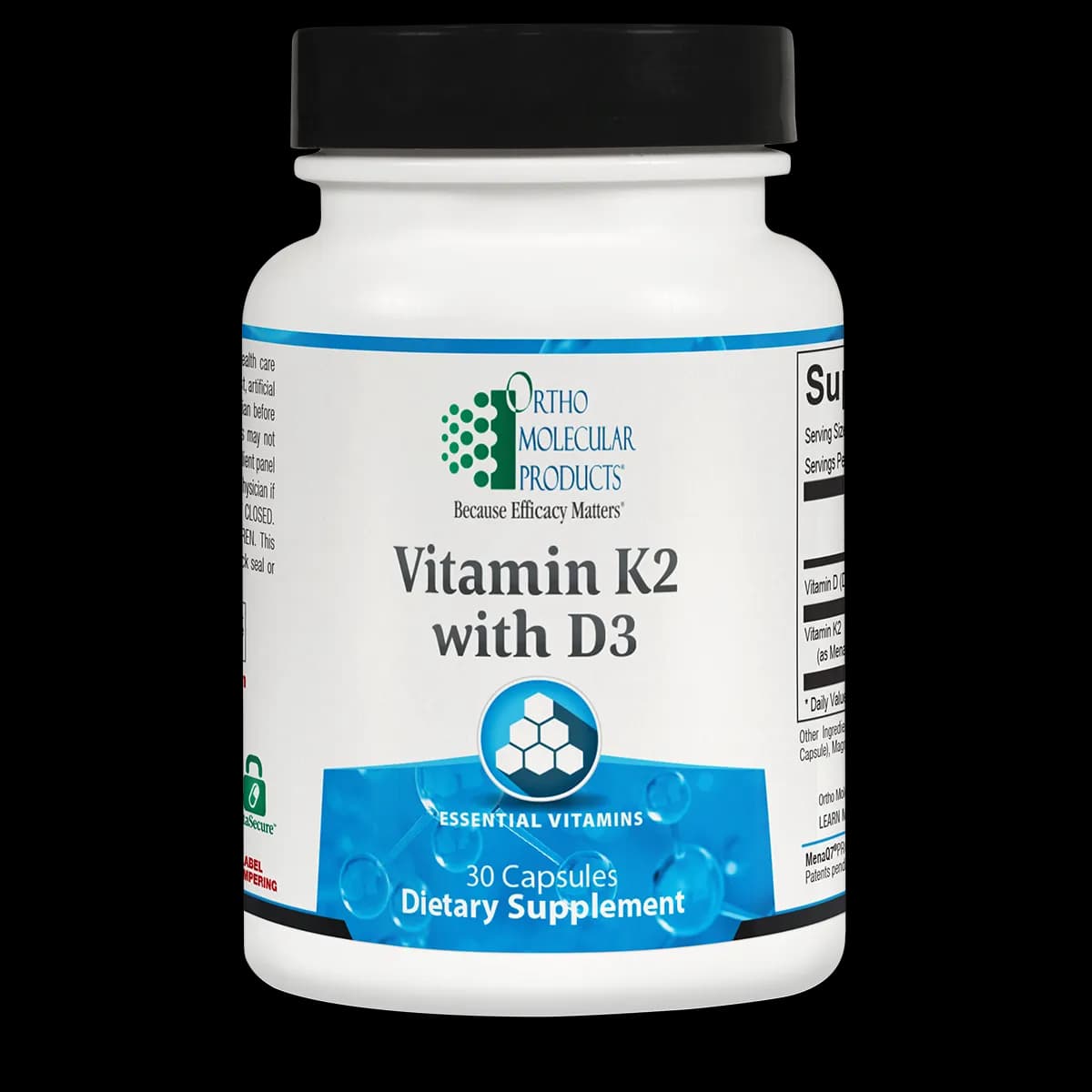
The Ortho Molecular Vitamin K2 with D3 formula provides a highly synergistic, clinically backed ratio: 5,000 IU (125 mcg) of Vitamin D3 paired with 45 mcg of MenaQ7® PRO (MK-7) per capsule. This specific ratio is designed to ensure that the massive influx of calcium triggered by the high dose of Vitamin D3 is safely and immediately managed by the activating power of the MK-7. However, because both of these nutrients are strictly fat-soluble vitamins, their absorption in the gastrointestinal tract is entirely dependent on the presence of dietary lipids. If taken on an empty stomach, the vast majority of the supplement will simply pass through the digestive system unabsorbed, completely wasting its therapeutic potential.
To maximize bioavailability, patients must take this supplement alongside a meal that contains a substantial amount of healthy, high-quality fats. Consuming fats—such as half an avocado, a handful of walnuts, a tablespoon of extra virgin olive oil, or a serving of wild-caught salmon—triggers the gallbladder to release bile acids into the small intestine. These bile acids act as biological emulsifiers, breaking down the fat-soluble vitamins and packaging them into microscopic spheres called micelles. These micelles can then easily pass through the watery mucous layer of the intestinal lining and enter the lymphatic system, ensuring the vitamins successfully reach systemic circulation. For patients with gastroparesis or severe malabsorption, taking the supplement with a highly easily digestible fat, like MCT oil, can further enhance absorption.
Safety, Blood Thinners, and MCAS Considerations
While Vitamin D3 and K2 are generally incredibly safe and well-tolerated, there are critical medical contraindications that patients with chronic illness must carefully navigate. The most significant interaction involves oral anticoagulant medications, specifically Vitamin K Antagonists (VKAs) like Warfarin (Coumadin). These powerful blood thinners work by intentionally inducing a severe Vitamin K deficiency to prevent blood clotting. Supplementing with Vitamin K2 will directly counteract the mechanism of Warfarin, potentially leading to dangerous, life-threatening blood clots. Patients taking any form of prescription blood thinner must absolutely consult their prescribing cardiologist or hematologist before introducing Vitamin K2 into their regimen, as their medication dosage will require strict, frequent monitoring and adjustment.
Additionally, patients suffering from highly reactive Mast Cell Activation Syndrome (MCAS)—a condition frequently comorbid with Long COVID and ME/CFS—must exercise caution. Historically, many MK-7 supplements were derived directly from natto, a traditional Japanese fermented soybean dish. Fermented foods are notoriously high in histamine and can act as massive triggers for mast cell degranulation, leading to severe allergic reactions, hives, and systemic inflammation in sensitive individuals. While MenaQ7® PRO is a highly purified, pharmaceutical-grade extract that removes the vast majority of these allergenic proteins, incredibly sensitive MCAS patients should always start with a very low dose or consult their immunologist to ensure they do not experience a histamine flare. Learn more about the connection between Long COVID and ME/CFS.

Follow the Science
The Landmark MenaQ7® Clinical Trials
The scientific validation supporting the use of MenaQ7® (MK-7) is extensive, largely spearheaded by the pioneering research of Dr. Leon Schurgers, a world-renowned expert in vascular calcification at the Cardiovascular Research Institute Maastricht (CARIM) at Maastricht University. Over the past two decades, Dr. Schurgers and his dedicated team have conducted over 15 rigorous clinical trials demonstrating the profound efficacy of this specific MK-7 formulation. One of the most groundbreaking studies was a 3-year, randomized, double-blind, placebo-controlled trial involving 244 healthy postmenopausal women. The clinical findings were remarkable: the women taking MenaQ7® experienced a statistically significant decrease in inactive MGP levels, a measurable reduction in arterial stiffness, and vastly improved vascular elasticity compared to the placebo group. Furthermore, the same cohort showed significant protection against age-related bone loss in the vertebrae and hip, proving the dual cardiovascular and skeletal benefits.
Even more recently, in September 2025, Dr. Schurgers presented the highly anticipated results of the VitaK-CAC Trial at the Linus Pauling Institute. This monumental, double-blind study assessed the effects of MenaQ7 supplementation in patients with pre-existing coronary artery disease (CAD). The results were unprecedented in the field of cardiology: the study demonstrated for the very first time that a vitamin intervention could actively slow the progression of Coronary Artery Calcification (CAC) and postpone the dangerous buildup of coronary calcium in diseased patients. This data solidifies MK-7 not just as a preventative supplement, but as a powerful, active therapeutic agent for protecting the cardiovascular system against severe, life-threatening calcification.
Recent Breakthroughs in Long COVID Research
The application of Vitamin D3 and K2 specifically for Long COVID is rapidly gaining traction in the scientific literature, with recent clinical trials showing highly promising results. A landmark 2025 randomized controlled trial investigated the effects of a combined supplementation protocol (2,000 IU of Vitamin D3 and 240 µg of Vitamin K2) over a 24-week period in patients suffering from severe Long COVID. The researchers found that this specific synergistic combination significantly reduced the total number of Long COVID symptoms reported by patients. Crucially, blood analysis revealed that the treatment drastically lowered systemic markers of severe inflammation (such as sTNF-RI), reduced oxidative stress (oxidized LDL), and significantly decreased markers of fungal translocation in the gut, highlighting its profound ability to modulate the immune system and repair endothelial damage.
These interventional findings are strongly supported by earlier observational data. A highly controlled retrospective study presented at the European Congress of Endocrinology (Di Filippo et al., 2023) evaluated patients six months after their initial COVID-19 discharge. The researchers discovered that patients who developed Long COVID had significantly lower serum Vitamin D levels compared to those who fully recovered. Most notably, severe Vitamin D deficiency was uniquely and strongly correlated with the presence of debilitating neurocognitive impairments, specifically the dense brain fog and memory loss that plague so many Long COVID survivors. This data underscores the critical importance of maintaining optimal fat-soluble vitamin levels to protect the central nervous system from chronic post-viral neuroinflammation.
Autonomic Nervous System and Dysautonomia Findings
While large-scale, double-blind trials exclusively testing Vitamin K2 on POTS and dysautonomia patients are still in their infancy, compelling patent data and smaller studies point to significant autonomic benefits. A biomedical patent detailing the dynamic balancing of the autonomic nervous system through MK-7 administration highlights serendipitous clinical findings: therapeutic doses of MK-7 were shown to exert a powerful cardioprotective effect, successfully restoring autonomic tone, improving cardiac output, and stabilizing erratic electrical conduction in the heart without the harsh, debilitating side effects often associated with standard beta-blockers or cardiac medications. By improving vascular stiffness and endothelial compliance, MK-7 directly addresses the mechanical blood-pooling issues that trigger the severe sympathovagal imbalance seen in POTS.
Furthermore, research into the complex pathophysiology of ME/CFS frequently highlights the importance of comprehensive nutritional support. A prospective study published in the Medical Science Monitor evaluated women with CDC-diagnosed ME/CFS who were administered a daily multivitamin complex that specifically included Vitamin K. Following the treatment protocol, researchers documented statistically significant improvements across multiple debilitating domains, including a marked decrease in severe autonomic nervous system symptoms, a reduction in crushing fatigue, and improved sleep architecture. While Vitamin K was part of a broader nutritional intervention, its inclusion highlights the necessity of addressing deep, systemic fat-soluble vitamin deficiencies when attempting to stabilize a highly reactive and dysfunctional autonomic nervous system.
The Path Forward
Integrating Nutritional Support into Complex Care
Living with an invisible, complex chronic illness is an incredibly exhausting and deeply challenging journey. The daily reality of battling unpredictable symptoms, navigating a medical system that often lacks clear answers, and mourning the loss of your previous baseline can take a massive physical and emotional toll. It is vital to remember that your symptoms are incredibly real, physiologically based, and valid. While no single supplement, including Vitamin K2 with D3, is a miraculous cure for conditions as deeply complex as Long COVID, ME/CFS, or dysautonomia, targeted, science-backed nutritional interventions can serve as powerful, foundational tools in your overall management strategy. By actively repairing endothelial damage, supporting bone density, and modulating chronic inflammation at the cellular level, you are giving your body the vital biological resources it needs to begin the slow, non-linear process of healing.
A Collaborative Approach to Healing
True symptom management requires a comprehensive, multidisciplinary approach. Supplementation should always be integrated alongside essential daily management techniques, such as aggressive radical resting, meticulous symptom tracking, strict pacing to avoid post-exertional malaise (PEM), and maintaining optimal hydration and electrolyte balance. Because these conditions are highly individualized and frequently involve sensitive autonomic nervous systems and complex medication regimens, it is absolutely crucial to work collaboratively with a dysautonomia-literate physician or a specialized healthcare provider. They can help you safely navigate potential interactions, determine your baseline vitamin levels through comprehensive blood work, and tailor a dosing strategy that perfectly aligns with your unique physiological needs and recovery goals.