Can Vitamin D Liquid Support Immune and Autonomic Function in Long COVID and Chronic Illness?
March 6, 2026
Vitamin D3Long COVIDME/CFS
Share:
Disclaimer: The information provided here is for educational purposes only and is not intended as medical advice. It should not be used to diagnose, treat, cure, or prevent any medical condition. Instead, use it as a starting point for discussion with your healthcare provider. Always consult with a qualified healthcare provider before starting any new medication, supplement, device, or making changes to your health regimen.
Months after recovering from an initial viral infection, many people still fight debilitating, unpredictable symptoms with what we now recognize as Long COVID. But what is it that allows some individuals to recover within a couple of weeks while others suffer from systemic, long-term symptoms for months or even years? In the wake of the COVID-19 pandemic, a new health concern has emerged alongside existing, deeply complex conditions like myalgic encephalomyelitis/chronic fatigue syndrome (ME/CFS), dysautonomia, and mast cell activation syndrome (MCAS). These conditions, characterized by lingering, invisible symptoms that fluctuate wildly from day to day, have left many patients and their caregivers searching for validating answers and foundational support strategies. When standard medical appointments are too short to convey the reality of your daily life, finding scientifically grounded, actionable tools becomes a critical part of the healing journey.
One critical area of focus in functional and investigative medicine is the profound impact of systemic hormones on immune and autonomic regulation. Vitamin D, often referred to colloquially as the sunshine vitamin, is far more than a simple nutrient required for bone health; it is a powerful, neuroactive steroid hormone that dictates the behavior of our immune cells, mast cells, and nervous system. For individuals living with complex chronic illnesses, maintaining optimal levels of this vital compound can be a constant, uphill battle due to lifestyle limitations, severe gut dysfunction, and chronic, unrelenting inflammation. Understanding how targeted supplementation with highly bioavailable products like Thorne's Vitamin D Liquid interacts with the body at a cellular level can empower patients to take a crucial, evidence-based step toward stabilizing their unpredictable symptoms and improving their overall quality of life.
TL;DR
Vitamin D acts as a systemic hormone supporting immune, autonomic, and mast cell function.
Chronic illness and gut dysfunction often lead to severe Vitamin D deficiencies requiring supplementation.
Liquid Vitamin D3 in an MCT oil base may help improve absorption for sensitive patients.
Pair Vitamin D with magnesium and Vitamin K2 to support safe and effective absorption.
What is Vitamin D3?
The Sunshine Hormone and Systemic Regulation
Vitamin D is a unique, fat-soluble compound that functions more like a systemic master hormone than a traditional dietary vitamin. In a healthy body, the primary source of this vital nutrient is not food, but rather the natural synthesis that occurs when bare skin is exposed to ultraviolet B (UVB) radiation from sunlight. Specifically, UVB rays in the 290 to 315 nanometer range penetrate the epidermis and convert a cholesterol derivative known as 7-dehydrocholesterol into cholecalciferol (Vitamin D3), which then enters the bloodstream. However, this initial form is biologically inactive and must undergo a complex, two-step enzymatic conversion process to become usable by the body's cells. First, the liver converts cholecalciferol into calcifediol (25-hydroxyvitamin D), which is the primary circulating form measured in standard blood tests to determine clinical deficiency.
Subsequently, the kidneys—and critically, various localized immune cells—convert circulating calcifediol into calcitriol (1,25-dihydroxyvitamin D3), the highly potent, biologically active form of the hormone. This localized conversion is a vital evolutionary mechanism, allowing immune cells like macrophages to generate their own active Vitamin D on demand when they encounter a pathogen, without waiting for the kidneys to release it systemically. Unfortunately, factors such as living in northern latitudes, having a darker skin tone (which naturally blocks UVB), wearing sunscreen, and natural aging all drastically reduce the skin's ability to synthesize cholecalciferol. For individuals over the age of 50, the skin's capacity to produce Vitamin D drops by over 50%, making external supplementation a critical necessity for maintaining baseline physiological function.
The Vitamin D Receptor (VDR) and Genetic Expression
The true power of active Vitamin D lies in its interaction with the Vitamin D Receptor (VDR), a specialized nuclear receptor found in virtually every tissue and cell type in the human body. When calcitriol binds to the VDR inside a cell, it forms a heterodimer complex with another receptor known as the Retinoid X Receptor (RXR). This newly formed, activated complex then travels directly into the cell's nucleus, where it binds to specific DNA sequences called Vitamin D Response Elements (VDREs). By interacting with these genetic sequences, Vitamin D actively regulates the transcription of anywhere from 500 to 900 different target genes across the human genome. This massive genetic influence explains why a deficiency in this single hormone can cause such widespread, systemic dysfunction, impacting everything from cognitive processing and cardiovascular health to immune tolerance and skeletal muscle strength.
Furthermore, the efficiency of this genetic signaling can be heavily influenced by individual genetics. Research has identified numerous VDR polymorphisms—genetic variations such as the TaqI, BsmI, and FokI mutations—that alter how effectively the receptor binds to calcitriol. Patients with certain VDR mutations may experience functional Vitamin D deficiency at the cellular level, even if their standard serum blood tests show levels that appear to be within the "normal" range. This genetic nuance highlights why functional medicine practitioners often aim for optimal, higher-tier blood levels rather than settling for the bare minimum required to help prevent rickets, ensuring that even inefficient receptors receive enough hormonal signaling to regulate cellular behavior properly.
Calcium Homeostasis and Beyond
Historically, the traditional medical community primarily recognized Vitamin D for its essential, non-negotiable role in calcium homeostasis and skeletal integrity. Active Vitamin D is absolutely crucial for the absorption of calcium and phosphorus from the gastrointestinal tract, ensuring that these vital minerals are available to build and maintain strong, healthy bones. Without adequate calcitriol signaling in the gut, the intestines can only absorb a mere 10% to 15% of the calcium consumed in the diet. To maintain tight control over blood calcium levels—which is necessary for the heart to beat and nerves to fire—the body is forced to scavenge calcium directly from the skeleton, resulting in weakened bones, osteopenia, and a significantly increased risk of fractures over time.
However, modern endocrinology and immunology have illuminated that this calcium-regulating function is only a fraction of Vitamin D's biological portfolio. The VDR is heavily expressed in the brain, the heart muscle, the vascular endothelium, and throughout the entire immune system, indicating that this hormone is fundamentally required for the daily maintenance of our most complex physiological networks. In the brain, Vitamin D supports the production of neurotrophic factors that protect neurons from oxidative stress. In the cardiovascular system, it helps regulate blood pressure by suppressing the renin-angiotensin system. Recognizing Vitamin D as a pleiotropic hormone—one that exerts multiple, diverse effects across different bodily systems—is essential for understanding its therapeutic potential in multi-system chronic illnesses.
How Chronic Illness Impacts Vitamin D Levels
The Sun-Deprivation Cycle in ME/CFS and Dysautonomia
Living with a complex chronic illness often forces patients into lifestyle patterns that inadvertently destroy their natural ability to synthesize Vitamin D, creating a devastating feedback loop. For individuals battling ME/CFS and forms of dysautonomia like postural orthostatic tachycardia syndrome (POTS), severe fatigue, orthostatic intolerance, and post-exertional malaise (PEM) frequently render them housebound or even bedbound for extended periods. This profound reduction in outdoor activity drastically limits their exposure to UVB radiation, effectively cutting off the body's primary source of cholecalciferol. Furthermore, patients with MCAS often experience severe, unpredictable symptom flares triggered by heat, temperature fluctuations, or direct sunlight, leading them to actively avoid the sun or heavily apply high-SPF sunscreens whenever they do venture outside.
This forced indoor confinement creates a vicious, self-perpetuating cycle. The debilitating nature of the illness prevents the sun exposure necessary to synthesize Vitamin D, which rapidly leads to a severe clinical deficiency. Because a lack of Vitamin D directly causes proximal muscle weakness, deep bone pain, and profound fatigue (a condition known as osteomalacia), the deficiency actively exacerbates the very symptoms of ME/CFS and POTS that keep the patient indoors in the first place. Breaking this sun-deprivation cycle through targeted, highly absorbable oral supplementation is often one of the first critical steps a healthcare provider will take when attempting to raise a patient's baseline functional capacity and improve their daily quality of life.
Viral Infection and Receptor Downregulation in Long COVID
The complex pathophysiology of Long COVID introduces another intricate layer to the body's Vitamin D dynamics. Emerging clinical research suggests that severe viral infections, including the acute phase of SARS-CoV-2, can actively interfere with the body's Vitamin D signaling pathways as an evolutionary survival mechanism for the virus. Some studies indicate that certain persistent pathogens may downregulate the cellular expression of the VDR or impair the CYP27B1 enzyme required to convert inactive Vitamin D into its active form. This viral interference effectively creates a state of localized tissue deficiency, meaning that the immune cells are starved of the hormonal signals they need to function, even if the patient's circulating blood levels of calcifediol appear to be borderline normal on a standard lab test.
Additionally, chronic viral persistence and the resulting hyper-inflammatory state place a massive, continuous metabolic demand on the immune system. Because immune cells require active Vitamin D to function, divide, and regulate their cytokine responses, a chronic state of immune activation can rapidly deplete the body's circulating stores of the hormone. This high turnover rate leaves the patient vulnerable to secondary infections, opportunistic viral reactivations (such as Epstein-Barr Virus), and the runaway autoimmune cascades that are frequently observed in the Long COVID patient population. Restoring these depleted stores is essential for giving the immune system the fuel it needs to finally clear persistent viral debris.
Gut Dysfunction and Malabsorption
Another critical factor driving chronic Vitamin D deficiency in this patient community is the remarkably high prevalence of gastrointestinal dysfunction. Conditions like dysautonomia and MCAS are frequently comorbid with hypermobility spectrum disorders, such as Ehlers-Danlos Syndrome (EDS), which can severely impact gut motility and the structural integrity of the digestive tract. Chronic gastrointestinal inflammation, altered gastric emptying (gastroparesis), and general malabsorption syndromes prevent the digestive tract from properly breaking down and absorbing dietary fats. Because Vitamin D is highly lipophilic (fat-soluble), any disruption in the body's ability to digest and assimilate dietary fats will directly impair the absorption of both natural dietary Vitamin D and standard oral supplements.
Specifically, the absorption of fat-soluble vitamins requires the liver and gallbladder to release adequate bile acids, which emulsify fats into tiny droplets called micelles. Patients with dysautonomia often suffer from sluggish gallbladder function or biliary dyskinesia, meaning they do not produce enough bile to form these crucial micelles. This malabsorption creates a compounding nutritional deficit, depriving the nervous and immune systems of the exact molecular building blocks they need to repair damaged tissues and restore systemic homeostasis. This is why utilizing a liquid supplement suspended in a highly bioavailable carrier oil is often necessary to bypass compromised digestive mechanics.
Vitamin D3: Supporting Immune and Autonomic Function
Modulating the Innate and Adaptive Immune Systems
One of the most profound mechanisms of active Vitamin D is its dual-action role as a master immunomodulator, capable of balancing both the innate and adaptive branches of the immune system simultaneously. When macrophages and monocytes—the aggressive first responders of the innate immune system—encounter a bacterial or viral pathogen, they immediately upregulate their expression of the VDR and the enzyme required to synthesize active calcitriol. This localized, intracrine production of Vitamin D triggers the transcription of potent antimicrobial peptides, specifically cathelicidin (LL-37) and beta-defensin 2. These specialized peptides act as the body's natural antibiotics, physically puncturing the membranes of invading microbes and promoting autophagy, a cellular cleanup process that destroys intracellular viral debris.
Simultaneously, while it boosts the innate defense system, Vitamin D acts as a crucial, anti-inflammatory "brake system" on the adaptive immune system. It actively inhibits the proliferation of highly inflammatory Th1 and Th17 T-cells, which are responsible for secreting tissue-damaging cytokines like Interleukin-17 and Interferon-gamma. Conversely, Vitamin D promotes the development and survival of regulatory T cells (Tregs) and Th2 cells, which secrete calming, anti-inflammatory cytokines like Interleukin-10. This delicate, hormone-driven balancing act helps the body aggressively clear acute infections while helping to manage the chronic, hyper-inflammatory "cytokine storms" and autoimmune cross-reactivity that are frequently observed in Long COVID and ME/CFS.
Stabilizing Mast Cells in MCAS
For patients navigating the unpredictable, systemic allergic flares of MCAS, Vitamin D serves as a vital, genetically active natural mast cell stabilizer. Mast cells are packed with Vitamin D Receptors both on their surface and within their nucleus. When calcitriol binds to the VDR on a mast cell, the receptor forms a complex with a specific kinase protein called Lyn.
This critical molecular interaction prevents the Lyn kinase from binding to the IgE receptor (FcεRI) on the mast cell's surface, effectively blocking the downstream MAPK and NF-κB signaling pathways that trigger explosive degranulation. Furthermore, long-term exposure to adequate levels of Vitamin D3 over a 30 to 40-day period has been shown to induce apoptosis (programmed cell death) in overactive, dysfunctional mast cells, naturally reducing the overall mast cell burden in the body. By maintaining optimal levels of Vitamin D, patients can provide their mast cells with the continuous, calming hormonal signals required to suppress hyper-reactivity, thereby reducing the frequency of systemic allergic responses and brain fog.
Supporting the Autonomic Nervous System in POTS
The autonomic nervous system, which automatically controls vital involuntary functions like heart rate, blood pressure, and digestion, is heavily reliant on adequate Vitamin D signaling to maintain equilibrium. In conditions like dysautonomia and POTS, patients experience an exaggerated, tachycardic heart rate response upon standing, driven by a severe imbalance in sympathetic (fight-or-flight) nervous system signaling. Vitamin D plays a direct, enzymatic role in regulating the synthesis of catecholamines—neurotransmitters like dopamine, epinephrine, and norepinephrine—by modulating the activity of key enzymes such as phenylethanolamine N-methyltransferase (PNMT).
A chronic deficiency in Vitamin D can lead to an overproduction of norepinephrine relative to epinephrine, contributing to a state of alpha-1 adrenergic resistance. In this state, the blood vessels fail to properly constrict upon standing (which is necessary to push blood up to the brain), and the heart overcompensates by beating wildly out of control. By supporting the underlying neurochemistry of the autonomic nervous system, targeted Vitamin D supplementation may help stabilize these erratic catecholamine levels. This stabilization can potentially reduce the severity of orthostatic intolerance, minimize the dizzying drops in blood pressure, and calm the accompanying surges of adrenaline that leave POTS patients feeling simultaneously wired and exhausted.

Symptoms Vitamin D May Help Manage
Targeting Immune and Inflammatory Symptoms
Because of its profound genetic influence on immune cells, cytokine production, and inflammatory pathways, optimizing Vitamin D levels can help manage several debilitating symptoms associated with chronic immune dysregulation.
Severe Fatigue and Post-Exertional Malaise (PEM): Vitamin D is essential for proper mitochondrial function and the production of ATP within skeletal muscle cells. Correcting a deficiency can improve cellular energy metabolism, potentially raising the threshold for exertion and reducing the severity of debilitating crashes.
Frequent Infections and Viral Reactivation: By upregulating the production of antimicrobial peptides like cathelicidin and promoting cellular autophagy, Vitamin D strengthens the innate immune system's ability to fend off novel pathogens and suppress the reactivation of latent viruses (like EBV), a common driver of Long COVID relapses.
Unpredictable Allergic Flares: Through its interaction with the Lyn kinase protein, Vitamin D acts as a potent, genetically active mast cell stabilizer. This can help reduce the spontaneous release of histamine, alleviating symptoms like flushing, hives, and sudden gastrointestinal distress in MCAS patients.
Addressing Musculoskeletal and Neurological Symptoms
The widespread distribution of the Vitamin D Receptor in the brain, peripheral nerves, and musculoskeletal system means that targeted supplementation can directly address physical pain and cognitive dysfunction.
Bone and Deep Muscle Pain: Severe Vitamin D deficiency causes a condition known as osteomalacia, characterized by deep, aching bone pain and proximal muscle weakness. Supplementation restores calcium homeostasis, alleviating this specific type of musculoskeletal pain that often mimics or exacerbates fibromyalgia.
Orthostatic Intolerance and Dizziness: By supporting the enzymatic balance of catecholamines in the autonomic nervous system, Vitamin D helps regulate the sympathetic nervous system's response to gravity, potentially reducing the dizziness, blood pressure pooling, and rapid heart rate associated with POTS.
Brain Fog and Neurocognitive Impairment: Vitamin D exerts powerful neuroprotective effects by reducing neuroinflammation, clearing oxidative stress, and supporting the integrity of the blood-brain barrier. Clinical data has strongly linked higher Vitamin D levels with a reduction in the severe cognitive dysfunction frequently reported by Long COVID patients.
Practical Considerations: Forms, Dosing, and Absorption
The Liquid Advantage and the MCT Oil Base
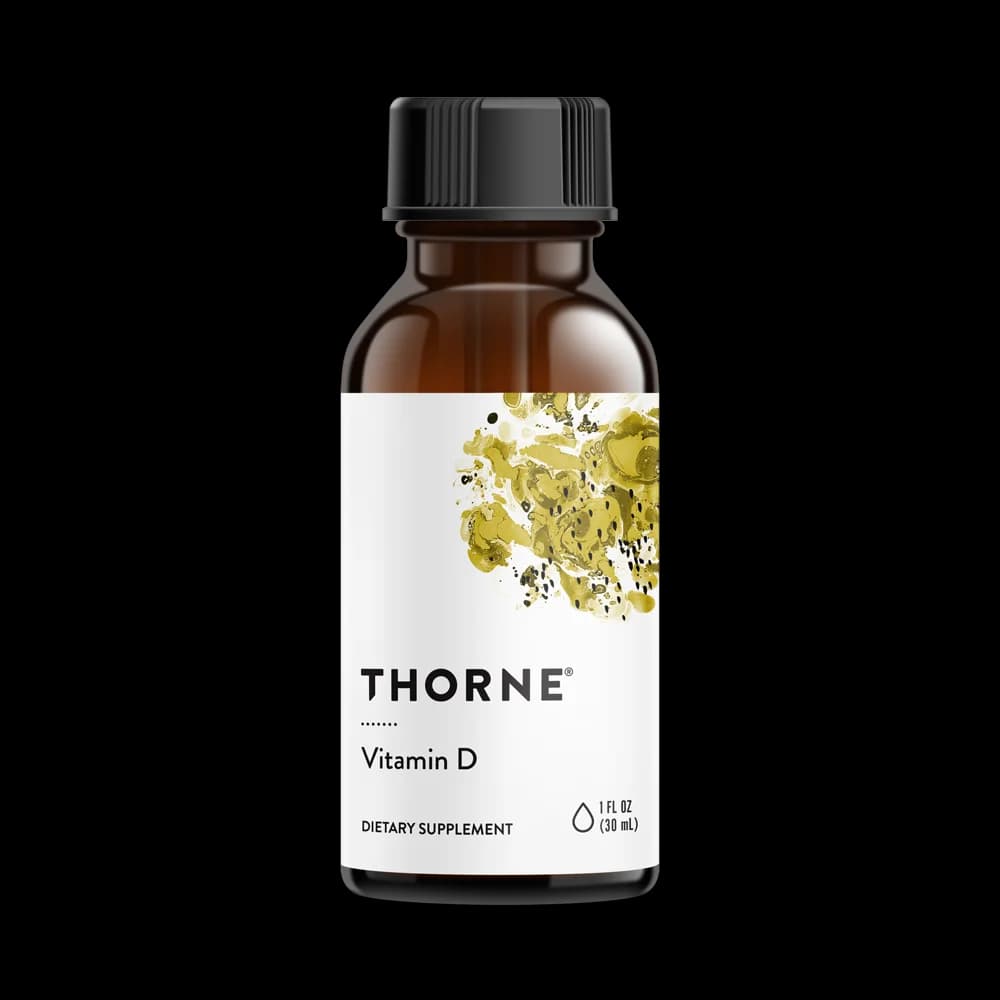
When selecting a Vitamin D supplement, the delivery format and the carrier vehicle play a massive role in clinical efficacy and patient tolerance. Thorne's Vitamin D Liquid utilizes cholecalciferol (Vitamin D3), which extensive pharmacokinetic research has proven to be significantly more effective at raising and maintaining serum 25(OH)D levels than the plant-derived Vitamin D2 form. The liquid format is particularly advantageous for patients with complex chronic illnesses, as it allows for precise, micro-dosed titration. Patients with highly sensitive systems or severe MCAS can start with a single drop (500 IU) and slowly scale their dosage over weeks, avoiding the sudden metabolic shifts and potential symptom flares that high-dose, 50,000 IU prescription capsules might provoke.
Furthermore, Thorne suspends their D3 in a clean base of Medium-Chain Triglyceride (MCT) oil, completely avoiding common, highly allergenic carriers like soy oil, peanut oil, or sesame oil. For patients with MCAS or severe food intolerances, eliminating these unnecessary carrier proteins is critical to helping avoid allergic cross-reactivity. This purified MCT base provides exceptional shelf stability, resisting the rapid oxidation that plagues other carrier oils. By preserving the supplement with mixed tocopherols (natural Vitamin E), the formulation ensures that the delicate cholecalciferol hormone remains biologically potent and free from rancidity from the first drop to the last.
The Absorption Paradox: Why Dietary Fat Matters
While MCT oil is an excellent, hypoallergenic carrier for liquid supplements, understanding the biochemistry of fat absorption is crucial for maximizing the bioavailability of your dose. Vitamin D3 is a large, lipophilic molecule that requires the formation of chylomicrons and transport through the lymphatic system to properly enter the bloodstream. Interestingly, clinical pharmacokinetic studies, such as a landmark trial published in Biopharmaceutics & Drug Disposition, have revealed a fascinating absorption paradox: while MCTs are rapidly absorbed directly into the portal vein for quick energy, they do not efficiently stimulate the lymphatic transport required by bulky fat-soluble vitamins. Long-chain triglycerides (LCTs), found in foods like avocados, olive oil, and eggs, are actually far superior at triggering this necessary lymphatic pathway.
Therefore, to achieve optimal absorption and get the most out of your supplement, patients should generally avoid taking their liquid Vitamin D on a completely empty stomach. Taking the MCT-based drops alongside a meal containing healthy, complex dietary fats ensures that the digestive tract releases adequate bile acids to form the robust micelles needed to shuttle the hormone effectively into the lymphatic system. This simple timing adjustment can drastically improve the amount of active hormone that actually reaches your systemic circulation, accelerating your path to optimal blood levels.
Crucial Co-Factors: Vitamin K2 and Magnesium
It is imperative to understand that Vitamin D does not operate in a biochemical vacuum; it relies heavily on specific nutritional co-factors to execute its functions safely and effectively. The most critical of these is Magnesium, which is an absolute requirement for the enzymatic conversion of inactive cholecalciferol into active calcitriol in both the liver and the kidneys. If a patient is severely deficient in magnesium—a highly common issue in chronic illness and dysautonomia—high doses of Vitamin D can remain inactive and actually deplete the body's remaining magnesium stores as the enzymes struggle to process the hormone. This depletion can lead to an increase in muscle cramping, heart palpitations, and anxiety, making magnesium repletion a necessary concurrent step.
Additionally, Vitamin K2 is essential for directing the calcium that Vitamin D helps absorb. While Vitamin D ensures that calcium successfully enters the bloodstream from the gut, Vitamin K2 activates a specialized protein called osteocalcin. Osteocalcin binds to that circulating calcium and drives it directly into the skeletal matrix where it belongs. Without adequate K2, there is a clinical risk that excess calcium could inappropriately deposit in the vascular endothelium, kidneys, or soft tissues, leading to arterial calcification. Because of this synergistic relationship, functional medicine practitioners frequently recommend pairing Vitamin D3 supplementation with a high-quality Vitamin K2 source to ensure comprehensive cardiovascular and skeletal safety.

Follow the Science
Recent Discoveries in Long COVID Research
The clinical investigation into Vitamin D's role in post-viral syndromes has accelerated rapidly, yielding compelling, statistically significant data for Long COVID patients. A highly controlled 2023 study published in the Journal of Clinical Endocrinology & Metabolism evaluated hospitalized COVID-19 survivors at a 6-month follow-up. The researchers discovered that lower Vitamin D levels were the single most significant variable associated with the development of Long COVID. Strikingly, the deficiency was most profoundly linked to neurocognitive symptoms; patients suffering from severe "brain fog" had remarkably lower median Vitamin D levels (14.6 ng/mL) compared to those without cognitive impairment (20.6 ng/mL), highlighting the hormone's critical role in neuroprotection.
Furthermore, interventional trials are beginning to show the efficacy of targeted supplementation. A 2024 randomized controlled trial published in MDPI demonstrated that supplementing Long COVID patients with a daily combination of 2000 IU of Vitamin D3 and Vitamin K2 resulted in a statistically significant reduction in their RECOVER Long COVID index scores. Specifically, the treatment arm saw a stabilization and reduction in symptoms of systemic body pain and post-exertional malaise compared to the standard of care group. Additionally, a 2021 review detailed the molecular mechanisms of Vitamin D-mediated immunomodulation, underscoring its profound ability to influence immune responses.
Clinical Insights into ME/CFS and POTS
The intersection of Vitamin D deficiency and autonomic or energy-limiting disorders is equally well-documented in recent literature. In the realm of dysautonomia, a study presented by the American Heart Association analyzed 180 patients with POTS and found that a staggering 51% were frankly deficient in Vitamin D3 (<20 ng/mL), with over half the cohort displaying suboptimal levels. While researchers debate whether this deficiency is a primary driver of the autonomic dysfunction or a secondary consequence of severe physical deconditioning and indoor confinement, the clinical consensus remains that correcting the deficit is vital for symptom management.
In the context of ME/CFS, the overlap between the muscle weakness of osteomalacia and the profound fatigue of the disease makes supplementation a critical baseline intervention. Recent trials, such as a 2026 open-label study investigating patients who developed ME/CFS following viral infections, found that comprehensive Vitamin D replacement therapy led to massive symptom reductions. Patients whose levels were successfully raised above 30 ng/mL experienced significant improvements in their fatigue severity scores, with a notable portion of the intervention group no longer meeting the diagnostic criteria for ME/CFS by the end of the 12-week trial.
Evidence for Mast Cell Stabilization
For patients managing MCAS, the scientific literature provides a clear, undeniable mechanistic rationale for maintaining optimal Vitamin D levels.
Supporting this critical mechanism, research published in The Journal of Allergy and Clinical Immunology showed that exposing cultured mast cells to active Vitamin D3 for 24 hours resulted in a massive, statistically significant reduction in IgE-mediated histamine and leukotriene release. Furthermore, reviews published in Biomedicines (MDPI) highlight how Vitamin D induces the generation of IL-10 (an anti-inflammatory cytokine) in mast cells while simultaneously suppressing IgE synthesis from B cells. These peer-reviewed findings solidify Vitamin D's status not merely as a bone-supportive nutrient, but as an essential, genetically active mast cell stabilizer required to help manage systemic allergic hyper-reactivity.
The Path Forward
A Foundational Step in Your Healing Journey
Living with invisible, complex conditions like Long COVID, ME/CFS, dysautonomia, and MCAS is an incredibly challenging and often isolating journey. It is completely valid to feel overwhelmed by the sheer volume of unpredictable symptoms and the frequent lack of straightforward medical answers from traditional healthcare settings. While it is crucial to understand that no single supplement is a miraculous cure for these intricate, multi-system disorders, correcting foundational hormonal and nutritional deficits is a powerful, scientifically validated step toward reclaiming your quality of life. By utilizing a high-quality, highly bioavailable tool like Thorne's Vitamin D Liquid, you are directly providing your immune system, mast cells, and autonomic nervous system with the exact molecular signals they need to begin downregulating chronic inflammation and restoring cellular stability.
Building a Comprehensive Management Strategy
Integrating targeted supplementation into your daily routine is most effective when it is part of a broader, comprehensive management strategy. As you work to optimize your Vitamin D levels, it is equally important to focus on meticulous symptom tracking, aggressive pacing to avoid post-exertional malaise, and addressing comorbid gastrointestinal issues. For more practical guidance on navigating daily life with these conditions, explore our resources on How to Maintain Your Independence with Chronic Illness and our 5 Tips for Surviving the Holidays with a Chronic Illness. Always remember to consult with your healthcare provider before beginning any new supplement regimen, especially to ensure proper dosing and to monitor your blood levels safely over time. When you are ready to take the next step in supporting your systemic health, explore our curated options.