Can Vitamin D3 Support Immune Recovery in Long COVID and ME/CFS?
March 6, 2026
Vitamin D3Long COVIDME/CFS
Share:
Disclaimer: The information provided here is for educational purposes only and is not intended as medical advice. It should not be used to diagnose, treat, cure, or prevent any medical condition. Instead, use it as a starting point for discussion with your healthcare provider. Always consult with a qualified healthcare provider before starting any new medication, supplement, device, or making changes to your health regimen.
For decades, Vitamin D was primarily understood through the narrow lens of bone health and calcium absorption. However, in the wake of the COVID-19 pandemic and the subsequent rise of complex chronic conditions, modern immunology has fundamentally redefined our understanding of this vital nutrient. For individuals living with Long COVID, myalgic encephalomyelitis/chronic fatigue syndrome (ME/CFS), mast cell activation syndrome (MCAS), and dysautonomia, the daily reality is often defined by unpredictable immune flares, debilitating fatigue, and a profound sense of physiological dysregulation. When the body is trapped in a cycle of chronic inflammation and autonomic dysfunction, restoring foundational cellular communication becomes a critical priority.
Recent clinical breakthroughs, including landmark 2025 trials, have illuminated how Vitamin D functions not merely as a vitamin, but as a potent, systemic prohormone that dictates the behavior of the immune system. It acts as an immunological "dimmer switch," capable of turning up our defenses against acute pathogens while simultaneously turning down the hyperactive, autoimmune-like responses that drive chronic illness symptoms. In this comprehensive guide, we will explore the intricate mechanisms of Vitamin D3, how chronic illness depletes it, and how targeted supplementation—when paired with crucial cofactors like magnesium and Vitamin K2—can help stabilize the immune system and support recovery.
TL;DR
Vitamin D3 acts as a prohormone that supports immune regulation and may help manage chronic inflammation.
Chronic illnesses like Long COVID and ME/CFS can deplete Vitamin D, worsening fatigue and immune dysfunction.
Supplementing with Vitamin D3, alongside magnesium and Vitamin K2, supports calcium absorption and autonomic health.
Always test your 25-OH Vitamin D levels and consult a healthcare provider for individualized dosing.
What is Vitamin D3?
The Prohormone Behind the Vitamin
Despite its historical name, Vitamin D is not technically a vitamin—it is a powerful, fat-soluble prohormone. In a healthy body, the journey begins in the skin, where ultraviolet B (UVB) radiation from the sun converts a cholesterol derivative (7-dehydrocholesterol) into pre-vitamin D3, which rapidly isomerizes into Vitamin D3 (cholecalciferol). Whether synthesized from the sun or ingested through high-quality supplements like Thorne Vitamin D-5,000, this initial form is biologically inactive. It must undergo a complex, two-step enzymatic conversion process to become the active hormone that our cells can actually use.
First, cholecalciferol travels through the bloodstream to the liver, where the enzyme CYP2R1 hydroxylates it into 25-hydroxyvitamin D [25(OH)D], also known as calcidiol. This is the major circulating storage form of the vitamin and the biomarker most commonly measured in standard blood tests. However, 25(OH)D is still largely inactive. It must travel to the kidneys—and, as recent research shows, directly to various immune cells—where a second enzyme, CYP27B1 (1-alpha-hydroxylase), converts it into its highly potent, biologically active form: 1,25-dihydroxyvitamin D3 [1,25(OH)2D3], known as calcitriol.
The Vitamin D Receptor (VDR) and Genomic Control
The true power of calcitriol lies in its interaction with the Vitamin D Receptor (VDR). The VDR is a ligand-activated transcription factor belonging to the nuclear receptor superfamily. According to research published in the International Journal of Molecular Sciences, the VDR is expressed in almost every tissue in the human body, including the brain, heart, muscles, and crucially, across almost all cells of the immune system. When the active calcitriol hormone enters a cell, it binds to the VDR located in the cytoplasm.
Once bound, the calcitriol-VDR complex translocates into the cell nucleus, where it partners with another receptor called the Retinoid X Receptor (RXR). This newly formed heterodimer acts as a master genetic key. It binds to specific DNA sequences known as Vitamin D Response Elements (VDREs) located in the promoter regions of target genes. By binding to these VDREs, Vitamin D directly initiates or suppresses the transcription of hundreds to potentially thousands of genes involved in cellular proliferation, differentiation, inflammation, and immune tolerance.
The Autocrine Loop: Localized Immune Defense
Historically, scientists believed that only the kidneys could produce the active calcitriol hormone.
How Chronic Illness Impacts Vitamin D Levels
The Toll of Viral Infection and Long COVID
The relationship between viral infections and Vitamin D depletion is a vicious cycle. During an acute infection like SARS-CoV-2, the immune system rapidly consumes available Vitamin D stores to fuel the production of antimicrobial peptides and regulate the inflammatory response. If a patient enters the infection with suboptimal levels, this rapid consumption can push them into severe deficiency.
Furthermore, the chronic, low-grade inflammation that characterizes Long COVID continues to drain the body's resources. The persistent activation of the immune system, often driven by viral persistence or immune dysregulation, requires a constant supply of calcitriol to attempt to restore homeostasis. When the body cannot keep up with this demand, the "immunological dimmer switch" fails, leading to the unchecked cytokine production and systemic inflammation that drives debilitating symptoms like brain fog, joint pain, and severe fatigue.
ME/CFS and the Deconditioning Cycle
For individuals living with myalgic encephalomyelitis/chronic fatigue syndrome (ME/CFS), the risk of Vitamin D deficiency is exceptionally high, often compounding the severity of the illness. The hallmark symptom of ME/CFS is post-exertional malaise (PEM), a severe exacerbation of symptoms following minimal physical or cognitive exertion. Because of PEM, many patients become largely housebound or bedbound, drastically reducing their exposure to natural sunlight. The UK's ME Association explicitly highlights that this lack of sun exposure creates a secondary, yet profound, state of hypovitaminosis D.
This deficiency creates a compounding cycle of physiological decline. Vitamin D is essential for mitochondrial function and muscle protein synthesis. When levels drop due to being housebound, the resulting muscle weakness and impaired cellular energy production make the underlying ME/CFS symptoms even worse. This physical deconditioning, combined with the loss of Vitamin D's neuroprotective effects, deepens the severity of fatigue and cognitive dysfunction, making recovery increasingly difficult without targeted nutritional intervention.
MCAS, Histamine, and Sun Sensitivity
Mast cell activation syndrome (MCAS) presents a unique challenge when it comes to maintaining adequate Vitamin D levels. Mast cells are the body's first responders, releasing histamine and other inflammatory mediators when triggered. In MCAS, these cells become hyper-reactive. For many MCAS patients, heat, ultraviolet (UV) radiation, and direct sunlight act as potent triggers that cause mast cells to degranulate, leading to severe allergic-like reactions, hives, and systemic flares. As a result, patients must actively avoid the sun, leading to near-universal Vitamin D deficiency in the unsupplemented MCAS population.
This sun avoidance creates a dangerous paradox. According to clinical insights from MCAS specialists, Vitamin D is fundamentally required to stabilize mast cell membranes. When a patient avoids the sun to prevent a flare, their Vitamin D levels plummet, which ironically makes their mast cells even more unstable and reactive to other triggers like food, stress, or chemicals. Breaking this cycle requires careful, highly pure oral supplementation to restore the nutrient without triggering the immune system with inactive fillers or carrier oils.
Vitamin D3: Supporting Immune, Neuro, and Musculoskeletal Function
Modulating the Innate and Adaptive Immune System
Vitamin D3's most profound mechanism of action is its ability to simultaneously stimulate the innate immune system while suppressing the adaptive immune system. When innate immune cells (like macrophages) encounter a pathogen, the localized production of calcitriol triggers the VDR to upregulate the transcription of cathelicidin and defensins. As detailed in research published in Nutrients, these are powerful, naturally occurring antimicrobial peptides that physically puncture the membranes of invading bacteria and enveloped viruses, aiding in rapid clearance.
Concurrently, Vitamin D acts as a crucial brake on the adaptive immune system, helping to mitigate the hyper-inflammatory "cytokine storms" seen in severe viral infections and Long COVID. Calcitriol suppresses the proliferation of pro-inflammatory T-helper 1 (Th1) and Th17 cells, directly inhibiting the release of tissue-damaging cytokines like Interleukin-17 (IL-17) and Interferon-gamma (IFN-γ). Simultaneously, it promotes the development of Regulatory T-cells (Tregs), which are essential for maintaining immune tolerance and shutting down the immune response once a threat has passed, thereby supporting the body against autoimmune damage.
Stabilizing Mast Cells in MCAS
For patients navigating the unpredictable flares of MCAS, Vitamin D3 offers targeted cellular support. Mast cells possess their own Vitamin D receptors. When calcitriol binds to these receptors, it exerts a stabilizing effect on the mast cell membrane. This stabilization raises the threshold required for the mast cell to degranulate, meaning it takes a much stronger trigger to cause the cell to release its inflammatory payload.
Furthermore, studies on mast cell biology demonstrate that Vitamin D3 directly suppresses IgE-dependent mast cell activation. It curtails the release of pro-inflammatory cytokines like TNF-alpha and IL-6, while promoting the release of anti-inflammatory IL-10. While Vitamin D itself does not contain histamine, its ability to calm hyper-reactive mast cells indirectly lowers systemic histamine levels, providing a foundational layer of support for patients struggling with severe chemical and environmental sensitivities.
Autonomic Nervous System and Dysautonomia
Dysautonomia, including postural orthostatic tachycardia syndrome (POTS), involves the dysfunction of the autonomic nervous system, leading to erratic heart rates, blood pressure fluctuations, and severe dizziness upon standing. Vitamin D is a potent neuroactive hormone, and VDRs are widely distributed throughout the central and peripheral nervous systems, including in neurons and glial cells. It plays a critical role in modulating the balance between the sympathetic (fight-or-flight) and parasympathetic (rest-and-digest) nervous systems.
Musculoskeletal Support and Calcium Regulation
Beyond immune and neurological function, Vitamin D3 remains the absolute master regulator of calcium homeostasis. It dramatically increases the efficiency of calcium absorption in the intestines. For patients with ME/CFS and Long COVID, this is not just about bone density; it is about muscle function. Calcium is the primary signaling ion required for muscle contraction and relaxation.
When Vitamin D levels are optimal, it supports mitochondrial energy production within the muscle tissue and promotes muscle protein synthesis. This is particularly relevant for mitigating the deep, aching muscle pain and profound weakness that often accompany post-exertional malaise (PEM). By ensuring that muscles have the necessary calcium and mitochondrial support, Vitamin D3 helps maintain physical resilience and supports independence during the grueling recovery process of chronic illness.

Symptoms Vitamin D May Help Manage
Immune and Inflammatory Symptoms
By modulating the immune system and stabilizing cellular responses, Vitamin D3 may help manage several inflammation-driven symptoms:
Frequent Viral Reactivations: By upregulating antimicrobial peptides like cathelicidin, Vitamin D supports the innate immune system's ability to keep latent viruses in check.
Systemic Inflammation and Joint Pain: By suppressing pro-inflammatory Th17 cells and reducing cytokines like IL-6, it helps calm the body-wide inflammation common in Long COVID.
Mast Cell Flares and Allergic Reactions: By binding to VDRs on mast cells, it stabilizes the cell membrane, reducing the inappropriate degranulation of histamine and other mediators in MCAS.
Neurological and Autonomic Symptoms
As a neuroactive hormone, optimal Vitamin D levels are crucial for central nervous system health and autonomic regulation:
Brain Fog and Cognitive Dysfunction: By reducing neuroinflammation and supporting glial cell health, Vitamin D aids in clearing the cognitive clouding frequently reported in ME/CFS and Long COVID.
Orthostatic Intolerance and Dizziness: By supporting the balance between the sympathetic and parasympathetic nervous systems, it aids in the management of blood pressure and heart rate fluctuations seen in POTS.
Mood Instability and Depression: Vitamin D is involved in the synthesis of neurotransmitters like serotonin and dopamine, helping to stabilize mood during the stress of chronic illness.
Musculoskeletal Symptoms
Vitamin D's foundational role in calcium absorption and mitochondrial function directly impacts physical stamina:
Deep Muscle Aches and Weakness: By ensuring adequate intracellular calcium for muscle contraction, it helps alleviate the profound muscle fatigue associated with physical deconditioning.
Post-Exertional Malaise (PEM) Severity: While not a cure for PEM, supporting mitochondrial energy production in muscle tissue can help raise the baseline threshold for physical exertion.
Bone Pain and Density Loss: By regulating calcium homeostasis, it protects against the osteopenia and osteoporosis risks associated with being housebound or bedbound.
Practical Considerations: Forms, Dosing, and Absorption
D3 vs D2 and the Importance of Fat Solubility
When selecting a supplement, the form of the vitamin is paramount. Vitamin D exists in two primary forms: Vitamin D2 (ergocalciferol), which is plant-derived, and Vitamin D3 (cholecalciferol), which is animal-derived and identical to the form our bodies produce in response to sunlight. Clinical consensus overwhelmingly favors Vitamin D3, as it is significantly more bioavailable, more potent, and more effective at raising and maintaining serum 25(OH)D levels over time.
Because Vitamin D3 is a fat-soluble prohormone, its absorption in the gastrointestinal tract relies heavily on the presence of dietary fat. Taking a Vitamin D supplement on an empty stomach drastically reduces its bioavailability. To maximize absorption, it should always be taken with a meal that contains healthy fats, such as avocados, olive oil, nuts, or fatty fish. For patients with chronic health conditions like bowel disease or those who have had gastric bypass surgery, fat absorption may be impaired, making high-quality, easily absorbed formulations like Thorne Vitamin D-5,000 essential.
The Crucial Role of Magnesium
Perhaps the most overlooked aspect of Vitamin D supplementation is its absolute reliance on magnesium. According to research on magnesium and Vitamin D interactions, magnesium is the fundamental catalyst required for every step of Vitamin D metabolism. The liver enzyme (CYP2R1) that converts cholecalciferol to its storage form, and the kidney enzyme (CYP27B1) that converts it to the active calcitriol hormone, are both strictly magnesium-dependent. Furthermore, the binding of calcitriol to the Vitamin D Receptor (VDR) requires magnesium.
This creates a critical clinical dynamic: processing high doses of Vitamin D consumes vast amounts of magnesium. If a patient takes high-dose Vitamin D3 without adequate magnesium stores, the Vitamin D remains inactive in the bloodstream, leading to a "functional deficiency" despite heavy supplementation. Worse, this process can severely deplete the body's existing magnesium stores, triggering muscle cramps, palpitations, and increased anxiety. Supplementing with a bioavailable form of magnesium, such as magnesium glycinate, is a mandatory companion to Vitamin D therapy.
Vitamin K2: The Calcium Traffic Cop
While Vitamin D3's primary job is to drastically increase the absorption of calcium from the gut into the bloodstream, it lacks the ability to control where that calcium goes. This is where Vitamin K2 (specifically the MK-7 form) becomes vital. As detailed in clinical analyses of D3 and K2 synergy, taking Vitamin D3 alone increases circulating calcium, which can inappropriately deposit into soft tissues and arterial walls, leading to vascular calcification.
Vitamin K2 helps mitigate this by activating two crucial proteins. First, it activates osteocalcin, a protein that binds circulating calcium and directs it straight into the bone matrix, supporting bone mineral density. Second, it activates Matrix Gla Protein (MGP) in the smooth muscle cells of blood vessels. Active MGP binds to free calcium in the bloodstream and actively helps keep it from calcifying the arteries. Therefore, the triad of Vitamin D3, Magnesium, and Vitamin K2 must be utilized together to ensure that calcium is absorbed efficiently and routed safely to the bones rather than the cardiovascular system.
Testing and Individualized Dosing
Because Vitamin D acts as a hormone and is stored in fat tissue, dosing must be individualized and guided by laboratory testing to avoid toxicity. The standard test is the 25-OH Vitamin D blood test, with functional medicine practitioners generally targeting an optimal range of 40-60 ng/mL for immune health. However, for patients with dysautonomia or severe inflammatory conditions, practitioners may also order a 1,25-OH Vitamin D (Calcitriol) test to ensure the body is properly converting the storage form into the active hormone.
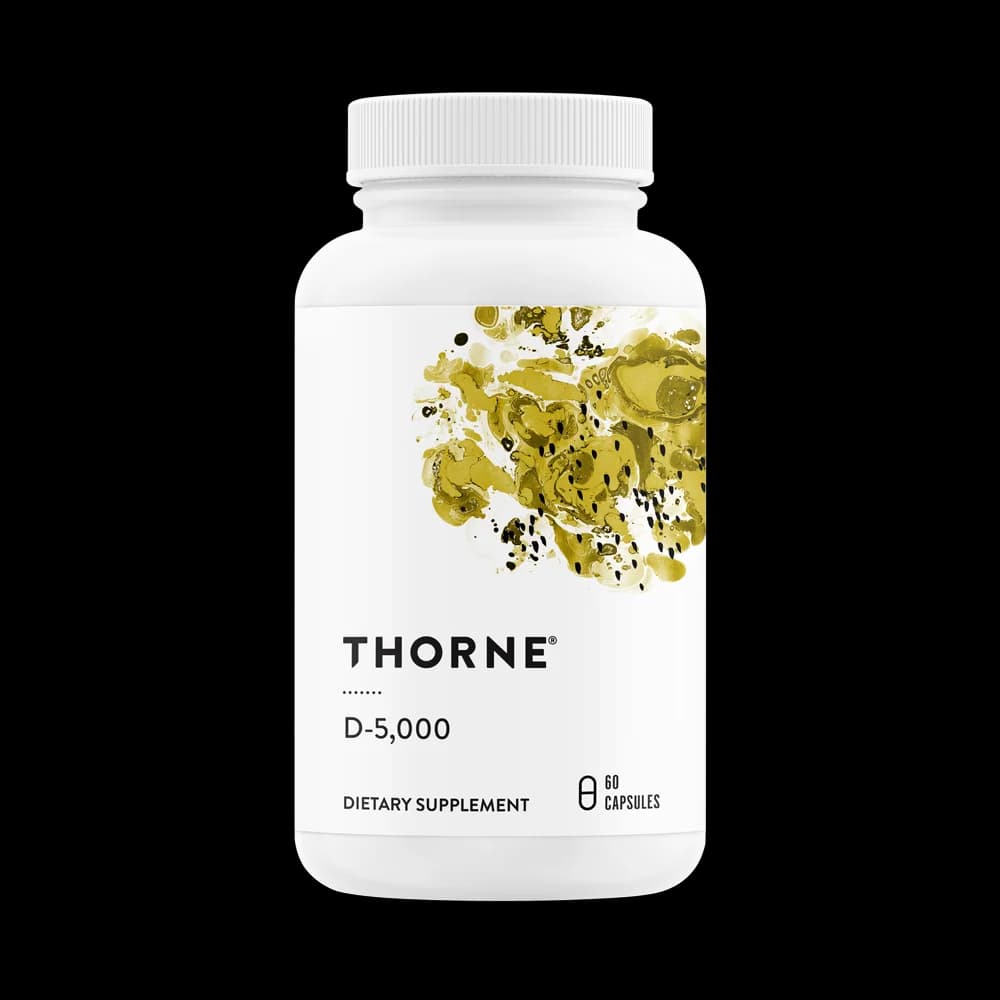
When choosing a supplement, purity is critical, especially for patients with MCAS or severe sensitivities. Many commercial supplements contain lactose, preservatives (like BHT or sodium benzoate), or inflammatory carrier oils (like soybean oil) that can trigger mast cell degranulation. Thorne's Vitamin D-5,000 is formulated without lactose or preservatives and is NSF Certified for Sport, ensuring a clean, hypoallergenic delivery system that provides 5,000 IU of highly bioavailable cholecalciferol per capsule.

Follow the Science
The 2025 Breakthrough Trial for Long COVID
The therapeutic potential of Vitamin D for post-viral syndromes has been dramatically validated by recent clinical trials. A landmark 2025 randomized controlled trial published in Nutrients investigated the effects of Vitamin D3 and Vitamin K2 supplementation on patients suffering from Long COVID for more than three months. Conducted over 24 weeks, the study randomized 151 adults to receive either standard care or a daily intervention of 2,000 IU of Vitamin D3 combined with 240 µg of Vitamin K2 (MK-7).
The results were profound. The treatment group experienced a statistically significant reduction in the total number of Long COVID symptoms, scoring markedly lower on the Long COVID Research Index compared to the control group. Specifically, patients reported severe reductions in fatigue, cognitive dysfunction ("brain fog"), shortness of breath, and post-exertional body pain. Bloodwork confirmed these clinical improvements, revealing reduced inflammatory markers, decreased oxidized LDL, and a significant reduction in gut permeability—a known driver of systemic inflammation in Long COVID.
Observational Data on Deficiency and Risk
These interventional findings are heavily supported by large-scale observational data linking deficiency to disease severity. A 2025 study published in Medical Sciences (MDPI) evaluated 170 COVID-19 patients to see how Vitamin D levels correlated with the development of systemic Long COVID symptoms. The researchers found that patients who developed Long COVID had significantly lower blood Vitamin D levels (median 21.52 ng/mL) compared to those who fully recovered (25.46 ng/mL). Multivariable analysis revealed that Vitamin D deficiency was associated with an astonishing 5.80 times higher odds ratio for developing overall Long COVID signs and symptoms.
This aligns perfectly with earlier baseline research showing that having a higher vitamin D level was associated with less severe COVID-19 symptoms, cementing hypovitaminosis D as a distinct, modifiable risk factor.
Emerging Evidence in ME/CFS
The scientific community is also re-evaluating Vitamin D's role in ME/CFS, particularly in cases triggered by recent viral infections.
The Path Forward
A Foundational Piece of the Puzzle
Living with a complex chronic illness like Long COVID, ME/CFS, MCAS, or dysautonomia often feels like navigating a maze without a map. The sheer unpredictability of symptoms—from sudden mast cell flares to crushing post-exertional malaise—can be incredibly isolating and invalidating. It is important to acknowledge that while Vitamin D3 is a potent, scientifically backed immunomodulator, it is not a standalone cure. Instead, it should be viewed as a foundational piece of the puzzle. By restoring the body's "immunological dimmer switch," you provide your cells with the biological resources they need to begin repairing damaged pathways and downregulating chronic inflammation.
Integrating Supplementation with Holistic Care
True recovery requires a comprehensive, multi-disciplinary approach. Supplementing with high-quality Vitamin D3, alongside its critical cofactors magnesium and Vitamin K2, must be integrated with other vital management strategies. This includes rigorous symptom tracking, identifying and avoiding specific MCAS triggers, and strictly adhering to pacing protocols to prevent the severe crashes associated with PEM. Learning how to survive the holidays or manage daily stressors without exceeding your energy envelope is just as important as nutritional support.
Next Steps for Your Health
If you suspect that Vitamin D deficiency is contributing to your symptom burden, the first step is to consult with a dysautonomia-literate or chronic illness-informed healthcare provider. Request comprehensive blood work, including 25-OH Vitamin D and potentially 1,25-OH Calcitriol, to establish your baseline. Once you know your levels, you can implement a targeted, clean supplementation protocol to safely restore this vital prohormone and support your body's innate healing capacity.
Sources
Molecular Insight into the Role of Vitamin D in Immune-Mediated Inflammatory Diseases (MDPI)
The Role of Vitamin D in Mast Cell Activation Syndrome (The EDS Clinic)
The Anti-Inflammatory Roles of Vitamin D for Improving Human Health (MDPI)
Will Vitamin D help or hurt you if you have MCAS? (Mast Cell 360)
Role of Magnesium in Vitamin D Activation and Function (ResearchGate)
The perfect pair: how vitamins K2 and D3 combine to support health (Nutraceutical Business Review)
Association of Vitamin D Deficiency with Long COVID Symptoms (Medical Sciences)