Can Vitamin A Support Immune Balance and Mucosal Health in Long COVID and MCAS?
March 5, 2026
Vitamin ALong COVIDMCAS
Share:
Disclaimer: The information provided here is for educational purposes only and is not intended as medical advice. It should not be used to diagnose, treat, cure, or prevent any medical condition. Instead, use it as a starting point for discussion with your healthcare provider. Always consult with a qualified healthcare provider before starting any new medication, supplement, device, or making changes to your health regimen.
Navigating the complex, overlapping symptoms of Long COVID, myalgic encephalomyelitis/chronic fatigue syndrome (ME/CFS), and mast cell activation syndrome (MCAS) can feel like an endless battle against your own body. Patients often describe a profound sense of systemic dysfunction—where brain fog, lingering respiratory issues, profound fatigue, and sudden food reactivities become a daily reality. When the immune system remains locked in a state of chronic hyper-activation, finding targeted ways to restore balance and calm the inflammatory storm is a critical component of the recovery journey.
Amidst the search for answers, researchers and clinicians are increasingly looking at the foundational role of specific micronutrients in regulating immune tolerance and repairing damaged tissues. Vitamin A, often recognized primarily for its role in vision, has emerged as a master regulator of the mucosal barrier and a potent modulator of immune cell behavior. By understanding how this essential nutrient interacts with our cellular pathways, we can better appreciate its potential to support the body's defense systems, stabilize hyperactive mast cells, and promote cellular repair in those battling complex chronic conditions.
TL;DR
Vitamin A supports mucosal barrier integrity, helping to manage leaky gut and systemic inflammation.
It promotes immune tolerance by balancing calming Treg cells and inflammatory Th17 cells.
Retinoic acid may help stabilize hyperactive mast cells, offering potential relief for MCAS symptoms.
Always consult a doctor before supplementing, as high doses of Vitamin A carry strict safety warnings.
What is Vitamin A?
The Foundation of Cellular Health and Differentiation
When we talk about Vitamin A, we are not referring to a single molecule, but rather a broad group of fat-soluble retinoids that are essential for human life. In the diet, Vitamin A is acquired either as preformed retinoids (such as retinol and retinyl esters found in animal products like cod liver oil) or as provitamin A carotenoids (like beta-carotene found in plants). Once ingested, the body meticulously metabolizes these compounds into active metabolites that dictate the fate and function of nearly every cell in the body. At a fundamental level, Vitamin A is responsible for cellular differentiation—the process by which generic stem cells transform into specialized cells, such as the epithelial cells that line our respiratory and gastrointestinal tracts.
The most biologically active and potent metabolite of Vitamin A is all-trans-retinoic acid (RA). Retinoic acid functions not merely as a nutrient, but as a powerful systemic hormone and signaling molecule. It operates by diffusing across cell membranes and entering the nucleus, where it binds to specific nuclear receptors known as Retinoic Acid Receptors (RAR-α, β, γ) and Retinoid X Receptors (RXR). When these receptors pair up to form a heterodimer, they attach to specific DNA sequences called Retinoic Acid Response Elements (RAREs). By binding to these genetic sequences, retinoic acid directly upregulates or downregulates the transcription of thousands of target genes, fundamentally altering how the cell behaves, grows, and responds to its environment.
The Visual Cycle and Rhodopsin Regeneration
While retinoic acid handles gene transcription, another vital metabolite of Vitamin A—11-cis-retinal—is exclusively dedicated to the mechanics of human vision. Inside the retina of the eye, specifically within the highly sensitive rod cells responsible for low-light and night vision, 11-cis-retinal binds to a protein called opsin to form a light-sensitive receptor complex known as rhodopsin. When a single photon of light strikes rhodopsin, the 11-cis-retinal molecule instantly undergoes a structural change, straightening out into all-trans-retinal. This rapid physical shift triggers a cascade of electrical signals that travel down the optic nerve to the brain, allowing us to perceive images in our environment.
After this light-induced activation, the all-trans-retinal must be recycled back into 11-cis-retinal so the rod cell can fire again. This continuous recycling process, known as the visual cycle, requires a constant and steady supply of systemic Vitamin A. When Vitamin A levels drop, the regeneration of rhodopsin slows down significantly, leading to the classic early symptom of deficiency known as night blindness (nyctalopia). In the context of chronic illness, where nutrient absorption is often compromised and metabolic demands are high, ensuring adequate Vitamin A is crucial not only for systemic immunity but for maintaining the neurological and sensory pathways involved in healthy vision.
The Guardian of the Mucosal Barrier
Beyond vision and basic cell growth, Vitamin A is widely recognized in immunology as the "anti-infective" vitamin due to its indispensable role in maintaining the body's mucosal barriers. The mucosal barrier is the delicate, single-cell-thick lining of the gastrointestinal, respiratory, and urogenital tracts. It serves as the body's first line of physical defense against invading pathogens, toxins, and undigested food proteins. Vitamin A is required for the continuous turnover and regeneration of these epithelial cells, ensuring that the barrier remains intact and functional. Without adequate Vitamin A signaling, these protective linings degrade, becoming permeable and leaving the underlying immune cells vulnerable to constant irritation and infection.
Furthermore, Vitamin A is directly responsible for the production of mucus itself. It regulates the differentiation of goblet cells, the specialized epithelial cells that secrete mucin glycoproteins. This mucus layer traps bacteria and viruses before they can attach to the tissue surface. In the respiratory tract, a healthy, Vitamin A-supported mucus layer allows microscopic hair-like structures called cilia to sweep pathogens up and out of the lungs. When Vitamin A is depleted, the epithelial tissue undergoes a pathological change called squamous metaplasia, where the mucus-secreting cells are replaced by hard, dry, keratinized cells, completely neutralizing the body's innate physical defenses.
How Long COVID and MCAS Impact Immune and Mucosal Function
Viral Persistence and Immune Dysregulation in Long COVID
The pathophysiology of Long COVID is increasingly understood as a state of profound, persistent immune dysregulation. Following the acute phase of a SARS-CoV-2 infection, many patients fail to return to immunological baseline. Instead, their immune systems remain locked in a hyper-inflammatory state, characterized by elevated levels of pro-inflammatory cytokines such as Interleukin-6 (IL-6) and Tumor Necrosis Factor-alpha (TNF-α). This persistent inflammation is thought to be driven by lingering viral reservoirs hidden deep within tissues, chronic endothelial damage, and the reactivation of dormant viruses like Epstein-Barr Virus (EBV). You can learn more about this complex dynamic in our detailed guide on Autoimmunity and Immune Dysregulation in Long COVID.
This chronic state of viral combat places an immense metabolic burden on the body, rapidly depleting essential micronutrient stores, including Vitamin A. During an acute infection, the demand for retinoic acid skyrockets as the immune system attempts to rapidly produce and deploy T cells to fight the virus. Furthermore, treatments commonly used during acute COVID-19, such as systemic corticosteroids (like dexamethasone), can inadvertently reduce the expression of retinoid-binding proteins, causing a localized Vitamin A deficiency in the tissues that need it most. This localized deficiency heavily impairs the immune system's ability to transition from a destructive, pro-inflammatory state back to a state of calm, restorative homeostasis.
The Breakdown of the Mucosal Barrier and Leaky Gut
In conditions like Long COVID and ME/CFS, the gastrointestinal tract is often heavily impacted, leading to a phenomenon commonly referred to as "leaky gut" or increased intestinal permeability. The mucosal barrier is held together by complex protein structures known as tight junctions, which act like biological zippers between adjacent epithelial cells. Chronic inflammation, viral enterotoxins, and dysbiosis (an imbalance of gut bacteria) can physically degrade these tight junction proteins, specifically Claudin-1 and Zonula Occludens-1 (ZO-1). When these zippers break down, the barrier becomes hyper-permeable, allowing microscopic food particles, bacterial endotoxins, and pathogens to leak out of the digestive tract and into the bloodstream.
This breach of the mucosal barrier creates a vicious cycle of systemic inflammation. As foreign antigens flood into the lamina propria (the tissue just beneath the gut lining), they trigger a massive immune response. The local immune cells, sensing an invasion, release a storm of inflammatory cytokines that travel throughout the body, crossing the blood-brain barrier and triggering neuroinflammation. This gut-brain inflammatory axis is a primary driver of the debilitating brain fog, severe fatigue, and post-exertional malaise (PEM) experienced by patients. Understanding What Causes Long COVID? requires recognizing this critical breakdown of mucosal integrity and the resulting systemic fallout.
Mast Cell Hyperactivity and Tissue Inflammation
Lurking just beneath the mucosal barrier are mast cells, the body's localized first responders. In a healthy system, mast cells are carefully regulated and only deploy their inflammatory mediators (like histamine, tryptase, and prostaglandins) when a genuine threat is present. However, in patients dealing with mast cell activation syndrome (MCAS)—a condition frequently triggered or exacerbated by Long COVID—these cells become highly unstable and hyper-reactive. Because the mucosal barrier is compromised, these mast cells are constantly bombarded by leaked antigens, keeping them in a perpetual state of high alert and causing them to degranulate inappropriately in response to everyday foods, temperature changes, and minor stressors.
The depletion of Vitamin A directly exacerbates this mast cell instability. Retinoic acid is a critical "brake" on mast cell activation, naturally suppressing the intracellular pathways that lead to degranulation. When Vitamin A levels are low due to chronic illness or poor absorption, this biological brake is removed. The mast cells become overly sensitive, leading to wide-ranging systemic symptoms including sudden flushing, severe gastrointestinal cramping, unexplained tachycardia, and profound cognitive dysfunction. This interconnected web of barrier breakdown and mast cell hyperactivity illustrates why supporting the foundational integrity of the immune system is so vital for recovery.
The Lipofibroblast Mechanism in Respiratory Long COVID
For many Long COVID patients, respiratory symptoms such as chronic cough, shortness of breath, and reduced lung capacity persist long after the virus has been cleared. This is often due to microscopic scarring and failed tissue repair within the alveoli (the tiny air sacs of the lungs). The repair of these delicate lung structures relies heavily on specific cells called lipofibroblasts, which require high levels of retinoids (Vitamin A) to function. When the lungs are damaged by a viral infection, these lipofibroblasts must initiate a highly coordinated repair sequence to rebuild the epithelial surface.
However, if the patient is deficient in Vitamin A, this repair process goes awry. Instead of regenerating healthy, flexible lung tissue, the lipofibroblasts undergo a pathological transition into myofibroblasts. Myofibroblasts are rigid, scar-tissue-producing cells that lay down excessive collagen, leading to pulmonary fibrosis. This failure in retinoid-dependent repair pathways establishes a core physical mechanism for respiratory Long COVID, highlighting how a localized nutrient deficiency can result in long-lasting structural damage to vital organs.
Vitamin A: Supporting Immune Tolerance and Mast Cell Stability
Orchestrating T-Cell Balance and Immune Tolerance
The therapeutic power of Vitamin A supplementation lies in its ability to directly rewrite the behavior of the adaptive immune system at the genetic level. When dietary Vitamin A (such as retinyl palmitate) is absorbed, specialized dendritic cells in the gut convert it into retinoic acid. This retinoic acid acts as the master switch that dictates the fate of naive CD4+ T cells. In the presence of retinoic acid and Transforming Growth Factor-beta (TGF-β), naive T cells are strongly directed to differentiate into Foxp3+ Regulatory T cells (Tregs). Tregs are the peacekeepers of the immune system; their primary job is to enforce immune tolerance, suppress autoimmune reactions, and prevent the body from attacking harmless food proteins and its own tissues.
Simultaneously, retinoic acid actively suppresses the formation of highly inflammatory T cells. Research published in Science demonstrates that retinoic acid inhibits the IL-6-driven induction of proinflammatory T cells, effectively blocking their transition into Th17 cells. Th17 cells are notorious for driving severe tissue inflammation and autoimmunity. By boosting the population of calming Tregs while simultaneously cutting off the supply of destructive Th17 cells, Vitamin A helps to "cool down" the chronic hyper-inflammatory state characteristic of Long COVID and ME/CFS, guiding the immune system back toward a state of balanced homeostasis.
Reinforcing Tight Junctions and Gut-Homing
To heal the "leaky gut" that drives so much systemic inflammation, the physical mucosal barrier must be repaired. Vitamin A acts directly on the epithelial cells of the gastrointestinal tract to upregulate the gene expression of crucial tight junction proteins, specifically Claudin-1 and Occludin. By increasing the production of these proteins, Vitamin A helps to re-seal the microscopic gaps between intestinal cells, halting the leakage of endotoxins and undigested food particles into the bloodstream. This physical reinforcement of the barrier is a critical first step in lowering the overall inflammatory burden on the body and stabilizing the gut-brain axis.
Furthermore, Vitamin A provides the immune system with a highly specific geographic targeting system. A landmark study in Immunity revealed that retinoic acid "imprints" T cells with specific gut-homing receptors, namely the integrin α4β7 and the chemokine receptor CCR9. These receptors act like a biological zip code, allowing the newly formed, calming Treg cells to leave the bloodstream and anchor specifically into the mucosal lining of the gut. By directing these peacekeeper cells exactly where they are needed most, Vitamin A ensures that the mucosal barrier is heavily guarded against inappropriate inflammatory responses.
Secretory IgA and Pathogen Neutralization
Another crucial mechanism by which Vitamin A supports the mucosal barrier is through the regulation of Secretory Immunoglobulin A (sIgA). sIgA is the most abundant antibody found in the mucosal secretions of the gut, respiratory tract, and saliva. It functions by binding to and neutralizing viruses, bacteria, and toxins in the lumen before they can ever make contact with the epithelial cells. Vitamin A is biologically required for B cells to undergo "class switching"—the process by which they transition to producing IgA antibodies.
In states of Vitamin A deficiency, the production of sIgA plummets, leaving the mucosal surfaces completely unprotected. By supplementing with highly bioavailable Vitamin A, patients can restore their sIgA levels, effectively rebuilding the chemical shield that coats their respiratory and gastrointestinal tracts. This enhanced localized immunity is particularly vital for patients with ME/CFS and Long COVID, who often suffer from recurrent secondary infections and a general inability to clear lingering viral fragments from their mucosal tissues.
Calming the Mast Cell Response
For patients battling MCAS, Vitamin A offers a profound, mechanism-specific intervention to stabilize hyperactive mast cells. Recent immunological research published in Food Science & Nutrition has shown that retinoic acid directly binds to Retinoic Acid Receptors (RARs) located on the surface and inside of mast cells. When these receptors are activated, they exert a powerful inhibitory effect on the mast cell's internal inflammatory signaling cascades, specifically suppressing the MyD88-IKK-NF-κB and PI3K-Akt-m-TOR pathways. By shutting down these specific pathways, retinoic acid significantly raises the threshold required for the mast cell to degranulate.
This means that in the presence of adequate Vitamin A, mast cells become far less reactive to minor environmental triggers, food antigens, and stress hormones. They stop inappropriately dumping massive quantities of histamine and tryptase into the surrounding tissues, which directly alleviates the sudden flushing, brain fog, and gastrointestinal distress associated with MCAS flares. This stabilizing effect makes Vitamin A a highly complementary nutritional strategy alongside traditional mast cell stabilizers and antihistamines. You can explore other targeted approaches to mast cell stabilization in our comprehensive guide on Ketotifen: Unveiling Relief for the Hidden Battles of MCAS, Long COVID, ME/CFS, and Dysautonomia.

Symptoms Vitamin A May Help Manage
Targeted Symptom Relief for Complex Conditions
Because Vitamin A operates at the foundational level of cellular differentiation, mucosal integrity, and immune regulation, its therapeutic benefits can be felt across multiple physiological systems. For patients managing the complex, overlapping presentations of Long COVID, ME/CFS, and MCAS, supporting retinoic acid pathways may help alleviate a wide array of debilitating symptoms.
Persistent Olfactory Dysfunction (Loss of Smell/Taste): Vitamin A is critical for the regeneration of olfactory receptor neurons and the regulation of stem cell fate in the olfactory neuroepithelium. Supplementation has been shown in clinical trials to help repair the neural pathways damaged by viral infection, aiding in the recovery of anosmia and parosmia.
Gastrointestinal Reactivity and Food Sensitivities: By upregulating tight junction proteins (Claudin-1 and Occludin) and repairing the "leaky gut" barrier, Vitamin A prevents undigested food proteins from crossing into the bloodstream. This reduces the constant immune triggering that leads to severe food sensitivities and IBS-like cramping.
Sudden Flushing and Allergic-Type Reactions: Retinoic acid directly binds to receptors on mast cells, suppressing the PI3K-Akt-m-TOR inflammatory pathways. This raises the activation threshold of the mast cells, reducing the inappropriate release of histamine that causes sudden skin flushing, hives, and systemic allergic-type flares.
Lingering Respiratory Issues and Chronic Cough: Vitamin A is required by lipofibroblasts in the lungs to properly repair damaged alveolar tissue. By preventing these cells from turning into scar-tissue-producing myofibroblasts, Vitamin A supports healthy lung remodeling and reduces the risk of long-term pulmonary fibrosis and shortness of breath.
Frequent Infections and Immune Exhaustion: By driving the production of Secretory IgA (sIgA) antibodies and ensuring the proper differentiation of regulatory T cells, Vitamin A rebuilds the body's first line of mucosal defense. This helps exhausted immune systems better neutralize opportunistic pathogens and reduces the frequency of secondary infections.
Brain Fog and Cognitive Dysfunction: Much of the cognitive dysfunction in Long COVID and ME/CFS is driven by systemic inflammation originating in the gut (the gut-brain axis). By sealing the mucosal barrier and suppressing the generation of highly inflammatory Th17 cells, Vitamin A helps lower the overall burden of circulating cytokines that cross the blood-brain barrier, thereby reducing neuroinflammation.
Practical Considerations: Forms, Dosing, and Absorption
Decoding Cod Liver Oil vs. Vitamin A Palmitate
When selecting a Vitamin A supplement, patients are often faced with a choice between traditional whole-food sources like Norwegian cod liver oil and isolated synthetic forms like Vitamin A palmitate (retinyl palmitate). From a purely biochemical standpoint, it is important to understand that these two sources are fundamentally delivering the exact same active compound. The naturally occurring Vitamin A found in cod liver oil is primarily in the form of retinyl esters, the most abundant of which is retinyl palmitate. Therefore, comparing the two is largely a comparison of the delivery system—a complex lipid matrix versus an isolated nutrient—rather than the vitamin itself.
Independent testing confirms that the body processes both forms almost identically once they reach the digestive tract. Pancreatic enzymes hydrolyze the retinyl palmitate into un-esterified retinol, which is then absorbed by the intestinal cells, re-esterified, and packaged into fat-transporting particles called chylomicrons for delivery to the liver. The primary advantage of a high-quality supplement that combines both cod liver oil and added Vitamin A palmitate is that it offers the precise, reliable dosing of a synthetic isolate alongside the natural, easily absorbed lipid matrix of a whole-food source.
Maximizing Bioavailability and Absorption
Because Vitamin A is a fat-soluble nutrient, its bioavailability is heavily dependent on the presence of dietary fat in the gastrointestinal tract. Dietary fat stimulates the gallbladder to release bile, which acts as an emulsifier to break down the vitamin into microscopic droplets (micelles) that can be easily absorbed by the intestinal lining. If a dry, powdered Vitamin A capsule is taken on a completely empty stomach, a significant portion of the nutrient will pass through the digestive tract unabsorbed, severely limiting its clinical efficacy.
To maximize absorption, Vitamin A supplements should always be taken with a meal that contains healthy fats, such as avocados, olive oil, nuts, or fatty fish. Supplements that suspend Vitamin A palmitate in a carrier oil (like the natural lipids found in cod liver oil) have a distinct advantage, as they bring their own fat source to the digestive process. This built-in lipid matrix ensures that the retinyl palmitate is properly emulsified and rapidly absorbed into the lymphatic system, achieving reliable peak plasma concentrations even if the accompanying meal is relatively low in fat.
The Synergistic Entourage Effect of Cod Liver Oil
One of the unique benefits of utilizing cod liver oil as a source of Vitamin A is the natural "entourage effect" provided by its other inherent compounds. High-quality Norwegian cod liver oil naturally contains significant amounts of Vitamin D3 and Omega-3 fatty acids (specifically EPA and DHA). In the body, Vitamin A and Vitamin D work in profound synergy; they share the same nuclear receptor family (RXR) to influence gene transcription. Together, they regulate immune cell differentiation, bone metabolism, and the suppression of autoimmune responses.
Furthermore, the Omega-3 fatty acids present in cod liver oil provide powerful, direct anti-inflammatory benefits that complement the mucosal-healing properties of Vitamin A. EPA and DHA help to resolve acute inflammation by producing specialized pro-resolving mediators (SPMs) that signal the immune system to stand down after a threat has passed. This combination of immune-modulating vitamins and anti-inflammatory lipids makes cod liver oil an exceptionally well-rounded foundational supplement for patients dealing with the systemic inflammation of Long COVID and ME/CFS.
Critical Safety Warnings and Pregnancy Risks
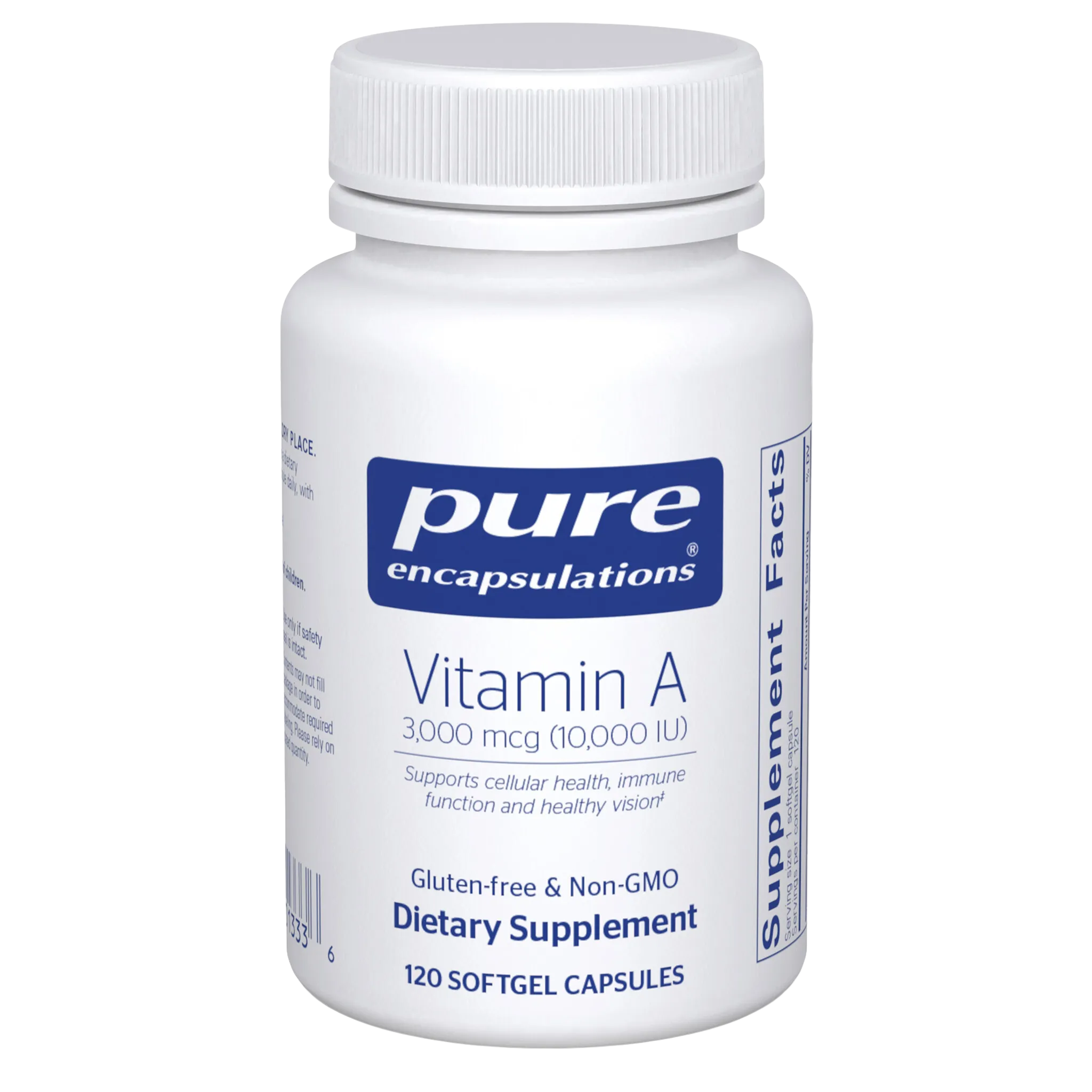
While Vitamin A is essential for health, it is critical to respect its narrow therapeutic window. Because it is fat-soluble, the body stores excess Vitamin A in the liver. Over time, taking excessively high doses can lead to a toxic buildup known as hypervitaminosis A, which can cause liver damage, severe headaches, bone loss, and skin peeling. For adults, the Tolerable Upper Intake Level (UL) is strictly set at 3,000 mcg of Retinol Activity Equivalents (RAE), which is exactly 10,000 IU per day of preformed Vitamin A.
Most importantly, high doses of preformed Vitamin A are highly teratogenic, meaning they can cause severe birth defects. A landmark 1995 study published in the New England Journal of Medicine established that pregnant women consuming more than 10,000 IU of preformed Vitamin A daily had a nearly five-fold increased risk of having babies with cranial-neural-crest defects (craniofacial and heart malformations). Because of this profound risk, Vitamin A supplements at or above 10,000 IU must never be taken by pregnant women, lactating women, or women who may become pregnant. Always consult with a healthcare provider to ensure your total daily intake from all sources (including diet and multivitamins) remains within safe limits.

Follow the Science
Clinical Trials on Olfactory Repair in Long COVID
The most extensively researched clinical application of Vitamin A specifically for Long COVID involves the treatment of persistent olfactory dysfunction (anosmia and parosmia). Because Vitamin A is biologically required for the regeneration of olfactory receptor neurons, researchers have hypothesized that targeted supplementation could help repair the viral damage to the nasal neuroepithelium. Building on pre-pandemic research from Germany showing that intranasal Vitamin A improved post-viral smell loss, researchers at the University of East Anglia launched the Apollo Trial to investigate the efficacy of Vitamin A drops using specialized brain scans to track neural repair.
Furthermore, a pilot randomized controlled trial conducted in Hong Kong in 2023 investigated the use of oral Vitamin A for persistent Long COVID smell loss. Patients were assigned to receive a short course of oral Vitamin A (25,000 IU per day for 14 days) combined with aerosolized olfactory training. The combination therapy showed significant promise in improving olfactory neural networks and reducing the fatigue associated with loss of appetite, demonstrating that systemic retinoic acid can actively support the regeneration of sensory pathways damaged by SARS-CoV-2.
Research on Mast Cell Suppression and Mucosal Immunity
The connection between Vitamin A and mast cell stabilization has been heavily validated by recent immunological research. A pivotal January 2025 study published in Food Science & Nutrition demonstrated that retinoic acid signaling acts as a direct limiter on mast cell activation. The researchers found that when the retinoic acid receptor (RAR) is blocked or deficient, mast cells become highly overactive and exhibit increased IgE-mediated degranulation. The study confirmed that Vitamin A suppresses the specific PI3K-Akt-m-TOR inflammatory pathways inside the mast cell, raising the threshold for activation.
Additionally, a landmark study published in Immunity highlighted the delicate balance required for mast cell homeostasis. The research revealed that tissue fibroblasts secrete an enzyme called Cyp26b1, which degrades excess retinoic acid to shield mast cells from toxicity. This study proved that while Vitamin A is essential for suppressing mast cells, the local concentration must be tightly regulated by the body, underscoring the importance of using precise, moderate doses of Vitamin A rather than extreme mega-dosing, which can backfire and trigger mast cell-induced dermatitis.
Observational Data on Retinol Levels Post-Infection
Observational studies evaluating systemic Vitamin A levels in COVID-19 patients have highlighted a clear link between nutritional status and the duration of lingering symptoms. A November 2023 Brazilian cohort study analyzed the retinol levels of patients recovering from the virus. The researchers found that participants who suffered from both mild and critical acute COVID-19 had significantly lower systemic retinol levels compared to healthy controls.
Crucially, the study noted that milder acute cases of COVID-19 that were complicated by underlying Vitamin A deficiency were strongly associated with an increased symptom burden and prolonged symptoms persisting well beyond 90 days—the clinical threshold for Long COVID. This data suggests that a pre-existing or virally-induced depletion of Vitamin A severely hinders the immune system's ability to achieve viral clearance and tissue repair, paving the way for chronic post-viral syndromes. You can read more about the mechanisms of post-viral illness in our article, Can Long COVID Trigger ME/CFS? Unraveling the Connection.
The Path Forward
Integrating Nutritional Support into Chronic Illness Care
Living with the unpredictable, overlapping symptoms of Long COVID, ME/CFS, and MCAS is an exhausting and deeply frustrating experience. When your body feels like it is constantly reacting to its environment, finding stable ground can seem impossible. It is important to validate that these symptoms are not in your head; they are the result of profound, measurable physiological dysregulation at the cellular and mucosal levels. By understanding the mechanisms driving this dysfunction, we can begin to implement targeted, science-backed strategies to restore balance and calm the immune system.
While Vitamin A offers powerful, mechanism-specific support for repairing the mucosal barrier, promoting immune tolerance, and stabilizing hyperactive mast cells, it is not a standalone cure. True management of complex chronic illness requires a comprehensive, holistic approach. Supplements must be integrated alongside aggressive radical resting, meticulous symptom tracking, trigger avoidance, and personalized medical care. If you are navigating the diagnostic process, our guide on How Does a Doctor Diagnose Long COVID? can provide valuable insights into building a supportive medical team.
Next Steps for Your Health Journey
As you explore nutritional interventions, always prioritize safety and precision. Because Vitamin A is a fat-soluble nutrient with a narrow therapeutic window, it is imperative to work closely with a knowledgeable healthcare provider to determine the right dosage for your specific biological needs, especially given the strict contraindications for pregnancy. By thoughtfully integrating high-quality, bioavailable nutrients like Vitamin A into your daily routine, you can provide your body with the foundational building blocks it needs to repair, regulate, and gradually reclaim a better quality of life.
Sources
Retinoic acid imprints gut-homing specificity on T cells. Immunity (2004)
Reciprocal TH17 and regulatory T cell differentiation mediated by retinoic acid. Science (2007)
Retinoic Acid as a Modulator of T Cell Immunity. Nutrients (2012)
A Pilot Study of Short-Course Oral Vitamin A and Aerosolised Diffuser Olfactory Training. PMC (2023)
Retinol Levels and Severity of Patients with COVID-19. PMC (2023)
Teratogenicity of high vitamin A intake. New England Journal of Medicine (1995)
WHO Guideline: Vitamin A supplementation in pregnant women. PMC (2011)