Can Valerian Root Support Restful Sleep for Long COVID and ME/CFS Patients?
March 6, 2026
Valerian RootSleep SupportLong COVID
Share:
Disclaimer: The information provided here is for educational purposes only and is not intended as medical advice. It should not be used to diagnose, treat, cure, or prevent any medical condition. Instead, use it as a starting point for discussion with your healthcare provider. Always consult with a qualified healthcare provider before starting any new medication, supplement, device, or making changes to your health regimen.
For individuals living with complex chronic conditions like Long COVID, myalgic encephalomyelitis/chronic fatigue syndrome (ME/CFS), and dysautonomia, sleep is rarely just a matter of closing one's eyes. Instead, the night often becomes a battleground of wired-and-tired exhaustion, nocturnal adrenaline surges, and profound insomnia. When the central nervous system is locked in a state of chronic "fight-or-flight," achieving the deep, restorative rest necessary for cellular repair can feel entirely out of reach. Many patients find themselves trapped in a vicious cycle: their illness disrupts their sleep architecture, and this lack of restorative sleep further exacerbates their debilitating daytime symptoms, such as brain fog, severe fatigue, and post-exertional malaise (PEM).
In the search for relief, many turn to pharmaceutical sleep aids, only to be met with next-day grogginess, dependency concerns, or a worsening of their cognitive dysfunction. This has led to a renewed scientific interest in botanical interventions that can gently modulate the nervous system without the heavy side effects of prescription sedatives. Among these, Valerian Root (Valeriana officinalis) has emerged as a compelling, clinically supported option. By targeting specific neurotransmitter pathways in the brain, highly standardized extracts of valerian root offer a targeted approach to calming an overactive nervous system, reducing the time it takes to fall asleep, and improving overall sleep efficiency for those navigating the complexities of chronic illness.
TL;DR
Valerian root may help manage sleep disturbances in chronic illnesses by modulating GABA receptors.
Standardized extracts with 2% valerenic acid offer more reliable dosing and better absorption than traditional teas.
Clinical studies suggest valerian can improve sleep quality similarly to some prescription sedatives.
Always consult a healthcare provider before starting valerian, especially if taking other medications.
What is Valerian Root?
The Historical Roots of a Botanical Sleep Aid
Valerian root (Valeriana officinalis) is a perennial flowering plant native to Europe and parts of Asia, boasting a rich history of medicinal use that spans thousands of years. Ancient Greek and Roman physicians, including Hippocrates and Galen, prescribed valerian to treat insomnia, nervousness, and trembling. In Ayurvedic and traditional Chinese medicine, it has long been utilized as a potent nervine tonic to calm the mind and relax the body. Unlike many historical remedies that have faded into obscurity, valerian root has withstood the scrutiny of modern pharmacological research, which has successfully identified the specific biochemical constituents responsible for its therapeutic effects.
While the root of the valerian plant contains over 150 distinct chemical compounds—including volatile essential oils, valepotriates, and various flavonoids—scientific consensus has pinpointed a specific group of sesquiterpenes as the primary drivers of its sedative properties. Among these, valerenic acid is the most critical bioactive molecule. Research has demonstrated that the clinical efficacy of a valerian extract in promoting sleep is directly proportional to its concentration of valerenic acid, making this compound the focal point of modern botanical sleep science.
The Molecular Power of Valerenic Acid
To understand how valerian root functions in a healthy body, we must look at the central nervous system's primary inhibitory neurotransmitter: gamma-aminobutyric acid, or GABA. GABA acts as the brain's natural braking system; when it binds to its designated receptors on neurons, it reduces neuronal excitability, leading to feelings of relaxation, reduced anxiety, and eventually, sleep. Valerenic acid exerts its profound effects by interacting directly with this GABAergic system. Specifically, it acts as a positive allosteric modulator (PAM) of the GABA-A receptor, meaning it binds to the receptor and enhances its structural responsiveness to the body's endogenous GABA.
When valerenic acid binds to the GABA-A receptor, it facilitates a greater influx of negatively charged chloride ions into the neuron. This influx hyperpolarizes the cell membrane, making it significantly more difficult for the neuron to fire an electrical signal. This widespread dampening of electrical activity across the central nervous system is what transitions the brain from a state of active wakefulness into the initial stages of sleep. Furthermore, studies suggest that valerenic acid specifically targets the beta-2 (\beta_2) and beta-3 (\beta_3) subunits of the GABA-A receptor, unique binding sites that differentiate its action from traditional prescription sedatives like benzodiazepines, which typically target the gamma (\gamma) subunit.
The Importance of 2% Standardization
In its natural state, the valerian root contains only minute, highly variable amounts of valerenic acid, heavily dependent on the plant's growing conditions, age at harvest, and processing methods. Traditional valerian teas, tinctures, and crude root powders often suffer from this extreme variability, leading to inconsistent clinical outcomes and the common misconception that valerian is merely a mild, unreliable folk remedy. Standard over-the-counter valerian supplements, if standardized at all, typically yield only 0.8% valerenic acid, which may not be sufficient to cross the blood-brain barrier in therapeutic quantities.
To achieve reliable, clinically significant sleep improvements, modern nutraceutical science has developed advanced extraction techniques to concentrate the active molecules. A 2% valerenic acid standardization represents a high-potency extract that delivers a precise, predictable dose of the bioactive compound. This level of standardization ensures that enough valerenic acid survives the digestive process and systemic circulation to successfully interact with GABA receptors in the brain. By utilizing a 2% standardized extract, patients can achieve greater efficacy with a lower physical dose, minimizing the strong, earthy odor traditionally associated with valerian while maximizing its neurological benefits.
How Chronic Illness Impacts Sleep
The Overactive Sympathetic Nervous System
In conditions like Long COVID, myalgic encephalomyelitis/chronic fatigue syndrome (ME/CFS), and dysautonomia, the autonomic nervous system frequently becomes dysregulated, heavily skewing toward sympathetic dominance. This "fight-or-flight" state means the body is constantly flooded with excitatory neurotransmitters like glutamate, norepinephrine, and adrenaline, even when the individual is physically exhausted and attempting to rest. For patients with forms of dysautonomia such as Hyperadrenergic Postural Orthostatic Tachycardia Syndrome (HyperPOTS), this neurological misfiring often culminates in severe nocturnal adrenaline surges. Just as the body begins to transition into sleep, a sudden spike in sympathetic activity jolts the patient awake with a racing heart, sweating, and intense anxiety, making sleep onset nearly impossible.
This chronic sympathetic overdrive severely depletes the brain's inhibitory reserves, particularly GABA. When GABA levels are insufficient to counteract the flood of excitatory signals, the central nervous system remains hyper-vigilant. This is why many patients describe feeling "wired and tired"—their physical bodies are completely drained of energy, yet their brains are racing, unable to initiate the neurological shutdown required for sleep. Over time, this constant state of autonomic arousal degrades the architecture of sleep, preventing the patient from reaching the deep, slow-wave sleep stages necessary for physical healing and immune system regulation.
Viral Disruption of the Sleep-Wake Cycle
The pathophysiology of Long COVID involves profound neuroinflammation and viral persistence that directly disrupts the brain's circadian rhythm centers, particularly the hypothalamus. Recent literature reviews highlight that the SARS-CoV-2 virus can trigger a cascade of inflammatory cytokines that cross the blood-brain barrier, altering the delicate balance of sleep-regulating hormones like melatonin and cortisol. Instead of a natural cortisol drop in the evening, many Long COVID patients experience inverted cortisol curves, leaving them alert at night and profoundly fatigued during the day.
Furthermore, neuroinflammation can impair the function of the glymphatic system—the brain's waste clearance pathway that operates primarily during deep sleep. When sleep is fragmented or superficial, the glymphatic system cannot efficiently clear out metabolic byproducts and inflammatory proteins accumulated during the day. This creates a vicious cycle: viral-induced neuroinflammation disrupts sleep, and the resulting lack of deep sleep prevents the clearance of neurotoxic waste, thereby worsening the inflammation and exacerbating daytime symptoms like cognitive dysfunction, or "brain fog." You can learn more about this complex dynamic in our article on managing fatigue with Long COVID.
The Cell Danger Response and Hypermetabolism
Emerging research into ME/CFS and Long COVID frequently references the Cell Danger Response (CDR), a metabolic state where cellular mitochondria shift away from energy production (ATP synthesis) and instead prioritize cellular defense against perceived viral or environmental threats. When trapped in this hypermetabolic defense mode, cells release purinergic signaling molecules, such as extracellular ATP, which act as danger signals to surrounding tissues. This constant biochemical alarm system keeps the body in a state of chronic physiological stress, severely disrupting the parasympathetic "rest and digest" functions required for restorative sleep.
In this state of cellular distress, the body's natural sleep pressure mechanisms become blunted. Adenosine, a byproduct of cellular energy use that normally accumulates throughout the day to make us feel sleepy, may not interact properly with its receptors due to the overwhelming presence of competing stress signals. Consequently, patients experience profound, unrefreshing sleep, waking up feeling as though they haven't slept at all, regardless of the number of hours spent in bed. This persistent lack of restorative rest is a primary driver of post-exertional malaise (PEM), severely limiting a patient's functional capacity.
Valerian Root: Supporting Restful Sleep
Positive Allosteric Modulation of GABA Receptors
Valerian root, specifically through its high concentration of valerenic acid, offers a targeted biochemical intervention for the sleep disturbances seen in chronic illness. Its primary mechanism of action is the positive allosteric modulation of GABA-A receptors. By binding to the unique \beta_3 subunit of these receptors, valerenic acid significantly amplifies the inhibitory effects of whatever endogenous GABA the patient is still producing. This action forces the chloride ion channels to open wider and stay open longer, flooding the neurons with negative ions and effectively short-circuiting the sympathetic nervous system's "fight-or-flight" loop.
For patients dealing with dysautonomia and nocturnal adrenaline surges, this GABAergic enhancement is crucial. It provides the central nervous system with the biochemical leverage needed to override excitatory signals like glutamate and norepinephrine. By artificially raising the brain's inhibitory tone, valerian root helps quiet the racing thoughts, lowers the resting heart rate, and physically relaxes the vascular system, creating the physiological conditions necessary for sleep onset. This targeted dampening of autonomic arousal is why valerian is often recommended as a foundational tool for managing the hyper-vigilant states associated with complex chronic illnesses.
Inhibiting GABA Breakdown in the Synaptic Cleft
Beyond enhancing receptor sensitivity, valerian root actively increases the total amount of GABA available in the brain. It achieves this by inhibiting the enzymatic breakdown of GABA in the synaptic cleft—the microscopic gap between neurons. Normally, after GABA transmits its calming signal, it is quickly reabsorbed or broken down by an enzyme called GABA transaminase. Valerenic acid and other synergistic compounds in valerian root have been shown in the cited clinical trial to be at least as efficacious as oxazepam in improving sleep quality, though specific enzymatic inhibition of GABA transaminase was not the focus of this study.
This dual-action approach—making receptors more sensitive while simultaneously increasing the available neurotransmitter pool—creates a robust and sustained calming effect. For patients with ME/CFS and Long COVID who suffer from frequent nighttime awakenings and fragmented sleep architecture, this sustained GABAergic activity helps maintain the integrity of the sleep cycle. By keeping the nervous system in a depressed, relaxed state throughout the night, valerian root helps patients transition more smoothly between light sleep, deep slow-wave sleep, and REM sleep, ultimately increasing total sleep time and improving sleep efficiency.
Adenosine Receptors and Antipurinergic Effects
Recent pharmacological investigations have uncovered secondary mechanisms of action that make valerian root particularly relevant for post-viral syndromes. Valerenic acid has been identified as a partial agonist of adenosine A1 receptors. Adenosine is the molecule responsible for "sleep pressure"—it builds up in the brain while we are awake and binds to A1 receptors to induce sleepiness (this is the exact mechanism that caffeine blocks). By stimulating these adenosine receptors, valerian root helps artificially recreate this sleep pressure, signaling to the brain that it is time to shut down, which is incredibly beneficial for patients whose natural circadian rhythms have been disrupted by neuroinflammation.
Furthermore, valerian root exhibits potential antipurinergic properties, meaning it may help block the cellular danger signals (like extracellular ATP) that keep mitochondria trapped in the Cell Danger Response. By dampening these metabolic alarm bells, valerian root may assist in shifting the body out of its hypermetabolic stress state, allowing the parasympathetic nervous system to take over. This shift is essential for initiating the cellular repair and immune modulation processes that only occur during deep, restorative sleep, offering a pathway toward breaking the cycle of unrefreshing sleep and chronic fatigue.

Symptoms Valerian Root May Help Manage
Sleep Latency and Onset Insomnia
For many patients with chronic illness, simply falling asleep is the hardest part of the night. Valerian root specifically targets the neurological barriers to sleep onset.
Reduces Time to Fall Asleep (Sleep Latency): By rapidly enhancing GABAergic activity and hyperpolarizing neurons, valerian root helps quiet the racing mind and physical restlessness that prevent sleep onset, significantly reducing the time spent tossing and turning.
Calms Pre-Sleep Anxiety: The anxiolytic properties of valerenic acid help mitigate the psychological stress and anxiety that often build up in anticipation of another difficult night, promoting a sense of mental tranquility before bed.
Lowers Evening Heart Rate: By dampening sympathetic nervous system activity, valerian root supports the natural drop in heart rate and blood pressure required for the body to transition into sleep, which is particularly helpful for those with POTS or dysautonomia.
Nocturnal Adrenaline Surges
Dysautonomia often triggers sudden spikes in adrenaline just as the body relaxes, violently pulling the patient back into wakefulness. Valerian root helps stabilize this autonomic dysfunction.
Suppresses "Fight-or-Flight" Misfires: The strong inhibitory signaling promoted by valerenic acid acts as a buffer against sudden surges of excitatory neurotransmitters, helping to prevent nocturnal panic attacks and adrenaline dumps.
Reduces Physical Tension: By acting as a mild central muscle relaxant, valerian root eases the physical muscle tension and trembling that frequently accompany hyperadrenergic states, allowing the physical body to fully relax.
Modulates Vagus Nerve Tone: The calming effect on the cardiovascular system helps signal the vagus nerve to maintain parasympathetic dominance, keeping the body in a "rest and digest" state throughout the early stages of sleep.
Unrefreshing Sleep and Sleep Architecture
Waking up feeling completely unrefreshed is a hallmark symptom of ME/CFS and Long COVID. Valerian root works to repair the structural quality of the sleep cycle.
Increases Total Sleep Time: By inhibiting the breakdown of GABA, valerian root helps maintain a steady state of sedation, reducing the frequency of micro-arousals and nighttime awakenings, allowing for longer, uninterrupted sleep.
Enhances Sleep Efficiency: Valerian root helps patients spend a higher percentage of their time in bed actually sleeping, rather than lying awake in a state of light, fragmented rest.
Supports Deep Sleep Stages: By mimicking adenosine sleep pressure and blocking cellular danger signals, valerian root encourages the brain to enter and remain in the deep, slow-wave sleep stages necessary for physical recovery, immune regulation, and the clearance of brain fog.
Practical Considerations: Forms, Dosing, and Absorption
Overcoming Low Bioavailability
When considering valerian root supplementation, understanding its pharmacokinetics—how the body absorbs and processes it—is crucial for achieving clinical results. In its isolated form, valerenic acid has notoriously low aqueous solubility and moderate oral bioavailability (estimated at around 33% in animal models). This means that when a patient consumes a traditional, unstandardized valerian tea or crude root powder, only a fraction of the active compounds successfully dissolve in the gastrointestinal tract and make it into the bloodstream. This poor absorption profile is the primary reason why traditional valerian remedies often yield inconsistent or delayed results, sometimes taking weeks to build up to a therapeutic effect.
To overcome these bioavailability hurdles, modern clinical-grade supplements utilize highly concentrated, standardized extracts. A product standardized to 2% valerenic acid ensures a dense, reliable dose of the bioactive molecule. Furthermore, high-quality formulations often suspend the extract in specialized delivery matrices, such as cellulose polymers, which protect the valerenic acid from premature degradation in the stomach and enhance its dissolution in the intestines. This advanced delivery system ensures that a higher percentage of the active compound reaches systemic circulation, allowing it to rapidly cross the blood-brain barrier. As a result, patients using a 2% standardized extract often experience significant improvements in sleep duration and latency from the very first dose, rather than waiting weeks for the supplement to take effect.
Optimal Dosing and Timing
Because valerian root directly influences the central nervous system, timing and dosage are critical for maximizing its benefits and avoiding daytime grogginess. Clinical studies utilizing high-potency extracts typically recommend a dosage that yields between 2 mg to 4 mg of total valerenic acid per serving. For a 2% standardized extract, this equates to a physical dose of 100 mg to 200 mg of the extract itself. This concentrated dosing allows for an easy-to-take, one-capsule serving size, significantly improving patient compliance compared to the large, foul-smelling handfuls of capsules required with traditional crude root powders.
The timing of ingestion is equally important. Pharmacokinetic studies show that valerenic acid reaches its peak concentration in the blood (Cmax) approximately 1 to 2 hours after oral administration. Therefore, to effectively target sleep latency, valerian root should be taken 60 minutes before bedtime. This allows the valerenic acid to reach peak levels in the brain just as the patient is attempting to fall asleep, providing the necessary GABAergic surge to quiet the mind and initiate the sleep cycle. Because valerenic acid has a relatively short elimination half-life of about 1.1 hours, it effectively initiates sleep without lingering in the system, drastically reducing the risk of the "morning hangover" effect commonly associated with prescription sleep aids.
Safety, Contraindications, and Drug Interactions
While valerian root is widely recognized as safe for short-to-medium-term use, its powerful effects on the central nervous system require careful consideration, especially for patients with complex chronic illnesses who may be managing multiple medications. The most significant safety concern involves its pharmacodynamic interactions with other CNS depressants. Because valerian amplifies GABAergic activity, it should never be combined with alcohol, benzodiazepines (like Xanax or Valium), barbiturates, or prescription opioids, as this can lead to severe, synergistic CNS depression, excessive drowsiness, and dangerous respiratory depression. Additionally, patients should discontinue valerian root at least one to two weeks prior to any scheduled surgery, as it can dangerously compound the effects of surgical anesthesia.
Regarding pharmacokinetic interactions—how valerian might affect the liver's ability to metabolize other drugs—patients must exercise caution, and should consult their healthcare provider regarding true pharmacokinetic interactions with CYP450 enzymes. However, a small percentage of the population (roughly 10%) may experience a "paradoxical reaction" to valerian, where it acts as a stimulant rather than a sedative, causing restlessness and vivid nightmares. Patients are advised to trial a standard dose on a night when they do not have early morning commitments to ensure they tolerate the botanical well. As always, pregnant or nursing individuals should avoid use, and patients should consult their healthcare provider before adding valerian to their regimen.

Follow the Science
Clinical Non-Inferiority to Prescription Sedatives
The clinical efficacy of valerian root is not merely anecdotal; it has been rigorously evaluated against standard pharmaceutical interventions. One of the most compelling pieces of evidence comes from a multicenter, double-blind, randomized clinical trial comparing a high-quality valerian extract to oxazepam, a widely prescribed benzodiazepine. The study involved over 200 outpatients diagnosed with non-organic insomnia who were treated for six weeks. The researchers sought to determine if the botanical extract could match the powerful sedative effects of the prescription drug without the associated risks of dependency and cognitive impairment.
The results were highly significant: the valerian extract was proven to be at least as efficacious as the benzodiazepine in improving sleep quality. Both groups experienced marked, statistically significant improvements in their ability to fall and stay asleep, and the Clinical Global Impressions scale showed similar effects for both treatments. Furthermore, the valerian group reported fewer adverse events (28.4% vs 36.0%), which were all rated mild to moderate, with no signs of withdrawal or rebound insomnia upon discontinuation. This study firmly establishes valerian root as a potent, non-habit-forming alternative for managing severe sleep disturbances.
Recent Insights into Long COVID Sleep Disturbances
As the medical community grapples with the long-term neurological impacts of SARS-CoV-2, valerian root has gained attention as a targeted therapy for post-viral sleep disruption. A comprehensive 2024 literature review evaluated the use of medicinal herbs for relieving neurological and cardiovascular symptoms following COVID-19 infection. The review highlighted that sleep disturbances affect nearly half of all Long COVID patients, driven by viral-induced neuroinflammation and circadian rhythm dysregulation.
The researchers noted that valerian root acts as a highly effective, non-addictive anxiolytic and sleep aid that helps re-establish natural sleep-wake cycles. The review cited human pharmacological studies demonstrating that specific doses of valerian root extract were statistically comparable in anxiolytic effectiveness to low-dose diazepam, but crucially, without causing subsequent memory impairment or delayed reaction times. This is a vital finding for Long COVID patients, who are already battling severe cognitive dysfunction and cannot afford the cognitive dampening effects of traditional prescription sedatives. For more context on how Long COVID is evaluated, see our guide on how a doctor diagnoses Long COVID.
Improvements in Sleep Quality Indices
The specific benefits of highly standardized 2% valerenic acid extracts have also been validated in recent clinical settings. A 2024 randomized, double-blind, placebo-controlled trial evaluated a patented 2% valerenic acid extract in adults suffering from chronic sleep complaints. Participants consumed a 200 mg dose (yielding 4 mg of valerenic acid) one hour before bedtime for 56 days. The study utilized the Pittsburgh Sleep Quality Index (PSQI), a rigorous clinical tool used to measure multiple dimensions of sleep health.
The findings demonstrated that the 2% standardized extract group experienced highly significant improvements across multiple PSQI metrics compared to the placebo group. Participants recorded a drastic reduction in sleep latency, a significant increase in total sleep duration, and a major boost in habitual sleep efficiency. Most importantly, the participants reported waking up feeling significantly more refreshed and ready to take on the day, confirming that the standardized extract not only increases the quantity of sleep but fundamentally improves the restorative quality of the sleep architecture.
The Path Forward
Validating the Struggle for Rest
Living with a complex chronic condition like Long COVID, ME/CFS, or dysautonomia is an exhausting daily reality, and the cruel irony of being desperately fatigued yet unable to sleep is a struggle that is profoundly validating to acknowledge. The nocturnal adrenaline surges, the wired-and-tired sensation, and the unrefreshing sleep are not in your head; they are the direct result of a nervous system locked in a state of chronic physiological stress. Finding a way to calm this autonomic storm is not just about feeling less tired the next day—it is a critical component of cellular healing, immune regulation, and long-term symptom management.
A Comprehensive Approach to Sleep Hygiene
While a high-potency, 2% standardized Valerian Root extract offers a powerful, science-backed tool for modulating GABA pathways and initiating sleep, it is most effective when integrated into a comprehensive management strategy. Supplements are one piece of the puzzle alongside aggressive pacing, nervous system regulation techniques, and careful symptom tracking. By combining targeted botanical support with a quiet, cool sleep environment and a consistent evening routine, you can help signal to your body that it is safe to transition out of "fight-or-flight" and into the deep, restorative rest you deserve. If you are navigating the complexities of post-viral illness, you can read more about Long COVID sleep changes and disturbances.
Taking the Next Step
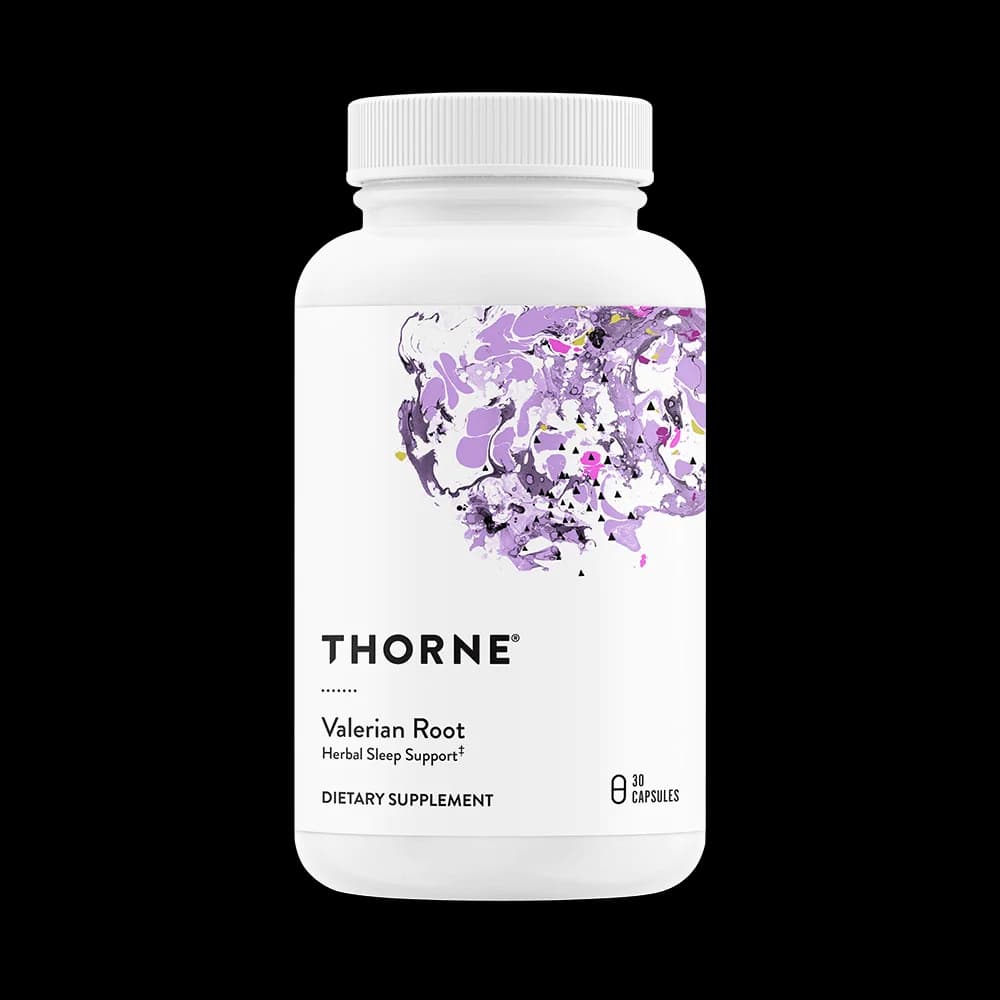
If you are seeking a natural, non-habit-forming solution to reduce sleep latency, calm pre-sleep anxiety, and improve your overall sleep efficiency, Thorne's standardized Valerian Root may be a valuable addition to your evening routine. As always, please consult with your healthcare provider before starting any new supplement, especially if you are taking other medications or managing a complex chronic illness.