Can Targeted Probiotics and Cranberry Support Vaginal Health in Long COVID and MCAS?
March 6, 2026
Vaginal HealthProbioticsLong COVID
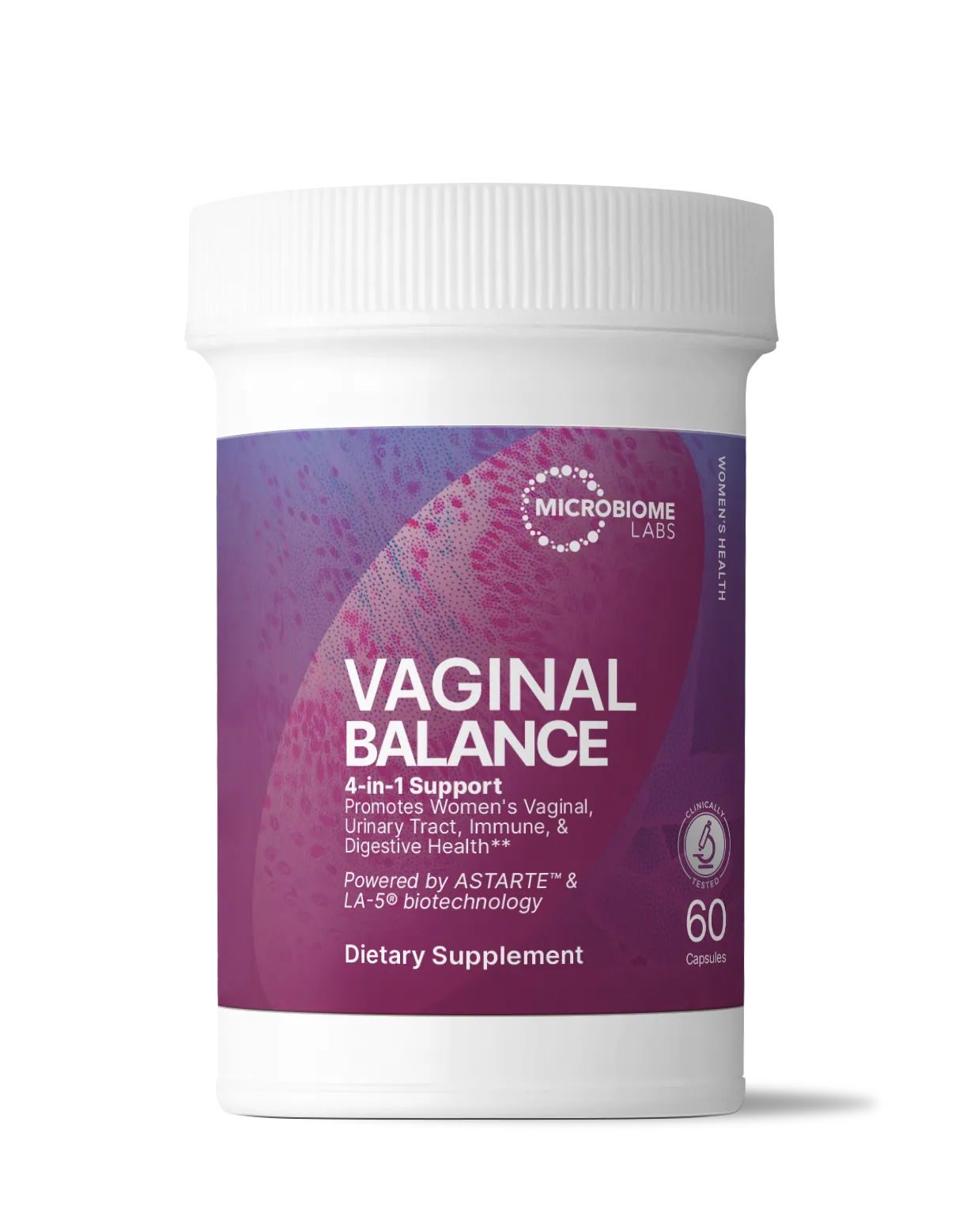
Share:
Disclaimer: The information provided here is for educational purposes only and is not intended as medical advice. It should not be used to diagnose, treat, cure, or prevent any medical condition. Instead, use it as a starting point for discussion with your healthcare provider. Always consult with a qualified healthcare provider before starting any new medication, supplement, device, or making changes to your health regimen.
Months or even years after an initial viral infection, individuals living with complex chronic conditions often find themselves battling a cascade of seemingly unrelated symptoms. While profound fatigue, brain fog, and rapid heart rates dominate the clinical conversation, there is a silent, often overlooked battleground: the pelvic region. For many patients with Long COVID, myalgic encephalomyelitis/chronic fatigue syndrome (ME/CFS), dysautonomia, and mast cell activation syndrome (MCAS), recurrent urogenital issues become a frustrating and painful reality. From chronic bacterial vaginosis (BV) and recurrent urinary tract infections (UTIs) to unexplained pelvic burning and interstitial cystitis flares, these symptoms are not coincidental. They are the direct result of systemic immune dysregulation and mucosal barrier breakdown.
The human body is an interconnected ecosystem, and the vaginal microbiome is exquisitely sensitive to the systemic inflammation, hormonal shifts, and histamine surges characteristic of these chronic illnesses. When the delicate balance of protective bacteria is lost, opportunistic pathogens thrive, creating a vicious cycle of localized pain and systemic immune burden. Restoring this balance requires more than temporary fixes; it requires targeted, clinically validated support. Vaginal Balance by Microbiome Labs offers a precise intervention, utilizing specific, highly researched Lactobacillus strains and cranberry extract to actively rebuild the urogenital barrier, optimize vaginal pH, and support immune tolerance from the gut to the reproductive tract.
TL;DR
Vaginal Balance supports urogenital health by helping restore the vaginal microbiome in chronic illness patients.
Specific Lactobacillus strains help lower vaginal pH and outcompete opportunistic pathogens.
Cranberry extract provides A-type PACs that may help prevent bacteria from adhering to the urinary tract.
The formula is histamine-neutral, making it a strategic choice for patients with MCAS or histamine intolerance.
What is Vaginal Balance?
To understand how a targeted supplement like Vaginal Balance works, we must first explore the natural, healthy state of the female reproductive tract. The vaginal microbiome is a highly specialized, dynamic ecosystem that serves as the primary defense mechanism against urogenital infections. In a healthy state, this environment is overwhelmingly dominated by bacteria from the Lactobacillus genus. These keystone bacteria act as the gatekeepers of reproductive health, utilizing a multi-faceted defense strategy to outcompete opportunistic pathogens and maintain mucosal homeostasis.
At the molecular level, these protective Lactobacillus species rely on the host's hormonal cycle. Estrogen stimulates the vaginal epithelial cells to produce and store glycogen, a complex carbohydrate. The lactobacilli secrete specific enzymes, such as pullulanase, to break down this glycogen and ferment it into both D- and L-lactic acid. This continuous metabolic activity is crucial because it lowers the vaginal pH to a highly acidic state, typically between 3.5 and 4.5. Most harmful pathogens, including the anaerobic bacteria responsible for bacterial vaginosis (BV) and the yeasts responsible for candidiasis, simply cannot survive or proliferate in such an acidic environment. Furthermore, these beneficial bacteria produce hydrogen peroxide ($H_2O_2$) and antimicrobial peptides called bacteriocins, which directly attack the cell walls of competing pathogens.
Vaginal Balance is specifically formulated to replenish this ecosystem using a proprietary, clinically studied consortium of four human-derived strains: Lactobacillus crispatus (LBV 88), Lactobacillus rhamnosus (LBV 96), Lactobacillus gasseri (LBV 150N), and Lactobacillus jensenii (LBV 116). Among these, L. crispatus is widely considered the most critical keystone species for maintaining optimal female reproductive tract health. It exhibits robust adhesion to vaginal epithelial cells, physically blocking pathogens from attaching to host tissues. By tightly binding to the mucosa, these specific strains create a protective biofilm that not only shields the underlying tissue from inflammatory damage but also actively starves opportunistic pathogens of the necessary nutrients and space required to replicate.
While the Lactobacillus strains focus on the vaginal canal, Vaginal Balance also incorporates 500 mg of Cranberry Powder (Vaccinium macrocarpon) to extend this protective umbrella to the urinary tract. Cranberries have been utilized for decades as a traditional remedy for urinary tract infections (UTIs), but modern science has finally isolated the specific active compounds responsible for this benefit: Proanthocyanidins (PACs).
Historically, it was believed that cranberries prevented UTIs by acidifying the urine, but this has been disproven. Instead, A-type PACs operate through a sophisticated mechanism known as Anti-Adhesion Activity (AAA). Uropathogenic Escherichia coli (UPEC), the bacteria responsible for the vast majority of UTIs, utilize hair-like appendages called P-fimbriae to anchor themselves to the uroepithelial cells lining the bladder wall. The A-type PACs in cranberry extract act as receptor analogues, binding specifically to the tips of these P-fimbriae. This molecular interaction alters the bacterial cell surface, completely disabling the bacteria's ability to "dock" onto the urinary tract lining. Because the bacteria cannot attach, they are unable to colonize or multiply, and are simply flushed out of the body during normal urination.
Furthermore, recent pharmacokinetic research highlights that while large, intact PAC molecules have low systemic absorption, they are metabolized by the gut microbiota into smaller, bioactive phenolic metabolites. These metabolites, such as benzoic acid derivatives, are absorbed into the bloodstream and eventually excreted in the urine. As they pass through the urinary tract, they exert localized anti-adhesive, antimicrobial, and anti-inflammatory effects. By combining these potent cranberry compounds with targeted lactobacilli, Vaginal Balance provides a comprehensive, dual-action approach to supporting the entire urogenital system against the dysbiosis frequently seen in complex chronic illnesses.
How Chronic Illness Impacts the Vaginal Microbiome
To understand why urogenital symptoms are so prevalent in our patient community, we must examine how conditions like Long COVID and ME/CFS disrupt the body's mucosal barriers. While these illnesses are often categorized by their neurological or cardiovascular symptoms, they are fundamentally driven by systemic immune dysregulation and persistent inflammation. A recent meta-transcriptomic study published on ResearchGate examined the vaginal microbiomes of female patients following severe SARS-CoV-2 infection. Strikingly, even when the virus was not detected in the reproductive system itself, the initial infection triggered severe systemic immune and defense responses in the reproductive tract, leading to a marked upregulation of pro-inflammatory cytokines.
This systemic inflammation has a devastating effect on the vaginal ecosystem. The elevation of circulating pro-inflammatory cytokines, such as IL-6 and TNF-alpha, impairs the localized vaginal immune environment and decreases anti-inflammatory regulatory T cells. In the context of ME/CFS, widespread immune exhaustion allows normally harmless commensal microbes across all mucosal surfaces to alter their gene expression and act as opportunistic pathogens. This inflammatory cascade degrades the vaginal epithelium, drastically reducing the populations of protective Lactobacillus species. Without these keystone bacteria to produce lactic acid, the vaginal pH rises, creating an alkaline environment that actively invites the overgrowth of anaerobic bacteria and yeast.
For patients navigating dysautonomia and its frequent comorbidity, mast cell activation syndrome (MCAS), the mechanisms driving vaginal dysbiosis are even more complex. Mast cells, the immune cells responsible for releasing histamine and other inflammatory mediators, are highly concentrated in the mucosal tissues of the vagina and bladder. In MCAS, these cells become hyper-responsive, degranulating inappropriately in response to minor triggers. This excessive histamine release creates a highly inflammatory, painful environment in the pelvic region, frequently leading to symptoms like vulvodynia (chronic vulvar pain) and interstitial cystitis (painful bladder syndrome).
This localized inflammation is further complicated by a well-documented biochemical cycle known as the histamine-estrogen loop. Estrogen can directly stimulate mast cells to release more histamine while simultaneously downregulating the DAO (diamine oxidase) enzyme, which is responsible for breaking histamine down in the body. In turn, elevated histamine levels can stimulate the ovaries to produce even more estrogen. Because the vaginal microbiome is exquisitely sensitive to hormonal fluctuations, this loop destabilizes the mucosal environment. The chronic inflammation and poor tissue perfusion associated with dysautonomia disrupt the acidic environment, leading to a rapid loss of Lactobacillus and a subsequent overgrowth of pathogens, trapping the patient in a cycle of recurrent infections and chronic pelvic discomfort.
The disruption of the vaginal microbiome in chronic illness cannot be fully understood without looking at the gastrointestinal tract. The "gut-vaginal axis" refers to the complex, bidirectional communication network between the gut microbiome and the cervicovaginal microbiome. According to research published in MDPI, dysbiosis within this axis is a fundamental mechanism driving a wide array of chronic female illnesses. The gut microbiome acts as a virtual endocrine organ; a specific subset of gut bacteria, known as the estrobolome, produces enzymes that modulate systemic estrogen levels. When gut dysbiosis occurs—a hallmark of Long COVID and ME/CFS—this estrogen modulation is impaired, directly impacting the glycogen levels in the vagina that feed protective lactobacilli.
Furthermore, pathogens and their metabolites can physically migrate between the gut, rectum, and vagina. The rectum frequently serves as a reservoir for vaginal microbes, both pathogenic (like Gardnerella or E. coli) and beneficial (like Lactobacillus). In chronic illness, increased intestinal permeability, commonly known as "leaky gut," allows microbial fragments to enter the bloodstream, triggering systemic inflammation that further degrades the vaginal mucosal barrier. This interconnectedness explains why patients with severe gut dysbiosis frequently suffer from concurrent vaginal and urinary tract infections, highlighting the need for systemic, microbiome-targeted therapeutic interventions.
Vaginal Balance: Supporting Urogenital Health
Vaginal Balance supports the disrupted urogenital ecosystem by reintroducing the exact keystone species required to restore mucosal homeostasis. The primary mechanism of action for the Lactobacillus strains in this formula—specifically L. crispatus (LBV 88) and L. gasseri (LBV 150N)—is the robust production of lactic acid. When these bacteria colonize the vaginal epithelium, they actively metabolize the glycogen stored in the host's cells. Through complex enzymatic pathways, they ferment this glycogen into both D-lactic acid and L-lactic acid. This metabolic process is the biological engine that drives the vaginal pH down to its optimal, highly acidic state of 3.5 to 4.5.
This acidification is not merely a byproduct; it is a potent, active defense mechanism. The vast majority of opportunistic pathogens that plague patients with chronic illness, such as the anaerobes responsible for bacterial vaginosis and the Candida species responsible for yeast infections, are highly sensitive to low pH. They simply cannot maintain their cellular integrity or replicate in an acidic environment. By continuously pumping lactic acid into the vaginal lumen, the strains in Vaginal Balance create a hostile environment for pathogens while simultaneously creating the ideal conditions for native, beneficial flora to thrive and repopulate.
Beyond pH modulation, the specific strains in Vaginal Balance engage in direct chemical and physical warfare against urogenital pathogens. Lactobacillus jensenii (LBV 116), a key component of the ASTARTE™ consortium used in this formula, is renowned for its biosurfactant properties. These biosurfactants are powerful compounds that actively disrupt and prevent the formation of pathogenic biofilms. Biofilms are resilient, protective matrices created by bacteria like Gardnerella vaginalis and E. coli, making them incredibly difficult to eradicate with standard antibiotics. By breaking down these shields, L. jensenii leaves the pathogens vulnerable to the host's immune system and the acidic environment.
Simultaneously, Lactobacillus rhamnosus (LBV 96) and L. crispatus utilize a mechanism known as competitive exclusion. These strains exhibit an exceptionally high affinity for the receptors on the vaginal epithelial cells. By tightly binding to these cellular docking stations, they physically block harmful bacteria and viruses from attaching to the tissue. Furthermore, their rapid metabolic rate allows them to consume the available vaginal glucose and nutrients at a pace that effectively starves out competing opportunistic pathogens, preventing them from establishing a foothold in the reproductive tract.
While the probiotic strains secure the vaginal canal, the 500 mg of Cranberry Powder in Vaginal Balance provides targeted support for the adjacent urinary tract. The mechanism here relies entirely on the unique A-type proanthocyanidins (PACs) found in cranberries. These A-type PACs do not kill bacteria directly but instead neutralize their ability to cause infection. Uropathogenic E. coli rely on P-fimbriae to adhere to the bladder wall. The cranberry PACs act as molecular decoys, binding to these fimbriae and changing their structural conformation.
This anti-adhesion activity is highly dose-dependent and requires a specific threshold to be effective. By preventing bacterial adhesion, the PACs ensure that pathogens remain suspended in the urine rather than embedding into the uroepithelium. This allows the body's natural flushing mechanism—urination—to effectively clear the bacteria from the system before an infection can take root. Furthermore, the gut metabolites of these PACs exert localized anti-inflammatory effects within the bladder, helping to soothe the irritated mucosal linings often experienced by patients with dysautonomia and interstitial cystitis.
Symptoms Vaginal Balance May Help Manage
By addressing the root causes of vaginal and urinary dysbiosis at the cellular and microbial level, Vaginal Balance can help manage a variety of distressing symptoms that frequently accompany complex chronic illnesses. The synergistic action of the Lactobacillus consortium and cranberry extract provides comprehensive support across the urogenital tract.
Recurrent Bacterial Vaginosis (BV): By aggressively producing lactic acid and lowering the vaginal pH, the specific Lactobacillus strains in this formula create an environment that inhibits the overgrowth of the anaerobic bacteria responsible for the fishy odor, abnormal discharge, and discomfort of BV.
Frequent Urinary Tract Infections (UTIs): The A-type PACs in the cranberry extract specifically bind to the P-fimbriae of uropathogenic E. coli, preventing them from adhering to the bladder wall and allowing them to be safely flushed out during urination, thereby reducing the frequency of recurrent UTIs.
Yeast Infections (Candidiasis): Through competitive exclusion and the production of hydrogen peroxide, the probiotic strains physically block Candida species from attaching to the vaginal epithelium and actively suppress their ability to transition into their invasive, pathogenic fungal state.
Vaginal Burning and Itching: By restoring the protective mucosal barrier and suppressing the overgrowth of pro-inflammatory pathogens, Vaginal Balance helps soothe the localized tissue irritation and burning sensations frequently experienced by patients with dysautonomia and systemic inflammation.
Interstitial Cystitis and Bladder Pain: The gut-metabolized phenolic compounds from the cranberry extract exert localized anti-inflammatory effects in the urinary tract, helping to calm the hyper-reactive bladder lining and reduce the pelvic pain associated with mast cell activation.
Histamine-Driven Pelvic Flares: Because the specific strains used in this formula (like L. crispatus and L. gasseri) are histamine-neutral and do not possess the genes to produce biogenic amines, they support the microbiome without triggering the localized mast cell degranulation and histamine flares common in MCAS patients.
Practical Considerations: Forms, Dosing, and Absorption
A common question regarding vaginal probiotics is how an oral capsule can effectively influence the reproductive tract. The efficacy of Vaginal Balance relies on the well-documented anatomical and biological pathway known as the gut-vaginal axis. When taken orally, the resilient Lactobacillus strains in this formula are designed to survive the harsh, acidic environment of the stomach and the bile salts of the upper intestines. Once they reach the lower gastrointestinal tract, they colonize the colon and rectum. Because the rectum sits in close anatomical proximity to the vagina, it acts as a natural microbial reservoir.
These specific strains—particularly L. rhamnosus LBV 96 and L. crispatus LBV 88—possess a unique capability for horizontal transfer. They naturally migrate from the perianal region across the perineum and into the vaginal canal. This oral route is often preferred in clinical settings because it simultaneously addresses dysbiosis in the gut (the root source of systemic inflammation) while continuously seeding the vaginal tract with beneficial flora, providing a more sustainable, long-term restoration of the microbiome compared to temporary localized suppositories.
For patients managing Mast Cell Activation Syndrome (MCAS) or Histamine Intolerance (HIT), choosing the right probiotic is a critical and often anxiety-inducing process. Many standard, over-the-counter probiotic blends contain strains like Lactobacillus casei or Lactobacillus bulgaricus, which possess the hdcA gene. This gene encodes the histidine decarboxylase enzyme, allowing the bacteria to actively convert amino acids into histamine during fermentation, potentially triggering severe systemic flares.
Vaginal Balance is uniquely suited for this sensitive population due to its precise strain selection. Genetic sequencing confirms that keystone vaginal strains like Lactobacillus crispatus and Lactobacillus gasseri do not carry the hdcA gene and are fundamentally histamine-neutral. Furthermore, research published in the World Journal of Gastroenterology has demonstrated that specific strains of L. rhamnosus can actually downregulate the expression of high-affinity IgE receptors on human mast cells, effectively turning down the dial on mast cell activation. This makes Vaginal Balance a highly strategic choice for supporting urogenital health without exacerbating histamine-driven systemic inflammation.
The suggested use for Vaginal Balance is two capsules per day, ideally taken with a meal. Taking the supplement with food helps buffer stomach acid, further ensuring the survival of the live probiotic strains as they transit through the upper gastrointestinal tract. The inclusion of 500 mg of Cranberry Powder ensures that the patient receives a robust dose of A-type PACs, well above the scientifically established 36 mg threshold required to achieve significant anti-adhesion activity in the urinary tract.
Consistency is paramount when attempting to shift a deeply entrenched, dysbiotic microbiome. Clinical trials utilizing these specific LBV strains typically measure significant improvements in the vaginal flora (such as improved Nugent scores) after 4 to 12 weeks of continuous daily supplementation. Patients dealing with Long COVID or ME/CFS should view this as a gradual rebuilding process rather than an overnight fix. As the gut reservoir becomes populated with these beneficial strains, the continuous migration to the vaginal tract will steadily reinforce the mucosal barrier, lower the pH, and reduce the frequency of recurrent urogenital symptoms.
Follow the Science
The specific four-strain consortium utilized in Vaginal Balance—comprising L. crispatus LBV 88, L. rhamnosus LBV 96, L. jensenii LBV 116, and L. gasseri LBV 150N—is one of the most rigorously studied probiotic blends for female reproductive health. Originally isolated from the vaginal tracts of healthy pregnant women, these strains have been the subject of numerous randomized, double-blind, placebo-controlled trials. A systematic review and meta-analysis published in the journal Beneficial Microbes evaluated the impact of oral administration of these exact strains on the Nugent score, which is the medical gold standard for diagnosing bacterial vaginosis.
The clinical data from these trials is compelling. In one placebo-controlled study where women took the probiotic blend twice daily, 63% of the participants in the treatment group experienced a significant, verifiable improvement toward a healthy, Lactobacillus-dominant Nugent Score (0–3) within just a few weeks, compared to only 36% in the placebo group.
The scientific consensus regarding cranberry supplementation has evolved significantly in recent years, moving away from unstandardized juices and focusing entirely on the precise quantification of Proanthocyanidins (PACs).
Foundational ex-vivo trials have demonstrated that while 36 mg prevents bacterial adhesion, higher doses provide more prolonged anti-adhesion activity, lasting up to 24 hours in the human urinary tract. By including 500 mg of concentrated Cranberry Powder, Vaginal Balance ensures that patients receive a therapeutic dose capable of sustaining this critical anti-adhesion barrier throughout the day.
Recent multi-omics research has profoundly expanded our understanding of how systemic illness impacts localized urogenital health. Studies exploring the gut-vaginal axis, such as those published in MDPI, have established that the gastrointestinal microbiome acts as a primary regulator of systemic estrogen via the estrobolome. This research proves that dysbiosis in the gut directly starves the vaginal microbiome of the glycogen necessary to sustain protective Lactobacillus populations.
Moreover, literature investigating the intersection of Long COVID and the microbiome confirms that severe viral infections trigger lasting, systemic upregulation of pro-inflammatory cytokines that degrade mucosal barriers across the entire body, including the reproductive tract. This emerging science validates the experiences of patients with complex chronic conditions, proving that their recurrent urogenital symptoms are not isolated incidents, but rather direct manifestations of their systemic immune and microbial dysregulation. Interventions like Vaginal Balance that target this interconnected axis represent the forefront of microbiome-informed precision medicine.
The Path Forward
Living with a complex chronic condition like Long COVID, ME/CFS, or dysautonomia is an exhausting, multi-systemic battle. When recurrent urogenital symptoms like BV, UTIs, or unexplained pelvic pain are added to the daily burden of profound fatigue and cognitive dysfunction, it can feel incredibly isolating. It is vital to understand that these symptoms are not in your head, nor are they a sign of poor hygiene. They are the physiological consequence of systemic inflammation, mast cell activation, and a disrupted gut-vaginal axis. Validating this connection is the first step toward reclaiming your quality of life and finding targeted, effective management strategies.
While there is no single miracle cure for the systemic dysbiosis caused by chronic illness, targeted interventions can profoundly improve your daily comfort. Vaginal Balance offers a scientifically grounded approach to rebuilding your urogenital defenses. By utilizing clinically studied, histamine-neutral Lactobacillus strains and the proven anti-adhesion power of cranberry PACs, this formula works synergistically to lower vaginal pH, disrupt pathogenic biofilms, and support immune tolerance from the gut to the reproductive tract. It is a strategic tool designed to break the cycle of recurrent infections and localized inflammation.
As with any new intervention, supplements should be integrated into a comprehensive management plan that includes pacing, symptom tracking, and nervous system support. We strongly encourage you to discuss any new supplements with your healthcare provider to ensure they align with your specific clinical needs and current medications. By addressing the root microbial imbalances driving your symptoms, you can take a proactive step toward restoring harmony to your body's delicate ecosystems.