Can UT Defense Support Bladder Health and Microbial Balance in Long COVID and MCAS?
March 6, 2026
UT DefenseLong COVIDDysautonomia
Share:
Disclaimer: The information provided here is for educational purposes only and is not intended as medical advice. It should not be used to diagnose, treat, cure, or prevent any medical condition. Instead, use it as a starting point for discussion with your healthcare provider. Always consult with a qualified healthcare provider before starting any new medication, supplement, device, or making changes to your health regimen.
For many individuals living with complex chronic conditions like Long COVID, myalgic encephalomyelitis/chronic fatigue syndrome (ME/CFS), dysautonomia, and mast cell activation syndrome (MCAS), the daily reality involves managing a dizzying array of unpredictable symptoms. While profound fatigue, brain fog, and rapid heart rates often dominate the clinical conversation, there is a hidden, equally debilitating battle happening in the pelvic region. Patients frequently report chronic bladder pain, a constant, burning urge to urinate, and recurrent urinary tract infections (UTIs) that seem to defy standard medical explanations. These symptoms are not merely coincidental; they are deeply intertwined with the autonomic nervous system dysfunction and immune dysregulation that characterize these post-viral and chronic illnesses.
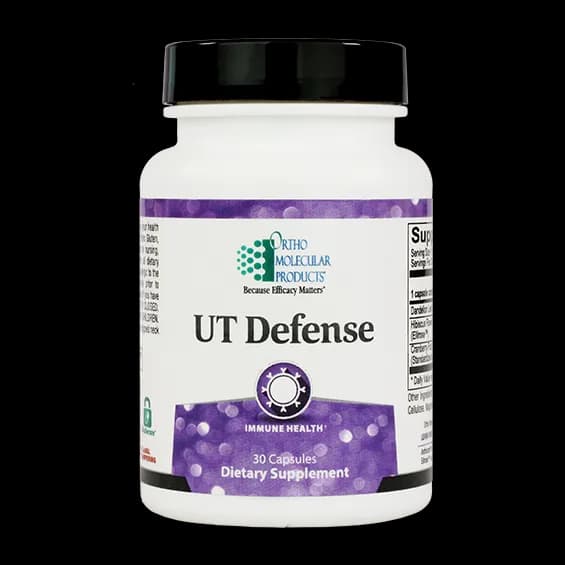
When standard urine cultures repeatedly come back negative despite agonizing UTI-like symptoms, or when actual bacterial infections become a chronic, monthly occurrence, patients are often left feeling dismissed and frustrated. The traditional approach of prescribing repeated courses of antibiotics can further disrupt the delicate microbiome, leading to a cycle of resistance and gastrointestinal distress. This is where targeted, science-backed botanical support becomes a vital component of a comprehensive management strategy. UT Defense by Ortho Molecular is a specialized formula designed to address the root mechanisms of urinary tract health. By combining standardized cranberry extract, dandelion leaf, and a patented hibiscus flower extract, this supplement offers a multi-targeted approach to promoting microbial balance, supporting healthy detoxification, and naturally flushing out urinary passages. In this comprehensive guide, we will explore the intricate biology of the urinary system, how chronic illness disrupts it, and the precise molecular mechanisms by which UT Defense supports bladder health.
TL;DR
UT Defense offers targeted botanical support for urinary tract health in patients with complex chronic conditions.
Cranberry PACs may help prevent bacterial adhesion to the bladder wall, supporting a healthy urinary tract.
Hibiscus extract supports a healthy microbial balance and naturally lowers urinary pH.
Dandelion leaf acts as a natural diuretic to help mechanically flush out the urinary tract.
What is UT Defense?
The Anatomy of Urinary Tract Health
To understand how a targeted botanical formula like UT Defense works, it is essential to first understand the natural function of the urinary system in a healthy body. The urinary tract is a continuous, highly specialized biological plumbing system composed of the kidneys, ureters, bladder, and urethra. Its primary role is to filter waste products, excess ions, and toxins from the bloodstream, converting them into urine for safe elimination. The kidneys act as the master filtration plants, processing approximately 200 quarts of blood daily to produce about 1 to 2 quarts of urine. This fluid then travels down the ureters to the bladder, a balloon-like muscular organ lined with a highly specialized, waterproof barrier known as the urothelium. This barrier prevents toxic waste products from seeping back into the bloodstream or irritating the underlying nerve endings and muscle tissues.
In a healthy state, the urinary tract maintains a delicate, dynamic equilibrium. It is not entirely sterile; like the gut, it possesses its own unique microbiome, consisting of beneficial bacteria that help maintain an acidic environment hostile to pathogens. The physical act of urination itself is a critical defense mechanism. When the bladder fills, stretch receptors send signals to the brain, which then coordinates the relaxation of the sphincter and the contraction of the detrusor muscle (the bladder wall). This coordinated mechanical flushing forcefully expels any opportunistic bacteria that may have entered the urethra before they can adhere to the bladder wall and multiply. Furthermore, the urothelium is coated in a protective glycosaminoglycan (GAG) layer, a slippery mucous membrane that acts as a physical shield against both bacterial attachment and the irritating acidity of the urine itself.
The Synergistic Triad of UT Defense
UT Defense is formulated to support and enhance these natural biological defenses through a synergistic triad of botanical extracts. The first key ingredient is Anthocran®, a highly concentrated cranberry fruit extract standardized to contain exactly 36 mg of proanthocyanidins (PACs). As research has noted, cranberries have been used widely for the prevention and treatment of UTIs, though the cited review does not specify the 36 mg threshold for helping to prevent bacterial adhesion. Unlike generic cranberry juice, which is often loaded with sugar and lacks standardized active compounds, Anthocran provides a precise, therapeutic dose of the specific A-type PACs necessary for anti-adhesion activity. This ensures that the primary mechanism of bacterial colonization is effectively neutralized at the molecular level.
The second component is Ellirose™, a patented extract derived from the flower and calyx of the hibiscus plant (Hibiscus sabdariffa). While cranberry may help prevent bacteria from sticking, hibiscus extract actively alters the microbial environment. Ellirose is rich in specific phenolic compounds and organic acids that naturally lower the pH of the urine, creating a bacteriostatic environment that inhibits the replication of pathogens. Clinical studies have shown that this extract promotes a healthy microbial balance by directly decontaminating the urinary tract, reducing the overall bacterial load without disrupting the beneficial flora in the way that broad-spectrum antibiotics often do.
The final pillar of the UT Defense formula is Dandelion Leaf Extract (Taraxacum officinale). In traditional herbal medicine, dandelion leaf is revered as a potent, natural diuretic. Its inclusion in this formula serves a vital mechanical purpose: it stimulates the kidneys to increase urine production and frequency. By promoting robust diuresis, dandelion leaf ensures that the bacteria neutralized by the hibiscus extract and detached by the cranberry PACs are rapidly and effectively flushed out of the body. Furthermore, because dandelion leaf is naturally rich in potassium, it acts as a potassium-sparing diuretic, supporting healthy fluid balance without depleting essential electrolytes, a crucial consideration for patients managing autonomic dysfunction.
How Long COVID, Dysautonomia, and MCAS Impact the Urinary System
Post-Viral Dysautonomia and Neurogenic Bladder
For patients navigating the complexities of Long COVID and ME/CFS, the urinary tract is often a major site of dysfunction, primarily due to the profound impact these conditions have on the autonomic nervous system (ANS). Dysautonomia, a hallmark feature of Long COVID, occurs when the ANS—which controls involuntary bodily functions like heart rate, digestion, and bladder control—loses its ability to regulate properly. The bladder relies on a highly synchronized dance between the sympathetic nervous system (which tells the bladder to relax and store urine) and the parasympathetic nervous system (which signals the bladder muscle to contract and empty). When viral infection or post-viral neuroinflammation damages these autonomic pathways, patients often develop a condition known as neurogenic bladder. This can manifest as urinary retention, where the bladder fails to empty completely, leaving stagnant pools of urine that serve as perfect breeding grounds for bacterial overgrowth and recurrent UTIs.
The neurological disruption in Long COVID extends beyond simple mechanical failure. Post-viral neuroinflammation can amplify sensory signaling along the nerves that innervate the bladder. This sensory nerve amplification means that the nerves lining the bladder become hyper-excitable. The brain may falsely receive signals that the bladder is full or infected, triggering severe urgency, frequency, and pelvic pain even when the bladder is nearly empty. This phenomenon, often referred to as a "phantom UTI," drives patients to seek repeated antibiotic treatments for infections that do not actually exist, further complicating their clinical picture and disrupting their microbiome. Understanding this neurological component is crucial for patients learning about autoimmunity and immune dysregulation in Long COVID.
Mast Cell Activation and Interstitial Cystitis
Another critical piece of the puzzle is Mast Cell Activation Syndrome (MCAS), a condition highly comorbid with Long COVID, ME/CFS, and dysautonomia. Mast cells are the sentinels of the immune system, stationed in connective tissues throughout the body, including a very high concentration within the mucosal lining of the bladder. In MCAS, these cells become hypersensitive and inappropriately degranulate, releasing a flood of inflammatory mediators like histamine, tryptase, and cytokines without a true allergic trigger. When mast cells in the bladder activate, they unleash a localized inflammatory storm that directly damages the protective glycosaminoglycan (GAG) layer of the urothelium.
This mast cell-driven inflammation is the primary mechanism behind Interstitial Cystitis (IC), also known as Bladder Pain Syndrome. The release of histamine in the bladder tissue not only causes burning and pain but also triggers erratic contractions of the detrusor muscle, leading to symptoms of an overactive bladder. Furthermore, the inflammatory mediators released by mast cells can directly sensitize the local nerve endings, creating a vicious cycle of neurogenic inflammation. The nerves release neuropeptides like Substance P, which in turn trigger more mast cells to degranulate. This self-perpetuating cycle explains why patients with MCAS often experience debilitating bladder flares in response to seemingly benign triggers like certain foods, stress, or minor temperature changes. For those managing these complex immune responses, exploring targeted therapies like Ketotifen for MCAS and Long COVID can provide systemic relief that complements localized bladder support.
The Vicious Cycle of Stagnation and Infection
When dysautonomia-induced urinary retention collides with MCAS-driven bladder inflammation, a vicious cycle emerges. The inflamed, damaged urothelium is highly susceptible to bacterial colonization, while the stagnant urine resulting from incomplete bladder emptying provides the perfect medium for pathogens to multiply. Even minor bacterial presence, which a healthy bladder would easily flush away, can trigger a massive, disproportionate immune response in an MCAS-sensitized bladder. This leads to frequent, severe, and difficult-to-treat UTIs. Furthermore, the chronic use of antibiotics to treat these infections can disrupt the delicate balance of the gut and urinary microbiomes, potentially exacerbating systemic inflammation and mast cell reactivity. Breaking this cycle requires a multifaceted approach that addresses both the mechanical flushing of the bladder and the modulation of the localized microbial environment, which is precisely the therapeutic target of the botanical extracts found in UT Defense.
UT Defense: Supporting Microbial Balance and Bladder Function
Cranberry PACs and the Anti-Adhesion Mechanism
The primary defense mechanism offered by UT Defense centers on the highly specific molecular action of cranberry proanthocyanidins (PACs). To cause an infection, uropathogenic Escherichia coli (UPEC)—the bacteria responsible for up to 90% of uncomplicated UTIs—must first anchor themselves to the uroepithelial cells lining the bladder. They achieve this using hair-like surface appendages called P-fimbriae, which act like microscopic grappling hooks that bind to specific receptor sites on the bladder wall. If the bacteria cannot attach, they cannot colonize, multiply, or cause an infection; they are simply washed away with the next urination. The Anthocran® extract in UT Defense provides a standardized 36 mg dose of PACs, which research suggests is the clinical threshold required to help disrupt this adhesion process.
At the biochemical level, cranberry PACs are unique because they contain double A-type ether bonds (C2-O-C7 and C2-O-C5). Most other polyphenol-rich foods, like chocolate or grapes, contain B-type linkages, which do not possess anti-adhesion properties. Scientific studies have shown that these specific A-type PACs bind directly to the P-fimbriae of the E. coli bacteria, physically altering their shape and neutralizing their ability to latch onto the bladder's cellular receptors. By maintaining a steady concentration of these A-type PACs in the urine, UT Defense creates a slippery, inhospitable environment where bacteria are essentially disarmed. This mechanism is particularly crucial for patients with neurogenic bladder or urinary retention, as it helps prevent the stagnant bacteria from establishing a foothold in the urinary tract.
Hibiscus Extract (Ellirose™) for Direct Decontamination
While cranberry helps prevent bacterial attachment, the Ellirose™ hibiscus flower extract in UT Defense provides a complementary bacteriostatic and decontaminating effect. Hibiscus sabdariffa is rich in specific phytochemicals, including anthocyanidins, flavonoids, and a high concentration of organic acids like protocatechuic acid. When these compounds are metabolized and excreted into the urine, they actively alter the localized microenvironment. The organic acids naturally lower the urinary pH, creating a more acidic environment that is hostile to the replication of E. coli and other opportunistic pathogens like Candida albicans. This acidification is a gentle, natural process that mimics the body's own defensive mechanisms, unlike the harsh, indiscriminate eradication caused by broad-spectrum antibiotics.
Furthermore, the phenolic compounds in Ellirose exert a direct antimicrobial effect. In vitro laboratory studies have demonstrated that these specific hibiscus extracts can significantly reduce the bacterial load in simulated urinary environments within just 24 hours. By inhibiting the growth and proliferation of pathogens, Ellirose helps to restore and maintain a healthy microbial balance in the urinary tract. This is especially beneficial for patients dealing with chronic, low-grade infections or those who experience recurrent UTIs due to a disrupted microbiome. The synergistic action of helping to prevent adhesion (via cranberry) and inhibiting growth (via hibiscus) provides a robust, two-tiered defense against urinary tract dysbiosis. Patients looking to further support their immune defenses may also consider integrating Ascorbic Acid Powder for immune support alongside targeted botanical therapies.
Dandelion Leaf for Mechanical Flushing
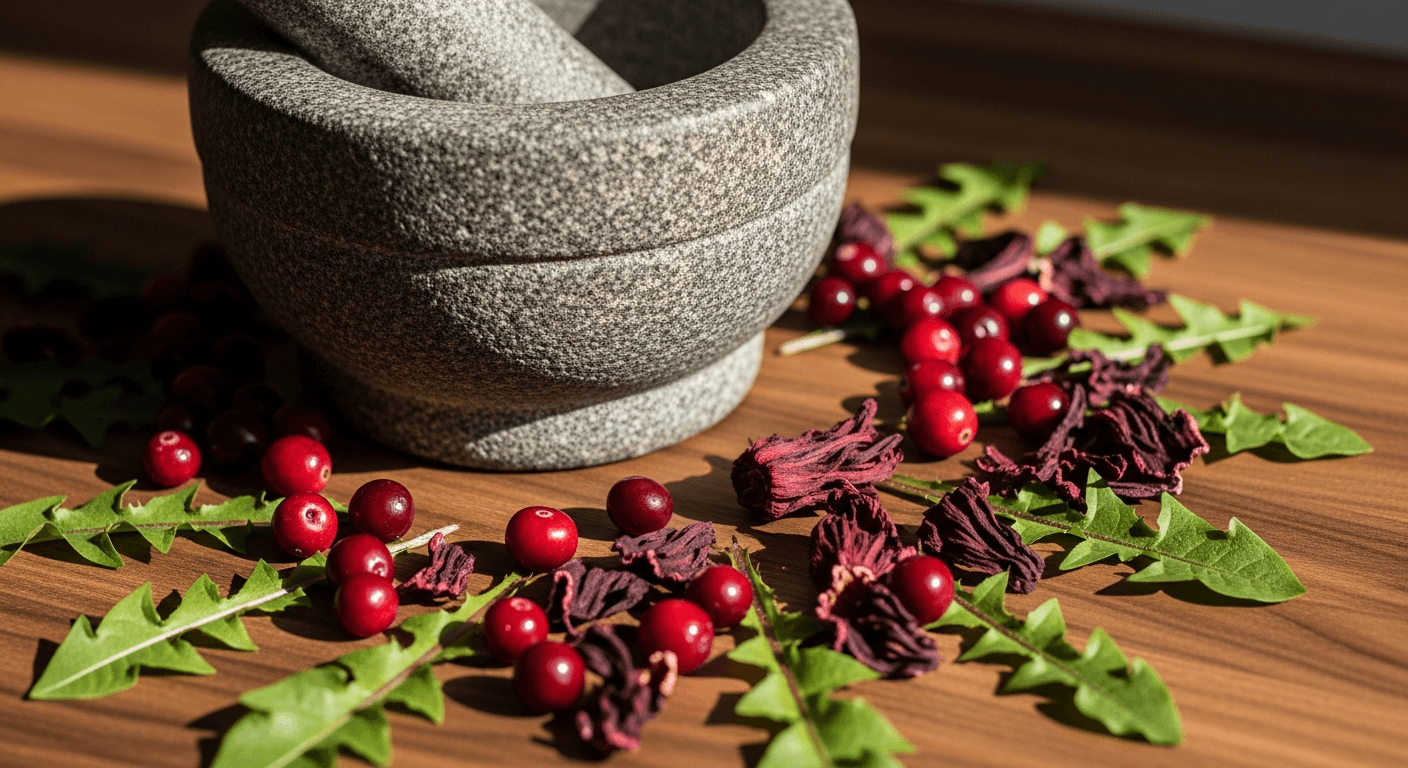
The final, critical component of the UT Defense mechanism is the mechanical flushing facilitated by Dandelion Leaf Extract (Taraxacum officinale). In the context of dysautonomia and neurogenic bladder, where urinary stagnation is a primary driver of infection, increasing the volume and frequency of urination is a vital therapeutic goal. Dandelion leaf acts as a potent, natural aquaretic (a substance that promotes the excretion of water without excessive loss of electrolytes). It contains specific sesquiterpene lactones and phenolic compounds that stimulate the kidneys to increase the glomerular filtration rate, thereby increasing urine production. This enhanced diuresis ensures that the bacteria disarmed by the cranberry PACs and inhibited by the hibiscus extract are swiftly and efficiently expelled from the body.
Crucially, unlike pharmaceutical diuretics that often strip the body of essential minerals, dandelion leaf is naturally abundant in potassium. Clinical research has investigated the diuretic effect of dandelion leaf extract in human subjects, though the cited text does not explicitly detail its potassium content or potassium-sparing properties. This means it promotes the necessary flushing action without causing the dangerous electrolyte imbalances that can exacerbate dysautonomia symptoms like tachycardia and orthostatic intolerance. Additionally, dandelion leaf possesses its own intrinsic anti-inflammatory and antioxidant properties, helping to soothe the irritated urothelium and reduce the localized oxidative stress caused by chronic infections and mast cell activation. This comprehensive, multi-targeted approach makes UT Defense a highly effective tool for managing the complex urinary symptoms associated with chronic illness.
Symptoms UT Defense May Help Manage
For patients managing the complex, overlapping symptoms of Long COVID, ME/CFS, dysautonomia, and MCAS, UT Defense offers targeted support for several challenging urinary and pelvic issues. By addressing the root mechanisms of bacterial adhesion, microbial imbalance, and urinary stagnation, this botanical formula can help alleviate a range of debilitating symptoms.
Recurrent Urinary Tract Infections (UTIs): The standardized 36 mg dose of cranberry PACs physically binds to the P-fimbriae of E. coli bacteria, helping to prevent them from anchoring to the bladder wall. This anti-adhesion mechanism may help stop infections before they can take root, supporting a reduction in the frequency of recurrent bacterial UTIs.
Urinary Urgency and Frequency: By neutralizing bacteria and utilizing the soothing, anti-inflammatory properties of hibiscus and dandelion, UT Defense helps calm the irritated urothelium. This reduction in localized inflammation can decrease the hyper-excitability of the bladder's sensory nerves, alleviating the constant, burning urge to urinate often experienced in "phantom UTIs" and interstitial cystitis.
Bladder Pain and Spasms: The organic acids in the Ellirose hibiscus extract help to gently acidify the urine and inhibit pathogen growth, while the overall formula supports the integrity of the bladder lining. Reducing the bacterial load and inflammatory triggers helps minimize the mast cell degranulation that drives excruciating bladder pain and erratic detrusor muscle spasms.
Urinary Stagnation and Retention: The natural diuretic action of dandelion leaf extract stimulates the kidneys to increase urine volume and frequency. This mechanical flushing is crucial for patients with dysautonomia-induced neurogenic bladder, as it helps clear out stagnant pools of urine that serve as breeding grounds for bacteria, ensuring a more complete and healthy voiding process.
Microbiome Disruption from Antibiotics: By offering a non-antibiotic, botanical approach to urinary tract support, UT Defense may help patients break the cycle of chronic antibiotic use. The bacteriostatic action of hibiscus promotes a healthy microbial balance in the urinary tract without indiscriminately wiping out the beneficial flora in the gut and bladder, supporting overall systemic immune health.
Practical Considerations: Forms, Dosing, and Absorption
The Importance of Standardized Extracts
When incorporating botanical supplements into a chronic illness management protocol, the quality, standardization, and bioavailability of the extracts are paramount. The efficacy of UT Defense relies entirely on the precise concentration of its active phytochemicals. For example, the Anthocran® cranberry extract is meticulously standardized to deliver exactly 36 mg of soluble A-type proanthocyanidins (PACs). Over-the-counter cranberry juices or generic powders often contain highly variable, sub-therapeutic levels of PACs, or utilize insoluble PACs derived from cranberry presscake, which cannot be properly metabolized and excreted into the urinary tract. By utilizing a standardized extract, UT Defense ensures a consistent, therapeutic dose with every capsule.
Similarly, the Ellirose™ hibiscus extract is a patented formulation that guarantees a specific profile of bioactive compounds, including ≥ 45% phenolic compounds and ≥ 40% organic acids. This standardization ensures that the extract possesses the necessary potency to effectively lower urinary pH and exert its bacteriostatic effects. The extraction methods used for these botanicals are designed to maximize bioavailability, ensuring that the active compounds survive the digestive process, enter the bloodstream, and are efficiently filtered by the kidneys into the urinary tract where they exert their localized therapeutic effects. For patients managing complex immune dysregulation, ensuring high-quality, bioavailable inputs is a core principle, similar to the strategies discussed in our guide on Aller-Essentials for immune management.
Optimal Timing and Hydration Strategies
To maximize the efficacy of UT Defense, strategic timing and proper hydration are essential. The suggested use is typically one capsule per day, but the timing can be optimized based on individual symptom patterns. For patients prone to morning UTIs due to nighttime urinary stagnation, taking the supplement in the evening before bed can be highly beneficial. This ensures that the cranberry PACs and hibiscus organic acids are concentrated in the bladder overnight, providing a protective, anti-adhesion shield during the longest period of urinary retention. Alternatively, for those who experience symptoms primarily during the day, a morning dose may be more appropriate to support continuous mechanical flushing via the dandelion leaf extract.
Hydration plays a synergistic role in the mechanism of this supplement. Because the dandelion leaf extract acts as a natural diuretic to flush out neutralized bacteria, its effectiveness is heavily dependent on adequate fluid intake. Patients should aim to consume sufficient water throughout the day to facilitate this mechanical flushing process. However, patients with dysautonomia, particularly those with Postural Orthostatic Tachycardia Syndrome (POTS), must balance this increased fluid intake with their specific sodium and electrolyte requirements to maintain blood volume and help manage orthostatic intolerance. The potassium-sparing nature of the dandelion leaf in UT Defense helps mitigate the risk of electrolyte depletion, but mindful hydration remains a critical component of the overall therapeutic strategy.
Safety, Contraindications, and Interactions
While UT Defense is formulated with natural botanical extracts, it is important to consider potential interactions and contraindications, especially for patients with complex chronic illnesses taking multiple medications. The dandelion leaf extract, due to its diuretic properties, may interact with pharmaceutical diuretics (such as furosemide or hydrochlorothiazide), potentially compounding their effects and leading to excessive fluid loss or altered potassium levels. Patients taking lithium should also exercise caution, as diuretics can decrease the kidneys' ability to clear lithium from the body, potentially leading to toxicity. Furthermore, while the potassium-sparing nature of dandelion is generally beneficial, patients with advanced chronic kidney disease or those taking potassium-sparing medications (like spironolactone) should consult their healthcare provider to avoid hyperkalemia.
Additionally, the organic acids in the hibiscus extract that gently lower urinary pH may interact with certain medications that require a specific urinary pH for optimal absorption or excretion. While UT Defense is generally well-tolerated and offers a safe alternative to chronic prophylactic antibiotic use, it is not a replacement for acute medical treatment. If a patient develops symptoms of a severe, ascending kidney infection—such as high fever, severe flank pain, or systemic chills—immediate medical attention and appropriate antibiotic therapy are required. Always consult with a knowledgeable healthcare professional before adding any new supplement to a complex chronic illness protocol to ensure it aligns safely with your specific medical history and current medications.
Follow the Science
Clinical Evidence for Cranberry PACs
The use of botanical extracts for urinary tract health is supported by a robust and growing body of scientific literature, moving these interventions from traditional folklore into the realm of evidence-based clinical practice. The most extensively researched component of UT Defense is the cranberry proanthocyanidins (PACs).
Furthermore, the American Urological Association (AUA) has increasingly emphasized the need for non-antibiotic alternatives to manage recurrent UTIs due to the escalating global crisis of antibiotic resistance. Clinical trials comparing a 36 mg PAC supplement to a daily low-dose antibiotic regimen have yielded compelling results. While antibiotics slightly outperformed the cranberry supplement in absolute infection prevention, the long-term consequences were starkly different. In one study, 86.3% of the women on the antibiotic regimen developed antibiotic-resistant E. coli strains within a single month. In contrast, only 23.7% of the women in the cranberry group showed resistant strains. This highlights the profound value of the anti-adhesion mechanism: by physically blocking the bacteria rather than attempting to kill them, cranberry PACs do not exert the selective evolutionary pressure that drives antibiotic resistance.
Validating Hibiscus and Dandelion Extracts
The clinical efficacy of the Ellirose™ hibiscus extract is similarly well-documented. The foundational human clinical trial validating this specific patented extract was a double-blind, randomized, placebo-controlled study led by Dr. F.A. Allaert. The study evaluated women suffering from severe, recurrent UTIs (defined as 8 or more infections per year). The results were highly significant: women taking 200 mg of Ellirose daily experienced a 56% decrease in urinary symptoms within the first 3 months. Over the full 6-month trial period, the incidence of UTIs plummeted by 77% to 89%, compared to a mere 20% reduction in the placebo group. Patients also reported statistically significant reductions in pain during urination, validating the extract's ability to soothe the urothelium and restore microbial balance.
Dandelion leaf (Taraxacum officinale) has also been subjected to rigorous scientific scrutiny to validate its traditional use as a diuretic. A pivotal pilot study published in The Journal of Alternative and Complementary Medicine evaluated the diuretic effect of a high-quality dandelion leaf extract in healthy human volunteers. The researchers recorded a statistically significant increase (p < 0.05) in urinary frequency and a significant increase (p < 0.001) in the fluid excretion ratio during the 5-hour periods following administration. This data confirms that dandelion leaf is a fast-acting, effective natural diuretic capable of providing the mechanical flushing action necessary to clear disarmed pathogens from the urinary tract. When combined, these three scientifically validated botanicals create a comprehensive, multi-targeted defense system against urinary tract dysfunction.
The Path Forward
Integrating Urinary Support into Your Protocol
Living with the overlapping complexities of Long COVID, ME/CFS, dysautonomia, and MCAS requires immense resilience. The daily management of invisible, unpredictable symptoms can be exhausting, and the addition of severe pelvic pain, urinary urgency, and recurrent infections only compounds that burden. It is entirely valid to feel frustrated when standard medical tests fail to capture the reality of your symptoms, or when traditional treatments like repeated antibiotics seem to cause more harm than good. Acknowledging that your urinary symptoms are a real, physiological manifestation of autonomic and immune dysregulation is a crucial first step toward finding effective, targeted relief.
A Hopeful Outlook
While there is no single miracle cure for the systemic disruptions caused by chronic illness, a strategic, multi-targeted approach can significantly improve your quality of life. Supplements like UT Defense offer a scientifically grounded method for supporting your body's natural biological defenses. By utilizing standardized botanical extracts to help prevent bacterial adhesion, promote a healthy microbial balance, and facilitate the mechanical flushing of the bladder, you can break the vicious cycle of chronic urinary tract inflammation and infection. This targeted support, when combined with systemic management strategies like pacing, nervous system regulation, and mast cell stabilization, can help you regain control over your symptoms and your daily life.
Disclaimer: This content is for educational purposes only and is not intended as medical advice. Supplements can interact with medications and may not be suitable for everyone. Always consult with your healthcare provider before starting any new supplement, especially if you have a complex chronic condition, are pregnant, or are taking prescription medications.