Can Undecylenic Acid Support Gut Health and Manage Long COVID Symptoms?
March 6, 2026
Undecylenic AcidLong COVIDGut Health
Share:
Disclaimer: The information provided here is for educational purposes only and is not intended as medical advice. It should not be used to diagnose, treat, cure, or prevent any medical condition. Instead, use it as a starting point for discussion with your healthcare provider. Always consult with a qualified healthcare provider before starting any new medication, supplement, device, or making changes to your health regimen.
Months or even years after recovering from an initial viral infection, many individuals find themselves battling a complex web of debilitating symptoms. Whether diagnosed with Long COVID, myalgic encephalomyelitis/chronic fatigue syndrome (ME/CFS), mast cell activation syndrome (MCAS), or dysautonomia, the daily reality often involves profound fatigue, unpredictable heart rates, and a pervasive brain fog that makes simple tasks feel insurmountable. For many patients, the search for answers leads down a frustrating path of normal blood tests and dismissed symptoms. However, emerging research in functional medicine and microbiome science is illuminating a crucial, often overlooked piece of the chronic illness puzzle: the profound impact of gastrointestinal dysbiosis and fungal overgrowth.
When the delicate ecosystem of the gut microbiome is disrupted by viral infections, chronic stress, or repeated antibiotic use, opportunistic pathogens like Candida albicans can proliferate unchecked. This fungal overgrowth acts as a constant trigger for immune hyperactivation and systemic inflammation. Enter undecylenic acid, a potent, naturally occurring fatty acid that has been utilized for decades to restore microbial balance. By specifically targeting and neutralizing invasive fungal species without eradicating beneficial bacteria, undecylenic acid offers a targeted approach to healing the gut barrier. In this comprehensive guide, we will explore the intricate biochemistry of undecylenic acid, how it outperforms other fatty acids like caprylic acid, and why supporting a healthy balance of gut flora is a vital step in managing the complex symptoms of Long COVID and related chronic conditions.
TL;DR
Undecylenic acid is a natural fatty acid that supports gut balance by targeting fungal overgrowth.
It may help manage Long COVID, ME/CFS, and MCAS symptoms by supporting the intestinal barrier.
Research suggests it is more effective than caprylic acid at maintaining healthy gastrointestinal flora.
What is Undecylenic Acid?
The Chemical Structure of a Potent Fatty Acid
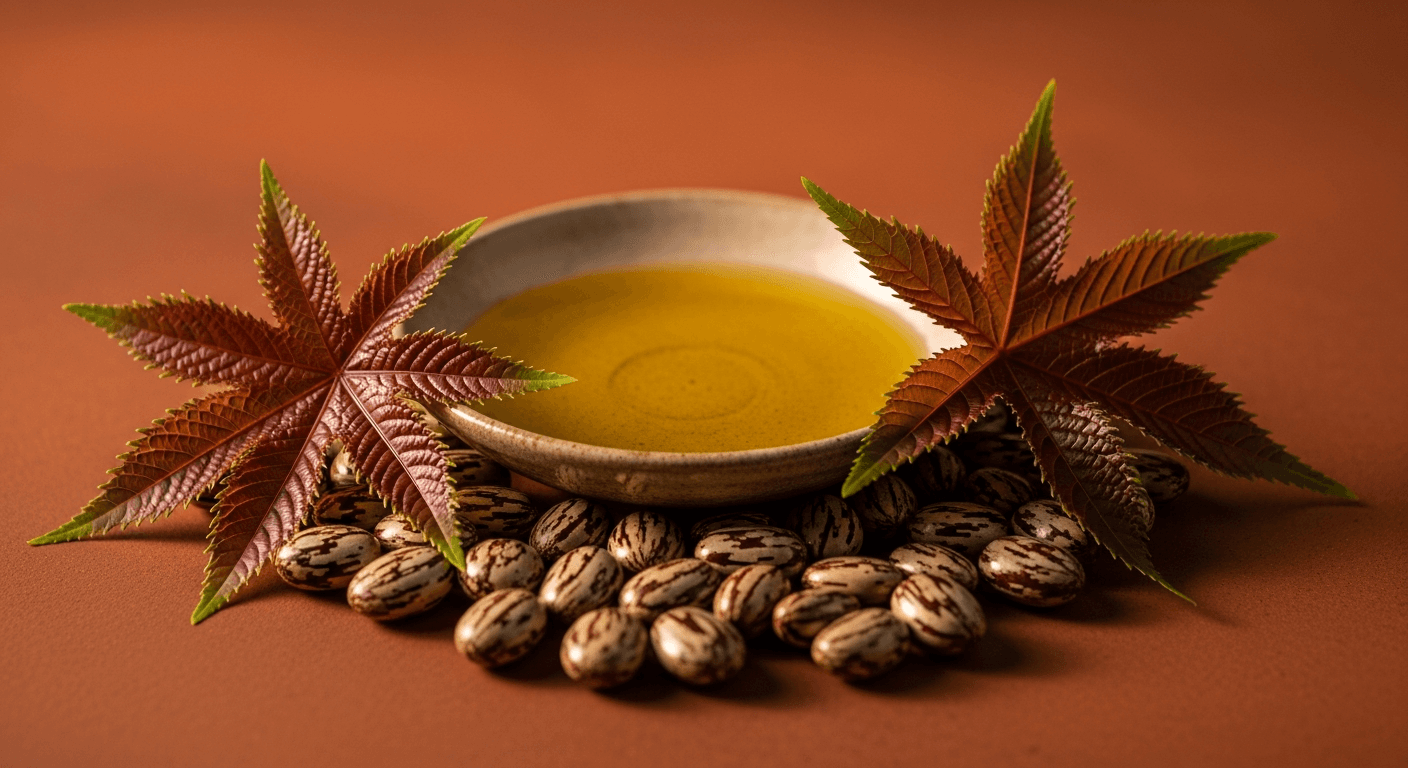
Undecylenic acid, also known scientifically as 10-undecenoic acid, is an 11-carbon monounsaturated fatty acid. In the human body, it is naturally produced in very small, trace amounts within human sweat, where it serves as a mild, innate antimicrobial barrier on the skin. Commercially and therapeutically, it is derived from the vacuum distillation and pyrolysis of ricinoleic acid, a compound extracted from castor bean oil. As a dietary supplement, it has been utilized for over half a century, primarily recognized for its profound ability to maintain a healthy balance of gastrointestinal and vaginal flora by selectively targeting undesirable microorganisms.
To understand how undecylenic acid functions, it is essential to look at its unique molecular architecture. Fatty acids are categorized by the length of their carbon chains. Undecylenic acid is a medium-chain fatty acid (MCFA) with an 11-carbon backbone. Crucially, it is "monounsaturated," meaning it contains a single double bond between its 10th and 11th carbon atoms. This specific double bond creates a structural "kink" in the molecule. When undecylenic acid comes into contact with undesirable microbes, this kinked structure allows it to seamlessly integrate into their lipid cellular membranes, disrupting their tightly packed structural integrity.
This membrane disruption is the first step in undecylenic acid's mechanism of action. By inserting itself into the microbial envelope, it increases the fluidity and permeability of the cell membrane. Essential intracellular components, such as potassium ions, begin to leak out of the microbe, leading to cellular atrophy (shrinking) and eventual death. This highly targeted physical disruption makes undecylenic acid an exceptionally potent tool for managing microbial imbalances, particularly those involving opportunistic fungi and yeasts that thrive in a compromised gastrointestinal tract.
Targeting Fungal Virulence Factors
Beyond simple membrane disruption, undecylenic acid exerts profound biochemical effects on the lifecycle and virulence of opportunistic fungi, most notably Candida albicans. In a healthy gut, Candida exists as a benign, single-celled, round yeast. However, when the gut environment becomes compromised, it can undergo "morphogenesis"—a structural mutation where it transforms into an invasive, multicellular, thread-like form known as a hypha. These hyphae act like microscopic roots, piercing the intestinal lining and causing severe tissue damage.
Undecylenic acid acts as a powerful inhibitor of this morphological transition. In vitro studies have demonstrated that at specific concentrations, undecylenic acid completely abolishes the ability of Candida to switch from its benign yeast phase to its pathogenic hyphal phase. It achieves this by interfering with the fungus's internal signaling pathways, specifically downregulating the transcription of the HWP1 (Hyphal Wall Protein 1) gene. Without the expression of this critical gene, the yeast is locked in its harmless state, unable to grow the invasive appendages required to damage the human host.
Furthermore, undecylenic acid heavily disrupts the formation of fungal biofilms. Biofilms are dense, sticky, extracellular matrices that fungi secrete to protect themselves from the host's immune system and from standard antimicrobial treatments. By downregulating the hydrolytic enzymes required to build and maintain these protective shields, undecylenic acid strips away the yeast's defenses, leaving the undesirable microbes exposed and vulnerable to eradication, thereby promoting a healthier, more balanced gut ecosystem.
Selective Action and Microbiome Sparing
One of the most significant advantages of undecylenic acid is its selective mechanism of action. Broad-spectrum antibiotics and harsh synthetic antimicrobials often act like a scorched-earth campaign in the gut, wiping out both pathogenic invaders and the beneficial bacteria (like Bifidobacteria and Lactobacilli) that are essential for digestion, immune regulation, and neurotransmitter production. This indiscriminate destruction frequently leaves the gut vulnerable to secondary infections and severe, long-term dysbiosis.
In contrast, undecylenic acid primarily targets the unique lipid structures and signaling pathways of opportunistic fungi and specific undesirable bacteria. Because beneficial probiotic strains do not rely on the HWP1 gene or the same ergosterol-based cell membranes as fungi, they are largely spared from undecylenic acid's disruptive effects. This targeted action allows undecylenic acid to act as a "weeding" agent in the gut. By clearing out the overgrowth of pathogenic yeast and breaking down their territorial biofilms, it creates the physical space and ecological opportunity for beneficial, health-promoting bacteria to recolonize and thrive.
How Chronic Illness Impacts the Gut Microbiome
The Post-Viral Microbiome Collapse
To understand why undecylenic acid is so relevant to complex chronic illnesses, we must first examine how conditions like Long COVID and ME/CFS fundamentally alter the gastrointestinal ecosystem. The human gut microbiome is a delicate balance of trillions of microorganisms. In a healthy state, beneficial bacteria produce short-chain fatty acids (SCFAs), such as butyrate, which keep the intestinal environment slightly acidic. This acidity is a natural deterrent, keeping opportunistic fungi like Candida albicans in check and helping to keep them from overgrowing.
However, an acute viral infection—such as SARS-CoV-2—can trigger a massive, systemic inflammatory response that devastates this microbial balance. The virus can directly infect the enterocytes (the cells lining the gut), leading to severe gastrointestinal distress and a rapid die-off of beneficial, SCFA-producing bacteria. Furthermore, the frequent use of broad-spectrum antibiotics during the acute phase of illness further decimates the native flora. Without the protective, acidic environment maintained by beneficial bacteria, the gut pH shifts to a more alkaline state, creating the perfect breeding ground for fungal overgrowth.
This post-viral fungal bloom is not merely a localized digestive issue; it is a systemic driver of chronic illness. As Candida proliferates unchecked, it competes with the host for vital nutrients, leading to cellular starvation and exacerbating the profound fatigue seen in ME/CFS and Long COVID. More critically, this dysbiosis initiates a cascade of immune and neurological dysfunctions that perpetuate the cycle of chronic illness, making recovery incredibly difficult without targeted microbiome intervention.
Leaky Gut and Systemic Endotoxemia
As opportunistic fungi overgrow in the post-viral gut, they undergo the morphological transition from benign yeast to invasive hyphae. These thread-like structures physically puncture the tight junctions of the intestinal epithelium—the critical barrier that separates the contents of the gut from the bloodstream. This structural damage results in increased intestinal permeability, commonly referred to as "leaky gut." When the gut barrier is compromised, it loses its ability to selectively filter what enters the systemic circulation.
Consequently, fungal mycotoxins (such as acetaldehyde), undigested food particles, and bacterial endotoxins like lipopolysaccharides (LPS) flood into the bloodstream. This phenomenon, known as endotoxemia, triggers a massive, systemic immune response. The immune system recognizes these foreign particles as a severe threat, deploying inflammatory cytokines (like TNF-alpha and IL-6) throughout the body. This chronic, low-grade systemic inflammation is a hallmark of Long COVID and ME/CFS, driving symptoms like severe joint pain, muscle aches, and the debilitating post-exertional malaise (PEM) that leaves patients bedbound after minor exertion.
Furthermore, these circulating endotoxins can cross the blood-brain barrier, binding to Toll-like receptors (TLR4) on the brain's immune cells (microglia). This triggers profound neuroinflammation, which manifests clinically as the severe, unrelenting brain fog, cognitive impairment, and memory loss that so many patients with complex chronic conditions experience daily.
Mast Cell Activation and Autonomic Dysfunction
The consequences of fungal dysbiosis extend deeply into the immune and nervous systems, particularly affecting mast cells and the vagus nerve. Mast cells are immune sentinels that heavily populate the mucosal lining of the gastrointestinal tract. They are equipped with specific receptors (like Dectin-1) that are designed to detect beta-glucans, a primary component of fungal cell walls. When Candida overgrows, it constantly stimulates these mast cell receptors, forcing the cells into a state of chronic hyper-reactivity.
This constant stimulation causes the mast cells to degranulate, releasing massive quantities of histamine, tryptase, and prostaglandins into the surrounding tissues and bloodstream. This chronic histamine dump is a primary driver of mast cell activation syndrome (MCAS), leading to unpredictable allergic reactions, severe food intolerances, flushing, and gastrointestinal cramping. The constant barrage of histamine and inflammatory cytokines also irritates the vagus nerve, the primary superhighway of the parasympathetic nervous system.
When the vagus nerve is chronically inflamed by gut-derived endotoxins and histamine, it loses its ability to properly regulate autonomic functions. This autonomic neuropathy is a core mechanism behind dysautonomia and Postural Orthostatic Tachycardia Syndrome (POTS). The brain struggles to communicate effectively with the heart and blood vessels, resulting in the rapid heart rates, blood pressure fluctuations, and severe dizziness that patients experience upon standing. Thus, the fungal overgrowth in the gut acts as a central engine, continuously fueling the interconnected symptoms of MCAS and dysautonomia.
Undecylenic Acid: Supporting Gut and Vaginal Flora
Restoring the Intestinal Barrier
When addressing the complex web of symptoms in Long COVID, ME/CFS, and dysautonomia, healing the gut barrier is a foundational step. Undecylenic acid serves as a potent, targeted intervention to halt the vicious cycle of dysbiosis and intestinal permeability. By directly integrating into the lipid membranes of opportunistic fungi, undecylenic acid destabilizes these pathogens at a cellular level. It rapidly increases membrane permeability in undesirable microbes, causing them to leak essential intracellular ions and eventually undergo apoptosis (cell death).
More importantly, undecylenic acid actively prevents the structural damage that causes "leaky gut" in the first place. By downregulating the HWP1 gene, it completely blocks Candida albicans from transitioning into its invasive, tissue-destroying hyphal form. Research indicates that at concentrations above 4 mM, this morphological mutation is abolished. Without these hyphal "roots" piercing the intestinal epithelium, the tight junctions between enterocytes can begin to heal and reseal. This critical restoration of the gut barrier stops the continuous leakage of endotoxins and mycotoxins into the bloodstream, effectively cutting off the fuel supply for systemic inflammation and neuroinflammation.
As the gut barrier regains its integrity, the systemic burden on the immune system dramatically decreases. The reduction in circulating lipopolysaccharides (LPS) and acetaldehyde means that the brain's microglia are no longer constantly triggered, which can lead to a significant reduction in the severity of brain fog and cognitive fatigue. By addressing the root cause of endotoxemia at the mucosal level, undecylenic acid helps lower the overall inflammatory baseline of the body, creating a more favorable environment for cellular recovery and mitochondrial repair.
Calming Mast Cell Hyperactivation
For patients battling the unpredictable and severe flares of mast cell activation syndrome (MCAS), reducing the immunological triggers in the gut is paramount. Undecylenic acid plays a vital, indirect role in stabilizing mast cells by aggressively reducing the fungal burden in the gastrointestinal tract. Fungal cell walls are rich in beta-glucans, which are highly potent triggers for the Dectin-1 receptors located on the surface of mucosal mast cells. When fungal populations are overgrown, these receptors are constantly engaged, leading to relentless mast cell degranulation and histamine release.
By effectively eradicating fungal overgrowth and dismantling the protective biofilms that harbor these pathogens, undecylenic acid removes this constant source of antigenic stimulation. As the population of Candida and other opportunistic yeasts dwindles, the Dectin-1 receptors on the mast cells are no longer bombarded by beta-glucans. This allows the mast cells to slowly retreat from their state of hyper-vigilance and return to a normal, resting baseline.
The downstream clinical effects of this stabilization can be profound. With less histamine and fewer inflammatory prostaglandins being dumped into the systemic circulation, patients often experience a reduction in the severity and frequency of MCAS symptoms. This can manifest as improved tolerance to foods, a decrease in unprovoked allergic reactions, and a reduction in the gastrointestinal cramping and rapid heart rates that often accompany histamine flares. By clearing the fungal triggers, undecylenic acid helps break the cycle of chronic immune reactivity.
Superior Efficacy: Undecylenic Acid vs. Caprylic Acid
In the realm of natural antifungals and gut-balancing supplements, both undecylenic acid and caprylic acid are frequently discussed. Caprylic acid is an 8-carbon saturated fatty acid commonly derived from coconut oil, and while it is beneficial for general gut maintenance, clinical pharmacology demonstrates that undecylenic acid is vastly superior for addressing entrenched dysbiosis. The difference in efficacy comes down to their specific molecular structures and carbon chain lengths.
The antifungal potency of organic fatty acids generally increases with the length of their carbon chain. Because undecylenic acid has an 11-carbon chain and features a unique monounsaturated double bond, it exhibits a much higher fungicidal activity than the shorter, saturated caprylic acid. Clinical literature and historical monographs consistently cite that undecylenic acid is approximately six times more effective than caprylic acid at promoting a balanced gut environment and neutralizing opportunistic fungi.
Furthermore, while caprylic acid primarily works by causing simple membrane lysis, undecylenic acid operates on a deeper genetic and structural level. Undecylenic acid actively inhibits the HWP1 gene, halts hyphal morphogenesis, and aggressively disrupts established fungal biofilms—actions that caprylic acid struggles to achieve with the same potency. This means that undecylenic acid requires a significantly lower concentration to achieve superior clinical results, making it the preferred choice for practitioners managing complex, stubborn cases of gastrointestinal fungal overgrowth in chronically ill patients.
Symptoms Undecylenic Acid May Help Manage
Targeted Symptom Relief for Complex Conditions
By aggressively targeting fungal overgrowth, dismantling pathogenic biofilms, and supporting the restoration of the intestinal barrier, undecylenic acid addresses the root dysbiosis that drives many debilitating symptoms. While it is not a cure for complex chronic illnesses, integrating this potent fatty acid into a comprehensive management protocol can help manage and alleviate several systemic issues associated with Long COVID, ME/CFS, MCAS, and dysautonomia.
Severe Brain Fog and Cognitive Impairment: By halting the invasive hyphal growth of Candida, undecylenic acid helps seal the "leaky gut" barrier. This prevents neurotoxic fungal byproducts, such as acetaldehyde, and bacterial endotoxins (LPS) from entering the bloodstream and crossing the blood-brain barrier, thereby reducing the neuroinflammation that causes profound brain fog and memory issues.
Gastrointestinal Distress and Bloating: Fungal overgrowth in the small intestine leads to the abnormal fermentation of carbohydrates, producing excess gas, severe bloating, and unpredictable bowel habits. Undecylenic acid directly neutralizes these opportunistic yeasts, reducing fermentation and promoting optimal functioning of the gastrointestinal tract, which aids in proper nutrient absorption and waste elimination.
Mast Cell (MCAS) Flares and Histamine Intolerance: Fungal cell walls constantly trigger mast cells in the gut mucosa to degranulate and release histamine. By eradicating the fungal burden and clearing away their biofilms, undecylenic acid removes this constant immune provocation, allowing mast cells to stabilize and reducing systemic symptoms like hives, flushing, and severe food sensitivities.
Post-Exertional Malaise (PEM) and Profound Fatigue: Chronic fungal infections force the immune system into a constant, energy-draining state of hyperactivation, stealing vital ATP (cellular energy) away from the rest of the body. By clearing the infection and reducing the systemic inflammatory load, undecylenic acid helps lower the overall immune burden, preserving cellular energy and potentially reducing the severity of fatigue and PEM crashes.
Dysautonomia and POTS Exacerbations: Systemic endotoxemia from a leaky gut constantly irritates the vagus nerve, disrupting the autonomic nervous system's ability to regulate heart rate and blood pressure. By restoring gut barrier integrity and stopping the flow of endotoxins into the bloodstream, undecylenic acid helps calm the vagus nerve, which can lead to more stable autonomic function and fewer tachycardia episodes.
Recurrent Vaginal Flora Imbalances: The gastrointestinal tract serves as the primary reservoir for the body's microbiome, heavily influencing the vaginal flora. By effectively maintaining a healthy balance of microorganisms in the gut and eradicating systemic Candida reservoirs, oral supplementation with undecylenic acid provides corresponding benefits for women's health, helping to support vaginal flora balance.
Practical Considerations: Forms, Dosing, and Absorption
Bioavailability and Pharmacokinetics
When utilizing oral supplements for gastrointestinal health, understanding how the compound is absorbed and processed by the body is crucial for achieving clinical efficacy. Undecylenic acid boasts an impressive pharmacokinetic profile. Clinical pharmacology reviews indicate that oral undecylenic acid has a high bioavailability, ranging from 70% to 90%. As a medium-chain fatty acid, it is rapidly absorbed across the intestinal mucosa and enters the systemic circulation, where it is primarily transported bound to albumin.
Interestingly, undecylenic acid possesses a unique characteristic: it acts as an intestinal permeation enhancer. Studies have shown that it can safely and transiently modulate the tight junction proteins (like claudins and ZO-1) of the intestinal epithelium. This temporary modulation actually facilitates and boosts its own absorption, ensuring that a high concentration of the active compound reaches the bloodstream and systemic tissues to combat widespread fungal reservoirs. After absorption, it is metabolized by the liver via beta-oxidation, glucuronidation, and sulfation, and is eventually excreted primarily through the kidneys.
However, undecylenic acid has a relatively short biological half-life, typically lasting between 4 to 6 hours in the body. Because it is cleared from the system rapidly, taking a single large dose once a day is ineffective for maintaining the continuous antifungal pressure needed to eradicate stubborn biofilms. Therefore, therapeutic protocols require divided dosing. To maintain active, steady-state concentrations in the gastrointestinal tract and bloodstream, undecylenic acid must be taken two to three times daily.
Optimal Forms and Dosing Strategies
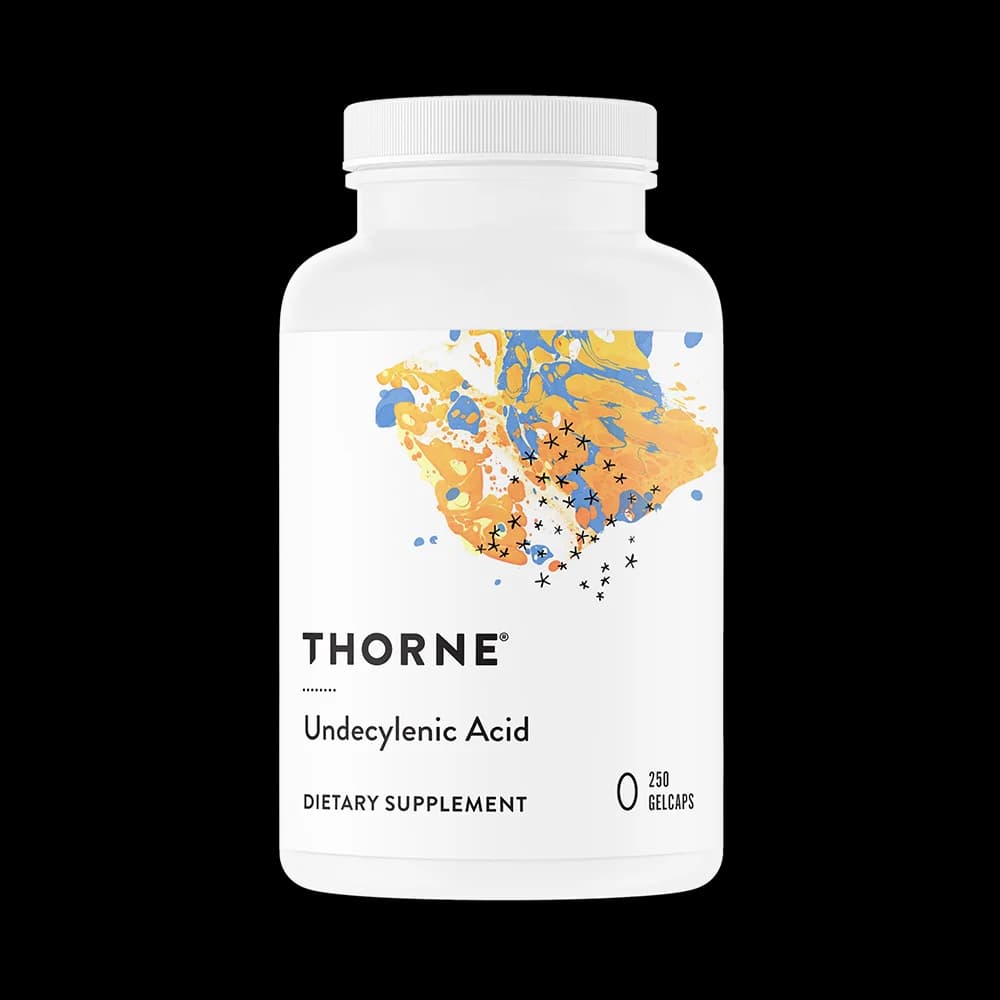
In its raw, free fatty acid form, undecylenic acid can be mildly irritating to the mucosal lining of the mouth, esophagus, and stomach. To bypass this issue and ensure the compound reaches the small and large intestines where dysbiosis primarily occurs, high-quality supplements utilize specific delivery methods. Thorne’s Undecylenic Acid (formerly known as Formula SF722) suspends 250 mg of pure 10-Undecenoic Acid in a base of extra virgin olive oil within a gelatin capsule. This lipid suspension protects the sensitive upper gastric mucosa and enhances the fat-soluble absorption of the acid in the intestines.
The suggested use for Thorne’s Undecylenic Acid is to take 5 gelcaps two to three times daily, or as recommended by a healthcare practitioner. Because it is a fat-soluble compound, it is generally best absorbed when taken alongside a meal that contains healthy fats. This not only aids in the assimilation of the fatty acid but also stimulates the release of bile, which further helps break down the gelcap and distribute the active ingredient thoroughly throughout the intestinal tract.
It is critical to note that this product is contraindicated in individuals with a history of hypersensitivity to any of its ingredients. Furthermore, due to a lack of definitive safety data regarding fetal development, undecylenic acid carries a strict warning for pregnancy; if you are pregnant or nursing, you must consult your healthcare practitioner before using this product.
Navigating the Herxheimer (Die-Off) Reaction
Because undecylenic acid is exceptionally potent at destroying fungal cell membranes and biofilms, patients must be prepared for a phenomenon known as a Jarisch-Herxheimer reaction, commonly referred to as "die-off." When large numbers of Candida cells are rapidly killed, they burst open and release a flood of intracellular toxins, mycotoxins, and inflammatory antigens into the gut and bloodstream. The immune system reacts aggressively to this sudden toxic burden, which can temporarily exacerbate existing symptoms.
For patients with ME/CFS, Long COVID, or MCAS, a die-off reaction can trigger severe fatigue crashes, intense brain fog, muscle aches, gastrointestinal cramping, and acute histamine flares (such as hives or tachycardia). To mitigate this, functional medicine practitioners strongly advocate for a "low and slow" dosing strategy. Rather than starting at the maximum dose of 5 gelcaps three times a day, patients are often advised to begin with just 1 or 2 gelcaps daily, slowly titrating the dose upward over several weeks as their body tolerates the microbial shift.
Additionally, practitioners frequently pair undecylenic acid therapy with the use of systemic binders (such as activated charcoal, bentonite clay, or zeolite). These binders are taken away from meals and supplements to act like a sponge in the digestive tract, soaking up the toxic byproducts released by the dying fungi before they can be absorbed into the bloodstream. This synergistic approach helps minimize the severity of the die-off reaction and makes the gut rehabilitation process significantly more tolerable for chronically ill patients.
Follow the Science
Validating the Mechanisms of Action
The clinical efficacy of undecylenic acid is supported by decades of pharmacological research, with recent studies providing deep insights into its exact molecular mechanisms against pathogenic fungi. A landmark in vitro study rigorously investigated the effects of undecylenic acid on the virulence factors of Candida albicans. The researchers utilized scanning electron microscopy (SEM) and genetic transcription analysis to observe the compound's impact at a cellular level.
The findings were definitive: the study demonstrated that undecylenic acid optimally inhibited Candida biofilm formation at concentrations above 3 mM. Furthermore, the critical morphological transition from a benign yeast to an invasive, tissue-destroying hyphal phase was completely abolished at concentrations above 4 mM. Under the microscope, Candida cells treated with the acid displayed crumpled, severely damaged cell surfaces and a shrunken, atrophic appearance. Genetically, the acid significantly downregulated the HWP1 (Hyphal Wall Protein 1) gene, proving that undecylenic acid disarms the fungus at the transcriptional level.
Additional supporting evidence comes from a 2000 study published in Antimicrobial Agents and Chemotherapy. This research tested the efficacy of undecylenic acid incorporated into denture liners to combat oral thrush (denture stomatitis), a condition driven by Candida biofilms. The study proved that the presence of undecylenic acid successfully inhibited the conversion of Candida yeast to the hyphal form, showcasing its clinical utility in supporting mucosal health against fungal imbalances and highlighting its potent anti-morphogenetic properties.
Research on Intestinal Permeation and Delivery
Beyond its antifungal properties, scientific literature has also explored how undecylenic acid interacts with the human gastrointestinal tract. A highly relevant 2014 study investigated the sodium salt of 10-undecylenic acid as an intestinal permeation enhancer. The researchers specifically referenced formulations like Thorne Research's Formula SF722 (now simply Undecylenic Acid) to understand how the compound is absorbed in the gut.
The study confirmed that undecylenic acid safely and effectively modulates the tight junctions of the intestinal epithelium. By transiently altering these paracellular pathways, the fatty acid boosts its own absorption into the systemic circulation, achieving the high bioavailability (70-90%) required to combat systemic fungal reservoirs. This research validates the pharmacokinetic design of oral undecylenic acid supplements, proving that they are highly capable of delivering the active compound through the gut lining and into the bloodstream.
Furthermore, broader pharmacological reviews have detailed the safety and efficacy of medium-chain fatty acid derivatives like undecylenic acid. These reviews confirm its low toxicity profile, its rapid 4-to-6-hour half-life, and its superior efficacy compared to shorter-chain fatty acids like caprylic acid. Together, this body of scientific literature provides a robust, evidence-based foundation for the use of undecylenic acid in functional medicine protocols aimed at restoring microbiome balance in chronically ill patients.
The Path Forward
Living with the unpredictable and debilitating symptoms of Long COVID, ME/CFS, MCAS, or dysautonomia can feel like an endless battle against your own body. It is deeply validating to understand that these symptoms are not in your head; they are often driven by profound, measurable physiological disruptions, such as the post-viral collapse of the gut microbiome and subsequent fungal overgrowth. Recognizing the role of the gut barrier and systemic endotoxemia provides a tangible, actionable target for your healing journey.
While there is no single miracle cure for these complex conditions, targeted interventions like undecylenic acid offer a powerful tool for addressing root-cause dysbiosis. By selectively neutralizing opportunistic fungi, dismantling pathogenic biofilms, and supporting the restoration of the intestinal barrier, undecylenic acid can help lower your overall inflammatory burden and calm hyperactive mast cells. However, it is essential to remember that supplements are just one piece of a comprehensive management strategy. True recovery requires a holistic approach that includes careful symptom tracking, aggressive pacing to avoid PEM, dietary modifications, and nervous system regulation.
Always consult with a knowledgeable healthcare provider before introducing potent antimicrobials like undecylenic acid into your regimen, especially to safely navigate potential die-off reactions and ensure it aligns with your specific medical needs. With patience, targeted microbiome support, and compassionate care, it is possible to rebuild your gut health and improve your overall quality of life.