Can TruAdapt Support the Stress Response in Long COVID and ME/CFS?
March 6, 2026
TruAdaptAdaptogensLong COVID
Share:
Disclaimer: The information provided here is for educational purposes only and is not intended as medical advice. It should not be used to diagnose, treat, cure, or prevent any medical condition. Instead, use it as a starting point for discussion with your healthcare provider. Always consult with a qualified healthcare provider before starting any new medication, supplement, device, or making changes to your health regimen.
Months or even years after a viral infection, many individuals find themselves trapped in a relentless cycle of exhaustion, brain fog, and nervous tension. For those living with complex chronic conditions like Long COVID, myalgic encephalomyelitis/chronic fatigue syndrome (ME/CFS), and dysautonomia, this profound fatigue is rarely just a lack of sleep. It is often the result of a physiological system that has been pushed past its limits, leaving the body's natural stress response completely dysregulated. When the body is locked in a state of chronic physiological stress, it loses the ability to adapt, recover, and produce the energy required for daily living.
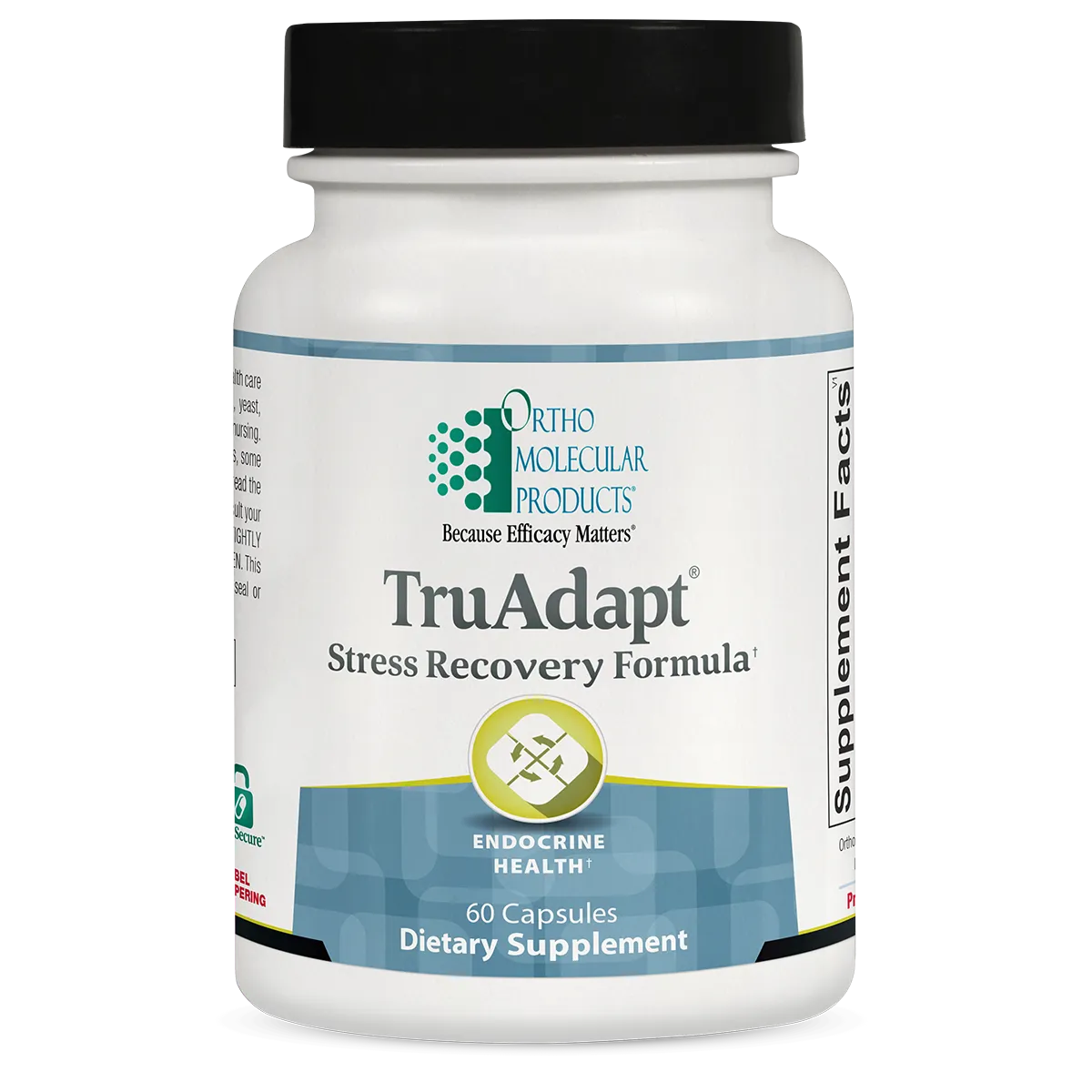
In the search for validating, science-backed management strategies, adaptogenic botanicals have emerged as a powerful tool for supporting the body's resilience. TruAdapt is a targeted botanical formulation designed specifically for individuals who are "stressed and tired," experiencing the downstream effects of intense, repeated physiological and psychological stress. By combining heavily researched adaptogens like Ashwagandha, Rhodiola rosea, Holy Basil, and Chinese Licorice Root, this blend aims to counteract the negative effects of stress and promote balance in cortisol production. In this comprehensive guide, we will explore the intricate cellular mechanisms behind TruAdapt, how chronic illness disrupts the body's stress response, and the clinical evidence supporting the use of these powerful botanicals for symptom management.
TL;DR
Chronic illness can dysregulate the body's stress response, leading to profound fatigue and HPA axis exhaustion.
Adaptogens like Ashwagandha and Rhodiola may help balance cortisol and support cellular energy production.
TruAdapt combines science-backed botanicals to help manage nervous tension, brain fog, and post-exertional malaise.
Always consult a healthcare provider before starting new supplements, especially if you have pre-existing conditions.
What is TruAdapt and How Do Adaptogens Work?
The Biology of the Stress Response
To understand how a botanical blend like TruAdapt functions, we must first understand the natural physiological mechanisms of stress. In a healthy body, stress is not inherently negative; it is a vital survival mechanism. Stress is defined as any disturbance—whether it is extreme temperature, psychological pressure, sleep deprivation, physical trauma, or a viral infection—that triggers a systemic response to protect the organism. When a stressor is detected, the body initiates a complex cascade of neurochemical and hormonal signals designed to mobilize energy, heighten alertness, and prepare the body for a "fight-or-flight" scenario. This acute response is meant to be short-lived, allowing the individual to navigate the immediate danger before returning to a state of baseline homeostasis.
At the molecular level, this acute stress response heavily relies on the rapid mobilization of glucose and the temporary suppression of non-essential functions like digestion and deep immune surveillance. The sympathetic nervous system floods the bloodstream with catecholamines, such as epinephrine (adrenaline) and norepinephrine, which increase heart rate, dilate airways, and shunt blood toward skeletal muscles. Simultaneously, the body prepares for a sustained effort by activating a slower, more prolonged hormonal response. This is where the true complexity of chronic stress begins, as the body transitions from an immediate neurological reaction to a sustained endocrine adaptation.
The Role of the Hypothalamic-Pituitary-Adrenal (HPA) Axis
The cornerstone of the body's sustained stress response is the Hypothalamic-Pituitary-Adrenal (HPA) axis. This intricate neuroendocrine network acts as the central command center for stress management. The process begins in the brain, specifically in the hypothalamus, which acts as a sensory integration hub. When the hypothalamus perceives a threat, it secretes Corticotropin-Releasing Hormone (CRH). This hormone travels a short distance to the anterior pituitary gland, where it binds to specific receptors (such as the CRHR1 receptor) and triggers the release of Adrenocorticotropic Hormone (ACTH) into the systemic circulation.
ACTH then travels through the bloodstream to the adrenal glands, which sit atop the kidneys. Upon reaching the adrenal cortex, ACTH stimulates the synthesis and secretion of glucocorticoids, the most prominent of which is cortisol. Cortisol is often dubbed the "stress hormone," but it is also essential for life, regulating metabolism, reducing inflammation, and controlling the sleep-wake cycle. In a healthy HPA axis, cortisol operates on a negative feedback loop. Once cortisol levels reach a sufficient concentration in the blood, the hormone travels back to the brain and binds to glucocorticoid receptors in the hypothalamus and pituitary, signaling them to halt the production of CRH and ACTH. This elegant feedback mechanism ensures that the stress response is turned off once the threat has passed.
How Adaptogens Modulate the System
The ingredients in TruAdapt belong to a unique class of natural compounds known as adaptogens. Unlike stimulants (which artificially spike energy and often lead to a crash) or sedatives (which simply depress the central nervous system), adaptogens work by increasing the body's resistance to stress and promoting a return to homeostasis. They act as a physiological "thermostat" for the HPA axis. If stress hormones like cortisol are running dangerously high due to acute anxiety or inflammation, adaptogens help dial them down to help protect against cellular toxicity. Conversely, if the adrenal glands are exhausted and cortisol levels are abnormally low, adaptogens help gently restore them to a functional baseline.
Adaptogens achieve this bidirectional regulation through multiple cellular pathways. They interact with molecular chaperones, such as heat shock proteins, which protect delicate cellular enzymes from degrading under stress. They also influence the expression of neuropeptides, such as Neuropeptide Y (NPY), which plays a critical role in reducing anxiety and maintaining energy homeostasis. By modulating the HPA axis at the receptor and enzymatic levels, the botanicals in TruAdapt do not just mask the symptoms of stress; they actively repair the communication pathways between the brain and the adrenal glands, fostering true systemic resilience.
How Chronic Illness Impacts the HPA Axis
The Alarm Phase and Viral Onset
The impact of complex chronic illnesses like Long COVID, ME/CFS, and dysautonomia on the body's stress response can be understood through the framework of General Adaptation Syndrome, which divides stress into three stages: alarm, resistance, and exhaustion. The initial "alarm phase" often coincides with the acute onset of the illness, such as the initial SARS-CoV-2 viral infection or the triggering event for ME/CFS. During this phase, the immune system mounts a massive inflammatory response to fight off the pathogen. This severe physiological stress triggers a massive surge in HPA axis activity, flooding the body with cortisol to help modulate the intense inflammation and keep the immune response from destroying healthy tissue.
However, in conditions like Long COVID, the initial threat does not fully resolve. Whether due to viral persistence, lingering spike proteins, or autoimmune cross-reactivity, the body remains in a state of high alert. The HPA axis continues to fire, attempting to manage the ongoing neuroinflammation and systemic distress. This prolonged alarm phase places an immense burden on the endocrine system, as the adrenal glands are forced to continuously churn out high levels of cortisol and dehydroepiandrosterone (DHEA) to keep the body functioning.
The Resistance Phase and Cortisol Imbalance
As the illness progresses from weeks into months, the body enters the "resistance phase." During this stage, the initial fight-or-flight response has dissipated, but the body continues to buffer extended stress exposure. The HPA axis attempts to adapt to the "new normal" of chronic inflammation. However, this extended period of stress begins to create a profound imbalance in cortisol and DHEA production. The continuous demand for cortisol can lead to a phenomenon known as "pregnenolone steal," where the body diverts hormonal precursors away from producing vital sex hormones and neurosteroids in order to prioritize cortisol synthesis.
Furthermore, chronic exposure to high cortisol levels can lead to cellular resistance. Just as cells can become resistant to insulin in type 2 diabetes, the glucocorticoid receptors in the brain and immune system can become resistant to cortisol. This means that even though the adrenal glands are producing adequate or high amounts of the hormone, the cells are no longer responding to its anti-inflammatory signals. This allows systemic inflammation to run rampant, further exacerbating the symptoms of dysautonomia and mast cell activation syndrome (MCAS), creating a vicious cycle of stress and sickness.
The Exhaustion Phase in Long COVID and ME/CFS
Eventually, the prolonged burden on the system leads to the final stage: the "exhaustion phase." This phase is highly characteristic of the debilitating symptoms seen in ME/CFS and Long COVID. According to research on the complexities of ME/CFS and Long COVID, chronic systemic or neuroinflammation may lead to severe HPA axis dysfunction and hypocortisolism (abnormally low cortisol). If the glucocorticoid receptors are upregulated and the HPA axis is chronically activated over time, the negative feedback loop may lead to a complete downregulation of the system, resulting in adrenal desensitization.
When the HPA axis crashes into this exhaustion phase, patients experience profound mental and physical fatigue, nervous tension, irritability, poor memory, and decreased immunity. The body simply lacks the hormonal drive to produce energy or manage even minor daily stressors. This hypocortisolism is a major driver of post-exertional malaise (PEM), where physical or cognitive exertion leads to a disproportionate and debilitating crash. The nervous system is stuck in a state of "wired and tired"—sympathetically overactive but endocrinologically depleted. This is the exact physiological state that TruAdapt is formulated to address.
TruAdapt: Supporting the Stress Response at a Cellular Level
Ashwagandha and Holy Basil: Taming the Cortisol Surge
The botanical ingredients in TruAdapt work synergistically to repair the dysregulated HPA axis at multiple cellular intervention points. Ashwagandha (Withania somnifera) is a premier adaptogen renowned for its ability to modulate the stress response. Its primary active compounds, known as withanolides, act by mimicking or enhancing the activity of inhibitory neurotransmitters like Gamma-aminobutyric acid (GABA). By promoting GABAergic activity in the brain, withanolides help shift the autonomic nervous system out of a chronic sympathetic (fight-or-flight) state and into a parasympathetic (rest-and-digest) state. Furthermore, clinical data demonstrates that withanolides can significantly lower serum cortisol secretion, reducing the toxic burden of hypercortisolemia during the resistance phase of stress.
Holy Basil (Ocimum sanctum), also known as Tulsi, complements Ashwagandha by targeting the HPA axis directly at the pituitary level. Holy Basil contains a potent bioactive triterpene called Ursolic Acid. In-vitro studies demonstrate that Ursolic Acid physically acts as a CRHR1 receptor antagonist. By blocking Corticotropin-Releasing Hormone (CRH) from binding to this receptor in the pituitary gland, Ursolic Acid effectively halts the stress cascade before the adrenal glands are signaled to produce massive amounts of cortisol. Additionally, Holy Basil extract actively inhibits the enzyme 11β-hydroxysteroid dehydrogenase type 1 (11β-HSD1), which is responsible for converting inactive cortisone into active cortisol in the tissues, further helping to limit systemic cortisol overload.
Rhodiola and Eleuthero: Activating Cellular Energy via AMPK
While Ashwagandha and Holy Basil calm the nervous system, Rhodiola rosea and Eleuthero (Eleutherococcus senticosus) focus on restoring cellular energy and combating the profound fatigue associated with the exhaustion phase. Rhodiola contains unique phenylpropanoid glycosides known as rosavins. These compounds exert their anti-fatigue effects by activating AMPK (AMP-activated protein kinase), a metabolic master switch in the human body. When rosavins trigger AMPK, the pathway stimulates ATP (cellular energy) synthesis within the mitochondria and increases glucose uptake into skeletal muscle cells. This drastically improves energy availability during times of mental or physical stress, helping to counteract the brain fog and physical exhaustion seen in ME/CFS.
Eleuthero, commonly known as Siberian Ginseng, supports this energy production by protecting the cellular machinery from stress-induced damage. Its active compounds, eleutherosides, have been shown to upregulate the expression of molecular chaperones like Heat Shock Protein 70 (Hsp70). These proteins act as cellular guardians, protecting delicate mitochondrial enzymes from degradation during periods of extreme physiological stress. Furthermore, eleutherosides inhibit the overproduction of nitric oxide (NO) via molecular pathways (JNK), helping to protect against the oxidative damage that can impair mitochondrial energy production in chronic illness.
Licorice Root: Extending Cortisol Half-Life in Adrenal Fatigue
For patients who have reached the exhaustion phase and are suffering from hypocortisolism (low cortisol), Chinese Licorice Root (Glycyrrhiza uralensis) provides a crucial mechanism of support. The primary active pharmacological compound in licorice is glycyrrhizin, which is metabolized in the gut into glycyrrhetinic acid. This compound acts as a potent, dose-dependent inhibitor of the enzyme 11β-hydroxysteroid dehydrogenase type 2 (11β-HSD2).
Normally, 11β-HSD2 acts as a molecular switch in tissues like the kidneys, rapidly converting active cortisol into inactive cortisone. By blocking this enzyme, glycyrrhetinic acid prevents the breakdown of cortisol, significantly extending its biological half-life. This means that even if the exhausted adrenal glands are only producing a small amount of cortisol, the licorice root ensures that this cortisol remains active in the bloodstream and tissues for a much longer duration. This mechanism provides a vital "lift" for patients struggling with the debilitating fatigue, orthostatic intolerance, and low blood pressure commonly associated with adrenal desensitization in Long COVID.
Schisandra Berry: Antioxidant Defense and NPY Release
Rounding out the formulation is Schisandra Berry (Schisandra chinensis), which contains active lignans known as schisandrins. Chronic stress generates massive amounts of free radicals, which can cause tissues to become resistant to cortisol and worsen systemic inflammation. Schisandra acts as a potent antioxidant, neutralizing oxidative damage and helping the body maintain normal sensitivity to cortisol peaks and dips.
Moreover, Schisandra works synergistically with Eleuthero and Rhodiola to stimulate the expression and release of Neuropeptide Y (NPY) in the brain and neuroglia cells. NPY is a powerful stress-relieving hormone that plays a critical role in reducing anxiety, maintaining energy homeostasis, and regulating the sympathetic nervous system. By promoting the release of NPY, Schisandra helps to effectively "vaccinate" the nervous system against future stressors, building long-term resilience for patients navigating the unpredictable nature of chronic illness.
Symptoms TruAdapt May Help Manage
Targeted Symptom Relief for Chronic Stress
Because TruAdapt modulates the central HPA axis and supports mitochondrial energy production, it can help manage a wide array of systemic symptoms associated with chronic stress, Long COVID, and ME/CFS. By addressing the root cause of endocrine exhaustion, patients may experience relief across multiple bodily systems.
Profound Physical Fatigue and Exhaustion: By activating the AMPK pathway via Rhodiola's rosavins and protecting mitochondrial enzymes with Eleuthero, TruAdapt supports cellular ATP synthesis, directly combating the deep, unyielding fatigue that characterizes the exhaustion phase of chronic illness.
Brain Fog and Cognitive Dysfunction: Schisandra berry and Ashwagandha help reduce neuroinflammation and modulate neurotransmitters in the brain. By stabilizing the HPA axis, these adaptogens can improve mental clarity, focus, and memory retention during periods of high stress.
Nervous Tension and "Wired but Tired" Sensations: The withanolides in Ashwagandha enhance GABAergic activity, helping to calm an overactive sympathetic nervous system. This reduces feelings of anxiety, irritability, and the sensation of being constantly on edge.
Post-Exertional Malaise (PEM) Vulnerability: By extending the half-life of cortisol via Licorice Root and helping to mitigate cortisol resistance, TruAdapt helps ensure the body has the hormonal reserves necessary to handle minor physical or cognitive stressors without immediately crashing.
Sleep Disturbances and Disrupted Circadian Rhythms: Chronic stress often flattens the natural diurnal cortisol curve, leading to insomnia at night and exhaustion during the day. Holy Basil and Ashwagandha help restore this natural rhythm, promoting deeper, more restorative sleep.
Orthostatic Intolerance and Low Blood Pressure: The glycyrrhizin in Chinese Licorice Root extends the activity of cortisol, which can mildly support mineralocorticoid receptor function. This helps the body retain necessary sodium and maintain healthy blood pressure upon standing, a common struggle in dysautonomia.
Practical Considerations: Forms, Dosing, and Absorption
Understanding Standardized Botanical Extracts
When utilizing botanical supplements for complex chronic conditions, the quality and potency of the extract are paramount. TruAdapt utilizes highly standardized extracts to ensure consistent therapeutic efficacy. Standardization is a process that guarantees a specific percentage of the plant's active biochemical compounds are present in every capsule. For example, the Ashwagandha in TruAdapt is standardized to contain 1.5% withanolides, ensuring a reliable dose of the compounds responsible for HPA axis modulation.
Similarly, the Rhodiola rosea extract is standardized to contain 3% rosavins. As noted in pharmacognosy research, rosavins are entirely unique to the Rhodiola rosea species and are the globally accepted scientific marker for identifying genetically pure extracts. A 3% rosavin standardization mirrors the natural ratio found in the raw plant root and is the exact concentration utilized in the majority of successful clinical trials for burnout and fatigue. The Chinese Licorice Root is also standardized to 12% glycyrrhizin, providing a precise, controlled dose to safely extend cortisol half-life without overwhelming the system.
Dosing Strategies and Timing
The suggested use for TruAdapt is 2 capsules taken one or two times per day, or as recommended by a healthcare professional. Because adaptogens influence the body's natural circadian rhythm and cortisol production, timing is an important consideration. For most individuals, cortisol naturally peaks in the early morning to promote wakefulness and gradually declines throughout the day. Taking TruAdapt in the morning and early afternoon can help support this natural curve, providing energy and resilience when the body needs it most.
It is generally recommended to avoid taking stimulating adaptogens like Rhodiola and Eleuthero late in the evening, as activating the AMPK pathway and increasing cellular energy close to bedtime may interfere with sleep onset. Furthermore, because adaptogens work by gradually retraining the HPA axis and building systemic resilience, they are not "quick fixes." While some patients may notice subtle improvements in nervous tension within a few days, it typically takes 4 to 8 weeks of consistent daily use to experience the full benefits of mitochondrial support and cortisol balancing.
Potential Interactions and Contraindications
While adaptogens are generally well-tolerated, the potent mechanisms of TruAdapt require careful consideration, particularly regarding the Chinese Licorice Root. Because glycyrrhizin inhibits the 11β-HSD2 enzyme and prevents the breakdown of cortisol, it can lead to a condition called apparent mineralocorticoid excess if taken in excessively high doses for prolonged periods. This can cause the body to retain sodium and excrete potassium, potentially leading to elevated blood pressure (hypertension) and hypokalemia. Patients with pre-existing high blood pressure, cardiovascular disease, or kidney disease should consult their physician before using products containing licorice root.
Additionally, because Ashwagandha and Holy Basil modulate the immune system and can lower blood sugar, patients taking immunosuppressants, thyroid medications, or antidiabetic drugs should monitor their symptoms closely and work with a healthcare provider to adjust dosages if necessary. Adaptogens can also interact with central nervous system depressants and anti-anxiety medications by amplifying their sedative effects. Always ensure your medical team is aware of all botanical supplements in your protocol to prevent unintended synergistic effects.
Follow the Science: Clinical Trials on Key Ingredients
Ashwagandha in Post-Viral Recovery
The clinical efficacy of the adaptogens in TruAdapt is supported by a robust and growing body of peer-reviewed research. Ashwagandha, in particular, has moved to the forefront of post-viral research due to its profound ability to stabilize the stress response. A 2023 systematic review of nine studies found that daily supplementation of Ashwagandha for 30 to 112 days reduced cortisol secretion by 11% to 32.6% in stressed individuals. In a highly notable 2019 randomized, double-blind, placebo-controlled trial, 60 stressed adults taking an Ashwagandha extract for 60 days experienced a 23% reduction in morning cortisol and a statistically significant drop in Hamilton Anxiety Rating Scale scores.
Because the symptoms of Long COVID closely mirror chronic stress and HPA-axis dysfunction, Ashwagandha is currently the subject of a massive Phase III-style clinical trial in the United Kingdom. The APRIL Trial (Ayurveda for Promoting Recovery In Long COVID), led by the London School of Hygiene & Tropical Medicine, is evaluating 2,500 UK adults diagnosed with Long COVID. Participants receive 1,000 mg of Ashwagandha root extract daily for 3 months to determine its impact on functional status, quality of life, brain fog, and symptom burden. This landmark trial underscores the medical community's recognition of adaptogens as viable therapeutic tools for complex chronic conditions.
Rhodiola for Burnout and Fatigue
Rhodiola rosea has been extensively studied for its ability to reverse the symptoms of chronic exhaustion and burnout, which are clinically adjacent to the exhaustion phase of ME/CFS. In a landmark 2017 multicenter, open-label clinical trial, researchers investigated the botanical extract's effect on 118 outpatients diagnosed with burnout syndrome. Patients were administered 400 mg of Rhodiola rosea extract daily for 12 weeks. The subjects experienced highly significant reductions in core burnout symptoms, including emotional exhaustion, fatigue, and depersonalization, with measurable improvements noted as early as the first week of supplementation.
In sports science and endurance studies, Rhodiola has consistently demonstrated the ability to enhance physical stamina by leveraging the AMPK mechanism. Acute and chronic supplementation has been shown to significantly prolong "time-to-exhaustion" in endurance tests, enhance oxygen uptake (VO2 max), and reduce post-exercise markers of muscle damage, such as lactate dehydrogenase. For patients with ME/CFS navigating post-exertional malaise, this mechanism of preserving mitochondrial function and helping to reduce the physical sensation of exhaustion is highly relevant.
Holy Basil and Eleuthero in Stress Management
The stress-buffering effects of Holy Basil have also been validated in recent gold-standard trials. A 2022 randomized, double-blind, placebo-controlled trial published in Frontiers in Nutrition investigated a specialized Holy Basil extract in 100 stressed adults over 8 weeks. Participants taking the extract saw a 37% decrease in Perceived Stress Scale scores and significantly lower hair cortisol concentrations compared to the placebo group. Following exposure to an acute stress test, the Holy Basil group showed a highly significant blunting of the acute stress response, featuring lower salivary cortisol and lower blood pressure.
Similarly, Eleuthero has been proven to elevate cardiovascular function and physical endurance under stress. A randomized, double-blind, crossover study testing the effects of 800 mg/day of eleuthero over 8 weeks found that participants saw a 12% increase in VO₂ peak and a 23% improvement in time to exhaustion compared to a placebo. Together, these clinical findings paint a clear picture: the adaptogens in TruAdapt do not merely offer a subjective sense of calm; they enact measurable, systemic changes to the body's endocrinological and metabolic response to stress.
The Path Forward
Validating the Chronic Illness Experience
Living with a complex chronic condition like Long COVID, ME/CFS, or dysautonomia is an exercise in profound endurance. When your body is locked in a state of chronic physiological stress, the resulting fatigue, brain fog, and nervous tension are not signs of weakness or a lack of willpower; they are the tangible results of an HPA axis that has been pushed to the point of exhaustion. It is entirely valid to feel frustrated by a medical system that often overlooks the intricate endocrine and metabolic dysfunctions driving these symptoms. Acknowledging the biological reality of your stress response is the first step toward reclaiming your quality of life.
Building a Comprehensive Management Strategy
While TruAdapt offers a powerful, science-backed blend of adaptogens to help repair the HPA axis and support cellular energy, it is important to remember that no single supplement is a cure for complex chronic illness. True recovery and symptom management require a comprehensive, multi-faceted approach. Adaptogens work best when paired with aggressive rest, meticulous symptom tracking, pacing strategies to avoid post-exertional malaise, and a nutrient-dense diet that supports mitochondrial health.
By providing the body with the botanical tools it needs to modulate cortisol, activate AMPK, and neutralize oxidative stress, TruAdapt can help raise your baseline and provide the resilience needed to engage in other therapeutic modalities. As always, it is crucial to consult with a healthcare provider who understands the nuances of living with Long-Term COVID and HPA axis dysfunction before introducing new supplements to your protocol. With the right support, patience, and targeted interventions, it is possible to counteract the negative effects of stress and promote lasting mental and physical well-being.