March 6, 2026

Disclaimer: The information provided here is for educational purposes only and is not intended as medical advice. It should not be used to diagnose, treat, cure, or prevent any medical condition. Instead, use it as a starting point for discussion with your healthcare provider. Always consult with a qualified healthcare provider before starting any new medication, supplement, device, or making changes to your health regimen.
Months or even years after recovering from an initial SARS-CoV-2 infection, many individuals find themselves trapped in a cycle of profound exhaustion, cognitive impairment, and unexplained metabolic changes. You might be sleeping ten hours a night, yet waking up feeling as though you haven't rested at all. You might be experiencing sudden weight changes, hair loss, or a deep, aching coldness that no amount of blankets can resolve. If these symptoms sound familiar, you are not alone. These are hallmark experiences for those living with complex chronic conditions, and they point toward a critical, often overlooked systemic issue: thyroid dysfunction.
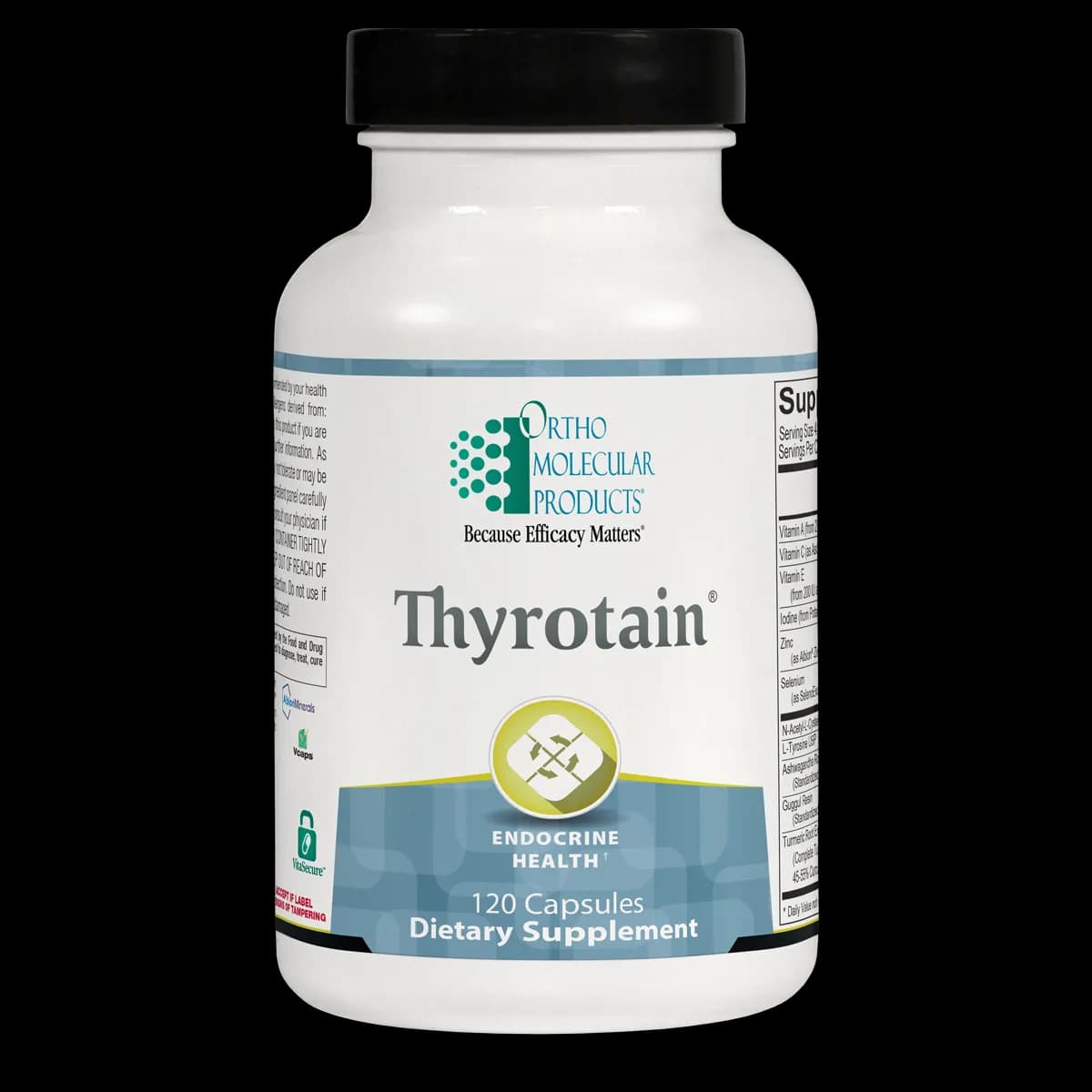
In the wake of the pandemic, medical researchers have discovered that the thyroid gland is highly vulnerable to viral damage and chronic inflammation. For patients navigating the overlapping worlds of Long COVID, myalgic encephalomyelitis/chronic fatigue syndrome (ME/CFS), and dysautonomia, standard thyroid blood tests often come back "normal," leaving patients without answers. However, a deeper look at cellular metabolism reveals that the body may be struggling to convert inactive thyroid hormones into the active energy it desperately needs. This is where targeted nutritional support becomes vital. In this article, we will explore how Thyrotain®, a comprehensive formulation of nutrients and botanicals, works at the molecular level to support thyroid health, enhance hormone conversion, and restore cellular energy.
To understand how Thyrotain supports the body, we must first look at how the thyroid gland manufactures its master hormones. The thyroid acts as the body's metabolic thermostat, regulating how fast or slow your cells consume oxygen and produce energy. To do this, it produces two primary hormones: Thyroxine (T4) and Triiodothyronine (T3). The foundation of these hormones relies on two specific ingredients found in Thyrotain: L-Tyrosine and Iodine. L-Tyrosine is an essential amino acid that forms the structural protein backbone of the hormone. Iodine, a vital trace mineral, attaches to this tyrosine backbone. T4 contains four iodine atoms, while T3 contains three. Without adequate supplies of both L-Tyrosine and Iodine, the thyroid simply cannot synthesize these crucial metabolic regulators, leading to a sluggish metabolism and profound fatigue.
Thyrotain provides 400 mg of L-Tyrosine USP and 200 mcg of Iodine (from Potassium Iodide) to ensure the thyroid gland has the raw materials required for hormone synthesis. When the body is under severe physiological stress, such as during a prolonged viral infection or a chronic inflammatory state, the demand for these raw materials increases. By supplying the literal building blocks of T4 and T3, this formulation helps prevent the nutritional bottlenecks that can suppress basal metabolic rate and exacerbate the exhaustion seen in complex chronic illnesses.
Manufacturing thyroid hormones is an inherently volatile and oxidative process. In order to attach iodine to the tyrosine backbone, the thyroid gland utilizes an enzyme called thyroid peroxidase. This chemical reaction naturally generates hydrogen peroxide (H2O2) as a byproduct. In a healthy body, robust antioxidant systems immediately neutralize this hydrogen peroxide before it can damage the delicate tissues of the thyroid gland. However, in patients dealing with the systemic inflammation of Long COVID or ME/CFS, these natural antioxidant defenses are often severely depleted, leading to oxidative stress, tissue damage, and potentially triggering autoimmune responses like Hashimoto's thyroiditis.
Thyrotain addresses this vulnerability by including a powerful matrix of antioxidants: Vitamin C (200 mg), Vitamin E (134 mg), N-Acetyl-L-Cysteine (NAC) (500 mg), and Turmeric Root Extract (100 mg). NAC is particularly critical, as it is a direct precursor to glutathione, the body's master intracellular antioxidant. By replenishing glutathione levels, NAC helps neutralize the hydrogen peroxide generated during hormone synthesis. Meanwhile, the curcuminoids in turmeric and the synergistic action of Vitamins C and E help quench free radicals and reduce systemic inflammation, providing a protective shield around the thyroid gland so it can function without sustaining oxidative damage.
Producing thyroid hormones is only the first step in the metabolic process. The thyroid gland primarily secretes T4, which is a relatively inactive prohormone. For your cells to actually generate energy, T4 must be converted into the biologically active T3 hormone. This conversion happens outside the thyroid gland, primarily in the liver, kidneys, and peripheral muscles, utilizing specific enzymes called deiodinases. If this conversion process fails, you can have plenty of T4 in your blood, but your cells will remain starved of energy.
Thyrotain includes a specific blend of micronutrients and botanicals designed to activate these conversion enzymes. Zinc (20 mg), Selenium (200 mcg), Vitamin A (750 mcg), and Guggul Resin (150 mg) work synergistically to upregulate deiodinase activity. By facilitating the removal of one iodine atom from T4, these ingredients ensure that the inactive storage hormone is successfully transformed into the active T3 hormone that your mitochondria desperately need to produce cellular energy (ATP). This conversion is the critical link between thyroid health and the alleviation of debilitating fatigue.
The relationship between post-viral syndromes and endocrine dysfunction is a rapidly evolving area of medical research. To understand What Causes Long COVID?, researchers have mapped how the SARS-CoV-2 virus interacts with human tissues. The thyroid gland expresses high levels of ACE2 receptors and TMPRSS2 enzymes, which are the exact molecular doorways the virus uses to enter and infect cells. This direct viral invasion can trigger a condition known as atypical subacute thyroiditis. Unlike classic thyroiditis, which causes severe neck pain, the COVID-induced version is often painless but highly destructive, causing an initial inflammatory release of stored hormones (hyperthyroidism) followed by a prolonged depletion and sluggishness (hypothyroidism).
Furthermore, the hyperinflammatory immune response—often referred to as a cytokine storm—involves elevated levels of Interleukin-6 (IL-6) and Tumor Necrosis Factor-alpha (TNF-a). Recent clinical updates in the Lancet highlight that this persistent inflammation profoundly disrupts the hypothalamic-pituitary-thyroid (HPT) axis. The brain stops sending the proper signals to the thyroid, and the localized inflammation damages the follicular cells responsible for synthesizing T4 and T3. This dual-pronged attack leaves many Long COVID patients struggling with undiagnosed, subclinical thyroid dysfunction that mirrors their primary symptoms.
One of the most insidious ways complex chronic illness impacts the thyroid is through a mechanism known as Non-Thyroidal Illness Syndrome (NTIS), or "Euthyroid Sick Syndrome." When the body is facing severe, prolonged physiological stress—such as a persistent viral reservoir or severe dysautonomia—it intentionally alters its metabolism to conserve energy. Instead of converting the inactive T4 hormone into the active, energy-producing T3 hormone, the body shunts T4 down an alternate biochemical pathway. It converts T4 into Reverse T3 (rT3).
Reverse T3 is biologically inactive. Worse, it acts as a competitive inhibitor, binding to the cellular thyroid receptors and blocking any available active T3 from entering the cell. It functions as a metabolic emergency brake. This explains why many patients researching What Are the Symptoms of Long COVID? find that their profound fatigue, cognitive slowing, and cold intolerance perfectly match clinical hypothyroidism, even when their standard Thyroid-Stimulating Hormone (TSH) lab tests come back completely normal. Their blood has hormone, but their cells are locked out.
This metabolic braking system is heavily implicated in myalgic encephalomyelitis/chronic fatigue syndrome (ME/CFS). Researchers investigating whether Long COVID can trigger ME/CFS have noted that both patient populations often enter a hypometabolic state. Dr. Robert Naviaux famously described this as the "Cell Danger Response," comparing it to the Dauer state seen in microscopic organisms—a form of biological hibernation triggered by environmental threats. By purposefully suppressing T3 conversion and elevating rT3, the body forces the patient into a low-energy state to survive the perceived threat.
Groundbreaking research has also revealed a phenomenon known as "hypothyroidism of the muscle" in ME/CFS patients. Some patients develop autoantibodies against selenium transport proteins, preventing selenium from entering the muscle cells. Because the deiodinase enzymes that convert T4 to T3 require selenium to function, this localized deficiency halts hormone conversion right at the tissue level. The result is a profound inability to generate muscular energy, directly contributing to the debilitating post-exertional malaise (PEM) that defines the condition.
To overcome the metabolic roadblocks seen in NTIS and ME/CFS, the body requires specific micronutrients to forcefully restart the T4 to T3 conversion process. This is where Thyrotain's inclusion of Selenium and Zinc becomes critical. The enzymes responsible for converting T4 into active T3 are called iodothyronine deiodinases (specifically DIO1 and DIO2). These enzymes are classified as selenoproteins, meaning the trace mineral selenium forms their actual structural core (selenocysteine). Without adequate intracellular selenium, these enzymes cannot be synthesized, and the conversion of T4 to T3 grinds to an absolute halt.
While selenium provides the structural engine for these enzymes, zinc acts as the ignition key. Zinc is an essential enzymatic cofactor required for DIO1 and DIO2 to function. Furthermore, zinc plays a mandatory role in how the cell actually receives the thyroid signal. Once T4 is successfully converted to T3, the active hormone must bind to nuclear thyroid receptors inside the cell to stimulate mitochondrial energy production. These nuclear receptors rely on structural motifs called "zinc fingers" to attach to your DNA and alter gene transcription. By providing highly bioavailable forms of both selenium and zinc, Thyrotain ensures that the hormone is not only converted but successfully utilized by the cell.
The cellular utilization of thyroid hormone is a complex, multi-step dance, and Vitamin A is a crucial, often overlooked partner. Once the active T3 hormone enters the cell nucleus and binds to the Thyroid Receptor (TR), it cannot initiate metabolic changes on its own. The Thyroid Receptor must form a heterodimer—a paired complex—with another receptor called the Retinoid X Receptor (RXR). As the name suggests, the RXR is activated by retinoids, specifically Vitamin A.
Without sufficient Vitamin A, the T3 hormone can bind to its receptor, but the signal will never translate into actual cellular energy or metabolic heat. Additionally, recent in vitro studies have demonstrated that Vitamin A helps protect the expression of the DIO1 conversion enzyme in the liver, even under conditions of severe inflammatory stress (like a post-viral cytokine storm). By including 750 mcg of Vitamin A, Thyrotain ensures that the cellular machinery required to "hear" the thyroid signal remains fully operational.
Thyrotain also leverages the power of botanical adaptogens, specifically Ashwagandha Root Extract (standardized to 1.5% withanolides). Ashwagandha (Withania somnifera) has been used for centuries to combat stress and fatigue, but modern clinical research has revealed its profound impact on the Hypothalamic-Pituitary-Thyroid (HPT) axis. Chronic illness places the body in a state of constant sympathetic nervous system activation, driving up cortisol levels. High cortisol directly suppresses the pituitary gland's release of TSH and inhibits the peripheral conversion of T4 to T3.
Ashwagandha effectively lowers systemic cortisol levels, removing this stress-induced biochemical block. By calming the HPA (Hypothalamic-Pituitary-Adrenal) axis, Ashwagandha allows the HPT axis to communicate normally again. Clinical trials published in the Journal of Alternative and Complementary Medicine have demonstrated that Ashwagandha supplementation can significantly increase serum T3 and T4 levels while normalizing TSH in patients with subclinical hypothyroidism, making it a powerful tool for restoring metabolic balance in chronic fatigue states.
The final piece of Thyrotain's conversion matrix is Guggul Resin, standardized to contain 2.5% guggulsterones. Extracted from the Commiphora mukul tree, guggulsterones are biologically active plant sterols that have been shown in pharmacological studies to directly stimulate thyroid function. They achieve this by enhancing the uptake of iodine into the thyroid gland and upregulating the activity of thyroid peroxidase, the enzyme responsible for assembling the hormones.
More importantly for patients with Long COVID and ME/CFS, guggulsterones actively upregulate the 5'-deiodinase enzyme in the liver, directly accelerating the conversion of T4 into active T3. Beyond their thyroid-stimulating properties, guggulsterones act as potent antagonists to the Farnesoid X Receptor (FXR), a nuclear receptor that regulates lipid metabolism. By blocking FXR, guggulsterones help lower cholesterol and stimulate basal metabolic rate, countering the sluggishness and weight gain frequently associated with post-viral hypometabolism.
Because the thyroid gland regulates the basal metabolic rate of nearly every cell in the body, supporting its function can have a profound, systemic impact. Patients researching Do Long COVID Symptoms Come and Go? often notice that their metabolic symptoms fluctuate with their stress levels and physical exertion. By providing the nutrients necessary for consistent T4 to T3 conversion, Thyrotain targets the root physiological mechanisms driving these unpredictable crashes.
Profound Fatigue and Lethargy: By increasing the cellular availability of active T3, Thyrotain supports mitochondrial ATP production, addressing the deep, cellular exhaustion that does not resolve with sleep.
Cold Intolerance: T3 regulates thermogenesis (heat production) in brown adipose tissue. Enhancing T3 conversion helps restore normal body temperature regulation, alleviating the deep, aching chill common in dysautonomia and ME/CFS.
Unexplained Weight Changes: By stimulating the basal metabolic rate and supporting lipid metabolism via guggulsterones, this formulation helps counter the sluggish metabolism and weight gain associated with subclinical hypothyroidism.
The brain and the autonomic nervous system are highly dependent on active thyroid hormone to function correctly. When T3 levels drop or Reverse T3 blocks the receptors, neurological and autonomic symptoms rapidly develop. Supporting the HPT axis and reducing oxidative stress in the thyroid can help stabilize these sensitive systems.
Brain Fog and Cognitive Impairment: The brain requires massive amounts of ATP to process information. By ensuring T3 can successfully bind to the Retinoid X Receptor (RXR) in neurological tissues, Thyrotain supports mental clarity and focus.
Hair Loss and Dry Skin: Thyroid hormones dictate the turnover rate of epidermal cells and hair follicles. Restoring proper hormone levels helps halt the diffuse hair shedding often seen months after an acute COVID-19 infection.
Muscle Weakness and Aches: By providing the selenium necessary to overcome "hypothyroidism of the muscle," this formulation helps restore local deiodinase activity, reducing the heavy, leaden feeling in the limbs associated with post-exertional malaise.
The effectiveness of any nutritional supplement relies heavily on its bioavailability—how well the body can absorb and utilize the ingredients. Thyrotain utilizes highly bioavailable, chelated forms of its core minerals to ensure maximum cellular delivery. The zinc in this formulation is provided as Albion® Zinc Bisglycinate Chelate. Unlike cheap zinc oxides or sulfates, which are poorly absorbed and often cause severe gastrointestinal distress, zinc bisglycinate is bound to two molecules of the amino acid glycine. This allows it to bypass the normal mineral absorption pathways and enter the bloodstream intact, drastically improving its uptake into the tissues where deiodinase enzymes are synthesized.
Similarly, the selenium in Thyrotain is provided as SelenoExcell®, a high-selenium yeast extract. This form provides a complex of organically bound selenium compounds (including selenomethionine), which closely mimics the natural forms of selenium found in food. Clinical research on selenium absorption indicates that organically bound selenium is retained by the body significantly better than inorganic selenites, ensuring a steady supply of this critical trace mineral for ongoing T4 to T3 conversion and glutathione peroxidase production.
The suggested use for Thyrotain is 4 capsules per day, or as recommended by your health care professional. Because this is a comprehensive formula containing both water-soluble and fat-soluble ingredients, timing and food intake are important considerations. Vitamin A and Vitamin E are fat-soluble, meaning they require dietary fat to be properly absorbed through the intestinal wall. Therefore, it is highly recommended to take Thyrotain alongside a meal that contains healthy fats (such as avocado, olive oil, or nuts).
For patients with sensitive nervous systems or severe ME/CFS, it is often wise to start with a lower dose (e.g., 1 or 2 capsules daily) and slowly titrate up to the full dose. Because ingredients like Ashwagandha and Guggulipid actively stimulate metabolic rate and thyroid hormone production, introducing them too quickly can sometimes cause temporary overstimulation, presenting as a slightly elevated heart rate or feeling "wired." Splitting the dose—taking two capsules with breakfast and two with lunch—can provide a smoother, more sustained release of nutrients throughout the day while avoiding interference with evening sleep architecture.
While Thyrotain provides essential support for sluggish thyroid function, its powerful botanical ingredients require careful consideration, especially for patients on prescription medications. Ashwagandha actively raises T4 and T3 levels. Therefore, this supplement is generally contraindicated for individuals who have hyperthyroidism or Graves' disease, as it could push the body into a state of thyrotoxicosis. Furthermore, if you are currently taking prescription thyroid hormone replacement therapy (such as Levothyroxine, Synthroid, or Armour Thyroid), you must consult your doctor before starting Thyrotain, as the synergistic effects may require an adjustment to your prescription dosage.
Guggul Resin also presents specific drug interaction profiles. Guggulsterones act as agonists to the Pregnane X Receptor (PXR) in the liver, which heavily induces the CYP3A4 metabolic enzyme. Because CYP3A4 is responsible for metabolizing roughly 50% of all pharmaceutical drugs (including certain statins, beta-blockers, and birth control pills), taking guggulipid can cause your body to clear these medications from your bloodstream too quickly, reducing their clinical efficacy. Always review your current medication list with a knowledgeable healthcare provider or pharmacist before introducing complex botanical formulations.
The traditional use of Ashwagandha for endocrine support has been rigorously validated by modern clinical trials. A landmark 2017 double-blind, randomized, placebo-controlled trial published in the Journal of Alternative and Complementary Medicine investigated the efficacy of Ashwagandha root extract in 50 patients with subclinical hypothyroidism. Participants received 600 mg of Ashwagandha daily for 8 weeks. The results were striking: serum TSH levels decreased by 17.4%, while serum T4 levels increased by 19.6%. Most impressively, active T3 levels surged by 41.5% compared to the placebo group. The researchers concluded that Ashwagandha safely and effectively normalized thyroid indices by modulating the HPT axis.
These findings were further supported by a post-hoc analysis of a 2014 clinical trial involving patients with bipolar disorder. Researchers noted that patients taking 500 mg of Ashwagandha extract experienced consistent increases in free T4 levels ranging from 7% to 24%, while those on the placebo experienced decreases. This data strongly reinforces Ashwagandha's role as a potent, natural stimulator of thyroid hormone synthesis, particularly valuable for patients trapped in the hypometabolic states of Long COVID and ME/CFS.
The critical necessity of selenium and zinc for peripheral thyroid conversion is well-documented in endocrinology literature. A study published in Biological Trace Element Research measured selenium, zinc, and thyroid hormones in healthy subjects, finding a highly significant linear correlation between impaired selenium status and a low T3/T4 ratio. This clinically proves that without adequate selenium, the deiodinase enzymes fail, causing T4 to build up while active T3 plummets.
Furthermore, research on zinc deficiency demonstrates its bidirectional relationship with thyroid health. Hypothyroidism impairs zinc absorption, which in turn halts T4 to T3 conversion, creating a vicious cycle. Clinical trials evaluating goitrous patients with documented zinc deficiency showed that 6 months of zinc supplementation significantly increased both Free T3 and Free T4 while normalizing TSH, proving that restoring this essential enzymatic cofactor is mandatory for resolving tissue-level hypothyroidism.
The pharmacological mechanisms of Commiphora mukul (Guggul) have been extensively studied in animal models. A pivotal study by Panda & Kar (1999) in Life Sciences demonstrated that administering guggul extract significantly enhanced T3 hormone concentrations and the T3/T4 ratio without markedly altering T4 levels, proving its specific action on accelerating the peripheral conversion of T4 to active T3.
A subsequent 2005 study in Phytotherapy Research took this a step further by artificially inducing hypothyroidism in subjects using a chemical suppressant. The simultaneous administration of guggulu successfully reversed the chemically-induced hypothyroidism, significantly increasing T3 levels and decreasing hepatic lipid peroxidation. Furthermore, molecular research has confirmed that guggulsterones act as direct antagonists to the bile acid receptor (FXR), explaining their profound ability to lower cholesterol and stimulate metabolic rate independently of their thyroid-boosting effects.
Navigating the complexities of Long COVID, ME/CFS, and dysautonomia can feel like an endless battle against an invisible enemy. The profound fatigue, cognitive slowing, and metabolic disruptions are not in your head—they are rooted in measurable, physiological dysfunctions, particularly within the thyroid and its intricate conversion pathways. By understanding how viral inflammation and cellular stress force the body into a hypometabolic state, you can begin to take targeted steps toward restoring balance. Supplements like Thyrotain offer a scientifically grounded approach to overcoming the nutritional bottlenecks that keep the thyroid suppressed.
However, it is crucial to remember that no single supplement is a cure-all for complex chronic illness. Restoring your metabolic health requires a comprehensive, multi-disciplinary approach. This includes aggressive pacing to prevent post-exertional malaise, nervous system regulation to calm the HPA axis, and addressing underlying viral reservoirs or immune dysregulation. As you explore How Does a Doctor Diagnose Long COVID?, remember that healing is a non-linear journey, and providing your cells with the right raw materials is a powerful foundational step.
Because thyroid function is so deeply intertwined with your overall metabolic rate and autonomic nervous system, any intervention should be carefully monitored. We strongly encourage you to partner with a dysautonomia-literate or Long COVID-literate healthcare provider. Ask for a comprehensive thyroid panel that goes beyond the standard TSH test to include Free T3, Free T4, Reverse T3, and thyroid autoantibodies (anti-TPO and anti-Tg). This complete picture will help determine if a conversion issue or an autoimmune process is driving your symptoms.
Disclaimer: The information provided in this blog is for educational purposes only and is not intended to diagnose, treat, cure, or prevent any disease. Always consult with your healthcare provider before starting any new supplement, especially if you are taking prescription medications or have a pre-existing medical condition.