Can Thyroid Support Supplements Help Manage Fatigue in Long COVID and ME/CFS?
March 6, 2026
Thyroid Health ComplexLong COVIDME/CFS
Share:
Disclaimer: The information provided here is for educational purposes only and is not intended as medical advice. It should not be used to diagnose, treat, cure, or prevent any medical condition. Instead, use it as a starting point for discussion with your healthcare provider. Always consult with a qualified healthcare provider before starting any new medication, supplement, device, or making changes to your health regimen.
Months or even years after recovering from an initial SARS-CoV-2 infection, many individuals find themselves fighting a daily battle against debilitating symptoms. Profound fatigue, severe cognitive impairment, unexplained weight changes, and a deep, aching sensitivity to cold are often dismissed by standard medical evaluations as "just being tired." However, for those living with Long COVID, myalgic encephalomyelitis/chronic fatigue syndrome (ME/CFS), and dysautonomia, these symptoms represent a profound disruption of the body's core metabolic engines. When standard blood tests return "normal" results, patients are frequently left without answers, wondering why their bodies can no longer generate the energy required for basic daily living.
In the search for underlying mechanisms driving these complex chronic conditions, neuroendocrine health—specifically the function of the thyroid gland—has emerged as a critical piece of the puzzle. The thyroid acts as the master regulator of cellular metabolism, dictating how efficiently every cell in the body converts oxygen and calories into usable energy. When post-viral inflammation, immune dysregulation, and chronic stress disrupt this delicate system, the result is a systemic energy crisis. This article explores the intricate biochemistry of thyroid function, how post-viral syndromes disrupt hormone conversion, and how targeted nutritional support, such as Thorne's Thyroid Health Complex, may help restore metabolic balance and improve quality of life.
TL;DR
Chronic illnesses like Long COVID and ME/CFS can disrupt thyroid hormone conversion, causing severe fatigue.
Standard thyroid labs often appear normal despite cellular-level metabolic dysfunction and low active T3.
Targeted nutrients like iodine, selenium, and zinc support hormone synthesis and T4-to-T3 conversion.
Ashwagandha and L-tyrosine may help modulate stress responses and support cognitive function.
What is Thorne's Thyroid Health Complex?
The Foundation of Metabolic Health
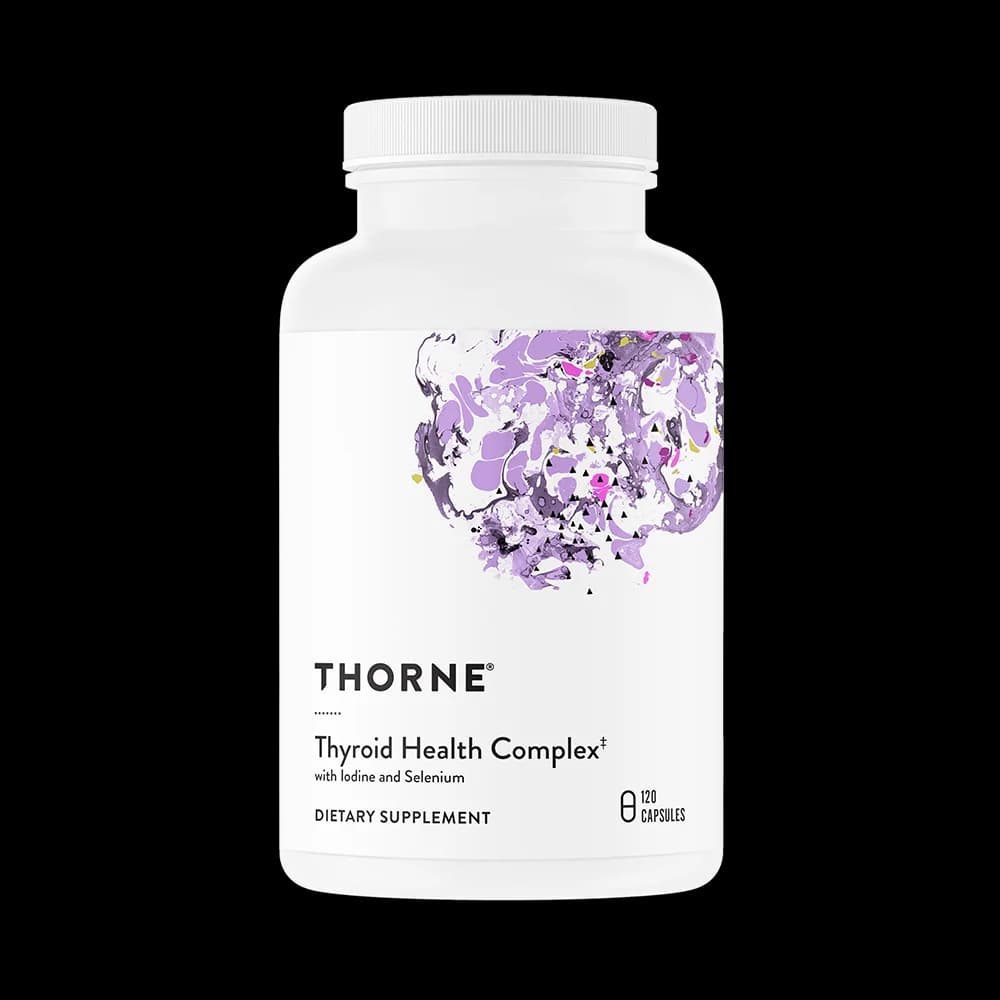
Thorne's Thyroid Health Complex is a comprehensive, vegetarian nutritional supplement designed to provide the specific cofactors, trace minerals, and adaptogenic botanicals required for optimal thyroid function. To understand why these specific nutrients are included, we must first look at the natural function of the thyroid gland in a healthy body. Located at the base of the neck, the butterfly-shaped thyroid gland is the command center for the body's basal metabolic rate. It operates under the strict guidance of the Hypothalamic-Pituitary-Thyroid (HPT) axis. When the brain senses a need for more energy, the hypothalamus releases Thyrotropin-Releasing Hormone (TRH), which prompts the pituitary gland to secrete Thyroid Stimulating Hormone (TSH). TSH then signals the thyroid gland to begin synthesizing and releasing thyroid hormones into the bloodstream.
The primary hormone produced by the thyroid gland is Thyroxine (T4), which accounts for roughly 80% to 90% of the gland's output. However, T4 is biologically inactive; it is essentially a prohormone or a storage form of the hormone. In order for the body to actually utilize this hormone to generate energy, regulate body temperature, and support cognitive function, T4 must be converted into Triiodothyronine (T3), the highly active form of the hormone. This critical conversion process happens primarily outside the thyroid gland, in peripheral tissues such as the liver, kidneys, skeletal muscle, and brain. The entire process of synthesizing T4 and converting it into active T3 relies on a highly specific set of nutritional building blocks and enzymatic cofactors.
The Biochemical Building Blocks
At the molecular level, the synthesis of thyroid hormones is a remarkable biochemical feat that depends entirely on two primary ingredients: the amino acid L-tyrosine and the trace element iodine. Inside the follicular cells of the thyroid gland, the body produces a massive protein called thyroglobulin, which acts as a scaffold containing over a hundred L-tyrosine residues. Simultaneously, the gland actively pulls dietary iodine out of the bloodstream using a specialized cellular pump called the Sodium-Iodide Symporter (NIS). Once inside, the enzyme Thyroid Peroxidase (TPO) oxidizes the iodine and attaches it to the L-tyrosine residues on the thyroglobulin scaffold. This intricate biochemical process is the literal creation of thyroid hormone; without adequate iodine and L-tyrosine, the assembly line grinds to a halt, leading to a sluggish metabolism and the classic signs of hypothyroidism.
The Conversion Cofactors and Stress Modulators
Creating T4 is only the first step. To convert inactive T4 into active T3, the body relies on a family of enzymes known as deiodinases. These enzymes act like molecular scissors, precisely removing one specific iodine atom from the T4 molecule to create T3. The deiodinase enzymes are structurally dependent on the trace mineral selenium; without it, the enzymes cannot be formed. Furthermore, the mineral zinc acts as a vital metabolic ignition key, supporting the enzymatic conversion process and ensuring that the cellular receptors are properly shaped to receive the active T3 hormone. When these micronutrients are depleted, the body cannot activate its thyroid hormones, leading to a state of cellular energy starvation.
In addition to these structural components, Thorne's Thyroid Health Complex includes KSM-66® Ashwagandha, a highly researched adaptogenic botanical. The endocrine system is deeply interconnected; chronic stress and elevated cortisol levels (managed by the adrenal glands) actively suppress the thyroid's ability to produce and convert hormones. By supporting healthy adrenal function and mitigating the physiological impact of stress, ashwagandha indirectly protects and promotes optimal thyroid hormone balance. Combined with antioxidant vitamins C and E to protect the delicate thyroid tissue from oxidative damage, and active Vitamin B12 to support cellular energy, this complex addresses thyroid health from multiple mechanistic angles.
How Chronic Illness Impacts Thyroid Function
Viral Thyroiditis and Long COVID
The intersection of post-viral syndromes and neuroendocrine dysfunction has become a major focal point in modern medical research. To understand what causes Long COVID, researchers have closely examined how the SARS-CoV-2 virus interacts with the endocrine system. The thyroid gland highly expresses Angiotensin-Converting Enzyme 2 (ACE2) and Transmembrane Protease Serine 2 (TMPRSS2)—the exact molecular doorways the virus uses to enter and infect human cells. During acute infection, the virus can directly infiltrate the thyroid gland, causing parenchymal damage and cellular destruction. This direct viral cytotoxicity often leads to a condition known as subacute viral thyroiditis. Initially, the destruction of thyroid follicles causes a rapid release of stored hormones, but as the gland's reserves are depleted and the tissue remains inflamed, the patient often falls into a prolonged state of post-viral hypothyroidism.
Furthermore, the hyper-inflammatory immune response characteristic of severe COVID-19—often referred to as a "cytokine storm"—wreaks havoc on the central nervous system's ability to regulate metabolism. Elevated levels of inflammatory cytokines, particularly Interleukin-6 (IL-6) and Tumor Necrosis Factor-alpha (TNF-α), actively suppress the Hypothalamic-Pituitary-Thyroid (HPT) axis. This means the brain stops sending the TSH signal to the thyroid, blunting hormone production even when the body desperately needs energy. A 2025 systematic review of Long COVID endocrine complications found that SARS-CoV-2 can also break immune tolerance via "molecular mimicry," triggering new-onset autoimmune thyroid diseases like Hashimoto's thyroiditis, where the body's immune system mistakenly produces autoantibodies that attack its own thyroid tissue.
The "Low T3 Syndrome" in ME/CFS
While Long COVID research is rapidly evolving, the connection between profound fatigue and cellular metabolism has been studied for decades in the context of myalgic encephalomyelitis/chronic fatigue syndrome (ME/CFS). In ME/CFS, the dysfunction rarely presents as classic primary hypothyroidism (which would show up as high TSH on a standard lab test). Instead, patients often suffer from what researchers call "Low T3 Syndrome" or "Non-Thyroidal Illness Syndrome" (NTIS). In this state, the blood may contain normal levels of the precursor hormone T4, but the peripheral tissues—the muscles, the brain, the organs—are functionally starved of the active T3 hormone. This occurs because chronic inflammation and oxidative stress downregulate the deiodinase enzymes responsible for converting T4 to T3.
Groundbreaking recent research has illuminated a potential autoimmune mechanism driving this conversion failure in ME/CFS. Because the deiodinase enzymes require selenium to function, an impairment in selenium transport effectively halts T4-to-T3 conversion. Studies have identified that a subset of ME/CFS patients possess elevated autoantibodies against Selenoprotein P, the primary transporter of selenium in the body. This acquired, localized selenium deficiency induces a state of "hypothyroidism of the muscle," directly contributing to the debilitating post-exertional malaise (PEM) and severe muscle weakness that define the condition. When the cells cannot access active T3, mitochondrial energy production plummets, locking the patient into a vicious cycle of metabolic exhaustion.
The HPA-HPT Axis Crosstalk in Dysautonomia
Patients living with complex chronic illnesses often experience dysautonomia, a dysfunction of the autonomic nervous system that regulates automatic bodily functions like heart rate and blood pressure. The constant physiological stress of living with conditions like Postural Orthostatic Tachycardia Syndrome (POTS) places an immense burden on the Hypothalamic-Pituitary-Adrenal (HPA) axis, the body's primary stress response system. When the HPA axis is constantly activated, it pumps out high levels of cortisol. Chronically elevated cortisol has a direct, suppressive effect on the thyroid (the HPT axis). It inhibits the release of TSH, reduces the conversion of T4 to active T3, and increases the conversion of T4 into Reverse T3 (rT3)—an inactive metabolite that blocks cellular receptors and further slows metabolism. This neuroendocrine crosstalk explains why managing stress and supporting adrenal health is absolutely vital for restoring thyroid function in chronically ill patients.
Thyroid Health Complex: Supporting Metabolic Recovery
Fueling Hormone Synthesis with Iodine and L-Tyrosine
Thorne's Thyroid Health Complex is meticulously formulated to intervene in these disrupted metabolic pathways by providing the exact biochemical substrates the body needs to resume normal function. The foundation of this support begins with Iodine (as Potassium Iodide) and L-Tyrosine. As discussed, these two ingredients are the literal building blocks of thyroxine (T4). In a body depleted by chronic viral stress, the thyroid gland struggles to maintain its structural integrity and synthesize adequate thyroglobulin. By providing 225 mcg of highly bioavailable iodine and 500 mg of L-Tyrosine, the supplement ensures that the Sodium-Iodide Symporter (NIS) has ample substrate to pull into the follicular cells.
Once inside the cell, L-Tyrosine acts as the critical docking station. The enzyme Thyroid Peroxidase (TPO) utilizes hydrogen peroxide to oxidize the iodine and bind it to the L-Tyrosine molecules. This process, known as organification, creates Monoiodotyrosine (MIT) and Diiodotyrosine (DIT), which are then coupled together to form the finished thyroid hormones. Clinical research has demonstrated that under conditions of severe physiological stress, supplementing with L-Tyrosine can help restore depleted central catecholamines (like dopamine and norepinephrine), helping to alleviate acute stress-induced cognitive decline.
Driving T4 to T3 Conversion with Selenium and Zinc
Perhaps the most critical intervention for patients with Long COVID and ME/CFS is supporting the peripheral conversion of inactive T4 into active T3, thereby combating "Low T3 Syndrome." This is where Selenium (as L-Selenomethionine) and Zinc (as TRAACS® Zinc Bisglycinate Chelate) play their pivotal roles. Selenium is the structural backbone of the deiodinase enzymes (DIO1 and DIO2) responsible for outer-ring deiodination—the process that activates the hormone. By supplying 100 mcg of L-Selenomethionine, the complex provides the necessary raw material to synthesize these selenoproteins, helping to overcome localized tissue deficiencies and upregulate the conversion process in the liver, kidneys, and skeletal muscle.
Zinc acts synergistically with selenium in this activation pathway. Zinc is a required enzymatic cofactor for the deiodinases, meaning the enzymes cannot physically perform the cleavage of the iodine atom without zinc present. Furthermore, once active T3 is created, it must enter the nucleus of the cell to stimulate mitochondrial energy production. The nuclear thyroid hormone receptors rely on structural motifs called "zinc fingers" to bind to the DNA. If zinc is deficient, T3 cannot dock with the cell, resulting in cellular hypothyroidism despite adequate hormone levels in the blood. The inclusion of 5 mg of highly absorbable zinc bisglycinate ensures that both the conversion enzymes and the cellular receptors are fully supported.
Modulating Stress and Cortisol with Ashwagandha
To address the neuroendocrine crosstalk and the suppressive effects of chronic illness on the HPT axis, the formula features 90 mg of KSM-66® Ashwagandha extract. Ashwagandha (Withania somnifera) is a powerful adaptogen that has been clinically shown to modulate the Hypothalamic-Pituitary-Adrenal (HPA) axis. The active compounds in ashwagandha, known as withanolides, help regulate the body's stress response, significantly lowering elevated serum cortisol levels. By reducing the cortisol burden, ashwagandha removes the inhibitory brake on the thyroid gland. This allows the pituitary to resume normal TSH signaling and prevents the excessive shunting of T4 into inactive Reverse T3. Additionally, clinical trials have shown that ashwagandha has a direct, stimulatory effect on the thyroid, helping to normalize TSH, T3, and T4 levels in patients with subclinical hypothyroidism.
Antioxidant Defense and Cellular Energy
Finally, the complex provides robust antioxidant and metabolic support through Vitamin C, Vitamin E, and Vitamin B12 (as Methylcobalamin). The synthesis of thyroid hormones is an inherently oxidative process; the TPO enzyme generates hydrogen peroxide to oxidize iodine. In a healthy state, the thyroid protects itself with endogenous antioxidants. However, in chronic illness, oxidative stress can overwhelm the gland, leading to tissue damage and inflammation. Vitamins C and E act as potent free-radical scavengers, protecting the delicate follicular cells from oxidative destruction. Meanwhile, Vitamin B12 is essential for mitochondrial energy production and red blood cell formation. B12 deficiency is highly prevalent in autoimmune thyroid conditions and can independently cause severe fatigue and cognitive impairment, making its inclusion in its active, methylated form a crucial component of the recovery strategy.

Symptoms Thyroid Health Complex May Help Manage
Core Metabolic and Energy Symptoms
By providing the essential building blocks for hormone synthesis and the cofactors required for active T3 conversion, Thorne's Thyroid Health Complex targets the profound metabolic disruptions seen in post-viral syndromes. Patients with Long COVID and ME/CFS often experience a constellation of symptoms directly tied to cellular energy starvation.
Profound Fatigue and Tiredness: By supporting the conversion of T4 to active T3, the supplement helps restore the primary hormonal signal that tells mitochondria to produce ATP (cellular energy), combating the deep, unyielding exhaustion that characterizes post-viral illness.
Sensitivity to Cold (Cold Hands and Feet): Thyroid hormones regulate basal body temperature by stimulating thermogenesis in brown adipose tissue. Upregulating active T3 helps restore the body's internal thermostat and improves peripheral circulation.
Unexplained Weight Gain or Difficulty Losing Weight: Active thyroid hormones dictate the basal metabolic rate (how many calories the body burns at rest). Supporting optimal T3 levels helps normalize lipid and carbohydrate metabolism, counteracting the sluggish metabolic rate associated with hypothyroidism.
Cognitive and Neurological Symptoms
The brain is highly dependent on active thyroid hormone for optimal function. The localized conversion of T4 to T3 via the DIO2 enzyme in the central nervous system is critical for neurotransmitter regulation and cognitive clarity.
Mental Fogginess and Difficulty Concentrating: Often referred to as "brain fog" in the chronic illness community, cognitive impairment can be driven by localized cellular hypothyroidism in the brain. Supporting deiodinase activity with selenium and zinc helps ensure the brain receives the active T3 it requires for sharp cognition.
Low Mood and Emotional Imbalance: L-Tyrosine is not only a precursor to thyroid hormones but also to the catecholamine neurotransmitters dopamine, norepinephrine, and epinephrine. Supplying adequate L-Tyrosine, alongside the cortisol-modulating effects of ashwagandha, supports a balanced, energetic mood and resilience to stress.
Physical and Systemic Symptoms
Thyroid receptors are present in virtually every tissue in the body, meaning a sluggish metabolism manifests in a wide variety of physical and systemic complaints.
Dry Skin, Hair Loss, and Brittle Nails: Thyroid hormones regulate the epidermal growth cycle and the proliferation of hair follicles. Restoring optimal hormone levels supports the structural integrity and healthy growth of hair, skin, and nails.
Constipation and Bowel Irregularity: The autonomic regulation of gut motility (peristalsis) is heavily influenced by thyroid status. Active T3 stimulates the smooth muscle of the gastrointestinal tract; supporting its production promotes regular bowel movements and healthy digestion.
Heavy Menses and Low Sex Drive: Endocrine systems are deeply intertwined. Sluggish thyroid function can disrupt the balance of estrogen and progesterone, leading to menstrual irregularities. Supporting the HPT axis helps restore overall hormonal harmony and vitality.
Practical Considerations: Forms, Dosing, and Absorption
Bioavailable Nutrient Forms
When dealing with chronic illnesses like Long COVID or ME/CFS, gastrointestinal inflammation and malabsorption are common hurdles. Therefore, the specific chemical forms of the nutrients in a supplement dictate its clinical efficacy. Thorne's Thyroid Health Complex utilizes highly bioavailable forms to ensure maximum cellular delivery. The zinc and copper in this formula are provided as TRAACS® bisglycinate chelates. In this form, the mineral is chemically bound to two molecules of the amino acid glycine. This allows the mineral to bypass the standard, easily saturated mineral absorption pathways in the gut and instead be absorbed through the more robust amino acid transport system, significantly reducing gastrointestinal upset and maximizing blood levels.
Similarly, the Vitamin B12 in this complex is provided as Methylcobalamin, the biologically active, methylated form of the vitamin. Many standard supplements use cyanocobalamin, a synthetic form that the liver must convert into methylcobalamin before the body can use it—a process that requires energy and specific genetic pathways (like the MTHFR enzyme) that are often impaired in chronically ill patients. By providing the pre-methylated form, the supplement ensures immediate availability for mitochondrial energy production and neurological support. The selenium is provided as L-Selenomethionine, an organic form of the mineral bound to an amino acid, which clinical studies have shown is absorbed and retained by the body significantly better than inorganic selenite forms.
Optimal Dosing and Timing
The suggested use for Thorne's Thyroid Health Complex is to take 2 capsules two times daily, or as recommended by a health-care practitioner. Because thyroid hormone synthesis and conversion are continuous processes that require a steady supply of cofactors, dividing the dose (e.g., morning and early afternoon) helps maintain consistent blood levels of these critical nutrients throughout the day. It is generally recommended to take amino acid-containing supplements (like L-Tyrosine) away from high-protein meals to prevent competition for absorption in the gut, though the chelated minerals and vitamins are generally well-tolerated with or without food.
When supporting the endocrine system, patience and consistency are paramount. While some patients may notice improvements in energy and mental clarity within a few weeks due to the active B12 and the cortisol-lowering effects of ashwagandha, rebuilding cellular thyroid hormone levels and upregulating deiodinase enzyme activity is a gradual process. It typically takes 6 to 12 weeks of consistent supplementation to observe significant shifts in metabolic symptoms and follow-up thyroid lab panels.
Contraindications and Safety Warnings
While this complex provides essential nutrients, it is highly potent and interacts directly with the endocrine and nervous systems. Therefore, strict safety considerations apply. Because this formula provides the raw materials to build thyroid hormones and includes ashwagandha (which directly stimulates thyroid output), it is contraindicated for individuals with hyperthyroidism (an overactive thyroid, such as Graves' disease). Providing these nutrients to an already overactive gland could induce thyrotoxicosis. Additionally, individuals currently taking prescription thyroid replacement medications (like Levothyroxine) must consult their endocrinologist before starting this supplement, as the enhanced conversion of T4 to T3 may require an adjustment of their medication dosage to prevent hyperthyroid symptoms.
Furthermore, the L-Tyrosine in this formula is strictly contraindicated in individuals taking Monoamine Oxidase Inhibitor (MAOI) antidepressant medications. L-Tyrosine is a precursor to catecholamines (dopamine, norepinephrine); taking it alongside an MAOI can lead to a dangerous accumulation of these neurotransmitters, potentially triggering a severe hypertensive crisis (a rapid, life-threatening spike in blood pressure). The supplement is also contraindicated during pregnancy and lactation, and individuals with a known history of hypersensitivity to iodine should exercise caution, as iodine can occasionally cause allergic reactions in sensitive populations.

Follow the Science
Clinical Trials on Ashwagandha and Thyroid Markers
The inclusion of KSM-66® Ashwagandha in this complex is backed by robust clinical data demonstrating its dual ability to modulate stress and stimulate thyroid function. A pivotal 2018 prospective, randomized, double-blind, placebo-controlled trial published in The Journal of Alternative and Complementary Medicine evaluated 50 participants diagnosed with subclinical hypothyroidism. Patients received 600 mg daily of an aqueous ashwagandha root extract or a placebo for 8 weeks. The results were striking: the ashwagandha group showed a significant improvement in thyroid indices, including serum TSH, T3, and T4 levels compared to the placebo group. This clinical trial confirmed the herb's direct thyroxine-elevating effects.
Simultaneously, ashwagandha's impact on the HPA axis has been extensively documented. A 2012 randomized, double-blind, placebo-controlled study involving 64 subjects with a history of chronic stress found that 60 days of high-concentration ashwagandha root extract resulted in a 27.9% reduction in serum cortisol levels compared to baseline. By drastically lowering the primary stress hormone, ashwagandha helps remove the physiological blockades that prevent normal thyroid hormone synthesis and conversion in chronically ill patients.
The Evidence for Zinc and Selenium in Hormone Conversion
The synergistic role of zinc and selenium in overcoming "Low T3 Syndrome" is well-supported by metabolic research. A highly cited 2015 randomized, double-blind, placebo-controlled trial published in the Journal of the American College of Nutrition investigated the effects of these minerals on overweight hypothyroid women. The study found that supplementing with zinc alone resulted in a significant 27% increase in Free T3 and a 23.8% improvement in the FT3:FT4 ratio. When zinc and selenium were combined, patients experienced a significant increase in active Free T3, an increase in Free T4, and a significant decrease in TSH. This trial definitively confirmed that these trace minerals are non-negotiable requirements for the peripheral activation of thyroid hormones.
Emerging Research on Post-Viral Endocrine Dysfunction
Modern research is rapidly uncovering how post-viral syndromes dismantle these exact metabolic pathways. A 2025 systematic review of 53 studies on Long COVID endocrine complications revealed that SARS-CoV-2 infection frequently induces subacute thyroiditis and triggers long-lasting autoimmunity via molecular mimicry, with over 60% of critical COVID-19 survivors remaining positive for anti-TPO autoantibodies years later. Similarly, in the ME/CFS population, a landmark case-control study by Ruiz-Núñez et al. found that despite having normal TSH levels, ME/CFS patients exhibited 12.5% lower Total T3, 14.4% lower deiodinase enzyme activity, and significantly lower urinary iodine compared to healthy controls. These findings underscore the critical need for targeted nutritional interventions that bypass standard glandular production and directly support peripheral hormone conversion and cellular uptake.
The Path Forward
Validating the Invisible Struggle
Living with a complex, invisible illness like Long COVID, ME/CFS, or dysautonomia is an incredibly challenging journey. The profound fatigue, the cognitive fog, and the unpredictable metabolic crashes are not simply signs of being "out of shape" or anxious; they are the physiological manifestations of a neuroendocrine system that has been pushed to its absolute limits. If you have been told that your standard thyroid labs are "normal" despite feeling completely drained of energy, your experience is entirely valid. The science clearly shows that post-viral inflammation and chronic stress can disrupt thyroid hormone conversion at the cellular level, leaving you starved for energy even when the precursor hormones are present in your blood.
A Comprehensive Management Strategy
While targeted nutritional support is a powerful tool, it is important to remember that there are no quick fixes or miracle cures for complex chronic conditions. Healing requires a comprehensive, multi-faceted approach. Supplements like Thorne's Thyroid Health Complex are designed to provide the biochemical raw materials your body needs to rebuild its metabolic pathways, but they work best when integrated into a broader management strategy. Learning how to live with Long-Term COVID involves strict pacing to avoid post-exertional malaise (PEM), diligent symptom tracking to identify your unique energy envelope, and working closely with a knowledgeable healthcare provider who understands the nuances of post-viral neuroendocrine dysfunction. By addressing the root causes of cellular energy failure, you can begin to slowly expand your capacity and improve your daily quality of life.
Next Steps for Your Healing Journey
If you are struggling with the debilitating fatigue, brain fog, and metabolic sluggishness associated with chronic illness, supporting your thyroid's ability to synthesize and convert hormones may be a critical step forward. Always consult with your healthcare provider or endocrinologist before introducing new supplements, especially if you are taking prescription medications or have a history of thyroid autoimmunity. With the right guidance and targeted nutritional support, you can help your body restore its natural metabolic rhythm.