Can Taurine and Glycine Support Energy and Calm for Long COVID and Dysautonomia?
March 6, 2026
TaurineGlycineLong COVID
Share:
Disclaimer: The information provided here is for educational purposes only and is not intended as medical advice. It should not be used to diagnose, treat, cure, or prevent any medical condition. Instead, use it as a starting point for discussion with your healthcare provider. Always consult with a qualified healthcare provider before starting any new medication, supplement, device, or making changes to your health regimen.
Months or even years after recovering from an initial viral infection, many people find themselves fighting a complex array of debilitating symptoms. Whether diagnosed with Long COVID, myalgic encephalomyelitis/chronic fatigue syndrome (ME/CFS), or dysautonomia, the daily reality often involves profound exhaustion, racing heart rates, and a nervous system that feels perpetually stuck in overdrive. Patients are frequently told their standard laboratory results are "normal," yet they physically cannot summon the energy to perform basic daily tasks without experiencing severe post-exertional malaise (PEM). This frustrating disconnect between standard medical testing and the lived reality of chronic illness leaves many searching for answers at the cellular and molecular level, where the true dysfunction lies.
Emerging research into post-viral syndromes is increasingly pointing toward profound metabolic and autonomic dysregulation as the root cause of these systemic symptoms. Specifically, scientists are uncovering how viral infections, chronic inflammation, and persistent physical stress deplete the body's foundational amino acids, leading to catastrophic mitochondrial failure and unchecked oxidative stress. Two of the most heavily researched compounds in this space are taurine and glycine. By understanding how these amino acids function within our cells—acting as everything from critical mitochondrial protectors to central nervous system calmers—we can begin to see why their depletion causes such widespread, cascading dysfunction, and how targeted supplementation might offer a scientifically grounded pathway toward improved quality of life and symptom management.
TL;DR
Taurine and glycine are essential amino acids that support mitochondrial function and cellular energy production.
Supplementation may help manage symptoms of Long COVID, ME/CFS, and dysautonomia, including fatigue and autonomic imbalance.
Taurine acts as a biological osmolyte to support blood volume, while glycine aids in glutathione synthesis.
Always consult a healthcare provider before starting new supplements, especially if taking certain medications.
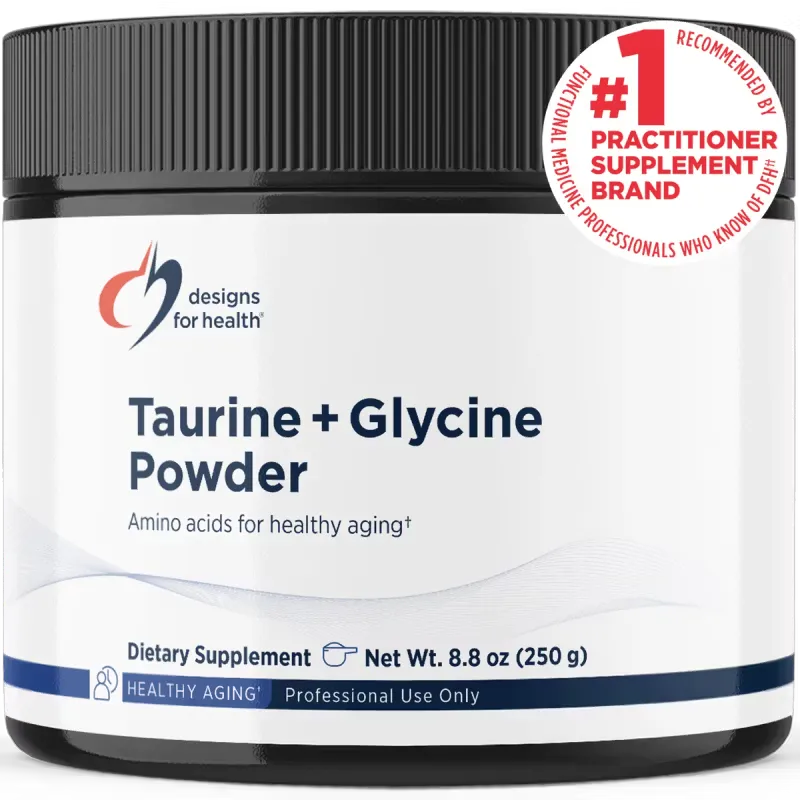
What is Taurine + Glycine Powder?
The Role of Taurine in Cellular Optimization
To understand the power of Taurine + Glycine Powder, we must first look deeply at how these amino acids operate in a healthy human body. Taurine is a conditionally essential amino sulfonic acid found in exceptionally high concentrations in the brain, heart, eyes, and skeletal muscle. Unlike most amino acids, taurine is not used to build structural proteins in the body; instead, it remains free in the intracellular fluid. At the molecular level, taurine plays a highly specific and absolutely critical role in mitochondrial protein synthesis. Inside the mitochondria—the microscopic powerhouses of our cells—taurine physically conjugates with uridine on mitochondrial transfer RNA (tRNA) to form a specialized molecule called 5-taurinomethyluridine.
This unique structural modification is absolutely required for the accurate decoding of genetic instructions during the translation of mitochondrial mRNA. When taurine is abundant, the mitochondria can successfully synthesize essential components of the electron transport chain (ETC), specifically the intricate protein subunits of Complex I (such as ND5 and ND6). This allows electrons to flow smoothly through the four complexes of the ETC to eventually produce adenosine triphosphate (ATP), the fundamental cellular energy currency. Without adequate taurine, the mitochondria fail to build these subunits correctly, creating an "electron bottleneck." When electrons back up in the chain, they inappropriately bind with oxygen to generate massive amounts of destructive superoxide radicals, sparking severe intracellular oxidative stress.
Furthermore, taurine acts as a vital pH buffer within the mitochondrial matrix, maintaining a mildly alkaline environment of approximately pH 8.5. This specific pH is biologically imperative because it is the exact optimum environment required for antioxidant enzymes, like glutathione peroxidase, to function efficiently. By maintaining this precise alkaline state, taurine allows the cell's natural defense mechanisms to rapidly convert toxic hydrogen peroxide into harmless water. Taurine also regulates calcium homeostasis within the cell, helping to prevent calcium overload inside the mitochondria, which would otherwise lead to the collapse of the mitochondrial membrane potential and subsequent mitochondria-mediated apoptosis (programmed cell death).
Glycine as the Master Antioxidant Builder
Glycine, on the other hand, is the smallest non-essential amino acid, yet it carries immense biochemical responsibility. Its most critical role is serving as a direct structural building block for the synthesis of glutathione, the human body's master intracellular antioxidant. Glutathione is a tripeptide molecule comprised of three amino acids: glutamate, cysteine, and glycine. The final step of glutathione synthesis is catalyzed by the enzyme glutathione synthetase, which covalently bonds glycine to the growing gamma-glutamylcysteine peptide chain. While scientists historically viewed cysteine as the primary limiting factor for this process, recent research on aging and oxidative stress reveals that endogenous glycine synthesis often falls drastically short of cellular demands, making glycine the true bottleneck for antioxidant production.
Beyond its role in antioxidant defense, glycine is strictly required for the synthesis of heme. Heme is an essential structural component of the cytochromes located inside the mitochondrial electron transport chain. Therefore, without adequate glycine, the physical machinery of oxidative phosphorylation begins to break down, halting energy production at its source. Additionally, glycine acts as a primary inhibitory neurotransmitter in the brainstem and spinal cord. By binding to specific glycine receptors, it helps to regulate core body temperature, calm excitatory nerve signals, and promote deep, restorative sleep architecture. It is also a fundamental component of collagen, making up roughly one-third of its structure, thereby providing critical structural integrity to our connective tissues, joints, and blood vessels.
The Synergy of Two Powerful Amino Acids
When combined, taurine and glycine offer a powerful, multi-targeted intervention against cellular dysfunction. You can think of their synergy in terms of a "weapon and shield" analogy within the mitochondria. Glycine provides the biochemical raw material needed to manufacture the weapon—glutathione—which actively hunts down and neutralizes destructive reactive oxygen species (ROS) and free radicals. Meanwhile, taurine acts as the shield and the biological optimizer. By ensuring the electron transport chain is built correctly and functions without leaking electrons, taurine prevents the mitochondria from over-producing free radicals in the first place, significantly reducing the workload on the glutathione system.
Furthermore, taurine's ability to buffer the mitochondrial pH ensures that the glutathione weapon can fire at maximum efficiency, creating a perfectly balanced redox environment. Both of these amino acids are also uniquely utilized by the liver for the conjugation (amidation) of primary bile acids, forming bile salts like taurocholic and glycocholic acids. These conjugated bile salts are absolutely essential for the digestion of dietary fats, the clearance of excess cholesterol, and the absorption of fat-soluble vitamins (A, D, E, and K). This intricate biochemical dance highlights why a deficiency in either of these amino acids can lead to cascading failures across multiple organ systems, particularly when the body is under the immense physiological stress of a chronic, multi-system illness.
How Long COVID and Dysautonomia Impact Cellular Energy
Viral Infection and the Glutathione Drain
When exploring what causes Long COVID, researchers consistently find evidence of severe, unchecked oxidative stress and profound mitochondrial dysfunction. During the acute phase of a SARS-CoV-2 infection, the immune system generates a massive inflammatory cytokine storm, deploying reactive oxygen species to destroy the invading virus. To protect your own healthy cells from this collateral damage, the body rapidly consumes its intracellular stores of glutathione. If the body cannot synthesize new glutathione fast enough—often due to a depletion of precursor amino acids like glycine—the oxidative stress becomes chronic and self-perpetuating, long after the initial virus has been cleared.
This chronic oxidative stress damages the delicate lipid membranes of the mitochondria and mutates mitochondrial DNA. As the mitochondria become physically damaged, they lose their ability to produce ATP efficiently, leading to the profound, cellular-level exhaustion that characterizes Long COVID. Clinical studies evaluating GlyNAC (a combination of glycine and N-acetylcysteine) have demonstrated that patients with post-viral fatigue are heavily deficient in glutathione. This deficiency creates a vicious cycle: low energy production leads to more cellular stress, which triggers further inflammation, which in turn further depletes the amino acids needed to repair the structural damage.
Autonomic Overdrive in POTS and Dysautonomia
For individuals living with Postural Orthostatic Tachycardia Syndrome (POTS) and broader forms of dysautonomia, the autonomic nervous system is caught in a perpetual state of hyperarousal. In hyperadrenergic POTS, the body inappropriately dumps excess norepinephrine and adrenaline into the bloodstream, leaving patients stuck in a "fight or flight" sympathetic state. This constant surge of excitatory neurotransmitters causes tachycardia (an abnormally fast heart rate), tremors, physical anxiety, excessive sweating, and severe sleep disturbances. The nervous system is essentially flooring the gas pedal without any ability to engage the brakes.
In a healthy nervous system, inhibitory neurotransmitters like glycine and GABA act as these crucial "brakes" to counteract sympathetic overdrive. However, chronic illness places an immense metabolic demand on the body, often depleting the specific amino acids required to synthesize these calming neurotransmitters. Without sufficient glycine to bind to inhibitory receptors in the brainstem, and without adequate taurine to modulate GABA pathways, the nervous system loses its fundamental ability to self-regulate. This autonomic imbalance is a hallmark of the symptoms of Long COVID and explains why patients feel simultaneously exhausted and physically "wired" or agitated.
The Metabolic Reality of Post-Exertional Malaise (PEM)
Post-exertional malaise (PEM), often described by patients as a "crash," is a defining feature of ME/CFS and many cases of Long COVID. It is not simply ordinary tiredness; it is a severe exacerbation of systemic symptoms following even minor physical, cognitive, or emotional exertion. Metabolomic profiling studies have provided a fascinating, if sobering, explanation for this phenomenon by revealing significantly reduced plasma taurine and acyl glycine levels in ME/CFS patients. These deficiencies point to a fundamental breakdown in how the body mobilizes energy and clears metabolic waste during periods of increased demand.
A questionnaire study comparing Long COVID and ME/CFS found that nearly all Long COVID respondents experienced post-exertional malaise (PEM), with significant differences in triggers and symptoms compared to ME/CFS patients. Separate metabolic research indicates that patients with ME/CFS completely fail to upregulate critical metabolites post-exercise. Without the sudden influx of taurine to manage calcium homeostasis in the muscles and glycine to clear lactic acid, the cells experience acute energy failure. This metabolic blockade triggers the devastating systemic crash known as PEM, validating that this symptom is driven by measurable biochemical failures, not deconditioning.
Taurine + Glycine: Supporting Cellular Health and Autonomic Balance
Rescuing Mitochondrial Function and ATP Production
Supplementing with Taurine + Glycine Powder offers a direct, mechanistic approach to bypassing the metabolic blockades seen in complex chronic illnesses. By providing an influx of exogenous free-form taurine, we can directly support the mitochondria's ability to accurately translate mRNA and synthesize the critical Complex I subunits of the electron transport chain. This structural repair prevents the "electron bottleneck" that causes energy failure. As the physical machinery of the mitochondria is restored, the cells can once again begin to efficiently convert glucose and fatty acids into usable ATP, directly managing the profound cellular fatigue and heavy limbs experienced by patients.
Simultaneously, the addition of free-form glycine provides the exact rate-limiting building block required to restart intracellular glutathione synthesis. As intracellular glutathione levels rise, the molecule can actively scavenge the reactive oxygen species that have been damaging the mitochondrial membranes and triggering mast cell degranulation. This dual action—taurine fixing the engine and glycine providing the coolant—creates a highly synergistic rescue of mitochondrial bioenergetics. Over time, this restoration of cellular energy production can help raise the baseline threshold for exertion, potentially reducing the frequency and severity of debilitating PEM crashes.
Calming the Central Nervous System
Beyond the mitochondria, taurine and glycine exert profound neuromodulatory effects that are highly relevant for managing dysautonomia and POTS. Glycine readily crosses the blood-brain barrier and acts as a potent inhibitory neurotransmitter. By binding to specific glycine receptors in the brainstem and spinal cord, it hyperpolarizes neurons, making them significantly less likely to fire excitatory signals. This physical dampening of the central nervous system helps to counteract the excess norepinephrine and adrenaline that drive hyperadrenergic POTS, promoting a deep sense of physical calm and stabilizing erratic, racing heart rates.
Taurine complements this action by operating along the GABA (gamma-aminobutyric acid) pathway. Taurine acts as a GABA-A receptor agonist, meaning it mimics the body's primary calming neurotransmitter. By enhancing GABAergic signaling, taurine helps to quiet racing thoughts, mitigate glutamate excitotoxicity (which heavily contributes to neuroinflammation and brain fog), and reduce the physical tremors and anxiety associated with autonomic overdrive. Together, these two amino acids provide a comprehensive, non-sedating "braking system" for a nervous system that has been stuck in a state of chronic sympathetic arousal for months or years.
Cardiovascular Support and Blood Volume Regulation
One of the most challenging aspects of POTS is hypovolemia, or chronically low blood volume, which causes the heart to beat rapidly upon standing to compensate for poor circulation to the brain. Taurine is uniquely suited to address this specific issue because it functions as a powerful biological osmolyte. An osmolyte is a molecule that regulates cellular hydration by drawing water and essential electrolytes (like potassium, sodium, and magnesium) into the cells and blood vessels. By improving deep cellular hydration, taurine helps to naturally expand blood volume, which can stabilize blood pressure upon standing and reduce the severe orthostatic tachycardia that plagues POTS patients.
Furthermore, both taurine and glycine support the health of the vascular endothelium—the delicate inner lining of the blood vessels. Glycine is essential for the production of collagen and elastin, which maintain the structural flexibility and integrity of the arteries and veins, helping to reduce blood pooling in the lower extremities. Taurine protects these endothelial cells from oxidative damage and supports the production of endothelial nitric oxide synthase (eNOS), an enzyme that helps blood vessels dilate properly. This combined cardiovascular support ensures that oxygen-rich blood can flow efficiently to the brain and extremities, alleviating symptoms like dizziness, presyncope, cold hands, and cognitive impairment.

Symptoms Taurine + Glycine May Help Manage
Targeted Relief for Neurological and Autonomic Symptoms
Severe Fatigue and Post-Exertional Malaise (PEM): By providing the raw materials needed for mitochondrial protein synthesis and glutathione production, taurine and glycine help restore cellular ATP generation. This metabolic rescue addresses the root cause of cellular exhaustion, helping to raise the energy envelope and potentially mitigating the severity of crashes following physical or cognitive exertion.
Sleep Disturbances and Insomnia: Chronic illness often disrupts the body's natural circadian rhythms, leading to "painsomnia" or an inability to achieve deep sleep. Glycine acts on NMDA receptors in the suprachiasmatic nucleus (the biological clock) to trigger peripheral vasodilation, which drops core body temperature and significantly shortens sleep latency. Combined with taurine's GABA-enhancing effects, this promotes deeper, more restorative sleep architecture without morning grogginess.
Tachycardia and Palpitations: For those with POTS or dysautonomia, a racing heart is a daily battle. Taurine's role as an osmolyte helps expand blood volume and improve cellular hydration, reducing the heart's need to compensate for hypovolemia. Meanwhile, glycine's inhibitory neurotransmitter function helps calm the sympathetic nervous system, reducing the adrenaline surges that trigger sudden palpitations.
Brain Fog and Cognitive Dysfunction: The cognitive impairment seen in Long COVID is often driven by neuroinflammation and a phenomenon known as "brain energy steal," where damaged muscles hoard glucose. By restoring systemic glutathione levels and mitigating glutamate excitotoxicity, these amino acids help protect delicate neurons from oxidative damage and improve the flow of energy to the brain, enhancing mental clarity, memory retrieval, and focus.
Metabolic and Structural Support
Muscle Weakness and Aches: Taurine is highly concentrated in skeletal muscle, where it regulates calcium ion flow during muscle contraction. Replenishing taurine levels can improve muscle contractility, reduce calcium overload, and reduce the buildup of lactic acid, alleviating the heavy, aching sensation often described by ME/CFS patients.
Joint Pain and Connective Tissue Issues: Glycine is the primary amino acid found in collagen, making up roughly one-third of its entire structure. Supplementing with glycine provides the necessary building blocks to repair and maintain the integrity of cartilage, tendons, and ligaments, which is particularly beneficial for patients with hypermobility spectrum disorders (like Ehlers-Danlos Syndrome) often seen alongside POTS.
Digestive and Hepatic Stress: Both taurine and glycine are absolutely essential for the liver's production of bile salts (taurocholic and glycocholic acids). Adequate levels of these amino acids ensure proper lipid digestion, cholesterol clearance, and the absorption of fat-soluble vitamins, supporting overall gut health, microbiome balance, and metabolic homeostasis.
Practical Considerations: Forms, Dosing, and Absorption
Understanding Bioavailability and Absorption Kinetics
When incorporating Taurine + Glycine Powder into your management protocol, understanding how these amino acids are absorbed is crucial for maximizing their clinical benefits. Both taurine and glycine are highly bioavailable when taken in their free-form powder state. Because they do not need to be cleaved from larger protein molecules by digestive enzymes in the stomach, they are rapidly absorbed across the intestinal wall using specific proton and amino acid transporters (such as TauT and GLYT1). When dissolved in water and taken on an empty stomach, glycine begins entering the bloodstream in roughly 20 minutes, with biological onset occurring within 30 to 60 minutes as it crosses the blood-brain barrier.
Taurine follows a similarly rapid absorption pharmacokinetic profile. Clinical studies show that plasma taurine levels begin rising quickly after oral ingestion, reaching their maximum concentration (Cmax) at an average of 1.5 hours. Taurine has a relatively short plasma elimination half-life of roughly one hour, meaning its levels remain elevated in the blood for about 6 to 8 hours before returning to baseline. Because of this rapid absorption and relatively short half-life, the timing of your dosage can be tailored to target specific symptoms, whether you are seeking cardiovascular support during the day or nervous system calming at night. Food, particularly other protein sources, can compete for the same absorption transporters, which is why taking these amino acids away from meals is generally recommended for targeted therapy.
Optimal Timing for Sleep vs. Energy
The standard practitioner recommendation for Designs for Health's Taurine + Glycine Powder is 5 grams (approximately one scoop) per day, which delivers a clinically relevant dose of 3g of taurine and 2g of glycine. If your primary goal is to manage insomnia, reduce sleep latency, and calm nighttime dysautonomia symptoms (like adrenaline dumps that wake you up), the optimal timing is to take the full dose dissolved in water or non-caffeinated herbal tea roughly 45 to 60 minutes before bedtime. This perfectly aligns the peak central nervous system effects of both amino acids with your natural sleep cycle, promoting a drop in core body temperature and a hyperpolarization of excitatory neurons.
Conversely, if you are utilizing the supplement primarily for cardiovascular support, blood volume expansion for POTS, or general mitochondrial energy throughout the day, you may benefit from splitting the dose. Taking half a scoop in the morning and half a scoop in the early afternoon can help maintain stable, elevated plasma levels of taurine and glycine during your most active hours. The powder is completely unflavored and lacks artificial sweeteners, fillers, or binders, making it incredibly easy to mix into morning water or a daily electrolyte beverage without altering the taste or causing gastrointestinal distress.
Safety, Contraindications, and Drug Interactions
While taurine and glycine boast excellent safety profiles and are generally well-tolerated by most individuals, they do carry specific drug interactions that patients with complex chronic illnesses must navigate carefully. Because both amino acids possess natural blood-pressure-lowering properties, taking them alongside prescription antihypertensive medications (blood pressure drugs) can compound the effects, leading to dangerous hypotension (abnormally low blood pressure). Patients with POTS who are already struggling with low blood pressure and orthostatic intolerance should monitor their vitals closely when initiating supplementation, starting with a lower dose to assess tolerance.
Additionally, there are highly specific psychiatric medication interactions to consider. Taurine can slow down the rate at which the body excretes lithium, potentially leading to a dangerous buildup of lithium in the bloodstream and increasing the risk of toxicity. Glycine supplementation is strictly contraindicated for individuals taking the schizophrenia medication clozapine, as it can severely interfere with the drug's efficacy and worsen symptoms. Finally, because the kidneys are responsible for regulating amino acid clearance and nitrogen balance, individuals with severe renal impairment or kidney failure should avoid high-dose amino acid supplementation unless explicitly directed and monitored by a nephrologist.

Follow the Science
Taurine as a Predictive Biomarker in Long COVID
The therapeutic potential of taurine is not merely theoretical; it is grounded in robust, recent metabolomic research. A landmark 2024 study published in PLOS One analyzed the plasma metabolome of 117 individuals transitioning from acute COVID-19 infection through the 6-month convalescent phase. The researchers made a startling discovery: plasma taurine levels were negatively associated with Long COVID symptoms. Patients whose taurine levels naturally increased during their recovery had a significantly lower risk of experiencing adverse clinical events, demonstrating an adjusted hazard ratio of 0.13, which equates to an incredible 87% risk reduction.
The researchers concluded that because taurine actively mitigates cellular senescence, systemic inflammation, and oxidative stress, it serves as both a powerful predictive biomarker for recovery and a highly promising therapeutic target for those suffering from Long COVID. This data strongly supports the clinical rationale for replenishing taurine levels in patients whose bodies failed to naturally upregulate this protective amino acid following the initial viral insult, leaving them vulnerable to chronic mitochondrial dysfunction and autonomic instability.
The GlyNAC Trials and Mitochondrial Rescue
The scientific community has also heavily investigated the role of glycine in addressing age-related and illness-induced mitochondrial dysfunction. Researchers at Baylor College of Medicine have conducted extensive clinical trials investigating the effects of supplying the precursors of glutathione—specifically Glycine and N-Acetylcysteine (GlyNAC)—to older adults and individuals with chronic oxidative stress. Their findings over 16 to 24-week trial periods have been remarkably consistent and overwhelmingly positive, demonstrating the profound impact of targeted amino acid therapy.
The studies demonstrated that supplementation successfully corrected cellular glycine deficiencies, entirely restoring intracellular glutathione levels to match those found in healthy, young adults. This restoration reduced systemic oxidative stress markers by up to 70% and completely reversed measurable mitochondrial dysfunction. Participants' cells began burning fuel highly efficiently, and they experienced measurable increases in physical muscle strength, improved 6-minute walk test distances, and a reversal of cognitive decline, highlighting the profound systemic benefits of restoring the glycine-glutathione axis.
Metabolomic Profiling in ME/CFS
In the realm of myalgic encephalomyelitis/chronic fatigue syndrome (ME/CFS), researchers have long sought to understand the biochemical mechanisms driving post-exertional malaise. Multiple metabolic profiling studies, including the seminal work by Germain et al. in 2017, have consistently identified significantly reduced taurine and acyl glycine levels in the plasma of ME/CFS patients. These deficiencies point to a fundamental breakdown in the primary bile acid biosynthesis pathway and mitochondrial energy regulation, validating that the fatigue experienced by these patients is metabolic, not psychological.
Further exploring this connection, questionnaire studies have shown that nearly all Long COVID patients experience PEM similarly to ME/CFS patients, while separate metabolic research indicates ME/CFS patients exhibit a blunted or entirely absent metabolic response post-exertion. This failure to upregulate critical amino acids provides a distinct, measurable physiological explanation for the devastating crashes patients experience. It underscores the potential utility of targeted amino acid therapy to help bypass these metabolic blockades and provide the body with the raw materials it needs to recover from exertion.
The Path Forward
Validating the Chronic Illness Experience
Living with a complex chronic condition like Long COVID, ME/CFS, or dysautonomia is an exhausting, unpredictable journey. When your nervous system feels constantly under attack and your cells cannot produce enough energy to get you through the day, it is easy to feel overwhelmed and dismissed by a medical system that often relies on standard, surface-level blood tests. It is crucial to understand that your symptoms are not in your head; they are rooted in profound, measurable biochemical disruptions at the mitochondrial and autonomic levels. The depletion of critical amino acids like taurine and glycine is a physiological reality that demands targeted, scientifically grounded interventions.
While there is no single "cure" for these complex syndromes, understanding the mechanisms behind your symptoms empowers you to take an active role in your healing process. By addressing the root causes of cellular energy failure and autonomic overdrive, you can begin to slowly rebuild your body's resilience. Supplements like Taurine + Glycine Powder are not magic bullets, but they are powerful tools that, when used correctly, can help restore the foundational building blocks your cells desperately need to repair themselves, mitigate oxidative stress, and regain systemic homeostasis.
A Comprehensive Approach to Healing
It is important to remember that targeted amino acid supplementation is just one piece of a comprehensive management strategy. To truly support your body's recovery, these interventions must be paired with aggressive pacing strategies to avoid triggering post-exertional malaise, meticulous symptom tracking to identify your unique energy envelope, and a nutrient-dense diet that supports overall metabolic health. Learning how to live with Long-Term COVID requires immense patience, self-compassion, and a willingness to adapt your daily routines to accommodate your body's current, fluctuating needs.
As you explore new therapeutic options, always work closely with a dysautonomia specialist or a functional medicine practitioner who understands the complexities of post-viral syndromes. They can help you navigate potential drug interactions, tailor your dosages to your specific symptom profile, and monitor your progress over time using advanced metabolic testing. Healing from a chronic illness is rarely a linear path, but by consistently supporting your cellular health and calming your nervous system, you can incrementally improve your quality of life and move toward a more stable, energized future.
Next Steps
If you are struggling with severe fatigue, sleep disturbances, or autonomic instability, restoring your body's supply of these critical amino acids may offer significant relief. By providing your mitochondria with the tools they need to produce energy and your nervous system with the signals it needs to calm down, you can begin to break the vicious cycle of chronic illness. Explore Taurine + Glycine Powder to learn more about how this targeted formulation can support your journey toward better health. Always consult your healthcare provider before beginning any new supplement regimen to ensure it is safe and appropriate for your unique medical history.
Sources
PLOS One (2024): Taurine as a predictive biomarker in Long COVID
Baylor College of Medicine: GlyNAC supplementation and mitochondrial dysfunction
Post-exertional malaise and metabolic responses in Long COVID and ME/CFS
Epstein–Barr virus-acquired immunodeficiency and latent reactivation in Long COVID
National Institutes of Health: Taurine and cardiovascular health mechanisms
Frontiers in Cell and Developmental Biology: Glutathione and mitochondria