Can Stress Balance Support Adrenal Function and Fatigue in Long COVID and ME/CFS?
March 6, 2026
Stress BalanceLong COVIDME/CFS
Share:
Disclaimer: The information provided here is for educational purposes only and is not intended as medical advice. It should not be used to diagnose, treat, cure, or prevent any medical condition. Instead, use it as a starting point for discussion with your healthcare provider. Always consult with a qualified healthcare provider before starting any new medication, supplement, device, or making changes to your health regimen.
Living with a complex chronic illness often feels like being trapped in a body that is perpetually stuck in a state of "fight or flight," even when you are utterly exhausted. For individuals navigating the debilitating realities of Long COVID, myalgic encephalomyelitis/chronic fatigue syndrome (ME/CFS), dysautonomia, and mast cell activation syndrome (MCAS), the body's natural stress response system frequently becomes profoundly dysregulated. This relentless physiological strain doesn't just cause mental anxiety; it fundamentally alters how your cells produce energy, how your immune system functions, and how your brain communicates with your adrenal glands. Many patients find themselves caught in a frustrating, paradoxical state: they are experiencing profound, crushing fatigue, yet their nervous systems are too wired, overly sensitized, and hyper-vigilant to achieve restorative rest.
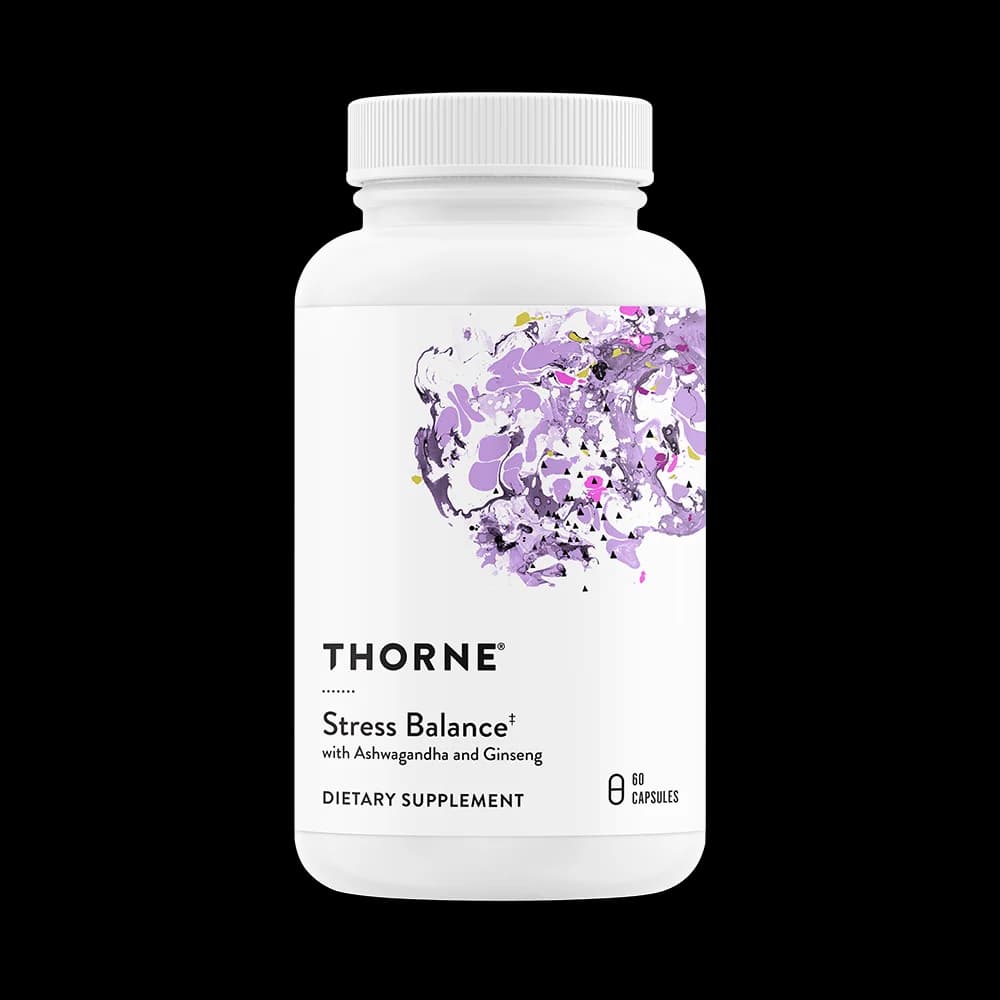
This is where targeted nutritional and botanical support becomes a crucial piece of the chronic illness management puzzle. Thorne’s Stress Balance is a comprehensive, science-backed formula designed specifically to address this exact intersection of deep fatigue and chronic physiological stress. By combining potent, clinically studied adaptogenic herbs like KSM-66® Ashwagandha with essential, active-form adrenal-supporting micronutrients, this supplement aims to restore harmony to the body's stress pathways. In this comprehensive guide, we will explore the deep science behind how Stress Balance works at a cellular and molecular level to support mitochondrial energy production, modulate cortisol levels, and help you reclaim your physiological resilience.
What is Stress Balance?
To understand how a supplement like Stress Balance functions, we first need to understand the natural biological mechanisms of stress. In a healthy body, the stress response is governed by the Hypothalamic-Pituitary-Adrenal (HPA) axis. When the brain perceives a stressor—whether it is a viral infection, physical exertion, or emotional trauma—the hypothalamus releases corticotropin-releasing hormone (CRH). This signals the pituitary gland to release adrenocorticotropic hormone (ACTH), which travels through the bloodstream to the adrenal glands, prompting them to synthesize and release cortisol and adrenaline. This cascade is designed to be acute and temporary, mobilizing glucose for immediate cellular energy and suppressing non-essential functions like digestion and immune responses until the threat has passed.
However, when stress becomes chronic, as seen in complex post-viral conditions, the adrenal glands are forced to continuously pump out these hormones. This relentless demand rapidly depletes the body's reserves of specific micronutrients, particularly B vitamins and Vitamin C, which act as essential cofactors in the enzymatic assembly line of hormone production. Over time, the HPA axis can become blunted or exhausted, leading to a state where the body can no longer mount an appropriate cortisol response to daily challenges. Stress Balance is formulated to intervene in this process by providing the exact structural building blocks the adrenal glands need, alongside botanical compounds that help regulate the brain's signaling to those glands.
A core component of Stress Balance is its inclusion of adaptogens, a unique class of botanical substances that have been used for centuries in traditional medicine and heavily researched in modern clinical settings. Adaptogens, such as Ashwagandha, Asian Ginseng, and Eleuthero, are defined by their ability to increase the body's non-specific resistance to stress and promote homeostasis. Unlike stimulants (like caffeine) that force the body to produce artificial energy and inevitably lead to a crash, adaptogens work by modulating the stress response system itself. They help the body "adapt" to physiological stressors by either upregulating or downregulating the HPA axis depending on what the body needs in that exact moment.
At the molecular level, adaptogens interact with the neuroendocrine system to protect mitochondria from stress-induced damage, reduce the accumulation of oxidative stress markers, and support the synthesis of calming neurotransmitters. For example, the KSM-66® Ashwagandha extract in Stress Balance is a highly concentrated, full-spectrum root extract that has been clinically shown to reduce serum cortisol levels and mitigate the psychological and physiological impacts of chronic stress. By incorporating these botanicals, the formula aims to widen a patient's "window of tolerance," making their nervous system more resilient to the unpredictable triggers of chronic illness.
Beyond botanicals, Stress Balance provides a robust foundation of essential micronutrients that are rapidly burned through during chronic illness. The formula includes 250 mg of Vitamin C, which is critical because the adrenal glands contain the highest concentration of Vitamin C in the entire human body. During periods of stress, the adrenals secrete Vitamin C alongside cortisol; it acts as a vital antioxidant, protecting the delicate adrenal tissues from the oxidative damage caused by massive hormone synthesis. Without adequate Vitamin C, the structural integrity of the adrenal cortex can become compromised, leading to impaired hormone production and increased systemic inflammation.
Furthermore, the supplement includes active forms of B vitamins, specifically Thiamin (B1), Vitamin B6 (as Pyridoxal 5'-Phosphate), and Pantothenic Acid (B5), alongside Zinc. Pantothenic acid is the direct metabolic precursor to Coenzyme A, an absolute prerequisite for the synthesis of cholesterol into pregnenolone, the master hormone from which cortisol is derived. Meanwhile, the active form of B6 (P5P) acts as a coenzyme in over 150 biochemical reactions, including the synthesis of GABA, an inhibitory neurotransmitter that calms the central nervous system. Together, these nutrients ensure that the physiological "machinery" of the stress response has the fuel it needs to operate efficiently without burning out.
How Long COVID and ME/CFS Impact the HPA Axis
To grasp why a supplement like Stress Balance is so relevant for our patient population, we must examine What Causes Long COVID? and how it intimately affects the endocrine system. Dysfunction of the HPA axis has emerged as a critical biological feature linking Long COVID and ME/CFS. Recent high-profile studies have demonstrated that in these complex chronic conditions, the HPA axis is profoundly disrupted. A landmark 2023 study by Yale University researchers investigating the immune and hormonal profiles of Long COVID patients found that decreased levels of circulating cortisol were the single most significant individual predictor of Long COVID status. The viral infection, whether SARS-CoV-2 or Epstein-Barr Virus, appears to trigger severe localized neuroinflammation in the brain, disrupting the delicate communication loop between the hypothalamus, the pituitary gland, and the adrenals.
This disruption is not merely psychological; it is a structural and biochemical breakdown. Advanced molecular analyses and autopsies of severe ME/CFS patients have revealed a dramatic reduction of corticotropin-releasing hormone (CRH) producing neurons in the hypothalamus. This indicates a profound central shutdown of the HPA axis originating directly in the brain. When the brain fails to send the proper signals, the adrenal glands do not produce enough cortisol, leading to a state of chronic hypocortisolism. Because cortisol acts as a vital anti-inflammatory and energy-mobilizing hormone, its depletion results in unchecked systemic inflammation, debilitating fatigue, and severe immune dysregulation.
In a healthy individual, cortisol follows a strict circadian rhythm, known as the diurnal curve. Cortisol levels should peak sharply in the early morning (the cortisol awakening response) to provide the energy needed to start the day, and then gradually taper off, reaching their lowest point at night to allow for restorative sleep. However, patients with Long COVID and ME/CFS frequently experience a "flattened" diurnal cortisol curve. They exhibit significantly reduced morning cortisol peaks, making it incredibly difficult to wake up and function, and abnormally elevated evening levels, which contribute to the classic "wired and tired" sensation and severe insomnia.
This loss of metabolic flexibility means the body cannot mount an appropriate response to minor physical or mental stressors. When a healthy person walks up a flight of stairs or engages in a stressful conversation, their HPA axis briefly spikes cortisol to meet the demand. In a patient with a blunted HPA axis, this spike does not occur. The body is forced to rely on secondary, less efficient emergency pathways, rapidly depleting cellular adenosine triphosphate (ATP) and triggering the severe metabolic crashes known as post-exertional malaise (PEM). Understanding this mechanism is crucial when exploring Can Long COVID Trigger ME/CFS? Unraveling the Connection.
The consequences of low cortisol extend far beyond simple fatigue; they create a vicious cycle of neuroinflammation. Cortisol is the body's primary built-in "brake" for the immune system. Without sufficient cortisol to suppress inflammatory cytokines, the immune system remains in a state of chronic, low-grade activation. This persistent inflammation sensitizes the microglia (the immune cells of the brain), leading to the severe cognitive dysfunction and neuro-inflammation commonly referred to as brain fog. For a deeper dive into this symptom, see our guide on What Is “Brain Fog” and Cognitive Dysfunction in Long COVID?.
Furthermore, this unchecked inflammation damages the vagus nerve, which acts as a critical sensory regulator connecting the gut, brain, and endocrine system. Viral damage to the vagus nerve drives autonomic dysregulation (dysautonomia and POTS), further destabilizing cardiovascular tone and cortisol production. The patient is left trapped in a loop: neuroinflammation blunts the HPA axis, which lowers cortisol, which in turn allows for more neuroinflammation. Breaking this cycle requires a multi-targeted approach that supports adrenal function, modulates the immune response, and protects the nervous system from oxidative stress—precisely the mechanisms that the ingredients in Stress Balance are designed to address.
Stress Balance: Supporting Adrenal Function and Energy Production
The formulation of Stress Balance leverages multiple biochemical pathways to support the dysregulated HPA axis, starting with its inclusion of 150 mg of KSM-66® Ashwagandha extract. Ashwagandha (Withania somnifera) is a premier adaptogen that directly influences the neuroendocrine system. At the cellular level, the active compounds in ashwagandha, known as withanolides, exhibit potent GABA-mimetic activity. Gamma-aminobutyric acid (GABA) is the primary inhibitory neurotransmitter in the brain, responsible for calming over-excited neurons. By mimicking GABA, ashwagandha helps decelerate an overactive HPA axis, reducing the excessive firing of the hypothalamus that occurs during chronic stress and anxiety.
Clinically, KSM-66 has been extensively studied for its ability to modulate cortisol. In patients with chronic stress, it helps lower elevated serum cortisol levels back to a healthy baseline. However, because it is an adaptogen rather than a suppressive drug, it does not indiscriminately crush cortisol production; instead, it promotes homeostasis, helping to restore the natural diurnal curve. This is particularly vital for patients who experience the "wired and tired" phenomenon, as studies have shown that KSM-66 significantly improves sleep efficiency and reduces anxiety parameters, allowing the nervous system to finally transition into a parasympathetic "rest and digest" state.
While adaptogens modulate the brain's signaling, the B vitamins in Stress Balance provide the raw materials required for the adrenal glands to execute those signals. Pantothenic Acid (Vitamin B5), included at a robust 100 mg dose, is the direct structural precursor to Coenzyme A (CoA). In the zona fasciculata of the adrenal cortex, CoA is an absolute prerequisite for the synthesis of cholesterol into pregnenolone, the foundational building block for cortisol. Animal models and human clinical reviews have demonstrated that a deficiency in pantothenic acid leads to impaired adrenal function and diminished secretion of corticosteroids, resulting in profound fatigue and an inability to cope with physical stressors.
Complementing B5 is Vitamin B6 (as Pyridoxal 5'-Phosphate). While B5 builds the hormones, B6 acts as a neural and enzymatic modulator. P5P is the active, coenzyme form of B6, meaning it does not require conversion by the liver and is immediately bioavailable. It is essential for the synthesis of calming neurotransmitters like serotonin and dopamine, and it helps regulate the rhythmic control of the HPA axis. Furthermore, research indicates that Vitamin B6 helps the body process cortisol more efficiently at the cellular receptor level, preventing the tissue damage associated with chronically high stress hormones and enhancing the body's allostatic regulation.
One of the most fascinating and targeted ingredients in Stress Balance is Licorice root (Glycyrrhiza glabra). In patients with Long COVID and ME/CFS who suffer from hypocortisolism (low cortisol), the body struggles to maintain adequate levels of this vital hormone in the bloodstream. Licorice root contains an active compound called glycyrrhizin, which is metabolized in the gut into glycyrrhetinic acid. Once in the bloodstream, this metabolite acts as a potent, reversible inhibitor of the enzyme 11-beta-hydroxysteroid dehydrogenase type 2 (11β-HSD2).
Under normal physiological conditions, 11β-HSD2 is responsible for oxidizing active cortisol into inactive cortisone, effectively clearing it from the body. By inhibiting this enzyme, licorice root prevents the breakdown of cortisol, significantly extending its plasma half-life from approximately 80 minutes to up to 190 minutes. This means that the small amount of cortisol the exhausted adrenal glands are able to produce remains active in the bloodstream for a much longer period, providing sustained energy, improved blood pressure regulation (crucial for dysautonomia patients), and prolonged anti-inflammatory benefits without requiring the adrenals to work harder.
To combat the profound cellular fatigue associated with post-viral syndromes, Stress Balance incorporates Asian Ginseng (Panax ginseng) and Eleuthero (Eleutherococcus senticosus). These botanicals target energy production at the mitochondrial level. Panax ginseng contains active compounds called ginsenosides, which have been shown in randomized, double-blind trials to significantly improve mental fatigue by lowering levels of reactive oxygen species (ROS) and malondialdehyde (MDA). By neutralizing these free radicals, ginseng protects the delicate mitochondrial membranes from oxidative stress, allowing for more efficient ATP (cellular energy) synthesis.
Eleuthero, on the other hand, contains eleutherosides that improve physical stamina and endurance by altering substrate metabolism. Clinical studies have demonstrated that Eleuthero enables skeletal muscles to utilize lipids (fats) for energy more efficiently, thereby sparing precious glycogen reserves and reducing the buildup of lactic acid during exertion. For patients dealing with post-exertional malaise (PEM), this metabolic support is critical, as it helps raise the threshold at which physical activity triggers a catastrophic energy crash, promoting greater resilience in daily life.

Symptoms Stress Balance May Help Manage
Because Stress Balance acts on the foundational HPA axis and cellular energy pathways, it has the potential to alleviate a wide range of downstream symptoms associated with complex chronic conditions. By restoring micronutrient reserves and modulating cortisol, patients may experience improvements in several debilitating areas:
Profound Fatigue and PEM: By providing Pantothenic Acid for cortisol synthesis and Eleuthero for mitochondrial glycogen sparing, the formula helps raise the cellular energy threshold, potentially reducing the severity and frequency of post-exertional crashes.
Brain Fog and Cognitive Dysfunction: The antioxidant properties of Panax Ginseng help neutralize reactive oxygen species in the brain, while Ashwagandha's GABA-mimetic effects calm neuroinflammation, promoting better mental clarity and focus.
"Wired and Tired" Sleep Disturbances: KSM-66 Ashwagandha helps decelerate an overactive HPA axis and lowers elevated evening cortisol, allowing the nervous system to shift out of hyper-arousal and into a state conducive to restorative sleep.
Orthostatic Intolerance (POTS/Dysautonomia): The glycyrrhizin in Licorice root extends the half-life of cortisol, which acts as a mineralocorticoid to help the body retain sodium and water, thereby supporting blood volume and stabilizing blood pressure upon standing.
Immune Dysregulation: Vitamin C and Zinc provide essential antioxidant protection for immune cells, while the adaptogenic blend helps restore the cortisol "brake" needed to calm chronic, low-grade systemic inflammation and mast cell reactivity.
Low Mood and Emotional Resilience: The active form of Vitamin B6 (P5P) is a crucial coenzyme for the synthesis of serotonin and dopamine, helping to stabilize mood and improve psychological resilience in the face of chronic illness.
Practical Considerations: Forms, Dosing, and Absorption
When dealing with chronic illness, particularly conditions like Long COVID and ME/CFS that often involve gastrointestinal dysfunction and altered microbiome health, the bioavailability of a supplement is just as important as its ingredients. Stress Balance is formulated with this in mind, utilizing the active, tissue-ready forms of vitamins, such as Pyridoxal 5'-Phosphate (P5P) instead of standard pyridoxine hydrochloride. This ensures that the body does not have to expend additional energy converting the vitamins in the liver before they can be used by the cells. Furthermore, the inclusion of KSM-66® Ashwagandha guarantees a full-spectrum extract that retains the natural balance of withanolides found in the original herb, maximizing its clinical efficacy.
To further enhance absorption, Stress Balance includes 50 mg of Ginger extract (Zingiber officinale). Ginger is a well-known botanical bio-enhancer that stimulates digestive motility and increases blood flow to the gastrointestinal tract. By promoting healthy digestion and reducing gut inflammation, ginger ensures that the complex adaptogenic compounds and water-soluble B vitamins in the formula are optimally absorbed across the intestinal lining and delivered into the systemic circulation where they are needed most.
Because Stress Balance is designed to modulate the HPA axis and influence cortisol levels, the timing of supplementation is a critical practical consideration. To support a healthy, natural diurnal cortisol curve, it is generally recommended to take the supplement earlier in the day. Taking 2 capsules in the morning can help support the natural cortisol awakening response, providing the adrenal support needed to initiate energy production for the day. If a second dose is recommended by your healthcare provider, taking it in the early afternoon can help prevent the mid-day energy crash commonly experienced by patients with chronic fatigue. Taking it too late in the evening may inadvertently stimulate the adrenals and interfere with sleep onset.
While Stress Balance is formulated with natural botanicals and essential nutrients, it is a potent biological modulator and must be used with care. The product is contraindicated in individuals with a history of hypersensitivity to any of its ingredients. Importantly, because of the blood-thinning effects of ginger extract, Stress Balance should be used with caution or entirely avoided in individuals who are on anticoagulant therapy (blood thinners) or who are preparing for surgery, as it may increase the risk of bleeding. Additionally, high doses of Vitamin C can cause gastrointestinal upset or diarrhea in some sensitive individuals; this is highly variable and typically resolves if the dosage is reduced.
Furthermore, patients with severe hypertension (high blood pressure) should consult their doctor before using this product due to the inclusion of Licorice root. Because licorice extends the half-life of cortisol and can cause the body to retain sodium and excrete potassium (a condition known as pseudohyperaldosteronism), it can elevate blood pressure. Finally, if you are pregnant, nursing, or trying to conceive, you should not use this product, as adaptogens and hormonal modulators can interfere with fetal development and maternal hormonal balance. Always discuss new supplements with your healthcare provider, especially when navigating the complexities of How Does a Doctor Diagnose Long COVID?.
Follow the Science
The efficacy of the ingredients in Stress Balance is supported by a robust body of clinical research, particularly regarding KSM-66® Ashwagandha. A benchmark randomized, double-blind, placebo-controlled study published in the Indian Journal of Psychological Medicine evaluated 64 adults with a history of chronic stress. Participants taking 600 mg of KSM-66 daily for 60 days experienced a remarkable 27.9% reduction in serum cortisol levels, compared to just a 7.9% reduction in the placebo group. Furthermore, the treatment group saw a 44% reduction on the Perceived Stress Scale (PSS) and over a 70% drop in anxiety and depression scores, validating its profound impact on the HPA axis.
Subsequent studies have reinforced these findings across different dosages and populations. A 2019 study by Salve et al. demonstrated that both 250 mg and 600 mg daily doses of KSM-66 significantly reduced perceived stress and serum cortisol compared to a placebo over an 8-week period. More recently, research focusing on sleep and anxiety found that ashwagandha supplementation significantly improved sleep efficiency, total sleep time, and sleep onset latency in both healthy volunteers and insomnia patients, highlighting its ability to shift the nervous system out of chronic hyper-arousal.
The scientific literature also strongly supports the synergistic combination of B vitamins and adaptogens for fatigue and stress management. A prominent Phase IV randomized clinical trial published in PLoS One (Pouteau et al., 2018) evaluated adults suffering from severe stress. The study found that combining Vitamin B6 with magnesium resulted in a 24% greater improvement in stress reduction compared to taking magnesium alone, proving that B6 is a critical modulator of the body's allostatic stress response.
Similarly, the adaptogens Panax Ginseng and Eleuthero have been heavily researched for their anti-fatigue properties. A randomized, double-blind, placebo-controlled trial published in PLOS One (2013) investigated patients with idiopathic chronic fatigue. The researchers found that Panax ginseng extract significantly improved mental fatigue symptoms while simultaneously lowering markers of oxidative stress (ROS and MDA). This dual action of reducing cellular damage while boosting perceived energy underscores why these botanicals are foundational to the Stress Balance formula.
As our understanding of post-viral syndromes evolves, the relevance of HPA axis support becomes increasingly clear. The landmark 2023 Yale University study, which identified low circulating cortisol as the primary predictor of Long COVID, has shifted the paradigm of how we view post-infectious fatigue. This research aligns with recent autopsies of ME/CFS patients presented at the 2025 IACFS/ME Conference, which revealed a dramatic loss of CRH-producing neurons in the hypothalamus. These findings confirm that the exhaustion experienced by patients is not a lack of willpower, but a profound, measurable neuroendocrine failure. By utilizing targeted supplements like Stress Balance to support cortisol half-life and adrenal function, patients are directly addressing the biological mechanisms highlighted by the latest cutting-edge research. For more context on the systemic impact of these illnesses, consider reading Is Long COVID Considered a Disability?.
The Path Forward
Navigating life with a complex chronic illness like Long COVID, ME/CFS, or dysautonomia is an exhausting, full-time job. The profound fatigue, the unpredictable crashes, and the sensation of being constantly "wired and tired" are valid, biologically rooted symptoms of a nervous system and HPA axis that have been pushed beyond their limits. It is crucial to remember that your exhaustion is not a personal failure; it is a measurable physiological state driven by neuroinflammation, hypocortisolism, and cellular energy depletion. Validating this reality is the first step toward reclaiming your health and finding strategies that genuinely support your body's unique needs.
While Thorne's Stress Balance offers a powerful, science-backed combination of adaptogens and micronutrients to support adrenal function and modulate cortisol, it is not a standalone cure. True healing requires a comprehensive, multi-disciplinary approach. Supplements are most effective when used as a biological foundation to support behavioral management strategies, such as radical resting, heart-rate variability tracking, and strict pacing to avoid post-exertional malaise. By providing your adrenal glands with the structural support of B vitamins and the modulating effects of Ashwagandha and Licorice root, you can potentially raise your energy baseline, making your daily pacing strategies more effective and your crashes less severe.
If you are struggling with the relentless cycle of chronic stress and deep fatigue, targeted nutritional support may help you break the loop and restore a sense of physiological balance. As always, because chronic illnesses are highly individualized and complex, it is essential to consult with a healthcare provider before introducing new supplements, especially those that influence hormone levels and blood pressure. By combining expert medical guidance with science-backed formulations, you can take proactive steps toward rebuilding your resilience and improving your quality of life.