Can Silymarin Support Liver Health and Detoxification in Long COVID and ME/CFS?
March 6, 2026
SilymarinLong COVIDME/CFS
Share:
Disclaimer: The information provided here is for educational purposes only and is not intended as medical advice. It should not be used to diagnose, treat, cure, or prevent any medical condition. Instead, use it as a starting point for discussion with your healthcare provider. Always consult with a qualified healthcare provider before starting any new medication, supplement, device, or making changes to your health regimen.
Months after recovering from an initial viral infection, many people find themselves fighting a relentless battle against debilitating symptoms. The profound exhaustion, cognitive dysfunction, and systemic inflammation associated with Long COVID and myalgic encephalomyelitis/chronic fatigue syndrome (ME/CFS) can make simply getting through the day feel like an insurmountable challenge. If you are living with these complex chronic conditions, you are likely intimately familiar with the frustration of seeking answers in a medical landscape that is still catching up to your reality. You may have heard terms like "oxidative stress" or "mitochondrial dysfunction" used to explain why your body feels like a battery that refuses to hold a charge.
In the search for validating, science-backed strategies to manage these invisible illnesses, the health of our detoxification systems—particularly the liver—often comes into focus. The liver is the body's primary filtration system, responsible for clearing out metabolic waste, neutralizing toxins, and managing the chemical byproducts of chronic inflammation. When the body is trapped in a post-viral inflammatory loop, the liver's detoxification pathways can become overwhelmed, depleting crucial cellular defenses like glutathione. This is where targeted nutritional support becomes a vital piece of the management puzzle. Silymarin, a potent flavonoid complex derived from the milk thistle plant, has emerged as a compelling compound for supporting liver function, enhancing detoxification, and protecting vulnerable cells from free radical damage. In this comprehensive guide, we will explore the intricate cellular mechanisms of silymarin and how it may support individuals navigating the complexities of Long COVID, ME/CFS, and dysautonomia.
What is Silymarin?
The Origins of Milk Thistle and Silibinin
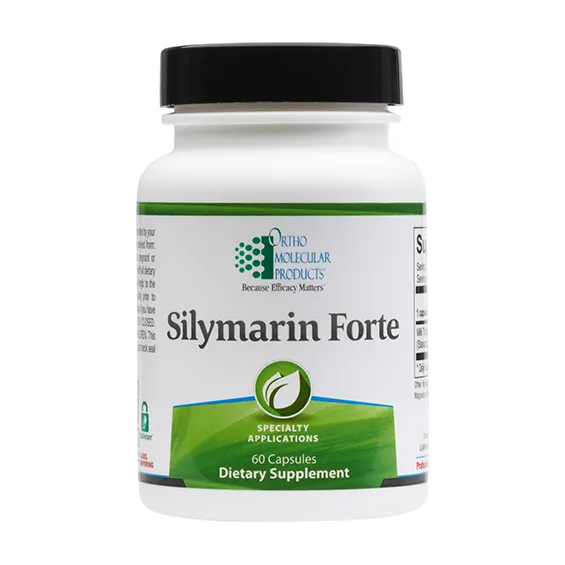
Silymarin is not a single molecule, but rather a complex of highly active flavonolignans extracted from the seeds of the milk thistle plant (Silybum marianum). For centuries, traditional medicine systems have utilized milk thistle as a natural hepatoprotective (liver-protecting) agent to treat various biliary and hepatic disorders. However, modern analytical chemistry and molecular biology have allowed us to isolate and understand its specific components. The primary and most biologically active constituent within the silymarin complex is silibinin (also known as silybin), which accounts for the majority of the extract's therapeutic properties. When you see a high-quality supplement like Silymarin Forte standardized to a specific percentage, it ensures that a clinically relevant concentration of these active flavonolignans is present in every dose.
At the cellular level, silymarin functions as much more than a simple antioxidant. While it does possess the ability to directly scavenge reactive oxygen species (ROS), its true power lies in its capacity to act as a genetic modulator. Recent advancements in molecular biology have revealed that silymarin interacts directly with the signaling proteins that control how our cells defend themselves against toxic insults. By influencing these deep-seated biological pathways, silymarin helps to fortify the liver's structural integrity, ensuring that hepatocytes (liver cells) can survive and function even under conditions of severe metabolic stress.
The Nrf2 Pathway and the Master Antioxidant Switch
To understand how silymarin protects the liver, we must look at a specific genetic pathway known as the Nrf2 (Nuclear factor erythroid 2-related factor 2) pathway. In the medical literature, Nrf2 is frequently described as the "master regulator" of the cellular antioxidant defense system. Under normal, healthy physiological conditions, Nrf2 is kept in a dormant state within the cell's cytoplasm. It is tethered to an inhibitory protein called Keap1, which acts as a sensor for oxidative stress. As long as Keap1 holds onto Nrf2, the antioxidant defenses remain at a baseline level, and Nrf2 is eventually targeted for degradation.
Pharmacological studies demonstrate that silymarin acts as a powerful disruptor of this Keap1-Nrf2 complex. When silymarin enters the liver cell, it causes Keap1 to release its grip on Nrf2. Once freed, Nrf2 rapidly translocates (moves) into the nucleus of the cell. Inside the nucleus, Nrf2 binds to specific sequences of DNA known as Antioxidant Response Elements (AREs). This binding event is akin to flipping a massive genetic switch. It initiates the robust transcription of a suite of Phase II detoxifying and antioxidant enzymes, including Heme Oxygenase-1 (HO-1), Superoxide Dismutase (SOD), and Catalase (CAT). By turning on this master switch, silymarin effectively upgrades the cell's entire defensive infrastructure.
Glutathione Synthesis and Cellular Defense
One of the most critical downstream effects of Nrf2 activation by silymarin is the profound enhancement of the glutathione (GSH) system. Glutathione is the most abundant endogenous intracellular antioxidant in the human body, and it is heavily concentrated in the liver. It is absolutely crucial for neutralizing free radicals, detoxifying heavy metals, and processing pharmaceutical drugs. During times of chronic illness or toxic exposure, the liver's glutathione pool can become rapidly depleted, leaving cells vulnerable to widespread damage and necrosis (cell death).
Silymarin prevents this dangerous depletion through a multi-pronged approach. First, it directly stimulates the transcription of genes necessary for de novo (new) glutathione synthesis, notably the enzymes Glutamate-cysteine ligase catalytic subunit (GCLC) and Glucose-6-phosphate dehydrogenase (G6PD). Second, research indicates that silymarin upregulates the expression of Glutathione Reductase (GR), the enzyme responsible for recycling oxidized, "used up" glutathione back into its active, protective form. By both building new glutathione and aggressively recycling the existing supply, silymarin ensures the liver maintains a robust defense against oxidative stress. You can learn more about the importance of this master antioxidant in our reduced glutathione supplement guide.
The NF-κB Pathway and Inflammatory Modulation
Oxidative stress and inflammation are deeply intertwined processes; where one goes, the other inevitably follows. Silymarin acts as a dual-action agent by not only boosting antioxidants via Nrf2 but also actively suppressing inflammation. It achieves this by inhibiting the NF-κB (Nuclear factor kappa B) pathway. NF-κB is a protein complex that controls the transcription of DNA, cytokine production, and cell survival. When activated inappropriately, it drives the chronic, systemic inflammation seen in many complex diseases.
Studies have shown that silymarin inhibits the degradation of a specific inhibitory protein (IκBα) that normally traps NF-κB in the cytoplasm. By keeping NF-κB locked outside the nucleus, silymarin prevents the transcription of pro-inflammatory cytokines such as Tumor Necrosis Factor-alpha (TNF-α), Interleukin-1 beta (IL-1β), and Interleukin-6 (IL-6). This mechanism is particularly important in the liver, as it prevents the hyperactivation of Kupffer cells (the liver's resident immune cells), thereby halting the progression of fibrotic tissue damage and inflammatory scarring.
How Long COVID and ME/CFS Impact Liver Function and Detoxification
The Systemic Energy Crisis and Oxidative Stress
To comprehend why a liver-supporting supplement like silymarin is relevant to conditions like Long COVID and ME/CFS, we must examine the underlying pathophysiology of these illnesses. Recent medical research has increasingly identified unrelenting oxidative stress and sustained mitochondrial dysfunction as the unifying mechanisms driving post-viral fatigue syndromes. In a healthy body, the production of cellular energy (ATP) naturally creates a small amount of free radicals, which are easily neutralized by the body's antioxidant systems. However, in Long COVID and ME/CFS, this delicate balance is shattered.
A landmark 2024–2025 study from Stanford University found that in patients with Long COVID and ME/CFS, immune cells (specifically T-cells) exhibited severe signs of oxidative stress and lipid peroxidation. These cells were found to be hyper-proliferating, consuming massive amounts of the host's energy just to survive the ongoing oxidative damage. This acts as a systemic "energy sink," draining the body's resources and resulting in the profound, debilitating fatigue and post-exertional malaise (PEM) that patients experience. The body is literally burning through its energy reserves to fight an invisible, internal fire of oxidative stress.
Viral Interference and Mitochondrial Damage
The root of this oxidative stress often traces back to direct viral interference. Recent studies indicate that the SARS-CoV-2 virus, and specifically its spike protein, can interact directly with mitochondrial membranes. This interaction disrupts the essential processes of mitochondrial fusion and fission—the mechanisms by which mitochondria divide, combine, and repair themselves. Furthermore, the virus impairs mitophagy, the cellular cleanup process responsible for clearing out damaged, dysfunctional mitochondria.
When mitophagy fails, the cells become cluttered with broken, inefficient mitochondria that produce less ATP and leak excessive amounts of reactive oxygen species (ROS) into the cellular environment. This creates a vicious cycle: damaged mitochondria produce more oxidative stress, which in turn causes further damage to the remaining healthy mitochondria. This systemic mitochondrial failure is a core driver of the physical exhaustion seen in ME/CFS and Long COVID, making interventions that protect mitochondrial integrity absolutely paramount.
The Burden on Hepatic Detoxification Pathways
As the body struggles with this massive burden of oxidative stress and cellular debris, the liver bears the brunt of the cleanup effort. The liver's Phase I and Phase II detoxification pathways are responsible for neutralizing the toxic byproducts of cellular damage, as well as processing the numerous medications and supplements patients often take to manage their symptoms. Research highlights that hepatic dysfunction can continue for many months after an acute COVID-19 infection, as the liver's resources are stretched to their limits.
When the liver's supply of glutathione is depleted by the constant demand to neutralize ROS, the detoxification pathways slow down. This leads to a buildup of metabolic waste products and inflammatory mediators in the bloodstream. This systemic toxicity can exacerbate symptoms across the entire body, triggering mast cell activation syndrome (MCAS) flares, worsening dysautonomia symptoms, and contributing to a general feeling of being "poisoned" or profoundly unwell that many patients report during a crash. Understanding these liver-gut connections is crucial, as explored in our article on gastrointestinal symptoms seen with Long COVID.
Neuroinflammation and the "Brain Fog" Connection
The consequences of this oxidative stress and impaired detoxification do not remain confined to the body; they profoundly impact the brain. When free radicals outpace the body's antioxidant defenses, they activate the NLRP3 inflammasome, a multiprotein complex that triggers the release of highly pro-inflammatory cytokines. Studies investigating Long COVID have shown that these cytokines, particularly IL-6 and TNF-alpha, can cross the blood-brain barrier.
Once inside the central nervous system, these inflammatory mediators activate microglial cells (the brain's immune cells), leading to chronic neuroinflammation. This neuroinflammatory state is widely recognized as the physiological basis for "brain fog"—the severe cognitive dysfunction, memory loss, and difficulty concentrating that plagues so many individuals with Long COVID and ME/CFS. Therefore, supporting systemic detoxification and reducing peripheral oxidative stress is a critical strategy for protecting the brain and improving cognitive clarity.
Silymarin: Supporting Detoxification and Cellular Energy
Shielding the Mitochondrial Electron Transport Chain
Silymarin steps into this complex web of post-viral dysfunction by offering targeted support at the molecular level. One of its most profound benefits for individuals with ME/CFS and Long COVID is its ability to physically shield the mitochondria. Inside the mitochondria, the Electron Transport Chain (ETC) is responsible for generating ATP. However, the ETC is highly vulnerable to lipid peroxidation—a process where free radicals attack and degrade the lipid membranes of the mitochondria, causing them to leak and fail.
Pharmacological research demonstrates that silymarin preserves hepatic mitochondrial bioenergetics by maintaining membrane fluidity and stabilizing the mitochondrial membrane potential. Because silymarin is highly lipophilic (fat-soluble), it can integrate into these lipid membranes, acting as a structural antioxidant shield. By stopping lipid peroxidation in its tracks, silymarin ensures that the electron transport chain can continue to function efficiently, directly addressing the cellular energy crisis that drives debilitating fatigue. Furthermore, it activates AMPK (AMP-activated protein kinase), an enzyme that promotes mitochondrial biogenesis—the creation of new, healthy mitochondria to replace the damaged ones.
Restoring the Glutathione Pool
As previously discussed, the depletion of glutathione is a major bottleneck in the recovery process for chronic illness patients. Without adequate glutathione, the liver cannot clear the metabolic debris generated by viral infections and chronic inflammation. Silymarin's ability to activate the Nrf2 pathway directly rescues the liver's redox homeostasis. By turning on the genes responsible for glutathione synthesis (GCLC) and recycling (Glutathione Reductase), silymarin ensures a steady, reliable supply of this master antioxidant.
In vitro and in vivo studies have shown that during toxic liver insults, silymarin enhances the enzymatic defense system to quickly restore GSH synthesis, effectively attenuating chemical-induced hepatotoxicity. For a patient with Long COVID, this means the liver is better equipped to handle the systemic oxidative burden, reducing the overall toxic load on the body. This mechanism is highly complementary to other detox-supporting nutrients, which you can read about in our L-Methionine supplement guide and our NAC supplement guide.
Suppressing the Cytokine Storm via p38 MAPK
Beyond its antioxidant capabilities, silymarin acts as a potent immunomodulator, which is crucial for patients trapped in a state of hyper-immunity or mast cell activation. In addition to inhibiting the NF-κB pathway, silymarin has been shown to suppress the p38 MAPK (Mitogen-Activated Protein Kinase) pathway. The p38 MAPK pathway is a critical regulator of proinflammatory cytokine synthesis and is heavily implicated in the aggressive viral inflammation seen in COVID-19.
Clinical investigations into COVID-19 pneumonia have hypothesized that because silymarin inhibits this specific pathway, it can drastically lower the production of inflammatory markers like IL-6, IL-8, and TNF-alpha. By cooling down this systemic "cytokine storm," silymarin helps to reduce the peripheral inflammation that ultimately crosses the blood-brain barrier. This immunomodulatory effect is why many patients report a gradual lifting of brain fog and a reduction in the severity of their inflammatory symptom flares when consistently supporting their liver health.
Enhancing Phase II Liver Detoxification
The liver detoxifies harmful compounds in two main phases. Phase I uses cytochrome P450 enzymes to make toxins water-soluble, which often creates highly reactive intermediate free radicals. Phase II involves conjugating (binding) these reactive intermediates to other molecules—like glutathione, sulfate, or glucuronic acid—so they can be safely excreted in bile or urine. If Phase I outpaces Phase II, the liver becomes flooded with dangerous reactive intermediates, causing severe oxidative damage.
Silymarin specifically supports and upregulates Phase II detoxification enzymes, particularly Glutathione-S-Transferase (GST). Time-dependent cellular models have revealed that exposure to silibinin maximizes the expression of GSTP1 and other Nrf2-driven antioxidant mechanisms within 48 hours. By ensuring that Phase II conjugation keeps pace with Phase I metabolism, silymarin prevents the buildup of toxic intermediates, ensuring a smooth, efficient, and safe detoxification process. This balanced detoxification is essential for patients managing multiple chemical sensitivities or heavy medication burdens.
Symptoms Silymarin May Help Manage
Core Systemic Symptoms
Based on its mechanisms of action—specifically its ability to boost glutathione, protect mitochondrial membranes, and modulate inflammatory pathways—silymarin may help manage several debilitating symptoms associated with complex chronic illnesses:
Profound Fatigue and Low Energy: By shielding the mitochondrial electron transport chain from lipid peroxidation, silymarin supports more efficient ATP (cellular energy) production, helping to raise the baseline energy levels in patients with ME/CFS and Long COVID.
Post-Exertional Malaise (PEM): PEM is driven by an inability to meet cellular energy demands during exertion, leading to a massive spike in oxidative stress. Silymarin's upregulation of the Nrf2 pathway provides a robust antioxidant buffer that may help mitigate the severity and duration of these metabolic crashes.
Systemic Inflammation and Joint Pain: By inhibiting the NF-κB and p38 MAPK pathways, silymarin reduces the systemic circulation of pro-inflammatory cytokines like TNF-alpha and IL-6, which are often responsible for widespread body aches and inflammatory flares.
Cognitive and Gastrointestinal Symptoms
In addition to systemic physical symptoms, the downstream effects of improved liver function and reduced oxidative stress can positively impact cognitive and digestive health:
Brain Fog and Cognitive Dysfunction: Neuroinflammation is triggered when peripheral cytokines cross the blood-brain barrier. By lowering systemic inflammation and reducing the activation of the NLRP3 inflammasome, silymarin helps protect the central nervous system, potentially improving memory, focus, and mental clarity.
Chemical and Medication Sensitivities: Patients with Long COVID and MCAS often become highly sensitive to medications and environmental toxins. By upregulating Phase II liver detoxification enzymes (like GST) and boosting glutathione, silymarin helps the body clear these triggers more efficiently, reducing the burden on the immune system.
Digestive Sluggishness and Biliary Issues: Silymarin has a long history of supporting gallbladder function and promoting healthy bile flow. Efficient bile flow is necessary for the excretion of conjugated toxins from the liver into the digestive tract for elimination, supporting overall gastrointestinal motility and health.
Practical Considerations: Forms, Dosing, and Absorption
The Bioavailability Challenge
While the cellular mechanisms of silymarin are highly impressive, it is crucial to understand the practical challenges of supplementing with this compound. Historically, the clinical efficacy of silymarin has been hindered by its extremely low systemic bioavailability. Pharmacokinetic research indicates that only about 23% to 47% of orally administered silymarin is absorbed in the gastrointestinal tract. This is primarily because silymarin is highly lipophilic (fat-soluble) and practically insoluble in water.
Furthermore, the intestinal epithelium actively throttles the absorption of silybin (the main active component) via apical efflux transporters. Studies have identified specific multidrug resistance-associated proteins (like MRP2 and P-glycoprotein) that act as cellular bouncers, pumping the silymarin molecules back into the intestinal lumen before they can reach the bloodstream. Once absorbed, silymarin is also rapidly subjected to heavy Phase II biotransformation in the liver, meaning it is quickly processed and excreted via bile. Because of this, taking silymarin with a meal containing healthy fats can sometimes aid in its absorption, though standardized, high-concentration extracts are the most reliable way to ensure adequate dosing.
Standardized Extracts and Dosing Strategies
Because of these absorption challenges, the form and quality of the supplement matter immensely. Products like Silymarin Forte utilize a standardized extract, ensuring that a specific, potent percentage of the active flavonolignans (e.g., standardized to 58% silymarin) is present in every capsule. This is vastly superior to generic "milk thistle powder," which may contain very little of the active therapeutic compounds.
In clinical settings, particularly in trials investigating chronic fatigue or viral inflammation, dosing is often split throughout the day to maintain steady plasma levels. A common suggested use, as seen with Silymarin Forte, is 1 capsule (containing 200 mg of standardized milk thistle extract) taken three times per day. This frequent dosing strategy helps overcome the rapid metabolism and excretion of the compound, ensuring that the liver receives continuous antioxidant support. As always, dosing should be personalized under the guidance of a healthcare professional, especially when managing complex conditions.
The CYP450 Paradox: In Vitro vs. In Vivo Safety
A common concern among patients taking multiple medications is whether silymarin will interact with the Cytochrome P450 (CYP450) enzymes in the liver, which are responsible for metabolizing the vast majority of pharmaceutical drugs. Interestingly, there is a stark paradox between laboratory (in vitro) tests and actual human (in vivo) clinical outcomes. In test-tube studies, silymarin appears to be a potent inhibitor of key enzymes like CYP3A4 and CYP2C9.
However, extensive human clinical trials have consistently proven that silymarin poses no clinically significant risk for CYP-mediated drug-drug interactions at standard therapeutic doses. For example, the rigorous "Four-Probe Cocktail Study" administered standardized milk thistle extract to human subjects for 14 days and found no significant influence on the activity of CYP1A2, CYP2C9, CYP2D6, or CYP3A4. The reason for this discrepancy is that the low systemic absorption of oral silymarin prevents the plasma concentrations from ever reaching the high levels required to inhibit these enzymes in a living human body. Therefore, silymarin is generally considered highly safe and well-tolerated, even for patients on complex medication regimens.
Synergistic Combinations and Timelines
When integrating silymarin into a management protocol for Long COVID or ME/CFS, patience and synergy are key. Clinical data indicates that silymarin works best as part of a comprehensive, synergistic antioxidant protocol. It is frequently paired with other detox-supporting nutrients like N-acetyl-cysteine (NAC), selenium, and specific amino acids to provide full-spectrum support for the glutathione pathways. You can explore how these nutrients work together in our Calcium-D-Glucarate supplement guide.
Regarding timelines, repairing damaged cellular machinery and restoring depleted antioxidant pools is not an overnight process. While some patients may notice subtle subjective improvements in digestive comfort or cognitive clarity within a few weeks, studies suggest it typically takes 4 to 8 weeks of consistent, daily supplementation to observe sustained improvements in baseline fatigue and post-exertional malaise. Consistency is crucial when attempting to shift the body out of a chronic inflammatory state.
Follow the Science
Clinical Trials in Post-Viral Fatigue
The scientific community is increasingly recognizing the potential of silymarin in managing post-viral and chronic fatigue syndromes. A 2020 study published in the Journal of Alternative and Complementary Medicine evaluated patients diagnosed with Chronic Fatigue Syndrome. Participants were administered 420 mg of silymarin daily for a duration of eight weeks. By the conclusion of the trial, participants reported statistically significant improvements in their baseline energy levels, a reduction in fatigue severity, and better overall sleep quality. The researchers attributed these positive clinical outcomes directly to silymarin’s established ability to reverse mitochondrial oxidative damage and support cellular energy production.
Furthermore, recent omics research into Long COVID has utilized metabolomics and proteomics to identify persistent metabolic alterations and immune dysfunction in patients lasting over 12 weeks post-infection. These studies highlight severe disruptions in lipid metabolism and ongoing inflammasome activation. Because silymarin directly targets these exact pathways—preventing lipid peroxidation and inhibiting inflammasome-driven cytokine release—it represents a highly rational, mechanistically sound intervention for these specific post-viral metabolic disruptions.
COVID-19 and Acute Inflammation Studies
During the height of the pandemic, silymarin's potent anti-inflammatory properties garnered significant attention from virologists and critical care researchers. The SILCOVINT-21 pilot clinical trial (NCT04816682) enrolled hospitalized COVID-19 patients presenting with elevated liver enzymes. The study was predicated on in silico and in vitro models indicating that silibinin could modulate the initial hyper-inflammatory phase of the innate immune response.
Similarly, another clinical trial (NCT04394208) evaluated silymarin's efficacy in adults suffering from COVID-19 pneumonia. The investigators hypothesized that because silymarin actively inhibits the p38 MAPK pathway—a master regulator of the proinflammatory cytokine synthesis that drives the deadly SARS-CoV-2 "cytokine storm"—it could lower the mortality risk and tissue damage associated with aggressive viral inflammation. While oral silymarin is not a direct antiviral cure, these trials underscore its powerful capacity as an immunomodulator capable of keeping dangerous viral-induced hyper-inflammation in check.
Liver Protection and Fibrosis Research
Beyond viral infections, silymarin remains one of the most extensively researched natural compounds for chronic liver diseases. The HALT-C Trial, a massive observational analysis involving 1,049 patients with chronic Hepatitis C, noted that patients using silymarin at baseline exhibited less histological progression from liver fibrosis to cirrhosis. While it did not cure the underlying viral infection, it successfully protected the liver's structural integrity from the ongoing inflammatory assault.
Additionally, a randomized, placebo-controlled trial conducted in Egypt evaluated silymarin's effect on acute clinical hepatitis. Patients receiving 140 mg of silymarin three times daily experienced a significantly faster resolution of symptoms related to biliary retention and inflammation, including jaundice and dark urine, compared to the placebo group. This robust body of evidence solidifies silymarin's reputation as a premier hepatoprotective agent, capable of defending the liver against a wide array of toxic and inflammatory insults.
The Path Forward
Validating the Chronic Illness Experience
Living with Long COVID, ME/CFS, or dysautonomia is an exercise in profound resilience. The daily reality of managing unpredictable symptoms, severe energy limitations, and cognitive fog can be incredibly isolating, especially when standard medical tests often return "normal" results. It is vital to understand that your symptoms are not in your head; they are the result of measurable, physiological disruptions at the cellular level. The ongoing oxidative stress, mitochondrial damage, and systemic inflammation you are experiencing are real, documented phenomena. Validating this biological reality is the first step toward reclaiming your quality of life.
Integrating Silymarin into a Holistic Protocol
While the science behind silymarin is compelling, it is important to maintain a realistic perspective. There is no single "magic pill" that will instantly cure complex post-viral syndromes. However, targeted nutritional support like Silymarin Forte can be a highly valuable component of a comprehensive, multi-disciplinary management strategy. By supporting your liver's detoxification pathways, boosting your master antioxidant (glutathione), and shielding your mitochondria from further damage, silymarin helps to create an internal environment where cellular repair becomes possible.
This cellular support must be paired with foundational management techniques, such as aggressive pacing, heart rate monitoring, and careful symptom tracking to avoid post-exertional malaise. When you combine structural cellular support with lifestyle modifications that respect your body's current energy envelope, you maximize your potential for gradual, sustained improvement. Always consult with a knowledgeable healthcare provider before introducing new supplements, especially if you are managing multiple conditions or taking prescription medications.
Exploring Silymarin Forte
If you and your healthcare provider determine that supporting your liver health and detoxification pathways is a logical next step in your management plan, high-quality, standardized extracts are essential for achieving clinical benefits.
Sources
Silymarin activation of the Nrf2 pathway and antioxidant defense
Inhibition of NF-κB and inflammatory modulation by Silymarin
Stanford University Study on T-cell oxidative stress in Long COVID and ME/CFS
Towards a Better Understanding of the Complexities of ME/CFS and Long COVID (MDPI)
Silent Invasion: COVID-19′s Hidden Damage to Human Organs (MDPI)
Advances in Understanding Long COVID: Pathophysiological Mechanisms (Springer)
Silymarin enhances enzymatic defense against chemical-induced hepatotoxicity
ClinicalTrials.gov - Silymarin in COVID-19 Pneumonia (NCT04394208)
Time-dependent cellular models of Silibinin and GST expression
Metabolism, Transport and Bioavailability of Silymarin (NIH)
The Effects of Milk Thistle on Human Cytochrome P450 Activity (Four-Probe Cocktail Study)
Journal of Alternative and Complementary Medicine: Silymarin and Chronic Fatigue Syndrome
ClinicalTrials.gov - Silymarin in COVID-19 Patients With Elevated Liver Enzymes (NCT04816682)
HALT-C Trial: Effect of Silymarin on Liver Disease in Patients With Chronic Hepatitis C
A Randomized Controlled Trial on Symptoms of Acute Hepatitis (PMC)