Can Sereniten Plus Calm the Nervous System and Improve Sleep in Long COVID and ME/CFS?
March 5, 2026
Sereniten PlusLong COVIDME/CFS
Share:
Disclaimer: The information provided here is for educational purposes only and is not intended as medical advice. It should not be used to diagnose, treat, cure, or prevent any medical condition. Instead, use it as a starting point for discussion with your healthcare provider. Always consult with a qualified healthcare provider before starting any new medication, supplement, device, or making changes to your health regimen.
Living with complex chronic conditions like Long COVID, myalgic encephalomyelitis/chronic fatigue syndrome (ME/CFS), and dysautonomia often feels like being trapped in a body that cannot find its "off" switch. Patients frequently describe a debilitating state of being "wired and tired"—a paradoxical exhaustion where the body is completely drained of energy, yet the nervous system remains locked in a state of hyperarousal. This autonomic overdrive makes it nearly impossible to achieve restorative sleep, concentrate through the dense cognitive dysfunction known as brain fog, or simply relax without triggering a cascade of physical symptoms. When the sympathetic nervous system is constantly firing, it creates a vicious cycle of elevated stress hormones, neuroinflammation, and cellular depletion that further entrenches the illness.
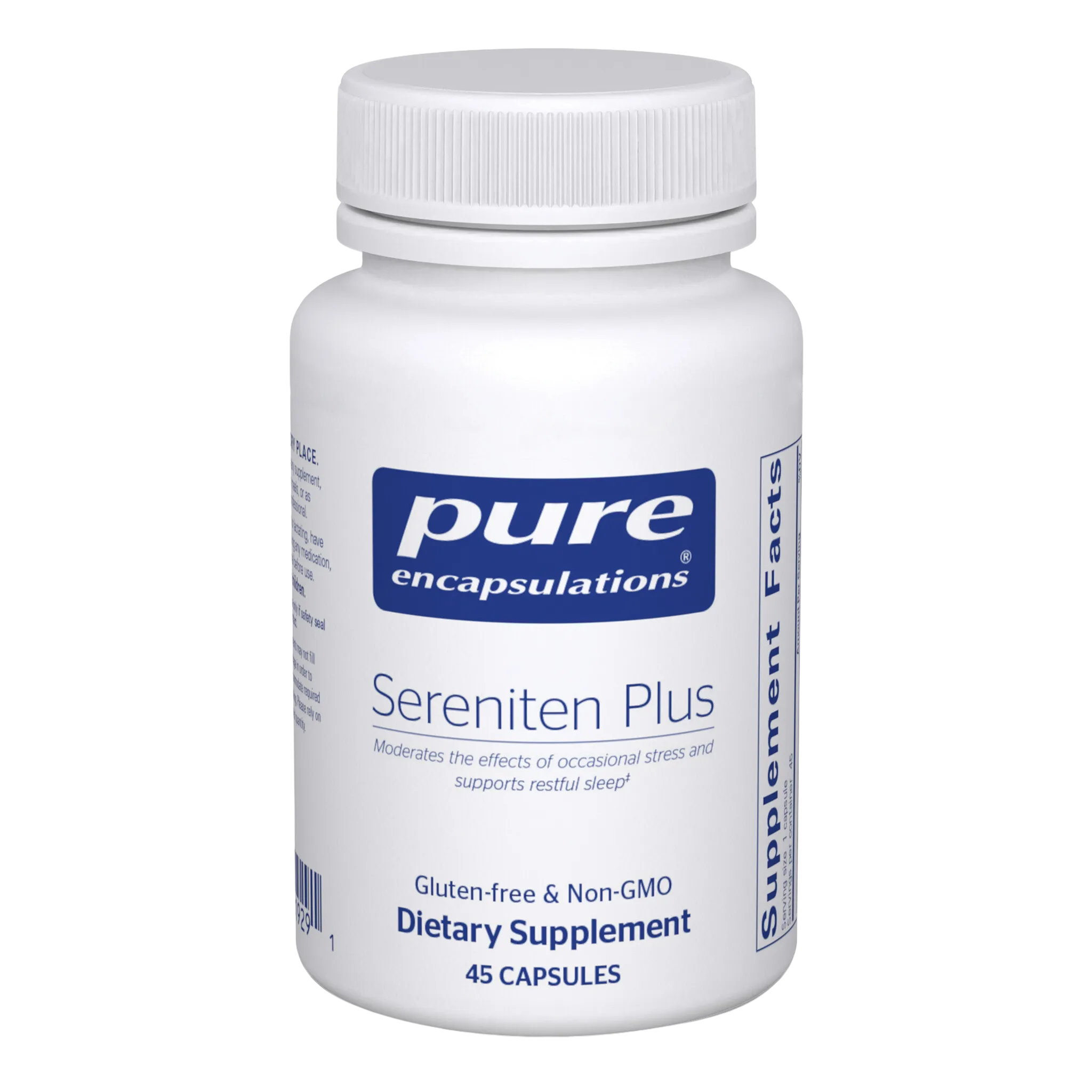
Finding interventions that can gently coax the nervous system out of this chronic "fight-or-flight" state without causing heavy sedation or exacerbating fatigue is a major challenge in chronic illness management. This is where targeted nutritional and peptide-based support comes into play. Sereniten Plus is a specialized formulation designed to address these exact neuro-endocrine imbalances. By combining Lactium (a clinically researched bioactive casein decapeptide), L-theanine, and Vitamin D3, this supplement targets the biochemical roots of stress, anxiety, and sleep disturbances. In this comprehensive guide, we will explore the intricate molecular mechanisms behind these ingredients, how they interact with the dysregulated pathways seen in Long COVID and ME/CFS, and how they may help restore a sense of calm and cognitive clarity to an overactive nervous system.
TL;DR
Sereniten Plus combines Lactium, L-theanine, and Vitamin D3 to support nervous system balance.
It may help manage "wired and tired" symptoms common in Long COVID and ME/CFS.
The blend supports restorative sleep and cognitive clarity without causing heavy daytime sedation.
What is Sereniten Plus?
A Synergistic Blend for Nervous System Regulation
Sereniten Plus is not a traditional sedative; rather, it is a targeted neuro-endocrine modulator. It combines three distinct compounds that work synergistically across different physiological systems to promote relaxation, blunt the physiological stress response, and support restorative sleep architecture. The formulation includes Lactium, a unique milk-derived peptide; L-theanine, an amino acid found in green tea; and Vitamin D3, a critical prohormone. To understand how this blend supports patients with complex chronic illnesses, we must first examine the precise molecular mechanisms of each individual ingredient and how they interact with the brain and body.
The beauty of this specific combination lies in its multi-pathway approach. While many supplements target a single neurotransmitter or hormone, Sereniten Plus addresses the central nervous system (via GABA and glutamate modulation), the autonomic nervous system (via sympathetic dampening), and the endocrine system (via cortisol regulation). This comprehensive approach is particularly relevant for conditions characterized by multi-system dysregulation, where addressing just one pathway is rarely sufficient to produce meaningful clinical improvements.
Lactium and the GABA-A Receptor
Lactium, scientifically known as alpha-casozepine (or αs1-casein tryptic hydrolysate), is a naturally derived bioactive decapeptide—a specific chain of 10 amino acids. Its discovery was inspired by the natural state of deep calm and sleepiness that infants experience after consuming breast milk. Researchers isolated this specific peptide, which is extracted from bovine milk protein through a precise tryptic hydrolysis process, mimicking the digestive enzymes of an infant. At the molecular level, alpha-casozepine exerts its effects by interacting directly with the central nervous system's GABAergic system, which is the body's primary inhibitory (calming) neurotransmitter pathway.
The central mechanism of Lactium involves binding to the GABA-A receptor, specifically at the benzodiazepine (BDZ) binding site. However, it is highly selective. The GABA-A receptor is a complex pentameric structure with different subunits corresponding to specific binding sites (ω1, ω2, and ω3). Classical anti-anxiety pharmaceuticals (like diazepam) bind indiscriminately to all these sites, including the ω1 site (alpha-1 subunit), which is responsible for heavy sedation, muscle relaxation, and amnesia. Alpha-casozepine selectively targets the ω2 binding site (associated with alpha-2 subunits), which regulates stress, anxiety, cognition, and emotion, largely bypassing the sedating ω1 site.
When alpha-casozepine binds to this selective site, it increases the affinity of the neurotransmitter GABA for the receptor. This interaction triggers the opening of ion channels, allowing an influx of negatively charged chloride ions (Cl-) into the neurons. This chloride influx causes "membrane hyperpolarization," significantly reducing neuronal excitability. By dampening the transmission of stress signals in the brain, Lactium provides calming effects that may help blunt the physiological response to stress—lowering cortisol and blood pressure—without heavily sedating the user during the day.
L-Theanine and Alpha Brain Waves
L-Theanine (γ-glutamylethylamide) is a unique, non-protein amino acid found abundantly in green and black tea leaves. It is widely recognized in clinical literature for its ability to promote a state of "relaxed alertness." Because of its specific molecular structure, L-theanine readily crosses the blood-brain barrier after intestinal absorption, allowing it to have a direct, psychoactive impact on the central nervous system. Once in the brain, it acts as a precursor and modulator that increases the levels of GABA, which subsequently influences and increases the levels of serotonin and dopamine—neurotransmitters critical for regulating mood, sleep, and emotional wellbeing.
Beyond boosting calming neurotransmitters, L-theanine acts as a competitive antagonist against excitatory pathways. It is structurally similar to L-glutamate, the brain's primary excitatory neurotransmitter. L-theanine binds to and blocks glutamate receptors, specifically the AMPA, Kainate, and NMDA receptors. By preventing L-glutamic acid from binding to these receptors, L-theanine may help inhibit cortical neuron excitation, effectively acting as a neurological brake that quiets an overactive, anxious brain and balances calcium influx into the neurons.
This dual action—boosting GABA while blocking glutamate—results in a distinct shift in brain wave activity. Human electroencephalography (EEG) studies demonstrate that L-theanine directly stimulates the production of alpha brain waves (oscillating between 8 and 12 Hz). Alpha waves are associated with a state of wakeful relaxation, deep focus, and creativity, similar to the state achieved during meditation. Unlike conventional sleep aids that induce drowsiness via theta or delta waves, L-theanine creates profound relaxation while maintaining mental clarity, making it an invaluable tool for managing daytime anxiety and cognitive fatigue.
Vitamin D and the Endocrine-Immune Axis
Vitamin D3 (cholecalciferol) is often thought of merely as a bone-health vitamin, but it is actually a potent neuro-active prohormone that plays a critical role in the endocrine-immune axis. In the context of stress and systemic inflammation, Vitamin D's interaction with adipocytes (fat cells) and cortisol is of paramount importance. Adipose tissue is not just a passive energy reservoir; it is a highly active endocrine organ and the primary storage site for Vitamin D. Within this tissue, resident macrophages and adipocytes express the enzyme CYP27B1, which converts inactive Vitamin D into its highly active hormonal form, 1,25(OH)2D3 (calcitriol).
This local activation of Vitamin D is crucial for regulating localized cortisol production. Adipose tissue generates its own cortisol locally via an enzyme called 11β-Hydroxysteroid Dehydrogenase Type 1 (11β-HSD1), which converts inactive cortisone into active cortisol. In states of chronic stress and metabolic dysfunction, 11β-HSD1 becomes highly upregulated, creating a feed-forward loop of localized hypercortisolism, inflammation, and cellular stress. Active Vitamin D operates in direct opposition to this process, acting as a profound immunomodulator and metabolic brake.
Research indicates that Vitamin D binds to the Vitamin D Receptor (VDR) on both adipocytes and macrophages to shut down the NF-κB and MAPK inflammatory signaling pathways. Furthermore, Vitamin D upregulates the expression of Glucocorticoid Receptor alpha (GRα) in immune cells. By increasing GRα, Vitamin D makes immune cells more sensitive to cortisol's anti-inflammatory signals, helping the body resolve inflammation efficiently without needing excessively high, damaging levels of systemic cortisol. This delicate balancing act is essential for maintaining immune resilience during periods of chronic stress.
How Chronic Illness Impacts the Nervous System
Sympathetic Overdrive and the "Fight-or-Flight" Trap
In healthy individuals, the autonomic nervous system seamlessly transitions between the sympathetic ("fight-or-flight") and parasympathetic ("rest-and-digest") states based on environmental demands. However, in conditions like Long COVID, ME/CFS, and dysautonomia, this delicate balance is shattered. Patients frequently find themselves locked in a state of chronic sympathetic overdrive. The nervous system perceives a constant, invisible threat—often driven by persistent viral persistence, autoantibodies, or chronic inflammation—leading to continuous dumps of adrenaline and norepinephrine into the bloodstream.
This hyperadrenergic state is a hallmark of conditions like Postural Orthostatic Tachycardia Syndrome (POTS), a common form of dysautonomia. When a patient with POTS simply stands up, their body overcompensates for poor blood vessel constriction by flooding the system with norepinephrine, causing a rapid, pounding heart rate, tremors, and profound anxiety. This constant sympathetic activation can hinder the body from entering the restorative parasympathetic state required for cellular repair, digestion, and deep sleep, leaving the patient perpetually exhausted yet physically agitated.
Neuroinflammation and Excitotoxicity
Beyond autonomic dysfunction, Long COVID and ME/CFS are characterized by profound central nervous system abnormalities, particularly neuroinflammation. Viral infections and subsequent immune dysregulation can activate microglia, the brain's resident immune cells. Once activated, microglia release a storm of pro-inflammatory cytokines and neurotoxic mediators. This inflammatory microenvironment disrupts the delicate balance of neurotransmitters, often leading to a dangerous excess of glutamate, the brain's primary excitatory chemical.
When glutamate levels remain chronically elevated, it leads to a phenomenon known as excitotoxicity. The excess glutamate continuously bombards NMDA and AMPA receptors on the neurons, causing a massive influx of calcium into the cells. This calcium overload triggers oxidative stress, damages mitochondria, and can ultimately lead to neuronal cell death. Recent research into Long COVID suggests that patients experiencing severe brain fog have an abnormally high density of AMPA receptors, driving this neurotoxic excitatory signaling. This excitotoxicity is a primary driver of the cognitive dysfunction, sensory hypersensitivity, and mental fatigue that plague these patient populations.
The Cortisol Dysfunction Cycle
The Hypothalamic-Pituitary-Adrenal (HPA) axis, which governs the body's systemic stress response and cortisol production, is notoriously dysregulated in complex chronic illnesses. In the early stages of illness or during acute crashes (post-exertional malaise), the body may produce massive spikes of cortisol to combat the physiological stress. However, over time, the HPA axis often becomes blunted or exhausted. Many ME/CFS patients exhibit lower-than-normal systemic morning cortisol levels, contributing to their profound lethargy and inability to mount a healthy response to physical exertion.
Paradoxically, while systemic circulating cortisol may be low, localized tissue cortisol can be destructively high. As discussed earlier, enzymes like 11β-HSD1 in adipose and immune tissues can continuously generate local cortisol, driving localized inflammation and metabolic dysfunction even when the adrenal glands are underperforming. This mismatch—systemic adrenal exhaustion combined with localized tissue hypercortisolism—creates a chaotic endocrine environment. It disrupts the natural circadian rhythm, making it incredibly difficult for patients to fall asleep at night (when cortisol should naturally drop) and wake up refreshed in the morning (when cortisol should peak).
Sereniten Plus: Supporting Nervous System Balance and Sleep
Dampening Excitotoxicity with L-Theanine
For patients battling the neurotoxic effects of Long COVID and ME/CFS, L-theanine offers a targeted mechanism to protect the brain and restore cognitive clarity. Because L-theanine acts as a competitive antagonist at the AMPA, NMDA, and Kainate receptors, it physically blocks excess glutamate from binding to these sites. By doing so, L-theanine may help mitigate the excitotoxic cascade, helping to prevent the damaging influx of calcium into the neurons. This mechanism is particularly vital for mitigating the severe brain fog and cognitive crashes associated with post-viral syndromes.
Simultaneously, L-theanine's ability to boost GABA, serotonin, and dopamine helps counteract the mood disturbances and anxiety that frequently accompany chronic neuroinflammation. By shifting the brain's electrical activity toward alpha wave generation, L-theanine helps patients achieve a state of calm focus. This is incredibly beneficial for managing the sensory overload and hypersensitivity often reported by patients with dysautonomia and mast cell activation syndrome (MCAS), allowing them to process environmental stimuli without triggering a sympathetic panic response.
Modulating the Stress Response with Lactium
Lactium's selective binding to the ω2 site of the GABA-A receptor provides a unique therapeutic advantage for the "wired and tired" patient. Unlike pharmaceutical benzodiazepines that forcibly sedate the brain and can cause severe withdrawal or dependency, alpha-casozepine gently hyperpolarizes the neurons, raising the threshold required to trigger a stress response. This means that when a patient encounters a physical or emotional stressor—such as standing up with POTS or attempting a cognitive task—their nervous system is less likely to overreact with a massive adrenaline dump.
Clinical trials demonstrate that Lactium is reported to have calming effects that may help modulate the stress response. In stress-induction tests, subjects taking Lactium show significantly lower serum and salivary cortisol levels compared to placebo groups. Furthermore, it curbs the cardiovascular response to stress, significantly lowering the reactive spikes in systolic and diastolic blood pressure. For a dysautonomia patient whose heart rate and blood pressure wildly fluctuate in response to minor stimuli, this stabilizing effect on the autonomic nervous system can be profoundly symptom-relieving.
Restoring Endocrine Balance with Vitamin D
The inclusion of Vitamin D3 in Sereniten Plus addresses the deeper, localized inflammatory loops that perpetuate chronic illness. By binding to the Vitamin D Receptor (VDR) on immune cells and adipocytes, Vitamin D actively suppresses the NF-κB and MAPK signaling pathways, drastically reducing the secretion of pro-inflammatory cytokines like IL-6 and TNF-α. This systemic dampening of inflammation is crucial for reducing the overall burden on the immune system in post-viral conditions.
More importantly, Vitamin D's ability to upregulate Glucocorticoid Receptor alpha (GRα) enhances the body's sensitivity to its own cortisol. In conditions like ME/CFS, where systemic cortisol may be low, making the cells more sensitive to whatever cortisol is available helps the body resolve inflammation more efficiently. Additionally, by modulating the 11β-HSD1 enzyme, Vitamin D may help prevent the toxic, localized accumulation of cortisol in tissues, thereby supporting a healthier, more balanced endocrine environment that is conducive to recovery and metabolic repair.
Facilitating Restorative Sleep Architecture
Perhaps the most significant benefit of this synergistic blend is its impact on sleep. Sleep disturbances in Long COVID and ME/CFS are rarely simple insomnia; they are complex architectural disruptions driven by hyperarousal and HPA axis dysfunction. Lactium acts as a pro-hypnotic agent. It does not forcibly knock the patient out; rather, it prepares the brain for rest by reducing the anxiety and racing thoughts that delay sleep onset. By lowering evening cortisol levels and dampening sympathetic tone, it creates the physiological conditions necessary for sleep to occur naturally.
When combined with L-theanine, which reduces light sleep phases and promotes deeper, restorative sleep, the formulation helps correct the fragmented sleep architecture common in chronic illness. Clinical trials evaluating the combination of Lactium and L-theanine show significant decreases in Wake After Sleep Onset (WASO) and sleep latency. By facilitating a transition into deep, slow-wave sleep, Sereniten Plus supports the critical nighttime cellular repair processes, mitochondrial cleanup, and memory consolidation that are desperately needed for cognitive and physical recovery.

Symptoms Sereniten Plus May Help Manage
Cognitive and Neurological Symptoms
The targeted modulation of GABA and glutamate pathways by Sereniten Plus can significantly impact the neurological manifestations of post-viral syndromes:
Brain Fog and Cognitive Dysfunction: By acting as an AMPA receptor antagonist, L-theanine blocks the excitotoxic glutamate signaling that drives neuroinflammation, helping to clear mental fatigue and improve focus and working memory.
Hyperarousal and Sensory Overload: Lactium's selective binding to the GABA-A ω2 site hyperpolarizes neurons, raising the threshold for stimulation. This helps patients tolerate light, sound, and cognitive tasks without triggering a sympathetic panic response.
Anxiety and Racing Thoughts: The synergistic increase in GABA, serotonin, and dopamine, combined with the generation of calming alpha brain waves, helps quiet the intrusive, racing thoughts that often accompany chronic illness.
Sleep and Autonomic Symptoms
By blunting the physiological stress response and lowering cortisol, this formulation directly targets the autonomic and sleep-related symptoms of dysautonomia and ME/CFS:
Prolonged Sleep Latency (Inability to Fall Asleep): The pro-hypnotic effects of Lactium lower evening cortisol and quiet the sympathetic nervous system, significantly reducing the time it takes to transition from wakefulness to sleep.
Unrefreshing and Fragmented Sleep: L-theanine helps modulate sleep architecture, decreasing the time spent in superficial light sleep and reducing Wake After Sleep Onset (WASO), leading to more restorative, deep sleep cycles.
Racing Heart and Palpitations: By dampening the sympathetic nervous system's "fight-or-flight" response, L-theanine and Lactium help blunt the excessive release of norepinephrine, which can reduce the severity of tachycardia and palpitations seen in hyperadrenergic POTS.
Systemic and Metabolic Symptoms
The endocrine and immune-modulating properties of Vitamin D and Lactium offer systemic support for the broader metabolic consequences of chronic stress:
Stress-Induced Digestive Issues: The gut and brain are intimately connected via the vagus nerve. By lowering systemic stress and cortisol, Lactium has been clinically shown to improve stress-related digestive complaints, which are highly prevalent in MCAS and dysautonomia.
Post-Exertional Malaise (PEM) Vulnerability: While not a cure for PEM, stabilizing the HPA axis and reducing baseline neuroinflammation can increase a patient's energetic envelope, making them slightly more resilient to the physiological stress of daily activities.
Immune Dysregulation: Vitamin D's ability to upregulate Glucocorticoid Receptor alpha (GRα) and silence NF-κB pathways helps calm the chronic, low-grade immune activation that perpetuates systemic fatigue and joint pain.
Practical Considerations: Forms, Dosing, and Absorption
Understanding the Ingredients and Bioavailability
When utilizing targeted nutritional therapies, understanding how the body absorbs and utilizes the ingredients is critical for achieving clinical efficacy. Lactium is a bioactive casein decapeptide. Because it is a specific, pre-cleaved chain of 10 amino acids (resulting from tryptic hydrolysis), it is highly bioavailable and readily absorbed through the intestinal lining without being completely degraded by stomach acid. This allows the intact peptide to enter the bloodstream and exert its effects on the central nervous system's GABA receptors.
L-theanine is a highly stable, water-soluble amino acid. It is rapidly absorbed in the small intestine via a sodium-coupled active transport process. Once in the bloodstream, its unique molecular structure allows it to easily cross the blood-brain barrier via the leucine-preferring transport system. Studies show that L-theanine reaches peak concentrations in the brain within 30 to 60 minutes of ingestion, making it highly effective for acute symptom management. Vitamin D3 (cholecalciferol), on the other hand, is a fat-soluble vitamin. Its absorption is significantly enhanced when taken alongside dietary fats, which stimulate the release of bile acids necessary for its emulsification and intestinal uptake.
Optimal Timing and Dosage Strategies
Sereniten Plus contains 175 mg of Lactium, 50 mg of L-theanine, and 2.5 mcg (100 IU) of Vitamin D3 per capsule. The suggested use is one capsule daily, taken between meals, but the optimal timing depends entirely on the patient's specific symptom profile and therapeutic goals. Because this formulation is designed to be non-sedating during the day but pro-hypnotic at night, it offers versatile dosing strategies.
For patients primarily struggling with daytime hyperarousal, brain fog, and sympathetic overdrive (such as POTS flares), taking one capsule in the morning or early afternoon can help blunt cortisol spikes and promote alpha brain wave generation for relaxed focus. Conversely, for patients whose primary debilitating symptom is sleep latency or fragmented sleep, taking the capsule 30 to 60 minutes before bedtime leverages Lactium's ability to lower evening cortisol and L-theanine's ability to quiet racing thoughts, facilitating a smoother transition into deep sleep. Some practitioners may adjust the dosage based on clinical response, as clinical trials for severe sleep disturbances often utilize up to 300 mg of Lactium equivalents.
Potential Interactions and Contraindications
While Sereniten Plus has an excellent safety profile, there are critical considerations for patients with complex chronic illnesses. The most important contraindication is for individuals with a true milk allergy. Although Lactium is a highly purified peptide and contains virtually no lactose, it is derived from bovine casein (milk protein). Therefore, it must be strictly avoided by anyone with an IgE-mediated milk allergy or severe casein sensitivity, which is a common trigger in some MCAS patients.
Additionally, because L-theanine and Lactium modulate GABA and glutamate pathways, patients currently taking psychiatric medications, antidepressants, or pharmaceutical anxiolytics (like benzodiazepines) must consult their healthcare provider before use. While Lactium does not cause the severe sedation or dependency associated with benzodiazepines, combining these agents could theoretically potentiate their inhibitory effects. Finally, patients with severe dysautonomia should always introduce new neuro-active supplements slowly. While L-theanine generally calms the sympathetic nervous system, the highly reactive nature of the dysautonomic nervous system means that a small subset of patients may experience paradoxical reactions, such as temporary fluctuations in heart rate or blood pressure.

Follow the Science
Clinical Evidence for Lactium and Stress Reduction
The efficacy of alpha-casozepine (Lactium) has been validated in numerous clinical trials focusing on physiological and psychological stress markers. One of the foundational studies, the CRSSA trial (2001), evaluated 52 healthy volunteers subjected to a psychological stress-induction test (the Stroop test). Participants taking 150 mg of Lactium daily for 30 days demonstrated a significant blunting of the stress response. Specifically, their plasma cortisol levels were reduced by 21% following the stress test compared to the placebo group. Furthermore, Lactium significantly curbed the cardiovascular response, lowering the reactive spike in systolic blood pressure by 30% and diastolic blood pressure by 27.5%.
Another landmark study, the PROCLAIM trial (2003), focused on chronic stress in women. This double-blind, randomized, crossover trial involved 63 female volunteers suffering from general fatigue, anxiety, and sleep problems. After 30 days of supplementing with 150 mg of alpha-casozepine, researchers noted statistically significant reductions across a wide array of perceived stress symptoms. Improvements were documented in stress-induced digestive issues (p<0.01), cardiovascular symptoms (p<0.05), intellectual fatigue (p<0.01), and emotional volatility (p<0.05), highlighting the peptide's broad, multi-systemic benefits.
L-Theanine Trials in Sleep and Cognitive Function
L-theanine's ability to promote relaxation and improve sleep architecture is equally well-documented. A 2024 randomized trial published in Nutrients evaluated adults experiencing moderate stress who took L-theanine daily for 28 days. The intervention group saw a nearly 18% decrease in Perceived Stress Scale (PSS) scores. Crucially for patients with cognitive dysfunction, the L-theanine group also improved their correct reaction times in cognitive attention tests by over 21%, suggesting its potential for supporting focus without stimulation. The study also noted significantly reduced "light sleep" phases, indicating an improvement in deep, restorative sleep quality.
When Lactium and L-theanine are combined, the synergistic effects on sleep are profound. A 2024 double-blind, placebo-controlled clinical trial studied adults experiencing sleep disturbances. Participants took a supplement containing both Lactium and L-theanine one hour before bedtime for 8 weeks. By the end of the trial, the intervention group saw their Total Sleep Time (TST) increase significantly, while the time required to fall asleep was reduced by 19 minutes. Wake After Sleep Onset (WASO) also decreased significantly, supporting the combination's potential to facilitate continuous, restorative rest.
Emerging Research in Post-Viral Syndromes
While specific clinical trials on Sereniten Plus for Long COVID and ME/CFS are still needed, the mechanistic overlap between the supplement's actions and the pathophysiology of these diseases is striking. Recent research into Long COVID has identified that neuroinflammation and excitotoxicity—driven by an abnormal density of AMPA receptors—are primary culprits behind post-viral brain fog. L-theanine's established role as an AMPA receptor antagonist makes it a highly rational therapeutic target for blocking this neurotoxic signaling and protecting cognitive function.
Furthermore, emerging data highlights profound immune and autonomic dysregulation in these patient populations. Studies have identified CD8 T-cell dysfunction and severe HPA axis abnormalities in both ME/CFS and Long COVID. By utilizing Vitamin D to modulate glucocorticoid receptor sensitivity and Lactium to blunt excessive cortisol spikes and sympathetic nervous system overdrive, this formulation addresses the core neuro-endocrine imbalances that perpetuate the "wired and tired" state, offering a scientifically grounded approach to symptom management.
The Path Forward
Validating the Reality of Hyperarousal
If you are living with Long COVID, ME/CFS, or dysautonomia, it is crucial to understand that the profound sense of being "wired and tired" is not in your head—it is a measurable, physiological state of neuro-endocrine dysregulation. Your nervous system is caught in a biological trap, constantly misfiring sympathetic alarm signals while your cellular energy reserves are completely depleted. The inability to sleep, the racing heart, and the dense brain fog are all valid, physical manifestations of excitotoxicity, HPA axis dysfunction, and systemic inflammation. Acknowledging the biochemical reality of your symptoms is the first step toward finding effective, targeted management strategies.
Building a Comprehensive Management Strategy
While the synergistic blend of Lactium, L-theanine, and Vitamin D in Sereniten Plus offers a powerful tool for modulating the nervous system, it is not a standalone cure. Managing complex chronic illness requires a comprehensive, multi-disciplinary approach. Supplements that support GABA pathways and blunt cortisol must be paired with rigorous pacing to prevent post-exertional malaise (PEM), meticulous symptom tracking to identify specific autonomic triggers, and a nutrient-dense diet to support overall metabolic health. By combining targeted neuro-endocrine support with foundational lifestyle management, you can begin to gently guide your nervous system out of chronic hyperarousal and back toward a state of restorative balance.
Next Steps
If you are struggling with severe sleep disturbances, cognitive fatigue, or the relentless hyperarousal of dysautonomia, modulating your nervous system's response to stress may be a critical component of your recovery journey. Always consult with your healthcare provider before introducing new supplements, especially if you are taking psychiatric medications or managing severe mast cell sensitivities.