Can Senolytics Clear "Zombie Cells" and Support Recovery in Long COVID and ME/CFS?
March 6, 2026
SenolyticsLong COVIDME/CFS
Share:
Disclaimer: The information provided here is for educational purposes only and is not intended as medical advice. It should not be used to diagnose, treat, cure, or prevent any medical condition. Instead, use it as a starting point for discussion with your healthcare provider. Always consult with a qualified healthcare provider before starting any new medication, supplement, device, or making changes to your health regimen.
Months or even years after an initial viral infection, many individuals find themselves battling a relentless array of debilitating symptoms. Whether diagnosed with Long COVID, myalgic encephalomyelitis/chronic fatigue syndrome (ME/CFS), or dysautonomia, patients often describe a profound, cellular-level exhaustion that standard rest cannot cure. But what if the root of this enduring dysfunction lies in cells that have forgotten how to function, yet refuse to die? Recent breakthrough research suggests that viral infections can act as a biological aging accelerant, triggering a phenomenon known as cellular senescence.
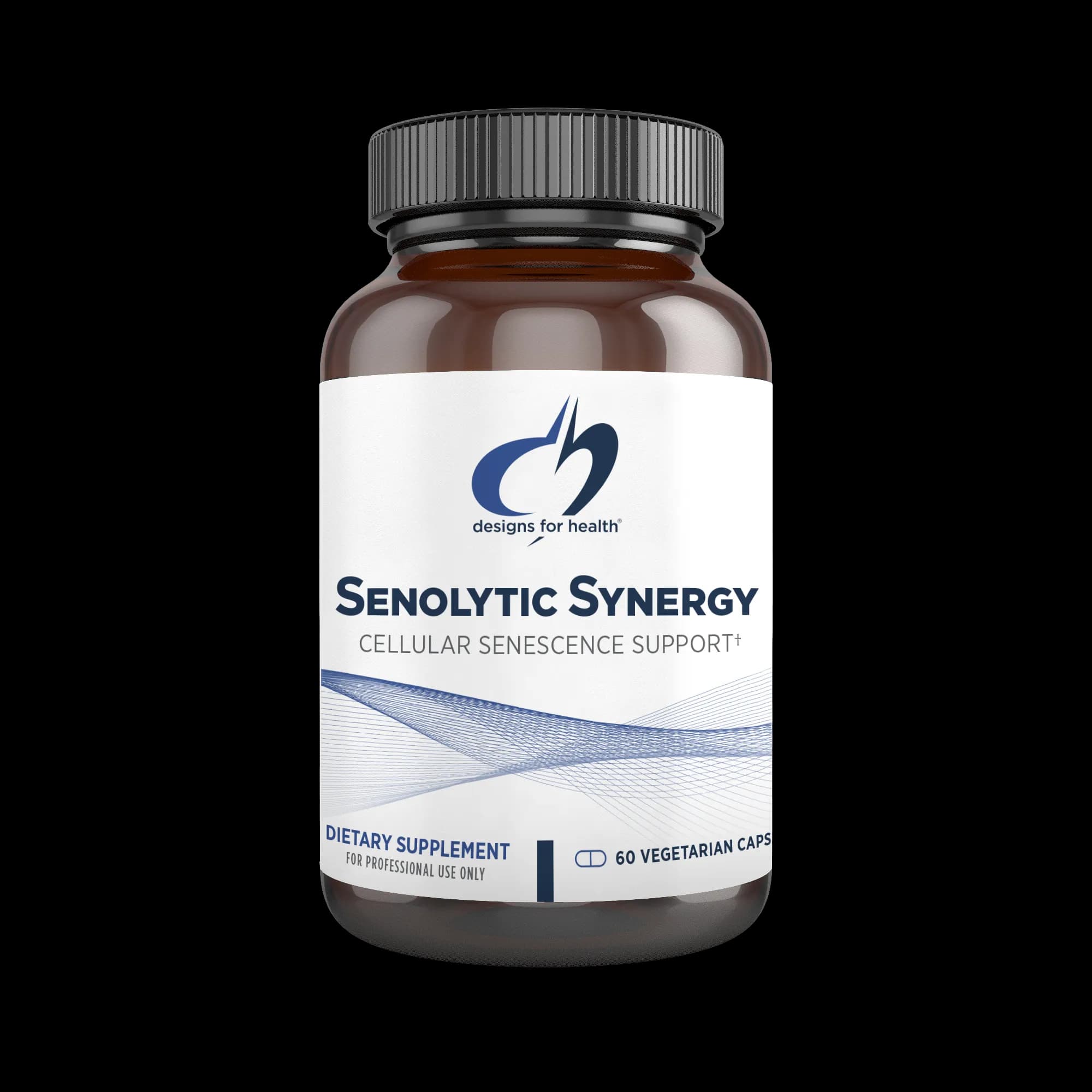
In the wake of the pandemic, scientists have discovered that clearing these senescent "zombie cells" from the body may be one of the most promising frontiers in chronic illness recovery. This is where senolytics—compounds designed to selectively target and eliminate these dysfunctional cells—come into play. Senolytic Synergy by Designs for Health is a specialized formulation combining heavily researched ingredients like Fisetin, Quercetin, Curcumin C3 Complex®, VINIA®, and Senactiv®. In this comprehensive guide, we will explore the molecular mechanisms of cellular senescence, how chronic conditions like Long COVID hijack these pathways, and how targeted senolytic supplementation may help restore cellular vitality.
TL;DR
Viral infections can accelerate cellular aging, creating "zombie cells" that drive chronic inflammation in Long COVID and ME/CFS.
Senolytics are compounds designed to help the body clear dysfunctional cells and support tissue regeneration.
Senolytic Synergy combines ingredients like Fisetin and Quercetin to support cellular health and manage chronic symptoms.
Always consult your healthcare provider before starting new supplements, especially if taking other medications.
What is Senolytic Synergy?
The Biology of Cellular Aging and Senescence
To understand the profound impact of Senolytic Synergy, we must first explore the natural lifecycle of a cell. In a healthy body, cells continuously divide, perform their specialized functions, and eventually undergo a programmed cell death known as apoptosis when they become too old or damaged. This precise biological turnover ensures that tissues remain youthful, functional, and free of genetic mutations. However, when cells are subjected to severe, compounding stressors—such as oxidative stress, DNA damage, or persistent viral infections—they can enter a state of permanent cell cycle arrest known as cellular senescence.
Cellular senescence is fundamentally a protective mechanism designed to prevent damaged cells from multiplying and potentially forming tumors. While this cell cycle arrest is beneficial in the short term, it becomes highly problematic when the immune system fails to clear these arrested cells from the body. Instead of quietly dying off, these cells enter a metabolic state where they remain metabolically active but functionally useless. They take up physical space in tissues, consume valuable cellular energy, and disrupt the delicate homeostasis of the surrounding cellular environment.
The Threat of "Zombie Cells" and the SASP
In the scientific and medical community, senescent cells are frequently referred to as "zombie cells." They are technically alive, but they no longer contribute to the health of the organism. More alarmingly, these zombie cells are not benign bystanders. They actively secrete a highly toxic, pro-inflammatory cocktail of molecules known as the Senescence-Associated Secretory Phenotype (SASP). The SASP consists of inflammatory cytokines (such as Interleukin-6 and Tumor Necrosis Factor-alpha), chemokines, growth factors, and tissue-degrading enzymes called matrix metalloproteinases.
When zombie cells accumulate in tissues, the SASP they release acts like a localized biological fire, damaging neighboring healthy cells and forcing them into senescence as well. This creates a cascading, vicious cycle of chronic, low-grade inflammation that accelerates the biological aging process. In a healthy, youthful immune system, specialized immune cells like macrophages and Natural Killer (NK) cells identify and destroy these senescent cells. However, as we age, or when the body is overwhelmed by a severe pathogen, the immune system becomes exhausted and loses its ability to keep the senescent cell population in check.
Enter Senolytics: A New Frontier in Cellular Health
The discovery of the SASP and its role in chronic disease has birthed an entirely new class of therapeutic agents known as senolytics. Senolytics are naturally occurring or synthetic compounds that selectively induce apoptosis (programmed cell death) in senescent cells without harming healthy, dividing cells. They achieve this by targeting and disabling the specific pro-survival networks (SCAPs) that zombie cells use to resist death. By effectively pulling the life-support plug on these toxic cells, senolytics allow the body to clear them out, extinguishing the inflammatory SASP and making room for healthy stem cells to regenerate the tissue.
Senolytic Synergy is a targeted formulation designed to leverage this exact mechanism. By combining multiple natural senolytics and senomorphics (compounds that suppress the SASP without necessarily killing the cell), the supplement aims to reduce the overall burden of senescent cells in the body. This multi-ingredient approach targets various cellular pathways simultaneously, offering a comprehensive strategy to combat the accelerated aging and profound cellular dysfunction often seen in complex chronic illnesses.
How Long COVID and ME/CFS Impact Cellular Senescence
Viral-Induced Premature Aging and DNA Damage
The connection between cellular senescence and conditions like Long COVID and ME/CFS is one of the most intensely researched areas in modern medicine. When patients ask, "What Causes Long COVID?", researchers increasingly point to viral-induced premature aging. A landmark 2023 study published in Nature Cell Biology revealed that as the SARS-CoV-2 virus replicates within human cells, it rapidly depletes the resources required for host nucleic acid synthesis. This causes severe DNA damage. Simultaneously, specific viral proteins actively interfere with the cell's natural DNA repair mechanisms.
Faced with irreparable DNA damage, the infected cells are forced into premature senescence. This means the virus essentially acts as a biological aging accelerant. The resulting accumulation of senescent cells in the lungs, brain, and cardiovascular system unleashes a massive SASP "cytokine storm." This persistent, low-grade inflammatory signaling perfectly mirrors What Are the Symptoms of Long COVID?, explaining why patients experience systemic inflammation, profound fatigue, and tissue dysfunction months or years after the acute infection has cleared.
The Endothelial Senescence Hypothesis
In the context of ME/CFS and dysautonomia, researchers have proposed the "Endothelial Senescence Hypothesis." The endothelium is the delicate inner lining of our blood vessels, responsible for regulating blood flow, blood pressure, and oxygen delivery to tissues. Recent literature suggests that acute viral infections can directly infect and damage these endothelial cells, pushing them into a senescent state. When blood vessel cells turn into "zombies," they lose their ability to produce nitric oxide, a crucial molecule needed for blood vessels to dilate.
Instead, senescent endothelial cells become rigid, pro-inflammatory, and highly procoagulant. This means they actively promote the formation of microclots and cause the blood to thicken—a phenomenon well-documented in both Long COVID and ME/CFS. Because these damaged blood vessels cannot dilate properly during physical exertion, the muscles and brain are starved of oxygen. This localized hypoxia is believed to be a primary driver of post-exertional malaise (PEM) and the severe cognitive impairment often referred to as "brain fog."
Immune Exhaustion and the Vicious Cycle of Chronic Illness
A critical question arises: why doesn't the body simply clear these virally-induced senescent cells? The answer lies in immune exhaustion. Patients wondering, "Can Long COVID Trigger ME/CFS? Unraveling the Connection", must understand that both conditions are characterized by profound immune dysregulation. The continuous battle against viral persistence or chronic inflammation exhausts the immune system, particularly the Natural Killer (NK) cells and macrophages responsible for hunting down senescent cells.
In ME/CFS, these immune cells themselves often exhibit an "exhausted" or prematurely senescent phenotype. Because the immune system is too sluggish to clear the zombie cells, the senescent cell burden grows unchecked. The continuous release of the SASP further suppresses immune function, creating a vicious, self-perpetuating cycle. Breaking this cycle requires external intervention to help cull the senescent cell population, which is precisely why researchers are so urgently exploring senolytics as a potential disease-modifying therapy for these complex chronic conditions.
Senolytic Synergy: Supporting Cellular Clearance and Recovery
Fisetin and Quercetin: The Senolytic Powerhouses
The core of Senolytic Synergy lies in its combination of Fisetin (100 mg) and Quercetin (200 mg), two of the most potent natural flavonoids identified in senolytic research. Quercetin is a well-established senolytic that works by inhibiting the PI3K/AKT pro-survival pathway in senescent cells. By blocking this pathway, Quercetin effectively removes the biochemical "shield" that zombie cells use to evade apoptosis, allowing the body to naturally dismantle and clear them. It is particularly effective at clearing senescent endothelial cells, making it highly relevant for vascular health.
Fisetin, extracted from the Cotinus coggyria (smoke tree) branch, has emerged in recent years as perhaps the most powerful standalone natural senolytic. By dampening mTOR signaling, Fisetin not only clears existing senescent cells but also acts as a senomorphic, powerfully suppressing the secretion of the toxic SASP from any remaining damaged cells. Together, Fisetin and Quercetin provide a synergistic, dual-action approach to clearing cellular debris.
Curcumin C3 Complex: Taming the Inflammatory Fire
To address the massive inflammatory burden caused by the SASP, Senolytic Synergy includes 200 mg of Curcumin C3 Complex®. This patented extract from Curcuma longa (turmeric) is standardized to contain 95% curcuminoids, including curcumin, demethoxycurcumin (DMC), and bisdemethoxycurcumin (BDMC). At the molecular level, Curcumin C3 Complex acts as a master switch for inflammation by inhibiting Nuclear Factor kappa B (NF-κB). NF-κB is a protein complex that controls the transcription of DNA and is the primary driver of pro-inflammatory cytokine production.
By blocking NF-κB, Curcumin C3 dramatically downregulates the production of Interleukin-6 (IL-6), Tumor Necrosis Factor-alpha (TNF-α), and C-Reactive Protein (CRP)—the exact inflammatory markers elevated in Long COVID and ME/CFS. Furthermore, Curcumin C3 activates the Nrf2 pathway, the body’s primary defense mechanism against oxidative stress. Activation of Nrf2 stimulates the production of endogenous antioxidant enzymes like Superoxide Dismutase (SOD) and Glutathione, which neutralize the free radicals generated by senescent cells and protect healthy mitochondria from collateral damage.
VINIA Piceid Resveratrol: Restoring Blood Flow and Nitric Oxide
Addressing the endothelial dysfunction seen in chronic illness requires targeted vascular support. Senolytic Synergy utilizes 200 mg of VINIA®, a highly specialized red grape powder that provides a unique form of resveratrol known as Piceid Resveratrol. Standard resveratrol has notoriously poor bioavailability, but Piceid Resveratrol is attached to a glucoside (sugar) molecule, making it highly water-soluble and easily absorbed in the gastrointestinal tract.
Once in the bloodstream, VINIA exerts a profound "Double Action Effect" on the cardiovascular system, significantly increasing the production of Nitric Oxide (NO) while simultaneously decreasing Endothelin-1 (ET-1), a peptide that causes blood vessels to constrict. By boosting NO and lowering ET-1, VINIA promotes vasodilation—the widening and relaxing of blood vessels. This is critical for patients suffering from Long COVID and dysautonomia, as improved arterial dilation enhances the delivery of oxygen and vital nutrients to oxygen-starved tissues in the brain and muscles.
Senactiv: Rebuilding Muscle Tissue and Cellular Energy
Clearing out dead cells is only half the battle; the body must also regenerate healthy new tissue. This is where Senactiv® (100 mg), a patented blend of Panax notoginseng and Rosa canina, plays a crucial role. Senactiv functions as a targeted senolytic specifically for skeletal muscle tissue. During intense physical stress or chronic illness, muscle cells accumulate damage. Senactiv facilitates the clearance of these senescent muscle cells through a process called macrophage phagocytosis, where immune cells literally engulf and digest the cellular debris.
Once the old cells are cleared, Senactiv upregulates the production of citrate synthase, the pace-making enzyme that initiates the Krebs cycle (citric acid cycle) inside the mitochondria. Additionally, Senactiv preserves glucose transporters (GLUT4) on muscle cell membranes, driving rapid glycogen replenishment and supporting the regeneration of muscle stem cells (satellite cells) to rebuild healthy, functional muscle fibers.

Symptoms Senolytic Synergy May Help Manage
Cognitive Impairment and "Brain Fog"
The accumulation of senescent cells and their inflammatory SASP in the brain is a major driver of neurological symptoms. By targeting these pathways, Senolytic Synergy may help manage specific cognitive challenges:
Brain Fog and Mental Fatigue: Fisetin is highly lipophilic, meaning it can cross the blood-brain barrier. By clearing senescent cells in neurological tissue and reducing neuroinflammation, it supports clearer thinking and sustained mental stamina.
Memory and Concentration Issues: Curcumin C3 Complex reduces oxidative stress in the brain, protecting delicate neurons from free radical damage and supporting the structural integrity required for memory consolidation.
Neurological Blood Flow: VINIA's ability to boost nitric oxide and dilate blood vessels helps ensure that the brain receives a steady, optimal supply of oxygen, counteracting the localized hypoxia that often triggers cognitive dysfunction.
Post-Exertional Malaise (PEM) and Muscle Fatigue
For patients wondering How Long Does Long COVID Last?, the persistence of PEM is often the most debilitating factor. Senolytic Synergy is formulated to support the muscular and mitochondrial aspects of this symptom:
Exercise Intolerance: Senactiv actively clears senescent muscle cells and boosts citrate synthase, directly enhancing the mitochondria's ability to produce ATP energy during and after physical exertion.
Delayed Muscle Recovery: By preserving glycogen transporters and stimulating muscle stem cell (satellite cell) regeneration, Senactiv drastically reduces the time it takes for muscles to recover from minor stressors.
Muscular Aches and Heaviness: The clearance of the inflammatory SASP from muscle tissue reduces the localized swelling and pain that often accompany a PEM crash.
Systemic Inflammation and Joint Pain
Chronic, low-grade inflammation is a hallmark of the SASP and a primary driver of systemic discomfort. The ingredients in Senolytic Synergy may help support healthy inflammatory responses:
Widespread Joint Pain: Curcumin C3 Complex powerfully inhibits the NF-κB pathway, shutting down the production of pain-inducing cytokines like TNF-α and IL-6 that inflame joint tissues.
Morning Stiffness: By reducing the overall systemic burden of inflammatory markers overnight, the combination of Quercetin and Curcumin helps alleviate the severe stiffness many patients experience upon waking.
Mast Cell Activation (MCAS) Symptoms: Quercetin is a well-known natural mast cell stabilizer. By preventing mast cells from degranulating and releasing histamine, it helps calm the hyper-reactive immune responses often seen alongside dysautonomia.
Cardiovascular and Endothelial Symptoms
When patients ask How Does a Doctor Diagnose Long COVID?, cardiovascular irregularities are frequently front and center. Senolytic Synergy supports the delicate endothelial lining:
Poor Circulation and Cold Extremities: VINIA's Piceid Resveratrol significantly improves arterial dilation, enhancing blood flow to the hands and feet.
Blood Pressure Fluctuations: By restoring nitric oxide production and reducing the vasoconstrictive peptide Endothelin-1, VINIA helps blood vessels maintain appropriate tone and flexibility.
Microvascular Dysfunction: Clearing senescent endothelial cells with Fisetin and Quercetin helps restore the smooth, non-stick surface of blood vessels, reducing the procoagulant environment that leads to microclots.
Practical Considerations: Forms, Dosing, and Absorption
The Bioavailability Advantage of VINIA and Curcumin C3
A historical challenge with natural supplements like resveratrol and curcumin is their notoriously poor bioavailability. The body often metabolizes and excretes these compounds before they can reach therapeutic levels in the bloodstream. Senolytic Synergy overcomes this hurdle through advanced ingredient sourcing. VINIA utilizes Piceid Resveratrol, which is naturally bound to a glucoside (sugar) molecule. This unique structure makes it 25 times more soluble than standard trans-resveratrol. Clinical pharmacokinetic data shows that VINIA reaches its first peak in blood plasma within one hour, hits a second peak at five hours, and remains bioactive in the bloodstream for up to 12 hours, providing sustained vascular support.
Similarly, Curcumin C3 Complex is formulated to maximize absorption. While standard curcumin is rapidly cleared by the liver, the C3 Complex includes three specific curcuminoids (curcumin, DMC, and BDMC) that naturally stabilize the molecule and enhance its solubility in the gastrointestinal tract. This patented standardization ensures that a higher percentage of the active anti-inflammatory compounds successfully cross the intestinal barrier and enter systemic circulation, allowing for profound modulation of the NF-κB inflammatory pathway.
Intermittent Dosing and "Hit-and-Run" Strategies
When utilizing senolytics like Fisetin and Quercetin, the dosing strategy is often just as important as the compound itself. In clinical trials, senolytics are frequently administered using an intermittent or "hit-and-run" dosing protocol. Because senescent cells take weeks to form and accumulate, they do not need to be targeted every single day. Instead, a short, intensive burst of senolytics can trigger apoptosis in the zombie cells, after which the body is given time to clear the debris and regenerate healthy tissue without the constant presence of the supplement.
While the suggested use for Senolytic Synergy is 2 capsules per day, many functional medicine practitioners recommend pulsing senolytic supplements. For example, a patient might take the supplement for 2-3 consecutive days, followed by a period of rest (e.g., several weeks) before repeating the cycle. This intermittent approach maximizes the clearance of senescent cells while minimizing the risk of side effects or immune fatigue. Always consult with your healthcare provider to determine the optimal dosing schedule for your specific cellular health needs.
Timing, Absorption Tips, and Potential Interactions
To maximize the absorption of the fat-soluble compounds in Senolytic Synergy, particularly Fisetin and Curcumin, it is highly recommended to take the capsules alongside a meal that contains healthy fats (such as avocado, olive oil, or nuts). The presence of dietary fat stimulates the release of bile acids, which act as natural emulsifiers to shuttle these lipophilic flavonoids across the intestinal wall and into the bloodstream. Taking the supplement on an empty stomach may significantly reduce its overall efficacy.
Regarding safety and interactions, patients should exercise caution if they are taking blood-thinning medications (anticoagulants) or blood pressure medications. Both Curcumin and VINIA have natural mild blood-thinning and vasodilatory properties, which could theoretically compound the effects of pharmaceutical blood thinners or antihypertensives. Additionally, because Quercetin can influence the CYP450 liver enzymes responsible for metabolizing various drugs, it is crucial to review your current medication list with a knowledgeable healthcare practitioner before introducing Senolytic Synergy into your regimen.

Follow the Science
Clinical Trials on Fisetin and Epigenetic Aging
The scientific validation for senolytics has rapidly transitioned from animal models to targeted human clinical trials.
Furthermore, Fisetin is currently the subject of numerous ongoing clinical trials, including the Phase II TROFFi trial (NCT05595499) at the Mayo Clinic, which is utilizing Fisetin to clear chemotherapy-induced senescent cells in frail breast cancer survivors. By tracking improvements in physical function via the 6-Minute Walk Distance (6MWD) test, researchers aim to definitively prove that clearing p16+ senescent cells with Fisetin directly translates to reversed physical frailty and restored muscular endurance.
Curcumin C3 Complex in Critical Care and Inflammation
Curcumin C3 Complex holds the title of the most clinically studied curcumin brand in the world, with over 100 clinical trials validating its efficacy. A highly relevant randomized, double-blind, placebo-controlled trial investigated its effects on critically ill ICU patients suffering from severe systemic inflammation. Patients receiving 500 mg/day of Curcumin C3 Complex showed statistically significant, rapid reductions in serum levels of vital inflammatory biomarkers, including IL-6, TNF-α, and CRP, compared to the placebo group.
In the context of healthy aging, a 2023 pilot study published in the Journal of Frailty and Aging evaluated older adults suffering from low-grade systemic inflammation (sarcopenia). The administration of C3 Complex resulted in significant improvements in muscle strength (knee extension peak torque). Researchers concluded that by suppressing the inflammatory SASP and reducing oxidative stress, Curcumin C3 directly protected mitochondrial function in muscle tissue, preventing age-related physical decline.
VINIA and Arterial Dilation Studies
The cardiovascular benefits of VINIA are backed by robust, placebo-controlled clinical data. In a 12-week (90-day) double-blind clinical trial, daily consumption of VINIA's Piceid Resveratrol was shown to increase the dilation of arteries by an astonishing 70% in participants. This significant widening of the arteries allows for enhanced delivery of oxygen and nutrients to tissues and organs, directly combating the endothelial dysfunction and microvascular constriction that plagues patients with Long COVID and dysautonomia.
Senactiv and Muscle Recovery Metrics
Senactiv has been rigorously tested for its ability to clear senescent muscle cells and accelerate recovery.
The Path Forward
Validating the Cellular Struggle
Living with a complex chronic illness like Long COVID, ME/CFS, or dysautonomia is an exhausting, invisible battle. When your cells are trapped in a state of senescence—refusing to function but continuing to secrete inflammatory toxins—it is no wonder that standard rest fails to alleviate the profound fatigue and brain fog. Your symptoms are not in your head; they are the result of a documented, physiological struggle at the deepest cellular level. Acknowledging the role of viral-induced premature aging and the toxic SASP is a crucial step in validating your experience and finding targeted, science-backed solutions.
A Comprehensive Approach to Healing
While the science behind senolytics is incredibly promising, it is important to remember that there is no single miracle cure for chronic illness. Senolytic Synergy is designed to be a powerful tool within a broader, comprehensive management strategy. Clearing senescent "zombie cells" must be paired with aggressive pacing to prevent post-exertional malaise, meticulous symptom tracking, nervous system regulation, and ongoing guidance from a medical professional. By addressing the root cause of cellular inflammation while supporting your body's natural energy limits, you can begin to create an environment where true cellular regeneration is possible.
Explore Senolytic Synergy
If you are ready to target cellular senescence and support your body's natural recovery pathways, consider discussing Senolytic Synergy with your healthcare provider to see if it aligns with your treatment goals.