Can S.A.T.® Support Liver Health and Detoxification in Long COVID and ME/CFS?
March 6, 2026
S.A.T.SilymarinCurcumin
Share:
Disclaimer: The information provided here is for educational purposes only and is not intended as medical advice. It should not be used to diagnose, treat, cure, or prevent any medical condition. Instead, use it as a starting point for discussion with your healthcare provider. Always consult with a qualified healthcare provider before starting any new medication, supplement, device, or making changes to your health regimen.
The liver is the body’s master filtration system, quietly performing over 500 vital functions, from neutralizing environmental toxins to metabolizing medications and clearing metabolic waste. For individuals living with complex chronic conditions like Long COVID, myalgic encephalomyelitis/chronic fatigue syndrome (ME/CFS), dysautonomia, and mast cell activation syndrome (MCAS), this vital organ is often under immense, silent strain. When the body is locked in a state of chronic inflammation, viral persistence, or immune dysregulation, the liver’s detoxification pathways can become overwhelmed, leading to a buildup of toxins that exacerbate debilitating symptoms like brain fog, severe fatigue, and post-exertional malaise (PEM).
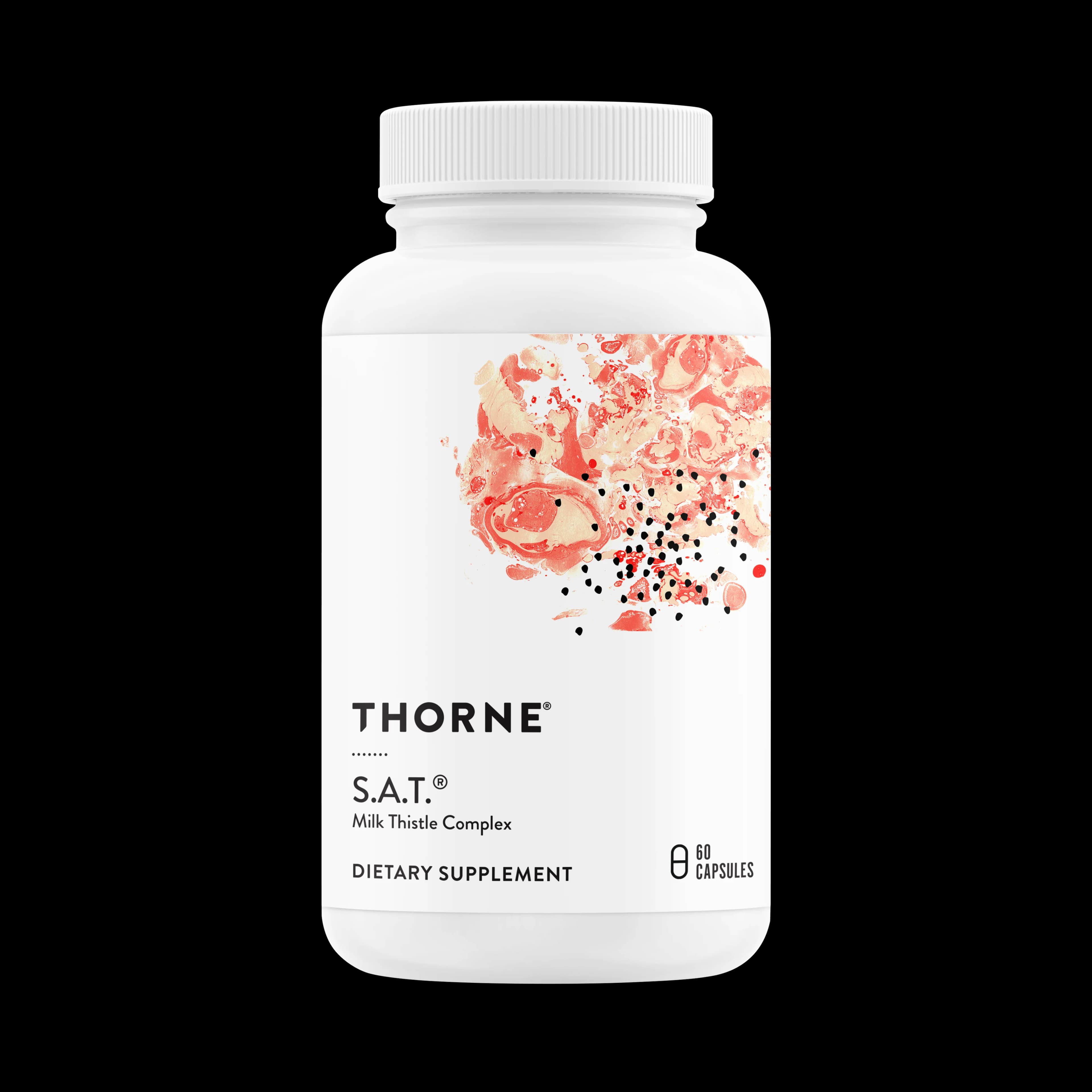
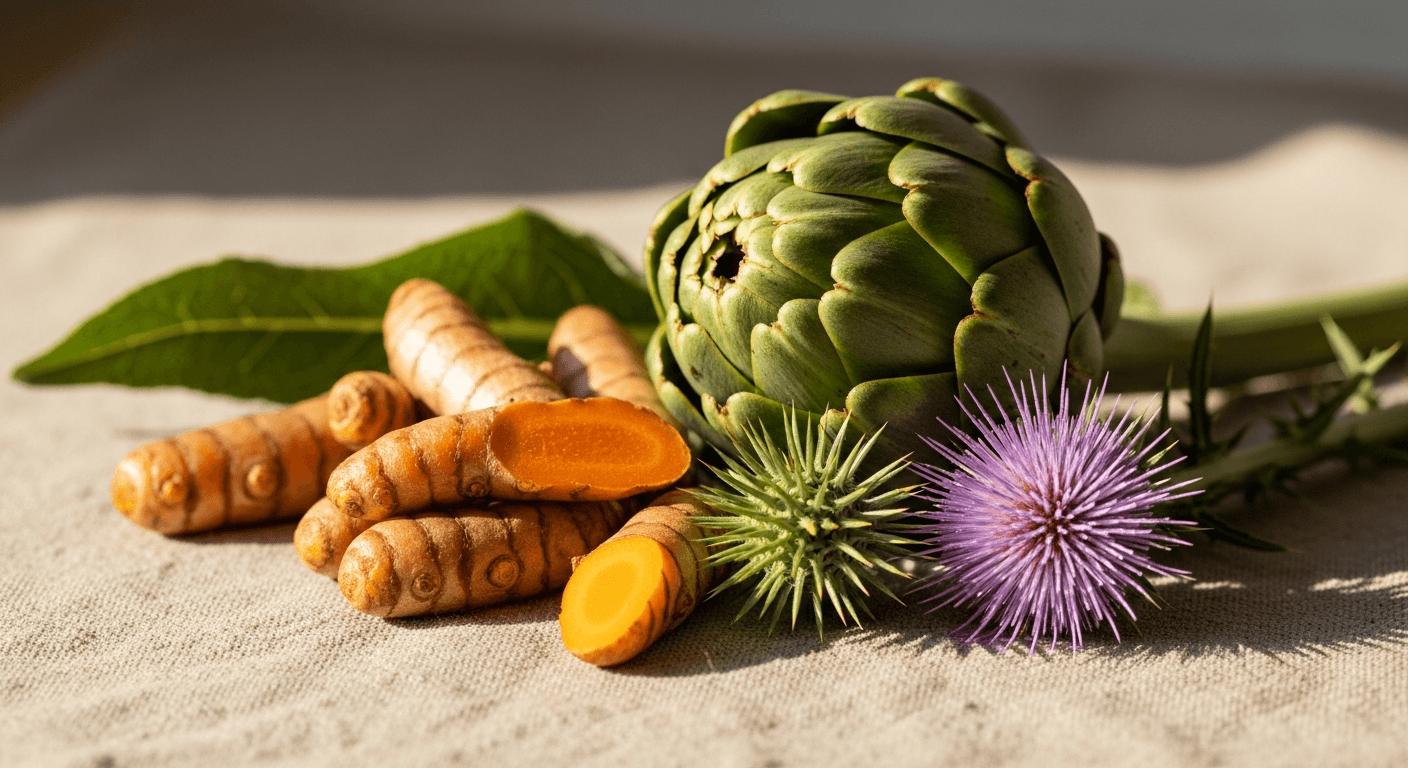
Addressing this toxic burden requires targeted, evidence-based support. S.A.T.® by Thorne is a specialized botanical formula designed to provide comprehensive liver and detoxification support. It combines three well-studied, synergistic ingredients: silymarin (from milk thistle), artichoke extract, and turmeric (curcumin). Crucially, S.A.T. utilizes advanced phytosome technology to dramatically enhance the absorption of these notoriously difficult-to-absorb compounds. By supporting both Phase 1 and Phase 2 liver detoxification, stimulating healthy bile flow, and modulating inflammatory pathways, this unique triad offers a foundational approach to restoring metabolic balance in those battling complex chronic illness.
TL;DR
Liver dysfunction is common in Long COVID and ME/CFS, driving symptoms like brain fog and fatigue.
S.A.T.® combines silymarin, artichoke, and curcumin to support liver detoxification and reduce oxidative stress.
Phytosome technology enhances the absorption of these botanicals without overstimulating sensitive detox pathways.
Supporting liver health may help manage chemical sensitivities, post-exertional malaise, and systemic inflammation.
What is S.A.T.® and How Do Its Ingredients Work?
The Triad of Botanical Liver Support
S.A.T.® is not a single nutrient, but rather a carefully engineered combination of three potent botanical extracts: silymarin, artichoke, and curcumin. In a healthy body, the liver operates as a highly efficient chemical processing plant. It neutralizes fat-soluble toxins through Phase 1 detoxification (utilizing cytochrome P450 enzymes) and then conjugates them into water-soluble waste during Phase 2 detoxification so they can be excreted via bile or urine. This continuous process generates a massive amount of free radicals—unstable molecules that can damage cellular structures if not immediately neutralized by antioxidants.
The ingredients in S.A.T. are specifically chosen to support different stages of this complex metabolic machinery. Rather than aggressively "pushing" the liver to detoxify—which can often cause symptom flares or "Herxheimer reactions" in sensitive patients—these botanicals work synergistically to upregulate the liver's intrinsic cellular defense mechanisms, protect hepatocyte (liver cell) membranes, and ensure that the physical flow of waste out of the liver remains unobstructed.
Silymarin and the Nrf2 Antioxidant Pathway
Silymarin is a complex of flavonolignans extracted from the seeds of the milk thistle plant (Silybum marianum). Its most biologically active and abundant component is silybin (also known as silibinin). At the molecular level, silybin is a profound regulator of cellular oxidative stress. The liver's detoxification processes naturally generate Reactive Oxygen Species (ROS) and Reactive Nitrogen Species (RNS). If these highly reactive molecules are not neutralized, they cause lipid peroxidation, a process that damages the delicate lipid membranes of liver cells.
Silybin combats this through the activation of the Nrf2-Keap1 pathway, often referred to as the master regulator of the cellular antioxidant response. Under normal conditions, the Nrf2 protein is bound to Keap1 and degraded. However, research indicates that silybin disrupts this interaction, allowing Nrf2 to travel into the cell nucleus. Once there, it binds to Antioxidant Response Elements (ARE), triggering the production of critical Phase II detoxification enzymes, including Heme Oxygenase-1 (HO-1), Superoxide Dismutase (SOD), and Glutathione Peroxidase (GPx).
Furthermore, silybin directly supports the synthesis of intracellular glutathione, the body's most powerful endogenous antioxidant. By preserving glutathione pools and directly scavenging free radicals, silymarin maintains the structural integrity of liver cells, ensuring they can continue their vital filtration work without succumbing to oxidative damage. You can learn more about silymarin's role in liver health in our dedicated guide.
Artichoke Extract and the Mechanics of Bile Flow
Artichoke extract (Cynara scolymus) has a long history of traditional use for hepatic support, and modern science has validated its mechanisms. The extract is rich in bioactive phenolic compounds, primarily caffeoylquinic acids (like cynarin and chlorogenic acid) and flavonoids (like luteolin). While silymarin focuses on cellular protection, artichoke extract excels at physical waste removal by acting as a potent choleretic—a substance that stimulates the production of bile in the liver.
Bile is a digestive fluid essential for emulsifying dietary fats, but it is also the primary vehicle the liver uses to transport conjugated toxins, heavy metals, and excess cholesterol out of the body via the intestines. Studies demonstrate that luteolin, a key flavonoid in artichoke, induces the secretion of cholephilic compounds into newly formed bile canaliculi (the tiny ducts that collect bile). By upregulating bile production, artichoke extract prevents cholestasis (sluggish bile flow), ensuring that toxins processed by the liver are efficiently moved into the digestive tract for elimination.
In addition to its choleretic properties, the chlorogenic acid in artichoke extract acts as a potent anti-inflammatory agent. It has been shown to downregulate the NOD-like receptor protein 3 (NLRP3) inflammasome, reducing the production of pro-inflammatory cytokines within the liver tissue itself, which is particularly beneficial for individuals dealing with fatty liver concerns.
Curcumin and Inflammatory Modulation
Curcumin is the vibrant orange pigment and primary active polyphenol found in turmeric (Curcuma longa). While turmeric has been utilized in Ayurvedic and Chinese medicine for centuries, modern clinical research has isolated curcumin as a powerful modulator of systemic inflammation. In the context of liver health, curcumin's primary mechanism of action is the inhibition of the NF-κB (nuclear factor kappa-light-chain-enhancer of activated B cells) signaling pathway.
NF-κB is a protein complex that controls the transcription of DNA, cytokine production, and cell survival. When activated by stress, viruses, or toxins, it triggers a cascade of inflammatory responses. Clinical research in chronic conditions like kidney disease shows that curcumin supplementation can modulate inflammation and lipid peroxidation, helping to reduce the production of pro-inflammatory cytokines.
By optimizing cytokine production, curcumin helps maintain the body's normal inflammatory response. This hepatoprotective activity is crucial because chronic inflammation in the liver can lead to tissue remodeling, fibrosis, and a severe reduction in detoxification capacity. Furthermore, curcumin is a potent antioxidant in its own right, working alongside silymarin to neutralize free radicals and protect liver cells from the collateral damage of chronic immune activation.
How Long COVID, ME/CFS, and MCAS Impact Liver Function
Viral Infection and Phase 1 Detoxification Suppression
To understand why liver support is so critical for patients with Long COVID, ME/CFS, and MCAS, we must examine how these complex conditions disrupt normal metabolic pathways. In Long COVID, the initial SARS-CoV-2 infection can induce profound changes in hepatic function that persist long after the acute virus has cleared. The liver is highly vascularized and contains ACE2 receptors, making it a direct target for viral entry and subsequent endothelial inflammation.
Systems biology research analyzing severe COVID-19 and Long COVID patients has revealed a significant suppression of cytochrome P450 enzymes. These enzymes are the workhorses of Phase 1 liver detoxification, responsible for breaking down everything from environmental toxins to daily medications. When Phase 1 detoxification is suppressed, toxins begin to accumulate in the bloodstream, increasing the body's total toxic load and driving systemic inflammation. This metabolic bottleneck is a key reason why many Long COVID patients suddenly develop new chemical sensitivities or adverse reactions to medications they previously tolerated.
The Ammonia Bottleneck and Urea Cycle Dysregulation
ME/CFS is increasingly recognized not just as a neurological or immunological condition, but as a profound metabolic disorder. Recent large-scale biological studies, including data from the UK Biobank, have definitively linked ME/CFS to measurable liver dysfunction, insulin resistance, and chronic inflammation. One of the most significant overlapping mechanisms between ME/CFS and Long COVID is the dysregulation of the urea cycle.
The urea cycle is a series of biochemical reactions in the liver that convert highly toxic ammonia—a natural byproduct of protein metabolism—into urea, which can be safely excreted in urine. Metabolomic profiling of both Long COVID and ME/CFS patients frequently reveals elevated levels of ornithine, aspartate, and glutamate, indicating that the urea cycle is stalling. When the liver struggles to clear ammonia, hyperammonemia can occur. Ammonia easily crosses the blood-brain barrier, inducing severe neuroinflammation, cognitive fatigue, and the profound "brain fog" that is a hallmark of these conditions.
Furthermore, recent research highlights that both Long COVID and ME/CFS are characterized by elevated oxidative stress and mitochondrial lipid oxidative damage in lymphocytes. This systemic oxidative burden places extraordinary demand on the liver's antioxidant reserves, altering glutathione levels, decreasing mitochondrial superoxide dismutase, and leaving the organ vulnerable to further injury.
MCAS and the Histamine Clearance Crisis
Mast cell activation syndrome (MCAS) introduces another layer of complexity to hepatic function. In MCAS, hyperactive mast cells inappropriately degranulate, dumping massive amounts of inflammatory mediators—including histamine, prostaglandins, and leukotrienes—into the bloodstream. While histamine in the gut is broken down by the DAO enzyme, systemic histamine in the bloodstream must be cleared by the liver via the HNMT (histamine N-methyltransferase) enzyme.
This creates a dangerous bottleneck. The HNMT enzyme relies heavily on a healthy liver and adequate methylation pathways to function. If the liver is sluggish, battling oxidative stress, or depleted of glutathione, it cannot clear the circulating histamine fast enough. The lingering histamine then triggers further mast cell degranulation, creating a vicious, self-perpetuating cycle of inflammation. This is why supporting liver detoxification is often a critical, yet overlooked, component of managing MCAS. You can explore more about managing detoxification with NAC in our related resources.
S.A.T.®: Supporting Detoxification and Cellular Health
Neutralizing Oxidative Stress and Preserving Glutathione
When the liver is compromised by post-viral inflammation or chronic immune dysregulation, S.A.T.® offers a multi-targeted approach to restoring metabolic balance. The first line of defense is addressing the profound oxidative stress that damages hepatocyte mitochondria and depletes cellular energy. The silymarin (silybin) in S.A.T. acts as a powerful interceptor of Reactive Oxygen Species (ROS).
By activating the Nrf2-Keap1 pathway, silybin essentially flips the genetic switch that commands the liver to manufacture its own endogenous antioxidants. This upregulation of Superoxide Dismutase (SOD) and Catalase (CAT) provides a sustainable defense against the free radicals generated during Phase 1 detoxification. More importantly, clinical studies indicate that silymarin significantly elevates serum glutathione levels. Glutathione is the critical cofactor required for Phase 2 detoxification, where toxins are conjugated and made water-soluble. By preserving these glutathione pools, S.A.T. ensures that the liver can effectively process and neutralize the heavy toxic load associated with chronic illness.
This antioxidant preservation is particularly vital for ME/CFS and Long COVID patients, whose mitochondria are often locked in a state of dysfunction. By stabilizing the mitochondrial membrane potential and preventing lipid peroxidation, silymarin helps protect the liver's energy-producing capacity, which is essential for the highly energy-intensive process of detoxification. For further support of Phase 2 pathways, some patients also explore Calcium-D-Glucarate.
Stimulating Bile Flow for Toxin Elimination
Neutralizing toxins is only half the battle; they must also be physically removed from the body. In many chronic illness patients, sluggish bile flow (cholestasis) results in toxins being reabsorbed through the intestinal wall, a process known as enterohepatic recirculation. The artichoke extract in S.A.T. directly addresses this mechanical bottleneck.
The flavonoids in artichoke, particularly luteolin, act as potent choleretics, stimulating the liver to produce and secrete higher volumes of bile. Research demonstrates that artichoke extract can dramatically increase bile secretion, forcing the liver to utilize circulating cholesterol to synthesize new bile acids. This enhanced bile flow acts as a physical flush, carrying conjugated toxins, heavy metals, and metabolic waste out of the liver and into the digestive tract for elimination.
For patients with MCAS, this improved bile flow is critical for clearing the inflammatory debris left behind by mast cell degranulation. Furthermore, healthy bile flow is essential for the proper digestion and absorption of dietary fats and fat-soluble vitamins (A, D, E, and K), which are often deficient in individuals with complex chronic conditions due to gastrointestinal dysfunction. To assist with binding these toxins in the gut once released by bile, practitioners sometimes recommend a Charcoal Plus Binder.
Quenching the Cytokine Storm in the Liver
The final pillar of S.A.T.'s therapeutic action is the profound anti-inflammatory modulation provided by curcumin. In Long COVID and ME/CFS, the immune system is often trapped in a hyper-activated state, producing a continuous stream of pro-inflammatory cytokines that drive systemic symptoms and neuroinflammation. The liver, acting as a central immunological organ, is deeply affected by this "cytokine storm."
Curcumin directly intervenes by inhibiting the NF-κB signaling pathway and the NLRP3 inflammasome. By blocking these critical inflammatory conduits, curcumin significantly reduces the production of Interleukin-6 (IL-6) and Tumor Necrosis Factor-alpha (TNF-α) within the hepatic tissue. Clinical trials have shown that highly bioavailable curcumin can lower systemic inflammatory markers in chronic conditions, suggesting potential benefits for managing the vascular and neurological inflammation that characterizes post-viral syndromes.
Because the curcumin in S.A.T. is complexed with phospholipids (phytosome technology), it is highly lipophilic and can easily cross cell membranes, including the blood-brain barrier. This allows it to exert its anti-inflammatory effects not just in the liver, but systemically, helping to calm glial cell activation in the brain and alleviate the cognitive fatigue and brain fog associated with ME/CFS and Long COVID.
Symptoms S.A.T.® May Help Manage
Targeted Symptom Relief Through Hepatic Support
By addressing the root causes of hepatic oxidative stress, sluggish bile flow, and chronic inflammation, the ingredients in S.A.T.® may help manage several debilitating symptoms associated with complex chronic illnesses:
Brain Fog and Cognitive Fatigue: By supporting the urea cycle and enhancing the liver's ability to clear toxic ammonia from the bloodstream, S.A.T. helps prevent neurotoxins from crossing the blood-brain barrier, potentially improving mental clarity and reducing cognitive exhaustion.
Post-Exertional Malaise (PEM): By preserving intracellular glutathione pools and protecting mitochondrial membranes from lipid peroxidation, silymarin supports cellular energy production, which may help raise the threshold for exertion-induced crashes.
Chemical and Food Sensitivities: By upregulating Phase 1 and Phase 2 detoxification pathways, S.A.T. assists the liver in efficiently metabolizing xenobiotics, medications, and dietary histamines, potentially reducing the severity of hypersensitivity reactions common in MCAS.
Digestive Dysfunction and Sluggish Bowels: The choleretic action of artichoke extract stimulates healthy bile flow, which not only aids in the digestion of fats but also acts as a natural prokinetic, encouraging healthy bowel motility and preventing the reabsorption of toxins.
Systemic Joint and Muscle Pain: The potent anti-inflammatory properties of curcumin, specifically its ability to inhibit the NF-κB pathway and lower IL-6, can help modulate the systemic inflammation that drives widespread myalgia and joint pain in post-viral syndromes.
Right-Sided Abdominal Discomfort: By supporting healthy fat metabolism and reducing hepatic inflammation, S.A.T. may alleviate the subtle, right-sided upper quadrant discomfort often associated with a sluggish or fatty liver.
Practical Considerations: Forms, Dosing, and Absorption
The Power of Phytosome Technology
One of the most significant challenges in botanical medicine is bioavailability. Many powerful plant compounds, including silymarin and curcumin, are notoriously poorly absorbed by the human gastrointestinal tract. They are rapidly metabolized and excreted before they can reach therapeutic levels in the bloodstream. S.A.T.® overcomes this hurdle by utilizing advanced, patented phytosome technology (specifically Siliphos® for silymarin and Meriva® for curcumin).
A phytosome is created by binding the botanical extract to a phospholipid compound, typically derived from sunflower lecithin (phosphatidylcholine). Because human cell membranes are primarily composed of phospholipids, the body recognizes and readily absorbs these phytosome complexes. Clinical pharmacokinetic studies have demonstrated that curcumin phytosome (Meriva) is up to 29 times more bioavailable than standard unformulated curcumin extracts. Similarly, Siliphos dramatically enhances the absorption of silybin, ensuring that these critical compounds reach the liver and systemic circulation in efficacious amounts.
This lipid-based delivery system also offers a distinct advantage over other absorption enhancers, such as black pepper extract (piperine). Piperine works by intentionally inhibiting liver detoxification enzymes (like CYP3A4) to prevent the breakdown of curcumin. For patients with Long COVID or ME/CFS who already have compromised detoxification pathways, inhibiting these enzymes further can be counterproductive and dangerous. Phytosome technology enhances absorption naturally without interfering with the liver's metabolic machinery.
Dosage and Timing Strategies
The suggested use for Thorne's S.A.T.® is typically one capsule taken two to three times daily, or as recommended by a healthcare practitioner. Because the ingredients are complexed with dietary phospholipids, they are generally well-tolerated and can be taken with or without food. However, taking the supplement alongside a meal that contains healthy fats may further optimize the absorption of the lipophilic phytosomes and synergize with the bile-stimulating effects of the artichoke extract.
For patients with severe chronic illness, practitioners often recommend a "start low and go slow" approach. Because S.A.T. actively stimulates bile flow and upregulates detoxification pathways, introducing it too rapidly can sometimes provoke a temporary increase in symptoms as stored toxins are mobilized. Beginning with one capsule daily and gradually titrating up allows the body to adjust to the enhanced metabolic clearance. To further support this process, ensuring adequate levels of Reduced Glutathione can be highly beneficial.
Safety, Contraindications, and Drug Interactions
While the botanical ingredients in S.A.T. are generally recognized as safe and well-tolerated, there are important clinical considerations. Because artichoke extract is a potent choleretic (stimulates bile production), this product is generally contraindicated for individuals with a history of gallstones or biliary duct obstructions, as the rapid release of bile could trigger biliary colic or an acute gallbladder attack.
Furthermore, curcumin has been shown to interact with certain chemotherapeutic agents. Animal studies indicate it may reduce the therapeutic efficacy of cyclophosphamide (Cytoxan), and in vitro research reveals it can decrease camptothecin-induced death of cultured breast cancer cells. Curcumin might also interfere with the absorption and efficacy of irinotecan, used to treat colon cancer. Concurrent use with these specific agents should be strictly avoided. As always, this product is contraindicated in individuals with a history of hypersensitivity to any of its ingredients, and pregnant individuals should consult their healthcare practitioner before use.
Follow the Science
Clinical Evidence for Silymarin and Liver Health
The hepatoprotective properties of silymarin are among the most extensively documented in botanical medicine. A rigorous dose-response meta-analysis of 41 Randomized Controlled Trials (RCTs) evaluated the effects of silymarin supplementation on liver function. The aggregate data indicated that silymarin leads to a statistically significant reduction in serum levels of ALT, AST, and alkaline phosphatase (ALP)—the primary biomarkers of liver damage. Furthermore, the analysis confirmed a substantial elevation in serum glutathione in treated patients compared to controls, validating silymarin's role in preserving the liver's master antioxidant.
In clinical trials investigating chronic liver disease, silybin phytosome administered at doses between 240 mg and 942 mg daily significantly decreased serum malondialdehyde levels (a key marker of lipid peroxidation) and improved global liver iron stores. These findings underscore silymarin's ability to halt the progression of oxidative damage and stabilize hepatocyte membranes, which is critical for patients dealing with the systemic oxidative stress of Long COVID and ME/CFS.
Artichoke Extract in Fatty Liver and Bile Flow
The efficacy of artichoke extract for supporting liver function has been demonstrated in preclinical models. An animal study investigating hepatic ischemia-reperfusion injury confirmed that artichoke leaf extract (ALE) has significant hepatoprotective properties. The research showed that ALE administration positively influenced antioxidant enzyme activities and biochemical parameters, highlighting its potent antioxidant and anti-inflammatory effects on liver tissue.
In a specific double-blind, randomized controlled trial involving 100 participants with ultrasound-diagnosed non-alcoholic fatty liver disease (NAFLD), patients taking 600 mg of ALE daily for two months showed significant improvements in liver ultrasound parameters and reductions in total bilirubin compared to the placebo group. Additionally, human pharmacokinetic studies have demonstrated that a single dose of artichoke extract can result in a massive 127% to 151% increase in bile secretion within 60 minutes, confirming its potent choleretic properties.
Curcumin Phytosome for Post-Viral Fatigue
The application of curcumin phytosome (Meriva) for post-viral fatigue syndromes has yielded highly promising clinical data. An open-label clinical study tracked patients with ME/CFS who were administered 500 mg of Curcumin Phytosome twice a day (1000 mg total daily) for 8 weeks. The results showed a statistically significant reduction in CDC-specific CFS symptom scores, particularly in the domains of fatigue severity, sleep disturbances, and pain.
Furthermore, in the context of Long COVID, randomized controlled trials have demonstrated that bioavailable curcumin supplements significantly reduce mRNA expression and serum levels of IL-1β and IL-6. Because IL-6 is a primary driver of post-COVID vascular and neurological symptoms, downregulating this specific cytokine is considered a critical therapeutic target. Recent targeted clinical protocols investigating multi-nutrient therapies for Long COVID fatigue found that patients taking 1000 mg of Curcumin Phytosome daily saw a 48% to 58% improvement in fatigue scores and significant improvements in mitochondrial function.
The Path Forward
Integrating Liver Support into Your Protocol
Living with Long COVID, ME/CFS, dysautonomia, or MCAS often feels like navigating a labyrinth of unpredictable symptoms and complex metabolic dysfunctions. It is entirely validating to feel overwhelmed by the sheer number of systems affected by these conditions. However, understanding the interconnected nature of your biology—specifically how liver health dictates systemic inflammation and energy production—provides a clear, actionable pathway for management.
S.A.T.® offers a sophisticated, multi-targeted approach to supporting this vital organ. By combining the antioxidant power of silymarin, the bile-stimulating physical flush of artichoke extract, and the profound inflammatory modulation of curcumin phytosome, this formula addresses liver health from multiple mechanical and biochemical angles. It is designed not to force the body into aggressive detoxification, but to gently restore the liver's intrinsic capacity to heal and filter.
A Foundation for Healing
While no single supplement is a cure for complex chronic illness, optimizing liver function is a foundational step in any comprehensive management strategy. When the liver is supported, the body's total toxic load decreases, inflammatory cytokines are quieted, and mitochondrial energy can be redirected toward cellular repair rather than constant crisis management. Alongside pacing, symptom tracking, and a tailored medical protocol, targeted botanical support can play a crucial role in improving your quality of life.
As always, because chronic illness management is highly individualized, it is essential to consult with your healthcare provider before introducing new supplements, especially those that influence detoxification pathways and bile flow. They can help you determine the appropriate dosage and ensure it aligns safely with your current medications and overall treatment plan.
Sources
Silymarin as a Natural Antioxidant: An Overview of the Current Evidence and Perspectives - MDPI
Curcumin Phytosome as a Therapeutic Agent for Post-Viral Fatigue and ME/CFS - NDNR
Modulation of Inflammatory Cytokines by Curcumin in Long COVID - NIH
Systems Modeling Reveals Shared Metabolic Dysregulation in ME/CFS and Long COVID - Preprints
Scale of how ME/CFS affects blood revealed: Enterohepatic Dysfunction - University of Edinburgh
Oxidative stress is a shared characteristic of ME/CFS and Long COVID - PubMed