Can S-Acetyl Glutathione Synergy Help Manage Fatigue and Brain Fog in Long COVID and ME/CFS?
March 6, 2026
S-Acetyl GlutathioneLong COVIDME/CFS
Share:
Disclaimer: The information provided here is for educational purposes only and is not intended as medical advice. It should not be used to diagnose, treat, cure, or prevent any medical condition. Instead, use it as a starting point for discussion with your healthcare provider. Always consult with a qualified healthcare provider before starting any new medication, supplement, device, or making changes to your health regimen.
Months after recovering from an initial viral infection, many people find themselves fighting a new, unpredictable battle. Debilitating fatigue, severe brain fog, and a profound inability to tolerate physical or mental exertion become daily realities. If you are living with Long COVID, myalgic encephalomyelitis/chronic fatigue syndrome (ME/CFS), or dysautonomia, you know firsthand how frustrating it is to navigate a medical system that often lacks clear answers. You may have been told your labs look "normal," even as your body feels fundamentally different, struggling to generate the energy required for basic daily tasks.
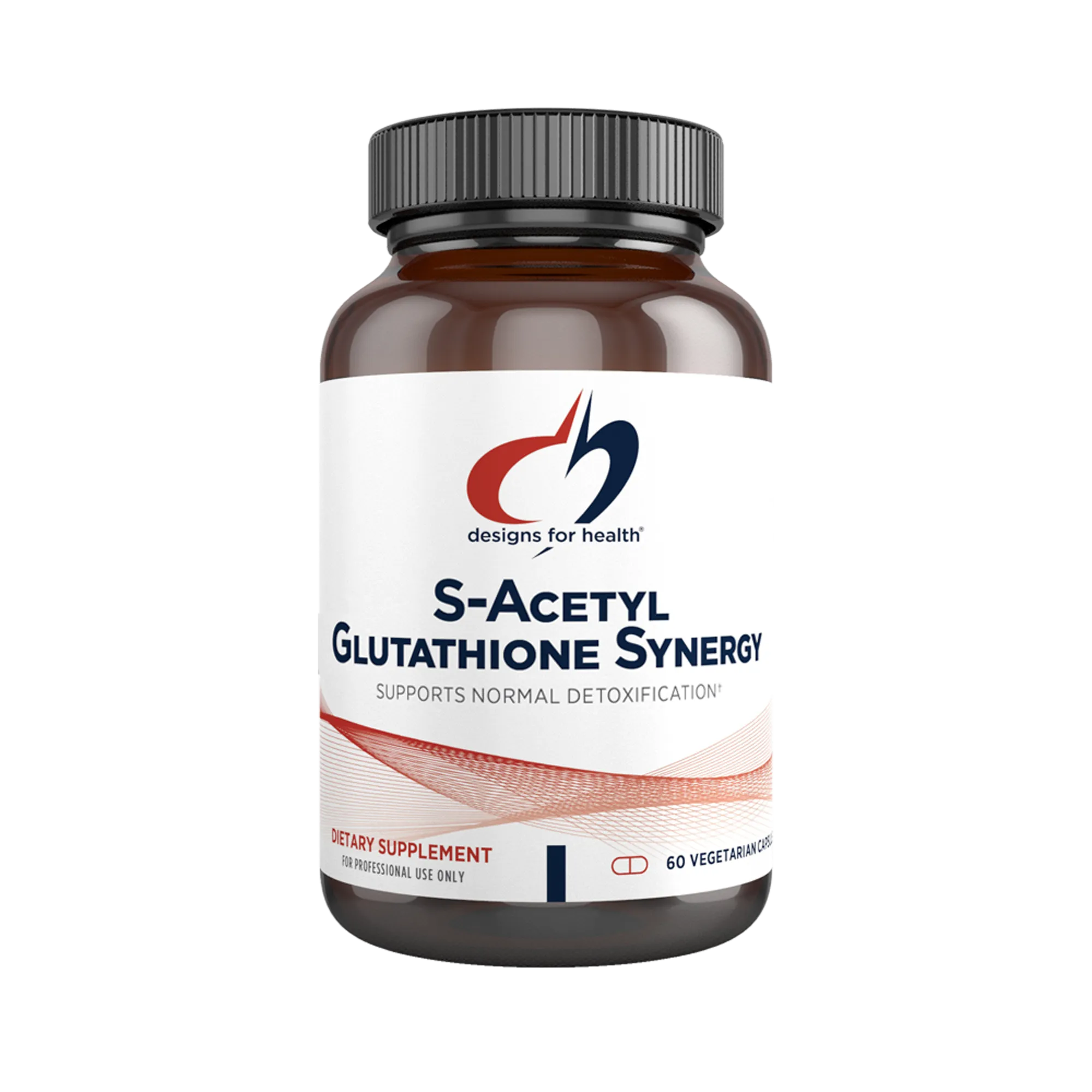
At the core of many complex chronic illnesses is a profound disruption in how our cells produce energy and manage stress. Recent breakthrough research has illuminated the critical role of oxidative stress and mitochondrial dysfunction in these conditions. When the body's primary defense systems are overwhelmed, it creates a cascading effect that drains your energy reserves and drives systemic inflammation. This is where targeted nutritional support becomes a vital piece of the management puzzle. In this comprehensive guide, we will explore the science behind S-Acetyl Glutathione Synergy, examining how its unique combination of highly bioavailable S-Acetyl Glutathione, N-Acetyl-L-Cysteine (NAC), and active Vitamin B6 (P-5-P) works at the cellular level to support immune function, detoxification, and mitochondrial recovery.
What is S-Acetyl Glutathione Synergy?
The Master Antioxidant Explained
To understand the power of S-Acetyl Glutathione Synergy, we must first understand the role of glutathione in a healthy human body. Often referred to as the body's "master antioxidant," glutathione is a vital tripeptide—a molecule composed of three amino acids: glutamate, cysteine, and glycine. It is naturally synthesized within the cytosol of almost every cell in the body, with the highest concentrations found in the liver, lungs, and brain. Its primary biological function is to protect cellular machinery from oxidative stress by neutralizing reactive oxygen species (ROS), such as superoxide radicals and hydrogen peroxide, which are natural but destructive byproducts of cellular energy production.
Beyond its role as a free radical scavenger, glutathione is the linchpin of the body's detoxification system. In the liver, it binds to heavy metals, environmental toxins, and metabolic waste products, making them water-soluble so they can be safely excreted through bile and urine. Furthermore, glutathione is essential for maintaining the integrity of mitochondrial membranes and regulating the proliferation of immune cells, particularly T-cells and natural killer (NK) cells. When glutathione levels are optimal, the body can efficiently produce adenosine triphosphate (ATP)—the cellular currency of energy—without sustaining structural damage from the exhaust of that production.
The Bioavailability Problem
While the physiological importance of glutathione is undisputed, supplementing it has historically presented a massive pharmacological challenge. When standard, unprotected reduced glutathione (L-glutathione) is ingested orally, it exhibits notoriously poor bioavailability. As it enters the highly acidic environment of the stomach and the enzyme-rich gastrointestinal tract, it is rapidly degraded. Specific digestive enzymes, most notably gamma-glutamyltransferase (GGT) and various intestinal peptidases, cleave the tripeptide into its constituent amino acids long before it can reach systemic circulation intact.
Because the vast majority of standard oral glutathione is destroyed during digestion, very little of the active, intact molecule actually reaches the bloodstream or the intracellular environment where it is needed most. While the broken-down amino acids can technically be absorbed and used by the body to synthesize its own glutathione later, this process is highly inefficient and metabolically costly. For patients dealing with severe chronic illness, whose internal synthesis pathways are often already compromised by genetic mutations or viral damage, relying on standard glutathione supplements is rarely enough to move the clinical needle.
The S-Acetyl Advantage
This is where the structural innovation of S-Acetyl Glutathione (S-A-GSH) completely changes the therapeutic landscape. S-A-GSH is a modified, prodrug form of glutathione. Scientists have attached an acetyl group (COCH3) directly to the sulfur atom of the cysteine molecule within the glutathione structure. This specific biochemical modification creates a highly stable, lipophilic (fat-soluble) shield around the molecule. This acetyl shield effectively hides the vulnerable peptide bonds from the destructive digestive enzymes in the gut, allowing the entire molecule to survive the gastrointestinal tract and pass seamlessly through the intestinal wall into the bloodstream.
The true brilliance of S-Acetyl Glutathione lies in its intracellular activation. Because it is lipophilic, it easily crosses cellular membranes, including the highly selective blood-brain barrier—making it exceptionally valuable for neurological health. Once the S-A-GSH molecule is safely inside the target cell, specialized enzymes called intracellular thioesterases recognize the molecule and cleave (remove) the acetyl group. This precise enzymatic action releases the fully intact, active, reduced glutathione directly into the cytoplasm, exactly where the mitochondria and cellular machinery need it to neutralize oxidative stress.
The Synergistic Role of NAC and Vitamin B6
What makes S-Acetyl Glutathione Synergy particularly unique is that it does not rely solely on delivering exogenous (outside) glutathione; it simultaneously provides the exact raw materials and enzymatic cofactors the body needs to rebuild its own endogenous (internal) supply. The formula includes 1 gram of N-Acetyl-L-Cysteine (NAC), which serves as a highly bioavailable precursor to glutathione. Because the availability of the amino acid cysteine is the primary rate-limiting bottleneck for natural glutathione production, flooding the system with NAC ensures the cellular assembly lines are fully stocked.
Furthermore, the inclusion of 10 mg of Vitamin B6 as Pyridoxal-5-Phosphate (P-5-P) provides the critical spark for this entire metabolic engine. P-5-P is the biologically active coenzyme required for the transsulfuration pathway, the specific biochemical route the body uses to convert homocysteine into endogenous cysteine. By combining the direct cellular delivery of S-A-GSH with the precursor support of NAC and the enzymatic activation of P-5-P, this synergistic formula addresses glutathione depletion from three distinct, complementary metabolic angles.
How Long COVID and ME/CFS Impact Cellular Defense Systems
The Glutathione Paradox in Chronic Illness
To understand why targeted antioxidant support is so crucial, we must examine what happens at the cellular level during complex chronic illnesses. For years, researchers hypothesized that acute viral infections, like the initial SARS-CoV-2 infection that triggers Long COVID, simply depleted the body's glutathione stores, leaving the patient defenseless against inflammation. However, a landmark July 2025 study published in the Proceedings of the National Academy of Sciences (PNAS) by Shankar, Davis, Bonilla, et al., revealed a fascinating and complex paradox regarding redox homeostasis in these conditions.
Using advanced flow cytometry to analyze the peripheral blood lymphocytes of patients with ME/CFS and Long COVID, researchers discovered that patients actually exhibited significantly higher levels of intracellular glutathione compared to healthy controls. This elevation, however, is not a sign of robust health; it is a desperate compensatory response. The immune cells are being continuously flooded by toxic Reactive Oxygen Species (ROS) and are frantically up-regulating glutathione production to survive the onslaught. Unfortunately, this compensatory surge is futile because the downstream clearance pathways—specifically the enzymes mitochondrial superoxide dismutase (SOD2) and glutathione peroxidase 4 (GPX4)—are severely dysfunctional. The body is making the antioxidant, but the machinery required to utilize it is broken.
Mitochondrial and Peroxisomal Dysfunction
This breakdown in the clearance of oxidative stress leads directly to the core pathophysiology of conditions like ME/CFS and Long COVID: profound mitochondrial dysfunction. Mitochondria are the powerhouses of the cell, responsible for generating ATP through the electron transport chain. During this process, they naturally produce ROS as a byproduct. In a healthy system, peroxisomes and antioxidant enzymes quickly neutralize this exhaust. But in post-viral syndromes, this delicate cycle collapses. Elevated intracellular calcium levels drive massive, unchecked ROS production that overwhelms the damaged clearance enzymes.
Because the GPX4 enzyme (which relies heavily on active glutathione to protect cell membranes) is impaired, the excess ROS molecules begin attacking the lipids that form the mitochondrial membranes. This process, known as lipid peroxidation, physically degrades the structural integrity of the mitochondria. As the membranes sustain oxidative damage, the mitochondria lose their ability to efficiently pump protons and generate ATP. The cellular engines are essentially rusting from the inside out, leading to the profound, cellular-level exhaustion that patients experience. If you want to understand more about how viral triggers initiate this cascade, you can read our detailed breakdown on What Causes Long COVID?.
The Immune System "Energy Sink"
The consequences of this oxidative damage extend far beyond simple tiredness; they create what researchers refer to as a massive immunological "energy sink." Because the immune cells (particularly T-cells and memory lymphocytes) are trapped in a state of severe oxidative stress, they are forced to consume excessive amounts of the host's energy just to survive the ongoing cellular damage and attempt repairs. The immune system becomes hyper-vigilant and metabolically demanding, hoarding the body's limited ATP reserves.
This energy sink starves the brain, muscles, and autonomic nervous system of the fuel they need to function normally. When a patient attempts to engage in physical or cognitive exertion, they demand ATP that simply isn't available, triggering a severe metabolic crash known as post-exertional malaise (PEM). The body is forced to switch to inefficient, anaerobic (oxygen-free) energy production, which generates lactic acid and further exacerbates systemic pain and fatigue. This vicious cycle of oxidative stress, mitochondrial damage, and energy hoarding is the biological reality behind the debilitating crashes seen in these conditions.
Sex-Specific Differences in Oxidative Stress
Fascinatingly, recent research indicates that while the root cause of this energy crisis is oxidative stress, it manifests differently depending on biological sex. The PNAS study uncovered that female patients with Long COVID and ME/CFS exhibit drastically higher total ROS levels and elevated mitochondrial calcium. This specific high-ROS environment triggers the hyperproliferation of memory T-cells—the immune system gets stuck in an overdrive loop, replicating cells unnecessarily and draining massive amounts of energy.
Conversely, male patients often exhibit normal overall ROS levels in their lymphocytes but show profound, specific mitochondrial lipid oxidative damage. Their cellular membranes sustain heavier structural hits. Despite these mechanistic differences, both sexes exhibit the same compensatory glutathione response and the same ultimate clinical symptoms of severe fatigue and brain fog. Understanding these deep cellular mechanisms is crucial when exploring how a doctor diagnoses Long COVID and why one-size-fits-all treatments often fail.
S-Acetyl Glutathione Synergy: Supporting Cellular Recovery
Direct Intracellular Antioxidant Defense
When the body is trapped in the vicious cycle of oxidative stress and mitochondrial degradation, targeted intervention is required to break the loop. S-Acetyl Glutathione acts as a direct, intracellular rescue agent. Because its acetyl shield allows it to bypass the digestive tract and enter the cells intact, it provides an immediate infusion of active, reduced glutathione directly into the cytoplasm. Once the intracellular thioesterases cleave the acetyl group, this fresh supply of glutathione goes straight to work neutralizing the superoxide radicals and hydrogen peroxide that are damaging the cell.
By directly scavenging these toxic byproducts, S-A-GSH takes the immense pressure off the struggling mitochondrial enzymes. It acts as a crucial electron donor, sacrificing its own electrons to stabilize free radicals before they can attack the mitochondrial lipid membranes. This halts the process of lipid peroxidation, preserving the structural integrity of the mitochondria. When the mitochondrial membranes are protected from further oxidative damage, they can begin to repair themselves and resume the efficient production of ATP, slowly restoring the body's energy reserves.
N-Acetyl Cysteine (NAC): Bypassing the Bottleneck
While S-A-GSH provides immediate rescue, the N-Acetyl-L-Cysteine (NAC) in the Synergy formula provides the sustained building blocks for long-term recovery. The synthesis of endogenous glutathione occurs in a tightly regulated, two-step enzymatic process. The absolute rate-limiting step—the primary bottleneck that determines how much glutathione your body can make—is the availability of the amino acid cysteine. During chronic illness, the body burns through its cysteine reserves rapidly, halting natural glutathione production.
NAC acts as a highly bioavailable prodrug for cysteine. Once ingested, it is rapidly deacetylated by the body to yield free cysteine, completely bypassing the metabolic bottlenecks that often plague chronically ill patients. By directly supplying this rate-limiting substrate, NAC rapidly drives the internal biosynthesis of new glutathione. Furthermore, clinical literature shows that NAC acts as a powerful mucolytic and anti-inflammatory agent in its own right, helping to break down thick mucus in the respiratory tract and dampen systemic inflammatory cytokines like IL-6 and TNF-alpha, which are frequently elevated in post-viral syndromes.
Vitamin B6 (P-5-P) and the Transsulfuration Pathway
The inclusion of Vitamin B6 as Pyridoxal-5-Phosphate (P-5-P) is the metabolic masterstroke of this formula. To maintain a steady, endogenous supply of cysteine for glutathione production, the body relies heavily on the transsulfuration pathway. This pathway safely degrades homocysteine—a potentially toxic byproduct of metabolism—into cysteine through two sequential enzymatic steps involving cystathionine beta-synthase (CBS) and cystathionine gamma-lyase (CSE). Both of these critical enzymes are entirely dependent on P-5-P to function.
If a patient is deficient in active Vitamin B6 (a common occurrence due to the gut dysbiosis frequently seen in Long COVID), the transsulfuration pathway becomes completely blocked. Homocysteine accumulates in the blood, causing vascular damage and micro-clotting, while downstream glutathione synthesis grinds to a halt. By providing 10 mg of pre-activated P-5-P, S-Acetyl Glutathione Synergy ensures that these crucial enzymes have the cofactors they need to keep the transsulfuration pathway open. This allows the body to safely clear toxic homocysteine while maintaining a continuous, sustainable supply of cysteine for ongoing antioxidant defense.
Restoring the Gut-Brain and Mitochondrial Axis
The synergistic action of S-A-GSH, NAC, and P-5-P ultimately works to dismantle the immunological "energy sink." By aggressively neutralizing reactive oxygen species and providing the raw materials for sustained antioxidant defense, this formula helps quiet the hyper-vigilant immune response. When the immune cells are no longer drowning in oxidative stress, they stop hoarding the body's ATP.
As ATP becomes available again, it can be redirected to the brain, muscles, and autonomic nervous system. This restoration of cellular bioenergetics is critical for alleviating the severe brain fog, dysautonomia, and post-exertional malaise that define these conditions. Furthermore, because S-A-GSH easily crosses the blood-brain barrier, it provides direct neuroprotection, reducing the neuroinflammation that drives cognitive impairment. This comprehensive, multi-pathway approach is why many functional medicine practitioners consider this synergy a foundational element for patients learning how to live with long-term COVID.

Symptoms S-Acetyl Glutathione Synergy May Help Manage
Cognitive and Neurological Symptoms
Because S-Acetyl Glutathione is highly lipophilic and readily crosses the blood-brain barrier, it is particularly well-suited for addressing the neuroinflammatory symptoms of post-viral syndromes. The brain consumes a massive amount of oxygen and is highly susceptible to oxidative damage, making targeted antioxidant support crucial for cognitive recovery.
Severe Brain Fog and Cognitive Impairment: By neutralizing reactive oxygen species within the brain tissue, S-A-GSH helps reduce the neuroinflammation that disrupts neural signaling, supporting clearer thinking, better memory retention, and improved multitasking abilities.
Dysautonomia and POTS: The active Vitamin B6 (P-5-P) in the formula is required to synthesize GABA, an inhibitory neurotransmitter that helps calm the overactive sympathetic nervous system, potentially easing the rapid heart rate and adrenaline surges associated with dysautonomia.
Neuropathic Pain and Tingling: By keeping the transsulfuration pathway open and clearing toxic homocysteine, P-5-P and NAC help protect peripheral nerves from vascular damage and oxidative degradation, which may reduce nerve pain and neuropathy.
Energy and Exertion
The core feature of ME/CFS and Long COVID is a fundamental breakdown in cellular energy production. By protecting the mitochondria from lipid peroxidation, this synergistic formula helps restore the body's ability to generate and utilize ATP efficiently.
Debilitating Fatigue: By halting the oxidative damage to mitochondrial membranes, S-A-GSH allows the electron transport chain to resume efficient ATP production, helping to lift the heavy, leaden feeling of profound cellular exhaustion.
Post-Exertional Malaise (PEM): By dismantling the immune system's "energy sink," this formula helps free up ATP reserves for the muscles and brain, potentially increasing the threshold for physical and cognitive exertion before a crash occurs.
Muscle Aches and Lactic Acid Buildup: Improved mitochondrial function means the body relies less on inefficient anaerobic energy production during minor exertion, which may reduce the painful buildup of lactic acid in the muscles.
Immune and Systemic Symptoms
Chronic illness often involves a liver that is overwhelmed by metabolic waste and an immune system trapped in a state of chronic activation. The combination of S-A-GSH and NAC provides robust support for systemic detoxification and immune modulation.
Chronic Inflammation and Immune Overdrive: NAC has been shown to significantly dampen the production of pro-inflammatory cytokines (like IL-6 and TNF-alpha), helping to quiet the hyperactive immune response that drives systemic symptoms.
Sluggish Liver Function and Toxicity: Glutathione is the primary agent used by the liver to bind to heavy metals, mold toxins, and metabolic waste. Supplementing highly bioavailable S-A-GSH optimizes these hepatic detoxification pathways, aiding in the safe excretion of cellular debris.
Respiratory Issues and Shortness of Breath: NAC acts as a powerful mucolytic, helping to thin and break down thick mucus in the lungs, which can improve oxygen exchange and alleviate the persistent shortness of breath often seen in Long COVID patients.
Practical Considerations: Forms, Dosing, and Absorption
Optimal Dosing Strategies
When incorporating S-Acetyl Glutathione Synergy into your protocol, finding the right dosage requires a personalized approach. Because S-A-GSH is vastly more bioavailable than standard reduced glutathione, you do not need to take the massive, multi-gram doses often associated with older supplements. The manufacturer's suggested use is 2 capsules per day, which provides 200 mg of S-Acetyl Glutathione, 1 gram of NAC, and 10 mg of P-5-P. However, clinical practitioners often recommend a "start low and go slow" approach, particularly for patients with severe chronic illness who may be highly sensitive to new supplements or prone to detoxification reactions (Herxheimer reactions).
For beginners, starting with just 1 capsule (100 mg of S-A-GSH) per day for the first week allows the body to adjust to the increased antioxidant capacity and mobilized toxins. If well-tolerated, the dose can be increased to the standard 2 capsules daily. For targeted therapeutic support during severe symptom flares or intense detoxification protocols, some functional medicine providers may recommend temporarily increasing the dose to 300 mg or 400 mg per day, though this should always be done under medical supervision. If taking higher doses, it is highly recommended to split the administration (e.g., one dose in the morning and one in the early afternoon) to maintain steady blood levels of the active compounds throughout the day.
Timing and the "Empty Stomach" Rule
The timing of your S-A-GSH administration drastically impacts how much of the antioxidant actually reaches your bloodstream. The universal consensus across clinical literature and premium manufacturers is that S-Acetyl Glutathione should be taken on an empty stomach. It is best taken with a full glass of room-temperature water at least 30 to 60 minutes before meals, or a minimum of 2 hours after eating. Taking it with heavy meals, particularly those high in dense proteins or fats, can delay gastric emptying and expose the supplement to prolonged digestive action, potentially reducing its optimal absorption.
The most effective time of day for administration is typically first thing in the morning, immediately upon waking. During the day, your body naturally undergoes extensive cellular repair, metabolic cleanup, and encounters the highest levels of environmental oxidative stress. A morning dose provides the peak antioxidant defense needed to support these daily detoxification processes. If you are extremely sensitive and find that taking the supplement on a completely empty stomach causes mild nausea, clinical evidence suggests pairing it with a very small, light snack (such as a few bites of fruit or a cracker) can mitigate digestive discomfort while still preserving the stability of the acetylated molecule.
Crucial Food and Substance Interactions
What you consume around the time of taking this supplement can either powerfully enhance its effects or entirely counteract them. One of the most critical interactions to be aware of is caffeine. Coffee and highly caffeinated beverages can interfere with the absorption of delicate amino acids and antioxidants in the gut. It is strongly advised to wait at least 1.5 to 2 hours between taking your morning S-A-GSH dose and consuming your first cup of coffee. Similarly, alcohol and over-the-counter pain relievers like acetaminophen are heavily metabolized by the liver and rapidly deplete the body's natural glutathione stores; consuming them frequently will effectively cancel out the benefits of the supplement.
Conversely, there are powerful positive synergies you can leverage. Taking Vitamin C alongside S-A-GSH is highly recommended by functional medicine practitioners. Vitamin C works synergistically in the cellular redox cycle, helping to maintain glutathione in its active, reduced state and enhancing overall cellular absorption. Additionally, maintaining a diet rich in sulfur-containing foods—such as broccoli, cauliflower, Brussels sprouts, and garlic—provides natural dietary support that complements the NAC in the formula, ensuring your body has a constant supply of the elemental building blocks needed for endogenous antioxidant synthesis.
The Importance of Active B6 (P-5-P)
It is crucial to highlight why the specific form of Vitamin B6 in this formula matters for patient safety. Standard, inexpensive dietary supplements usually contain pyridoxine hydrochloride, the inactive form of B6. High doses of inactive pyridoxine can actually be neurotoxic over time; it competitively binds to cellular receptors, blocking the body's natural active B6 and potentially inducing a functional deficiency that leads to peripheral neuropathy (nerve tingling and pain).
S-Acetyl Glutathione Synergy utilizes exclusively Pyridoxal-5-Phosphate (P-5-P), the biologically active, pre-converted coenzyme form of Vitamin B6. Because P-5-P does not require enzymatic conversion in the liver, it is immediately available for use in the transsulfuration pathway and does not carry the same toxicity risks associated with high-dose pyridoxine. This makes it a vastly safer and more effective choice for patients with compromised metabolic pathways or MTHFR gene mutations, ensuring the glutathione synthesis engine runs smoothly without unintended neurological side effects.

Follow the Science
Pharmacokinetics of S-Acetyl Glutathione
The clinical superiority of S-Acetyl Glutathione over standard forms is well-documented in pharmacokinetic literature. A landmark randomized, cross-over clinical trial published in the International Journal of Clinical Nutrition & Dietetics by [Fanelli et al. (2018) evaluated the absorption profile of oral S-A-GSH compared to a standard reference glutathione powder in 18 healthy human volunteers. The researchers measured the concentration of active glutathione in both blood plasma and within erythrocytes (red blood cells).
The results were definitive: the study demonstrated that S-A-GSH significantly increased both the maximum concentration rate (Cmax) and the total extent of absorption (AUC) compared to the standard product. Crucially, the researchers noted that the S-A-GSH molecule was rapidly deacetylated once inside the body, proving that the acetyl shield successfully protected the compound through the digestive tract and then efficiently released the intact, active glutathione directly into the intracellular environment where it is needed to combat oxidative stress.
NAC in Long COVID Clinical Trials
The inclusion of high-dose NAC in post-viral recovery protocols is supported by robust, emerging clinical data. A highly publicized study out of Yale School of Medicine by Dr. Arman Fesharaki-Zadeh and Dr. Amy Arnsten investigated the use of 600 mg of NAC combined with the medication guanfacine to treat severe Long COVID brain fog. The researchers found that this combination successfully mitigated neuroinflammation and oxidative stress, with 8 out of 12 patients in the initial cohort experiencing substantial cognitive recovery, regaining their memory and multi-tasking abilities.
Furthermore, a January 2025 retrospective study published in Gynecologic Oncology Reports highlighted NAC's potential in addressing endothelial damage. The study evaluated Long COVID patients suffering from persistent microvascular inflammation and elevated von Willebrand factor (vWF), a marker for micro-clotting. The researchers observed that oral NAC supplementation (at doses of 600 mg to 1,200 mg twice daily) led to subjective improvements in shortness of breath and fatigue, alongside the complete normalization of vWF plasma levels in the treatment group, suggesting NAC actively helps repair damaged blood vessels.
Large-Scale Patient Outcomes and B-Vitamins
Beyond small clinical cohorts, large-scale patient outcome data strongly supports the use of these compounds. A massive July 2025 survey published in the Proceedings of the National Academy of Sciences (PNAS) analyzed treatment efficacy for thousands of patients with Long COVID and ME/CFS. The data revealed that patients taking greater than 600 mg/day of NAC reported a 45.8% significant positive effect on their symptoms, while direct glutathione administration yielded a 42.4% significant positive response rate, highlighting the critical importance of the redox pathway in symptom management.
The vital role of Vitamin B6 (P-5-P) is also currently under intense clinical investigation. The ongoing PreVitaCOV Phase III trial (NCT05638633) at Würzburg University Hospital in Germany is actively evaluating the efficacy of high-dose neurotropic B-vitamins (including 50 mg of active B6) in treating the extreme fatigue, dyspnea, and cognitive deficits of Post-COVID Syndrome. Early parallel studies, such as the 2023 EMHPS asthenia study from Immanuel Kant Baltic Federal University, have already demonstrated that combining cellular antioxidants with Vitamin B6 significantly reduces rapid fatigability, resolves sleep disturbances, and improves mitochondrial endurance (measured by the 6-minute walk test) in post-viral patients.
The Path Forward
Validating Your Experience
Living with a complex chronic illness like Long COVID, ME/CFS, or dysautonomia often feels like a full-time job that you never applied for. The profound cellular exhaustion, the unpredictable cognitive fog, and the heavy burden of post-exertional malaise are not just "in your head"—they are the direct result of measurable, physiological disruptions in your body's mitochondrial and antioxidant defense systems. It is completely valid to feel overwhelmed by the sheer effort required to simply exist on high-symptom days. Acknowledging the biological reality of your condition is the first, and often most empowering, step toward reclaiming your quality of life.
A Comprehensive Approach to Healing
While the science behind S-Acetyl Glutathione Synergy is incredibly promising, it is important to remember that no single supplement is a magic cure for complex post-viral syndromes. True healing requires a comprehensive, multi-layered approach. Targeted nutritional support must be combined with aggressive pacing strategies to avoid triggering the immune "energy sink," meticulous symptom tracking to identify your unique baseline, and nervous system regulation techniques to calm the autonomic overdrive. Supplements provide the critical biochemical tools your cells need to repair themselves, but you must also provide the environment of radical rest required for that repair to take place. If you are wondering about the timeline for recovery, you can explore our insights on How Long Does Long COVID Last?.
Next Steps for Your Protocol
If you are struggling with relentless fatigue, brain fog, and signs of systemic inflammation, supporting your body's master antioxidant pathways may be a crucial next step in your management protocol. By delivering highly bioavailable S-Acetyl Glutathione alongside the essential precursors and cofactors of NAC and P-5-P, this synergistic formula offers a comprehensive strategy for cellular defense and mitochondrial recovery. Always consult with your healthcare provider before introducing new supplements, especially if you are taking prescription medications or managing multiple chronic conditions, to ensure it aligns safely with your overall care plan.
Sources
Fanelli, et al. (2018). Pharmacokinetic profile of S-Acetyl Glutathione in healthy volunteers. International Journal of Clinical Nutrition & Dietetics.