Can Rhubestryn Support Menopause Symptoms in Long COVID and ME/CFS?
March 6, 2026
RhubestrynMenopauseLong COVID
Share:
Disclaimer: The information provided here is for educational purposes only and is not intended as medical advice. It should not be used to diagnose, treat, cure, or prevent any medical condition. Instead, use it as a starting point for discussion with your healthcare provider. Always consult with a qualified healthcare provider before starting any new medication, supplement, device, or making changes to your health regimen.
For many women, the transition into perimenopause and menopause is already a physically and emotionally demanding chapter of life, characterized by profound shifts in neuroendocrine function. However, when you add the complex, systemic burden of chronic neuroimmune conditions like Long COVID, myalgic encephalomyelitis/chronic fatigue syndrome (ME/CFS), mast cell activation syndrome (MCAS), or dysautonomia to the mix, the experience can quickly become overwhelming. Symptoms such as severe brain fog, debilitating physical fatigue, unpredictable heart palpitations, and sudden temperature dysregulation often overlap so heavily that it becomes nearly impossible to tell where the viral or immune illness ends and the hormonal shift begins. The natural, age-related drop in estrogen during perimenopause removes a critical biological buffer, leaving the autonomic nervous system and the immune system highly vulnerable to dysfunction and exacerbating the underlying pathophysiology of these chronic conditions.
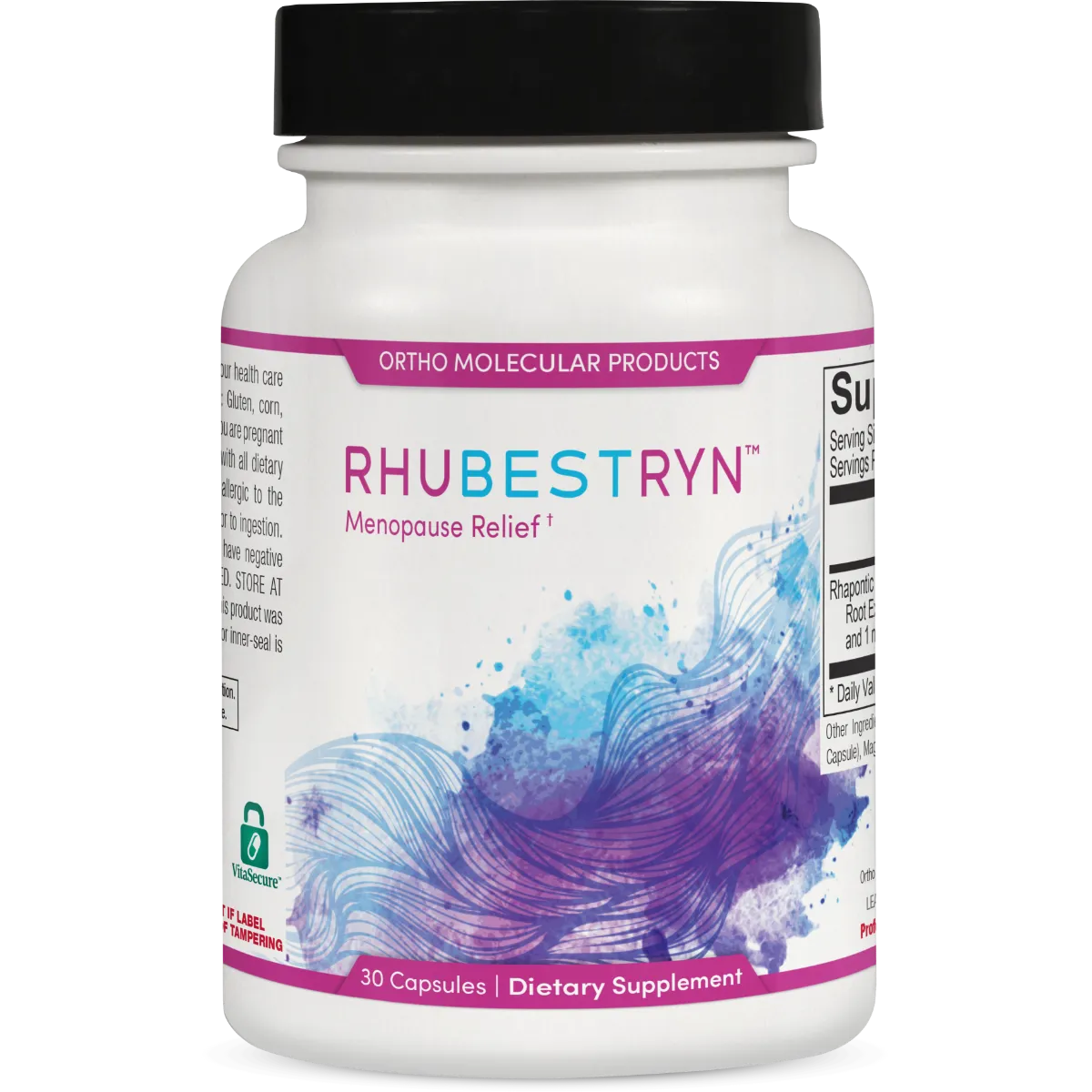
Finding safe, effective, and tolerable relief for these overlapping symptoms is a major clinical challenge, especially for patients who may not be candidates for traditional hormone replacement therapy (HRT) or who are highly sensitive to synthetic medications due to hyper-reactive immune systems. This is where specialized, scientifically validated botanical interventions like Rhubestryn come into the clinical spotlight. Formulated with a highly researched extract of rhapontic rhubarb root (ERR), Rhubestryn offers a targeted, non-hormonal approach to managing vasomotor symptoms, sleep disturbances, and mental fatigue. By specifically interacting with estrogen receptors in the brain and cardiovascular system without triggering dangerous tissue proliferation, this unique extract provides a vital pathway to help women navigate the complex intersection of menopause and chronic illness with greater ease, stability, and overall wellbeing.
TL;DR
Rhubestryn (ERR) offers non-hormonal relief for menopause symptoms by selectively targeting estrogen receptor beta.
It may help manage hot flashes, night sweats, and mood swings without triggering tissue growth.
ERR supports patients with overlapping chronic conditions like Long COVID, POTS, and MCAS.
Always consult a healthcare provider before starting new supplements, especially with complex neuroimmune conditions.
What is Rhapontic Rhubarb Root Extract (ERR)?
The Botanical Origins and Active Constituents
Rhapontic rhubarb, scientifically classified as Rheum rhaponticum L., is a specific species of rhubarb native to the mountainous regions of Siberia and parts of Eastern Europe. Unlike the common garden rhubarb (Rheum rhabarbarum) utilized in culinary dishes, the root of the rhapontic rhubarb plant contains a highly unique profile of bioactive compounds that have been utilized in European herbal medicine for decades to support female reproductive health. The clinical efficacy of this plant is derived from a highly purified, standardized extract known in scientific and medical literature as ERr 731. This specialized extract is meticulously processed to isolate specific hydroxystilbene glycosides, primarily rhaponticin and desoxyrhaponticin, while completely removing anthraquinones—compounds found in whole rhubarb root that can cause unwanted, severe laxative effects and gastrointestinal distress. By isolating these specific active constituents, researchers have successfully created a potent, targeted therapeutic agent that interacts precisely with the human endocrine system without causing collateral digestive issues.
At the molecular level, the hydroxystilbene glycosides rhaponticin and desoxyrhaponticin are structurally very similar to resveratrol, a well-known antioxidant compound found in the skins of red grapes and wine. However, their biological activity within the human body is distinctly focused on sophisticated hormonal modulation rather than just general antioxidant defense. When ingested orally, these glycosides undergo a critical, necessary transformation in the gastrointestinal tract. Intestinal bacteria and local brush-border enzymes, specifically beta-glucosidases, cleave off their attached sugar molecules in a biochemical process known as deglycosylation. This essential metabolic step converts the parent compounds into their active, highly bioavailable aglycone forms: rhapontigenin and desoxyrhapontigenin. These active aglycone metabolites are what ultimately cross the intestinal barrier, enter the systemic bloodstream, penetrate cellular membranes, and exert their profound physiological effects on the body's estrogen receptors, providing the biological foundation for non-hormonal menopause relief.
The Endocrine System and Estrogen Receptors
To fully understand how rhapontic rhubarb extract functions safely and effectively, it is essential to first understand the complex, dual-receptor architecture of the human body's estrogen network. Estrogen does not act uniformly across all tissues; instead, it communicates its cellular instructions through two primary, distinct types of receptors: Estrogen Receptor Alpha (ER-alpha) and Estrogen Receptor Beta (ER-beta). ER-alpha is predominantly located in the reproductive tissues, such as the breast tissue, the ovaries, and the endometrial lining of the uterus. When naturally occurring estrogen or synthetic hormonal medications bind to ER-alpha, it strongly stimulates cellular proliferation, angiogenesis, and tissue growth. This proliferative action is exactly why traditional hormone replacement therapy (HRT) carries certain inherent risks for estrogen-driven cancers, as overstimulation of ER-alpha can lead to unchecked cellular division.
In stark contrast, Estrogen Receptor Beta (ER-beta) is widely distributed throughout the central nervous system, the cardiovascular system, the endothelial lining of blood vessels, the bones, and the immune system. Activation of the ER-beta receptor does not promote tissue growth or cellular proliferation; rather, it regulates critical systemic functions like thermoregulation, mood stability, neuroprotection, and vascular tone. During a woman's reproductive years, naturally produced estradiol binds to both of these receptors, maintaining a delicate, healthy balance between necessary tissue growth and systemic neuroendocrine regulation. However, as women enter perimenopause and eventual menopause, the ovarian production of estradiol sharply and permanently declines, leaving both receptor types starved for activation and leading to widespread systemic dysfunction.
This sudden lack of ER-beta stimulation in the hypothalamus—the brain's master temperature control center—leads directly to the hallmark vasomotor symptoms of menopause, such as severe hot flashes, temperature dysregulation, and drenching night sweats. Furthermore, the loss of ER-beta activation in the central nervous system significantly contributes to the anxiety, depressive moods, cognitive impairment, and profound mental fatigue that so many midlife women experience. Finding a therapeutic way to selectively stimulate these critical ER-beta receptors to restore systemic homeostasis, without inadvertently triggering the dangerous proliferative risks associated with ER-alpha stimulation, has been a major, decades-long goal of menopausal medicine and pharmacological research.
Selective Estrogen Receptor Modulation (SERM)
The defining, clinically vital characteristic of rhapontic rhubarb extract (ERR) is its remarkable ability to act as a naturally occurring Selective Estrogen Receptor Modulator (SERM). Extensive in vitro and in vivo studies have definitively demonstrated that the active metabolites of ERR, particularly rhapontigenin, possess a highly specific, dose-dependent affinity for Estrogen Receptor Beta (ER-beta). In fact, advanced pharmacological research indicates that ERR demonstrates up to a 13.5-fold preference for binding to the ligand-binding domain of ER-beta over ER-alpha when compared to naturally circulating estradiol. This profound, targeted selectivity means that ERR effectively "ignores" the estrogen receptors located in the breast and uterine tissues, completely bypassing the biochemical pathways that lead to dangerous cellular proliferation and endometrial thickening.
By selectively binding to and activating ER-beta in the brain and cardiovascular system, ERR successfully mimics the regulatory, protective benefits of estrogen exactly where they are needed most, without the systemic risks. When the extract activates ER-beta in the hypothalamus, it helps to physically stabilize the erratic, hyperactive secretion of luteinizing hormone (LH), which is neurologically responsible for triggering the sudden, intense heat of a vasomotor hot flash. Simultaneously, this targeted receptor activation supports neurotransmitter balance and neuroplasticity, helping to alleviate the severe mood swings, anxiety, and cognitive disruptions associated with hormonal decline. This highly specialized, targeted mechanism of action allows Rhubestryn to provide robust, clinically significant relief from menopausal symptoms while maintaining an exceptionally clean, long-term safety profile, making it a vital therapeutic tool for women who require symptom management without the systemic risks of traditional estrogen therapies.
How Chronic Illness and Menopause Impact Hormonal and Autonomic Systems
The Collision of Estrogen Decline and Viral Pathogenesis
The intersection of menopause—specifically the sharp decline in systemic estrogen—with chronic, infection-triggered neuroimmune conditions like Long COVID is a rapidly expanding and critical area of medical research. Emerging epidemiological data indicates that females are disproportionately affected by Long COVID, and reproductive hormones are a primary biological driver of this disparity. According to massive cohort studies, such as the NIH-funded RECOVER Initiative, women have a significantly higher overall risk of developing Long COVID than men. Crucially, non-menopausal women between the ages of 40 and 54 exhibit the absolute highest risk, being up to 45% more likely to develop Long COVID than men in the exact same age demographic, highlighting the profound vulnerability of the perimenopausal transition.
This vulnerability is deeply rooted in cellular biology and viral pathogenesis. The SARS-CoV-2 virus enters human cells by binding to the ACE2 receptor, a protein that is highly prevalent not only in the lungs and cardiovascular system but also in ovarian tissue. Viral infection can take hold directly in the ovaries, causing localized inflammation and disrupting the delicate Hypothalamic-Pituitary-Ovarian (HPO) axis. This viral disruption can blunt the natural production of estrogen and progesterone, effectively plunging women into a sudden, severe, and premature perimenopausal state. As estrogen levels crash, women lose a critical neuroprotective and immune-modulating shield, allowing the unmitigated neuroinflammation and systemic immune dysregulation characteristic of Long COVID to run rampant throughout the body.
Autonomic Nervous System Dysregulation and POTS
The decline of estrogen during menopause also wreaks havoc on the autonomic nervous system, severely exacerbating conditions like Postural Orthostatic Tachycardia Syndrome (POTS) and general dysautonomia. POTS is fundamentally a disorder of blood circulation, vascular tone, and autonomic control, where the heart races abnormally upon standing, blood pools painfully in the lower extremities, and patients suffer from severe dizziness and orthostatic intolerance. Estrogen plays a direct, foundational role in maintaining healthy vascular tone and endothelial function. It stimulates the production of endothelial nitric oxide synthase (eNOS), an enzyme responsible for producing nitric oxide, which helps blood vessels dilate and constrict appropriately in response to positional changes and physical demands.
When estrogen levels drop precipitously during perimenopause and menopause, the blood vessels lose their natural elasticity and responsiveness. For a patient already battling POTS, this hormonal decline is catastrophic. The blood vessels struggle even more to constrict properly upon standing, drastically worsening venous pooling in the legs and abdomen. To compensate for this massive drop in cerebral blood flow, the sympathetic nervous system (the body's "fight or flight" mechanism) goes into severe overdrive. This autonomic instability triggers massive adrenaline surges, severe tachycardia, heart palpitations, and profound anxiety. The loss of estrogen effectively removes the biological brakes on the sympathetic nervous system, leading to a state of chronic, exhausting dysautonomia that severely impairs a patient's quality of life and daily functioning.
Mast Cell Activation Syndrome (MCAS) and the Histamine-Estrogen Loop
The relationship between estrogen, Mast Cell Activation Syndrome (MCAS), and menopause represents a highly complex and significant intersection of endocrinology and immunology. Mast cells are the immune system's first responders, releasing chemical mediators like histamine to protect the body. In MCAS, these cells become hyper-reactive, releasing massive amounts of histamine inappropriately and causing systemic inflammation, allergic reactions, and severe gastrointestinal distress. Hormones play a direct, profound role in this process because mast cells possess receptors for both estrogen and progesterone. Estrogen acts as a powerful mast cell agitator; when it binds to the estrogen receptors on mast cells, it directly triggers them to degranulate and release histamine into the bloodstream. Furthermore, high systemic estrogen levels actively downregulate the production of Diamine Oxidase (DAO), the primary gut enzyme responsible for breaking down and clearing excess histamine from the body.
Conversely, progesterone acts as the biological stabilizer, helping to calm mast cell membranes and inhibit the excessive secretion of histamine. During the turbulent years of perimenopause, progesterone levels typically drop first and quite sharply, completely removing this stabilizing effect. Meanwhile, estrogen levels do not just decline linearly; they fluctuate wildly, often spiking to very high levels before crashing. This state of "relative estrogen dominance"—where estrogen is high compared to the depleted progesterone—acts as a massive, unavoidable trigger for mast cell degranulation. This creates a vicious, self-perpetuating biological feedback loop: estrogen triggers the release of histamine, and high levels of histamine, in turn, stimulate the ovaries to produce even more estrogen. For women with Long COVID and ME/CFS, this histamine-estrogen loop can cause symptoms to spiral completely out of control, leading to severe MCAS flares that are frequently, and mistakenly, dismissed as standard menopausal hot flashes.
Rhubestryn: Supporting Hormone Balance and Systemic Health
Activating Estrogen Receptor Beta for Thermoregulation
Rhubestryn offers a highly sophisticated, targeted mechanism of action to support hormone balance and systemic health by specifically activating Estrogen Receptor Beta (ER-beta). When the active aglycone metabolites of Rhubestryn, particularly rhapontigenin, enter the bloodstream, they cross the blood-brain barrier and bind directly to the ER-beta receptors located in the hypothalamus. The hypothalamus serves as the body's master thermostat, regulating core body temperature and autonomic responses. In a menopausal state, the lack of estrogen causes the hypothalamus to become hyper-reactive, leading to erratic, massive surges of luteinizing hormone (LH). These LH surges are the primary neurological trigger for the sudden, intense vasodilation and heat generation that characterizes a severe hot flash.
By selectively binding to ER-beta in the hypothalamus, Rhubestryn effectively mimics the stabilizing presence of natural estrogen. This targeted receptor activation helps to calm the hyperactive hypothalamus, physically stabilizing the secretion of LH and helping to prevent the neurological misfires that cause temperature dysregulation. Clinical research has shown that this specific ER-beta activation can dramatically reduce both the frequency and the severity of vasomotor symptoms. For patients dealing with the overlapping temperature dysregulation of dysautonomia and menopause, this central nervous system stabilization is critical, providing profound relief from drenching night sweats and daytime hot flashes without introducing systemic synthetic hormones into the body.
Modulating Autonomic Tone and Cardiovascular Function
Beyond thermoregulation, the selective activation of ER-beta by Rhubestryn plays a vital role in modulating autonomic tone and supporting cardiovascular function, which is especially important for patients battling POTS and Long COVID. ER-beta receptors are densely located throughout the vascular endothelium—the inner lining of the blood vessels. When rhapontigenin binds to these endothelial receptors, it promotes the healthy, regulated production of nitric oxide via the eNOS pathway. This localized nitric oxide production encourages appropriate vasodilation and helps maintain the structural elasticity of the blood vessels, improving overall microcirculation and vascular responsiveness.
Crucially, because Rhubestryn strongly prefers ER-beta and avoids ER-alpha, it provides these cardiovascular benefits without the increased risks of blood clotting, thrombosis, or cardiovascular events that are sometimes associated with traditional, systemic estrogen therapies. By supporting healthy vascular tone at the endothelial level, Rhubestryn may indirectly assist the autonomic nervous system in managing the severe orthostatic intolerance, blood pooling, and erratic heart palpitations that characterize dysautonomia. This helps to calm the sympathetic nervous system's chronic "fight or flight" overdrive, allowing the cardiovascular system to function with greater stability and less exhaustive effort.
Stabilizing Mast Cells and Reducing Histamine Burden
For patients dealing with Mast Cell Activation Syndrome (MCAS), finding hormonal support that does not trigger massive histamine flares is a significant clinical hurdle. Traditional hormone replacement therapy, particularly formulations heavy in systemic estradiol, can inadvertently bind to the ER-alpha receptors on mast cells, triggering rapid degranulation and flooding the body with inflammatory histamine. Rhubestryn bypasses this dangerous mechanism entirely. Because its active metabolites are highly selective for ER-beta and exhibit virtually no affinity for ER-alpha, they do not provide the biological "gas pedal" that causes mast cells to aggressively degranulate.
Furthermore, the active compounds in Rhubestryn, particularly rhapontigenin, have been shown in pharmacological studies to possess inherent anti-inflammatory properties. By modulating the release of pro-inflammatory cytokines and supporting a normal inflammatory balance, Rhubestryn helps to calm the systemic immune hyper-reactivity seen in Long COVID and ME/CFS. This means patients can achieve meaningful relief from their menopausal symptoms without adding to their overall histamine burden or triggering the vicious, self-perpetuating cycle of estrogen dominance and mast cell activation.
Antioxidant Defense and Cellular Protection
In addition to its profound hormonal modulating capabilities, the unique hydroxystilbene structure of Rhubestryn acts as a powerful, systemic antioxidant. Chronic neuroimmune conditions like ME/CFS and Long COVID are characterized by massive, unmitigated oxidative stress, where highly reactive oxygen species (ROS) damage cellular membranes, proteins, and DNA. This oxidative damage is particularly devastating to the mitochondria, the energy-producing powerhouses of the cells. When mitochondria are damaged by oxidative stress, they cannot produce adequate adenosine triphosphate (ATP), leading directly to the profound, debilitating physical fatigue and post-exertional malaise (PEM) that define these illnesses.
The active metabolites in Rhubestryn help to neutralize these damaging free radicals, providing a critical layer of cellular protection. By reducing the overall burden of oxidative stress within the body, Rhubestryn helps to protect mitochondrial integrity and function. While it is not a cure for the severe energy deficits of ME/CFS, this antioxidant support is a vital component of a comprehensive management strategy. By defending the cells against ongoing oxidative damage, Rhubestryn helps to preserve baseline cellular energy production, potentially reducing the severity of physical exhaustion and supporting a more stable, resilient baseline for patients navigating the compounding challenges of chronic illness and menopause.

Symptoms Rhubestryn May Help Manage
Vasomotor and Autonomic Symptoms
By selectively activating Estrogen Receptor Beta (ER-beta) in the hypothalamus and vascular endothelium, Rhubestryn provides targeted support for the severe temperature and circulatory dysregulation common in menopause and dysautonomia.
Severe Hot Flashes: Rhubestryn helps physically stabilize the erratic, hyperactive surges of luteinizing hormone (LH) in the brain, dramatically reducing the frequency and intense heat of daytime hot flashes.
Drenching Night Sweats: By restoring thermoregulatory control to the hypothalamus during sleep cycles, the extract helps prevent the sudden temperature spikes that cause profound nocturnal sweating and disrupted rest.
Heart Palpitations: Through its support of endothelial nitric oxide production, Rhubestryn helps maintain healthy vascular tone, which can indirectly calm the sympathetic nervous system and reduce the erratic heart racing associated with autonomic dysfunction.
Temperature Dysregulation: The targeted ER-beta activation helps the central nervous system more accurately interpret and respond to environmental temperature changes, reducing the sudden, unpredictable shifts between freezing chills and burning heat.
Neurological and Cognitive Symptoms
The decline of neuroprotective estrogen during perimenopause heavily impacts brain function. Rhubestryn’s ability to cross the blood-brain barrier and stimulate ER-beta receptors offers significant support for cognitive and emotional stability.
Mental Fatigue and Brain Fog: By providing potent antioxidant defense against neuroinflammation and supporting neurotransmitter balance, the extract helps clear the cognitive heaviness and mental exhaustion frequently seen in Long COVID and ME/CFS.
Anxiety and Mood Swings: ER-beta activation in the central nervous system plays a critical role in regulating serotonin and dopamine pathways, helping to smooth out severe emotional volatility and reduce hormonally driven anxiety spikes.
Sleep Disturbances: By effectively eliminating the night sweats that constantly wake the patient, and by calming the "fight or flight" overdrive of the autonomic nervous system, Rhubestryn supports deeper, more restorative, and uninterrupted sleep cycles.
Systemic and Immune Symptoms
Because Rhubestryn completely bypasses the proliferative ER-alpha receptors, it provides systemic relief without triggering the immune hyper-reactivity or histamine dumps associated with traditional estrogen therapies.
Physical Exhaustion: The potent hydroxystilbene compounds act as systemic antioxidants, neutralizing reactive oxygen species (ROS) and protecting mitochondrial function from oxidative damage, thereby supporting baseline cellular energy production.
Joint and Muscle Discomfort: By modulating the release of pro-inflammatory cytokines, Rhubestryn helps maintain a normal, healthy inflammatory balance, reducing the widespread, aching joint pain that often accompanies the menopausal transition.
Histamine-Driven Flushing: Because it does not stimulate ER-alpha, Rhubestryn avoids acting as a biological trigger for mast cell degranulation, allowing patients with MCAS to manage their menopause symptoms without exacerbating their allergic-type reactions or histamine overload.
Practical Considerations: Forms, Dosing, and Absorption
Pharmacokinetics and Intestinal Metabolism
The clinical efficacy of Rhubestryn is heavily dependent on its complex pharmacokinetics and the specific way it is metabolized within the human body. As previously noted, the primary active constituents in the extract, rhaponticin and desoxyrhaponticin, are ingested as glycosides—meaning they have sugar molecules attached to their chemical structure. In this raw, glycosylated form, they are too large and polar to be effectively absorbed through the intestinal lining into the bloodstream. They must undergo a critical metabolic conversion in the gastrointestinal tract. Upon reaching the intestines, specialized brush-border enzymes and the local gut bacteria work together to cleave off these sugar molecules in a process called deglycosylation.
This enzymatic cleavage converts the parent compounds into their active aglycone forms: rhapontigenin and desoxyrhapontigenin. It is only these aglycones that possess the necessary chemical structure to cross the intestinal barrier, enter systemic circulation, and bind to the ER-beta receptors in the brain and cardiovascular system. Because this vital conversion process relies heavily on the presence and activity of the gut microbiome, maintaining a healthy, balanced digestive tract is essential for optimal absorption. Patients with severe gastrointestinal dysbiosis, chronic gut inflammation, or those who have recently undergone heavy courses of antibiotics may experience variable absorption rates, highlighting the interconnected nature of gut health and hormonal therapy.
Bioavailability Challenges and Absorption Optimization
Like many natural polyphenols and stilbene compounds, free rhaponticin faces significant challenges regarding natural oral bioavailability. While unformulated rhaponticin faces absorption challenges, formulated extracts like ERr 731 have been shown to significantly reduce menopausal symptoms in 12-week human trials. This is precisely why consuming raw rhubarb root or unstandardized herbal powders is largely ineffective for managing severe menopausal symptoms. To achieve clinical efficacy, it is absolutely essential to utilize a highly purified, standardized extract like the ERr 731 formulation found in Rhubestryn, which has been specifically engineered and concentrated to ensure adequate delivery of the active metabolites to the systemic circulation.
To further optimize the absorption and bioavailability of Rhubestryn, patients are generally advised to take the supplement consistently alongside a meal. Because the active aglycone metabolites share structural similarities with fat-soluble compounds, consuming the capsule with a meal that contains healthy dietary fats—such as avocados, olive oil, or nuts—can help facilitate better intestinal uptake and transport across the lipid-based cellular membranes. Consistency in daily dosing is also paramount; because the half-life of these compounds requires regular replenishment, taking the supplement at the same time each day helps maintain steady, therapeutic plasma levels, helping to prevent the hormonal fluctuations that trigger hot flashes and mood swings.
Safety Profile and Lack of Estrogenic Tissue Proliferation
One of the most compelling practical considerations for Rhubestryn is its exceptionally robust, clinically validated safety profile. A primary safety concern with traditional hormone replacement therapy (HRT) and certain synthetic SERMs is the increased risk of estrogen-driven cellular proliferation, which can lead to endometrial hyperplasia or breast tissue abnormalities. Rhubestryn completely circumvents this dangerous risk because its active metabolites are highly selective ER-beta agonists. They demonstrate practically no binding affinity for the ER-alpha receptors located in the reproductive tissues. Consequently, they alleviate systemic menopausal symptoms without triggering harmful tissue growth, making Rhubestryn a vastly safer alternative for women who have contraindications for standard estrogen therapies.
This profound safety profile has been extensively validated through decades of post-marketing surveillance and rigorous, long-term human clinical trials. In observational studies spanning up to 96 weeks, participants taking the standardized extract showed no adverse changes in critical safety parameters; there was no increase in endometrial thickness, no alteration in breast tissue density, and no negative impact on liver enzymes, blood pressure, or hematology. However, it is important to note that the primary active metabolite, rhapontigenin, acts as an inhibitor of certain cytochrome P450 enzymes in the liver, specifically CYP1A2 and CYP2C9. Therefore, patients taking prescription medications that are heavily metabolized by these specific liver pathways—such as certain blood thinners or anticonvulsants—should consult closely with their healthcare provider to monitor for potential drug interactions before initiating supplementation.

Follow the Science
Clinical Efficacy in Menopause Rating Scale (MRS) Reductions
The clinical efficacy of rhapontic rhubarb extract (ERr 731) is not based on anecdotal evidence; it is supported by a robust foundation of rigorous, peer-reviewed scientific literature. The primary metric used in these studies is the Menopause Rating Scale (MRS), an internationally recognized, standardized tool that assesses 11 distinct physical, psychological, and urogenital symptoms of menopause. In a flagship 12-week, randomized, double-blind, placebo-controlled trial involving 112 perimenopausal women experiencing moderate-to-severe symptoms, the results were profound. After just 12 weeks of daily supplementation with 4 mg of the standardized extract, the treatment group saw their total MRS score plummet from a baseline average of 27.0 down to 12.4 points. In stark contrast, the placebo group experienced only a negligible decrease, dropping from 27.0 to 24.0 points.
These dramatic reductions were most notable in the management of vasomotor symptoms. Women taking the extract experienced a massive reduction in hot flashes, dropping from an average of 11 to 12 severe hot flashes per day down to 4 or fewer, with many participants reporting complete cessation.
Clinical Trial and Safety Data
While efficacy is critical, the true measure of a menopausal therapeutic is its ability to provide sustained, safe relief. To evaluate this, researchers conducted a 12-week clinical trial. The data from this study demonstrated that the symptom relief provided by the extract was significant; women experienced a reduction in their total MRS scores from an average of 27.0 to 12.4 over the 84-day period. Crucially, the body did not build a tolerance to the active metabolites during this period, meaning the dosage did not need to be continually increased to maintain the therapeutic benefits.
Equally important to the efficacy was the confirmation of the extract's safety profile. Throughout the 12-week trial period, researchers monitored the participants for adverse events. The clinical findings were positive: the extract was well tolerated by the majority of women, with only 11 adverse events reported among 5 women receiving the extract. Furthermore, the daily intake of the extract caused no severe adverse variations, cementing its status as a safe, non-hormonal alternative to traditional HRT.
Emerging Research on Hormones and Neuroimmune Conditions
Beyond standard menopausal care, the scientific community is increasingly recognizing the critical intersection between hormonal decline and the exacerbation of complex neuroimmune conditions. A landmark population-based study published in the journal Menopause established a definitive, undeniable link between ME/CFS and early menopause, revealing that women with ME/CFS experience menopause significantly earlier than healthy controls and suffer from a much higher burden of overlapping autonomic symptoms. Furthermore, recent data from the NIH RECOVER Initiative has highlighted that perimenopausal women are at the absolute highest risk for developing Long COVID, suggesting that the sudden loss of estrogen's neuroprotective and immune-modulating properties creates a biological vulnerability to viral pathogenesis.
As our understanding of conditions like Long COVID and dysautonomia deepens, the clinical need for targeted, non-proliferative hormonal support becomes glaringly apparent. Patients with these conditions often cannot tolerate the systemic immune shifts or mast cell degranulation triggered by traditional synthetic estrogens. Therefore, the highly selective ER-beta activation provided by rhapontic rhubarb extract represents a vital, cutting-edge therapeutic pathway. By stabilizing the central nervous system, modulating autonomic tone, and providing potent antioxidant defense without triggering ER-alpha proliferation, this specialized botanical extract offers a scientifically validated, desperately needed tool for managing the complex, overlapping pathophysiology of midlife chronic illness.
The Path Forward
Validating the Complex Reality of Midlife Chronic Illness
Navigating the transition into menopause is challenging under the best of circumstances, but when it collides with the debilitating realities of Long COVID, ME/CFS, MCAS, or dysautonomia, the physical and emotional toll can be truly overwhelming. It is entirely valid to feel frustrated, exhausted, and frightened when your body is simultaneously battling viral-induced neuroinflammation, autonomic failure, and profound hormonal depletion. The symptoms you are experiencing—the sudden, drenching sweats, the terrifying heart palpitations, the crushing mental fatigue, and the unpredictable histamine flares—are not just "in your head" or simply a normal part of aging. They are the result of complex, overlapping physiological crises, where the loss of estrogen's protective shield has left your nervous and immune systems highly vulnerable. Acknowledging the severity and the biological reality of this intersection is the first, crucial step toward finding effective, compassionate care.
Integrating Rhubestryn into a Comprehensive Care Plan
While the clinical data supporting rhapontic rhubarb extract is highly compelling, it is important to remember that no single supplement is a miracle cure for complex neuroimmune conditions. Rhubestryn should be viewed as one highly effective, targeted tool within a much broader, comprehensive management strategy. To achieve the best possible outcomes, this targeted botanical support must be combined with foundational chronic illness management techniques. This includes rigorous pacing to help prevent post-exertional malaise (PEM), detailed symptom tracking to identify specific autonomic or histamine triggers, dietary modifications to support gut health and lower overall systemic inflammation, and, when appropriate, targeted autonomic rehabilitation. By addressing the hormonal component of your illness with Rhubestryn, you can help stabilize your baseline, making your other management strategies more effective and sustainable.
Next Steps and Medical Consultation
Because the intersection of menopause and conditions like Long COVID or ME/CFS is so biochemically complex, it is absolutely essential to approach your treatment plan with professional medical guidance. Before introducing Rhubestryn or any new supplement into your regimen, you must consult with a healthcare provider who deeply understands the nuances of neuroimmune conditions, dysautonomia, and hormonal health. They can help you navigate potential drug interactions, particularly regarding liver enzyme pathways, and determine if this highly selective ER-beta agonist is the right fit for your unique physiological needs. With the right targeted support, compassionate medical care, and a scientifically validated approach, it is possible to regain stability, ease your most disruptive symptoms, and improve your overall quality of life during this challenging transition.