Can Relora Support the HPA Axis and Emotional Well-Being in Long COVID and ME/CFS?
March 6, 2026
ReloraLong COVIDME/CFS
Share:
Disclaimer: The information provided here is for educational purposes only and is not intended as medical advice. It should not be used to diagnose, treat, cure, or prevent any medical condition. Instead, use it as a starting point for discussion with your healthcare provider. Always consult with a qualified healthcare provider before starting any new medication, supplement, device, or making changes to your health regimen.
Living with complex chronic illnesses like Long COVID, myalgic encephalomyelitis/chronic fatigue syndrome (ME/CFS), and dysautonomia often feels like being trapped in a perpetual state of "fight or flight." For many patients, the physical toll of these conditions is compounded by an invisible, internal battle: a severely dysregulated stress response. You might find yourself feeling simultaneously exhausted yet completely wired, unable to achieve restorative sleep, or struggling with sudden, intense cravings for sugary foods. These are not simply signs of psychological stress or a lack of willpower; they are profound physiological manifestations of a broken Hypothalamic-Pituitary-Adrenal (HPA) axis and neurotransmitter imbalance.
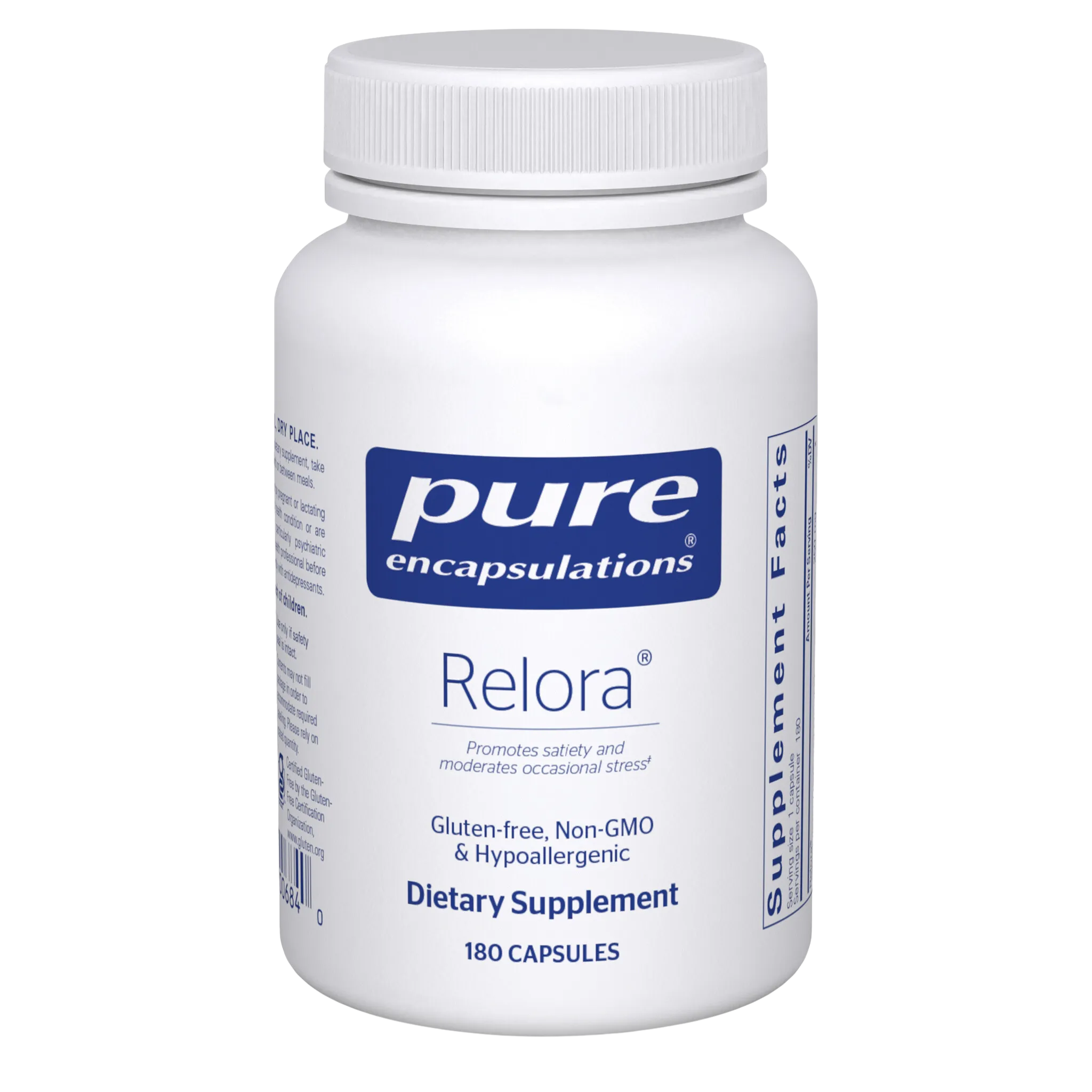
In the search for validating, science-backed management strategies, many patients and clinicians are turning to targeted botanical interventions to help restore this delicate neuroendocrine balance. One such intervention is Relora, a patented, proprietary blend of two traditional herbal extracts: Magnolia officinalis and Phellodendron amurense. Designed to support emotional well-being and manage stress-related eating habits, Relora offers a unique, multi-target approach to calming the central nervous system. By modulating key neurotransmitters like GABA and serotonin, and helping to maintain healthy cortisol and DHEA production, Relora aims to break the vicious cycle of chronic stress and autonomic dysfunction. In this comprehensive guide, we will explore the intricate biochemistry of Relora, its clinical evidence, and how it may support individuals navigating the complexities of Long COVID and ME/CFS.
What is Relora?
The Synergy of Traditional Botanicals: Magnolia and Phellodendron
To understand what Relora is, we must first look at its foundational ingredients. Relora is a carefully standardized, proprietary dietary supplement blend composed of extracts from the bark of two medicinal trees: the Magnolia tree (Magnolia officinalis) and the Amur cork tree (Phellodendron amurense). For thousands of years, these specific botanicals have been utilized in traditional Eastern medicine to address what ancient practitioners referred to as the "stagnation of Qi"—a concept that closely mirrors our modern understanding of chronic stress, anxiety, and autonomic nervous system dysregulation.
While each herb possesses its own therapeutic properties, their combination in Relora is highly intentional. Modern pharmacological research has revealed that these two extracts work synergistically, meaning their combined effect is greater than the sum of their individual parts. This synergy is particularly evident in how they interact with the central nervous system and the endocrine system, providing a comprehensive approach to stress management that neither herb could achieve as effectively on its own. By blending these extracts, Relora creates a multi-faceted botanical matrix designed to promote emotional well-being without causing the heavy sedation often associated with pharmaceutical interventions.
The Active Compounds: Honokiol, Magnolol, and Berberine
The clinical efficacy of Relora is driven by its primary bioactive compounds. From Magnolia officinalis, the most critical constituents are honokiol and magnolol. These are highly lipophilic (fat-soluble) neolignans, a class of polyphenolic compounds known for their ability to rapidly cross biological membranes, including the blood-brain barrier. Once inside the central nervous system, honokiol and magnolol exert powerful neuroprotective and anti-anxiety effects. They are the primary drivers behind Magnolia's ability to induce relaxation and calm a hyperactive nervous system.
From Phellodendron amurense, the dominant active compound is berberine, alongside other isoquinoline alkaloids like magnoflorine. Berberine is a well-researched alkaloid famous for its metabolic benefits, particularly in supporting healthy blood sugar levels and insulin sensitivity. However, in the context of Relora, berberine plays a crucial role in modulating the stress response and interacting with central nervous system receptors. The combination of honokiol, magnolol, and berberine creates a complex pharmacological profile that targets multiple pathways simultaneously.
A Multi-Target Approach to the Nervous System
Unlike single-target pharmaceuticals that often act like a sledgehammer on one specific receptor, Relora acts more like a symphony conductor, gently modulating several interconnected systems at once. Its primary targets include the Gamma-Aminobutyric Acid (GABA) system, the serotonin network, and the Hypothalamic-Pituitary-Adrenal (HPA) axis. By engaging with these three critical pillars of neuroendocrine health, Relora helps shift the body out of a chronic sympathetic dominant state (fight or flight) and into a parasympathetic state (rest and digest).
This multi-target approach is essential for individuals with complex chronic conditions like Long COVID and ME/CFS, where dysfunction is rarely isolated to a single pathway. When the nervous system is locked in a state of chronic hyperarousal, simple interventions are often insufficient. Relora's ability to simultaneously enhance inhibitory neurotransmitters (GABA), stabilize mood-regulating neurotransmitters (serotonin), and blunt the overproduction of stress hormones (cortisol) makes it a uniquely suited botanical for addressing the systemic dysregulation seen in these invisible illnesses.
How Long COVID and ME/CFS Impact the HPA Axis
The HPA Axis: The Body’s Stress Command Center
To grasp how chronic illness impacts the body, we must understand the Hypothalamic-Pituitary-Adrenal (HPA) axis. This intricate neuroendocrine network serves as the body’s central command center for regulating the stress response, immune function, energy metabolism, and the autonomic nervous system. When you encounter a stressor—whether it's a viral infection, physical exertion, or emotional trauma—the hypothalamus in the brain releases corticotropin-releasing hormone (CRH). This signals the pituitary gland to release adrenocorticotropic hormone (ACTH), which in turn prompts the adrenal glands to secrete cortisol, the body's primary stress hormone.
In a healthy individual, cortisol is essential for survival. It reduces inflammation, manages the sleep-wake cycle (circadian rhythm), and helps the body convert stored fuel into usable cellular energy. Once the stressor has passed, a negative feedback loop tells the brain to stop producing CRH and ACTH, allowing cortisol levels to return to a normal, resting baseline. However, in conditions like Long COVID and ME/CFS, this delicate feedback loop becomes severely broken, leading to chronic, systemic dysfunction.
Cortisol Dysregulation in Long COVID and ME/CFS
Recent breakthrough research has highlighted profound HPA axis dysregulation in infection-triggered illnesses. A landmark 2023 Yale University study led by Dr. Akiko Iwasaki found that low circulating plasma cortisol was the single most robust predictive biomarker for Long COVID. The study revealed that cortisol levels in Long COVID patients were roughly half of those found in healthy controls, achieving an astonishing 96% accuracy rate in predicting the condition. Crucially, despite this severe hypocortisolism, the patients' ACTH levels were normal, indicating that the dysfunction lies within the central HPA axis communication, not primary adrenal failure.
Similarly, research into ME/CFS has long documented a "wrecked" or burnt-out HPA axis. When the body is subjected to prolonged, unrelenting neuroinflammation—often triggered by viral persistence or immune dysregulation—the HPA axis becomes chronically activated. Over time, this constant demand leads to a downregulation of the system, resulting in a blunted cortisol awakening response and an inability to produce enough cortisol to manage daily physical or cognitive demands. This lack of cortisol removes the "brakes" from the immune system, allowing systemic inflammation to run rampant and contributing heavily to the debilitating exhaustion known as post-exertional malaise (PEM).
The Dysautonomia Connection: The Adrenaline Compensation Loop
The failure of the HPA axis has cascading effects, particularly on the autonomic nervous system, leading to conditions like dysautonomia and Postural Orthostatic Tachycardia Syndrome (POTS). When the HPA axis cannot produce enough cortisol to handle orthostatic stress (like standing up) or physical exertion, the body is forced to rely on its secondary, much harsher stress-response system: the sympathetic nervous system. To compensate for the lack of cortisol, the brain and adrenal medulla flood the bloodstream with excessive amounts of noradrenaline and adrenaline.
This "adrenaline compensation loop" is responsible for many of the most distressing symptoms of dysautonomia. The constant surge of catecholamines causes severe tachycardia (a racing heart), blood pressure fluctuations, tremors, anxiety, and a persistent feeling of being "wired but tired." Furthermore, animal studies on the SARS-CoV-2 spike protein have shown that viral antigens can cause brain cortisol levels to plummet by up to 37% in the hippocampus, driving severe neuroinflammation and priming the nervous system to overreact to even minor stimuli. This creates a vicious cycle where the body is constantly fighting a phantom threat, exhausting its reserves and perpetuating the illness.
Relora: Supporting the HPA Axis and Neurotransmitter Balance
Normalizing Cortisol and DHEA Production
Relora is specifically designed to intervene in the chaotic neuroendocrine environment created by chronic illness. Its primary mechanism of action revolves around normalizing the HPA axis and blunting the hypersecretion of stress hormones. When the body is stuck in a chronic stress loop, the adrenal glands are often stimulated erratically. The active compounds in Relora—honokiol, magnolol, and berberine—work synergistically to downregulate this hyperactivity. By modulating the signals from the hypothalamus and pituitary, Relora helps prevent the systemic spikes and crashes of cortisol that drive fatigue and metabolic dysfunction.
In addition to managing cortisol, Relora has been shown to support the healthy production of DHEA (dehydroepiandrosterone). DHEA is a crucial steroid hormone that acts as a counter-regulatory force to cortisol. It is highly neuroprotective, supports immune function, and helps mitigate the catabolic (tissue-breaking) effects of chronic stress. In many patients with Long COVID and ME/CFS, the cortisol-to-DHEA ratio is severely skewed. By helping to maintain a healthy balance between these two hormones, Relora supports a more resilient stress response and promotes healthy body-fat distribution, which is often disrupted by HPA axis dysfunction.
Modulating GABA-A Receptors for Calmness
Beyond hormonal regulation, Relora exerts profound effects directly on the brain's neurotransmitter systems, specifically targeting GABA (Gamma-Aminobutyric Acid). GABA is the central nervous system's primary inhibitory neurotransmitter; it acts as the brain's "brake pedal," slowing down neuronal hyperexcitability and inducing a state of calm and relaxation. In chronic illnesses characterized by neuroinflammation and dysautonomia, the GABAergic system is often overwhelmed by excitatory neurotransmitters like glutamate and adrenaline.
The neolignans from Magnolia officinalis, particularly honokiol, act as positive allosteric modulators at GABA-A receptors. This means they bind to specific sites on the GABA receptor, enhancing the receptor's affinity for naturally occurring GABA in the brain. This mechanism is remarkably similar to how pharmaceutical benzodiazepines work, which explains Relora's potent anti-anxiety (anxiolytic) properties. However, unlike benzodiazepines, honokiol and magnolol achieve this calming effect without causing heavy daytime sedation, motor impairment, or cognitive fogginess, making it a much safer option for daily management of a hyperactive nervous system.
Serotonin Transporter Binding and Mood Stabilization
The third major mechanism by which Relora supports the nervous system is through its interaction with the serotonin network. Serotonin (5-HT) is a vital neurotransmitter responsible for regulating mood, feelings of well-being, satiety, and the sleep-wake cycle. Chronic stress and chronic inflammation are known to rapidly deplete serotonin levels in key brain regions like the hippocampus and frontal cortex, contributing to depression, brain fog, and disrupted eating behaviors.
The specific fractions of Magnolia and Phellodendron in Relora have been shown to bind to the serotonin transporter in the central nervous system. By interacting with this transporter, Relora helps prevent the rapid reuptake and clearance of serotonin from the synaptic cleft. This leaves more serotonin available to bind to receptors, effectively stabilizing mood and promoting emotional well-being. Furthermore, because serotonin plays a massive role in appetite regulation, this modulation is the primary reason Relora is so effective at encouraging feelings of satiety and diminishing stress-related cravings for sugary, carbohydrate-heavy snacks.

Symptoms Relora May Help Manage
Stress-Related Eating and Weight Fluctuations
One of the most common, yet least discussed, symptoms of chronic HPA axis dysfunction is the profound impact it has on metabolism and eating behaviors. When cortisol levels are erratic, the body often craves quick, dense sources of energy to fuel the perceived "fight or flight" emergency. Relora may help manage these specific metabolic symptoms:
Sugary Snack Cravings: By modulating the serotonin transporter and enhancing serotonin availability, Relora helps promote feelings of satiety, directly diminishing the intense, stress-induced cravings for carbohydrates and sugar that often accompany chronic fatigue.
Stress-Related Weight Gain: Chronic cortisol elevation stimulates lipogenesis (fat storage), particularly around the abdomen. By helping to normalize cortisol and DHEA production, Relora supports healthy body-fat distribution and mitigates the hormonal shifts that lead to weight gain during periods of prolonged stress.
Binge Eating Behaviors: The calming effect of Relora on the central nervous system helps mediate the emotional dysregulation that often triggers compulsive or comfort-eating behaviors, promoting more mindful and healthful eating habits.
Anxiety, Tension, and "Wired but Tired" Sensations
The autonomic nervous system dysfunction seen in Long COVID and dysautonomia frequently leaves patients trapped in a state of hyperarousal. Relora's ability to modulate GABA and blunt adrenaline surges targets these distressing neurological symptoms:
Transitory Anxiety and Panic: By acting as a positive allosteric modulator at GABA-A receptors, the honokiol in Relora enhances the brain's natural inhibitory signals, rapidly reducing feelings of acute anxiety and panic without causing pharmaceutical-level sedation.
Muscle Tension: Chronic sympathetic overdrive keeps muscles in a constant state of readiness and tension. Relora's central nervous system relaxation properties help mediate everyday stress-related muscle tension, particularly in the neck, shoulders, and jaw.
The "Wired but Tired" Feeling: This paradoxical state occurs when the body is physically exhausted but neurologically overstimulated by adrenaline. By downregulating the HPA axis and lowering evening cortisol, Relora helps quiet the nervous system, making it easier to transition into a restful state.
Cognitive Fatigue and Emotional Exhaustion
Living with a complex chronic illness is inherently traumatic and emotionally draining. The constant battle for medical validation, coupled with the physiological burden of neuroinflammation, takes a massive toll on mental health. Relora offers support for these cognitive and emotional challenges:
Emotional Volatility and Anger: Clinical trials have shown that Relora significantly reduces feelings of anger, confusion, and tension by stabilizing serotonin levels and preventing the rapid depletion of mood-regulating neurotransmitters in the hippocampus.
Stress-Induced Brain Fog: High levels of cortisol and neuroinflammation are known to impair cognitive function and memory retrieval. By protecting the brain from the damaging effects of chronic stress hormones, Relora may help clear the cognitive fogginess associated with HPA axis burnout.
Depressive Mood States: While not a treatment for clinical major depressive disorder, Relora's ability to support DHEA production and maintain serotonin balance helps promote overall emotional well-being and a more positive, resilient mood state in the face of chronic illness.
Practical Considerations: Forms, Dosing, and Absorption
Understanding Bioavailability and First-Pass Metabolism
When considering any botanical supplement, understanding its pharmacokinetics—how the body absorbs, distributes, and metabolizes the compounds—is crucial. The active ingredients in Relora (Magnolia officinalis and Phellodendron amurense) present a unique pharmacokinetic challenge. Both magnolol and honokiol are highly lipophilic, meaning they easily cross cell membranes. However, pharmacokinetic studies show that unformulated Magnolia extracts have very poor absolute oral bioavailability (often under 10%). This is because they undergo extensive "first-pass metabolism" in the liver, where they are rapidly conjugated and prepared for excretion before they can reach systemic circulation.
Similarly, berberine, the primary alkaloid in Phellodendron amurense, is notoriously difficult for the body to absorb. It is a prime target for P-glycoprotein, an efflux pump in the intestines that actively pushes the compound back into the gut lumen, resulting in an absolute oral bioavailability of less than 1%. Furthermore, these compounds have relatively short half-lives, typically ranging from 2 to 5 hours, meaning they are cleared from the bloodstream quite rapidly. This rapid clearance is why single, massive doses of these herbs are often ineffective and can lead to gastrointestinal distress.
The Synergistic Matrix: Why the Blend Matters
This is where the patented formulation of Relora becomes scientifically significant. The combination of Magnolia and Phellodendron is not just for additive clinical benefits; it fundamentally alters how the body processes the compounds. Berberine is known to interact with specific cytochrome P450 enzymes in the liver, particularly inhibiting the CYP3A4 pathway. By mildly inhibiting these metabolic enzymes, berberine slows down the rapid hepatic clearance of magnolol and honokiol, effectively increasing their systemic plasma levels and prolonging their therapeutic half-lives.
Additionally, the complex matrix of alkaloids found in Phellodendron, such as magnoflorine, demonstrates improved absorption rates when administered as a whole-plant extract rather than as an isolated compound. This synergistic interaction ensures that the active compounds survive the digestive process and reach the central nervous system in sufficient concentrations to modulate GABA and serotonin receptors. It highlights the importance of utilizing standardized, clinically studied blends rather than attempting to piecemeal individual raw herbal powders.
Dosing Strategies and Safety Precautions
Because of the short half-life of the active compounds, maintaining a steady concentration in the blood requires a specific dosing strategy. Pure Encapsulations' Relora provides 250 mg of the proprietary blend per capsule. The suggested use, mirroring the protocols used in successful clinical trials, is to take 1 capsule three times daily, with or between meals. This divided dosing schedule prevents the rapid peaks and valleys in blood concentration, ensuring continuous support for the HPA axis throughout the day and into the evening.
While Relora is generally very well-tolerated and lacks the sedative side effects of pharmaceutical anxiolytics, there are important safety considerations. Because it actively modulates the serotonin transporter and GABA receptors, it carries a strict warning: Do not take concurrently with antidepressants (such as SSRIs, SNRIs, or MAOIs) without explicit medical supervision, as this could lead to excessive serotonin accumulation or unpredictable neurochemical interactions. Furthermore, Relora is contraindicated for pregnant or lactating women. Always consult with your healthcare provider before introducing Relora, especially if you are managing complex conditions like Long COVID or metabolic dysregulation.

Follow the Science
The 2013 JISSN Trial on Cortisol and Mood
The clinical efficacy of Relora is supported by several robust, peer-reviewed human trials. One of the most significant studies was a 2013 randomized, double-blind, placebo-controlled trial published in the Journal of the International Society of Sports Nutrition (JISSN). This study investigated the effects of Relora on 56 healthy but moderately stressed adults over a 4-week period. Participants were given 500 mg of Relora daily (250 mg twice a day) or a placebo, and researchers meticulously tracked their salivary cortisol levels and psychological mood states.
The results were highly compelling for anyone suffering from HPA axis dysfunction. The researchers found that salivary cortisol exposure was significantly reduced by 18% in the Relora group compared to the placebo group. Beyond the biochemical markers, the psychological improvements measured by the Profile of Mood States (POMS) questionnaire were dramatic. The Relora group experienced a 42% reduction in anger, a 31% reduction in fatigue, a 27% reduction in confusion, and a 20% reduction in depression. Furthermore, participants reported an 18% increase in overall vigor and energy, proving that lowering stress hormones can directly alleviate profound fatigue.
Mitigating Stress-Induced Weight Gain
Another critical area of Relora research focuses on its ability to manage stress-related eating behaviors and metabolic shifts. A 2006 double-blind, placebo-controlled clinical trial evaluated 28 overweight, premenopausal women who self-identified as eating more in response to stressful situations. Over the 6-week study period, the women took either Relora or a placebo while maintaining their normal, high-stress daily routines without any prescribed dietary changes.
The findings highlighted Relora's protective metabolic effects. The placebo group experienced a statistically significant average weight gain of 1.5 kg (3.3 lbs) during the 6 weeks, a classic physiological response to chronic cortisol elevation. By contrast, the women taking Relora experienced zero average weight gain. The researchers concluded that by lowering perceived stress and evening cortisol levels, Relora effectively mitigated the stress-induced eating behaviors and hormonal lipogenesis that typically lead to weight gain during high-stress periods, offering a vital tool for healthy weight management.
Addressing Transitory Anxiety Without Sedation
A major concern with any anxiety-reducing intervention is the potential for debilitating sedation, which is already a massive issue for patients with ME/CFS and Long COVID. A 2008 pilot clinical trial investigated Relora's impact on transitory anxiety in 40 healthy women. The subjects took 250 mg of Relora three times daily for 6 weeks.
The study utilized the Spielberger STATE anxiety questionnaire and found that Relora effectively reduced temporary, transitory anxiety compared to the placebo. Crucially, the researchers noted that Relora achieved this anxiolytic effect without causing the daytime drowsiness, motor dysfunction, or cognitive impairment typically associated with pharmaceutical sedatives. While it did not alter long-standing, chronic "trait" depression, its ability to rapidly calm the nervous system during acute stress spikes makes it a highly valuable, non-sedating option for managing the unpredictable autonomic surges seen in complex chronic illnesses.
The Path Forward
Validating the Invisible Burden of HPA Dysfunction
Living with Long COVID, ME/CFS, or dysautonomia is an exhausting, full-time job. The invisible burden of a dysregulated nervous system—the sudden adrenaline dumps, the crushing fatigue, the unexplainable anxiety, and the metabolic chaos—is profoundly real and physiologically grounded. It is not in your head; it is in your HPA axis, your neurotransmitters, and your cellular biology. Validating this reality is the first, and often most crucial, step toward finding effective management strategies. You are fighting a biological battle against a nervous system that has been rewired by chronic illness, and it requires targeted, compassionate support to heal.
Comprehensive Management Strategies
While Relora offers a scientifically backed, multi-target approach to calming the central nervous system and normalizing cortisol production, it is not a standalone cure. True healing from complex chronic conditions requires a comprehensive, multi-disciplinary strategy. Supplements like Relora work best when integrated into a broader management plan that includes strict pacing to avoid post-exertional malaise (PEM), autonomic rehabilitation, dietary support for blood sugar stability, and continuous medical oversight. By combining targeted botanical interventions with foundational lifestyle adaptations, you can begin to rebuild your neuroendocrine resilience.
Next Steps
If you are struggling with the relentless cycle of "wired but tired" fatigue, stress-related eating, or profound autonomic dysregulation, Relora may offer the physiological support your nervous system desperately needs. We encourage you to discuss this proprietary blend of Magnolia and Phellodendron with your healthcare provider to ensure it aligns with your current treatment protocols, especially if you are taking prescription medications.