Can Reacted Zinc Support Immune Health and Sensory Recovery in Long COVID and ME/CFS?
March 6, 2026
Reacted ZincLong COVIDME/CFS
Share:
Disclaimer: The information provided here is for educational purposes only and is not intended as medical advice. It should not be used to diagnose, treat, cure, or prevent any medical condition. Instead, use it as a starting point for discussion with your healthcare provider. Always consult with a qualified healthcare provider before starting any new medication, supplement, device, or making changes to your health regimen.
Months or even years after recovering from an initial viral infection, many individuals find themselves fighting a relentless battle against debilitating symptoms. Conditions like Long COVID, myalgic encephalomyelitis/chronic fatigue syndrome (ME/CFS), dysautonomia, and mast cell activation syndrome (MCAS) can completely upend a person's life, leaving them with profound fatigue, cognitive impairment, erratic heart rates, and a sudden, distressing loss of taste or smell. When standard blood panels come back "normal" and traditional medical advice falls short, patients are often left searching for the underlying biological mechanisms driving their relentless symptoms. One critical, yet frequently overlooked, piece of this complex physiological puzzle is the severe depletion of essential trace minerals, particularly zinc.
Zinc is not merely a passive nutrient; it is a dynamic, powerful intracellular signaling molecule that dictates how our immune system responds to threats, how our cells produce energy, and how our nervous system maintains balance. In the wake of a severe viral insult, the body's metabolic demands skyrocket, rapidly consuming available zinc stores and leaving patients in a state of chronic depletion. This depletion creates a vicious cycle of immune hyper-reactivity, unchecked oxidative stress, and delayed tissue repair. In this comprehensive guide, we will explore the profound molecular mechanisms of zinc, how chronic illness disrupts these pathways, and why supplementing with a highly bioavailable form like Reacted Zinc (zinc bisglycinate) may be a vital component in supporting your cellular recovery and reclaiming your quality of life.
What is Zinc?
The Essential Trace Mineral
Zinc is an essential trace element and micronutrient that is absolutely critical for human health, serving as a fundamental building block for cellular metabolism, immune defense, and gene expression. Despite being the second most abundant trace mineral in the human body—falling only behind iron in total concentration—the human body possesses no specialized zinc storage system. This biological reality means that a consistent, daily intake of highly bioavailable zinc is required to maintain adequate physiological levels. Global zinc deficiency is staggeringly prevalent, affecting an estimated 17% to 20% of the world's population, and even marginal deficiencies can trigger cascading, severe health implications. For individuals battling complex chronic conditions, maintaining these daily levels becomes exponentially more challenging as the body's metabolic demands skyrocket in response to chronic inflammation, viral persistence, and immune dysregulation.
The importance of zinc cannot be overstated when looking at the sheer volume of biological processes it regulates. It is heavily involved in DNA synthesis, RNA transcription, and cellular division, ensuring that damaged tissues can properly regenerate after an insult or injury. Furthermore, zinc is a vital structural component of "zinc finger" proteins, which are specialized structural motifs that physically bind to DNA and regulate the expression of specific genes. These zinc finger proteins are particularly involved in the body's antioxidant defense systems and inflammatory responses, acting as the genetic switches that turn cellular protection on or off. Without adequate zinc, these critical genetic expressions stall, leaving the body vulnerable to oxidative damage and delayed tissue repair.
Intracellular Signaling and Enzymatic Powerhouse
At the molecular and cellular level, zinc is fundamental to the structural integrity and catalytic activity of over 300 distinct enzymes within the human body. It acts analogously to calcium as an intracellular ionic signaling molecule, often referred to in clinical literature as a "second messenger." This means that zinc directly dictates how cells communicate with one another, how they proliferate, and how they initiate repair sequences. For example, zinc is a mandatory cofactor for the antioxidant enzyme copper-zinc superoxide dismutase (CuZnSOD), which is responsible for neutralizing highly toxic superoxide radicals into less harmful molecules. By facilitating this enzymatic reaction, zinc actively protects the delicate phospholipid bilayers of our cell membranes from being destroyed by oxidative stress.
Beyond antioxidant defense, zinc plays a pivotal role in metabolic homeostasis and endocrine function. It is deeply intertwined with insulin signaling, helping to stabilize the insulin hexamer in the pancreas and facilitating its release into the bloodstream. This metabolic regulation is crucial for maintaining stable energy levels and preventing the severe energetic crashes that plague patients with hypometabolic conditions. Additionally, zinc is required for the adequate functioning of the central nervous system, where it modulates neurotransmitter release at the synaptic cleft. It specifically interacts with NMDA and GABA receptors, helping to balance excitatory and inhibitory signals in the brain, which is essential for preventing neurotoxicity and managing cognitive function.
The Immune System's Gatekeeper
Perhaps most importantly for patients with post-viral illnesses, zinc acts as the ultimate gatekeeper for proper immune system function, operating on multiple tiers of both the innate and adaptive immune responses. In the innate immune system—the body's first line of rapid defense—zinc is crucial for the normal development, maturation, and function of neutrophils, macrophages, and natural killer (NK) cells. It operates as a powerful chemoattractant, essentially acting as a chemical beacon that guides these innate immune cells directly toward invading viral or bacterial pathogens. Once these cells are engaged at the site of infection, zinc aids neutrophils in phagocytosing (engulfing) the pathogens and stimulates the targeted production of reactive oxygen species (ROS) and myeloperoxidase degranulation to completely destroy the invaders.
In the adaptive immune system, which is responsible for long-term, pathogen-specific memory, zinc is equally indispensable. It regulates the development, proliferation, and differentiation of T-cells and B-cells in the thymus and bone marrow. Specifically, zinc participates in the downstream signaling of the T-cell receptor (TCR) and the interleukin-2 (IL-2) cytokine pathway. These pathways are absolutely required to mount a highly coordinated, memory-based immune response against complex viruses like SARS-CoV-2. Furthermore, zinc balances the overall immune response by actively inhibiting the pro-inflammatory NF-κB signaling pathway. By downregulating this pathway, zinc helps prevent the dangerous "cytokine storms" and chronic hyper-inflammation that often lead to severe tissue damage and the onset of systemic autoimmune dynamics.
How Chronic Illness Impacts Zinc Levels
Viral Infection and the Depletion of Zinc Stores
When the body encounters a severe viral pathogen like SARS-CoV-2, it initiates a massive, systemic immune response that rapidly consumes available micronutrients, frequently leading to a state of localized or systemic zinc deficiency. During the acute phase of an infection, zinc acts as an acute-phase reactant; the immune system intentionally redistributes zinc from the bloodstream and peripheral tissues into the liver and immune cells to help battle the virus. This rapid consumption leaves patients with Long COVID vulnerable to a prolonged state of hypozincemia (low serum zinc), which a 2023 retrospective observational study found in over 22% of Long COVID outpatients. This depletion disrupts the mucosal barrier functions in the respiratory epithelium, making it significantly harder for the body to fend off secondary infections and perpetuating a vicious cycle of chronic immune activation.
Furthermore, the virus itself actively exploits the host's cellular machinery, creating an environment where zinc homeostasis is further disrupted. SARS-CoV-2 enters host cells by binding to the Angiotensin-Converting Enzyme 2 (ACE2) receptor, which is itself a zinc-dependent metalloenzyme. As the virus attacks ACE2-rich tissues—such as the respiratory tract, the vascular endothelium, and the oral mucosa—it destroys the local architectural integrity of these tissues. The resulting localized zinc depletion not only impairs the immediate antiviral response but also leaves the host with long-lasting structural damage that manifests as prolonged respiratory issues, vascular inflammation, and the hallmark loss of sensory functions.
Oxidative Stress and Hypometabolism in ME/CFS
In myalgic encephalomyelitis/chronic fatigue syndrome (ME/CFS), the pathophysiology is heavily characterized by widespread metabolic disruptions, severe mitochondrial dysfunction, and a state of relentless oxidative stress. Studies have consistently shown that patients with ME/CFS often exhibit elevated markers of oxidative damage parallel to significantly lower serum zinc levels. Because zinc is a critical cofactor for the antioxidant enzyme copper-zinc superoxide dismutase (CuZnSOD), a systemic deficiency allows free radicals to accumulate unchecked. These free radicals aggressively attack and damage the delicate inner membranes of the mitochondria, the powerhouses of our cells. This oxidative damage severely impairs the electron transport chain and halts the production of adenosine triphosphate (ATP), driving the profound cellular energy deficit and post-exertional malaise (PEM) that define the condition.
The relationship between viral onset and metabolic collapse is profound. You can learn more about how Long COVID can trigger ME/CFS and the overlapping metabolic disruptions involved in both conditions. When zinc levels are depleted, the body loses its primary defense mechanism against this mitochondrial degradation. The resulting hypometabolic state forces the body to rely on inefficient, anaerobic energy production pathways, which generate excess lactic acid and further contribute to the heavy, leaden feeling in the limbs that patients experience during a crash. Restoring zinc levels is therefore a critical step in halting this oxidative damage and providing the mitochondria with the stable environment they need to resume efficient ATP production.
Neuroinflammation and Autonomic Dysfunction
Dysautonomia, including Postural Orthostatic Tachycardia Syndrome (POTS), frequently co-occurs with Long COVID and ME/CFS, driven in large part by neuroinflammation and functional impairment of the vagus nerve. Zinc possesses potent, natural anti-inflammatory properties, and a deficiency allows pro-inflammatory cytokines, such as interleukin-6 (IL-6) and tumor necrosis factor-alpha (TNF-α), to proliferate unchecked throughout the bloodstream. The vagus nerve, which acts as the primary sensory pathway between the gut and the brain, detects these circulating cytokines and triggers a "sick behavior response" in the brainstem. This neuroinflammatory cascade manifests clinically as severe autonomic dysregulation, erratic heart rates upon standing, blood pooling in the extremities, and profound sleep disturbances.
Furthermore, zinc deficiency induces cellular oxidative stress that directly disrupts genetic methylation pathways and upregulates mast cell degranulation. When mast cells become unstable due to a lack of zinc, they release excess histamine and other vasoactive mediators into the surrounding tissues. This high histamine burden drives widespread vasodilation, causing blood pressure drops that the heart must compensate for by beating rapidly—exacerbating the severe tachycardia seen in POTS patients. The interconnected nature of these conditions highlights why addressing foundational mineral deficiencies is so vital; without adequate zinc, the autonomic nervous system remains locked in a state of hyper-vigilant "fight or flight," unable to initiate the "rest and digest" parasympathetic healing response.
Reacted Zinc: Supporting Immune and Cellular Function
Direct Antiviral Mechanisms and Viral Replication Inhibition
Supplementing with a highly bioavailable form like Reacted Zinc can help restore disrupted pathways by exerting direct, potent physiological effects against viral persistence. According to research published in the International Journal of Molecular Sciences, zinc ions have the remarkable ability to directly inhibit the activity of viral RNA-dependent RNA polymerase (RdRp). This enzyme is absolutely vital for the genome replication of RNA viruses, including coronaviruses and rhinoviruses. By binding to the active site of the RdRp enzyme, zinc effectively halts the virus's ability to copy its genetic material and spread to neighboring cells. This mechanism is highly dose-dependent, meaning that maintaining robust intracellular zinc levels is crucial for keeping latent or persistent viral activity suppressed.
Furthermore, zinc supports the Zinc-finger Antiviral Protein (ZAP), a specialized host protein that selectively binds to and degrades viral RNA sequences rich in CG dinucleotides. This promotes the rapid clearance of viral genomes while safely sparing the host's own healthy RNA. By decreasing the enzymatic activity of the Angiotensin-Converting Enzyme 2 (ACE2) receptor and minimizing Sirtuin 1 (SIRT-1) induced ACE2 expression, zinc also actively hinders viral spike proteins from successfully attaching to and entering host cells. This provides a robust, multi-layered defense mechanism at the cellular level, making Reacted Zinc an invaluable tool for patients dealing with the persistent viral reservoirs often implicated in Long COVID pathology.
Stabilizing Mast Cells and Managing MCAS
For patients battling mast cell activation syndrome (MCAS), zinc serves as a critical, natural mast cell stabilizer. Mast cells naturally contain large amounts of zinc within their secretory granules—the very vesicles that store and inappropriately release histamine, tryptase, and other inflammatory mediators during an MCAS flare. Recent in vitro studies indicate that sufficient intracellular zinc stabilizes the cellular membrane and actively inhibits the exocytosis (release) of these granules, physically preventing histamine from flooding the bloodstream. Researchers believe that the TRPM7 ion channel, which has a high permeability to zinc ions, plays a primary role in mediating this potent mast cell-stabilizing property.
Additionally, zinc is an essential co-factor for the endogenous production of Diamine Oxidase (DAO), the primary enzyme responsible for breaking down extracellular histamine in the gut and bloodstream. By supporting optimal DAO production, zinc accelerates the clearance of excess histamine, rapidly lowering the overall inflammatory burden and reducing systemic allergic responses. This dual action—preventing histamine release while simultaneously accelerating its breakdown—makes zinc a cornerstone of MCAS management. For more comprehensive insights on managing mast cell reactivity and stabilizing these volatile cells, explore our detailed guide on Ketotifen for MCAS and Long COVID.
Restoring the Senses of Taste and Smell
One of the most distressing and persistent hallmark symptoms of Long COVID is the sudden loss or severe alteration of taste (dysgeusia) and smell (anosmia). Zinc is a mandatory, non-negotiable cofactor for Carbonic Anhydrase VI, a metalloenzyme historically known in clinical literature as "gustin." Gustin is secreted by the salivary glands and acts as a vital trophic factor that promotes the growth, cellular development, and structural maintenance of taste buds and fungiform papillae on the tongue. When SARS-CoV-2 infection induces localized cellular zinc deficiency in the oral cavity and olfactory epithelium, gustin activity plummets, leading to the rapid cellular degeneration and vacuolization of these delicate sensory receptors.
Supplementing with Reacted Zinc helps replenish these critical localized stores, directly upregulating gustin production. This enhances nerve conduction from the regenerating taste buds to the gustatory nerve fibers, supporting the complex neuroregeneration required to bring these vital senses back online. Clinical trials evaluating COVID-19 patients have demonstrated that targeted zinc therapy significantly accelerates the return of gustatory and olfactory functions compared to control groups. If you are currently struggling with the nutritional impact of these sensory losses, read our practical tips on learning to eat nutritionally with changes to your sense of smell and taste.
Antioxidant Defense and Tissue Repair
Beyond its direct immune and sensory roles, zinc is paramount for increasing the body's antioxidant reserves and facilitating widespread tissue repair. Chronic illness places the body in a state of persistent, damaging oxidative stress, where free radicals continuously attack cellular membranes, degrade proteins, and mutate DNA. Zinc acts as a vital structural component of the antioxidant enzyme superoxide dismutase (SOD), which acts as a biological shield, neutralizing these harmful superoxide radicals into less toxic molecules before they can cause cellular destruction. Moreover, zinc upregulates the expression of metallothioneins, low-molecular-weight zinc-binding proteins that act as powerful, independent scavengers of reactive oxygen species throughout the bloodstream.
By neutralizing this severe oxidative threat, zinc promotes healthy protein synthesis, supports accurate DNA replication, and provides the necessary biological environment for damaged tissues to heal. This is particularly crucial for the vascular endothelium (the lining of the blood vessels) and the respiratory epithelium, both of which sustain heavy damage during viral infections. Zinc ensures that the cellular division required for tissue growth and repair can proceed without being interrupted by inflammatory cytokines. This restorative capacity is why adequate zinc levels are heavily correlated with shorter recovery times and a reduced incidence of severe, long-term post-viral complications.

Symptoms Reacted Zinc May Help Manage
Immune and Sensory Symptoms
Loss of Taste and Smell (Dysgeusia and Anosmia): Zinc is a mandatory cofactor for the metalloenzyme gustin, which is directly responsible for the growth, structural integrity, and maintenance of taste buds. Replenishing depleted zinc levels actively supports the neuroregeneration of olfactory and gustatory cells that have been damaged or destroyed by viral infection, significantly accelerating the return of these vital senses.
Frequent Infections and Immune Dysregulation: By supporting the rapid maturation of neutrophils, macrophages, and natural killer cells, zinc ensures the innate immune system can effectively clear pathogens. Simultaneously, by inhibiting the pro-inflammatory NF-κB signaling pathway, zinc helps balance the adaptive immune response, preventing the excessive cytokine production that drives chronic immune hyper-reactivity and systemic inflammation. You can read more about autoimmunity and immune dysregulation in Long COVID to fully understand this complex dynamic.
Histamine Intolerance and Allergic Reactions (MCAS): Zinc acts as a potent, natural mast cell stabilizer by reinforcing the cellular membrane and preventing the inappropriate degranulation of histamine-filled vesicles. It also acts as a crucial co-factor for the DAO enzyme, which aggressively breaks down excess extracellular histamine in the gut and bloodstream, thereby reducing the hives, severe itching, and gastrointestinal distress frequently associated with MCAS.
Fatigue and Autonomic Symptoms
Profound Fatigue and Post-Exertional Malaise (PEM): Systemic zinc deficiency severely exacerbates oxidative stress, which directly damages the delicate inner mitochondrial membranes responsible for ATP (energy) production. By boosting antioxidant reserves like superoxide dismutase (SOD), zinc protects mitochondrial function from free radical damage, helping to alleviate the severe, leaden physical fatigue and hypometabolic crashes characteristic of ME/CFS.
Tachycardia and Autonomic Dysregulation (POTS): Neuroinflammation and chronically high histamine levels drive the erratic heart rates, blood pressure fluctuations, and blood pooling seen in dysautonomia and POTS. By lowering circulating pro-inflammatory cytokines and accelerating histamine clearance, zinc helps calm the hyperactive vagus nerve and supports a more stable, regulated autonomic nervous system.
Brain Fog and Cognitive Impairment: The central nervous system is highly susceptible to oxidative damage and neuroinflammation. Zinc's unique ability to cross the blood-brain barrier and upregulate protective metallothioneins helps scavenge free radicals directly in neural tissue. This supports clearer cognitive function, improves memory retention, and aids in the precise regulation of neurotransmitters like glutamate and GABA at the synaptic cleft.
Practical Considerations: Forms, Dosing, and Absorption
The Superiority of Zinc Bisglycinate Chelate
When it comes to zinc supplementation, the specific chemical form of the mineral dictates how well it is absorbed by the body (bioavailability) and how easily it is tolerated by the gastrointestinal tract. Reacted Zinc is meticulously formulated using zinc bisglycinate (also known as zinc glycinate), an advanced amino acid chelate where one single zinc ion is tightly bound to two molecules of the amino acid glycine. This unique, low-molecular-weight structure creates a sterically and energetically stable "ring" around the zinc ion. This protective glycine shield allows the zinc to remain completely stable in the highly acidic environment of the stomach, preventing it from breaking down prematurely before it reaches the intestines.
Because of this stable chelated structure, zinc bisglycinate bypasses the severe nausea, painful cramping, and gastrointestinal distress notoriously caused by cheap, inorganic forms of zinc, such as zinc sulfate or zinc oxide. A pivotal 2007 randomized crossover study compared the absorption of elemental zinc from zinc bisglycinate versus zinc gluconate in healthy subjects. Using precise methodology to measure serum zinc levels, researchers concluded that zinc bisglycinate had a remarkable 43.4% higher oral bioavailability than zinc gluconate. This means that with Reacted Zinc, a significantly higher percentage of the active mineral actually reaches your bloodstream and enters your cells, rather than being excreted as waste.
Overcoming Absorption Barriers and Dietary Antagonists
The chelated structure of zinc bisglycinate also solves one of the most significant, persistent challenges in mineral supplementation: dietary antagonism. Normally, unbound zinc ions bind very easily to phytic acid (phytates)—compounds found abundantly in whole grains, seeds, corn, and legumes. When zinc binds to these phytates in the digestive tract, it forms large, insoluble complexes that the human body simply cannot absorb, leading to widespread excretion of the mineral. The tightly bound glycine molecules in Reacted Zinc physically shield the zinc ion, preventing it from binding to these dietary inhibitors and ensuring that your body can utilize the dose regardless of your diet.
To maximize absorption, clinical guidelines generally recommend taking zinc supplements on an empty stomach, ideally one hour before or two hours after a heavy meal. However, because zinc bisglycinate is exceptionally gentle on the gastric lining, patients who experience mild sensitivity or nausea can take it with a small amount of food without drastically sacrificing its superior bioavailability. This flexibility significantly improves patient compliance, ensuring that individuals can maintain the consistent, daily regimen required to rebuild their depleted intracellular zinc stores over time.
Dosing Guidelines and the Copper Balance
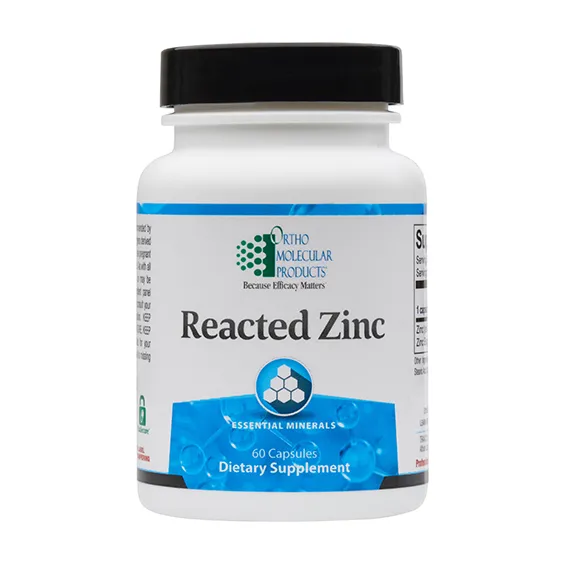
Reacted Zinc provides 54 mg of highly absorbed elemental zinc per capsule. While this robust, therapeutic dose is excellent for rapidly replenishing depleted stores during chronic illness or acute viral infections, it is absolutely crucial to understand the biological relationship between zinc and copper. High doses of zinc taken over a prolonged period actively stimulate the intestinal cells to produce metallothionein, a specialized binding protein. Metallothionein has a higher affinity for copper than for zinc; it traps dietary copper in the intestinal cells and prevents it from entering the bloodstream, eventually leading to a systemic copper deficiency.
This balance is particularly vital for patients with MCAS, as copper is a mandatory co-factor for the production of the DAO enzyme, which breaks down histamine. If a patient takes high-dose zinc indefinitely without monitoring, they may inadvertently deplete their copper, suppress their DAO production, and paradoxically worsen their histamine intolerance and mast cell reactivity. Patients utilizing high-dose zinc therapy should work closely with their healthcare provider to monitor their intracellular mineral levels, potentially incorporating a trace mineral complex or cycling their dosage to ensure their copper and magnesium stores remain perfectly balanced.
Potential Drug Interactions
Because zinc utilizes specific, highly regulated transport mechanisms in the digestive tract, it can interact with several common prescription medications. Zinc severely hinders the body's ability to absorb quinolone antibiotics (such as Ciprofloxacin) and tetracycline antibiotics; these medications should be taken at least two hours before or four to six hours after your zinc supplement to ensure the antibiotics remain effective. Additionally, long-term use of thiazide diuretics (commonly prescribed for blood pressure) can significantly increase the amount of zinc lost in the urine, making targeted supplementation even more critical for those specific patients.
Zinc may also reduce the absorption of penicillamine, a medication frequently used for rheumatoid arthritis and Wilson's disease. Furthermore, high doses of calcium or iron supplements taken simultaneously can compete with zinc for absorption pathways in the gut, so it is best to space these minerals out throughout the day. Always consult your prescribing physician or a functional medicine specialist to navigate these interactions safely, especially if you are currently undergoing complex treatments or wondering how a doctor diagnoses and manages Long COVID alongside multiple prescriptions.
Follow the Science
Clinical Evidence in Long COVID and Sensory Recovery
The clinical literature strongly supports the use of targeted zinc supplementation for post-viral recovery, particularly regarding the reversal of sensory dysfunction. A 2021 clinical trial published in the Journal of Infection and Public Health evaluated 134 PCR-confirmed COVID-19 patients, the vast majority of whom presented with severe anosmia (loss of smell) or hyposmia. The patients were divided into treatment and control groups. The researchers found that the median duration to recover gustatory and olfactory functions was significantly shorter (p < 0.001) among the patients who received oral zinc therapy compared to those who did not. This clearly demonstrated zinc's direct role in accelerating sensory neuroregeneration.
Furthermore, the systemic impact of zinc deficiency on overall recovery trajectories is profound. A large 2024 retrospective cohort study utilizing the TriNetX database assessed Long COVID outcomes based on patients' zinc status over a comprehensive 180-day follow-up period. The data revealed that patients with clinical zinc deficiency faced significantly higher rates of all-cause hospitalization (25.3% vs. 20.3%) and delayed recovery times compared to those with sufficient zinc levels. This robust data set underscores that zinc is not merely a supportive nutrient, but a critical factor in determining the severity and duration of post-acute viral sequelae.
Zinc's Impact on ME/CFS and Fatigue
Research into myalgic encephalomyelitis/chronic fatigue syndrome has increasingly highlighted the therapeutic potential of targeting profound redox imbalances with zinc. A 16-week, randomized, double-blind, placebo-controlled trial published in 2021 evaluated 50 ME/CFS patients who were administered a daily oral supplement combining zinc and melatonin. The study documented that the treatment group experienced a statistically significant reduction in their perception of severe physical fatigue and a measurable, sustained improvement in their overall health-related quality of life compared to the placebo group. This suggests that stabilizing oxidative stress directly translates to improved energetic capacity.
Additionally, a comprehensive 2023 review in the International Journal of Molecular Sciences emphasized that addressing mineral dysregulation and unchecked oxidative stress with targeted antioxidants like zinc is a highly promising therapeutic avenue. The authors noted that stabilizing the neuroinflammation and hypometabolism seen in both ME/CFS and Long COVID requires a multi-faceted approach, and that replenishing depleted zinc stores is foundational for repairing the blood-brain barrier and supporting mitochondrial ATP production.
Bioavailability Studies on Zinc Bisglycinate
The specific formulation of Reacted Zinc is backed by robust pharmacokinetic data demonstrating its superior absorption profile. A pivotal randomized, cross-over study published in the International Journal for Vitamin and Nutrition Research compared the absorption of a single 15 mg oral dose of elemental zinc in the form of zinc bisglycinate versus zinc gluconate in healthy female subjects. Using precise ICP-OES methodology to measure serum zinc levels over time, researchers concluded that zinc bisglycinate had a 43.4% higher oral bioavailability than zinc gluconate based on the area under the curve (AUC).
Supporting this acute absorption data, a 6-week randomized controlled trial by DiSilvestro et al. evaluated the long-term efficacy of various zinc forms. The study assigned 30 adult women to take 60 mg/day of either zinc glycinate, zinc gluconate, or a placebo. At the end of the 6-week period, zinc glycinate was the absolute only form that significantly increased plasma zinc levels (p < 0.001), while the gluconate and placebo groups showed no overall significant change. This definitively proves that zinc bisglycinate is vastly superior for sustained cellular uptake and long-term mineral repletion.
The Path Forward
A Validating Approach to Complex Chronic Illness
Living with complex, invisible illnesses like Long COVID, ME/CFS, dysautonomia, and MCAS is an incredibly frustrating, isolating, and exhausting journey. When debilitating symptoms like profound physical fatigue, severe brain fog, erratic tachycardia, and a sudden loss of taste or smell disrupt every aspect of your daily life, it is easy to feel entirely overwhelmed by the lack of straightforward medical answers. It is crucial to hear that your symptoms are not in your head, nor are they a result of anxiety or deconditioning. They are rooted in very real, measurable physiological disruptions, including severe oxidative stress, immune hyper-reactivity, mitochondrial dysfunction, and the deep depletion of essential cellular building blocks like zinc. Validating your lived experience is the very first step toward reclaiming your quality of life, and understanding the intricate biochemistry behind your symptoms empowers you to make highly informed decisions about your ongoing care.
Integrating Zinc into Your Management Strategy
While there is no single miracle cure or quick fix for these intricate, multi-systemic conditions, targeted nutritional support is a powerful, evidence-based tool in a comprehensive management strategy. By replenishing depleted mineral stores with a highly bioavailable formulation like zinc bisglycinate, you can actively support your body's natural antioxidant defenses, stabilize highly reactive mast cells, and provide your exhausted immune system with the exact molecular resources it needs to find balance. Supplements like Reacted Zinc are most effective when intelligently combined with radical rest, meticulous symptom tracking, strict pacing to avoid post-exertional crashes, and compassionate, specialized medical guidance. Always consult your healthcare provider before starting any new supplement regimen to ensure it aligns safely with your unique lab work, current medications, and overall treatment plan.
Sources
Antiviral and immunological activity of zinc and possible role in COVID-19
Zinc Deficiency in Long COVID: A Retrospective Observational Study
Clinical Outcomes of Zinc Deficiency in Long COVID Patients: A TriNetX Database Study
Melatonin and Zinc Supplementation in ME/CFS: A Randomized Controlled Trial
Comparison of Four Commercially Available Zinc Supplements for Performance in a Zinc Tolerance Test
Zinc Deficiency and Zinc Supplementation in Allergic Diseases and MCAS