Can Reacted MultiMin Support Energy and Digestion in Long COVID and ME/CFS?
March 6, 2026
Reacted MultiMinEssential MineralsLong COVID
Share:
Disclaimer: The information provided here is for educational purposes only and is not intended as medical advice. It should not be used to diagnose, treat, cure, or prevent any medical condition. Instead, use it as a starting point for discussion with your healthcare provider. Always consult with a qualified healthcare provider before starting any new medication, supplement, device, or making changes to your health regimen.
Months or even years after a viral infection, many people find themselves battling a complex web of debilitating symptoms—profound fatigue, brain fog, racing heart rates, and severe digestive distress. If you are living with Long COVID, myalgic encephalomyelitis/chronic fatigue syndrome (ME/CFS), or dysautonomia, you already know how frustrating it is to search for answers when standard blood tests often come back "normal." Yet, beneath the surface, chronic illness places a massive metabolic demand on the body, rapidly depleting the essential minerals required to produce cellular energy and regulate the autonomic nervous system.
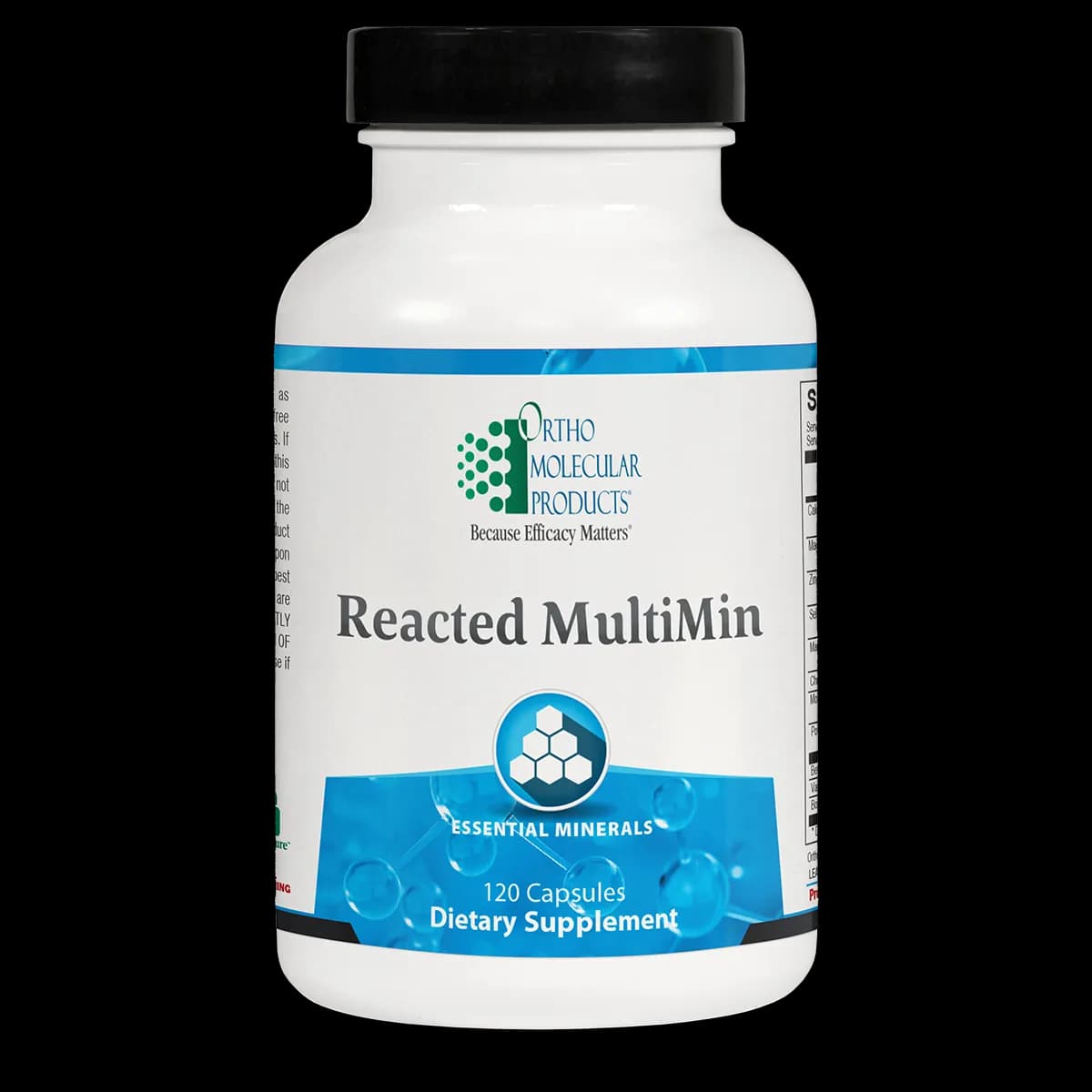
To complicate matters, the very conditions that deplete your mineral reserves often damage your body's ability to absorb new nutrients from food. This creates a vicious cycle of malabsorption and systemic dysfunction. Reacted MultiMin by Ortho Molecular Products is designed to break this cycle. By combining highly bioavailable amino acid chelated minerals with Betaine Hydrochloride (Betaine HCl) to prime digestion, this specialized formula targets both the nutritional deficiencies and the underlying gastrointestinal impairments common in complex chronic illnesses.
What is Reacted MultiMin?
To understand the value of a comprehensive multimineral supplement, we must first look at how essential minerals function in a healthy body. Minerals are inorganic elements that act as critical cofactors for thousands of enzymatic reactions. Macrominerals, such as calcium, magnesium, and potassium, are required in larger amounts to maintain structural integrity, regulate fluid balance, and facilitate nerve transmission. Trace minerals, including zinc, selenium, manganese, and molybdenum, are needed in smaller quantities but are absolutely vital for immune modulation, antioxidant defense, and hormone synthesis. Without a delicate and constant balance of these elements, cellular metabolism grinds to a halt.
At the molecular level, minerals are the spark plugs of the cell. For example, magnesium is required to stabilize adenosine triphosphate (ATP), the primary energy currency of the body, forming an Mg-ATP complex that allows energy to be utilized by tissues. Zinc is a structural component of over 300 metalloenzymes and is crucial for DNA synthesis and cellular repair. When the body is healthy, it extracts these minerals from a nutrient-dense diet. However, modern agricultural practices have depleted soil quality, making it increasingly difficult to obtain optimal mineral ratios through food alone, a problem that is exponentially worsened by the metabolic stress of chronic illness.
Not all mineral supplements are created equal, and the form of the mineral dictates whether your body can actually use it. Standard over-the-counter supplements typically use inorganic mineral salts, such as magnesium oxide or calcium carbonate. In the digestive tract, these break down into free, highly reactive ions that often bind to anti-nutrients in food (like phytates or oxalates), forming insoluble clumps that pass through the gut unabsorbed. This poor bioavailability is why standard mineral supplements frequently cause gastrointestinal distress, drawing water into the intestines and causing diarrhea or severe constipation.
Reacted MultiMin utilizes a patented technology known as Albion® TRAACS® (The Real Amino Acid Chelate System). This process chemically binds the elemental mineral to an amino acid, typically glycine, creating a stable, neutral ring structure known as an amino acid chelate. Because the mineral is hidden within this protein-like structure, it acts as a protective shield through the highly acidic stomach. Instead of relying on passive, easily saturated ion channels, the body absorbs these chelates actively through specialized dipeptide transport pathways in the small intestine, drastically increasing bioavailability and preventing different minerals from competing for absorption.
Even the most bioavailable minerals require a properly functioning digestive system to be extracted and utilized. A healthy stomach must maintain a highly acidic environment, typically between a pH of 1.5 and 3.0. This extreme acidity is necessary to sterilize ingested food, ionize minerals so they can be absorbed, and activate crucial digestive enzymes. Unfortunately, many individuals suffer from hypochlorhydria, a state of low stomach acid, which severely impairs the entire digestive cascade and leads to widespread nutrient malabsorption.
To combat this, Reacted MultiMin includes Betaine Hydrochloride (Betaine HCl), an exogenous source of hydrochloric acid. When ingested, Betaine HCl rapidly dissociates in the gastric lumen, delivering free acid to temporarily lower the stomach's pH. This "digestive priming" ensures that the stomach environment is sufficiently acidic to cleave minerals from their carrier molecules and activate pepsinogen into pepsin, the enzyme responsible for breaking down dietary proteins. By restoring gastric acidity, Betaine HCl ensures that the chelated minerals are fully dissolved and prepped for optimal intestinal uptake.
How Chronic Illness Impacts Mineral Balance and Digestion
The pathophysiology of Long COVID involves profound metabolic and immunological disruption. When the body fights an acute SARS-CoV-2 infection, it consumes massive amounts of essential nutrients to fuel the immune response. Research consistently shows that a large percentage of individuals with Long COVID have severe deficiencies in trace elements like zinc, selenium, and magnesium. This viral depletion leaves the body vulnerable to chronic oxidative stress, a state where highly reactive free radicals damage cellular structures faster than the body can repair them.
Without adequate zinc and selenium, the body cannot produce sufficient antioxidant enzymes, such as glutathione peroxidase, to neutralize this oxidative damage. This ongoing cellular injury drives systemic inflammation and neuroinflammation, contributing heavily to the persistent brain fog and profound fatigue seen in Long Haulers. Furthermore, the depletion of intracellular magnesium directly impairs mitochondrial function, creating a severe energy deficit that makes even minor physical or cognitive exertion feel impossible, a hallmark of post-exertional malaise (PEM).
Many patients with Long COVID and ME/CFS develop secondary dysautonomia, such as Postural Orthostatic Tachycardia Syndrome (POTS). Dysautonomia involves a malfunction of the autonomic nervous system, which controls involuntary bodily functions, including heart rate, blood pressure, and digestion. Digestion is primarily driven by the parasympathetic nervous system (the "rest and digest" state) via the vagus nerve. However, in dysautonomia, the body is frequently locked in sympathetic overactivity, a perpetual "fight or flight" state.
This neurological disconnect has devastating effects on the gastrointestinal tract. Sympathetic overdrive actively suppresses the secretion of stomach acid and slows gastric emptying, a condition known as gastroparesis. This virus-induced gastric impairment directly reduces hydrochloric acid levels, causing profound malabsorption of essential minerals like calcium, magnesium, and iron. Because POTS patients rely heavily on these exact electrolytes and blood-building minerals to maintain blood volume and regulate heart rhythms, this malabsorption creates a vicious cycle that continually worsens their autonomic symptoms.
The consequences of low stomach acid extend far beyond simple malabsorption, particularly for those dealing with mast cell activation syndrome (MCAS). When hypochlorhydria prevents the proper breakdown of dietary proteins, large, undigested protein peptides pass into the small intestine. Simultaneously, the lack of sterilizing stomach acid allows bacteria to survive and migrate upward, frequently leading to Small Intestinal Bacterial Overgrowth (SIBO).
These undigested proteins and overgrown bacteria severely irritate the intestinal lining, increasing gut permeability (leaky gut). For patients with MCAS, this is a disaster. The hyperactive immune system identifies these undigested proteins as foreign invaders, triggering mast cells in the gut to degranulate and release massive amounts of histamine and inflammatory cytokines. This localized allergic response drives systemic symptoms, including chronic nausea, abdominal pain, and widespread inflammation, further preventing the absorption of the very nutrients needed to heal the gut lining. You can learn more about this complex dynamic in our article on learning to eat nutritionally with chronic illness.
Reacted MultiMin: Supporting Cellular Energy and Autonomic Function
Reacted MultiMin provides a highly bioavailable dose of magnesium in the form of DiMagnesium Malate and Magnesium Lysinate Glycinate Chelate. Magnesium is arguably the most critical mineral for patients battling the profound fatigue of ME/CFS and Long COVID because of its direct role in mitochondrial energy production. Inside the mitochondria, the electron transport chain passes electrons through a series of protein complexes to generate a proton gradient, which ultimately powers the enzyme ATP synthase to produce ATP.
However, ATP is biologically inactive on its own. It must bind to a magnesium ion to form a biologically active Mg-ATP complex. Without sufficient intracellular magnesium, the ATP generated by the mitochondria cannot be utilized by the cells for energy, muscle contraction, or neurological function. By replenishing magnesium stores with a highly absorbable chelate, Reacted MultiMin supports the restoration of cellular bioenergetics, helping to raise the patient's baseline energy envelope and potentially reducing the severity of PEM crashes.
The inclusion of Zinc Bisglycinate Chelate and Selenium Glycinate Complex provides targeted support for a dysregulated immune system. Zinc is essential for the development and function of innate immune cells, including neutrophils and natural killer cells. It also acts as an intracellular signaling molecule that helps regulate the inflammatory response, preventing the prolonged cytokine storms often triggered by viral persistence. By supporting proper immune modulation, zinc helps the body transition out of a chronic inflammatory state.
Selenium works synergistically with zinc to provide powerful antioxidant defense. It is a required cofactor for the enzyme glutathione peroxidase, which is responsible for neutralizing hydrogen peroxide and other damaging reactive oxygen species (ROS) into water. In conditions like ME/CFS, where oxidative stress heavily damages mitochondrial membranes and drives neuroinflammation, restoring selenium levels is crucial for protecting cellular infrastructure and alleviating the cognitive dysfunction commonly referred to as brain fog.
The most unique therapeutic angle of Reacted MultiMin is its inclusion of Betaine HCl to address the root cause of malabsorption. By delivering a targeted dose of hydrochloric acid, Betaine HCl rapidly lowers the gastric pH to the optimal acidic range of 1.0 to 3.0. This immediate re-acidification serves multiple critical functions. First, it ensures that the chelated minerals in the supplement are fully ionized and prepared for absorption in the small intestine, maximizing the formula's efficacy.
Second, lowering the gastric pH breaks the cycle of GI dysfunction that plagues dysautonomia and MCAS patients. The acidic environment activates pepsin, ensuring that dietary proteins are thoroughly broken down into harmless amino acids, preventing the immune triggers that lead to mast cell degranulation. Furthermore, the highly acidic chyme exiting the stomach signals the pancreas and gallbladder to release downstream digestive enzymes and bile. By artificially restoring the stomach's acidic barrier, Betaine HCl helps sterilize the gut, preventing SIBO, reducing post-meal nausea, and allowing patients to finally extract vital nutrients from their diet.

Symptoms Reacted MultiMin May Help Manage
By addressing cellular energy deficits and neuroinflammation, the chelated minerals in Reacted MultiMin may help manage several debilitating neurological and systemic symptoms:
Profound Fatigue and PEM: By providing highly absorbable magnesium to stabilize the Mg-ATP complex, the formula supports mitochondrial energy production, potentially raising the threshold for post-exertional malaise.
Brain Fog and Cognitive Impairment: Selenium and zinc act as critical cofactors for antioxidant enzymes that neutralize the reactive oxygen species driving neuroinflammation, helping to improve mental clarity and focus.
Muscle Weakness and Cramping: Magnesium and calcium are essential for proper muscle contraction and relaxation. Replenishing these electrolytes can alleviate the severe muscle pain and spasms frequently reported in ME/CFS and Long COVID.
Poor Sleep Quality: Magnesium glycinate has a calming effect on the central nervous system, helping to regulate neurotransmitters like GABA to promote deeper, more restorative sleep.
The combination of Betaine HCl and trace minerals offers targeted support for the digestive and autonomic nervous systems:
Post-Meal Nausea and Bloating: Betaine HCl rapidly lowers gastric pH, activating the enzymes needed to properly digest proteins and empty the stomach, alleviating the gastroparesis symptoms common in dysautonomia.
Food Sensitivities and MCAS Triggers: By ensuring proteins are fully broken down in the stomach, Betaine HCl prevents large, undigested peptides from entering the intestines and triggering mast cell degranulation and histamine release.
Heart Palpitations and Tachycardia: Potassium, magnesium, and calcium are vital electrolytes that regulate cardiac action potentials. Maintaining optimal levels helps stabilize heart rhythms and manage the cardiovascular symptoms of POTS.
Chronic Immune Dysregulation: Zinc and selenium support the proper function of immune cells, helping to resolve lingering systemic inflammation and protect against opportunistic infections.
Practical Considerations: Forms, Dosing, and Absorption
When selecting a multimineral supplement, bioavailability is the most critical factor. The Albion® TRAACS® chelates used in Reacted MultiMin offer vastly superior absorption compared to standard inorganic minerals. For instance, clinical studies have demonstrated that chelated calcium can achieve an absorption rate of up to 44%, compared to less than 10% for standard calcium carbonate. Similarly, magnesium bisglycinate features a bioavailability of roughly 66%, whereas magnesium oxide can be as low as 4%.
This high bioavailability means that patients can achieve therapeutic intracellular mineral levels with significantly lower elemental doses. Furthermore, because these amino acid chelates are absorbed through specialized peptide transport pathways rather than standard ion channels, they do not compete with one another for uptake. This allows for a perfectly balanced delivery of macro and trace minerals without the gastrointestinal distress, such as severe diarrhea or constipation, that typically accompanies high-dose mineral therapy.
The suggested use for Reacted MultiMin is four capsules daily, taken in divided doses (e.g., two capsules in the morning and two in the evening). Because the formula contains Betaine HCl, it is absolutely critical to take this supplement with a meal, ideally one containing protein. Taking Betaine HCl on an empty stomach can cause a burning sensation, artificial heartburn, and may temporarily suppress your body's natural acid production.
Dividing the dose ensures a steady supply of essential minerals to the cells throughout the day while providing digestive support for multiple meals. Patients with severe gastroparesis or profound hypochlorhydria often report that taking the supplement halfway through their meal provides the optimal digestive priming necessary to alleviate post-meal bloating and fatigue.
While Reacted MultiMin is highly safe for most individuals, the inclusion of Betaine HCl requires specific precautions. Do not take this supplement if you are currently taking NSAIDs (such as ibuprofen, aspirin, or naproxen) or corticosteroids. The combination of these medications with exogenous stomach acid severely increases the risk of gastric ulcers and gastrointestinal bleeding. It is also strongly contraindicated for anyone with a history of active peptic ulcers, severe gastritis, or unmanaged GERD.
Additionally, because Betaine HCl directly increases stomach acidity, it will counteract the effects of acid-reducing medications like proton-pump inhibitors (PPIs) or H2-blockers. High doses of chelated minerals can also bind to certain medications, reducing their efficacy. If you are taking antibiotics (particularly tetracyclines or fluoroquinolones), thyroid hormone replacements (like levothyroxine), or osteoporosis medications, you should separate your doses by at least two to four hours. Always consult your healthcare provider before introducing a complex multimineral, especially if you have compromised kidney function.

Follow the Science
The clinical relevance of mineral supplementation in post-viral syndromes is supported by emerging research. A landmark randomized, placebo-controlled trial by Saidov et al. investigated the impact of multi-micronutrient supplementation on 150 adults with Long COVID. The baseline data revealed severe deficiencies, with 25% of patients deficient in zinc and selenium. After an 8-week intervention with a comprehensive multimineral and vitamin blend, the treatment group experienced significantly faster improvements in 6-minute walk distance, fatigue scores, and muscle strength compared to the placebo group, alongside a pronounced reduction in systemic inflammatory markers.
Further supporting this, the COMEPA study analyzed the prognostic value of serum magnesium in 260 patients with COVID-19. The researchers found that patients with serum magnesium levels at or below 1.96 mg/dL had a 114% increased risk of developing Long COVID symptomatology. These findings heavily underscore the necessity of restoring intracellular mineral balance to support recovery from acute viral insults and manage chronic post-viral fatigue.
The superiority of amino acid chelates over inorganic minerals is well-documented in pharmacokinetic literature. A 2018 clinical trial comparing iron bisglycinate to traditional iron sulfate demonstrated that patients receiving the chelated form achieved identical hematopoietic responses (red blood cell recovery) while taking only one-quarter of the elemental dose. This massive increase in bioavailability allows patients to correct deficiencies rapidly without the severe gastrointestinal side effects associated with high-dose inorganic minerals.
Similarly, a double-blind crossover trial evaluating patients with severe intestinal absorption impairments found that magnesium bisglycinate was absorbed at more than double the rate of magnesium oxide (23.5% vs. 11.8%). For patients with Long COVID or ME/CFS who suffer from virus-induced gut permeability or dysautonomia-related malabsorption, utilizing these highly bioavailable chelated forms is essential for achieving therapeutic efficacy.
The mechanism of Betaine HCl in restoring digestive function has been proven in rigorous clinical settings. A 2013 pilot study published in Molecular Pharmaceutics evaluated the efficacy of Betaine HCl in volunteers whose stomach acid was intentionally suppressed. The administration of 1,500 mg of Betaine HCl significantly lowered the subjects' gastric pH from an abnormally high baseline of 5.2 to a highly acidic 0.6 within just 30 minutes.
Remarkably, the onset of action was incredibly fast, taking an average of only 6.3 minutes to reach a pH of less than 3. The stomach remained in this optimal acidic state for approximately 73 minutes, providing the perfect window for the activation of digestive enzymes and the ionization of complex minerals. This data confirms that Betaine HCl is a highly effective intervention for temporarily correcting hypochlorhydria and priming the digestive tract for nutrient absorption.
The Path Forward
Living with a complex chronic illness like Long COVID, ME/CFS, or dysautonomia is an exhausting journey. When your body is locked in a state of autonomic dysfunction and profound fatigue, even the simple act of digesting a meal can trigger a debilitating crash. It is incredibly validating to understand that your symptoms are not in your head—they are the result of measurable physiological disruptions, including severe mineral depletion, oxidative stress, and virus-induced malabsorption. Acknowledging the physical reality of these mechanisms is the first step toward reclaiming your quality of life.
While restoring your mineral balance and priming your digestion with targeted supplements like Reacted MultiMin can provide significant relief, it is important to remember that there is no single miracle cure for chronic illness. Healing requires a comprehensive, multi-layered approach. Supplementation must be combined with aggressive radical rest, meticulous symptom tracking, and strict pacing to avoid post-exertional malaise. You can learn more about managing these complexities in our guides on how to live with long-term COVID and understanding what causes Long COVID.
By addressing the foundational building blocks of cellular health—replenishing depleted magnesium for ATP production, utilizing zinc and selenium to calm neuroinflammation, and restoring stomach acid to ensure nutrient absorption—you give your body the tools it needs to begin the slow process of repair. Always work closely with a dysautonomia-literate or Long COVID-literate healthcare provider to tailor these interventions to your specific lab results and medical history. If you are curious about the diagnostic process, explore our article on how a doctor diagnoses Long COVID.
If you are struggling with profound fatigue, brain fog, and digestive distress, supporting your cellular energy and autonomic function is a critical piece of the puzzle. Consult your healthcare provider to see if a highly bioavailable, digestion-priming multimineral is right for your recovery protocol.