Can Quercetin-Ascorbate Help Manage MCAS and Long COVID Symptoms?
March 6, 2026
QuercetinVitamin CLong COVID
Share:
Disclaimer: The information provided here is for educational purposes only and is not intended as medical advice. It should not be used to diagnose, treat, cure, or prevent any medical condition. Instead, use it as a starting point for discussion with your healthcare provider. Always consult with a qualified healthcare provider before starting any new medication, supplement, device, or making changes to your health regimen.
Living with a complex chronic condition often feels like navigating a maze without a map. Months or even years after an initial viral infection, many patients find themselves battling a relentless cascade of unpredictable symptoms. One day, it might be debilitating brain fog and profound fatigue; the next, it could be sudden heart palpitations, mysterious rashes, or severe digestive distress. If you are living with Long COVID, myalgic encephalomyelitis/chronic fatigue syndrome (ME/CFS), or dysautonomia, you are likely intimately familiar with this exhausting reality. These are not simply isolated symptoms, but rather the downstream effects of systemic immune dysregulation, chronic inflammation, and cellular dysfunction. Finding validating, science-backed tools to address these root causes is a critical step toward reclaiming your quality of life.
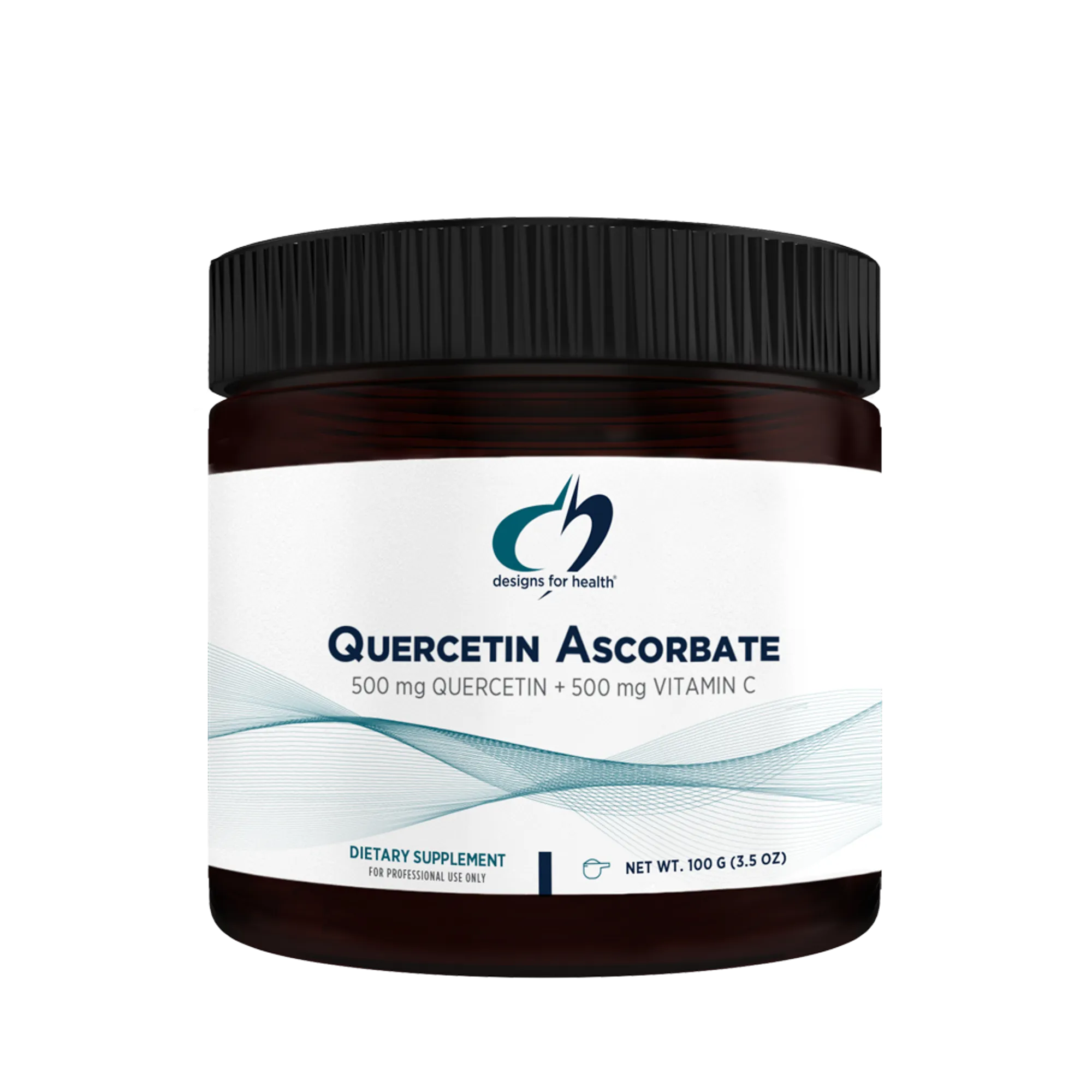
Among the most promising nutritional interventions for managing these complex immune responses is the synergistic combination of two powerful compounds: quercetin and vitamin C. While both have been studied extensively on their own, their combined biochemical effects offer a unique, multi-targeted approach to calming hyperactive immune cells and neutralizing tissue-damaging oxidative stress. Quercetin-Ascorbate by Designs for Health leverages this powerful synergy, utilizing a highly bioavailable form of quercetin known as QuerceSOL™ alongside a robust dose of vitamin C. This formulation is specifically designed to support a balanced immune response, promote healthy inflammatory processes, and maintain healthy histamine levels—making it a vital consideration for individuals whose immune systems are impacted by the lingering effects of chronic illness.
What is Quercetin-Ascorbate?
The Power of Flavonoids and Antioxidants
Quercetin is a naturally occurring plant pigment, or flavonoid, found abundantly in foods like red onions, apples, capers, and berries. In the natural world, flavonoids protect plants from environmental stressors, UV radiation, and pathogens. In the human body, quercetin acts as a potent antioxidant and immunomodulator. At the molecular level, quercetin's unique chemical structure—featuring multiple hydroxyl groups attached to aromatic rings—allows it to act as an exceptional electron donor. This means it can effectively neutralize highly reactive, tissue-damaging molecules known as free radicals before they can cause cellular destruction. Beyond its direct free-radical scavenging abilities, quercetin is widely celebrated in functional medicine for its profound ability to modulate the immune system, particularly by stabilizing mast cells and dampening the release of inflammatory mediators.
However, standard quercetin faces a significant biological hurdle: it is notoriously difficult for the human body to absorb. In its natural, unformulated state (known as quercetin aglycone), it possesses very poor water solubility and is rapidly metabolized and excreted by the liver and intestines. This is where advanced nutraceutical engineering comes into play. Quercetin-Ascorbate utilizes QuerceSOL™, a specialized delivery technology that dramatically increases the compound's solubility. By utilizing a unique matrix that enhances its dispersion in the gastrointestinal tract, QuerceSOL™ makes the quercetin approximately four times more absorbable than standard, insoluble quercetin powders. This ensures that a therapeutic dose actually reaches the bloodstream and target tissues where it is needed most.
Vitamin C's Essential Role in Cellular Health
Vitamin C, or ascorbic acid, is an essential water-soluble vitamin that the human body cannot synthesize on its own. It is a foundational pillar of cellular health, playing a critical role in the growth, development, and repair of all body tissues. At a biochemical level, vitamin C is required for the biosynthesis of collagen, L-carnitine, and certain neurotransmitters. It is also a highly effective antioxidant that protects essential molecules in the body—such as proteins, lipids, carbohydrates, and nucleic acids (DNA and RNA)—from damage by free radicals and reactive oxygen species (ROS). These reactive species are generated during normal cellular metabolism, but they are produced in massive, damaging quantities during chronic viral infections and states of prolonged inflammation.
In the context of immune function, vitamin C is indispensable. It actively accumulates in phagocytic cells, such as neutrophils, and enhances their ability to engulf and destroy pathogens. Furthermore, it supports the proliferation and differentiation of B- and T-lymphocytes, the white blood cells responsible for adaptive immunity. Crucially for patients with complex chronic illnesses, vitamin C also plays a vital role in maintaining the integrity of the endothelial lining—the delicate layer of cells that lines our blood vessels. By protecting these cells from oxidative damage, vitamin C helps prevent the microscopic blood clotting and vascular inflammation that are increasingly recognized as core drivers of Long COVID and dysautonomia symptoms.
The Synergistic Recycling Mechanism
While quercetin and vitamin C are powerful in isolation, their true clinical value emerges when they are administered together. The combination of these two compounds represents one of the most elegantly synergistic relationships in nutritional biochemistry. The core of this synergy lies in a process known as "antioxidant recycling." When quercetin successfully neutralizes a dangerous free radical by donating an electron, its own chemical structure is altered. It becomes oxidized, turning into a relatively stable, but inactive, radical itself. If left in this state, the quercetin molecule would eventually degrade and be cleared from the body, ending its therapeutic usefulness.
This is where vitamin C steps in to perform a critical rescue operation. Ascorbic acid acts as a biological "regenerator" by donating one of its own electrons back to the oxidized quercetin molecule. This precise biochemical exchange recycles the quercetin back into its active, antioxidant state, allowing it to return to the front lines of cellular defense to neutralize more free radicals. This recycling mechanism prevents the spontaneous degradation of quercetin and significantly extends its cellular efficacy and lifespan within the body. By pairing 240 mg of highly bioavailable QuerceSOL™ with a robust 1000 mg dose of vitamin C, Quercetin-Ascorbate creates a self-sustaining antioxidant loop that provides profound, long-lasting protection against the systemic oxidative stress seen in chronic illness.
How Chronic Illness Impacts Immune and Histamine Pathways
Viral Persistence and Chronic Oxidative Stress
To understand why Quercetin-Ascorbate is so relevant to conditions like Long COVID and ME/CFS, we must first examine the profound physiological disruptions these illnesses cause. When the body is exposed to a severe viral pathogen, such as SARS-CoV-2, the immune system launches a massive inflammatory response to clear the threat. However, in many patients, this response fails to properly shut down once the acute infection has passed. Researchers increasingly believe this is driven by viral persistence—fragments of the virus remaining hidden in tissue reservoirs—or by the immune system mistakenly attacking the body's own tissues. If you are wondering What Causes Long COVID?, this ongoing immune battle is a primary suspect.
This relentless immune activation generates a massive and continuous output of reactive oxygen species (ROS). Under normal circumstances, the body's endogenous antioxidants neutralize these molecules. But in chronic illness, the sheer volume of ROS overwhelms the system, leading to a state of severe chronic oxidative stress. This oxidative stress acts like a slow-burning fire, damaging cellular membranes, proteins, and DNA. Most devastatingly, it damages the mitochondria—the energy-producing powerhouses of our cells. When the mitochondria are damaged by oxidative stress, they cannot produce adequate adenosine triphosphate (ATP), leading to the profound, crushing fatigue and post-exertional malaise (PEM) that define ME/CFS. This is a key factor when exploring Can Long COVID Trigger ME/CFS? Unraveling the Connection.
Mast Cell Activation Syndrome (MCAS) in Chronic Illness
One of the most significant downstream effects of this chronic immune dysregulation is the destabilization of mast cells. Mast cells are specialized white blood cells that reside in connective tissues throughout the body, particularly in areas that interface with the external environment, such as the skin, lungs, and gastrointestinal tract. They are the body's first responders, packed with secretory granules containing hundreds of potent chemical mediators, including histamine, tryptase, prostaglandins, and leukotrienes. In a healthy system, mast cells only release these chemicals (a process called degranulation) when they encounter a genuine threat, such as a parasite or a severe allergen.
However, in patients with Long COVID, ME/CFS, and related conditions, these mast cells become hyper-reactive and hypersensitive. This condition is known as mast cell activation syndrome (MCAS). In MCAS, mast cells begin to degranulate inappropriately in response to normally harmless triggers—such as temperature changes, specific foods, emotional stress, or even mild physical exertion. This constant, inappropriate release of inflammatory mediators floods the system, causing a wide array of seemingly disconnected symptoms. Patients may experience sudden skin flushing, mysterious hives, severe gastrointestinal cramping, sudden drops in blood pressure, or intense brain fog. Because mast cells are located in almost every organ system, their dysfunction can mimic or exacerbate almost What Are the Symptoms of Long COVID?.
The Histamine Overload and Endothelial Dysfunction
Of all the chemicals released by hyperactive mast cells, histamine is perhaps the most disruptive. Histamine is a signaling molecule that, among other functions, causes blood vessels to dilate and become more permeable, allowing immune cells to access infected tissues. While this is helpful during an acute injury, a chronic, systemic overload of histamine is disastrous. When histamine floods the bloodstream, it binds to H1 and H2 receptors on the endothelial cells lining the blood vessels. This causes widespread, inappropriate vasodilation—the blood vessels widen, causing blood pressure to drop and blood to pool in the lower extremities.
To compensate for this drop in blood pressure and ensure the brain receives enough oxygen, the autonomic nervous system triggers the heart to beat faster. This is a primary mechanism behind the severe tachycardia (rapid heart rate) and palpitations seen in Postural Orthostatic Tachycardia Syndrome (POTS) and other forms of dysautonomia. Furthermore, the constant bombardment of histamine and oxidative stress damages the delicate endothelial lining itself. This endothelial dysfunction impairs the blood vessels' ability to constrict and dilate properly, leading to micro-clotting and severely restricted blood flow to the brain and muscles. This lack of oxygen and nutrient delivery directly contributes to the severe cognitive impairment (brain fog) and muscle fatigue that make it so difficult to figure out How Can You Live with Long-Term COVID.
Quercetin-Ascorbate: Supporting Immune and Inflammatory Balance
Direct Mast Cell Stabilization via Calcium Channel Modulation
Quercetin is widely regarded in clinical literature as one of the most potent natural mast cell stabilizers available. Its mechanism of action is both elegant and profound, operating directly at the cellular membrane level. For a mast cell to degranulate and release its inflammatory payload, it requires a sudden, massive influx of calcium ions from the extracellular environment into the cell's interior. This calcium influx acts as the biochemical trigger that causes the secretory granules to fuse with the cell membrane and spill histamine into the bloodstream.
Quercetin effectively interrupts this process by modulating the calcium ion channels on the surface of the mast cell. By inhibiting the influx of intracellular calcium, quercetin physically prevents the mast cell from degranulating, even when the cell is exposed to triggers that would normally cause it to misfire. This stabilization is crucial for patients with MCAS and Long COVID, as it stops the inflammatory cascade at its source, rather than simply trying to block the effects of histamine after it has already been released. By reinforcing the mast cell membrane, highly bioavailable quercetin helps restore a baseline level of immunological calm, reducing the frequency and severity of allergic-type reactions and systemic flare-ups.
Downregulating Inflammatory Cytokines and Enzymes
Beyond its physical stabilization of mast cells, quercetin exerts powerful control over the body's inflammatory signaling pathways. When the immune system is chronically activated, it relies on specific enzymatic pathways to produce inflammatory molecules. Quercetin acts as a potent inhibitor of these pathways. Most notably, it inhibits the activity of an enzyme called histidine decarboxylase. This is the specific enzyme responsible for converting the amino acid histidine into histamine. By blocking this enzyme, quercetin actively reduces the total amount of histamine the body is capable of producing, lowering the overall histamine burden.
Furthermore, quercetin suppresses the activation of NF-κB (Nuclear factor kappa B), a master protein complex that controls the transcription of DNA, cytokine production, and cell survival. In chronic illness, the NF-κB pathway is often stuck in the "on" position, constantly signaling the body to produce pro-inflammatory cytokines like Interleukin-6 (IL-6) and Tumor Necrosis Factor-alpha (TNF-alpha). By inhibiting NF-κB, quercetin effectively turns down the volume on this inflammatory signaling, helping to break the cycle of chronic immune activation that drives symptoms like joint pain, muscle aches, and neuroinflammation. This multi-targeted approach makes it a valuable tool when considering Do Long COVID Symptoms Come and Go?, as it helps smooth out the peaks and valleys of inflammatory flares.
Vitamin C's Role in Histamine Degradation
While quercetin excels at preventing the release and formation of new histamine, vitamin C plays a complementary and equally vital role: it accelerates the breakdown and removal of existing histamine from the body. Vitamin C functions as a natural antihistamine through two distinct mechanisms. First, it directly interacts with the histamine molecule in the bloodstream, altering its chemical structure (specifically destroying the imidazole ring) and rendering it inactive. Clinical studies have shown that high-dose ascorbic acid supplementation can significantly reduce serum concentrations of histamine, providing rapid relief from histamine-driven symptoms like flushing, tachycardia, and brain fog.
Secondly, vitamin C is a crucial cofactor for the function of Diamine Oxidase (DAO). DAO is the primary enzyme responsible for breaking down dietary histamine in the gastrointestinal tract. Many patients with complex chronic illnesses develop secondary histamine intolerance, where they lose the ability to properly digest histamine-rich foods (like aged cheeses, fermented foods, and leftovers). A deficiency in vitamin C can lead to sluggish DAO activity, causing dietary histamine to leak into the bloodstream and trigger systemic symptoms. By providing a robust 1000 mg dose of ascorbic acid, Quercetin-Ascorbate supports optimal DAO function, helping the gut clear histamine efficiently and reducing the overall inflammatory load on the body.
Restoring Endothelial Integrity and Antioxidant Defense
The synergistic combination of quercetin and vitamin C also provides profound support for the vascular system and cellular energy production. As discussed, chronic viral infections and MCAS cause severe oxidative damage to the endothelial cells lining the blood vessels. Vitamin C is essential for the synthesis of collagen, the structural protein that gives blood vessels their strength and elasticity. By promoting collagen production and neutralizing free radicals at the vascular wall, vitamin C helps repair damaged endothelium, improving blood flow and reducing the risk of micro-clotting.
Simultaneously, quercetin goes beyond direct free-radical scavenging by activating the Nrf2 (Nuclear factor erythroid 2-related factor 2) pathway. Nrf2 is a master regulator of cellular resistance to oxidants. When activated by quercetin, Nrf2 travels to the cell nucleus and stimulates the body's own production of powerful endogenous antioxidants, such as superoxide dismutase (SOD), catalase, and glutathione peroxidase. This internal antioxidant factory provides long-lasting, deep-tissue protection for the mitochondria. By shielding the mitochondria from oxidative damage, Quercetin-Ascorbate helps restore cellular energy production, directly combating the debilitating fatigue and post-exertional malaise that plague patients with ME/CFS and Long COVID.

Symptoms Quercetin-Ascorbate May Help Manage
Targeted Relief for Complex Symptoms
Histamine Intolerance and Allergic-Type Reactions: By stabilizing mast cells and supporting the DAO enzyme, this combination helps reduce the frequency of sudden skin flushing, unexplained hives, dermatographia (skin writing), and severe gastrointestinal cramping triggered by high-histamine foods or environmental stressors.
Brain Fog and Neuroinflammation: Both quercetin and vitamin C can cross the blood-brain barrier. By neutralizing oxidative stress in the brain and preventing histamine-induced vascular permeability, they help calm neuroinflammation, which may improve cognitive clarity, focus, and memory recall.
Post-Exertional Malaise (PEM) and Severe Fatigue: By activating the Nrf2 pathway and protecting the mitochondria from free radical damage, this supplement supports more efficient cellular ATP (energy) production. This can help raise the threshold for exertion, potentially reducing the severity and duration of post-exertional crashes.
Tachycardia and Autonomic Dysfunction: Excess histamine causes inappropriate vasodilation, which forces the heart to beat rapidly to maintain blood pressure—a key driver of POTS symptoms. By lowering systemic histamine levels, Quercetin-Ascorbate helps stabilize vascular tone, which may reduce the frequency of heart palpitations and dizzy spells upon standing.
Joint and Muscle Pain: Chronic immune activation leads to the constant production of inflammatory cytokines (like IL-6) and prostaglandins, which sensitize pain receptors throughout the body. Quercetin's ability to inhibit the NF-κB pathway helps turn off this inflammatory signaling, potentially alleviating generalized body aches and joint stiffness.
Because Quercetin-Ascorbate targets fundamental mechanisms of immune dysregulation—specifically mast cell hyper-reactivity, histamine overload, and oxidative stress—it can help manage a wide array of interconnected symptoms. While it is not a cure, supporting these foundational pathways can significantly improve daily functioning and quality of life for those navigating complex chronic illnesses.
Practical Considerations: Forms, Dosing, and Absorption
The Bioavailability Challenge of Standard Quercetin
When considering quercetin supplementation, understanding bioavailability is the single most important factor. Bioavailability refers to the proportion of a substance that successfully enters the systemic circulation and is able to have an active effect. In its standard, unformulated state (quercetin aglycone), quercetin is highly lipophilic (fat-loving) but possesses exceptionally poor water solubility. When you swallow a standard quercetin capsule, the harsh, watery environment of the gastrointestinal tract causes the powder to clump together rather than dissolve.
Furthermore, the small amount of standard quercetin that does manage to cross the intestinal wall is immediately subjected to "first-pass metabolism" in the liver. The liver rapidly processes the quercetin through glucuronidation and sulfation, tagging it for immediate excretion through the urine. Because of these dual hurdles—poor gut absorption and rapid liver clearance—clinical studies show that the absolute oral bioavailability of standard quercetin is often less than 5%. This means that taking massive doses of cheap, unformulated quercetin often results in nothing more than expensive urine, providing little to no systemic benefit for mast cell stabilization or mitochondrial support.
QuerceSOL™ Technology and Enhanced Absorption
To overcome these profound biological barriers, Quercetin-Ascorbate utilizes a patented, next-generation delivery system known as QuerceSOL™. This technology is specifically engineered to solve the water-solubility problem. QuerceSOL™ employs a unique delivery matrix that protects the quercetin molecules and dramatically alters how they behave in the digestive tract.
When QuerceSOL™ comes into contact with gastrointestinal fluids, it utilizes its specialized technology to increase the solubility and dispersibility of the quercetin. This allows the compound to bypass the standard degradation pathways and easily cross the intestinal epithelial barrier. Clinical data indicates that this specific delivery technology makes the quercetin approximately four times more absorbable than standard, insoluble quercetin powders. This enhanced absorption means that a smaller, more efficient dose (240 mg of QuerceSOL™) can achieve the therapeutic plasma concentrations required to effectively stabilize mast cells and cross the blood-brain barrier, outperforming much larger doses of unformulated alternatives.
Optimal Dosing and Timing Strategies
The suggested use for Quercetin-Ascorbate is 1.3 grams (approximately one scoop) per day, which delivers 1000 mg of Vitamin C and 240 mg of QuerceSOL™ (yielding 10% active quercetin). Because it is an unflavored powder, it can be easily mixed into water, a low-histamine smoothie, or a tolerated juice. For optimal absorption, it is generally recommended to take this supplement alongside a meal that contains a small amount of healthy fats (such as olive oil, avocado, or tolerated nuts), as quercetin's lipophilic nature means it binds well to dietary lipids.
For patients dealing with severe MCAS or Long COVID, healthcare practitioners often recommend dividing the dose. Taking half a scoop in the morning and half a scoop in the early afternoon can help maintain steady plasma levels of both vitamin C and quercetin throughout the day, providing continuous mast cell stabilization. It is generally advised to avoid taking high doses of vitamin C late in the evening, as its energizing, antioxidant effects can occasionally interfere with sleep onset in sensitive individuals.
Potential Interactions and Safety
While Quercetin-Ascorbate is generally well-tolerated, it is a potent biochemical modulator that requires careful consideration, especially for patients on complex medication regimens. Quercetin is known to inhibit certain cytochrome P450 enzymes in the liver, particularly CYP3A4. This enzyme is responsible for metabolizing a wide variety of prescription medications, including certain antihistamines, calcium channel blockers, and immunosuppressants. By inhibiting this enzyme, quercetin can inadvertently increase the blood levels of these medications.
Additionally, high doses of quercetin and vitamin C can have mild blood-thinning effects and may interact with anticoagulant medications like warfarin or aspirin. High doses of vitamin C should also be monitored in individuals with a history of oxalate kidney stones or iron overload disorders (hemochromatosis), as vitamin C enhances dietary iron absorption. Because patients with complex chronic illnesses often have highly sensitive systems, it is absolutely critical to consult with a knowledgeable healthcare provider before introducing Quercetin-Ascorbate to ensure it safely complements your existing treatment protocol.

Follow the Science
Clinical Evidence for Mast Cell Stabilization
The therapeutic potential of quercetin and vitamin C is not merely theoretical; it is supported by a robust and growing body of clinical literature, particularly in the context of viral recovery and immune hyper-reactivity. A landmark 2020 review published in Frontiers in Immunology by Colunga Biancatelli et al. specifically highlighted the combination of quercetin and vitamin C as an experimental, synergistic therapy for the prevention and treatment of SARS-CoV-2 related disease. The researchers detailed how this multi-drug approach disrupts viral entry into cells while concurrently fortifying the immune response by promoting early interferon production and modulating interleukins.
Furthermore, the connection between Long COVID and mast cell dysfunction is becoming undeniable. Research suggests that Long-COVID patients show a large, significant increase in mast cell activation (MCA) symptoms, with symptom counts and severities closely resembling those of untreated mast cell activation syndrome (MCAS) patients. Researchers have proposed that SARS-CoV-2-triggered aberrant mast cell activation likely underlies a significant portion of Long COVID pathophysiology, pointing directly to mast-cell-directed therapies—like highly bioavailable quercetin—as highly promising avenues for treatment.
Reductions in Systemic Inflammation Markers
The specific synergistic power of combining quercetin with vitamin C to reduce inflammation has been demonstrated in human clinical trials. A randomized, double-blind clinical trial evaluated the effects of quercetin, vitamin C, the combination of both, or a placebo on healthy volunteers over 8 weeks.
The results were striking: the group taking the quercetin and vitamin C combination saw a massive 49% decrease in C-reactive protein (CRP), a primary biomarker of systemic inflammation, and a 62% decrease in the inflammatory cytokine IL-6. Crucially, the researchers noted that there were no statistically significant decreases in the groups taking quercetin alone or vitamin C alone. This clinical data powerfully validates the biochemical theory of antioxidant recycling, proving that the synergy between these two compounds is required to achieve profound, systemic anti-inflammatory effects.
Vitamin C and Post-Viral Fatigue
The role of vitamin C in combating the crushing fatigue associated with post-viral syndromes is also well-documented. Systematic reviews have analyzed the effectiveness of vitamin C for post-viral and chronic fatigue, finding that the majority of controlled trials observed a statistically significant decrease in fatigue scores in the vitamin C groups compared to controls.
The researchers noted that high-dose vitamin C therapy effectively counteracts excessive inflammation, restores endothelial function, and protects mitochondrial energy production. Alongside fatigue reduction, patients in these studies frequently experienced significant relief from attendant symptoms, including sleep disturbances, lack of concentration (brain fog), and generalized pain. This data underscores why a robust 1000 mg dose of ascorbic acid is a vital component of the Quercetin-Ascorbate formulation for patients navigating the exhaustion of ME/CFS and Long COVID.
The Path Forward
Validating the Complex Chronic Illness Experience
Living with conditions like Long COVID, ME/CFS, dysautonomia, and MCAS is an incredibly challenging journey. The invisible nature of these illnesses, combined with the unpredictable daily fluctuations in symptoms, can leave patients feeling isolated and overwhelmed. It is entirely valid to feel frustrated when standard medical tests return "normal" results while your body feels like it is constantly fighting a five-alarm fire. Recognizing that your symptoms are driven by very real, measurable physiological processes—such as mast cell degranulation, histamine overload, and chronic oxidative stress—is a crucial step toward finding effective management strategies. You are not imagining your symptoms, and your experience is valid.
A Comprehensive Management Approach
While Quercetin-Ascorbate offers powerful, science-backed support for immune stabilization and antioxidant defense, it is important to remember that no single supplement is a magic cure for complex chronic illness. True healing and symptom management require a comprehensive, multi-disciplinary approach. Supplements are most effective when used as part of a broader toolkit that includes strict energy pacing to avoid post-exertional malaise, nervous system regulation techniques to calm the autonomic nervous system, and dietary modifications (such as a low-histamine or anti-inflammatory diet) to reduce the overall burden on your mast cells. Working closely with a healthcare provider who understands the intricacies of these conditions is essential for tailoring these tools to your unique biology.
Next Steps with Quercetin-Ascorbate
If you are struggling with the cascading symptoms of immune hyper-reactivity, histamine intolerance, and post-viral fatigue, supporting your body's natural defense mechanisms is a logical and empowering step. By combining the mast-cell-stabilizing power of highly bioavailable QuerceSOL™ with the antioxidant recycling and histamine-degrading properties of vitamin C, this formulation offers a targeted approach to calming systemic inflammation. Always consult your healthcare provider before starting any new supplement regimen to ensure it aligns safely with your current medical needs.