Can CoQ10 Support Cellular Energy for Long COVID and ME/CFS Patients?
March 5, 2026
CoQ10Long COVIDME/CFS
Share:
Disclaimer: The information provided here is for educational purposes only and is not intended as medical advice. It should not be used to diagnose, treat, cure, or prevent any medical condition. Instead, use it as a starting point for discussion with your healthcare provider. Always consult with a qualified healthcare provider before starting any new medication, supplement, device, or making changes to your health regimen.
Months after recovering from an initial viral infection, many people find themselves fighting a new, unpredictable battle. Debilitating symptoms like profound fatigue, brain fog, and a racing heart can linger for months or even years, leaving patients searching for answers in the complex landscapes of Long COVID, myalgic encephalomyelitis/chronic fatigue syndrome (ME/CFS), and dysautonomia. If you are living with these invisible illnesses, you know the frustration of waking up exhausted, rationing your physical energy, and feeling like your body’s battery is permanently drained. This energy crisis is not in your head; it is deeply rooted in your biology, specifically within the microscopic powerhouses of your cells known as mitochondria.
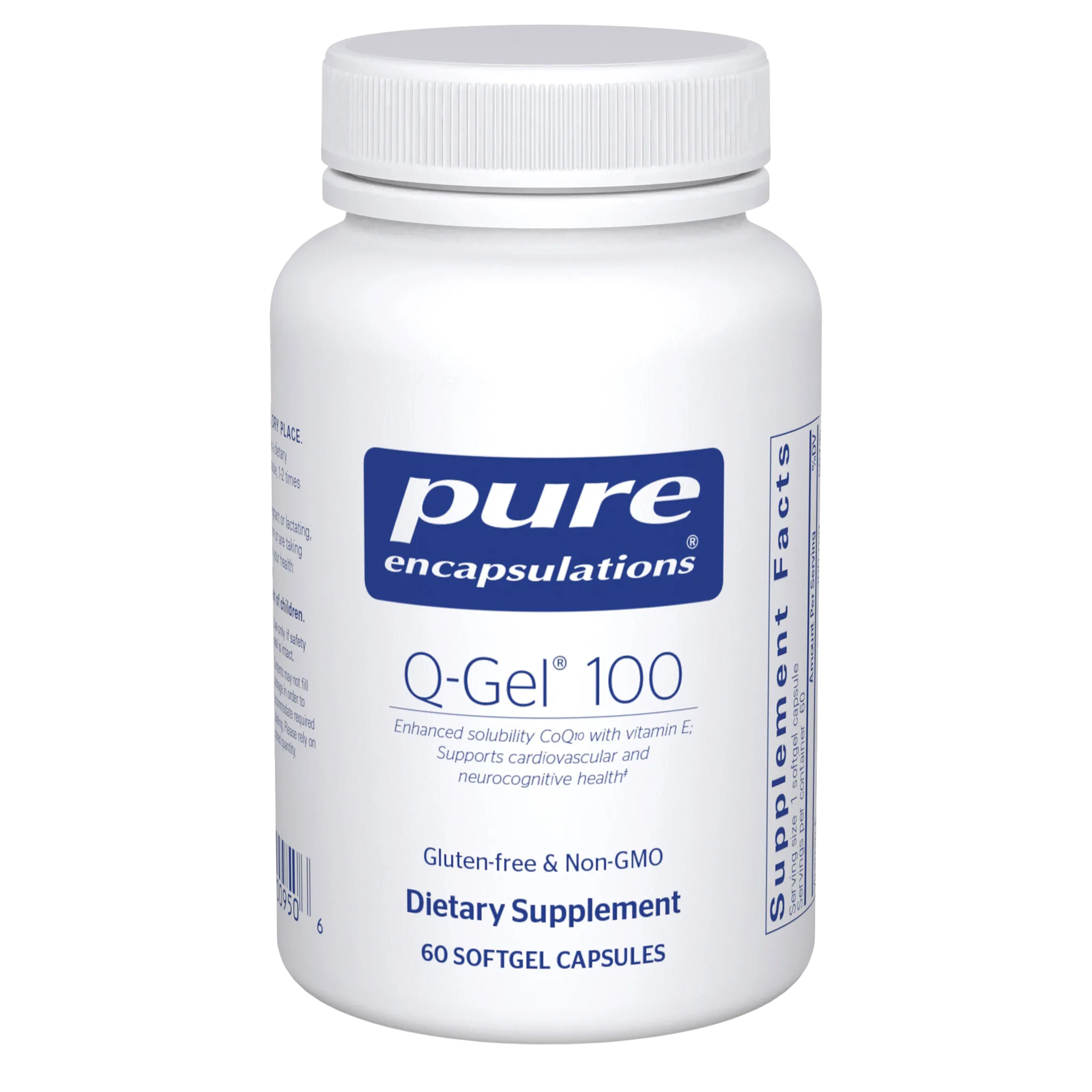
In the search for validating, science-backed strategies to manage these complex conditions, researchers have increasingly focused on mitochondrial health and cellular energy production. One of the most critical molecules in this biological equation is Coenzyme Q10 (CoQ10), a naturally occurring compound that acts as the spark plug for your cells. When combined with the protective power of Vitamin E, highly absorbable forms of CoQ10—like those found in Q-Gel® (Hydrosoluble™ CoQ10)—offer a targeted approach to supporting mitochondrial function, defending against oxidative stress, and helping patients reclaim a better quality of life.
What is Coenzyme Q10 (CoQ10)?
The Spark Plug of the Human Body
Coenzyme Q10 (CoQ10), also known scientifically as ubiquinone, is a highly lipophilic (fat-soluble), vitamin-like compound found in the membranes of almost every single cell in the human body. Because our cells can synthesize it internally, it is not strictly classified as a vitamin, but its presence is absolutely non-negotiable for human survival. CoQ10 is found in the highest concentrations in organs that demand immense amounts of continuous energy to function, most notably the heart muscle, the liver, the kidneys, and the skeletal muscles. In a healthy body, CoQ10 acts as a vital bridge between the food we eat and the cellular energy we use to walk, think, and breathe.
To understand how CoQ10 works, we have to look inside the mitochondria, the microscopic organelles responsible for generating energy. Within the inner membrane of the mitochondria lies a highly complex biological machinery known as the Electron Transport Chain (ETC). The ETC is responsible for a process called oxidative phosphorylation, which converts the biochemical energy from carbohydrates and fats into adenosine triphosphate (ATP), the universal energy currency of the cell. Without a steady, robust supply of ATP, cellular function grinds to a halt, leading to the profound, heavy fatigue experienced by many patients with chronic, complex illnesses.
The Electron Transport Chain and ATP Synthesis
The Electron Transport Chain consists of several large protein complexes (numbered I through IV) embedded in the mitochondrial membrane. CoQ10 acts as the primary mobile shuttle, or "ferry," that transports electrons between these stationary complexes. Specifically, CoQ10 in its oxidized state (ubiquinone) accepts electrons from Complex I and Complex II. Once it picks up these electrons, it transforms into its reduced, active state known as ubiquinol. This ubiquinol molecule then physically travels through the fatty lipid bilayer of the mitochondrial membrane to deliver its electron cargo to Complex III.
When ubiquinol arrives at Complex III, it undergoes a fascinating and highly specific recycling process known as the Q-Cycle. Because ubiquinol carries two electrons, but the next step in the chain can only accept one at a time, Complex III splits the electrons. As this transfer occurs, CoQ10 releases protons (hydrogen ions) into the mitochondrial intermembrane space. This continuous pumping of protons creates a powerful electrochemical gradient, much like water building up behind a hydroelectric dam. Finally, Complex V (ATP Synthase) uses the immense pressure of this proton gradient to synthesize ATP, providing the energy your body needs to function.
The Synergistic Antioxidant Power of Vitamin E
Beyond its role as an energy shuttle, CoQ10 serves a critical secondary function as one of the body's most potent endogenous lipophilic antioxidants. In its reduced ubiquinol form, it actively patrols the lipid membranes of your cells, neutralizing harmful free radicals and preventing a destructive process known as lipid peroxidation. This antioxidant defense is particularly crucial for the mitochondria themselves, which naturally produce high levels of reactive oxygen species (ROS) as a byproduct of making ATP. Without CoQ10 to neutralize these free radicals, the mitochondria would quickly destroy their own delicate membranes.
This is where Vitamin E (specifically d-alpha tocopherol) enters the picture, forming a highly synergistic relationship with CoQ10. Vitamin E acts as the first responder in the cell membrane, intercepting free radicals to protect the cell from oxidative damage. However, once Vitamin E neutralizes a free radical, it becomes oxidized and loses its protective abilities. CoQ10 steps in to rescue this oxidized Vitamin E, donating an electron to regenerate the Vitamin E molecule back into its active, antioxidant state. Together, CoQ10 and Vitamin E form a continuous, self-renewing shield that protects cellular structures, mitochondrial DNA, and circulating cholesterol from inflammatory damage.
How Long COVID and ME/CFS Impact Mitochondrial Function
Viral Infection and the Oxidative Stress Cascade
In conditions like Long COVID (Post-Acute Sequelae of SARS-CoV-2), the body's natural energy production systems are often severely disrupted. Research indicates that the initial viral infection can trigger a massive inflammatory response, flooding the body with pro-inflammatory cytokines such as Interleukin-6 (IL-6). This intense immune reaction generates high levels of oxidative stress, which directly damages the delicate inner membranes of the mitochondria. When the mitochondria are damaged, their ability to efficiently pass electrons down the Electron Transport Chain is compromised, leading to a severe drop in ATP production and an increase in toxic free radicals.
Recent biomarker studies have shown that patients living with Long COVID frequently exhibit depleted levels of endogenous CoQ10 alongside elevated markers of oxidative stress. Furthermore, researchers have observed structural abnormalities in the mitochondria of Long COVID patients, including swollen organelles with disrupted cristae (the folds where ATP production occurs). This mitochondrial dysfunction creates a vicious cycle: the damaged mitochondria cannot produce enough energy to heal the cell, and the resulting oxidative stress causes further mitochondrial degradation, locking the patient in a state of chronic, unyielding exhaustion.
The Energy Crisis of ME/CFS and Post-Exertional Malaise
A similar, deeply entrenched energy crisis is observed in myalgic encephalomyelitis/chronic fatigue syndrome (ME/CFS). A hallmark symptom of ME/CFS is post-exertional malaise (PEM), a devastating exacerbation of symptoms following even minor physical or cognitive exertion. PEM occurs because the cellular machinery simply cannot meet the energy demands placed upon it. When a patient with ME/CFS attempts to exert themselves, their impaired mitochondria fail to generate sufficient ATP, forcing the cells to rely on inefficient, anaerobic (oxygen-free) energy pathways that rapidly produce toxic byproducts like lactic acid.
Pioneering research, including a landmark 2009 study by neuroscientist Michael Maes, identified that plasma CoQ10 levels are significantly lower in many ME/CFS patients compared to healthy controls. This deficiency in CoQ10 directly correlates with the severity of fatigue, autonomic dysfunction, and neurocognitive symptoms (brain fog). Without adequate CoQ10 to shuttle electrons and neutralize the massive influx of free radicals generated during exertion, the mitochondria effectively short-circuit, leading to the prolonged "crashes" that define the ME/CFS experience.
Dysautonomia and the Cardiovascular Energy Drain
The impact of mitochondrial dysfunction extends heavily into the autonomic nervous system and cardiovascular system, frequently manifesting as dysautonomia or Postural Orthostatic Tachycardia Syndrome (POTS). The heart muscle is one of the most energy-hungry organs in the human body, relying almost entirely on a continuous, uninterrupted supply of mitochondrial ATP to maintain a steady, powerful rhythm. When mitochondrial function is impaired and CoQ10 levels drop, the heart has to work significantly harder to pump blood effectively, especially when a patient changes posture from lying down to standing up.
In dysautonomia, the autonomic nervous system struggles to regulate blood vessel constriction and heart rate. This can lead to tachycardia (an abnormally fast heart rate), palpitations, and blood pooling in the lower extremities. The resulting lack of adequate blood flow to the brain exacerbates brain fog and dizziness. By understanding that these cardiovascular and autonomic symptoms are deeply tied to a foundational lack of cellular energy and high levels of systemic inflammation, we can begin to see why supporting mitochondrial health is a critical component of managing complex chronic illnesses.
CoQ10 and Vitamin E: Supporting Cellular Recovery
Restoring the Mitochondrial Energy Flow
When chronic illness depletes the body's natural reserves of CoQ10, targeted supplementation can help bridge the gap and support cellular recovery. By introducing a highly bioavailable form of CoQ10 into the system, we are effectively providing the mitochondria with the raw materials they need to restart the stalled Electron Transport Chain. Once absorbed into the mitochondrial membrane, supplemental CoQ10 resumes its role as an electron shuttle, facilitating the smooth transfer of electrons between Complex I, II, and III. This restoration of the Q-Cycle allows the mitochondria to re-establish the proton gradient necessary to power ATP Synthase, ultimately increasing the total volume of ATP available to the cell.
For patients dealing with the profound energy deficits of Long COVID and ME/CFS, this increase in ATP production is crucial. While it is not a cure, optimizing the efficiency of the mitochondria means that the cells have a larger energy budget to draw from before they are forced to switch to toxic anaerobic metabolism. This can translate to a higher threshold for physical and cognitive activity, potentially reducing the frequency and severity of post-exertional malaise (PEM) crashes. By supporting the foundational energy pathways, CoQ10 helps the body slowly rebuild its resilience.
Breaking the Cycle of Lipid Peroxidation
The therapeutic value of CoQ10 is massively amplified when it is paired with Vitamin E, as seen in formulations like Q-Gel®. In the context of chronic illness, the body is often overwhelmed by systemic inflammation and reactive oxygen species (ROS) that aggressively attack the lipid membranes of cells in a destructive process called lipid peroxidation. Vitamin E acts as the primary shield, embedding itself in the cell membranes to intercept and neutralize these free radicals. However, in a state of high oxidative stress, Vitamin E stores are quickly oxidized and depleted, leaving the cells vulnerable once again.
Supplemental CoQ10 acts as the ultimate recycling mechanism for this protective shield. As CoQ10 circulates through the lipid membranes, it donates its own electrons to rescue and regenerate oxidized Vitamin E, bringing it back to its active antioxidant state. This synergistic loop ensures that the cell membranes—particularly the delicate inner membranes of the mitochondria—remain protected from inflammatory damage over a much longer period. By breaking the cycle of lipid peroxidation, CoQ10 and Vitamin E help cool the systemic inflammation that drives many of the systemic symptoms seen in mast cell activation syndrome (MCAS) and Long COVID.
Cardiovascular and Autonomic Nervous System Support
Beyond general cellular energy, CoQ10 provides highly targeted support for the cardiovascular system, which is frequently dysregulated in patients with POTS and dysautonomia. The heart muscle requires a massive, continuous supply of ATP to maintain its contractile force. By enhancing mitochondrial efficiency in cardiac cells, CoQ10 supports healthy heart function and helps the heart muscle meet the increased demands placed upon it by autonomic nervous system dysfunction. This is particularly important for patients who experience a racing heart or palpitations upon standing.
Furthermore, the antioxidant synergy of CoQ10 and Vitamin E plays a vital role in protecting endothelial cells—the cells that line the inside of blood vessels. Oxidative stress can severely impair endothelial function, making it difficult for blood vessels to constrict and dilate properly, a core issue in dysautonomia. By neutralizing free radicals in the bloodstream and preventing the oxidation of LDL cholesterol, this antioxidant duo promotes healthy blood flow, supports optimal blood pressure regulation, and helps ensure that oxygen-rich blood can efficiently reach the brain to combat cognitive fatigue.

Symptoms CoQ10 May Help Manage
Targeting the Core Symptoms of Chronic Illness
Because CoQ10 and Vitamin E operate at the foundational level of cellular energy and antioxidant defense, their supportive effects can be felt across multiple physiological systems. While supplements should be viewed as part of a broader management strategy rather than a standalone cure, research suggests that this synergistic duo may help manage several debilitating symptoms associated with complex chronic conditions:
Profound Fatigue and Low Energy: By directly supporting the Electron Transport Chain and increasing the synthesis of ATP (cellular energy), CoQ10 helps address the root biological cause of the heavy, leaden fatigue experienced by patients with Long COVID and ME/CFS.
Post-Exertional Malaise (PEM): By optimizing mitochondrial efficiency, CoQ10 may help raise the threshold at which cells are forced to switch to toxic anaerobic energy production, potentially reducing the severity and duration of crashes following physical or cognitive exertion.
Brain Fog and Cognitive Dysfunction: The brain demands roughly 20% of the body's total energy supply. By enhancing ATP production and utilizing Vitamin E to protect delicate neuronal membranes from oxidative stress, this combination supports clearer thinking, better focus, and improved memory recall.
Tachycardia and Palpitations: The heart muscle relies heavily on CoQ10 to maintain its powerful, continuous rhythm. Supplementation supports cardiac cellular energy, which may help stabilize the heart rate and support the cardiovascular system in patients dealing with dysautonomia or POTS.
Muscle Pain and Weakness: Muscle cells are packed with mitochondria. When these mitochondria are dysfunctional or depleted of CoQ10 (a common side effect of statin medications or viral illness), it can lead to deep muscle aches and weakness. Restoring CoQ10 levels helps support muscle endurance and comfort.
Systemic Inflammation: The synergistic recycling loop between CoQ10 and Vitamin E provides a robust defense against lipid peroxidation, helping to cool the systemic oxidative stress and inflammatory cytokine cascades that drive many chronic illness symptoms.
Practical Considerations: Forms, Dosing, and Absorption
The Absorption Challenge of Standard Ubiquinone
When considering a CoQ10 supplement, understanding bioavailability—how much of the active ingredient actually reaches your bloodstream—is absolutely critical. Standard CoQ10 (ubiquinone) is a very large, highly lipophilic (fat-soluble) molecule. Because the human gastrointestinal tract is primarily a watery environment, standard CoQ10 powder is practically insoluble in water. Furthermore, at normal body temperature, standard ubiquinone forms completely insoluble crystals. If these crystals are not properly broken down and emulsified by dietary fats and bile salts in the stomach, they simply pass through the digestive tract unabsorbed, providing zero therapeutic benefit.
The Hydrosoluble Advantage
To overcome these severe absorption barriers, advanced formulations like Q-Gel® utilize "hydrosoluble" (water-soluble) delivery systems. These technologies do not alter the CoQ10 molecule itself; instead, they change the delivery matrix, often by micellizing the CoQ10 or encapsulating it in water-dispersible structures. This prevents the CoQ10 from forming insoluble crystals and allows it to easily mix with the watery environment of the digestive tract. Clinical trials, such as a 2020 study by Pravst et al., have demonstrated that hydrosoluble CoQ10 formulations can offer anywhere from a 2.4-fold to an 18-fold increase in bioavailability compared to standard dry powder ubiquinone capsules.
The Ubiquinol vs. Ubiquinone Debate
A common point of confusion for patients is the debate between taking ubiquinol (the reduced form) versus ubiquinone (the oxidized form). While pure ubiquinol is generally more bioavailable than unformulated, dry ubiquinone powder, extensive pharmacokinetic research reveals that the delivery system matters far more than the redox state of the molecule. When you ingest a highly bioavailable, hydrosoluble form of ubiquinone (like Q-Gel®), your body's enzymes automatically and rapidly convert it into the active ubiquinol form as it passes through the intestinal wall. In fact, studies show that regardless of which form is ingested, over 90% of the CoQ10 appearing in the bloodstream is in the active ubiquinol state. Therefore, a superior delivery system is the true key to efficacy.
Optimal Timing, Dosing, and Safety
For optimal absorption, it is universally recommended to take CoQ10 supplements alongside a meal that contains healthy dietary fats (such as avocado, olive oil, or nuts), even when using a hydrosoluble form. The inclusion of Vitamin E in the Q-Gel® formulation further enhances this lipid-based absorption while providing immediate antioxidant synergy. Typical supportive dosages range from 100 mg to 300 mg daily, often divided into two doses to maintain steady blood levels. Because CoQ10 is naturally produced by the body, it has an excellent safety profile and is generally well-tolerated even at higher doses.
However, there are important clinical interactions to consider. CoQ10 can mildly lower blood pressure and blood sugar, which is beneficial for many but requires monitoring for patients on antihypertensive or diabetic medications. Most importantly, because CoQ10 and Vitamin E can both have mild blood-thinning effects, patients taking anticoagulant medications (such as Warfarin/Coumadin) must consult their healthcare provider before starting supplementation, as it can alter blood clotting times. Additionally, patients taking statin medications for cholesterol management should note that statins directly deplete endogenous CoQ10 levels, making supplementation highly relevant for managing statin-induced muscle pain.

Follow the Science
ME/CFS Clinical Trials and Cellular Rescue
The scientific investigation into CoQ10 as a therapeutic tool for chronic fatigue syndromes has yielded compelling data over the past decade. Some of the most robust clinical evidence comes from the Vall d'Hebron University Hospital in Spain, led by researchers Dr. Jesús Castro-Marrero and Dr. José Alegre. In their 2015 randomized, double-blind, placebo-controlled trial, they tested the synergistic effect of CoQ10 combined with NADH in 73 ME/CFS patients. The results were striking: the treatment group experienced a significant reduction in overall fatigue and showed tangible physiological recovery in blood markers, including higher levels of ATP and decreased oxidative stress.
Following this success, the same research group launched a larger 12-week trial in 2021 involving 207 ME/CFS patients. The experimental group showed statistically significant intragroup improvements in cognitive fatigue, physical functioning, and sleep efficiency. While CoQ10 did not "cure" the condition, the clinical data strongly supports its use as an effective symptom-management tool that can improve health-related quality of life by directly addressing the underlying mitochondrial dysfunction and autonomic nervous system impairment.
Long COVID Research: Promise and Complexity
As the medical community races to understand how to live with Long COVID, researchers have naturally turned to CoQ10 due to its success in ME/CFS. The data from 2023 and 2024 presents a complex but hopeful picture. A 2023 prospective observational study by Barletta et al. investigated the effects of combining CoQ10 with Alpha-Lipoic Acid (another mitochondrial antioxidant) in 174 patients with chronic COVID syndrome. The combination therapy showed a rapid and highly favorable clinical benefit, with over 53% of treated patients achieving a complete response in fatigue reduction compared to just 3.5% in the control group.
However, a rigorous 2023 randomized crossover trial by Hansen et al. published in The Lancet Regional Health tested high-dose CoQ10 as a standalone monotherapy for Long COVID and found no significant difference compared to placebo. This contrast in findings highlights a crucial scientific consensus: Long COVID is a highly complex, multi-systemic condition that rarely responds to a single "magic bullet." Interventions that combine CoQ10 with other synergistic compounds (like Vitamin E, ALA, or NADH) and utilize highly bioavailable delivery systems tend to show much better clinical outcomes than standard CoQ10 alone.
Cardiovascular Evidence and the Q-SYMBIO Trial
The most definitive proof of CoQ10's ability to rescue energy-starved tissues comes from cardiovascular research. Because the heart relies so heavily on mitochondrial ATP, CoQ10 depletion is a major driver of heart failure. The landmark Q-SYMBIO trial, published in the Journal of the American College of Cardiology, followed 420 patients with moderate-to-severe heart failure for two years. Patients receiving CoQ10 supplementation experienced a massive 43% relative reduction in Major Adverse Cardiovascular Events (MACE) and a significant decrease in cardiovascular mortality compared to the placebo group. This robust data underscores CoQ10's profound ability to support endothelial function, improve cardiac energy metabolism, and protect against severe cardiovascular decline.
The Path Forward
Validating the Chronic Illness Experience
Living with a complex chronic condition like Long COVID, ME/CFS, or dysautonomia is an exhausting, unpredictable journey. When your cellular batteries are constantly drained, even the simplest daily tasks can feel like monumental hurdles. It is vital to remember that your fatigue, brain fog, and physical crashes are not a lack of willpower; they are the result of profound, measurable biological disruptions at the cellular level. Validating this reality is the first step toward reclaiming your health. While the medical community continues to search for definitive cures, understanding the underlying mechanisms of mitochondrial dysfunction empowers you to take targeted, science-backed steps toward symptom management.
Integrating Supplements into Your Protocol
Supplements like Q-Gel® (Hydrosoluble™ CoQ10) offer a powerful, synergistic way to support your body's foundational energy pathways and defend against the oxidative stress that drives chronic inflammation. However, true healing requires a comprehensive, multi-faceted approach. CoQ10 is most effective when integrated into a broader management protocol that includes strict pacing to avoid post-exertional malaise, careful symptom tracking, nervous system regulation, and ongoing medical guidance. By combining the cellular support of CoQ10 and Vitamin E with compassionate, holistic care, you can begin to rebuild your energy reserves and improve your daily quality of life.
Always consult with your healthcare provider before introducing new supplements into your routine, especially if you are taking prescription medications or managing complex health conditions. Your medical team can help you determine the optimal dosage and ensure that CoQ10 is a safe, effective addition to your personalized care plan.