Can Pycnogenol® Support Brain Fog and Blood Flow in Long COVID and POTS?
March 5, 2026
PycnogenolLong COVIDPOTS
Share:
Disclaimer: The information provided here is for educational purposes only and is not intended as medical advice. It should not be used to diagnose, treat, cure, or prevent any medical condition. Instead, use it as a starting point for discussion with your healthcare provider. Always consult with a qualified healthcare provider before starting any new medication, supplement, device, or making changes to your health regimen.
Months or even years after a viral infection, many patients living with Long COVID, myalgic encephalomyelitis/chronic fatigue syndrome (ME/CFS), and dysautonomia continue to battle a complex web of debilitating symptoms. From the profound cognitive impairment often described as "brain fog" to the rapid heart rate and dizziness characteristic of Postural Orthostatic Tachycardia Syndrome (POTS), these invisible illnesses fundamentally alter daily life. For many, the search for validating answers and effective management strategies leads to a deep dive into the underlying mechanisms of their condition, particularly the health of their blood vessels and the chronic inflammation affecting their nervous system.
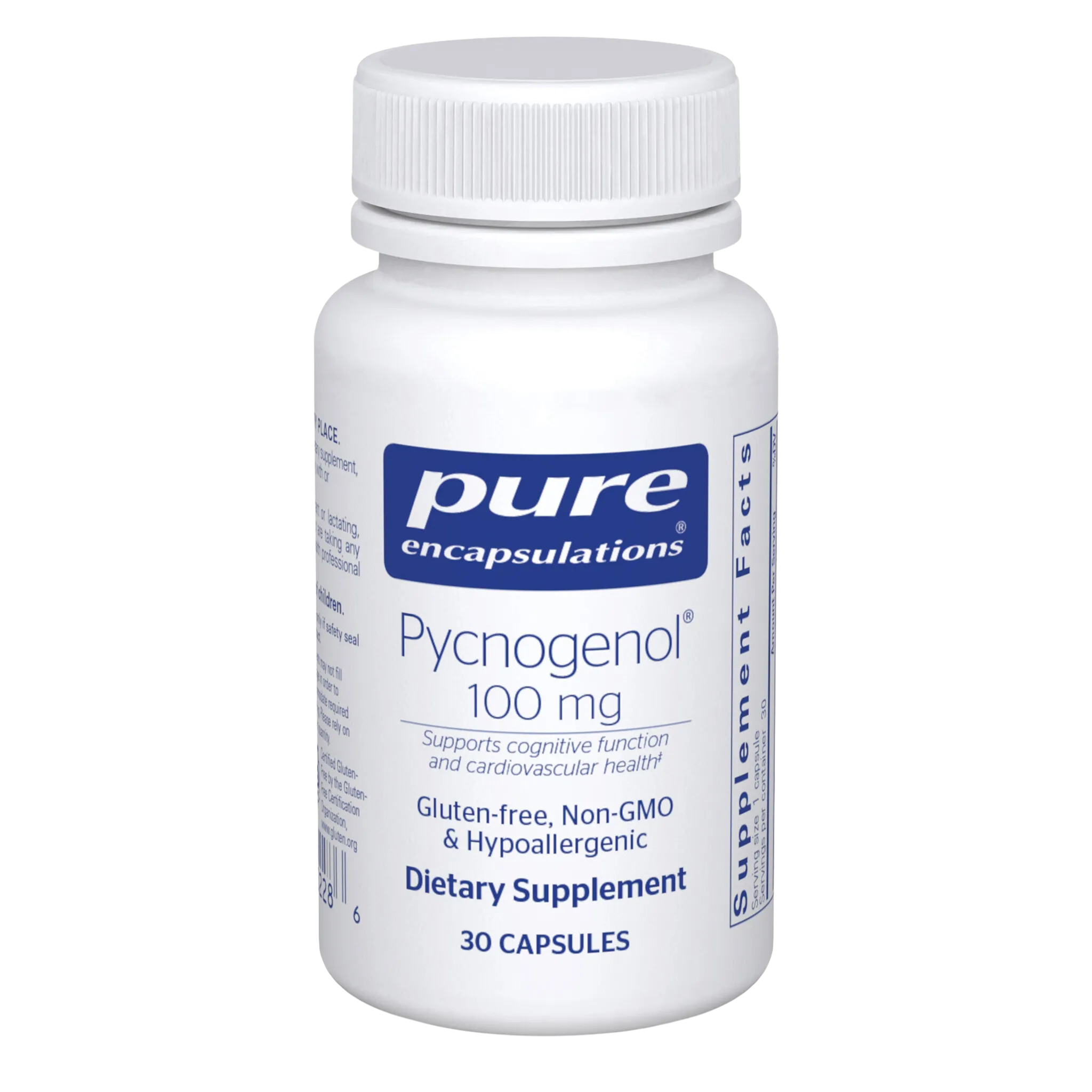
One compound that has garnered significant attention in both cardiovascular research and the chronic illness community is Pycnogenol®, a patented extract derived from the bark of the French maritime pine tree. Known for its profound ability to support endothelial function—the delicate inner lining of our blood vessels—and its potent antioxidant properties, Pycnogenol offers a targeted approach to some of the core physiological disruptions seen in post-viral syndromes. By modulating nitric oxide levels and crossing the blood-brain barrier to combat neuroinflammation, this unique botanical extract provides a multi-faceted mechanism of action. In this comprehensive guide, we will explore the science behind Pycnogenol, how it interacts with the body at a cellular level, and how it may support patients navigating the complexities of Long COVID and dysautonomia.
What is Pycnogenol®?
The Origins and Composition of Maritime Pine Bark
Pycnogenol® is the patented, trademarked name for a highly standardized botanical extract derived exclusively from the bark of the French maritime pine tree (Pinus pinaster). While the term "pycnogenol" was historically used to describe any extract containing proanthocyanidins, it now refers specifically to this proprietary formulation. The extract is meticulously standardized to contain between 65% and 75% procyanidins, which are complex biopolymers composed of catechin and epicatechin molecules. Alongside these primary active compounds, Pycnogenol contains a rich matrix of naturally occurring phenolic acids—such as caffeic, ferulic, and gallic acids—as well as the bioflavonoid taxifolin. This specific, synergistic blend of phytochemicals is what gives the extract its unique pharmacological profile.
The therapeutic power of Pycnogenol lies in its ability to act on multiple physiological targets simultaneously, making it one of the most extensively researched dietary supplements available today. With over 90 human clinical trials involving more than 6,800 subjects, its safety and efficacy profiles are well-documented. Unlike many isolated synthetic compounds, the diverse molecular weights of the constituents in Pycnogenol allow it to interact with various cellular receptors and enzymes throughout the body. The smaller phenolic acids are rapidly absorbed into the bloodstream, while the larger procyanidin oligomers interact with the gut microbiome to produce highly bioactive downstream metabolites.
The Nitric Oxide Pathway and Endothelial Control
At the molecular level, Pycnogenol's most profound mechanism of action is its precise regulation of the nitric oxide (NO) pathway within the endothelium. The endothelium is the ultra-thin, single-cell layer lining the entire interior surface of our blood vessels, from the largest arteries to the smallest microscopic capillaries. It acts as a highly active metabolic organ, regulating vascular tone, blood pressure, and the prevention of abnormal blood clotting. Pycnogenol actively stimulates an enzyme called endothelial nitric oxide synthase (eNOS). When eNOS is activated, it converts the circulating amino acid L-arginine into nitric oxide gas, which rapidly diffuses into the surrounding vascular smooth muscle cells.
This localized burst of nitric oxide triggers a cascade of intracellular events that ultimately leads to the relaxation of the smooth muscle fibers, a process known as endothelium-dependent relaxation (EDR). By promoting this vasodilation, Pycnogenol helps to widen blood vessels, normalize blood pressure, and ensure a robust supply of oxygen and nutrient-rich blood to peripheral tissues and vital organs. Crucially, while Pycnogenol upregulates the beneficial eNOS, research demonstrates that it simultaneously downregulates inducible nitric oxide synthase (iNOS). iNOS is typically triggered during states of chronic inflammation and immune hyperactivation, leading to a toxic, systemic overproduction of NO that causes oxidative damage. By balancing these two enzymes, Pycnogenol supports healthy blood flow while actively suppressing inflammatory vascular damage.
Systemic Antioxidant Defense and Free Radical Scavenging
Beyond its vascular effects, Pycnogenol is a formidable, broad-spectrum antioxidant. In healthy cellular metabolism, the body naturally produces reactive oxygen species (ROS) and reactive nitrogen species (RNS) as byproducts of energy creation. However, during viral infections or chronic illness, the production of these free radicals skyrockets, overwhelming the body's natural defenses and leading to a state of severe oxidative stress. These volatile molecules aggressively steal electrons from healthy cellular structures, damaging DNA, degrading proteins, and causing lipid peroxidation—the destruction of the fatty membranes that enclose and protect our cells. Pycnogenol acts as a potent scavenger of both hydroxyl and superoxide radicals, neutralizing them before they can inflict cellular damage.
Furthermore, Pycnogenol does not merely act as a passive sponge for free radicals; it actively upregulates the body's own endogenous antioxidant enzyme systems. Clinical studies indicate that oral supplementation significantly increases the blood's Oxygen Radical Absorbance Capacity (ORAC) while stimulating the production of critical intracellular enzymes like superoxide dismutase (SOD), catalase, and glutathione peroxidase. Additionally, Pycnogenol plays a unique role in nutrient recycling. It facilitates the regeneration of oxidized vitamin C back into its active, antioxidant form, and it works synergistically to preserve vitamin E within cellular membranes. This comprehensive antioxidant network is vital for protecting the delicate endothelial cells and neuronal tissues from the ravages of chronic oxidative stress.
How Long COVID and Dysautonomia Impact Vascular and Neurological Systems
Endothelial Dysfunction and Microvascular Clotting
To understand why Pycnogenol is so relevant to complex chronic illnesses, we must first examine how conditions like Long COVID and myalgic encephalomyelitis/chronic fatigue syndrome (ME/CFS) disrupt normal physiology. A central feature of Long COVID pathophysiology is severe, persistent endothelial dysfunction. When the SARS-CoV-2 virus enters the body, it binds to ACE2 receptors, which are highly concentrated on the surface of endothelial cells. This direct viral invasion, coupled with the subsequent hyper-inflammatory immune response, severely damages the vascular lining. The damaged endothelium loses its ability to produce adequate amounts of beneficial nitric oxide via the eNOS pathway, leading to chronic vasoconstriction (narrowing of blood vessels) and a state of systemic tissue hypoxia (oxygen starvation).
This loss of endothelial integrity also shifts the blood vessels into a pro-thrombotic, or clot-promoting, state. In healthy blood vessels, nitric oxide naturally repels blood platelets, preventing them from clumping together. However, in the oxygen-deprived, inflamed environment of Long COVID, platelets become hyperactive. This contributes to the formation of microscopic blood clots, or microclots, which can physically block the tiny capillaries responsible for delivering oxygen to muscles and organs. This microcirculatory failure is a primary driver of the debilitating, crushing fatigue and post-exertional malaise (PEM) experienced by patients, as their cells literally cannot access the oxygen required to generate ATP energy.
Neuroinflammation and the Origins of Brain Fog
The impact of these post-viral conditions extends far beyond the cardiovascular system, profoundly affecting the brain and central nervous system. "Brain fog" is a ubiquitous and severely disabling symptom in Long COVID and ME/CFS, characterized by profound deficits in working memory, executive function, and sustained attention. Recent neuroimmune research suggests that this cognitive impairment is largely driven by chronic neuroinflammation and the disruption of the blood-brain barrier. When systemic inflammation is high, the immune cells resident in the brain, known as microglia, become chronically activated. Instead of performing their normal cellular maintenance, these hyperactive microglia release a continuous stream of neurotoxic, pro-inflammatory cytokines, including Tumor Necrosis Factor-alpha (TNF-α) and Interleukin-6 (IL-6).
This localized neuroinflammation directly impairs neuronal signaling and synaptic plasticity, making it incredibly difficult for patients to process information, find words, or concentrate on complex tasks. Furthermore, the same endothelial dysfunction that restricts blood flow to the muscles also restricts cerebral blood flow. When the tiny blood vessels in the brain cannot dilate properly due to a lack of nitric oxide, the neurons are deprived of the glucose and oxygen they desperately need to function. This combination of toxic inflammatory cytokines and cerebral hypoxia creates the perfect storm for the persistent neurological symptoms that make living with long-term COVID so challenging.
Mast Cell Activation and Venous Pooling in POTS
Dysautonomia, and specifically Postural Orthostatic Tachycardia Syndrome (POTS), frequently co-occurs with Long COVID and ME/CFS. POTS is characterized by a malfunction of the autonomic nervous system, which fails to properly regulate blood vessel constriction when a person stands up. In a healthy individual, standing triggers an immediate, automatic constriction of the blood vessels in the lower body to push blood back up to the heart and brain. In POTS, this reflex is blunted or absent, leading to severe venous pooling—blood physically pooling in the legs and abdomen. The heart then races (tachycardia) in a desperate, compensatory attempt to maintain blood pressure and cerebral perfusion.
Complicating this autonomic dysfunction is the frequent presence of Mast Cell Activation Syndrome (MCAS). Mast cells are immune cells that reside in connective tissues and near blood vessels, packed with inflammatory mediators like histamine. In MCAS, these cells become highly unstable and degranulate inappropriately in response to minor triggers, flooding the body with histamine. Histamine is a potent vasodilator; it causes blood vessels to become leaky and wide open. When an MCAS flare occurs in a patient who already has POTS, the histamine-induced vasodilation severely exacerbates the venous pooling, leading to profound dizziness, brain fog, and pre-syncope (feeling faint). The interconnected nature of Long COVID, POTS, and MCAS requires therapeutic approaches that can address vascular tone, inflammation, and immune stability simultaneously.
Pycnogenol®: Supporting Blood Flow, Brain Health, and Cellular Integrity
Restoring Endothelial Function via eNOS Stimulation
Pycnogenol offers a highly targeted, mechanistic intervention for the vascular and neurological disruptions seen in complex chronic illnesses. By directly addressing endothelial dysfunction, it helps to break the vicious cycle of hypoxia and inflammation. As previously discussed, Pycnogenol is a potent stimulator of endothelial nitric oxide synthase (eNOS). By upregulating this specific enzyme, Pycnogenol helps the damaged vascular lining resume the production of beneficial, localized nitric oxide. This restoration of NO bioavailability is critical for reversing the chronic vasoconstriction that plagues Long COVID patients. As the blood vessels relax and dilate, microcirculation is improved, allowing oxygen and vital nutrients to finally bypass the microscopic blockages and reach the starved muscle tissues.
Furthermore, this increase in endothelial NO production has a natural, mild anti-platelet effect. Nitric oxide signals the blood platelets to remain smooth and non-sticky, reducing their tendency to aggregate and form the microclots that are so heavily implicated in the mechanisms of Long COVID. By improving the physical integrity of the vascular walls—specifically by binding to and stabilizing collagen and elastin fibers—Pycnogenol helps to "seal" leaky capillaries. This capillary-sealing effect is particularly beneficial for reducing the peripheral edema (swelling) and fluid shifts that often accompany severe endothelial dysfunction and chronic venous insufficiency.
Suppressing Microglial Activation to Combat Neuroinflammation
One of the most compelling aspects of Pycnogenol for patients experiencing severe brain fog is its ability to cross the blood-brain barrier and exert direct neuroprotective effects. The active metabolites of Pycnogenol, particularly the smaller phenolic acids and the gut-derived metabolite M1, can enter the central nervous system. Once inside the brain, in vitro research published in PLOS One has demonstrated that Pycnogenol dose-dependently suppresses the over-activation of microglia. By calming these hyperactive immune cells, Pycnogenol significantly reduces the localized release of neurotoxic cytokines like TNF-α, IL-6, and IL-1β.
This profound anti-inflammatory effect is achieved at the genetic level. Pycnogenol physically inhibits the activation of NF-κB and AP-1, which are the primary genetic transcription factors responsible for turning on the inflammatory response within brain cells. By blocking these master switches, Pycnogenol helps to extinguish the smoldering neuroinflammation that disrupts cognitive processing. Concurrently, by improving cerebral blood flow through its nitric oxide-modulating effects, Pycnogenol ensures that the neurons receive the oxygen and glucose required to repair synaptic connections, thereby supporting memory consolidation, sustained attention, and overall mental clarity.
Natural Mast Cell Stabilization and Venous Support
For patients navigating the complex overlap of POTS and MCAS, Pycnogenol offers a dual-action approach. First, it acts as a natural mast cell stabilizer. Studies investigating its effects on allergic rhinitis and asthma have shown that Pycnogenol can inhibit the degranulation of mast cells, preventing the massive, inappropriate release of histamine into the bloodstream. By stabilizing the mast cell membranes, it helps to mitigate the systemic allergic-type reactions, flushing, and sudden vasodilation that characterize MCAS flares. This mechanism functions similarly to pharmaceutical mast cell stabilizers, but utilizes a natural botanical pathway.
Secondly, Pycnogenol provides crucial support for the venous pooling seen in dysautonomia. While it does promote healthy vasodilation in constricted arteries, it simultaneously improves venous tone and strengthens the walls of the veins in the lower extremities. It has established clinical efficacy in treating chronic venous insufficiency, helping the veins to constrict more effectively against gravity and pump blood back up to the heart. By reducing the volume of blood pooling in the legs, Pycnogenol can help to lower the compensatory rapid heart rate (tachycardia) that POTS patients experience upon standing, thereby improving orthostatic tolerance and reducing episodes of dizziness and pre-syncope.

Symptoms Pycnogenol® May Help Manage
Cognitive and Neurological Symptoms
By crossing the blood-brain barrier, reducing neuroinflammation, and improving cerebral blood flow, Pycnogenol targets several debilitating neurological symptoms associated with post-viral syndromes.
Severe Brain Fog and Mental Fatigue: By suppressing microglial activation and reducing the release of inflammatory cytokines (like IL-6 and TNF-α) in the brain, Pycnogenol helps clear the inflammatory "static" that disrupts cognitive processing and executive function.
Poor Memory and Concentration: By stimulating endothelial nitric oxide production, Pycnogenol dilates cerebral blood vessels, ensuring that neurons receive the optimal oxygen and glucose required for memory consolidation and sustained attention.
Sensory Overload and Neuro-irritability: The antioxidant properties of Pycnogenol help neutralize the reactive oxygen species that damage delicate nerve tissues, potentially calming an overactive, hypersensitive central nervous system.
Cardiovascular and Autonomic Symptoms
Pycnogenol's profound impact on the endothelium and vascular tone makes it highly relevant for the cardiovascular and orthostatic challenges seen in dysautonomia and Long COVID.
Venous Pooling and Blood Pooling in Legs: By strengthening collagenous membranes and improving overall venous tone, Pycnogenol helps the veins in the lower extremities resist gravity, reducing the severe blood pooling that triggers POTS symptoms.
Orthostatic Tachycardia (Rapid Heart Rate on Standing): By reducing the volume of blood trapped in the lower body, Pycnogenol helps maintain central blood volume, which can reduce the heart's need to beat excessively fast to compensate for poor venous return.
Cold Hands and Feet (Microcirculatory Issues): By upregulating eNOS and promoting healthy vasodilation, Pycnogenol helps open up the microscopic capillaries in the extremities, improving peripheral blood flow and tissue oxygenation.
Inflammatory and Mast Cell Symptoms
The extract's ability to stabilize immune cells and scavenge free radicals provides broad-spectrum support for systemic inflammation and allergic-type reactivity.
Unpredictable MCAS Flares and Flushing: Pycnogenol acts as a natural mast cell stabilizer, inhibiting the inappropriate degranulation of mast cells and reducing the sudden, systemic release of histamine that causes flushing, itching, and sudden vasodilation.
Post-Exertional Malaise (PEM) and Muscle Aches: By improving oxygen delivery to muscle tissues and neutralizing the massive spikes in oxidative stress that occur after minimal exertion, Pycnogenol may help mitigate the severity of cellular crashes and muscular pain.
Edema and Unexplained Swelling: By binding to endothelial collagen and elastin, Pycnogenol "seals" leaky capillaries, significantly reducing the leakage of fluid into surrounding tissues that causes peripheral edema.
Practical Considerations: Forms, Dosing, and Absorption
Bioavailability and the Role of the Gut Microbiome
The pharmacokinetics of Pycnogenol—how the body absorbs, distributes, metabolizes, and excretes it—are complex and highly dependent on both the small intestine and the gut microbiome. When you ingest a Pycnogenol capsule, the low molecular weight constituents, such as catechin, caffeic acid, and taxifolin, are rapidly absorbed in the small intestine. These smaller molecules appear in the bloodstream within 30 minutes and reach their peak plasma concentrations ($T_{max}$) within 4 to 5 hours. Because they are absorbed quickly, they provide the initial wave of systemic antioxidant and vasodilatory benefits.
However, the larger, high molecular weight procyanidin oligomers cannot be absorbed directly through the intestinal wall. Instead, they travel down into the large intestine, where they encounter the gut microbiota. The bacteria in the colon ferment and degrade these large polymers into smaller, highly bioavailable active metabolites. The most critical of these is a compound known as M1 (5-(3',4'-dihydroxyphenyl)-γ-valerolactone). M1 is fiercely anti-inflammatory and is uniquely capable of accumulating inside red blood cells and penetrating the blood-brain barrier. Because this process relies on bacterial fermentation, M1 does not reach its peak concentration in the blood until approximately 10 to 12 hours after ingestion. This biphasic absorption profile means that a single dose of Pycnogenol provides both rapid-onset and sustained, long-lasting therapeutic effects.
Clinical Dosing Guidelines and Timing
In clinical trials, the dosage of Pycnogenol varies depending on the specific condition being targeted, but it generally ranges from 50 mg to 200 mg per day. For general antioxidant support and cardiovascular maintenance, doses of 50 mg to 100 mg daily are commonly utilized. However, for more severe endothelial dysfunction, chronic venous insufficiency, or significant cognitive impairment, studies frequently employ doses of 150 mg to 200 mg per day, typically divided into two doses (e.g., 100 mg in the morning and 100 mg in the evening). This split dosing strategy helps maintain steady plasma concentrations of the active metabolites throughout the 24-hour cycle.
To maximize absorption and minimize the risk of mild gastrointestinal upset—the most commonly reported side effect—it is highly recommended to take Pycnogenol with or immediately after meals. The presence of dietary fats and proteins can help buffer the stomach and facilitate the absorption of the phenolic compounds. Because Pycnogenol relies heavily on the gut microbiome to produce its most potent neuroprotective metabolite (M1), patients with severe gut dysbiosis or those currently on broad-spectrum antibiotics may experience slightly reduced efficacy until their gut flora is restored. It typically takes 4 to 8 weeks of consistent, daily supplementation to observe significant changes in vascular tone, cognitive function, and inflammatory markers.
Safety Profile, Contraindications, and Interactions
Pycnogenol possesses an excellent safety profile, backed by data from over 90 human clinical trials, and is Generally Recognized as Safe (GRAS). The global frequency rate of adverse effects is exceptionally low at roughly 2.4%, with the most common complaints being mild, transient gastrointestinal discomfort, headache, or dizziness. However, because of its potent mechanisms of action, specific patient populations must exercise caution. For patients with hypotensive POTS (dysautonomia characterized by chronically low blood pressure), the nitric oxide-boosting, vasodilatory effects of Pycnogenol could theoretically lower blood pressure further, potentially exacerbating dizziness or fainting. These patients should start at a very low dose and monitor their vitals closely.
Furthermore, Pycnogenol can interact with certain pharmaceutical medications. Because it has mild blood sugar-lowering properties, taking it alongside antidiabetic medications (like insulin or metformin) may cause additive effects, increasing the risk of hypoglycemia. Diabetics should monitor their blood glucose carefully, as managing diabetes alongside Long COVID requires precise metabolic control. Additionally, due to its mild anti-platelet effects, it should be used with caution in patients taking potent anticoagulant drugs (blood thinners) or those with bleeding disorders, and it should be discontinued at least two weeks prior to any scheduled surgeries. Finally, because it stimulates certain aspects of the immune system, patients with active autoimmune diseases (such as Lupus or Rheumatoid Arthritis) should consult their specialist before initiating supplementation.

Follow the Science: Clinical Trials and Research Data
Cardiovascular and Endothelial Function Trials
The cardiovascular benefits of Pycnogenol are among the most rigorously documented in botanical medicine. A pivotal randomized, double-blind, crossover study published by Enseleit et al. investigated patients with established coronary artery disease. The researchers found that supplementing with 200 mg of Pycnogenol per day for 8 weeks improved Flow-Mediated Dilation (FMD)—the gold-standard ultrasound measurement of endothelial function and vasodilation—by an impressive 32%. In stark contrast, the placebo group experienced a slight deterioration in vascular function over the same period. Furthermore, biomarkers of severe oxidative stress, such as 15-F2t-isoprostane, were significantly reduced in the supplemented group, proving that the extract was actively protecting the vascular walls from free radical damage.
Another compelling pharmacological investigation conducted by Nishioka et al. tracked healthy volunteers taking 200 mg of Pycnogenol daily for 14 days. The researchers measured forearm blood flow in response to acetylcholine, an endothelium-dependent vasodilator. They observed that blood flow increased by up to 41% in the Pycnogenol group, a result the researchers directly attributed to the augmented production of endothelial nitric oxide. Additionally, clinical trials involving hypertensive patients have shown that Pycnogenol supplementation can significantly lower blood pressure and reduce blood concentrations of the potent vasoconstrictor endothelin-1, allowing a substantial percentage of patients to safely reduce their dosage of prescription calcium channel blockers under medical supervision.
Cognitive Function and Neuroprotection Studies
The neuroprotective and cognitive-enhancing effects of Pycnogenol have been demonstrated across multiple age demographics. A clinical trial published in Panminerva Medica investigated 53 healthy university students aged 18 to 27. After taking 100 mg of Pycnogenol daily for 8 weeks, the supplemented students showed a remarkable 52.9% improvement in sustained attention, compared to just 4.7% in the control group. Memory skills, specifically picture recall, increased by over 35%, and the students reported a 17% decrease in test-taking anxiety. These cognitive improvements translated directly into higher scores on their final university exams, highlighting the extract's ability to clear brain fog and enhance executive function under stress.
Similar results have been observed in older populations experiencing high oxidative stress. A study by Belcaro et al. evaluated 60 healthy professionals aged 35 to 55 who took 150 mg of Pycnogenol daily for 12 weeks. The researchers noted a 30.4% reduction in physiological oxidative stress markers. More importantly, the participants experienced significant enhancements in spatial working memory, alertness, and complex decision-making compared to the placebo group. These findings strongly support the hypothesis that by reducing systemic oxidative stress and improving cerebral microcirculation, Pycnogenol can effectively protect the brain from premature cognitive decline and functional impairment.
Recent Data on Long COVID and ME/CFS
Given its profound effects on endothelial function and neuroinflammation, Pycnogenol has recently been the subject of rigorous investigation for post-viral syndromes. An early 2022 pilot study evaluating subjects recovering from COVID-19 found that 150 mg of Pycnogenol daily for 12 weeks significantly improved endothelial function, normalized microcirculation, and reduced markers of inflammation compared to controls. This led to immense optimism in the chronic illness community. However, medicine requires rigorous validation, leading to the launch of the quadruple-blind, randomized, placebo-controlled PYCNOVID trial (NCT05890534) by the University of Zurich.
The PYCNOVID trial evaluated 153 participants with chronic Long COVID (median symptom duration of 101 weeks) who took 200 mg of Pycnogenol daily for 12 weeks. The preprint results, released in late 2024, revealed a complex picture: while patients taking Pycnogenol did experience clinically relevant improvements in their overall health status, fatigue, and brain fog, the placebo group also improved, and there was no statistically significant difference between the two groups for the primary endpoints. This crucial data point underscores a vital reality in chronic illness management: while Pycnogenol is a potent, scientifically validated tool for improving vascular health and reducing baseline oxidative stress, it is not a standalone "cure" for the deeply entrenched, complex pathophysiology of chronic Long COVID. It remains a highly valuable adjunctive therapy, particularly for those with prominent vascular or mast cell symptoms, but it must be part of a broader, comprehensive treatment strategy.
The Path Forward
Integrating Pycnogenol into a Holistic Plan
Living with conditions like Long COVID, ME/CFS, and dysautonomia is an arduous, often frustrating journey. The profound fatigue, unpredictable cognitive crashes, and autonomic instability can make every day feel like an uphill battle. It is entirely valid to feel overwhelmed by the sheer complexity of these illnesses and the lack of simple, definitive answers from the traditional medical establishment. However, understanding the underlying mechanisms of your symptoms—such as endothelial dysfunction, neuroinflammation, and mast cell activation—empowers you to make targeted, science-backed decisions about your care. Pycnogenol represents a powerful, multi-faceted tool in this endeavor, offering a natural way to support the delicate lining of your blood vessels, calm hyperactive immune cells in the brain, and neutralize the systemic oxidative stress that drives post-exertional malaise.
Tracking Symptoms and Adjusting Care
It is crucial to remember that no single supplement, regardless of how robust its clinical data may be, is a silver bullet for complex chronic illness. The recent clinical trials remind us that recovery requires a comprehensive, highly individualized approach. Pycnogenol should be viewed as one vital piece of a larger puzzle that includes aggressive pacing, strict symptom tracking, dietary modifications to support the gut microbiome, and careful management of co-occurring conditions like diagnosed Long COVID and POTS. By keeping a detailed log of your daily symptoms, heart rate variability, and cognitive function, you and your healthcare team can objectively assess how interventions like Pycnogenol are impacting your unique physiology over time.
As you continue to navigate your path forward, prioritize working with a healthcare provider who understands the nuances of post-viral syndromes and autonomic dysfunction. They can help you determine the appropriate dosage, monitor for any potential interactions with your current medications, and ensure that your treatment plan is safely tailored to your specific needs. While the road to recovery is rarely linear, utilizing targeted, evidence-based therapies can help restore cellular integrity, improve your daily quality of life, and provide a realistic foundation for long-term healing.
Sources
MDPI: Pycnogenol and Endothelial Function / Nitric Oxide Modulation
ScienceDirect: Mechanisms of Long COVID and Endothelial Dysfunction
Wiley: Neuroimmune Pathophysiology of Long COVID and Brain Fog
PLOS One: Pycnogenol Attenuates Proinflammatory Cytokines in Microglia
PubMed: Enseleit et al. - Pycnogenol Improves Endothelial Function in Coronary Artery Disease
PubMed: Nishioka et al. - Pycnogenol Enhances Endothelium-Dependent Vasodilation
PubMed: Luzzi et al. - Pycnogenol Supplementation Improves Cognitive Function in Students
MedRxiv: The PYCNOVID Trial - Effects of Pycnogenol in Post-COVID-19 Condition