Can Pea Protein Support Muscle Recovery and Energy Levels in Long COVID and ME/CFS?
March 6, 2026
Pea ProteinLong COVIDME/CFS
Share:
Disclaimer: The information provided here is for educational purposes only and is not intended as medical advice. It should not be used to diagnose, treat, cure, or prevent any medical condition. Instead, use it as a starting point for discussion with your healthcare provider. Always consult with a qualified healthcare provider before starting any new medication, supplement, device, or making changes to your health regimen.
Months or even years after an acute viral infection, many patients with complex chronic conditions find themselves battling profound physical weakness. For individuals living with Long COVID, myalgic encephalomyelitis/chronic fatigue syndrome (ME/CFS), and dysautonomia, the loss of muscle mass and physical stamina is not merely a result of being inactive. It is a complex, biologically driven process where systemic inflammation, mitochondrial dysfunction, and altered metabolic states actively break down muscle tissue and deplete energy reserves. Rebuilding this lost strength requires more than just gentle movement; it requires precise, high-quality nutritional support.
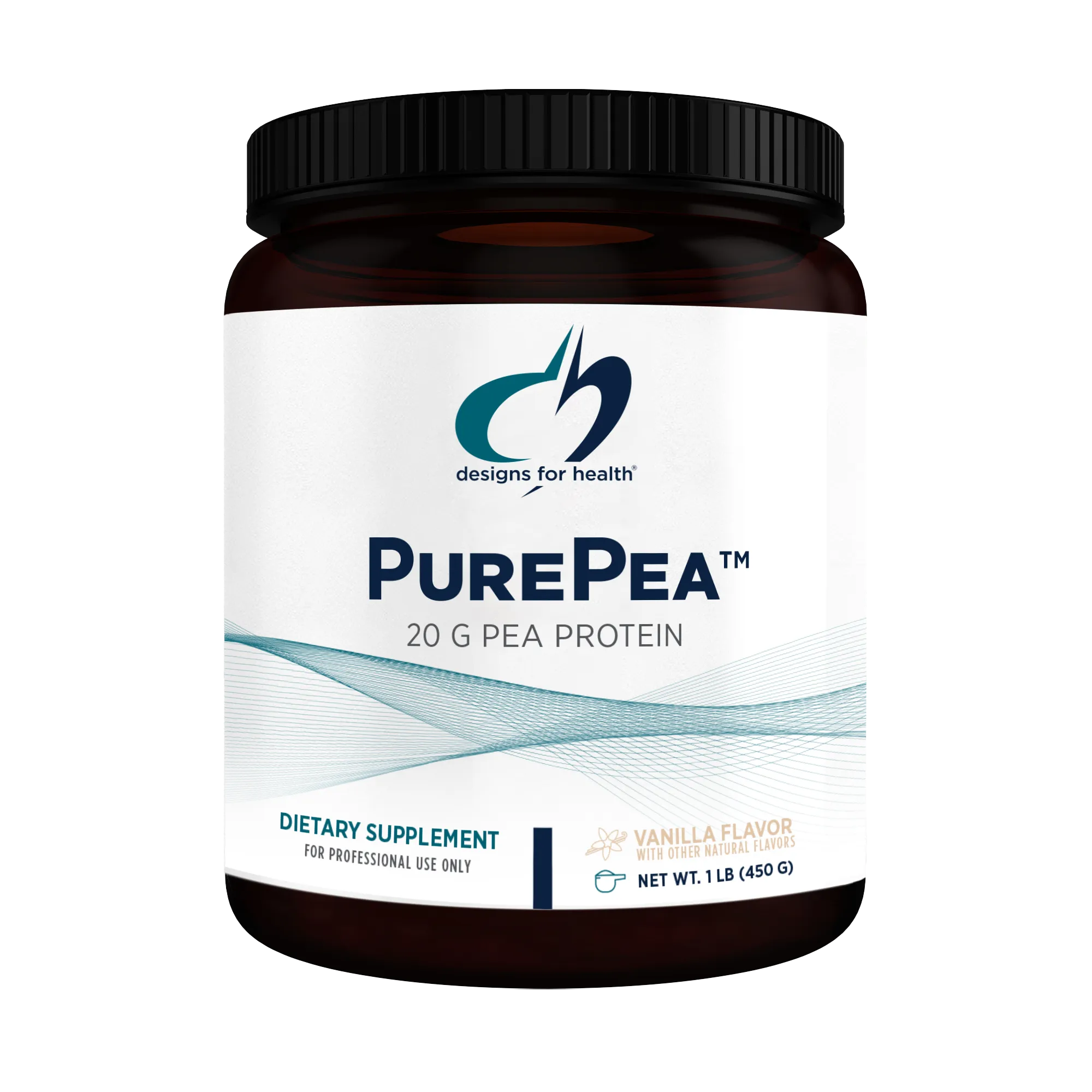
In the search for accessible, easily digestible protein sources, pea protein isolate has emerged as a clinical powerhouse. Unlike dairy-based proteins that can trigger inflammation or digestive distress in sensitive individuals, highly purified pea protein offers a hypoallergenic, vegan alternative that rivals whey protein in its ability to stimulate muscle synthesis. PurePea™, a specialized pea protein isolate derived from non-GMO yellow peas, provides a complete amino acid profile, high bioavailability, and crucial nutrients like iron and L-arginine. In this article, we will explore the intricate biochemical mechanisms of pea protein, how chronic illness alters the body's protein requirements, and why targeted amino acid therapy is a vital component of managing complex chronic disease.
What is Pea Protein Isolate?
The Amino Acid Profile of Yellow Peas
To understand the therapeutic value of PurePea™, we must first examine its foundational building blocks. Proteins are made up of amino acids, which are the fundamental molecules required for synthesizing muscle tissue, enzymes, hormones, and neurotransmitters. Pea protein isolate is classified as a complete protein, meaning it contains all nine essential amino acids (EAAs) that the human body cannot produce on its own and must obtain through diet. While plant-based proteins are sometimes dismissed as "incomplete" or inferior to animal proteins, advanced extraction techniques have proven that yellow pea protein possesses a highly robust and functional amino acid profile.
At the molecular level, pea protein is particularly rich in specific amino acids that drive physiological recovery. It contains significant amounts of leucine, the primary branched-chain amino acid (BCAA) responsible for signaling the body to build new muscle tissue. Furthermore, pea protein is exceptionally high in lysine, an amino acid crucial for collagen formation, calcium absorption, and immune system function. Where pea protein truly stands apart from dairy-based proteins like whey is in its L-arginine content. Pea protein naturally boasts nearly three times the amount of L-arginine compared to whey protein, providing a critical precursor for cardiovascular health and blood flow regulation.
The Digestion Kinetics of Pea Protein
The rate at which a protein is broken down and absorbed into the bloodstream—known as its digestion kinetics—dictates how effectively the body can utilize its amino acids. In clinical nutrition, proteins are often categorized as "fast-digesting" (like whey) or "slow-digesting" (like casein). Pea protein falls into a highly advantageous intermediate category. It digests slower than whey but faster than casein, resulting in a sustained, steady release of amino acids into the bloodstream. This intermediate absorption rate helps prevent the rapid drop-off of blood amino acid levels, thereby providing a prolonged supply of building blocks to recovering tissues and helping to prevent muscle breakdown over an extended period.
Bioavailability is clinically measured using the Digestible Indispensable Amino Acid Score (DIAAS), which evaluates how well the small intestine absorbs individual amino acids. High-quality pea protein isolates achieve a DIAAS score of approximately 0.82, which is exceptionally high for a plant-based source. This means that the vast majority of the amino acids ingested are successfully transported across the intestinal lining and delivered to systemic circulation, rather than being wasted or causing gastrointestinal distress in the lower gut.
The Natural Fermentation Process
Raw legumes naturally contain compounds known as anti-nutrients, such as phytic acid and lectins, which can bind to minerals like iron and zinc, preventing their absorption in the digestive tract. To overcome this, PurePea™ utilizes a natural fermentation process during its production. This solvent-free, enzymatic fermentation breaks down the complex carbohydrate structures and neutralizes these anti-nutrients before the protein ever enters your body.
By pre-digesting the raw yellow peas through fermentation, the manufacturing process significantly enhances the protein's overall solubility and bioavailability. This results in a highly purified isolate that retains its structural integrity without the need for harsh chemical solvents like hexane, which are commonly used in cheaper protein manufacturing. The result is a clean, highly functional protein powder that delivers maximum nutritional value with minimal digestive effort, a crucial factor for patients experiencing gastrointestinal dysmotility or chronic nausea.
How Chronic Illness Impacts Muscle and Metabolism
The Catabolic State and Sarcopenia
When navigating complex chronic illnesses, understanding What Causes Long COVID? and ME/CFS requires looking closely at metabolic dysfunction. In a healthy state, the body maintains a delicate balance between anabolism (building tissue) and catabolism (breaking down tissue). However, chronic viral infections, persistent systemic inflammation, and prolonged physical inactivity force the body into a severe catabolic state. Elevated levels of stress hormones, particularly cortisol, combined with pro-inflammatory cytokines like IL-6 and TNF-alpha, actively signal the body to break down skeletal muscle for energy. This rapid loss of muscle mass and strength is clinically known as sarcopenia.
For patients dealing with What Are the Symptoms of Long COVID?, this catabolic state is exacerbated by the cellular damage caused by the SARS-CoV-2 virus. Research indicates that the virus can directly affect skeletal muscle fibers, causing mitochondrial dysfunction and altering renin-angiotensin signaling, which drastically reduces muscle endurance. When patients experience post-exertional malaise (PEM) or "crashes," the resulting bed rest further accelerates muscle atrophy. Studies have shown that up to 1 kg of lean tissue can be lost in the lower limbs after just 10 days of bed rest, resulting in a profound decline in physical strength that makes recovery increasingly difficult.
Endothelial Dysfunction and the Arginine Steal
A hallmark of Long COVID and related dysautonomia is severe endothelial dysfunction—damage to the inner lining of the blood vessels. Healthy endothelial cells produce nitric oxide (NO), a vital signaling molecule that tells blood vessels to dilate, ensuring proper blood flow and oxygen delivery to the brain and muscles. Nitric oxide is synthesized directly from the amino acid L-arginine. However, during a COVID-19 infection, the virus triggers an upregulation of an enzyme called arginase, which rapidly breaks down circulating L-arginine.
This phenomenon, often referred to as the "arginine steal," starves the endothelial cells of the precursor they need to produce nitric oxide. The resulting L-arginine deficiency leads to constricted blood vessels, oxidative stress, and the formation of micro-clots. This lack of oxygen and nutrient delivery to the peripheral tissues is a primary driver of the debilitating fatigue, brain fog, and muscle pain experienced by patients. The cardiovascular system is essentially operating under constant hypoxic (low oxygen) stress, making even minor physical exertion feel insurmountable.
Mitochondrial Dysfunction and Altered Fuel Preferences
In conditions like ME/CFS, the cellular powerhouses—the mitochondria—fail to produce adenosine triphosphate (ATP) efficiently. Emerging metabolomics research suggests that due to impaired glucose metabolism, the cells of ME/CFS patients may undergo a metabolic shift, preferentially breaking down amino acids to burn for fuel instead of utilizing carbohydrates or fats normally. This altered fuel preference drastically increases the body's baseline protein requirements.
Because the body is constantly burning through its amino acid reserves just to maintain basic cellular function, patients who consume a standard diet often fall into a state of chronic protein malnutrition. The standard Recommended Dietary Allowance (RDA) of 0.8 grams of protein per kilogram of body weight is vastly insufficient for this population. Clinical nutrition guidelines for chronic illness and post-viral recovery often recommend increasing protein intake to 1.2 to 2.0 g/kg/day to counteract this aggressive amino acid depletion and halt the progression of muscle wasting.
PurePea™: Supporting Muscle Synthesis and Vascular Health
The Leucine Trigger and mTORC1 Activation
Supplementing with a high-quality pea protein isolate like PurePea™ provides a direct biochemical intervention to halt muscle wasting and promote tissue repair. The primary mechanism of action for muscle growth is governed by the "leucine trigger" hypothesis. When you consume pea protein, the essential amino acid leucine enters the bloodstream and is transported into the muscle cells. Inside the cell, leucine acts as a powerful signaling molecule that activates the mechanistic target of rapamycin complex 1 (mTORC1), the master biological regulator of cell growth and protein translation.
To maximally stimulate muscle protein synthesis (MPS), a specific threshold of leucine must be reached in a single meal—typically around 2.0 to 3.0 grams. Because PurePea™ provides a concentrated dose of amino acids, a standard 30-gram serving easily delivers the necessary leucine to breach this threshold. Once mTORC1 is activated, the cell begins assembling the other essential amino acids provided by the pea protein into new, healthy muscle tissue, directly counteracting the catabolic breakdown caused by systemic inflammation.
L-Arginine and Nitric Oxide Production
One of the most profound benefits of pea protein for patients with dysautonomia and Long COVID is its exceptionally high L-arginine content. As discussed, chronic viral illness often depletes arginine, leading to poor circulation and endothelial dysfunction. By providing a rich, highly bioavailable source of dietary L-arginine, pea protein supplies the endothelial cells with the exact substrate they need to resume nitric oxide (NO) production.
When endothelial nitric oxide synthase (eNOS) converts this supplementary L-arginine into NO, the blood vessels dilate and relax. This vasodilation improves microcirculation throughout the body, flushing the oxygen-starved muscles and brain tissue with nutrient-rich blood. Clinical trials have demonstrated that restoring L-arginine levels significantly improves flow-mediated dilation, increases physical stamina, and drastically reduces the perception of persistent fatigue in Long COVID patients.
Iron Delivery and Oxygen Transport
Fatigue in chronic illness is multifaceted, but cellular oxygen deprivation plays a massive role. PurePea™ naturally contains 6 mg of iron per serving, which is crucial for the formation of hemoglobin, the protein in red blood cells responsible for transporting oxygen from the lungs to the rest of the body. In the context of Long COVID, research has shown that serum ferritin levels (a marker of iron storage) are heavily implicated in the development of ME/CFS symptoms, particularly in female patients.
By providing a steady, easily digestible source of dietary iron alongside a complete amino acid profile, pea protein supports healthy red blood cell production. This ensures that the newly dilated blood vessels (thanks to the L-arginine) are carrying oxygen-rich blood, effectively addressing fatigue from both a vascular and a hematological perspective.
Promoting Healthy Satiety and Gut Function
Beyond muscle and vascular health, pea protein plays a significant role in metabolic regulation and gastrointestinal function. The intermediate digestion speed of pea protein ensures a prolonged release of peptides into the gut, which stimulates the secretion of satiety hormones such as cholecystokinin (CCK) and glucagon-like peptide-1 (GLP-1). These hormones signal the brain that the body is full, helping to regulate appetite and prevent the blood sugar spikes and crashes that can trigger dysautonomic flares.
Furthermore, while the isolate process removes most of the fibrous carbohydrates, the clean amino acid profile supports the integrity of the intestinal lining. The amino acids glutamine and arginine are vital for maintaining the tight junctions of the gut barrier, helping to prevent the "leaky gut" permeability that often drives systemic inflammation in complex chronic conditions.
Symptoms Pea Protein May Help Manage
Targeted Symptom Relief
By addressing protein malnutrition, endothelial dysfunction, and muscle catabolism at the cellular level, supplementing with PurePea™ may help manage several debilitating symptoms associated with complex chronic illnesses:
Muscle Weakness and Wasting (Sarcopenia): By providing a complete amino acid profile and breaching the leucine threshold, pea protein activates the mTORC1 pathway, stimulating muscle protein synthesis and counteracting the catabolic breakdown of skeletal muscle tissue.
Persistent Fatigue and Low Energy: The natural iron content (6 mg per serving) supports hemoglobin production and oxygen transport, while the high L-arginine content improves vascular blood flow, delivering vital oxygen and nutrients to exhausted cells.
Post-Exertional Malaise (PEM) Recovery: Supplying the body with readily available amino acids helps replenish the metabolic reserves depleted during physical or cognitive exertion, potentially shortening the duration of post-exertional crashes.
Poor Circulation and Cold Extremities: The L-arginine in pea protein serves as a direct precursor for nitric oxide (NO) production, promoting vasodilation and improving microcirculation in patients with dysautonomia and endothelial dysfunction.
Unintended Weight Changes and Metabolic Dysregulation: The intermediate digestion kinetics of pea protein promote the release of satiety hormones (GLP-1 and CCK), stabilizing blood sugar levels and supporting healthy weight management without triggering heavy digestive fatigue.
Gastrointestinal Distress from Dairy: As a hypoallergenic, vegan protein source free from lactose and casein, pea protein provides essential nutrition without triggering the inflammatory immune responses or bloating commonly associated with whey protein in sensitive individuals.
Practical Considerations: Dosing, Digestion, and MCAS
Optimal Dosing for Muscle Protein Synthesis
To achieve the clinical benefits of muscle protein synthesis, dosing is critical. Because pea protein contains slightly less leucine by weight than whey protein (approximately 8% versus 11%), you must consume a slightly larger total volume to trigger the mTORC1 pathway. Clinical nutritionists recommend a serving size of roughly 30 to 35 grams of pea protein isolate per meal or post-exertion window. This specific dosage ensures that you ingest the 2.5 to 3.0 grams of leucine required to flip the biological switch for muscle repair. PurePea™ provides 20 grams of protein per standard two-scoop serving, making it easy to scale your intake based on your individual metabolic needs and daily protein targets (which may range from 1.2 to 2.0 g/kg/day for chronic illness recovery).
The MCAS and Histamine Intolerance Factor
While the natural fermentation process used to create PurePea™ is highly beneficial for the general population—improving bioavailability and removing anti-nutrients—it requires careful consideration for patients with mast cell activation syndrome (MCAS) or severe Histamine Intolerance (HIT). The biological process of fermentation inherently produces biogenic amines, including histamine, as byproducts. For individuals whose mast cells are hyper-reactive, or who lack the DAO enzyme to break down dietary histamine, fermented products can sometimes overflow their "histamine bucket" and trigger systemic flares.
However, because PurePea™ is a highly purified isolate rather than a whole-pea concentrate, much of the fibrous material that causes internal gut fermentation is removed. Many patients with mild to moderate histamine issues tolerate unflavored pea protein isolates exceptionally well. If you have severe MCAS, it is crucial to introduce any new supplement slowly. Start with a quarter-teaspoon micro-dose to test your individual gastrointestinal and systemic tolerance before consuming a full 30-gram serving.
Timing and Synergistic Pairings
To maximize the endothelial and vascular benefits of the L-arginine found in pea protein, consider pairing your supplement with a high-quality source of Vitamin C. Clinical trials evaluating L-arginine for Long COVID recovery utilized Vitamin C alongside the amino acid because Vitamin C acts as a potent antioxidant that stabilizes nitric oxide molecules, preventing them from degrading too quickly in the bloodstream. Additionally, Vitamin C significantly enhances the intestinal absorption of the non-heme iron naturally present in the yellow peas.
Regarding timing, pacing your protein intake is just as important as pacing your physical energy. Rather than consuming all your daily protein in one massive meal, space your PurePea™ servings evenly throughout the day (e.g., morning, afternoon, and evening). This continuous supply of amino acids ensures that your body remains in a positive nitrogen balance, constantly providing the building blocks needed for cellular repair and preventing the catabolic breakdown of muscle tissue during long stretches between meals.
Follow the Science
Clinical Trials on Muscle Hypertrophy
The scientific consensus surrounding pea protein has shifted dramatically over the last decade, elevating it from a niche vegan alternative to a clinically validated intervention for muscle recovery. A landmark 2015 double-blind, randomized, placebo-controlled trial published in the Journal of the International Society of Sports Nutrition directly compared the effects of pea protein isolate against whey protein. The study involved 161 participants undergoing a 12-week resistance training program, consuming 50 grams of either pea protein, whey protein, or a placebo daily.
The results demonstrated no statistically significant difference between the pea and whey protein groups regarding muscle thickness gains. Both protein interventions significantly outperformed the placebo. In fact, ultrasound measurements showed that the pea protein group experienced a 20.2% increase in biceps muscle thickness, confirming that when dosed correctly, the amino acid profile of pea protein is highly effective at stimulating muscle hypertrophy and strength adaptations.
L-Arginine and Long COVID Recovery
The specific application of pea protein's high L-arginine content for post-viral illness is supported by recent, robust clinical trials. A 2022 single-blind, randomized controlled trial evaluated adults suffering from persistent fatigue due to Long COVID. Participants were given an L-arginine and Vitamin C supplement for 28 days. The findings were remarkable: flow-mediated dilation (a measure of endothelial function) improved significantly, and the active group increased their 6-minute walk distance by an average of 30 meters. Most notably, by day 28, only 8.7% of the participants in the L-arginine group still reported fatigue, compared to 80.1% in the placebo group.
These findings were further corroborated by the LINCOLN Survey, a massive multicenter study involving 1,390 Long COVID patients, which confirmed that restoring L-arginine pathways significantly reduced symptom severity and improved perceived tolerance to physical effort. Because pea protein isolate contains up to three times the L-arginine of whey protein, it serves as a powerful, whole-food dietary intervention to support this exact mechanism of vascular repair.
Protein Requirements in Chronic Illness
Finally, the overarching need for increased protein intake in chronic illness is heavily supported by global clinical nutrition guidelines. The European Society for Clinical Nutrition and Metabolism (ESPEN) explicitly states that the standard RDA of 0.8 g/kg/day is inadequate for patients recovering from severe viral infections or chronic inflammatory states. To combat sarcopenia and malnutrition, ESPEN guidelines recommend increasing protein intake to 1.2 to 1.5 g/kg/day, and up to 2.0 g/kg/day in cases of severe muscle wasting. High-quality isolates like PurePea™ provide an efficient, low-digestive-effort method for patients to meet these elevated clinical targets.
The Path Forward
Rebuilding Strength at Your Own Pace
Living with conditions like Long COVID, ME/CFS, and dysautonomia often feels like a constant battle against your own body's energy limitations. Watching your physical strength decline while navigating the unpredictable nature of post-exertional malaise is profoundly frustrating and deeply validating of the severe biological dysfunction occurring at the cellular level. It is important to remember that rebuilding this lost strength is not about pushing through the fatigue or forcing aggressive exercise; it is about providing your body with the precise molecular building blocks it needs to heal from the inside out.
Integrating PurePea™ into Your Routine
Supplements like PurePea™ are not a standalone cure, but rather a foundational piece of a comprehensive management strategy. By addressing protein malnutrition, supporting endothelial nitric oxide production, and halting catabolic muscle wasting, you can create a more stable physiological baseline. When combined with careful symptom tracking, aggressive rest, and proper medical care, targeted amino acid therapy can help you slowly reclaim your physical resilience. Always consult with your healthcare provider before introducing new supplements, especially if you are managing severe MCAS or complex medication regimens.