Can a Comprehensive Multivitamin Support Energy and Immunity in Children with Long COVID and ME/CFS?
March 5, 2026
PurePalsPediatric Long COVIDME/CFS
Share:
Disclaimer: The information provided here is for educational purposes only and is not intended as medical advice. It should not be used to diagnose, treat, cure, or prevent any medical condition. Instead, use it as a starting point for discussion with your healthcare provider. Always consult with a qualified healthcare provider before starting any new medication, supplement, device, or making changes to your health regimen.
Watching a child struggle with the debilitating, invisible symptoms of a complex chronic illness is one of the most profoundly challenging experiences a parent can face. Months after recovering from an initial viral infection, many children and adolescents continue to fight a constellation of unpredictable symptoms—ranging from profound exhaustion and cognitive impairment to gastrointestinal distress and dizziness. When a child is navigating conditions like pediatric Long COVID, myalgic encephalomyelitis/chronic fatigue syndrome (ME/CFS), mast cell activation syndrome (MCAS), or dysautonomia, the standard advice of "getting plenty of rest and eating well" often falls drastically short. Parents are frequently left searching for validating, science-backed interventions that can support their child's healing at a foundational, cellular level.
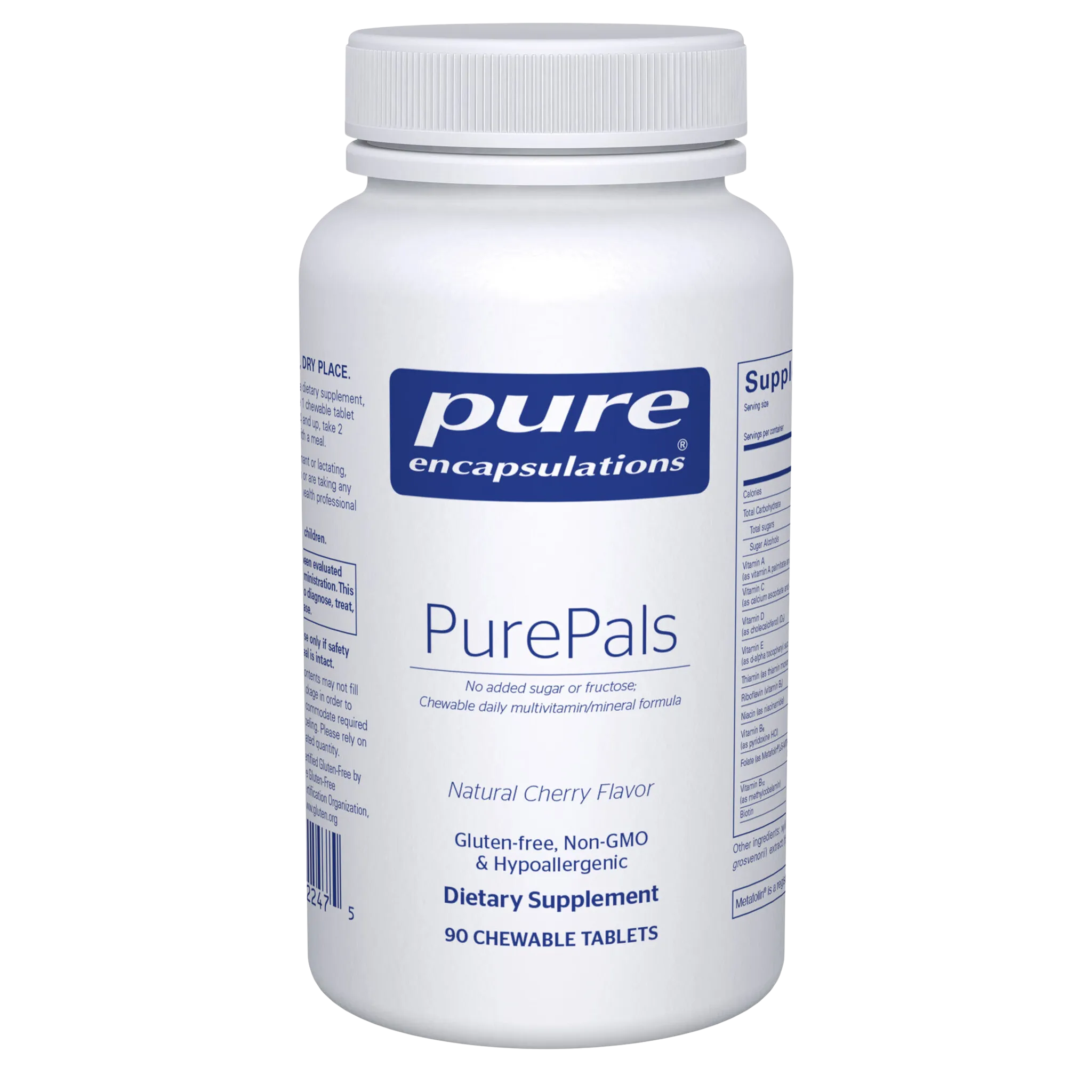
In the wake of the COVID-19 pandemic, the medical community has increasingly recognized that pediatric Long COVID and related post-viral syndromes are not merely prolonged periods of recovery, but active states of physiological dysfunction. These conditions are characterized by severe mitochondrial impairment, chronic neuroinflammation, immune dysregulation, and the depletion of critical micronutrients. Addressing these underlying mechanisms requires a targeted, comprehensive approach to pediatric nutrition. PurePals by Pure Encapsulations has emerged as a highly bioavailable, comprehensive multivitamin and mineral formula specifically designed to bridge these nutritional gaps. Formulated without iron, added sugars, or common allergens, and enhanced with cognitive-supporting choline and immune-modulating citrus bioflavonoids, it offers a gentle yet powerful tool for supporting children's long-term health. In this article, we will explore the deep biochemical mechanisms behind these essential nutrients and how they can support energy, immunity, and cognitive function in children battling complex chronic conditions.
What is PurePals? A Deep Dive into Pediatric Nutrition
The Foundation of Cellular Health and Enzymatic Function
To understand the profound impact of a comprehensive multivitamin like PurePals, we must first look at the natural function of these nutrients in a healthy pediatric body. Vitamins and minerals are not merely passive building blocks; they are active, essential cofactors that drive thousands of enzymatic reactions every single second. At the molecular level, the human body relies on a delicate balance of micronutrients to facilitate cellular respiration, DNA synthesis, immune surveillance, and neurotransmitter production. When a child is growing, their metabolic demands are already exceptionally high. The broad-spectrum vitamins included in this formula—such as Vitamin A, Vitamin C, Vitamin D3, Vitamin E, and a complete B-complex—act as the biochemical catalysts that allow cells to function, repair, and communicate effectively.
For instance, the B-vitamins (including Thiamin, Riboflavin, Niacin, B6, Folate, and B12) are intrinsically linked to the body's energy production pathways. They serve as mandatory coenzymes in the Krebs cycle (also known as the citric acid cycle), a series of chemical reactions used by all aerobic organisms to release stored energy. Without adequate Riboflavin (B2) and Niacin (B3), the body cannot produce NADH and FADH2, the critical electron carriers that fuel the mitochondrial electron transport chain. Furthermore, trace minerals like Zinc, Selenium, and Magnesium are structural components of the body's primary antioxidant enzymes, such as superoxide dismutase (SOD) and glutathione peroxidase. These enzymes form the first line of defense against reactive oxygen species (ROS), neutralizing free radicals before they can damage cellular membranes or mitochondrial DNA.
The Role of Choline in Neurodevelopment and Membrane Integrity
One of the standout ingredients in this formulation is Choline, an essential, yet frequently overlooked, nutrient that plays a foundational role in human neurobiology. In a healthy body, choline is the direct biochemical precursor to acetylcholine, a highly active neurotransmitter that is absolutely crucial for memory consolidation, sustained attention, learning, and autonomic nervous system regulation. During childhood and adolescence—periods characterized by rapid brain growth and the establishment of complex neural pathways—the demand for acetylcholine is immense. Choline is actively transported across the blood-brain barrier to ensure that neurons have the raw materials necessary to fire effectively and maintain synaptic plasticity.
Beyond neurotransmitter synthesis, choline is a primary building block of phosphatidylcholine, a phospholipid that makes up a significant portion of all cellular membranes. The structural integrity of the cell membrane is vital for protecting the internal organelles, particularly the mitochondria, and for facilitating the transport of nutrients into the cell and waste products out of the cell. Furthermore, recent neuro-nutritional studies have highlighted choline's role in regulating microglia, the brain's resident immune cells. Through specific transporter proteins (like CTL1), choline uptake helps prevent microglia from over-secreting pro-inflammatory cytokines, thereby acting as a powerful, natural anti-inflammatory agent within the central nervous system.
Citrus Bioflavonoids and Advanced Antioxidant Defense
The inclusion of Citrus bioflavonoids elevates this formula beyond a standard multivitamin. Bioflavonoids are a diverse group of phytonutrients (plant pigments) naturally found in citrus fruits, vegetables, and certain herbs. In nature, these compounds protect plants from environmental stressors, UV radiation, and microbial attacks. When consumed by humans, they exert profound antioxidant, anti-inflammatory, and immunomodulatory effects. At the cellular level, bioflavonoids like luteolin, quercetin, and hesperidin work synergistically with Vitamin C to protect the delicate endothelial cells that line the blood vessels, promoting healthy circulation and vascular integrity.
More importantly, specific bioflavonoids have been identified as potent mast cell stabilizers. Mast cells are a type of white blood cell found throughout the body's connective tissues, particularly in the gut, skin, and respiratory tract. They play a complex and critical role in the immune response of a healthy body, acting as sentinels that release histamine and other chemical mediators when they detect pathogens or injury. Bioflavonoids interact directly with the lipid bilayer of the mast cell membrane, strengthening it and inhibiting the intracellular calcium influx that triggers degranulation. By stabilizing these cells, bioflavonoids help maintain a balanced immune response, preventing the excessive release of inflammatory molecules that can cause systemic distress.
How Long COVID and ME/CFS Impact Pediatric Systems
Viral Persistence and Immune Dysregulation in Pediatric Long COVID
When a child develops a complex chronic illness, the foundational biological pathways described above are severely disrupted. In the context of pediatric Long COVID, researchers increasingly point to viral persistence and immune dysregulation as primary drivers of ongoing symptoms. Following an acute SARS-CoV-2 infection, the virus or its remnant proteins (like the spike protein) may persist in tissue reservoirs, particularly within the gastrointestinal tract and the central nervous system. This persistent viral presence keeps the child's immune system locked in a state of chronic, low-grade activation, leading to a continuous overproduction of inflammatory cytokines. This phenomenon, often referred to as a "cytokine storm" or chronic inflammatory state, rapidly depletes the body's stores of essential micronutrients.
During this prolonged immune battle, nutrients like Vitamin D, Vitamin C, and Zinc are consumed at an accelerated rate. Clinical data indicates that a deficiency in Vitamin D significantly impairs the body's ability to clear the virus efficiently and increases the likelihood of an overactive, autoimmune-like inflammatory response. Furthermore, the chronic oxidative stress generated by the immune system damages the endothelial lining of the blood vessels, contributing to the microvascular dysfunction and poor tissue oxygenation that cause the debilitating fatigue and muscle pain frequently reported by pediatric Long COVID patients. A vicious cycle emerges: the chronic illness depletes the very nutrients required to heal the immune system, which in turn allows the illness to persist.
Mitochondrial Dysfunction in Pediatric ME/CFS
For children and adolescents diagnosed with myalgic encephalomyelitis/chronic fatigue syndrome (ME/CFS)—a condition that can be triggered by Long COVID—the pathophysiology is heavily rooted in severe mitochondrial dysfunction. The mitochondria, the powerhouses of the cells, become impaired and lose their ability to efficiently produce Adenosine Triphosphate (ATP) through oxidative phosphorylation. Instead, the cells are forced to rely on less efficient, anaerobic energy pathways, even during minimal physical or cognitive exertion. This metabolic shift results in a rapid buildup of intracellular lactate and a profound deficit in cellular energy.
This mitochondrial failure is the biological mechanism behind post-exertional malaise (PEM), the hallmark symptom of ME/CFS where a child experiences a severe, delayed crash in baseline functioning after minor activity. Because the mitochondria are struggling to function, the "burn rate" of essential cofactors—specifically B-vitamins and Magnesium—skyrockets. Magnesium is intrinsically linked to cellular energy; ATP must physically bind to a magnesium ion (forming Mg-ATP) to become biologically active. When the autonomic nervous system is locked in the "fight-or-flight" state commonly seen in ME/CFS and dysautonomia, magnesium is rapidly excreted through the urine, further starving the mitochondria of the tools they need to generate energy.
Mast Cell Activation and Neuroinflammation
Another critical piece of the pediatric chronic illness puzzle is mast cell activation syndrome (MCAS). In children with Long COVID, ME/CFS, or overlapping neurodevelopmental conditions, mast cells become hyper-sensitized and lose their normal regulatory mechanisms. Instead of only reacting to genuine threats, these altered mast cells activate inappropriately to everyday triggers—such as certain foods, temperature changes, or physical stress. When they degranulate, they release a flood of histamine, leukotrienes, and highly inflammatory cytokines like Interleukin-6 (IL-6) and Tumor Necrosis Factor-alpha (TNF-alpha).
This systemic mast cell activation has profound neurological consequences. The inflammatory molecules released by mast cells in the gut and bloodstream can breach the blood-brain barrier, triggering the brain's resident immune cells (microglia) to activate. This localized brain inflammation, known as neuroinflammation, physically disrupts the communication between neurons. For a child, this neuroimmune dysfunction manifests as severe "brain fog," cognitive delays, heightened anxiety, sensory processing issues, and an inability to concentrate on schoolwork. The depletion of choline during this inflammatory state further exacerbates the issue, as the brain lacks the raw materials to produce the acetylcholine needed to push through the cognitive haze.
PurePals: Supporting Energy, Immunity, and Cognitive Function
Fueling the Mitochondria with B-Vitamins and Magnesium
Supplementation with a comprehensive, highly bioavailable formula like PurePals provides a multi-targeted approach to restoring these disrupted biological pathways. To address the profound energy deficits seen in pediatric ME/CFS and Long COVID, the formula delivers a robust profile of B-complex vitamins and essential minerals. By supplying Thiamin (B1), Riboflavin (B2), Niacin (B3), Pantothenic Acid (B5), and active forms of Folate and B12, the supplement directly fuels the Krebs cycle and the electron transport chain. These vitamins act as the required coenzymes that allow the mitochondria to resume efficient oxidative phosphorylation, slowly shifting the cell away from lactate-producing anaerobic metabolism and back toward healthy ATP generation.
Crucially, this formula includes Magnesium (as magnesium aspartate), which serves as the essential binding partner for ATP. By replenishing intracellular magnesium levels, the supplement ensures that the ATP produced by the mitochondria can actually be utilized by the child's muscles and brain tissue. This dual approach—providing both the B-vitamin "fuel" for energy production and the Magnesium "key" to unlock that energy—is a cornerstone of mitochondrial support protocols used by ME/CFS specialists to help raise a patient's baseline energy envelope and mitigate the severity of post-exertional malaise (PEM) crashes.
Stabilizing Mast Cells with Citrus Bioflavonoids
To combat the systemic inflammation driven by MCAS, the Citrus bioflavonoids in this formula offer a powerful, natural therapeutic angle. Bioflavonoids, particularly compounds like luteolin and quercetin, have been shown in molecular immunopharmacology studies to be exceptionally effective mast cell stabilizers. At the cellular level, these phytonutrients physically embed themselves into the lipid bilayer of the mast cell, increasing the membrane's structural integrity. This prevents the cross-linking of IgE receptors and blocks the sudden influx of intracellular calcium that forces the mast cell to burst open and release its inflammatory contents.
By inhibiting this degranulation process, bioflavonoids help halt the excessive release of histamine, IL-6, and TNF-alpha at the source. This is particularly vital for pediatric patients, as reducing the systemic burden of these cytokines can alleviate a wide range of allergic-type symptoms, from gastrointestinal distress and unexplained skin rashes to the severe neuroinflammation that drives cognitive dysfunction. In many clinical observations, natural bioflavonoids have demonstrated a stabilizing capacity that rivals or even outperforms certain prescription mast cell stabilizers, offering a gentle, well-tolerated intervention for highly sensitive children.
Rebuilding the Nervous System with Choline
Addressing the neurological impact of chronic illness requires specific, targeted nutrients, which is why the inclusion of Choline (as choline bitartrate) is so critical. When a child is suffering from the "brain fog" associated with Long COVID or ME/CFS, their neural networks are essentially starved of acetylcholine. By providing a direct, highly absorbable precursor, choline supplementation supports the rapid synthesis of this vital neurotransmitter. This helps restore the speed of information processing, improves working memory, and allows the child to sustain attention on complex tasks without immediate cognitive fatigue.
Furthermore, choline plays a direct role in resolving neuroinflammation. By upregulating the CTL1 transporters on the surface of microglial cells, choline helps signal the brain's immune system to stand down, reducing the localized secretion of inflammatory cytokines within the central nervous system. Additionally, as a precursor to phosphatidylcholine, it supports the continuous repair and regeneration of the neuronal cell membranes that may have been damaged by chronic oxidative stress during the acute viral infection.
Modulating the Immune Response with Vitamins C, D, and Zinc
Finally, the formula provides a robust defense against viral persistence and immune dysregulation through its targeted doses of Vitamin C, Vitamin D3, and Zinc. Vitamin D (provided as cholecalciferol) binds to the Vitamin D Receptor (VDR) present on almost all immune cells, acting as a master regulator that enhances the pathogen-fighting capabilities of macrophages while simultaneously suppressing the autoimmune-like overactivity of T-cells. Zinc, provided as a highly bioavailable amino acid chelate, is essential for the development and function of neutrophils and natural killer cells, and it actively inhibits the replication of viral RNA within the host cells. Together with the antioxidant power of Vitamin C, this triad supports a balanced, resilient immune system capable of clearing lingering viral reservoirs without triggering a damaging cytokine storm.
Symptoms PurePals May Help Manage
Core Target Areas for Pediatric Patients
While individual responses to nutritional support will vary, the comprehensive blend of vitamins, minerals, choline, and bioflavonoids in PurePals is designed to target the specific physiological deficits seen in pediatric chronic illness. Based on the mechanisms of action, this supplement may help manage the following symptoms:
Severe Brain Fog and Cognitive Fatigue: By providing choline to synthesize acetylcholine and active B-vitamins to fuel neuronal mitochondria, this formula supports faster information processing, better memory recall, and improved sustained attention during schoolwork.
Post-Exertional Malaise (PEM) and Cellular Exhaustion: The combination of Magnesium and a full B-complex directly supports the Krebs cycle and ATP utilization, helping to raise the child's baseline energy envelope and potentially reducing the severity and duration of metabolic crashes after physical or mental exertion.
Unpredictable Allergic and GI Symptoms (MCAS): The inclusion of citrus bioflavonoids acts to stabilize hyperactive mast cells, reducing the systemic release of histamine and inflammatory cytokines that trigger gastrointestinal distress, skin flushing, and food sensitivities.
Frequent Illness and Immune Dysregulation: Targeted doses of Vitamin D3, Vitamin C, and chelated Zinc support the immune system's ability to clear persistent viral reservoirs while modulating the overactive, autoimmune-like responses frequently seen in pediatric Long COVID patients.
Muscle Pain and Cramping (Myalgia): By replenishing intracellular magnesium levels—which are rapidly depleted during states of autonomic nervous system dysfunction (dysautonomia)—the formula helps regulate muscle contraction and relaxation, alleviating widespread pain and cramping.
Neurological Inflammation and Sensory Overload: Choline's ability to regulate microglial cells and reduce localized brain inflammation helps calm the central nervous system, which may alleviate the sensory processing issues and heightened anxiety that accompany neuroimmune conditions.
Practical Considerations: Forms, Dosing, and Absorption
Bioavailability and the Importance of an Iron-Free Formulation
When selecting a multivitamin for a child with a complex chronic illness, the specific forms of the nutrients and the overall formulation are just as important as the ingredients themselves. One of the most critical practical considerations of PurePals is that it is an iron-free formula. While iron is an essential mineral for healthy children, supplementing with iron in the context of chronic inflammation, Long COVID, or ME/CFS can actually be detrimental unless a specific, blood-test-confirmed deficiency exists. In states of chronic immune activation, the body intentionally sequesters iron away from the bloodstream to prevent circulating pathogens (which feed on iron) from proliferating.
Furthermore, unbound or "free" iron in the digestive tract can trigger the Fenton reaction, a chemical process that generates highly reactive hydroxyl radicals. This massive spike in oxidative stress can severely irritate the gut lining, exacerbate dysbiosis, and worsen the systemic inflammation driven by MCAS. By intentionally omitting iron, this formula provides essential mitochondrial and immune support without the risk of feeding latent infections, triggering gastrointestinal distress, or adding to the child's oxidative burden.
Optimal Dosing, Timing, and Absorption
To maximize the bioavailability of the nutrients, the supplement utilizes highly absorbable forms, such as chelated minerals (zinc, magnesium, and selenium amino acid chelates) and methylated B-vitamins (like Metafolin® L-5-MTHF). Chelated minerals are bound to amino acids, allowing them to bypass the competitive absorption pathways in the gut and enter the bloodstream much more efficiently than standard mineral salts (like magnesium oxide). The inclusion of Metafolin ensures that children with MTHFR genetic mutations—which impair the body's ability to convert synthetic folic acid into its active form—can seamlessly absorb and utilize the folate required for neurological health and methylation.
Because the formula contains fat-soluble vitamins (Vitamins A, D3, and E), it is highly recommended that children take the chewable tablets with a meal that contains healthy fats (such as avocado, nut butter, or olive oil). Fat is required to stimulate the release of bile acids, which emulsify the vitamins and transport them across the intestinal wall. For dosing, the suggested use is one chewable tablet daily for children ages 2 to 3, and two chewable tablets daily for children ages 4 and up, always administered with food to ensure optimal absorption and prevent any mild nausea that can occur when taking B-vitamins on an empty stomach.
Allergen-Free and Sugar-Free Benefits for Sensitive Systems
Children battling MCAS, Long COVID, and severe gut dysbiosis are often exquisitely sensitive to artificial additives, common allergens, and high glycemic loads. PurePals is meticulously formulated to be free of gluten, nuts, dairy, wheat, egg, and soy, drastically reducing the risk of triggering a mast cell reaction. Additionally, the formula contains absolutely no added sugar or fructose, utilizing a natural cherry flavor instead. This is vital, as high sugar intake can feed pathogenic gut bacteria, spike insulin levels, and drive further systemic inflammation, counteracting the healing benefits of the vitamins and minerals.
Follow the Science: Clinical Evidence for Pediatric Nutrition
Clinical Evidence in Pediatric Long COVID and Vitamin Deficiencies
The scientific understanding of pediatric chronic illness is rapidly evolving, with recent clinical trials heavily emphasizing the role of targeted nutrition in recovery. A landmark 2024 prospective cohort study conducted by the Ternopil National Medical University assessed the impact of micronutrient status on 162 children hospitalized with COVID-19. The researchers meticulously tracked the children post-discharge to monitor for the development of Long COVID. The data revealed a stark correlation: the odds of developing Long COVID were 2.2 times higher in children who presented with Vitamin D deficiency or insufficiency upon admission.
Furthermore, the study highlighted incredible symptom specificity. Children with low Vitamin D levels exhibited significantly higher rates of severe neurological symptoms (80% compared to 41.9% in those with optimal levels) and debilitating musculoskeletal symptoms (16% compared to 0%). Similar observational data from a longitudinal study at Germans Trias i Pujol University Hospital analyzed 50 children suffering from Long COVID for more than 12 weeks. Laboratory analyses revealed that 34% of the symptomatic children had inadequate Vitamin D levels, and 32% had significant folic acid deficiencies, underscoring the critical need for broad-spectrum supplementation in this vulnerable population.
Choline and Neuroinflammation Research
The profound impact of choline on pediatric cognitive development and neuroinflammation is supported by robust clinical data. A randomized controlled trial at Cornell University demonstrated that high maternal choline supplementation significantly accelerated infants' information processing speeds by an average of 22.3 milliseconds, with benefits to sustained attention lasting well into childhood (age 7). This highlights choline's foundational role in building resilient, efficient neural networks.
More recently, groundbreaking research published in Aging and Disease examined young adults experiencing metabolic stress and brain fog. The researchers discovered that individuals with unusually low blood choline levels showed significant signs of chronic systemic inflammation and elevated neurofilament light chain (NfL)—a highly recognized biomarker for active neuronal damage. This study proved that low choline quietly triggers neuroinflammation and brain cell injury, directly contributing to subjective brain fog and cognitive impairment, validating the use of choline to protect the central nervous system during chronic illness.
Bioflavonoids in Pediatric MCAS and Neurodevelopment
The use of citrus bioflavonoids to stabilize mast cells and reduce neuroinflammation in children is backed by pioneering research from molecular immunopharmacologists. A highly cited Translational Psychiatry study (2015) measured the biological markers of inflammation in children with neurodevelopmental disorders and suspected mast cell activation before and after taking a formulation containing the bioflavonoids luteolin and quercetin for 26 weeks.
At the conclusion of the study, the children who exhibited behavioral and cognitive improvements also showed a statistically significant reduction in serum levels of IL-6 and TNF-alpha, the major inflammatory cytokines released by degranulating mast cells. Behaviorally, the children gained an average of 9.73 months in communication skills and 8.09 months in the social domain during the study period. These findings strongly support the mechanism that natural bioflavonoids can successfully cross the blood-brain barrier, stabilize hyperactive mast cells, and drastically reduce the neuroinflammation that drives cognitive and behavioral symptoms in pediatric patients.
The Path Forward: Supporting Your Child's Healing Journey
Validating the Pediatric Chronic Illness Experience
Navigating a complex chronic illness like Long COVID, ME/CFS, or MCAS with a child is an exhausting, emotionally taxing journey. When standard pediatric appointments fail to provide answers, and when diagnosing Long COVID becomes a frustrating process of exclusion, parents often feel isolated. It is vital to validate that your child's symptoms—the sudden crashes after playing, the inability to concentrate on homework, the unexplained stomach pains—are real, physiological responses to profound cellular stress. They are not "just growing pains," and they are not psychological. Acknowledging the biological reality of mitochondrial dysfunction and immune dysregulation is the first necessary step toward meaningful management.
A Comprehensive Management Strategy
While a high-quality, targeted multivitamin like PurePals can provide the essential biochemical tools needed to support cellular energy, stabilize mast cells, and modulate the immune system, it is not a standalone cure. True healing requires a comprehensive, multi-disciplinary approach. Supplements must be paired with aggressive pacing strategies to prevent PEM crashes, meticulous symptom tracking to identify specific MCAS triggers, and ongoing medical care from specialists who understand neuroimmune conditions. By providing the body with the right foundational nutrients, you are simply giving your child's cells the best possible environment to begin the slow, non-linear process of recovery.
Next Steps and Consultation
If you are considering adding a comprehensive, iron-free multivitamin to your child's management protocol to support their energy, cognitive function, and immune resilience, discuss this formulation with your pediatrician or pediatric specialist to ensure it aligns with their specific medical needs.