Can Emulsified Omega-3s Support Brain Fog and Dysautonomia in Long COVID?
March 5, 2026
Omega-3Long COVIDME/CFS
Share:
Disclaimer: The information provided here is for educational purposes only and is not intended as medical advice. It should not be used to diagnose, treat, cure, or prevent any medical condition. Instead, use it as a starting point for discussion with your healthcare provider. Always consult with a qualified healthcare provider before starting any new medication, supplement, device, or making changes to your health regimen.
Months or even years after a mild viral infection, many individuals find themselves battling a complex web of debilitating symptoms. From the profound cognitive impairment known as "brain fog" to the unpredictable racing heart rates of dysautonomia, living with Long COVID, Myalgic Encephalomyelitis/Chronic Fatigue Syndrome (ME/CFS), and Mast Cell Activation Syndrome (MCAS) is a daily challenge. Patients are often left searching for answers as to what causes Long COVID and why their bodies remain locked in a state of chronic inflammation and neurological distress. While there is no single cure for these complex chronic conditions, medical research is increasingly pointing toward the foundational role of cellular membrane health and the active resolution of systemic inflammation.
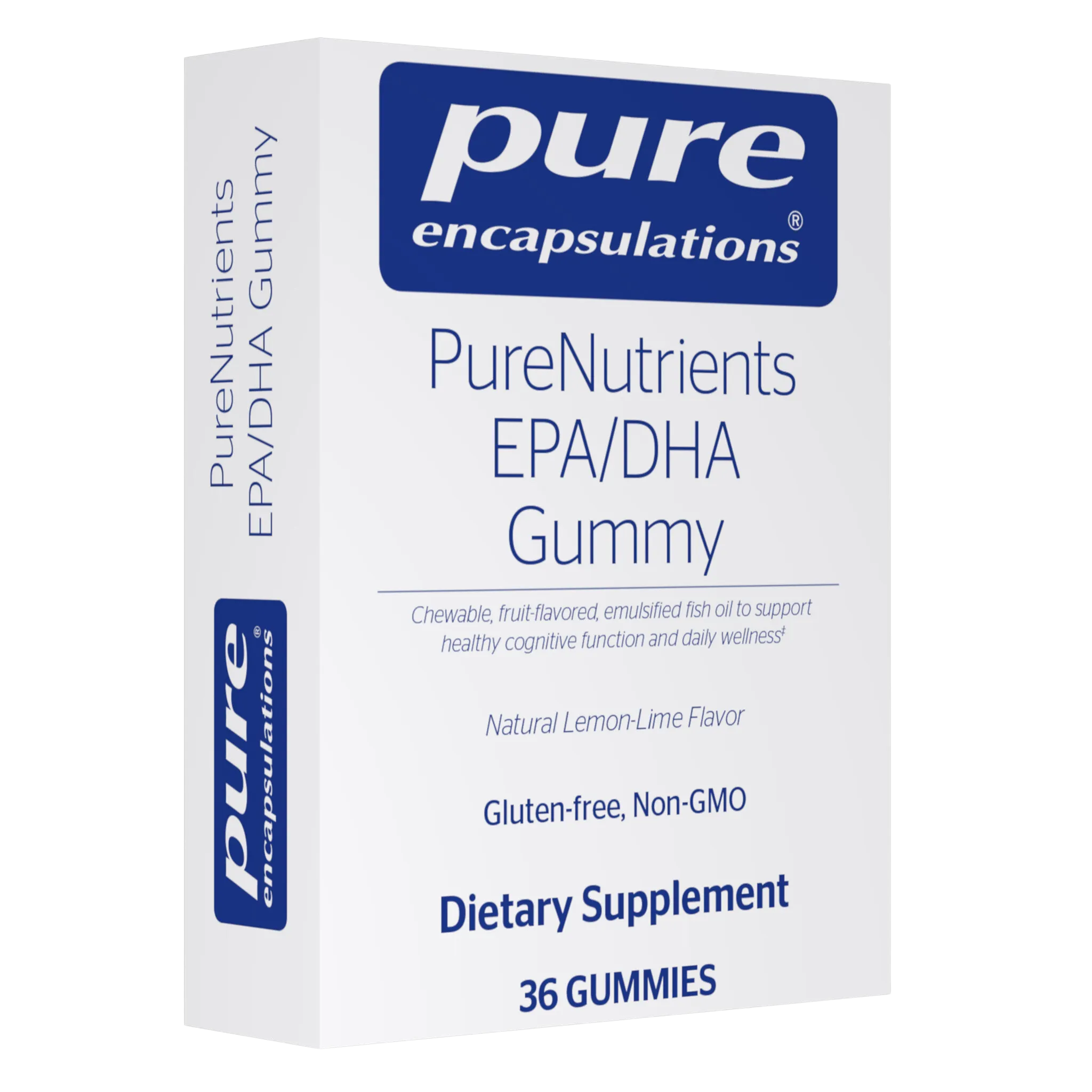
One of the most critical, yet frequently overlooked, components of this cellular foundation is the presence of essential fatty acids. Omega-3 polyunsaturated fatty acids, specifically Eicosapentaenoic acid (EPA) and Docosahexaenoic acid (DHA), are not merely general wellness supplements; they are powerful biological modulators that dictate how our immune system, blood vessels, and nervous system communicate. For patients with compromised digestion or severe fatigue, obtaining and absorbing these vital nutrients can be uniquely challenging. This is where advanced formulations, such as the PureNutrients EPA/DHA Gummy by Pure Encapsulations, offer a highly bioavailable, emulsified solution to support cognitive function, cardiovascular health, and immune balance.
What is PureNutrients EPA/DHA Gummy?
The Biological Role of Essential Fatty Acids
Omega-3 polyunsaturated fatty acids (PUFAs), primarily Eicosapentaenoic acid (EPA) and Docosahexaenoic acid (DHA), are foundational building blocks of human physiology. They are termed "essential" because the human body lacks the specific desaturase enzymes required to synthesize them from scratch, meaning they must be obtained entirely through diet or targeted supplementation. At a molecular level, EPA and DHA do not merely float in the bloodstream; they are actively esterified into the sn-2 position of structural phospholipids, such as phosphatidylcholine and phosphatidylethanolamine, which make up the plasma membrane of every single cell in the human body. By physically altering the lipid composition of these cellular membranes, Omega-3s directly dictate how cells communicate, how receptors function, and how the body responds to external stressors and pathogens.
The physical structure of these marine-derived fatty acids is what gives them their profound biological power. DHA, for instance, possesses a highly flexible 22-carbon chain with six double bonds. Biophysical research using molecular dynamics demonstrates that because of this extreme flexibility, DHA is physically incompatible with rigid cholesterol molecules within the cell membrane. As DHA is incorporated into the cell wall, it actively pushes cholesterol out of its surrounding area. This process fluidizes the membrane and reorganizes "lipid rafts"—specialized microdomains that serve as signaling hubs for immune receptors. By altering these lipid rafts, DHA can literally change the physical landscape of the cell, disrupting the assembly of pro-inflammatory receptors before they can even trigger an immune response.
While DHA is primarily known for its fluidizing effects and heavy concentration in the brain and retina, EPA (which has 20 carbons and five double bonds) acts slightly differently. Studies on cellular membranes show that EPA acts as a potent structural antioxidant. It actively reduces excessive membrane fluidity, inhibits the formation of cholesterol domains, and preserves the structural integrity of the lipid bilayer against oxidative stress. Together, EPA and DHA act as a dynamic duo, ensuring that cellular membranes remain flexible enough to absorb nutrients and transmit neurotransmitters, yet stable enough to resist the oxidative damage that drives chronic disease.
The Emulsification Advantage
The PureNutrients EPA/DHA Gummy by Pure Encapsulations is not a standard fish oil softgel; it is a specialized, chewable supplement that utilizes advanced delivery technology. To understand its value, one must understand the biological hurdles of fat digestion. When a person consumes standard bulk fish oil from a traditional capsule, the oil floats on top of the watery environment of the stomach. To absorb these lipids, the body must wait for the oil to enter the small intestine, where it relies heavily on the gallbladder to release bile salts and the pancreas to release lipases. These natural emulsifiers break the bulk oil down into smaller droplets that can finally cross the intestinal wall. For individuals with sluggish digestion, gallbladder issues, or those who take their supplements on an empty stomach, standard fish oil absorption is notoriously poor.
PureNutrients bypasses this biological bottleneck through a patented manufacturing process known as emulsification. During production, the highly purified fish oil is pre-digested, in a sense. It is broken down into microscopic droplets and suspended within a water-soluble matrix. This micellization process mimics the body’s natural digestive actions, essentially doing the heavy lifting of lipid breakdown before the gummy even enters your mouth. Because the omega-3s are already suspended in a water-soluble format, they do not require a heavy, fat-rich meal or massive amounts of bile to be absorbed.
Clinical trials comparing emulsified omega-3s to standard capsular oils consistently demonstrate that pre-emulsification massively increases the surface area of the lipids. This gives whatever digestive enzymes are present exponentially more space to latch onto and process the triglycerides into absorbable free fatty acids. Studies have shown that emulsified delivery systems can increase the maximum concentration of EPA and DHA in the bloodstream by anywhere from 40% to nearly 300% compared to standard softgels, particularly when taken in a fasted state. For patients dealing with the severe metabolic fatigue of chronic illness, this enhanced bioavailability ensures that every milligram of the supplement is efficiently utilized by the body.
The Specific EPA to DHA Ratio
The ingredient profile of the PureNutrients gummy is highly intentional. Each lemon-lime flavored soft chew delivers 335 mg of total Omega-3 fatty acids, but the ratio is specifically skewed to provide 250 mg of DHA and 50 mg of EPA. This DHA-dominant formulation is specifically targeted toward supporting the central nervous system, cognitive function, and neuronal health. DHA is the most abundant omega-3 fatty acid in the brain, making up a massive percentage of the structural lipids in the cerebral cortex and the retina of the eye. By providing a high dose of highly absorbable DHA, this supplement directly supplies the raw materials needed for healthy neurotransmission and brain plasticity.
While EPA is present in a smaller amount (50 mg), it works synergistically with DHA to modulate systemic inflammation. EPA is highly effective at competing with pro-inflammatory omega-6 fatty acids in the bloodstream, helping to maintain a healthy cytokine balance and promote optimal blood flow. Furthermore, because these gummies are formulated with natural mixed tocopherols (Vitamin E) as an antioxidant, the delicate EPA and DHA molecules are protected from rancidity and oxidation. The product is entirely sugar-free, sweetened naturally with xylitol and erythritol, and utilizes a fish-based gelatin rather than beef or pork, making it an exceptionally clean option for sensitive patient populations.
How Long COVID and ME/CFS Impact Cellular and Vascular Health
Neuroinflammation and the Blood-Brain Barrier
To understand why Omega-3 fatty acids are so critical for patients with complex chronic illnesses, we must first examine how conditions like Long COVID and ME/CFS physically damage the body's systems. When exploring how a doctor diagnoses Long COVID, one of the most devastating pathophysiological mechanisms observed is chronic neuroinflammation. Following a viral infection like SARS-CoV-2, the immune system can become locked in a hyperactive state, constantly churning out pro-inflammatory cytokines such as Interleukin-6 (IL-6) and Tumor Necrosis Factor-alpha (TNF-a). These inflammatory signaling molecules circulate systemically and eventually reach the blood-brain barrier (BBB), the highly selective membrane designed to protect the central nervous system from circulating toxins and pathogens.
Research into Long COVID neurology indicates that this relentless systemic inflammation increases the permeability of the blood-brain barrier, essentially causing it to "leak." Once pro-inflammatory cytokines cross into the brain tissue, they activate microglia, the brain's resident immune cells. When microglia are chronically activated, they abandon their normal maintenance duties and begin releasing neurotoxic substances and reactive oxygen species (ROS). This localized neuroinflammation disrupts the synthesis of vital neurotransmitters like serotonin and dopamine, impairs the brain's glymphatic clearance system, and directly manifests clinically as the severe cognitive impairment, memory lapses, and mental fatigue universally described by patients as "brain fog."
Endothelial Dysfunction and Hypoperfusion
Beyond the central nervous system, Long COVID and ME/CFS wreak havoc on the vascular system. The inner lining of all blood vessels is called the endothelium. Healthy endothelial cells are responsible for regulating vascular tone, controlling blood pressure, and preventing abnormal blood clotting by releasing nitric oxide, a potent vasodilator. However, the chronic oxidative stress and viral persistence seen in these conditions directly damage the endothelial lining. This phenomenon, known as endothelial dysfunction, is now recognized as a core driver of post-viral fatigue and dysautonomia.
When the endothelium is damaged, blood vessels lose their ability to properly dilate and constrict. Recent studies detailing the pathology of ME/CFS have shown that this vascular dysregulation leads to widespread hypoperfusion—a chronic lack of adequate blood flow and oxygen delivery to the brain and skeletal muscles. This vascular dysregulation is a core reason why many patients wonder can Long COVID trigger ME/CFS, as the two conditions share profound overlapping mechanisms like cellular hypoxia. This lack of oxygen is a primary reason why patients experience post-exertional malaise (PEM), where even minor physical or cognitive exertion leads to a devastating crash in energy. Furthermore, the damaged endothelium promotes a pro-thrombotic state, leading to the formation of microclots that further plug up capillaries and restrict oxygen exchange at the tissue level.
The Omega-3 Deficiency in Chronic Fatigue
The connection between these devastating vascular and neurological symptoms and essential fatty acids is not merely theoretical. Clinical data has revealed a stark nutritional deficit in patients suffering from complex chronic fatigue. A landmark study published in Prostaglandins, Leukotrienes and Essential Fatty Acids evaluated the Omega-3 index—a highly accurate measure of EPA and DHA levels in red blood cell membranes—in patients diagnosed with ME/CFS. The findings were striking: over 92% of the ME/CFS patients exhibited a clinically low Omega-3 index.
The mean Omega-3 index for the ME/CFS cohort was just 5.75%, far below the optimal cardio-protective range of 8% to 11%. Furthermore, the researchers found a highly significant inverse correlation between the Omega-3 index and the ratio of Arachidonic Acid (a highly inflammatory Omega-6 fat) to EPA. This elevated Omega-6 to Omega-3 ratio indicates that the patients' cellular membranes were primed for chronic, runaway inflammation. Without adequate EPA and DHA to stabilize the cell membranes, reduce oxidative stress, and support endothelial nitric oxide production, the body remains trapped in a vicious cycle of vascular constriction, neuroinflammation, and profound energy depletion.
PureNutrients EPA/DHA: Supporting the Autonomic and Immune Systems
Resolving Inflammation with SPMs
The therapeutic power of PureNutrients EPA/DHA lies in its ability to directly interrupt the vicious cycles of inflammation that drive Long COVID and ME/CFS. Historically, medical science believed that inflammation simply "faded out" passively over time once an infection was cleared. However, modern immunology has revealed that the resolution of inflammation is an actively orchestrated biochemical process. This active "clean up" is driven by Specialized Pro-resolving Mediators (SPMs), which are enzymatically synthesized directly from EPA and DHA within the body. When you supplement with high-quality omega-3s, you are providing the raw metabolic fuel required to generate these crucial healing molecules.
During a chronic inflammatory response, the body initially uses Omega-6 fatty acids to produce pro-inflammatory prostaglandins and leukotrienes. As the response progresses, EPA and DHA compete for the exact same conversion enzymes (such as COX-2 and 5-LOX). This competition triggers a "lipid mediator class switch." EPA is converted into E-series Resolvins, while DHA is converted into D-series Resolvins, Protectins, and Maresins. Immunological research on SPMs shows that these molecules act as powerful "resolution agonists." They actively halt the infiltration of inflammatory neutrophils into tissues, stimulate macrophages to clean up cellular debris (a process called efferocytosis), and promote the regeneration of damaged endothelial and neuronal tissues.
Stabilizing Mast Cells and Histamine Release
For patients dealing with Mast Cell Activation Syndrome (MCAS)—a condition frequently comorbid with Long COVID and ME/CFS—Omega-3s offer a profound, natural mechanism for immune stabilization. Mast cells are the immune system's first responders, packed with granules containing histamine and inflammatory cytokines. In MCAS, these cells become hyper-reactive, degranulating inappropriately and causing systemic allergy-like symptoms. EPA and DHA act as potent mast cell stabilizers by physically altering the cellular membrane where the allergic receptors reside.
When EPA and DHA are incorporated into the mast cell's lipid bilayer, they disrupt the localization of the FcεRI receptor (the high-affinity IgE receptor responsible for triggering allergic responses). In vitro studies on human mast cells have demonstrated that DHA is highly effective at inhibiting the secretion of interleukins and reducing intracellular Reactive Oxygen Species (ROS) generation. Furthermore, the resolvins generated from DHA actively bind to specific G-protein coupled receptors on mast cells to block histamine-stimulated intracellular calcium increases, effectively terminating the allergic response at the molecular level and preventing the massive histamine dumps that trigger MCAS flares.
Calming the Autonomic Nervous System in POTS
Dysautonomia, particularly Postural Orthostatic Tachycardia Syndrome (POTS), is characterized by an autonomic nervous system that is stuck in a state of "fight or flight" (sympathetic overdrive). Recent literature suggests that POTS often stems from underlying autonomic nerve inflammation and a failure of the blood vessels to properly constrict upon standing. Omega-3 fatty acids address both the neurological and vascular components of this debilitating syndrome, making them a highly targeted adjunctive therapy for post-viral dysautonomia.
By crossing the blood-brain barrier, EPA and DHA lower the production rates of neuro-inflammatory cytokines that irritate the autonomic control centers in the brainstem. Simultaneously, they enhance endothelial function by boosting the release of nitric oxide, which helps regulate vascular tone and prevents the severe blood pooling in the lower extremities that triggers the compensatory racing heart rate in POTS. Clinical data indicates that high blood levels of DHA are statistically correlated with improved Heart Rate Variability (HRV) and increased parasympathetic (rest and digest) tone, allowing the autonomic nervous system to become more resilient to postural changes and stress.

Symptoms PureNutrients EPA/DHA May Help Manage
Severe Brain Fog and Cognitive Impairment: The high concentration of DHA in this formulation directly supports the structural integrity of neuronal membranes. By reducing neuroinflammation and supporting the brain's glymphatic clearance of metabolic waste, DHA helps restore neurotransmitter function, improving focus, memory retrieval, and mental clarity.
POTS and Orthostatic Tachycardia: EPA and DHA improve endothelial function and vascular tone, which helps mitigate the lower-body blood pooling that triggers the racing heart rates characteristic of POTS. Additionally, Omega-3s improve vagal tone and Heart Rate Variability (HRV), calming the overactive sympathetic nervous system.
Post-Exertional Malaise (PEM) and Fatigue: By enhancing the release of endothelial nitric oxide, Omega-3s promote vasodilation and improve microcirculation. This increased blood flow delivers vital oxygen and nutrients to skeletal muscles and the brain, helping to counteract the cellular hypoxia and hypoperfusion that drive devastating post-exertional crashes.
Mast Cell Activation (MCAS) Flares: EPA and DHA incorporate into the lipid membranes of mast cells, disrupting the receptors responsible for allergic triggers. Furthermore, they convert into Specialized Pro-resolving Mediators (SPMs) that actively halt the release of histamine and inflammatory cytokines, reducing systemic allergy-like symptoms.
Mood Instability, Anxiety, and Depression: Chronic neuroinflammation heavily disrupts the synthesis of serotonin and dopamine. By lowering pro-inflammatory cytokines in the central nervous system and regulating the Hypothalamic-Pituitary-Adrenal (HPA) axis, high-dose Omega-3s support emotional well-being and reduce the neuropsychiatric sequelae of post-viral illness.
Joint Pain and Systemic Inflammation: Omega-3s actively compete with pro-inflammatory Omega-6 fatty acids (like arachidonic acid) for the enzymes that create pain-inducing prostaglandins. By shifting the body's lipid profile, EPA and DHA naturally reduce systemic inflammation and alleviate the diffuse joint and muscle pain common in ME/CFS.
Practical Considerations: Forms, Dosing, and Absorption
Bypassing the Gallbladder with Emulsification
When incorporating Omega-3s into a chronic illness management plan, the form and bioavailability of the supplement are just as critical as the dosage. As previously discussed, standard fish oil softgels require significant digestive effort. They rely on the gallbladder to secrete bile and the pancreas to secrete lipases to break down the bulk lipids. For patients with dysautonomia, gastroparesis, or general gastrointestinal sluggishness, this digestive burden can result in poor absorption, gastric distress, and the unpleasant phenomenon known as "fish burps."
The PureNutrients EPA/DHA Gummy circumvents these issues entirely through its patented emulsification technology. Because the fish oil is pre-suspended in a water-soluble micelle matrix, it passes swiftly through the acidic environment of the stomach and is rapidly absorbed through the intestinal wall. Studies on self-micro-emulsifying delivery systems have shown that this format can increase the maximum concentration of EPA and DHA in the blood by up to 9-fold when taken on an empty stomach compared to standard ethyl ester fish oils. This means patients do not need to time their supplementation around heavy, high-fat meals, offering immense flexibility and vastly superior gastrointestinal tolerability.
Dosage Guidelines and Timing
For general cognitive and cardiovascular maintenance, the suggested use for PureNutrients EPA/DHA Gummy is one soft chew, one to two times daily with meals (for adults and children ages 4 and up). However, when utilizing Omega-3s therapeutically for conditions like Long COVID, ME/CFS, or POTS, functional medicine practitioners often recommend higher, targeted doses to actively combat severe neuroinflammation and correct cellular deficiencies. Clinical trials investigating post-viral dysautonomia and brain fog frequently utilize doses ranging from 1,500 mg to 4,000 mg of combined EPA and DHA daily.
Because Omega-3s alter the lipid composition of cellular membranes, the therapeutic effects are not instantaneous. It typically takes 3 to 4 months of consistent, daily supplementation to fully saturate the red blood cell membranes and significantly raise the Omega-3 index. Patients are encouraged to be patient and track their symptoms over several months. While the emulsified format allows for fasting absorption, taking the gummies alongside a meal that contains some healthy fats (like avocado or olive oil) can further optimize the digestive environment and ensure maximum uptake.
MCAS Considerations and Histamine Safety
For patients with Mast Cell Activation Syndrome (MCAS) or severe histamine intolerance, fish oil supplementation requires careful consideration. The "histamine catch-22" is a well-known issue in the MCAS community: while EPA and DHA are inherently mast-cell stabilizing, the source of the oil can be problematic. As fish ages or ferments, its natural histidine content converts rapidly into histamine. Therefore, low-quality, poorly processed, or slightly oxidized fish oil supplements can trigger severe MCAS flares, despite the anti-inflammatory nature of the fatty acids themselves.
Pure Encapsulations mitigates this risk through rigorous quality control and ultra-purification. The fish oil used in PureNutrients is sourced from small, cold-water fish (anchovies, sardines, mackerel) which naturally have lower toxin accumulations. More importantly, the oil is highly purified and stabilized with natural mixed tocopherols (Vitamin E) to prevent oxidation and rancidity. Every batch is third-party tested for environmental contaminants, heavy metals, and oxidation markers. However, because MCAS is highly individualized, patients with extreme sensitivities should always introduce any new marine-derived supplement slowly and consult with their healthcare provider to monitor for any histamine-related reactions.

Follow the Science
Omega-3s and Post-COVID Neurological Recovery
As patients continually ask how long does Long COVID last, the clinical evidence supporting the use of high-dose Omega-3 fatty acids for long-term post-viral syndromes has expanded rapidly. A massive retrospective analysis of nearly 17,000 patients investigated the impact of Omega-3 supplementation on the development of post-COVID psychiatric and neurological sequelae. The researchers found that patients who consistently supplemented with Omega-3s experienced a 20% overall lower risk of developing long-term psychiatric conditions up to one year post-infection compared to non-users. Specifically, the data revealed a 32% lower risk of insomnia, a 17% lower risk of clinical depression, and a 17% lower risk of anxiety, highlighting the profound neuro-protective and anti-inflammatory effects of EPA and DHA on the post-viral brain.
Furthermore, targeted clinical trials are currently underway to establish specific protocols for Long COVID brain fog. For instance, the MAG-EPA trial is a Phase 4 study testing monoglyceride eicosapentaenoic acid on patients suffering from post-COVID cognitive impairment. Participants are administered 1.5 grams of EPA daily for 112 days to measure direct improvements in concentration, attention, and memory. Another double-blind, randomized controlled pilot trial (NCT05121766) is evaluating a high dose of 2,100 mg of combined EPA/DHA per day over 12 weeks to measure reductions in fatigue, brain fog, and shortness of breath in healthcare workers with Long COVID, further cementing Omega-3s as a primary therapeutic target.
Dysautonomia and Heart Rate Clinical Trials
In the realm of dysautonomia and POTS, recent clinical data has demonstrated that Omega-3s can directly modulate autonomic dysfunction. A pivotal 2023 study observed adolescents who developed POTS or Inappropriate Sinus Tachycardia (IST) following a COVID-19 infection. The researchers tested the effects of daily Omega-3 fatty acid supplementation (1 to 2 grams of EPA/DHA daily) against standard pharmaceutical interventions. The results were highly significant: in patients with POTS, the average heart rate increase during an active standing test was 44.0 bpm before treatment. After Omega-3 supplementation, the orthostatic heart rate spike was significantly blunted, reducing to just 25.6 bpm. The study concluded that Omega-3s successfully lower elevated resting heart rates and mitigate the severe tachycardic response in post-viral POTS.
The ME/CFS Omega-3 Index Studies
The foundational evidence linking essential fatty acid deficiency to chronic fatigue is anchored by the landmark 2018 study by Castro-Marrero et al., published in Prostaglandins, Leukotrienes and Essential Fatty Acids. This study evaluated the Omega-3 index in patients with ME/CFS and found that an overwhelming 92.6% of the cohort had a clinically low Omega-3 index, with a mean level of just 5.75%. The researchers concluded that this severe PUFA deficiency indicates an ongoing pro-inflammatory state and an increased cardiovascular risk. By highlighting the inverse correlation between the Omega-3 index and inflammatory Omega-6 ratios, the study established that aggressive Omega-3 supplementation is a vital, evidence-based intervention for repairing endothelial dysfunction and reducing the neuro-inflammatory burden in ME/CFS patients.
The Path Forward
A Foundational Piece of the Puzzle
Learning how you can live with long-term COVID and unpredictable symptoms like dysautonomia can feel like an endless uphill battle. The profound fatigue, the cognitive fog that clouds your thoughts, and the terrifying spikes in heart rate are not just "in your head"—they are the result of measurable, physiological disruptions in your cellular membranes, blood vessels, and immune system. Validating the biological reality of your symptoms is the first step toward effective management. While there is no magic pill that can instantly reverse these complex conditions, restoring the foundational building blocks of your cellular health is a critical component of the healing process.
Omega-3 fatty acids, specifically highly bioavailable forms of EPA and DHA, offer a scientifically grounded mechanism to actively resolve systemic inflammation, stabilize hyper-reactive mast cells, and repair the damaged endothelium that restricts blood flow to your brain and muscles. By choosing an emulsified format like the PureNutrients gummy, you bypass the digestive hurdles that often prevent chronically ill patients from absorbing the nutrients they desperately need. This allows the essential fatty acids to rapidly enter your bloodstream, cross the blood-brain barrier, and begin the slow but vital work of cellular repair and autonomic nervous system regulation.
Next Steps in Your Journey
It is important to remember that supplements are just one piece of a comprehensive, multi-disciplinary management strategy. High-quality Omega-3 supplementation should be combined with aggressive pacing to manage post-exertional malaise, targeted hydration and sodium intake for POTS, and a low-histamine diet if you are battling MCAS. Always consult with your healthcare provider before introducing high-dose fatty acids into your regimen, especially if you are on blood-thinning medications or have severe histamine sensitivities. By taking a strategic, science-backed approach to your cellular health, you can begin to lower your inflammatory burden and improve your daily quality of life.