Protein Needs in ME/CFS and Long COVID: Supporting Muscle, Repair, and Recovery
March 10, 2026
Long COVIDME/CFSNutrition
Share:
Disclaimer: The information provided here is for educational purposes only and is not intended as medical advice. It should not be used to diagnose, treat, cure, or prevent any medical condition. Instead, use it as a starting point for discussion with your healthcare provider. Always consult with a qualified healthcare provider before starting any new medication, supplement, device, or making changes to your health regimen.
For many individuals living with complex chronic conditions, the simple act of eating can feel like an insurmountable hurdle. When you are battling the profound, crushing exhaustion of Myalgic Encephalomyelitis/Chronic Fatigue Syndrome (ME/CFS) or the unpredictable, systemic flares of Long COVID, preparing a meal—let alone digesting it—requires energy that simply isn't there. Patients frequently describe a cruel paradox: their bodies desperately need nutritional support to heal and rebuild, yet the very processes of chewing, swallowing, and digesting trigger severe nausea, abdominal pain, and debilitating post-exertional malaise (PEM). This dynamic leaves many feeling trapped, watching their physical strength diminish while struggling to find dietary strategies that their sensitive systems can actually tolerate.
However, the profound muscle weakness and physical decline experienced in these conditions are not merely the result of being inactive or too tired to eat. Emerging clinical research has revealed that ME/CFS and Long COVID drive a state of severe, active metabolic stress. The body, starved of cellular energy and fighting systemic inflammation, begins to cannibalize its own muscle tissue to survive. Understanding this biological reality is incredibly validating—it proves that your symptoms are not in your head, and your physical decline is a documented physiological crisis. This comprehensive guide explores the complex nutritional challenges of these conditions, the biological mechanisms behind viral-induced muscle wasting, and evidence-based, practical strategies to optimize your protein intake, support muscle preservation, and aid your long-term recovery.
TL;DR
ME/CFS and Long COVID drive severe metabolic stress, leading to muscle wasting and profound fatigue.
Gastrointestinal dysfunction impairs nutrient absorption, making targeted protein and amino acid intake crucial for recovery.
Research suggests consuming 1.2 to 1.5 grams of protein per kilogram of body weight daily.
Pacing meal preparation and utilizing easily digestible supplements may help support energy and muscle preservation.
The Nutritional Challenge of ME/CFS and Long COVID
Viral-Induced Sarcopenia and Metabolic Stress
For many individuals living with Myalgic Encephalomyelitis/Chronic Fatigue Syndrome (ME/CFS) and Long COVID, the physical decline experienced is often mistakenly attributed to simple deconditioning or prolonged bed rest by well-meaning but uninformed medical professionals. However, emerging clinical research paints a far more complex and destructive picture of what is actually happening at the cellular level. The profound muscle weakness and loss of lean tissue seen in these conditions are driven by a state of severe metabolic stress and systemic inflammation, leading to a phenomenon known as viral-induced sarcopenia. In this hyper-metabolic state, the body is essentially locked in a prolonged fight-or-flight response, causing it to cannibalize its own skeletal muscle tissue to harvest amino acids for vital organ function and immune system repair. This active catabolism means that patients are not just losing muscle because they are inactive; their bodies are actively breaking down muscle fibers to survive the ongoing physiological crisis.
A groundbreaking 2025 study by Mughal et al., published in IOP Science, provided stark visual and biological evidence of this destructive process. Researchers utilized 3D bioengineered human skeletal muscle tissues and exposed them to blood serum from patients with ME/CFS and Long COVID. The results were startling: the healthy muscle tissues rapidly developed significant contractile dysfunction and extreme fragility. Transcriptomic analysis revealed an initial desperate upregulation of protein translation and glycolytic enzymes as the muscle tried to adapt, but this was quickly followed by severe disturbances in calcium homeostasis. Most alarmingly, the mitochondria within the muscle cells began to hyperfuse and eventually fragmented into deformed "toroidal" shapes, signaling a complete structural and metabolic collapse driven directly by circulating inflammatory factors in the patients' blood.
This catastrophic cellular environment is further compounded by direct damage to the mitochondria themselves, which are the powerhouses responsible for generating cellular energy in the form of adenosine triphosphate (ATP). As detailed in our comprehensive guide on Understanding Long COVID: Causes, Symptoms, and What the Science Says, the systemic nature of this mitochondrial dysfunction requires highly targeted nutritional interventions.
The Gastrointestinal Bottleneck and Amino Acid Malabsorption
In the context of Long COVID, the gastrointestinal pathology often begins at the cellular level with the Angiotensin-Converting Enzyme 2 (ACE2) receptor. The ACE2 receptor is highly expressed on the enterocytes, which are the epithelial cells lining the small intestine. While famously known as the primary entry point for the SARS-CoV-2 virus, the ACE2 receptor's normal physiological role in the gut is to regulate the SLC6A19 gene. This specific gene encodes the B0AT1 neutral amino acid transporter, a critical mechanism responsible for pulling essential amino acids out of digested food and into the bloodstream.
This malabsorption cascade has profound systemic consequences, particularly concerning the amino acid tryptophan. Tryptophan is a strict biochemical precursor to serotonin, a neurotransmitter that is not only vital for mood regulation but is also the primary signaling molecule for the enteric nervous system. Because serotonin is required to stimulate the vagus nerve—the "superhighway" of the parasympathetic nervous system—this depletion leads to severe autonomic dysfunction, or dysautonomia. The suppressed vagal tone paralyzes gut motility and halts gastric acid secretion, creating a terrifying reality where the patient's body physically forgets how to digest food efficiently.
Without adequate stomach acid (a state known as hypochlorhydria), the very first stage of protein digestion completely stalls. Complex dietary proteins require a highly acidic stomach environment, typically a pH between 1.5 and 2.5, to unravel and allow the enzyme pepsin to cleave them into smaller, usable peptides. When large, undigested protein macromolecules pass into the small and large intestines, they undergo a toxic fermentation process called putrefaction. Colonic bacteria ferment these intact proteins into highly inflammatory byproducts, including ammonia and hydrogen sulfide, which damage the intestinal lining and cause the severe, distended bloating and abdominal pain that many patients describe. This environment also becomes a breeding ground for Small Intestinal Bacterial Overgrowth (SIBO), further complicating the nutritional landscape.
Cellular Starvation and the TCA Cycle Crisis
Protein digestion is not just about avoiding stomach aches or building biceps; it is a critical, non-negotiable metabolic requirement for baseline energy production. Single amino acids derived from dietary protein are vital substrates that fuel the mitochondria's Tricarboxylic Acid (TCA) cycle (also known as the Krebs cycle) to produce ATP. Landmark metabolomics studies analyzing the blood profiles of ME/CFS and Long COVID patients have discovered profound, systemic reductions in the specific serum amino acids required to keep this cycle turning. When the digestive bottleneck prevents amino acids from reaching the bloodstream, the entire metabolic engine begins to sputter and stall.
This creates a state of severe metabolic inflexibility. Because patients cannot properly digest proteins or absorb amino acids through their compromised gastrointestinal tracts, their mitochondria are quite literally starved of the raw materials needed to generate energy. To survive this cellular starvation, the body is forced to remain in a chronic catabolic state, breaking down its own lean muscle tissues to extract the necessary amino acids. This vicious cycle not only accelerates muscle wasting and physical deconditioning but also directly drives the profound, crushing fatigue and post-exertional malaise that are the hallmark symptoms of these debilitating diseases. Breaking this cycle requires bypassing the digestive bottlenecks to deliver bioavailable nutrients directly to the cells.
Key Nutrients: What They Are and Why They Matter
Leucine and the mTORC1 Pathway
When discussing protein needs in the context of chronic illness, not all amino acids are created equal. Leucine, an essential branched-chain amino acid (BCAA), stands out as the master regulator of muscle protein synthesis. Biologically, leucine acts as a molecular switch that activates the mammalian target of rapamycin complex 1 (mTORC1) pathway. The mTORC1 pathway is the primary cellular signaling network responsible for sensing nutrient availability and instructing the body to build new muscle tissue rather than break it down. In healthy individuals, consuming protein naturally triggers this pathway, but in patients with ME/CFS and Long COVID, systemic inflammation and metabolic dysfunction create a profound resistance to this anabolic signal.
To overcome this anabolic resistance and halt the catabolic breakdown of muscle tissue, patients must cross what clinical nutritionists call the "leucine threshold." If a meal contains less than this threshold amount, the protein is still utilized for basic metabolic functions, but the signal to repair and synthesize new myofibrillar proteins is never sent, allowing muscle wasting to continue unchecked.
This threshold concept completely changes how patients must approach their daily nutrition. It is not enough to simply graze on small amounts of protein throughout the day; the protein must be dosed strategically to ensure the mTORC1 pathway is activated. For patients struggling with severe fatigue, utilizing leucine-rich sources like whey protein isolate can be a highly efficient way to trigger this vital repair mechanism without overwhelming the digestive system.
Glutamine and Gut Barrier Integrity
While leucine is the architect of muscle repair, L-glutamine is the foundational building block for the immune system and the gastrointestinal tract. Glutamine is the most abundant free amino acid in the human body, but during times of severe physiological stress, viral infection, or chronic inflammation, the body's demand for glutamine vastly exceeds its ability to produce it. This transforms glutamine into a "conditionally essential" amino acid. In patients with ME/CFS and Long COVID, the chronic hyper-metabolic state rapidly depletes circulating glutamine levels, leaving the immune system exhausted and the gut lining highly vulnerable to damage.
The enterocytes lining the small intestine rely almost exclusively on glutamine for their energy needs. When glutamine levels plummet, these cells cannot maintain the tight junctions that keep the intestinal barrier intact. This leads to increased intestinal permeability, commonly known as "leaky gut," allowing undigested food particles, bacterial endotoxins, and pathogens to cross into the bloodstream. This constant influx of foreign material triggers systemic immune responses, massive histamine release, and frequent Mast Cell Activation Syndrome (MCAS) flares, further exacerbating the patient's symptom burden and driving neuroinflammation.
Replenishing glutamine stores is therefore a critical step in halting the vicious cycle of systemic inflammation. By providing the enterocytes with their preferred fuel source, patients can begin to stabilize their gastrointestinal function, reduce the frequency of MCAS flares, and improve their overall ability to absorb other vital nutrients from their diet.
Taurine and Cellular Protection
Taurine is a unique, sulfur-containing amino acid that plays a critical role in cellular protection, osmoregulation, and mitochondrial function. Unlike most other amino acids, taurine is not used to build proteins; instead, it remains free in the intracellular fluid, acting as a potent antioxidant and a regulator of calcium homeostasis. In the context of complex chronic illness, taurine's ability to protect the mitochondria from oxidative stress and help manage the toxic accumulation of intracellular calcium is incredibly valuable, especially given the mitochondrial fragmentation observed in recent Long COVID studies.
The clinical significance of taurine in post-viral syndromes was starkly highlighted by a 2023 study from the University of Alberta, published in Cell Reports Medicine. Researchers utilized advanced machine learning algorithms to analyze the blood profiles of COVID-19 patients and discovered that lower plasma levels of taurine accurately predicted poor clinical outcomes, severe Long COVID symptoms, and prolonged fatigue with 83% accuracy. This profound correlation suggests that taurine depletion is a major driver of post-viral metabolic dysfunction, and targeted supplementation may offer a vital protective mechanism for vulnerable cellular pathways.
What the Research Shows
Clinical Prevalence of Muscle Wasting
The clinical reality of muscle wasting in post-viral syndromes is far more prevalent and severe than historically acknowledged. For decades, the medical community often dismissed the physical weakness reported by ME/CFS patients as a psychological manifestation of fatigue or a simple consequence of inactivity. However, modern diagnostic tools and large-scale observational studies have fundamentally shifted this paradigm, proving that structural muscle degradation is a core pathology of these conditions. The loss of lean muscle mass directly correlates with the severity of dysautonomia, orthostatic intolerance, and overall functional impairment.
Emerging clinical data clearly establishes that muscle wasting is not just a symptom, but a primary driver of the prolonged suffering seen in Long COVID.
For severe, bed-bound ME/CFS patients, the speed of this physical deconditioning is drastic and terrifying. Clinical data indicates that prolonged bed rest combined with systemic inflammation can result in up to 1 kilogram of lean muscle loss in just 5 to 6 days. This equates to an average loss of 0.5% to 0.6% of total muscle mass per day. When a patient is already operating with a severely compromised metabolic engine, this rapid loss of functional tissue makes even the simplest tasks—like sitting up in bed or walking to the bathroom—monumental, exhausting efforts that trigger severe post-exertional crashes.
Targeted Amino Acid Trials
Recognizing the profound metabolic deficits in these patient populations, researchers have begun conducting clinical trials using highly targeted amino acid interventions to bypass digestive bottlenecks and rescue starving cellular pathways. One of the most promising recent developments is the Phase IIa clinical trial on AXA1125, conducted by researchers at the University of Oxford. AXA1125 is a novel, orally active therapeutic matrix composed of specific free-form amino acids, heavily featuring L-glutamine, L-leucine, and L-arginine, designed specifically to restore cellular energy homeostasis and reduce inflammation.
The results of the Oxford trial were highly encouraging for the Long COVID community. The study demonstrated that administering this targeted amino acid matrix successfully rescued starving metabolic pathways in the mitochondria. Patients receiving the AXA1125 intervention reported a marked, statistically significant reduction in severe exertional fatigue and showed significant improvements in functional clinical outcomes compared to the placebo group. This trial provides powerful proof-of-concept that delivering the right amino acids in highly bioavailable forms can directly counteract the metabolic dysfunction driving post-viral fatigue.
Further reinforcing this approach, the ongoing Long-COVIDiet Study at the University of Maryland is evaluating a comprehensive, whole-diet approach for Long COVID recovery in older adults. A core component of their clinical protocol relies heavily on whey protein supplementation to ensure patients consistently hit a therapeutic target of 1.2 to 1.5 grams of protein per kilogram of body weight daily. By prioritizing high-quality, easily digestible protein sources, researchers aim to halt catabolic breakdown, stabilize blood sugar, and provide the necessary substrates for long-term immune and muscular repair.
Multicomponent Nutritional Interventions
Because the metabolic dysfunction in ME/CFS and Long COVID is multi-systemic, interventions that combine amino acids with other metabolic cofactors are showing significant promise. A recent pilot study investigating Long COVID survivors still suffering from profound fatigue utilized an oral supplement that combined nine essential amino acids with specific Tricarboxylic Acid (TCA) cycle organic acids, including malic acid, succinic acid, and citric acid. The goal was to simultaneously provide the building blocks for muscle repair while directly feeding the mitochondrial engines responsible for ATP production.
The outcomes of this multicomponent approach were highly positive. Researchers documented significant improvements in the patients' skeletal muscle index, handgrip strength, and performance on the one-minute chair-stand test. These functional improvements highlight the necessity of a comprehensive nutritional strategy. By addressing both the structural degradation of the muscle tissue and the biochemical failure of the mitochondria simultaneously, patients can begin to rebuild their physical resilience and improve their overall quality of life.
Supplements: What Evidence Supports
Rapid-Absorption Protein Powders
For patients battling severe fatigue, nausea, and gastrointestinal distress, obtaining adequate protein through whole foods alone is often an insurmountable challenge. Chewing and digesting a chicken breast can require more energy than the body has available. This is where targeted, high-quality supplementation becomes a critical, non-negotiable component of a comprehensive management strategy. Rapid-absorption protein powders, such as whey protein isolate, are frequently utilized in clinical settings because they require minimal digestive effort while delivering a highly bioavailable amino acid profile directly to the bloodstream.
Whey protein isolate is particularly valuable because it is exceptionally rich in leucine, making it significantly easier for patients to hit the critical 2.5 to 3.0-gram threshold required to activate the mTORC1 muscle protein synthesis pathway. Furthermore, high-quality whey provides potent precursors for the production of glutathione, the body's master antioxidant. Glutathione is essential for combating the intense systemic oxidative stress characteristic of these complex chronic conditions, helping to protect vulnerable neurological and cardiovascular tissues from ongoing inflammatory damage.
For individuals who are highly sensitive to dairy, dealing with severe lactose intolerance, or managing concurrent mast cell activation issues, hydrolyzed beef protein or high-quality bone broth protein powders offer excellent, gut-friendly alternatives. The hydrolyzation process pre-digests the complex protein structures into smaller, easily absorbed peptide chains, significantly reducing the burden on an already compromised gastrointestinal tract. These animal-based sources are exceptionally rich in collagen-specific amino acids, including glycine, proline, and glutamine, which are vital for repairing the mucosal lining of the gut and sealing tight junctions to help manage intestinal permeability.
Free-Form Amino Acids and Digestive Enzymes
In cases where even hydrolyzed protein powders trigger severe gastrointestinal symptoms, bloating, or nausea, free-form Essential Amino Acids (EAAs) can be a transformative clinical intervention. Unlike intact dietary proteins, free-form EAAs do not require any enzymatic cleavage or stomach acid for digestion; they are absorbed directly through the intestinal wall and into the bloodstream within minutes. This unique property allows patients with severe hypochlorhydria (low stomach acid) or gastroparesis (delayed gastric emptying) to bypass the digestive bottleneck entirely, delivering vital building blocks directly to starving cellular pathways without triggering GI distress.
Additionally, many patients find profound success in supporting their compromised digestive capacity by utilizing targeted supplemental enzymes. This rapidly restores the body's natural ability to break down complex proteins, halts the toxic putrefaction and fermentation processes in the lower gut, and significantly increases the bioavailability of amino acids necessary for ATP production.
Furthermore, to address the specific malabsorption of tryptophan caused by ACE2 receptor downregulation, clinicians often utilize targeted precursors. Because Long COVID patients cannot easily absorb whole tryptophan, supplementing with 5-hydroxytryptophan (5-HTP)—a direct serotonin precursor that is absorbed through a different, non-compromised intestinal mechanism—may help bypass the gut absorption blockade. To support these vital neurotransmitter pathways, targeted formulations can be highly beneficial. For instance, Can CarbCrave Complex Support Neurotransmitters and Metabolism in Long COVID and ME/CFS? explores how combining 5-HTP with specific metabolic cofactors may help support circulating serotonin levels and vagus nerve function.
Supporting Synergistic Pathways
Protein synthesis and muscle repair do not occur in a biological vacuum; they require a complex symphony of micronutrients and metabolic cofactors to function correctly. Magnesium, for example, is a critical cofactor for over 300 enzymatic reactions in the human body, including the synthesis of ATP and the regulation of muscle contraction and relaxation. Without adequate magnesium, even the highest quality protein cannot be effectively utilized by the muscle tissue. You can learn more about this vital synergy in our guide: Can Magnesium Citrate Help Manage Fatigue in Long COVID and ME/CFS?.
Similarly, supporting the mitochondria directly is crucial for overcoming the profound energy deficits that drive muscle catabolism. Coenzyme Q10 (CoQ10) is an essential component of the mitochondrial electron transport chain, directly facilitating the conversion of cellular fuel into usable ATP. By optimizing mitochondrial function, the body can shift out of its chronic catabolic state and begin to utilize amino acids for repair rather than just basic survival. Can Ubiquinol CoQ10 Support Cellular Energy and Manage Fatigue in Long COVID and ME/CFS? details how this powerful antioxidant can protect cellular energy factories.
Finally, modulating the body's chronic stress response can significantly reduce the catabolic burden on skeletal muscle tissue. When the body is trapped in a sympathetic nervous system overdrive, cortisol levels remain elevated, continuously signaling the breakdown of muscle for quick energy. Adaptogenic herbs may help blunt this excessive cortisol response and support autonomic balance. Can Adaptogens Support Energy Levels for Long COVID and ME/CFS Patients? discusses how specific botanical extracts can help the body adapt to physiological stress, creating a more favorable environment for muscle preservation and recovery.
Food Sources and Dietary Strategies
Calculating Your Daily Targets
When managing the profound metabolic stress of ME/CFS and Long COVID, standard nutritional guidelines are not just unhelpful; they are actively detrimental. The standard Recommended Dietary Allowance (RDA) of 0.8 grams of protein per kilogram of body weight is designed for healthy, sedentary individuals merely looking to help avoid severe malnutrition. For a patient trapped in a hyper-metabolic, inflammatory state, this baseline amount is woefully inadequate and will almost certainly result in continuous, progressive muscle wasting and worsening fatigue.
To halt catabolic breakdown and provide the necessary substrates for tissue repair, clinical nutritionists strongly advise a therapeutic daily protein intake of 1.2 to 1.5 grams per kilogram of body weight. For patients with severe ME/CFS who are experiencing rapid deconditioning, recommendations often stretch to 1.5 to 2.0 grams per kilogram daily to maintain muscle tissue and support vital organ systems. To calculate your specific target, divide your weight in pounds by 2.2 to find your weight in kilograms, then multiply that number by 1.2 to 1.5. For example, a 150-pound (68 kg) individual should aim for roughly 80 to 100+ grams of high-quality protein every single day.
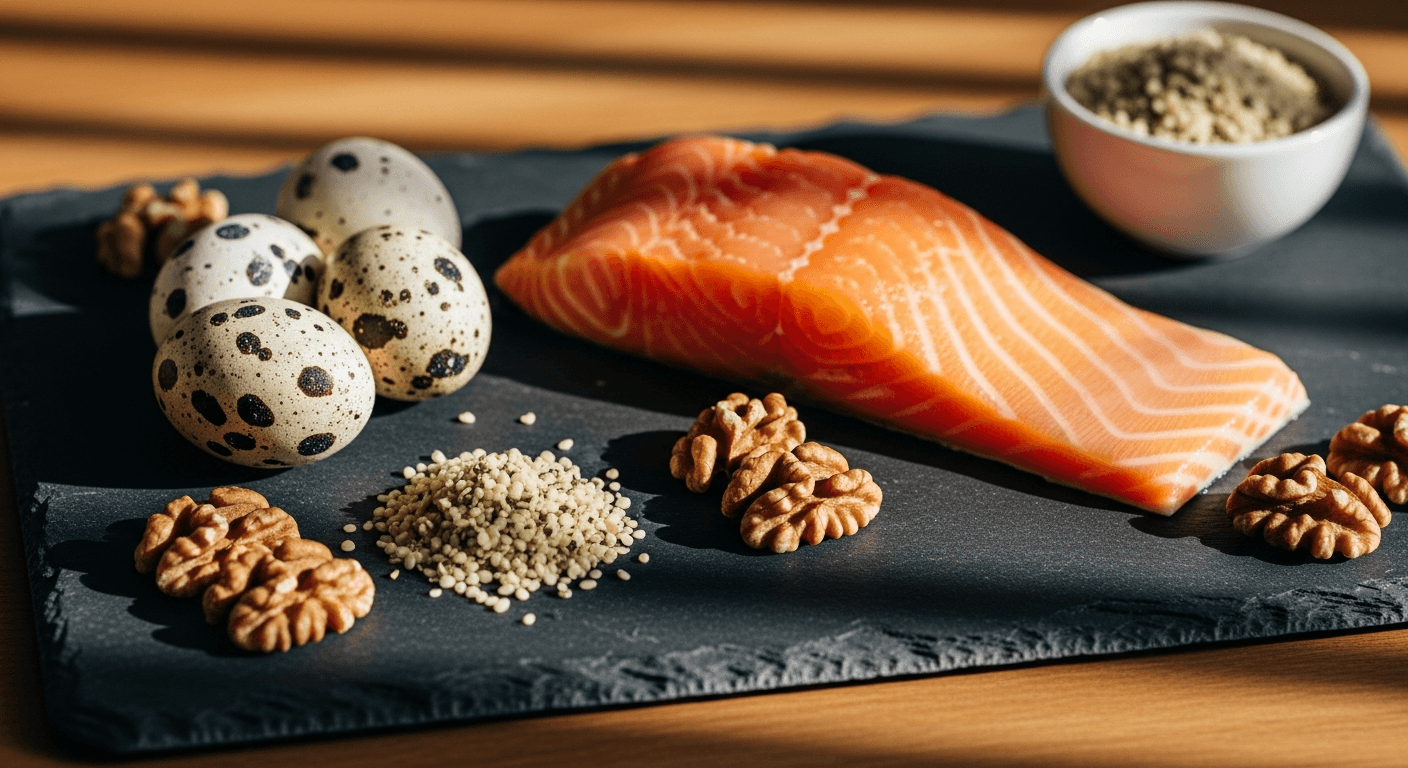
Translating these clinical targets into actual food amounts requires deliberate planning, especially when appetite is low. Hitting 100 grams of protein equates to roughly three large chicken breasts, or a combination of a four-egg omelet, a large portion of fish, and a high-quality protein shake. Because eating this volume of solid food can be incredibly daunting for someone dealing with early satiety or gastroparesis, blending whole-food sources with easily digestible supplements is often the most realistic and sustainable approach to meeting these elevated daily requirements.
Overcoming Histamine and MCAS Triggers
For many patients with complex chronic illnesses, increasing protein intake is severely complicated by concurrent Mast Cell Activation Syndrome (MCAS) or severe histamine intolerance. Protein-rich foods, particularly meats and fish, are highly susceptible to bacterial degradation, a process that rapidly converts the amino acid histidine into histamine. When a patient with a compromised gut barrier and hyper-reactive mast cells consumes high-histamine foods, it can trigger massive, systemic inflammatory flares, resulting in hives, tachycardia, severe brain fog, and gastrointestinal distress.
Navigating this intersection requires strict dietary vigilance. The most critical rule for managing histamine levels is prioritizing absolute freshness. Aged meats, cured proteins (like bacon, salami, and deli meats), and fermented dairy products are extraordinarily high in histamine and must generally be avoided. Furthermore, the common practice of meal-prepping and eating leftovers over several days is highly problematic for this patient population, as histamine levels in cooked meat multiply exponentially the longer it sits in the refrigerator, even if stored in airtight containers.
To safely consume adequate protein without triggering MCAS flares, patients must adopt specific sourcing and storage strategies. Purchasing meat that has been flash-frozen immediately after processing and cooking it straight from frozen (or rapidly thawing it in cold water just before cooking) is the gold standard for minimizing histamine development. If meals must be prepped in advance to manage fatigue, the cooked portions must be immediately frozen in individual servings and reheated only right before consumption. Utilizing low-histamine, plant-based protein sources like macadamia nuts or specialized, lab-tested low-histamine protein powders can also provide safe, reliable amino acids.
Pacing in the Kitchen
The physical reality of preparing food while managing severe energy-limiting conditions cannot be overstated. Given the severe reality of post-exertional malaise, which we explore deeply in Post-Exertional Malaise and Long COVID: Why Crashing After Activity Happens, spending an hour standing in the kitchen chopping vegetables and cooking meat can trigger a debilitating crash that lasts for days. Nutrition strategies must be designed around the principles of pacing, ensuring that the energy expended to prepare a meal never exceeds the nutritional energy gained from eating it.
Liquid nutrition is often the most effective tool for pacing in the kitchen. Smoothies and protein shakes require minimal standing time, no complex cooking, and very little cleanup. By blending a high-quality protein powder with healthy fats (like avocado or coconut oil) and easily digested carbohydrates, patients can consume a calorically dense, highly nutritious meal in a matter of minutes. Liquid meals also require significantly less mechanical energy to digest, preserving vital ATP for other bodily functions and reducing the heavy, lethargic feeling that often follows solid meals.
When solid food is desired, utilizing mobility aids and breaking down tasks is essential. Patients should sit on a stool while chopping or stirring, utilize pre-chopped frozen vegetables, and rely on low-effort cooking methods like slow cookers or air fryers. On days when energy is slightly higher, preparing and immediately freezing safe, low-histamine meals can create a vital safety net for the inevitable low-energy days. The goal is to remove the friction from eating, ensuring that nutritional needs are met consistently without triggering the devastating cycle of PEM.

Practical Considerations
Timing and the Leucine Threshold
Achieving your total daily protein target is only half the battle; the timing and distribution of that protein are equally critical for overcoming anabolic resistance. The human body does not store excess protein for later use in the same way it stores carbohydrates or fats. If you consume 80 grams of protein in a single, massive dinner, your body will utilize what it needs to trigger the mTORC1 pathway at that moment, and the rest will be oxidized for basic energy or excreted. Conversely, if you graze on 10 grams of protein every few hours, you will never cross the 2.5 to 3.0-gram leucine threshold required to signal muscle repair.
To optimize muscle preservation, clinical guidelines recommend a strategy of even, per-meal dosing. Patients should aim to consume 20 to 30 grams of high-quality protein in distinct, spaced-out meals, roughly three to four times a day. This pulsed approach ensures that the mTORC1 pathway is repeatedly activated throughout the day, providing continuous biological signals to rebuild and repair damaged tissue. For a patient with ME/CFS, this might look like a 25-gram whey protein shake in the morning, a lunch containing four ounces of fresh chicken, and a dinner featuring a substantial portion of wild-caught fish.
Implementing this timing strategy requires careful pacing and an understanding of your own unique "anabolic windows." Many patients find that their digestive capacity and energy levels fluctuate predictably throughout the day. If your dysautonomia symptoms are most severe in the morning, forcing a heavy, solid-food breakfast may trigger nausea and tachycardia. In this scenario, utilizing a rapidly absorbing, liquid amino acid supplement early in the day can secure your first protein pulse without overwhelming your nervous system, saving heavier, solid-food meals for the late afternoon or evening when your body is more stable.
Managing Nausea and Gastroparesis
Gastrointestinal dysfunction is a hallmark of complex chronic illness, and managing symptoms like severe nausea, early satiety, and gastroparesis (delayed stomach emptying) is paramount to maintaining adequate nutritional intake. When the vagus nerve is impaired by systemic inflammation or viral damage, the stomach muscles lose their ability to contract rhythmically, causing food to sit in the stomach for prolonged periods. This creates a profound sensation of fullness after only a few bites, accompanied by severe bloating and a complete loss of appetite, making it incredibly difficult to consume large, protein-heavy meals.
To navigate gastroparesis, the mechanical breakdown of food becomes crucial. Solid proteins, particularly tough meats like steak or pork, require immense mechanical churning and high levels of stomach acid to digest, making them the worst offenders for delayed emptying. Transitioning to softer, pre-digested, or liquid protein sources can drastically reduce the burden on the stomach. Soups made with collagen-rich bone broth, pureed meats, scrambled eggs, and hydrolyzed protein shakes pass through the stomach and into the small intestine much faster than solid foods, minimizing the severe bloating and nausea associated with slow motility.
Additionally, adjusting the volume and frequency of meals can help manage early satiety. Instead of attempting three large meals, patients often fare better with five or six very small, nutrient-dense mini-meals spaced throughout the day. It is also highly recommended to separate liquid intake from solid food intake. Drinking large amounts of water or fluids during a solid meal dilutes the already compromised stomach acid and physically fills the stomach volume, triggering early satiety signals. Drinking fluids 30 minutes before or after a meal, rather than during, can significantly improve digestive comfort and protein absorption.
Working With Your Healthcare Provider
While optimizing protein intake is a critical component of managing ME/CFS and Long COVID, it is absolutely essential to approach these dietary changes under the direct supervision of a qualified healthcare provider. The systemic nature of these conditions means that dietary interventions can have profound, unexpected impacts on other bodily systems. For example, drastically increasing protein intake can place additional stress on the kidneys, which must filter and excrete the nitrogenous waste products generated by amino acid metabolism. Patients with pre-existing renal impairment or those taking specific medications must have their kidney function carefully monitored through regular comprehensive metabolic panels.
Furthermore, a healthcare provider can help personalize your nutritional strategy based on your unique clinical presentation, comorbidities, and specific bloodwork. They can order advanced metabolomic testing to identify specific amino acid deficiencies, test for underlying gut infections like SIBO that may be hindering absorption, and prescribe targeted medical therapies like prokinetics to improve gut motility. Nutrition is a powerful tool, but it is most effective when integrated into a comprehensive, medically supervised care plan that addresses the root causes of your complex chronic illness.
The Path Forward
Rebuilding Step by Step
Living with ME/CFS, Long COVID, and complex chronic illness is an exhausting, daily battle. The profound fatigue, unpredictable symptom flares, and the sheer effort required to simply nourish your body can feel incredibly isolating and overwhelming. It is important to validate how difficult this journey is; struggling to eat or digest food is not a personal failure, but a documented physiological consequence of the severe metabolic stress your body is enduring. Acknowledging this reality is the first step toward finding sustainable, compassionate ways to support your physical health.
Rebuilding your physical resilience and halting muscle wasting is not about achieving perfection or forcing yourself to eat when you are severely nauseated. It is about making small, strategic, and consistent changes that compound over time. By understanding the biological mechanisms of viral-induced sarcopenia, prioritizing high-quality, easily digestible protein sources, and utilizing targeted supplements to bypass gastrointestinal bottlenecks, you can begin to provide your starving cells with the vital raw materials they need to repair and recover. Progress may be slow, but every step taken to optimize your nutrition is a powerful investment in your long-term healing.
Explore RTHM's Resources
Nutrition is a foundational pillar of recovery, but it is just one piece of a much larger, complex puzzle. Effectively managing conditions like ME/CFS and Long COVID requires a comprehensive, multi-disciplinary approach that addresses immune dysregulation, autonomic dysfunction, and mitochondrial health simultaneously. We encourage you to explore our extensive library of educational resources to deepen your understanding of these interconnected systems and discover evidence-based strategies for symptom management.
If you are struggling to meet your daily nutritional targets or are looking for high-quality, clinically vetted supplements to support your recovery journey, RTHM is here to help. Our carefully curated selection of supplements is designed specifically with the unique sensitivities and metabolic needs of the complex chronic illness community in mind. Always remember to consult with your primary healthcare provider or a registered dietitian before starting any new supplement or making significant changes to your diet to ensure it aligns safely with your individualized medical needs.
Sources
Mughal, S., et al. (2025). Metabolic adaptation and fragility in healthy 3D in vitro skeletal muscle tissues exposed to chronic fatigue syndrome and Long COVID-19 sera. IOP Science. https://iopscience.iop.org/article/10.1088/1758-5090/adf66c
Bozorgmehr, N., et al. (2023). Lower plasma taurine accurately predicts poor clinical outcomes in COVID-19 patients. Cell Reports Medicine. https://www.cell.com/cell-reports-medicine/fulltext/S2666-3791(23)00200-8
University of Oxford. (2022). Phase IIa Trial on AXA1125 for Long COVID Fatigue. ClinicalTrials.gov Identifier: NCT05152849. https://clinicaltrials.gov/ct2/show/NCT05152849
Soop, M., et al. (2012). Coingestion of whey protein and casein in a mixed meal: demonstration of a more sustained anabolic effect of casein. Am J Physiol Endocrinol Metab. https://www.ncbi.nlm.nih.gov/pmc/articles/PMC3404559/
Kerksick, C. M., et al. (2021). Plant Proteins and Exercise: What Role Can Plant Proteins Have in Promoting Adaptations to Exercise? Nutrients. https://www.ncbi.nlm.nih.gov/pmc/articles/PMC8230006/
Mariotti, F., & Gardner, C. D. (2019). Dietary Protein and Amino Acids in Vegetarian Diets—A Review. Nutrients. https://www.ncbi.nlm.nih.gov/pmc/articles/PMC6893534/
Jason, L. A., et al. (2025). Metformin and mTOR signaling in ME/CFS and Long COVID: A review of metabolic adaptation. Infection. https://link.springer.com/article/10.1007/s15010-025-02612-x
Tate, W. P., et al. (2024). Using Single-Cell Raman Microspectroscopy to Profile Human Peripheral Blood Mononuclear Cells in ME/CFS. Methods in Molecular Biology. https://doi.org/10.1007/978-1-0716-4498-0_3