Can Probiotic 225 Support Gut Health and Immune Function in Long COVID and ME/CFS?
March 6, 2026
Probiotic 225Long COVIDME/CFS
Share:
Disclaimer: The information provided here is for educational purposes only and is not intended as medical advice. It should not be used to diagnose, treat, cure, or prevent any medical condition. Instead, use it as a starting point for discussion with your healthcare provider. Always consult with a qualified healthcare provider before starting any new medication, supplement, device, or making changes to your health regimen.
Months or even years after recovering from an initial viral infection, many individuals find themselves fighting a complex, debilitating array of symptoms that we now recognize as Long COVID, myalgic encephalomyelitis/chronic fatigue syndrome (ME/CFS), and mast cell activation syndrome (MCAS). While the medical community has long focused on the lungs, heart, and brain, a growing body of research points to a different, central driver of this systemic dysfunction: the gut microbiome. The gastrointestinal tract is not merely a digestive tube; it is the control center for our immune system, the primary site of neurotransmitter production, and the foundational barrier protecting our bloodstream from pathogens and toxins. When this delicate ecosystem collapses—a state known as dysbiosis—the resulting inflammation can cascade throughout the entire body, driving the severe fatigue, brain fog, and autonomic dysfunction that characterize these invisible illnesses.
For patients navigating the unpredictable waves of chronic illness, standard over-the-counter probiotics often fall short, failing to survive the harsh environment of the stomach or lacking the sheer volume required to outcompete entrenched pathogens. This is where clinical-grade, high-dose interventions come into play. Probiotic 225, a maximum-strength formulation delivering 225 billion colony-forming units (CFUs) of targeted bacterial strains, is designed specifically for cases of severe gastrointestinal and immune challenges. By flooding the GI tract with beneficial organisms, this specialized formula aims to rebuild the intestinal barrier, modulate hyperactive immune responses, and restore the vital production of short-chain fatty acids. In this comprehensive guide, we will explore the intricate biochemistry of how Probiotic 225 works, its role in managing complex chronic conditions, and the scientific evidence supporting its use as a foundational tool for microbiome restoration.
TL;DR
High-dose probiotics may help restore gut microbiomes disrupted by chronic post-viral illnesses like Long COVID and ME/CFS.
They support the intestinal barrier, helping to manage leaky gut and reduce systemic inflammation.
Specific strains may help modulate immune responses and stabilize mast cell hyper-reactivity.
Always consult a healthcare provider to tailor probiotic use to your specific sensitivities and needs.
What is Probiotic 225?
The Anatomy of a High-Dose Clinical Probiotic
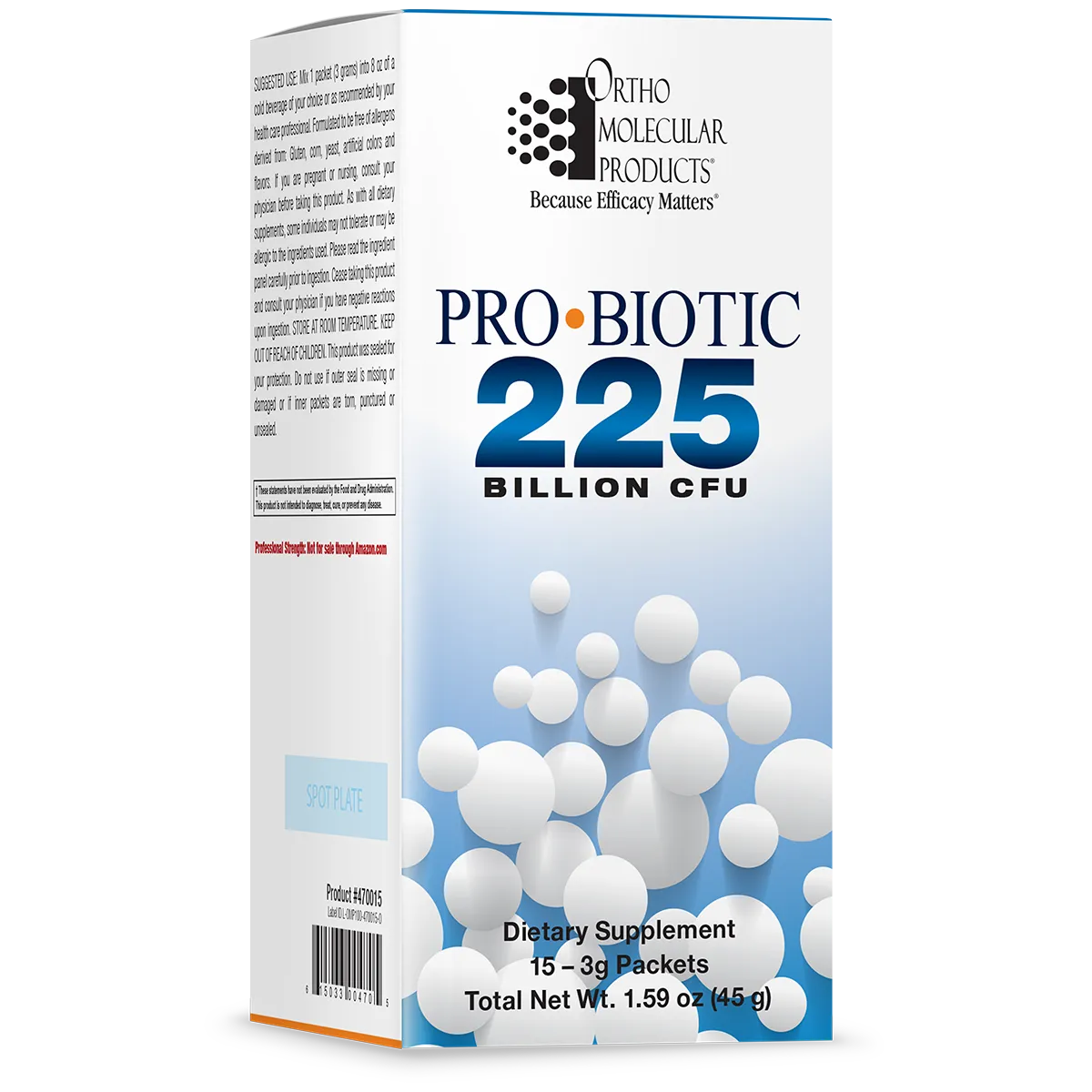
Probiotic 225 is a specialized, maximum-strength probiotic formulation engineered by Ortho Molecular Products to address severe gastrointestinal (GI) and immune challenges. Unlike standard daily probiotics, which typically offer between 1 and 50 billion colony-forming units (CFUs), Probiotic 225 delivers a massive, therapeutic dose of 225 billion active CFUs per single-serving packet. This high-potency approach is not intended for casual daily maintenance in a healthy individual; rather, it serves as a bio-therapeutic "reset" for a microbiome that has been devastated by viral infections, chronic inflammation, or prolonged antibiotic use. The sheer volume of bacteria is required to physically crowd out opportunistic pathogens and forcefully alter the hostile, inflammatory environment of a dysbiotic gut. This specific threshold of 225 billion CFUs is thought to be capable of activating over 1,700 genes involved in immune and inflammatory signaling, creating a rapid, systemic response that helps restore normal immune tolerance.
The efficacy of Probiotic 225 lies not just in its high CFU count, but in its precise, proprietary blend of six extensively researched, acid-resistant bacterial strains. These include Lactobacillus plantarum (Lp-115), Lactobacillus acidophilus (La-14), Bifidobacterium lactis (Bl-04), Lactobacillus salivarius (Ls-33), Lactobacillus casei (Lc-11), and Bifidobacterium bifidum (Bb-06). Each of these strains has been meticulously selected for its ability to survive the highly acidic environment of the stomach and the bile salts of the upper intestine, ensuring that viable, active organisms reach the colon where they are needed most. Furthermore, these strains are paired with Larch Arabinogalactan, a fermentable polysaccharide fiber sourced from the larch tree. This prebiotic fiber acts as a vital food source for the introduced bacteria, allowing them to rapidly colonize the intestinal wall while simultaneously stimulating the activity of the body's natural killer (NK) cells.
The Microbiome as an Active Organ
To understand how Probiotic 225 functions, we must first recognize the gut microbiome as a highly active, endocrine-like organ. The GI tract is a finely balanced ecosystem where roughly 500 different strains of bacteria, fungi, and viruses constantly compete for space and nutrients. In a state of health, known as eubiosis, beneficial commensal bacteria dominate this landscape. They perform a vast array of life-sustaining biochemical tasks: they synthesize essential vitamins (like Vitamin K and the B-complex), metabolize bile acids, neutralize dietary carcinogens, and produce the majority of the body's serotonin and dopamine. Most importantly, these beneficial microbes are in constant communication with the gut-associated lymphoid tissue (GALT), which houses approximately 70% to 80% of the body's entire immune system. By interacting with the GALT, a healthy microbiome continuously trains our immune cells, teaching them the difference between harmless food proteins and dangerous invading pathogens.
When this delicate balance is disrupted—whether by the persistence of a virus like SARS-CoV-2, chronic stress, poor diet, or medications—a state of dysbiosis occurs. In dysbiosis, the populations of beneficial, anti-inflammatory bacteria plummet, allowing potentially harmful, opportunistic organisms to overgrow. This shift fundamentally alters the biochemical output of the gut. Instead of producing soothing, anti-inflammatory metabolites, the overgrown pathogens produce toxic byproducts, such as lipopolysaccharides (LPS) and excessive ammonia. This toxic burden degrades the protective mucosal layer of the intestines, leading to a breakdown of the gut-immune barrier. Probiotic 225 intervenes in this chaotic environment by deploying its 225 billion CFUs to aggressively compete for adhesion sites on the intestinal epithelium, physically blocking pathogens from binding and initiating the process of mucosal repair.
Short-Chain Fatty Acids (SCFAs) and Cellular Fuel
At the molecular level, the most profound mechanism by which Probiotic 225 restores health is through the enhanced production of short-chain fatty acids (SCFAs). When the specific Bifidobacterium and Lactobacillus strains in this formula metabolize dietary fibers and the included Larch Arabinogalactan, they undergo a process of anaerobic fermentation. The primary byproducts of this fermentation are SCFAs, most notably acetate, propionate, and butyrate. These SCFAs are far more than mere metabolic waste products; they are highly active signaling molecules and the primary source of cellular energy for colonocytes (the epithelial cells lining the colon). Without an adequate supply of butyrate, colonocytes undergo autophagy and die, leading to the rapid degradation of the intestinal lining.
The biochemistry of SCFAs is remarkably elegant. Butyrate, in particular, acts as a potent inhibitor of histone deacetylases (HDACs) within the immune cells of the gut. By inhibiting HDACs, butyrate promotes the expression of specific genes that drive the expansion and differentiation of regulatory T cells (Tregs). Tregs are the "peacekeepers" of the immune system; their primary job is to suppress runaway inflammation and help prevent the immune system from attacking the body's own tissues or overreacting to harmless antigens. Additionally, SCFAs bind to G protein-coupled receptors (GPCRs), specifically GPR41 and GPR43, on the surface of intestinal epithelial cells. This binding triggers a cascade of intracellular signals that upregulate the production of tight junction proteins, the microscopic "glue" that holds the intestinal cells together. By massively increasing the population of SCFA-producing bacteria, Probiotic 225 provides the essential fuel required to rebuild the structural integrity of the gut and calm systemic immune hyper-reactivity.
How Long COVID and ME/CFS Impact the Gut Microbiome
Viral Persistence and the Disruption of Eubiosis
The connection between chronic, post-viral illnesses and severe gut dysfunction is one of the most intensely researched areas in modern medicine. In conditions like Long COVID and myalgic encephalomyelitis/chronic fatigue syndrome (ME/CFS), the initial viral infection acts as a catastrophic stressor that decimates the delicate ecosystem of the microbiome. Recent studies have demonstrated that SARS-CoV-2 RNA can remain hidden in the intestinal tissue of patients for many months, and sometimes years, after the acute infection has passed. This viral reservoir continuously provokes the local immune system, causing chronic, localized inflammation in the gut mucosa. As the immune system wages a never-ending battle against these viral remnants, the collateral damage is severe: the populations of beneficial, anti-inflammatory bacteria—particularly Faecalibacterium prausnitzii and Eubacterium rectale—are drastically reduced.
This loss of beneficial commensals creates a dangerous vacuum. Without the protective presence of these keystone species, opportunistic pathogens that normally exist in small, harmless numbers begin to multiply rapidly. This state of profound dysbiosis fundamentally alters the chemical environment of the gastrointestinal tract. The pH of the colon rises, becoming less acidic and more hospitable to harmful bacteria and fungi like Candida. Furthermore, the loss of F. prausnitzii means a catastrophic drop in the production of butyrate and other short-chain fatty acids. Without this vital cellular fuel, the cells lining the intestine begin to starve, setting the stage for a systemic breakdown of the body's primary defensive barrier. This is why so many patients experience the severe gastrointestinal symptoms seen with Long COVID, ranging from debilitating bloating and motility issues to profound malabsorption.
Leaky Gut and Systemic Endotoxemia
The starvation of the intestinal epithelial cells leads directly to a condition known as increased intestinal permeability, commonly referred to as "leaky gut." In a healthy gut, the epithelial cells are tightly bound together by complex protein structures called tight junctions (specifically proteins like Zonula Occludens-1, occludin, and claudins). These tight junctions act as a highly selective filter, allowing microscopic nutrients to pass into the bloodstream while blocking large, undigested food particles, toxins, and bacteria. However, in the dysbiotic environment of Long COVID and ME/CFS, the lack of SCFAs and the constant presence of inflammatory cytokines cause these tight junctions to break apart. The microscopic gaps between the cells widen, and the gut barrier loses its structural integrity.
Once the gut becomes leaky, a vicious cycle of systemic inflammation begins. Endotoxins—most notably lipopolysaccharides (LPS), which are toxic components of the cell walls of overgrown Gram-negative bacteria—escape from the gut lumen and flood directly into the bloodstream. This phenomenon is known as metabolic endotoxemia. When LPS enters the blood, it binds to Toll-like receptor 4 (TLR4) on the surface of macrophages and other immune cells throughout the body. This binding triggers an explosive release of pro-inflammatory cytokines, including Interleukin-6 (IL-6) and Tumor Necrosis Factor-alpha (TNF-α). This constant, low-grade systemic inflammation drives the profound, crushing fatigue and post-exertional malaise (PEM) that define ME/CFS and Long COVID. The immune system is locked in a perpetual state of high alert, draining the body's mitochondrial energy reserves to fight a phantom infection that is actually leaking from the patient's own gut.
The Gut-Brain Axis and Neuroinflammation
The consequences of a leaky gut and systemic endotoxemia do not stop at the physical body; they profoundly impact the brain and central nervous system. The gut and the brain are intimately connected via the gut-brain axis, a complex bidirectional communication network heavily reliant on the vagus nerve. When the gut is inflamed and dysbiotic, it sends distress signals up the vagus nerve directly to the brainstem. Furthermore, the systemic inflammation caused by circulating LPS can compromise the blood-brain barrier, making it "leaky" just like the gut. A recent comprehensive review on understanding the complexities of ME/CFS and Long COVID highlights how this barrier breakdown allows inflammatory cytokines to enter the brain, where they activate microglia—the brain's resident immune cells.
When microglia become chronically activated, they shift from their normal, neuroprotective role into a highly neurotoxic state. They release inflammatory mediators directly into the delicate neural tissue, causing widespread neuroinflammation. This neuroinflammatory state is the primary physiological driver behind the severe cognitive dysfunction, memory loss, and "brain fog" that patients experience. Additionally, because the dysbiotic gut is no longer producing adequate amounts of essential neurotransmitters like serotonin and dopamine, patients often suffer from profound mood dysregulation, anxiety, and sleep disturbances. The autonomic nervous system, which controls heart rate and blood pressure, also becomes dysregulated by this constant inflammatory signaling, contributing to the development of dysautonomia and POTS. Thus, the devastating neurological and autonomic symptoms of these chronic illnesses can frequently be traced back to the collapse of the gut microbiome.
Probiotic 225: Supporting Gut and Immune Function
Rebuilding the Intestinal Immune Barrier
Probiotic 225 is specifically formulated to intervene in the destructive cycle of leaky gut and systemic inflammation by aggressively rebuilding the intestinal immune barrier. The massive 225 billion CFU dose ensures that a therapeutically relevant number of bacteria survive the journey through the stomach to colonize the lower GI tract. Once there, strains like Lactobacillus plantarum (Lp-115) immediately begin to exert their structural benefits, actively upregulating the genetic expression of tight junction proteins. By stimulating the epithelial cells to produce more Zonula Occludens-1 (ZO-1) and occludin, L. plantarum helps to physically "zip up" the microscopic gaps between the cells, effectively sealing the leaky gut and halting the dangerous translocation of lipopolysaccharides (LPS) into the bloodstream.
Simultaneously, Lactobacillus casei (Lc-11) works to fortify the mucosal layer that coats the intestinal lining. This strain actively stimulates goblet cells—specialized epithelial cells—to secrete higher volumes of Mucin-2, the primary glycoprotein that makes up the protective mucus barrier. This thick mucus layer acts as a physical shield, helping to prevent harmful bacteria and abrasive food particles from coming into direct contact with the delicate epithelial cells beneath. Furthermore, L. casei has been shown to inhibit the NF-κB inflammatory signaling pathway within the gut tissue, leading to a sharp decrease in the local secretion of pro-inflammatory cytokines. By combining structural repair of the tight junctions with the reinforcement of the mucosal shield and the suppression of local inflammation, Probiotic 225 provides a comprehensive, multi-tiered approach to restoring the integrity of the gut-immune barrier.
Competitive Exclusion and Pathogen Control
One of the most critical mechanisms of action for high-dose probiotics is a process known as competitive exclusion. In a dysbiotic gut overrun by opportunistic pathogens, these harmful microbes firmly attach themselves to the receptor sites on the intestinal wall. Probiotic 225 combats this by flooding the environment with 225 billion highly competitive, beneficial organisms. Strains like Bifidobacterium bifidum (Bb-06) and Lactobacillus acidophilus (La-14) aggressively compete for these exact same adhesion sites and the limited nutrients available in the gut lumen. Because of the overwhelming numerical superiority provided by the high-dose formulation, the beneficial strains physically crowd out the pathogens, displacing them from the intestinal wall and forcing them to be excreted from the body.
Beyond physical displacement, several strains in Probiotic 225 engage in active chemical warfare against pathogens. Lactobacillus salivarius (Ls-33) and L. plantarum are prolific producers of bacteriocins—lethal, antimicrobial peptide compounds that act as highly targeted, natural antibiotics. These bacteriocins can directly lyse (break open) the cell walls of dangerous invading microbes, including Clostridium difficile and Helicobacter pylori, without harming the surrounding beneficial flora. Additionally, the rapid fermentation of Larch Arabinogalactan by these strains produces significant amounts of lactic and acetic acids. This metabolic activity drastically lowers the luminal pH of the colon, creating a highly acidic environment that is deeply inhospitable to Gram-negative pathogens and fungal overgrowths like Candida, while perfectly suiting the growth of healthy, acid-loving commensal bacteria.
Modulating Mast Cell Activation and Histamine Responses
For patients dealing with the complex intersection of Long COVID, ME/CFS, and mast cell activation syndrome (MCAS), the immune-modulating properties of Probiotic 225 are particularly vital. Mast cells are immune "first responders" that are heavily concentrated in the gut lining. In a leaky, dysbiotic gut, the constant influx of LPS and undigested food proteins continuously provokes these mast cells, causing them to degranulate and release massive amounts of histamine and inflammatory prostaglandins into the bloodstream. This systemic histamine overload drives a wide array of symptoms, from hives and flushing to rapid heart rate and profound brain fog. Understanding this dynamic is crucial, as detailed in our guide on autoimmunity and immune dysregulation in Long COVID.
Probiotic 225 helps to calm this hyper-reactive state through the action of Bifidobacterium lactis (Bl-04) and the suppression of systemic endotoxemia. By sealing the leaky gut, the formula cuts off the constant supply of LPS that triggers mast cell degranulation in the first place. Furthermore, B. lactis has been shown in clinical trials to drive the modulation of the adaptive immune system, helping to balance the Th1 and Th2 immune responses. A balanced Th1/Th2 ratio is critical for downregulating the allergic, histamine-driven pathways that dominate in MCAS. By promoting the expansion of regulatory T cells (Tregs) via increased SCFA production, the probiotic blend helps to re-establish immune tolerance, teaching the immune system to stop reacting to every minor stimulus and allowing the hyperactive mast cells to finally stabilize. This mechanism pairs well with other stabilizing interventions, such as Ketotifen for MCAS and Long COVID.
Enhancing Detoxification and Mineral Bioavailability
The profound metabolic activity of the 225 billion CFUs in this formula also plays a crucial role in systemic detoxification and nutrient absorption. In a state of severe dysbiosis, overgrown pathogenic bacteria often produce high levels of toxic metabolites, including ammonia, which can cross the blood-brain barrier and contribute significantly to neurocognitive dysfunction and brain fog. The inclusion of Larch Arabinogalactan in Probiotic 225 specifically addresses this issue. Clinical studies have demonstrated that the fermentation of this unique prebiotic fiber by beneficial bacteria actively minimizes ammonia synthesis in the gut, enhancing the body's ability to safely detoxify and excrete harmful compounds before they can enter systemic circulation.
Furthermore, the acidification of the gut lumen by strains like Lactobacillus acidophilus (La-14) dramatically improves the bioavailability of essential minerals. Many patients with chronic illness suffer from profound intracellular deficiencies in magnesium, calcium, copper, and zinc, despite adequate dietary intake, due to severe malabsorption in the inflamed gut. The lactic and acetic acids produced by the probiotic strains lower the local pH, which helps to ionize these crucial minerals, making them significantly easier for the damaged intestinal epithelial cells to absorb. By enhancing the uptake of these vital cofactors, Probiotic 225 supports the systemic enzymatic processes required for mitochondrial energy production, antioxidant defense, and overall cellular repair.
Symptoms Probiotic 225 May Help Manage
Severe Bloating and Distension: By crowding out gas-producing pathogenic bacteria and optimizing the fermentation of dietary fibers, the high-dose strains help reduce the abnormal accumulation of gas in the intestines, alleviating painful bloating.
Irregular Bowel Movements (Diarrhea and Constipation): The production of short-chain fatty acids (SCFAs) provides energy to the colonocytes, which helps regulate intestinal motility and water absorption, normalizing stool consistency and transit time.
Food Intolerances and Sensitivities: By rebuilding the tight junctions of the intestinal wall (healing "leaky gut"), the probiotic helps prevent large, undigested food proteins from entering the bloodstream and triggering systemic immune reactions.
Difficulty Digesting Dairy: Specific strains in the formula, such as Lactobacillus acidophilus, produce the enzyme lactase, which directly aids in the breakdown of difficult-to-digest compounds like lactose and casein, reducing post-meal GI distress.
Abdominal Pain and Cramping: By inhibiting localized inflammatory pathways (like NF-κB) and reducing the secretion of pro-inflammatory cytokines in the gut mucosa, the probiotic helps soothe the inflamed tissue that causes chronic cramping.
Brain Fog and Cognitive Dysfunction: By sealing the gut barrier and helping to prevent lipopolysaccharides (LPS) from entering the bloodstream, the formula reduces the systemic endotoxemia that drives neuroinflammation and microglial activation in the brain.
Post-Exertional Malaise (PEM) and Severe Fatigue: Restoring the microbiome helps lower the overall systemic inflammatory burden. When the immune system is no longer constantly fighting a leaky gut, the body can redirect its limited mitochondrial energy reserves toward cellular repair rather than perpetual immune defense.
Histamine Overload and MCAS Flares: By balancing the Th1/Th2 immune response and promoting regulatory T cells (Tregs), the probiotic helps restore immune tolerance, reducing the hyper-reactivity of mast cells and lowering systemic histamine release.
Frequent Infections and Immune Weakness: The inclusion of Larch Arabinogalactan actively stimulates the production and activity of Natural Killer (NK) cells, while the probiotic strains reinforce the gut-associated lymphoid tissue (GALT), strengthening the body's first line of defense against viral and bacterial pathogens.
Nutrient Malabsorption: By lowering the pH of the intestinal lumen through lactic acid production, the probiotic enhances the ionization and absorption of critical minerals like magnesium and zinc, which are essential for systemic energy production and nervous system health.
Practical Considerations: Forms, Dosing, and Absorption
Survivability and Targeted Delivery
Because probiotics are living organisms, their therapeutic potential is entirely dependent on their ability to survive the manufacturing process, shelf storage, and the perilous journey through the human digestive tract. The stomach is a highly acidic environment designed to destroy incoming bacteria, and the bile salts in the upper intestine act as powerful antimicrobial detergents. If a probiotic supplement is not properly engineered, the vast majority of the bacteria will die before they ever reach the colon, rendering the product useless. To overcome this, the microorganisms in Probiotic 225 are protected using specialized "BioShield" technology. The bacteria are meticulously sealed and freeze-dried away from moisture, heat, light, and oxygen. This advanced freeze-drying process places the bacteria into a state of suspended animation, allowing them to remain completely dormant and shelf-stable through their expiration date.
This dormant state is critical for targeted delivery. The freeze-dried organisms do not begin to reactivate until they are exposed to the warm, moisture-rich environment of the gastrointestinal tract. Combined with the inherent acid-resistance of the specific Lactobacillus and Bifidobacterium strains chosen for this formula, this protective manufacturing process ensures that a massive, therapeutically viable percentage of the 225 billion CFUs successfully navigates the stomach acid. Once they reach the alkaline environment of the lower intestines, they rapidly rehydrate, activate, and begin the process of colonization and competitive exclusion, delivering maximum benefit exactly where it is needed.
Optimal Dosing Strategies and Timing
Probiotic 225 is packaged in single-serving, 3-gram packets to ensure precise dosing and to protect the remaining product from moisture exposure. The suggested use is to mix one packet into 8 ounces of a cold beverage of your choice. It is imperative to use a cold or room-temperature liquid; mixing the powder into hot tea or coffee will instantly kill the live, freeze-dried organisms, completely neutralizing the supplement's efficacy. While it can be taken at any time, many functional medicine practitioners recommend taking high-dose probiotics either first thing in the morning on an empty stomach or right before bed. Taking it on an empty stomach ensures that the stomach acid levels are relatively low and that the transit time through the stomach is rapid, further increasing the survivability of the strains.
For patients who are currently undergoing antibiotic therapy—a common scenario for those managing secondary infections or SIBO—timing is crucial. Antibiotics cannot distinguish between harmful pathogens and beneficial probiotic strains; they will indiscriminately eradicate both. To protect the investment of a high-dose probiotic, it must be taken at least two to three hours away from any antibiotic dose. This window allows the probiotic strains time to pass through the upper GI tract and begin colonizing the mucosal layer before the next wave of antibiotics is introduced. In fact, utilizing a massive 225 billion CFU dose during and immediately after antibiotic treatment is one of the most effective strategies for helping to prevent the catastrophic, long-term microbiome devastation that antibiotics typically cause.
Navigating Histamine and D-Lactate Sensitivities
While Probiotic 225 is a powerful tool for rebuilding the gut, patients with severe Mast Cell Activation Syndrome (MCAS) or profound dysautonomia must approach high-dose probiotics with nuance and care. The complex interplay between histamine-producing strains and D-lactate is a critical consideration. Some common probiotic strains possess an enzyme called histidine decarboxylase, which converts dietary histidine directly into histamine inside the gut. For a patient already suffering from histamine overload, introducing billions of histamine-producing bacteria can trigger a severe symptom flare. Fortunately, the strains in Probiotic 225, particularly Bifidobacterium lactis and Lactobacillus plantarum, are generally considered histamine-neutral or even histamine-degrading, making them safer options for the MCAS population.
Another vital consideration is D-lactic acidosis. Certain bacteria ferment carbohydrates into D-lactic acid. In patients with severe dysbiosis, sluggish motility, or Small Intestinal Bacterial Overgrowth (SIBO), D-lactate can accumulate in the blood faster than the liver can clear it. This accumulation leads to a condition resembling D-lactic acidosis, characterized by severe, sudden-onset brain fog, ataxia, slurred speech, and cognitive crashes. While the strains in Probiotic 225 are highly beneficial, patients with a known history of severe D-lactate sensitivity or those who experience profound neurological flares from fermented foods should consult their healthcare provider before initiating a 225 billion CFU dose. In these highly sensitive cases, it may be necessary to start with a micro-dose—using only a fraction of the packet—and slowly titrate up over several weeks to allow the deeply compromised immune system time to adjust to the shifting microbial landscape. For those managing severe immune dysregulation, exploring complementary supports like Aller-Essentials for immune balance alongside gut restoration can be a highly effective strategy.
Follow the Science
Clinical Efficacy in Severe Dysbiosis
The scientific rationale for utilizing a massive 225 billion CFU dose is rooted in the understanding that severe dysbiosis requires a bio-therapeutic intervention, not just a daily supplement. A comprehensive review of gut health targeting in ME/CFS highlights that patients with complex chronic illnesses exhibit profound microbial imbalances, specifically a severe reduction in microbial diversity and an overabundance of pro-inflammatory, Gram-negative bacteria. Clinical trials curated by the Point Institute demonstrate that standard probiotic doses (1 to 50 billion CFUs) often fail to permanently alter this hostile environment because they lack the sheer numbers required to outcompete entrenched pathogens. However, high-dose therapies (ranging from 200 billion to over 1 trillion CFUs) have shown statistically significant efficacy in rapidly altering the gut environment, reducing inflammatory markers, and improving symptoms in patients with severe inflammatory bowel conditions and post-antibiotic dysbiosis. The massive influx of bacteria is necessary to forcefully shift the metabolic output of the gut from toxic endotoxins back to healing short-chain fatty acids (SCFAs).
Furthermore, a recent systematic review confirmed that while high-dose probiotics do not significantly alter the baseline gut flora of strictly healthy individuals (whose microbiomes are already established and resistant to permanent colonization), they are incredibly effective as an acute intervention for those with compromised barriers. In cases of leaky gut, the 225 billion CFU threshold has been shown to activate over 1,700 genes involved in immune signaling. This genetic activation triggers the upregulation of tight junction proteins (like ZO-1 and occludin) and the suppression of the NF-κB inflammatory pathway, providing a rapid, structural repair to the intestinal lining that lower doses simply cannot achieve.
Strain-Specific Research and Immune Modulation
The specific strains chosen for Probiotic 225 have been the subject of extensive, peer-reviewed clinical research. For example, an eight-week, double-blind, randomized, placebo-controlled trial evaluating Bifidobacterium lactis (Bl-04) demonstrated that this specific strain successfully supported a balanced immune response in individuals who were hypersensitive to environmental allergens. This is particularly relevant for the MCAS population, as B. lactis helps to balance the Th1 and Th2 adaptive immune responses, downregulating the hyper-reactive, allergic pathways that drive systemic histamine release. By promoting the expansion of regulatory T cells (Tregs), this strain helps re-establish the immune tolerance that is so often lost in chronic illness.
Similarly, Lactobacillus plantarum (Lp-115) and Lactobacillus salivarius (Ls-33) have been heavily researched for their potent antimicrobial properties. In experimental models, these strains have been proven to produce targeted bacteriocins—lethal protein compounds that actively lyse the cell walls of dangerous pathogens. Research has shown that these specific bacteriocins aggressively inhibit the growth of severe GI infections, including Clostridium difficile and Helicobacter pylori, without causing the collateral damage to beneficial flora that broad-spectrum pharmaceutical antibiotics do. This targeted, competitive exclusion is a cornerstone of how Probiotic 225 helps to clear out pathogenic overgrowths and prepare the mucosal tissue for repair.
Post-Viral Microbiome Shifts
The relevance of these mechanisms to Long COVID and ME/CFS is underscored by emerging research into post-viral endothelial and mucosal damage. A recent paper exploring virus-induced endothelial senescence argues that acute viral infections induce a senescence-associated secretory phenotype (SASP) that is highly pro-inflammatory and pro-oxidant. This systemic inflammation plausibly explains the multisystem features of these conditions, including the breakdown of the gut barrier and the formation of microclots. By restoring the production of butyrate and other SCFAs, high-dose probiotics provide the essential cellular energy required to combat this senescence, repair the endothelial and epithelial linings, and suppress the continuous release of inflammatory cytokines. While probiotics are not a cure for viral persistence, they are a critical tool for managing the devastating downstream effects that these viruses have on the microbiome and the gut-immune axis.
The Path Forward
Validating the Complexity of Healing
Living with complex chronic conditions like Long COVID, ME/CFS, dysautonomia, and MCAS is a profoundly exhausting experience. The symptoms are invisible, unpredictable, and often dismissed by a medical system that is not yet equipped to handle the intricate, multisystem nature of post-viral illness. If you are struggling with severe fatigue, debilitating brain fog, and chaotic gastrointestinal distress, it is crucial to understand that your symptoms are not in your head—they are deeply rooted in the physiological breakdown of your body's foundational systems, particularly the gut microbiome. The loss of beneficial bacteria, the starvation of your intestinal cells, and the resulting systemic inflammation are very real, measurable phenomena. Healing from this level of dysbiosis is not a quick fix; it is a complex, non-linear process that requires patience, self-compassion, and highly targeted interventions.
It is also important to acknowledge that because your immune system is currently in a state of hyper-reactivity, your body may respond unpredictably to new supplements. What works perfectly for one patient may cause a flare in another. This is the reality of navigating a damaged gut-brain axis. Healing requires a willingness to listen closely to your body, to start slowly, and to adjust your approach as your unique microbiome begins to shift and stabilize. You are undertaking the difficult work of rebuilding an entire internal ecosystem from the ground up, and every small step toward restoring that balance is a victory worth recognizing.
Integrating Probiotics into Your Protocol
Probiotic 225 offers a potent, clinical-grade tool for addressing the severe dysbiosis and leaky gut that drive so many chronic symptoms. By delivering a massive 225 billion CFU dose of targeted, acid-resistant strains, it provides the sheer biological force necessary to crowd out pathogens, rebuild the intestinal immune barrier, and restore the vital production of short-chain fatty acids. However, it is essential to remember that high-dose probiotics are just one piece of a comprehensive management strategy. True healing requires a multifaceted approach that includes nervous system regulation, targeted mast cell stabilizers, meticulous pacing to avoid post-exertional malaise (PEM), and a diet tailored to your specific sensitivities.
As you consider adding this powerful intervention to your protocol, we strongly encourage you to do so under the guidance of a healthcare provider who understands the complexities of Long COVID, ME/CFS, and MCAS. They can help you determine the optimal dosing strategy, navigate any potential histamine or D-lactate sensitivities, and ensure that this supplement integrates safely with your existing medications and treatments. Rebuilding your microbiome is a foundational step toward reclaiming your energy and immune stability, and with the right tools and support, it is a deeply worthwhile journey.