Can ProbioSpore™ Support Gut Health and Immunity in Long COVID and ME/CFS?
March 6, 2026
ProbioSporeLong COVIDME/CFS
Share:
Disclaimer: The information provided here is for educational purposes only and is not intended as medical advice. It should not be used to diagnose, treat, cure, or prevent any medical condition. Instead, use it as a starting point for discussion with your healthcare provider. Always consult with a qualified healthcare provider before starting any new medication, supplement, device, or making changes to your health regimen.
Months or even years after recovering from an initial viral infection, many individuals find themselves battling a complex web of unpredictable and debilitating symptoms. From profound brain fog and crushing post-exertional malaise to sudden food intolerances and a racing heart rate, living with conditions like Long COVID, myalgic encephalomyelitis/chronic fatigue syndrome (ME/CFS), and dysautonomia can feel like navigating a maze without a map. Often, patients are told their standard laboratory results look perfectly normal, yet their daily reality is anything but. If you are dealing with these complex chronic conditions, you already know that the search for validating, science-backed management strategies is a full-time, exhausting job. You are not alone in this frustration, and your symptoms have a very real, physiological basis.
One of the most critical, yet frequently overlooked, pieces of this complex chronic illness puzzle lies within the gastrointestinal (GI) tract. Emerging clinical research increasingly points to the gut microbiome as a central command center for both the immune system and the autonomic nervous system. When the delicate balance of gut bacteria is disrupted by viral infections, chronic inflammation, or physical stress, it can trigger a cascade of systemic issues that drive post-viral symptoms. This is where specialized, targeted interventions, such as spore-based probiotics, come into play. ProbioSpore™ is a unique, clinically formulated probiotic designed to survive the harsh environment of the digestive tract, helping to restore microbial balance, support the intestinal barrier, and modulate the immune response from the inside out.
TL;DR
Gut health is closely linked to Long COVID, ME/CFS, and dysautonomia symptoms.
ProbioSpore™ uses resilient, spore-based bacteria that survive stomach acid to reach your intestines.
These probiotics may help support gut lining repair, balance immunity, and reduce systemic inflammation.
Always consult your healthcare provider before adding new supplements to your management plan.
What is ProbioSpore™?
The Power of Spore-Based Probiotics
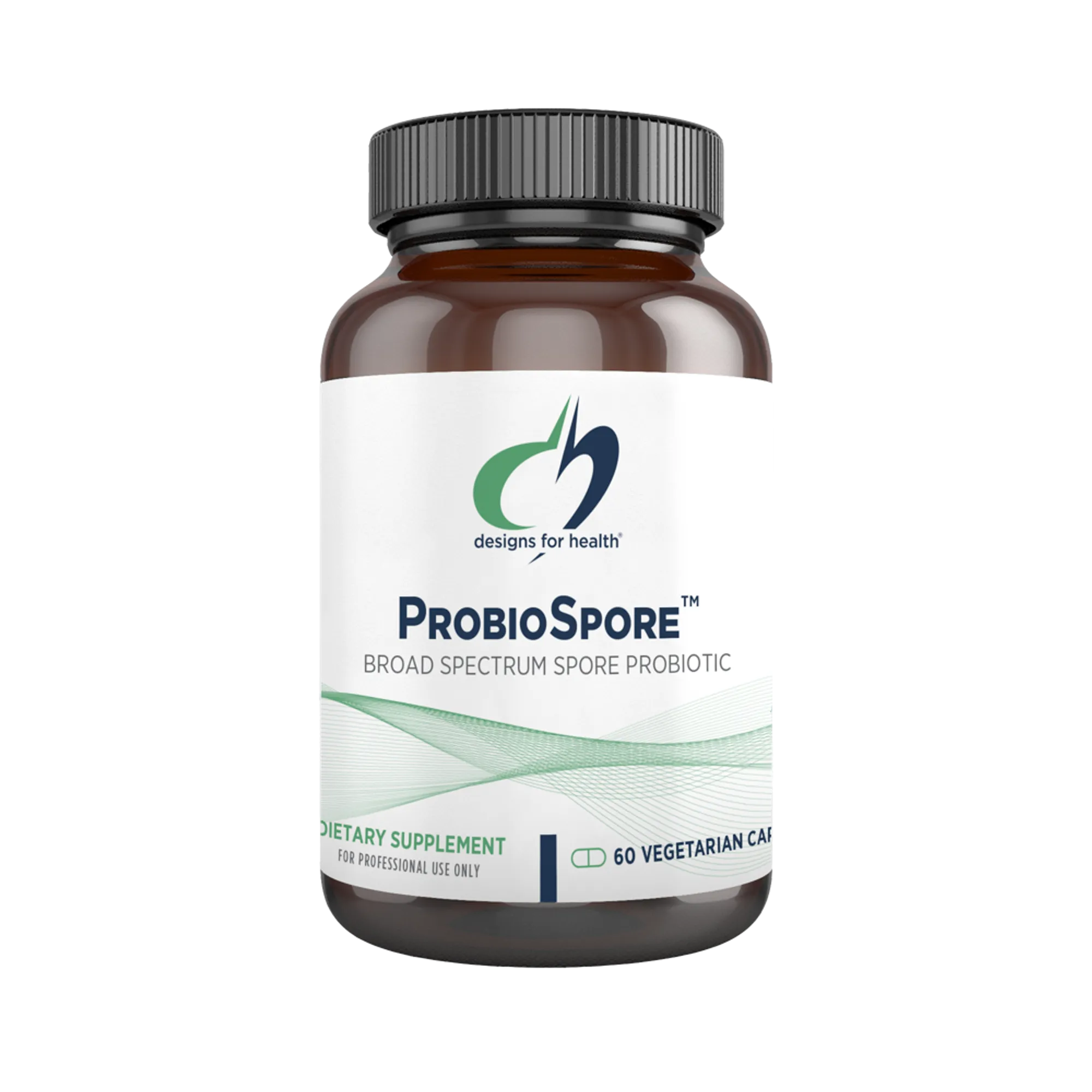
ProbioSpore™ is a specialized, high-potency spore-based probiotic supplement formulated to promote comprehensive gastrointestinal health, optimize digestion, and support robust immune function. Unlike traditional probiotics, which are often composed of fragile, vegetative bacterial strains like Lactobacillus and Bifidobacterium, ProbioSpore™ utilizes five clinically studied strains from the Bacillus genus. These specific strains include Bacillus coagulans (Lactospore®, BCP92, Lacris-15), Bacillus subtilis (DE111®), and Bacillus clausii (CSI-08). These unique bacteria are known as soil-based organisms (SBOs), meaning they naturally reside in the earth and have evolved highly specialized biological mechanisms to survive extreme and highly variable environmental conditions over millions of years. This evolutionary advantage makes them incredibly resilient when introduced to the human body.
The Endospore Armor and Survivability
The defining characteristic of the Bacillus strains found in ProbioSpore™ is their remarkable ability to form an endospore. This endospore acts as a microscopic, impenetrable suit of armor, consisting of a tough, keratin-like protein shell that completely encapsulates the bacteria's genetic material and vital cellular machinery. This biophysical shield allows the bacteria to remain in a dormant, highly protected state while navigating the incredibly hostile environment of the human digestive system. Where traditional vegetative probiotics are often rapidly destroyed by highly acidic gastric juices (which have a pH of 1.5 to 2.5) and caustic bile salts in the duodenum, spore-based probiotics boast a survivability rate of over 90 percent. They pass through the harsh stomach environment completely intact, ensuring that the maximum viable dose successfully reaches the lower gastrointestinal tract where it is needed most.
Germination and Microbiome Modulation
Once these resilient spores reach the nutrient-rich, favorable environment of the small and large intestines, a fascinating and highly coordinated biological process occurs. The dormant spores detect the subtle shift in pH and the availability of specific nutrients, prompting them to shed their protective protein armor and "germinate" into active, metabolically functioning vegetative cells. In this active state, they do not permanently colonize the gut wall in the way traditional probiotics attempt to; rather, they act as transient "gardeners" or "managers" of the microbiome ecosystem. They competitively exclude pathogenic bacteria by secreting natural antimicrobial peptides, such as surfactin, clausin, and bacteriocins, which directly neutralize harmful microbes.
Simultaneously, these active Bacillus cells produce essential metabolites like L-lactic acid and various enzymes that fundamentally alter the local biochemical environment. By gently lowering the local pH through lactic acid production, they create an inhospitable environment for opportunistic pathogens while simultaneously creating an ideal, highly favorable environment for native, beneficial keystone bacteria to thrive and multiply. This dual-action mechanism—weeding out the bad while fertilizing the good—makes spore-based probiotics exceptionally effective at restoring a diverse, balanced, and resilient gut microbiome, which is foundational for overall systemic health.
How Long COVID and ME/CFS Impact the Gut Microbiome
Viral Persistence and Gut Dysbiosis
The connection between post-viral syndromes and severe gastrointestinal dysfunction is profound and heavily documented in recent medical literature. In conditions like Long COVID, researchers have identified that the SARS-CoV-2 virus can persist in the gut tissue and mucosal lining for months or even years after the acute respiratory infection has passed. This viral persistence triggers a state of chronic, localized inflammation that fundamentally alters the landscape of the gut microbiome, a pathological state known as gut dysbiosis. During dysbiosis, the populations of anti-inflammatory, beneficial bacteria are drastically reduced, while opportunistic and potentially pathogenic bacteria are allowed to overgrow unchecked. You can learn more about the specific gastrointestinal symptoms seen with Long COVID in our dedicated clinical resource.
Intestinal Permeability and the Immune Response
This chronic state of dysbiosis directly compromises the structural integrity of the intestinal lining, leading to a cascade of systemic immune issues. The gut barrier is composed of a single layer of epithelial cells held tightly together by complex protein structures known as tight junctions. When harmful bacteria overgrow, they produce damaging endotoxins like lipopolysaccharides (LPS) that degrade these tight junctions, leading to intestinal hyperpermeability, commonly referred to in functional medicine as "leaky gut." When the gut is leaky, undigested food particles, environmental toxins, and bacterial fragments escape the digestive tract and enter the systemic bloodstream. The immune system, recognizing these foreign invaders, mounts a massive, systemic inflammatory response in an attempt to protect the body.
This constant, low-grade immune activation is incredibly taxing on the body's cellular energy reserves. The immune system demands massive amounts of adenosine triphosphate (ATP) to sustain this inflammatory response, effectively stealing energy away from muscles, the brain, and other vital organs. This metabolic theft is a primary driver of the profound, debilitating post-exertional malaise (PEM) and chronic fatigue seen in ME/CFS and Long COVID. Understanding what causes Long COVID often requires looking closely at this persistent, gut-driven immune dysregulation and the resulting energy crisis at the cellular level.
The Vagus Nerve, Dysautonomia, and MCAS
The impact of gut dysbiosis extends far beyond the digestive tract, heavily influencing the autonomic nervous system and mast cell stability throughout the entire body. The gut and brain are in constant, bidirectional communication via the vagus nerve, a critical neurological component of the parasympathetic "rest and digest" nervous system. When the gut is chronically inflamed, vagal tone is severely impaired, which can shift the entire body into a chronic sympathetic "fight or flight" state. This neurological imbalance is a hallmark of dysautonomia and Postural Orthostatic Tachycardia Syndrome (POTS), leading to unpredictable symptoms like rapid heart rate, severe blood pooling in the extremities, and debilitating dizziness upon standing.
Furthermore, the mucosal lining of the gastrointestinal tract is home to a massive population of mast cells, which act as the immune system's first responders. The constant influx of endotoxins from a leaky gut can trigger these highly sensitive cells to inappropriately degranulate, releasing massive amounts of histamine, cytokines, and other inflammatory mediators into the surrounding tissue and bloodstream. This exacerbates Mast Cell Activation Syndrome (MCAS), creating a vicious cycle where gut inflammation drives nervous system dysfunction, which in turn further impairs gut motility, leading to even more bacterial overgrowth and histamine release. Breaking this cycle is essential for patients exploring how can you live with long-term COVID.
ProbioSpore™: Supporting Gut Integrity and Immune Function
Restoring the Intestinal Barrier
Supplementing with the specific spore-based strains found in ProbioSpore™ offers a highly targeted, mechanistic approach to repairing the foundational damage caused by chronic illness and post-viral inflammation. Bacillus clausii (CSI-08), one of the key ingredients in this formulation, has been clinically shown to attenuate the pro-inflammatory cytokine response triggered by endotoxins like LPS. By actively reducing this localized inflammation at the cellular level, B. clausii helps protect the delicate epithelial cells of the gut lining from severe oxidative stress and structural degradation. This cytoprotective effect is crucial for halting the continuous cycle of intestinal damage that drives systemic symptoms.
Furthermore, these specific Bacillus strains actively upregulate the genetic expression of critical tight junction proteins, such as ZO-1, claudin-1, and occludin. This biological process physically tightens the microscopic gaps between intestinal epithelial cells, effectively sealing the "leaky gut." By restoring the structural integrity of the mucosal barrier, ProbioSpore™ helps reduce the systemic leakage of bacterial endotoxins and undigested proteins into the bloodstream. This reduction in endotoxemia directly lowers the systemic inflammatory burden, which is a critical step in reducing the neuroinflammation that drives severe brain fog and cognitive dysfunction in complex chronic illnesses.
Modulating the Immune System
Because approximately 70 percent of the entire human immune system resides in the gut-associated lymphoid tissue (GALT), optimizing the microbiome is absolutely essential for achieving systemic immune regulation. Bacillus subtilis (DE111®) plays a crucial, well-documented role in this process by acting as a powerful immunomodulator. Clinical trials have demonstrated that DE111® helps balance the immune response by promoting the production of anti-inflammatory cytokines, such as Interleukin-10 (IL-10), while simultaneously downregulating pro-inflammatory markers like TNF-alpha and Interleukin-6 (IL-6). This delicate balancing act is vital for helping to keep the immune system from causing collateral tissue damage.
This immunomodulatory effect is particularly vital for patients with Long COVID, ME/CFS, and MCAS, whose immune systems are often stuck in a hyper-reactive, overstimulated state. By effectively "training" the innate immune system (specifically macrophages and regulatory T-cells) to respond appropriately to actual pathogenic threats without overreacting to harmless stimuli, ProbioSpore™ helps calm systemic inflammation. This stabilization of the immune response is also a key factor in reducing the hyper-reactivity of mast cells, thereby helping to mitigate the unpredictable allergic-type reactions and histamine flares commonly experienced by patients with MCAS.
Enhancing Motility and Combating SIBO
Many patients with dysautonomia and ME/CFS struggle with severely impaired gut motility (gastroparesis), leading to secondary conditions like Small Intestinal Bacterial Overgrowth (SIBO). Traditional vegetative probiotics can sometimes exacerbate SIBO by prematurely fermenting in the slow-moving small intestine, causing severe bloating, painful gas, and a worsening of brain fog. The spore-based strains in ProbioSpore™, particularly Bacillus coagulans (Lactospore®), offer a much safer and more effective alternative. Research indicates that Lactospore® significantly improves bowel regularity and reduces abdominal discomfort without contributing to small intestinal bacterial overgrowth.
By producing significant amounts of L-lactic acid, B. coagulans gently lowers the pH of the gastrointestinal tract. This acidic shift creates a highly inhospitable environment for overgrown, gas-producing pathogens while simultaneously stimulating healthy peristalsis—the involuntary muscle contractions that move food and waste through the digestive tract. This prokinetic-like effect helps clear out stagnant bacteria and waste, reducing the toxic burden on the liver and immune system. For patients wondering do Long COVID symptoms come and go, stabilizing gut motility is often a key factor in reducing the frequency and severity of symptom flares.
Short-Chain Fatty Acid Production
The metabolic byproducts generated by the Bacillus strains in ProbioSpore™ are arguably just as important as the bacteria themselves. As these resilient spores germinate and interact with the native microbiome ecosystem, they significantly boost the host's overall production of short-chain fatty acids (SCFAs), particularly butyrate, acetate, and propionate. Butyrate is the primary and most preferred energy source for the cells lining the colon (colonocytes) and possesses potent, systemic anti-inflammatory properties that extend far beyond the digestive tract.
By increasing SCFA levels, ProbioSpore™ not only fuels the rapid healing and regeneration of the gastrointestinal lining but also heavily supports the gut-brain axis. Higher circulating levels of butyrate have been directly linked to reduced neuroinflammation and improved blood-brain barrier integrity. This is a critical mechanistic factor in managing the severe brain fog, memory issues, and cognitive dysfunction frequently reported by patients navigating post-viral syndromes. Furthermore, SCFAs play a vital role in regulating mitochondrial function, helping to restore cellular energy production in patients suffering from profound fatigue.
Symptoms ProbioSpore™ May Help Manage
Gastrointestinal and Digestive Symptoms
Bloating and Abdominal Distension: By competitively excluding gas-producing pathogenic bacteria and archaea, the Bacillus strains in ProbioSpore™ can significantly reduce painful bloating and uncomfortable abdominal distension after meals.
Irregular Bowel Movements: Bacillus coagulans (Lactospore®) has been clinically shown to alleviate occasional constipation and promote healthy, regular bowel motility, which is often severely impaired in patients with dysautonomia and vagus nerve dysfunction.
Food Sensitivities and Intolerances: By actively supporting the repair of intestinal permeability (leaky gut) and stabilizing the immune response in the gut-associated lymphoid tissue, ProbioSpore™ may help reduce the hyper-reactivity to specific foods often seen in MCAS and histamine intolerance.
Systemic and Neurological Symptoms
Post-Viral Fatigue and PEM: By supporting the gut barrier and helping to reduce endotoxemia (the leakage of toxins into the bloodstream), ProbioSpore™ may help lower the massive systemic inflammatory burden that heavily drains cellular energy reserves and triggers post-exertional crashes.
Brain Fog and Cognitive Dysfunction: The increased production of short-chain fatty acids, particularly butyrate, helps lower neuroinflammation via the gut-brain axis and supports blood-brain barrier integrity, potentially improving mental clarity, focus, and memory recall.
Immune Hyper-Reactivity: Bacillus subtilis (DE111®) helps modulate the innate and adaptive immune systems, promoting anti-inflammatory regulatory T-cell pathways that can calm the overactive, hyper-vigilant immune responses characteristic of Long COVID and ME/CFS.
Autonomic Nervous System Dysregulation: By reducing gut-based inflammation and supporting a healthy microbiome balance, spore-based probiotics can help restore proper vagal tone, which is essential for managing the rapid heart rate and blood pressure fluctuations seen in POTS.
Practical Considerations: Forms, Dosing, and Absorption
Bioavailability and Survivability
When evaluating any probiotic supplement, bioavailability—the amount of active, viable ingredients that actually reach their intended target—is absolutely paramount. Because ProbioSpore™ utilizes highly resilient, spore-forming Bacillus strains, its bioavailability is exceptionally high compared to traditional vegetative probiotics. The natural, keratin-like endospore shell physically protects the bacteria from severe degradation by stomach acid, caustic bile salts, and harsh pancreatic digestive enzymes. This means that you do not need to consume massive, bloated CFU (colony-forming unit) counts—often seen in the 50 to 100 billion range in traditional supplements—to achieve a meaningful clinical effect.
The 10.1 billion total CFU provided in a single, carefully formulated capsule of ProbioSpore™ is highly efficient and clinically relevant. Clinical pharmacokinetic studies have demonstrated that the vast majority of these spores will successfully survive gastric transit, reach the intestines intact, and successfully germinate into active vegetative cells to provide their targeted health benefits. This high survival rate ensures that you are actually receiving the viable dose listed on the bottle, rather than wasting money on fragile bacteria that die off in the stomach before they can exert any positive biological influence.
Optimal Timing and Administration
To maximize the clinical efficacy and absorption of ProbioSpore™, it is generally recommended to take one capsule per day with a meal, or as specifically directed by your healthcare practitioner. Taking the spore-based probiotic alongside food is highly beneficial for several physiological reasons. First, the physical presence of food naturally dilutes stomach acid and raises the gastric pH, providing an even safer, less hostile passage for the spores as they travel toward the small intestine. Second, the macronutrients in your meal—particularly complex carbohydrates, polyphenols, and dietary fibers—act as natural prebiotics. These prebiotics provide the necessary metabolic fuel for the spores to rapidly germinate, multiply, and thrive once they reach the lower gastrointestinal tract.
Unlike many traditional probiotics that are highly sensitive to temperature and light, ProbioSpore™ is completely shelf-stable. The endospore armor protects the bacteria from heat and desiccation, meaning the supplement does not require strict refrigeration to maintain its potency and CFU count. This makes ProbioSpore™ highly convenient for daily use, keeping on your nightstand, or traveling, ensuring you can maintain your gut health regimen consistently without worrying about the supplement degrading over time.
Tolerability and Potential Interactions
Spore-based probiotics are generally very well-tolerated, even by individuals with highly sensitive digestive systems, severe dysbiosis, or complex conditions like SIBO and MCAS. Because these specific Bacillus strains do not permanently colonize the small intestine in a way that contributes to overgrowth, and because they do not naturally produce high levels of histamine during fermentation, they are significantly less likely to trigger the severe bloating, brain fog, or allergic-type mast cell reactions sometimes associated with standard Lactobacillus or fermented food supplements. They are often considered a much safer starting point for patients with severe histamine intolerance.
However, as with any new targeted supplement or medical intervention, it is entirely possible to experience mild, temporary changes in bowel habits, slight abdominal gurgling, or mild gas during the first few days of use. This is often referred to as a "die-off" or Herxheimer reaction, which occurs as the gut microbiome begins to rapidly shift, rebalance, and clear out pathogenic bacteria. These mild symptoms typically resolve on their own within a week as the gut ecosystem stabilizes. Always consult with your healthcare provider before starting ProbioSpore™, especially if you are currently taking strong immunosuppressive medications, undergoing chemotherapy, or have a severely compromised immune system, to ensure it is safe and appropriate for your specific case.
Follow the Science
Clinical Evidence for Bacillus coagulans
The scientific and medical literature robustly supports the use of the specific bacterial strains found in ProbioSpore™ for managing both gastrointestinal dysfunction and systemic inflammation. A pivotal, double-blind, randomized, placebo-controlled clinical trial published in the peer-reviewed Nutrition Journal rigorously investigated the efficacy of Bacillus coagulans MTCC 5856 (Lactospore®) in patients diagnosed with diarrhea-predominant irritable bowel syndrome (IBS). The study tracked 36 patients over a 90-day period. The researchers found that patients receiving the probiotic experienced a statistically significant 45.1 percent decrease in stool frequency, alongside marked improvements in bloating, vomiting, and severe abdominal pain compared to the placebo group.
Furthermore, a subsequent landmark 2018 clinical study demonstrated that this exact same Bacillus coagulans strain significantly reduced serum myeloperoxidase, a key blood biomarker used to measure acute and chronic systemic inflammation. Remarkably, the study also found that supplementation with Lactospore® significantly improved symptoms of co-existing major depressive disorder in these IBS patients. This provides compelling, real-world evidence of the gut-brain axis in action, showing that reducing gut inflammation with targeted spores can directly alleviate neurological and psychiatric symptoms driven by systemic inflammation.
Immune Modulation and Bacillus subtilis
The profound immunomodulatory effects of Bacillus subtilis (DE111®) have also been extensively documented and validated in human clinical trials. A randomized, double-blind study published in the International Journal of Molecular Sciences closely examined the effects of DE111® on the immune system function of healthy adults. The researchers observed that four weeks of supplementation with DE111® successfully promoted an anti-inflammatory immune profile. It significantly reduced basal levels of pro-inflammatory immune cells while simultaneously enhancing the body's innate ability to respond quickly and appropriately to bacterial challenges, showcasing its ability to "tune" the immune system.
Additionally, a groundbreaking 2021 clinical study provided the first real-time, in vivo evidence that DE111® spores successfully survive gastric transit and actively germinate in the human small intestine. By utilizing participants with ileostomies, researchers were able to directly sample the contents of the small intestine after probiotic ingestion. They confirmed that within just three hours, the dormant spores had successfully navigated the stomach acid and transitioned into active, metabolically functioning vegetative cells. This definitively confirms their exceptionally high bioavailability and proves they are metabolically active exactly where critical nutrient absorption and immune interactions occur.
Post-Viral Fatigue and Spore Probiotics
Most excitingly for the chronic illness community, emerging clinical research is directly linking the use of spore-based probiotics to the rapid resolution of severe post-viral symptoms. A highly relevant 2021 randomized, double-blind, placebo-controlled trial investigated the use of a specialized spore-based probiotic complex (which included strains of Bacillus coagulans, Bacillus subtilis, and Bacillus clausii) in 200 patients suffering from debilitating post-COVID fatigue and muscle weakness. The patients were monitored over a 14-day intervention period to assess changes in their physical and cognitive energy levels.
The results of this trial were striking. By day 14, an astounding 91 percent of the patients in the active probiotic intervention group experienced a total clinical resolution of their fatigue, compared to just 15 percent of the patients in the placebo group. The treatment group also demonstrated significantly greater, measurable reductions in both physical and mental fatigue scores on standardized clinical assessments. This robust data strongly suggests that actively repairing gut dysbiosis and sealing the intestinal barrier with spore-based probiotics is a highly effective, foundational strategy for mitigating the debilitating exhaustion associated with conditions like Long COVID and ME/CFS. If you are currently exploring what drugs are used for COVID long haulers, integrating targeted microbiome support is increasingly becoming a non-negotiable component of comprehensive care.
The Path Forward
A Holistic Approach to Healing
Living day in and day out with complex, invisible illnesses like Long COVID, ME/CFS, dysautonomia, and MCAS is an incredibly challenging and often isolating journey. It is completely valid to feel overwhelmed by the unpredictable nature of your daily symptoms and the sheer amount of physical and mental energy required just to get through basic tasks. While there is no single, overnight miracle solution for these deeply complex conditions, understanding the profound, bidirectional connection between your gut microbiome, your immune system, and your autonomic nervous system opens the door to highly targeted, effective management strategies. Healing the gut is not an instantaneous process, but by providing your body with the right biological tools, you can begin to lower systemic inflammation, repair cellular damage, and restore your energy reserves.
Integrating ProbioSpore™ into Your Routine
ProbioSpore™ offers a clinically grounded, highly survivable, and scientifically validated method for supporting your gastrointestinal health and modulating your hyper-reactive immune response. By utilizing incredibly resilient, spore-based Bacillus strains, this specialized supplement ensures that vital beneficial bacteria actually survive the journey to your intestines to perform their critical, healing work. Remember that supplements are always most effective when they are utilized as one piece of a comprehensive, holistic management plan that also includes strict energy pacing, detailed symptom tracking, personalized dietary adjustments, and ongoing medical supervision. Always consult with your healthcare provider to ensure that any new supplement is safe and appropriate for your specific clinical needs, and to discuss how it best fits into your broader, long-term management strategy.
Sources
Spore-forming probiotics survive gastric transit and germinate in the human small intestine
Immunomodulatory and Antioxidant Properties of a Novel Potential Probiotic Bacillus clausii CSI08
Immunomodulatory Effects of Bacillus subtilis DE111 in Healthy Adults
Bacillus coagulans MTCC 5856 for the management of major depression with irritable bowel syndrome