Can ProbioMed™ Women Support the Gut-Vagina Axis in Long COVID and ME/CFS?
March 6, 2026
ProbioMed WomenLong COVIDME/CFS
Share:
Disclaimer: The information provided here is for educational purposes only and is not intended as medical advice. It should not be used to diagnose, treat, cure, or prevent any medical condition. Instead, use it as a starting point for discussion with your healthcare provider. Always consult with a qualified healthcare provider before starting any new medication, supplement, device, or making changes to your health regimen.
For many women navigating the complex landscape of post-acute infection syndromes, the symptoms extend far beyond profound fatigue and cognitive dysfunction. You might find yourself battling a frustrating, seemingly endless cycle of recurrent vaginal infections, unexplained digestive distress, and sudden food intolerances that never existed before your illness. When you bring these concerns to a standard medical appointment, they are often treated as isolated incidents—a prescription for antibiotics here, an antifungal cream there. But what if these disparate symptoms are actually interconnected manifestations of a deeper, systemic disruption?
In the wake of viral infections, the delicate ecosystems of our bodies can be thrown into chaos. This is where targeted microbiome support becomes a critical piece of the management puzzle. ProbioMed™ Women by Designs for Health is not just a standard probiotic; it is a highly specialized, clinically researched formulation designed to address the unique intersections of vaginal, urinary, digestive, and immune health. In this comprehensive guide, we will explore the intricate science behind the gut-vagina axis, how chronic conditions disrupt this delicate balance, and how the specific, patented strains in ProbioMed™ Women work at a cellular level to support your body's recovery and resilience.
TL;DR
Chronic conditions like Long COVID can disrupt the gut-vagina axis, leading to systemic and localized symptoms.
ProbioMed™ Women uses targeted probiotic strains to support vaginal pH and reinforce the intestinal barrier.
Specific strains in the formula may help manage histamine levels and support immune system regulation.
What is ProbioMed™ Women?
The Complex Ecosystem of the Female Microbiome
The human microbiome is not merely a collection of bacteria; it is a dynamic, highly communicative organ system that dictates everything from nutrient absorption to immune system regulation. In a healthy female body, the microbiome is highly compartmentalized and specialized depending on its location. The gastrointestinal tract thrives on immense microbial diversity, acting as a bustling metropolis of thousands of different bacterial species working in tandem to digest food and regulate systemic immunity. In stark contrast, the healthy vaginal microbiome operates more like a highly specialized monoculture farm. It relies on a very low diversity of bacteria, specifically dominated by Lactobacillus species, to maintain a highly acidic, protective environment that actively wards off opportunistic pathogens and infections.
Historically, medicine treated the digestive system and the reproductive system as entirely separate entities, leading to fragmented care for women experiencing overlapping symptoms. However, modern research has illuminated the "gut-vagina axis," a profound physiological connection between these two microbiomes. The gastrointestinal tract serves as the primary reservoir for the body's microbial populations. Through a process of physical migration across the perineum and complex systemic immune signaling, the health of the gut directly dictates the health of the vaginal and urinary tracts. When the gut microbiome is balanced, it continuously seeds the urogenital tract with beneficial bacteria. Conversely, when the gut is compromised by chronic illness, it can become a source of systemic inflammation and pathogenic overgrowth that cascades directly into the reproductive system.
The Targeted Design of ProbioMed™ Women
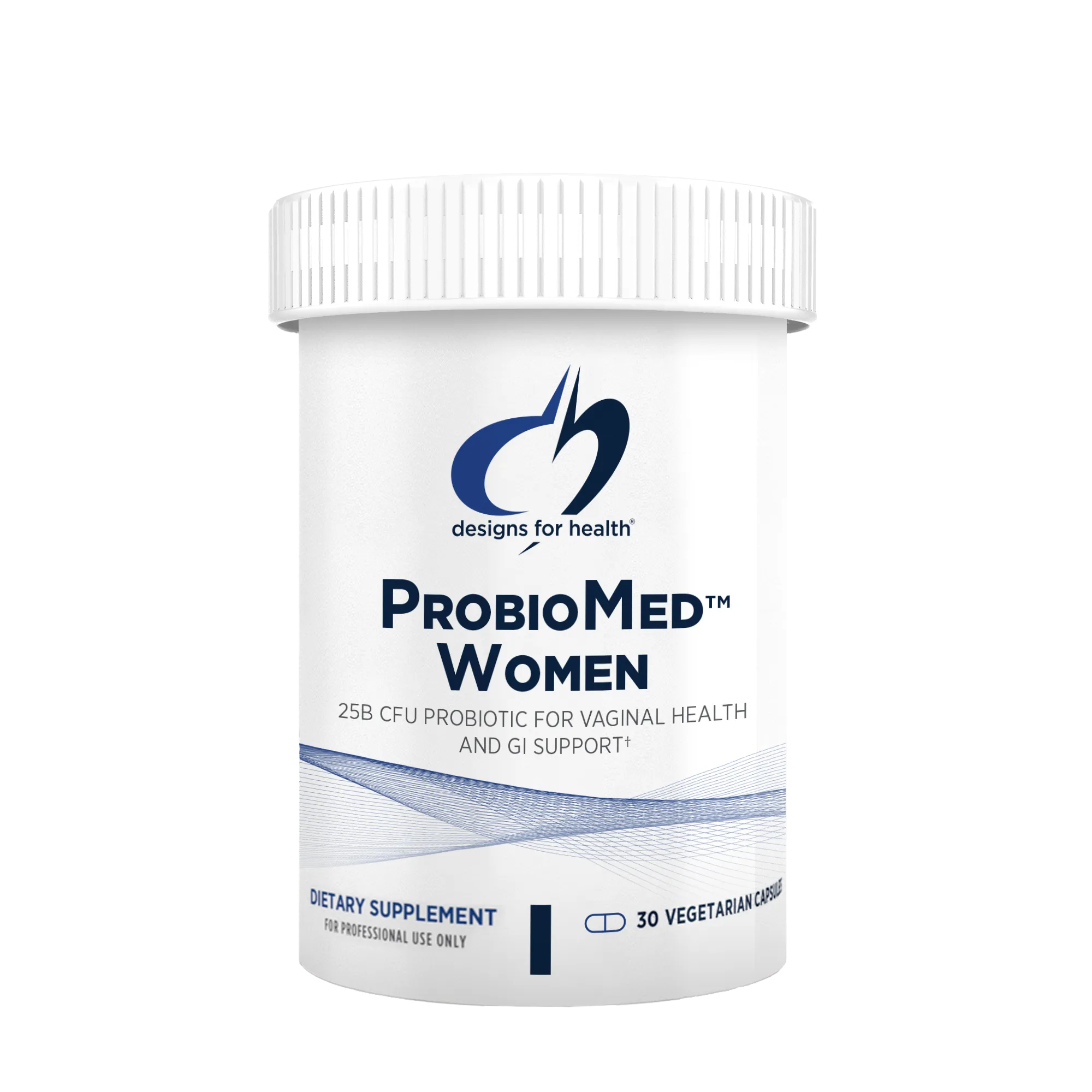
ProbioMed™ Women is engineered to address this exact systemic connection. Rather than relying on generic, unverified bacterial strains that often fail to survive digestion, this formula delivers 25 billion Colony Forming Units (CFUs) of highly researched, trademarked probiotics. At its core is the Astarte™ Culture blend (5 billion CFU), a patented combination of four specific Lactobacillus strains (Lactobacillus crispatus LBV88, Lactobacillus rhamnosus LBV96, Lactobacillus gasseri LBV150N, and Lactobacillus jensenii LBV116). These specific strains were originally isolated from healthy women and selected for their clinically proven ability to restore urogenital eubiosis (balance) and combat recurrent infections.
This vaginal-specific blend is synergistically paired with a robust gastrointestinal support matrix, including the legendary Lactobacillus acidophilus DDS®-1 (10 billion CFU), alongside targeted Lactobacillus plantarum (UALp-05™), Lactobacillus paracasei (UALpc-04™), and three specific Bifidobacterium strains. By combining urogenital-specific Lactobacilli with gut-fortifying Bifidobacteria, ProbioMed™ Women provides a comprehensive, "full-tract" approach to microbiome restoration. It is designed to address the root cause of systemic dysbiosis rather than just placing a temporary band-aid on localized symptoms.
How Long COVID and ME/CFS Impact the Microbiome
Viral Persistence and the "Leaky Gut" Phenomenon
To understand why targeted probiotics are so vital, we must first examine how complex chronic conditions like Long COVID and myalgic encephalomyelitis/chronic fatigue syndrome (ME/CFS) damage the microbiome. Research indicates that acute viral infections can trigger long-term virus-induced endothelial senescence, a state where the cells lining our blood vessels and intestinal walls become dysfunctional and emit pro-inflammatory signals. This cellular damage compromises the tight junctions of the intestinal barrier, leading to increased intestinal permeability, commonly known as "leaky gut."
When the gut barrier becomes permeable, microbial byproducts like lipopolysaccharides (LPS)—also known as endotoxins—leak from the digestive tract into the bloodstream. This process, known as microbial translocation, triggers a massive, systemic immune response. The body becomes locked in a state of chronic, low-grade inflammation, which is a hallmark mechanism for those trying to figure out what causes Long COVID. This systemic immune alarm diverts critical energy and resources away from maintaining localized mucosal defenses, leaving both the gut and vaginal microbiomes highly vulnerable to collapse and pathogenic invasion.
Systemic Inflammation and Vaginal Dysbiosis
As systemic inflammation rises and the gut microbiome shifts toward a pro-inflammatory state, the downstream effects on the vaginal microbiome are severe. The chronic immune activation seen in Long COVID and ME/CFS impairs the vaginal epithelium's ability to produce glycogen, which is the primary food source for protective Lactobacillus species. Starved of their essential fuel, the beneficial Lactobacilli rapidly die off. Without their metabolic byproducts, the vaginal pH rises from a healthy, acidic state (pH 3.8–4.5) to a more alkaline environment, stripping away the reproductive tract's primary defense mechanism.
Without the protective shield of Lactobacilli, opportunistic pathobionts that naturally reside in the body in small numbers—such as Gardnerella vaginalis, Prevotella, and Candida albicans (yeast)—rapidly multiply and form dense biofilms. This shift, known as Community State Type IV dysbiosis, is the primary driver behind the recurrent bacterial vaginosis (BV), aerobic vaginitis, and chronic yeast infections that frequently plague women with post-acute infection syndromes. Furthermore, studies show that heightened viral reactivation of latent pathogens like Epstein-Barr Virus (EBV) in ME/CFS patients can further suppress localized immunity, creating a devastating and frustrating cycle of recurrent urogenital infections.
The Histamine Connection in MCAS
The disruption of the microbiome also plays a critical role in the development and exacerbation of mast cell activation syndrome (MCAS), a complex immunological condition frequently comorbid with dysautonomia and Long COVID. Mast cells are the immune system's first responders, releasing histamine and other inflammatory mediators when they detect a threat. In a state of gut dysbiosis, there is often an overgrowth of opportunistic bacteria that possess an enzyme called histidine decarboxylase.
These problematic bacteria actively convert the amino acid histidine from your diet into endogenous histamine directly within the digestive tract. This constant influx of gut-derived histamine overwhelms the body's diamine oxidase (DAO) enzymes, which are the primary mechanism for breaking down histamine. As histamine levels pool in the bloodstream, mast cells become hyper-sensitized and destabilized, leading to unpredictable allergic-like reactions, severe brain fog, flushing, and gastrointestinal distress. Restoring the microbiome with specific, non-histamine-producing strains is absolutely essential for breaking this inflammatory loop and stabilizing mast cell activity.
ProbioMed™ Women: Supporting Systemic and Urogenital Health
Restoring Vaginal pH with the Astarte™ Blend
ProbioMed™ Women addresses these complex physiological cascades through precise, targeted mechanisms of action. The cornerstone of its urogenital support is the Astarte™ blend, spearheaded by Lactobacillus crispatus LBV88. At a molecular level, L. crispatus is a powerhouse of biochemical defense. Once it successfully transmigrates from the gut to the vaginal ecosystem, it utilizes specialized flavoprotein enzymes to produce significant quantities of hydrogen peroxide ($H_2O_2$), a compound that is highly toxic to anaerobic pathogens like Gardnerella and effectively disrupts their protective biofilms.
Simultaneously, the Astarte™ strains rapidly ferment available glycogen into lactic acid. This is a critical biochemical process for vaginal health. In the resulting acidic environment (pH < 4.5), lactic acid remains in a protonated (uncharged) state, allowing it to easily cross the cellular membranes of invading pathogens. Once inside the pathogen's neutral cytoplasm, the lactic acid dissociates, rapidly dropping the internal pH of the harmful bacteria, disrupting their enzymatic pathways, and causing cellular death. This mechanism effectively sterilizes the vaginal environment against unwanted invaders while fostering a healthy eubiotic state.
Repairing the Intestinal Barrier with L. plantarum and B. bifidum
To halt the systemic inflammation driving the dysbiosis, the gut barrier must be repaired. ProbioMed™ Women utilizes Lactobacillus plantarum UALp-05™ and Bifidobacterium bifidum UABb-10™ to physically reinforce the intestinal lining. L. plantarum interacts directly with the epithelial cells of the gut, upregulating the genetic expression of zonula occludens-1 (ZO-1) and occludin. These are the critical "glue" proteins that form the tight junctions between cells, effectively sealing the "leaky gut" and preventing endotoxins from entering the bloodstream to trigger systemic immune alarms.
Meanwhile, B. bifidum UABb-10™ employs a unique mechanism known as mucin degradation. It produces specific glycosidase enzymes that allow it to cleave and adhere tightly to the mucin proteins lining the gut wall. By physically occupying this prime real estate along the intestinal barrier, B. bifidum competitively excludes pathogenic bacteria, denying them the physical space and vital nutrients required to colonize and trigger immune flares. This competitive exclusion is a foundational step in restoring a healthy, resilient gastrointestinal tract.
Modulating Immune Responses and Histamine Degradation
For patients managing MCAS and severe neuroimmune symptoms, the specific strains in ProbioMed™ Women offer targeted biochemical support. Unlike generic probiotics that may inadvertently produce histamine, the strains in this formula are carefully selected for their immune-modulating properties. Bifidobacterium lactis UABla-12™ and Lactobacillus paracasei UALpc-04™ actively interact with the gut-associated lymphoid tissue (GALT), stimulating dendritic cells to upregulate the production of Interleukin-10 (IL-10), a potent anti-inflammatory cytokine.
This signaling helps shift the immune system away from the hyper-reactive, allergic Th2 response associated with mast cell degranulation, toward a more balanced, regulated state. Furthermore, Lactobacillus plantarum has been shown in clinical settings to actively degrade biogenic amines in the gut. By stimulating the cellular secretion of the DAO enzyme, L. plantarum helps neutralize excess environmental histamine before it can cross into the bloodstream, providing a crucial buffer for patients navigating histamine intolerance and unpredictable MCAS flares.

Symptoms ProbioMed™ Women May Help Manage
Targeted Symptom Relief for Chronic Illness
By addressing the root causes of systemic and localized dysbiosis, the targeted strains in ProbioMed™ Women may help manage a variety of debilitating symptoms associated with complex chronic conditions. If you are wondering what are the symptoms of Long COVID that relate to the microbiome, the following areas are heavily impacted:
Recurrent Bacterial Vaginosis (BV) and Yeast Infections: The Astarte™ blend actively lowers vaginal pH and produces hydrogen peroxide, creating an inhospitable environment for Gardnerella vaginalis and Candida albicans, helping to break the cycle of chronic urogenital infections.
Gastrointestinal Distress and IBS Symptoms: Strains like L. acidophilus DDS-1 and B. lactis UABla-12 are clinically proven to reduce the severity of abdominal pain, bloating, and irregular bowel habits (both diarrhea and constipation) by reducing mucosal inflammation and supporting proper digestion.
Histamine Intolerance and MCAS Flares: By reinforcing the gut barrier to prevent histamine absorption and utilizing strains like L. plantarum that help degrade biogenic amines, this formula supports a lower systemic histamine load, potentially reducing flushing, hives, and food reactivities.
Brain Fog and Neuroinflammation: By sealing the tight junctions of the intestinal tract, ProbioMed™ Women helps prevent microbial endotoxins (LPS) from leaking into the bloodstream and crossing the blood-brain barrier, a primary driver of the severe cognitive dysfunction seen in Long COVID and ME/CFS.
Systemic Immune Dysregulation: The robust inclusion of Bifidobacteria supports the production of secretory IgA (sIgA) and anti-inflammatory cytokines, helping to calm an overactive immune system while maintaining strong defenses against opportunistic viral and bacterial pathogens.
Practical Considerations: Forms, Dosing, and Absorption
Gastric Survivability of Patented Strains
One of the most significant challenges in probiotic supplementation is ensuring that the live bacteria actually survive the treacherous journey through the human digestive tract. The stomach is a highly acidic environment (pH 2–4) designed to destroy incoming microbes, and the small intestine is flooded with antimicrobial bile salts. Generic probiotics often suffer massive die-offs before they ever reach their target destinations, rendering them therapeutically useless and a waste of money for the patient.
ProbioMed™ Women overcomes this hurdle by utilizing highly resilient, patented strains. Clinical in vitro studies demonstrate that both L. acidophilus DDS-1 and L. paracasei UALpc-04 possess exceptional natural survivability, maintaining high viability (over $10^8$ CFU/mL) even when exposed to simulated gastric acid, pepsin, and pancreatin. This ensures that the full 25 billion CFU payload successfully reaches the lower intestines and, subsequently, the urogenital tract, exactly where it is needed most to exert its therapeutic effects.
Optimal Timing and Prebiotic Synergy
To maximize the efficacy of ProbioMed™ Women, it is recommended to take one capsule daily with a meal, or as directed by your healthcare practitioner. Taking the probiotic alongside food helps buffer stomach acid, further increasing the survival rate of the delicate bacterial strains. Additionally, the presence of dietary fibers and complex carbohydrates in your meal acts as a natural prebiotic—the essential fuel that these beneficial bacteria need to thrive, multiply, and colonize the gut lining.
For optimal results, consider pairing this supplement with a targeted prebiotic fiber, such as partially hydrolyzed guar gum (PHGG) or inulin, provided you tolerate them well. When strains like L. paracasei and B. longum ferment these prebiotic fibers, they produce short-chain fatty acids (SCFAs) like butyrate. Butyrate is the primary energy source for the cells lining your colon, and increasing its production is one of the most effective ways to accelerate the repair of a leaky gut and lower systemic inflammation throughout the body.
Navigating Probiotics with MCAS and Histamine Intolerance
For patients with mast cell activation syndrome, introducing any new supplement—especially a probiotic—can be a source of anxiety. Many commercial probiotics contain strains like Lactobacillus casei or Lactobacillus bulgaricus, which are known to produce histamine and trigger severe MCAS flares. It is crucial to approach microbiome restoration with precision and caution, understanding that not all bacteria are created equal when it comes to histamine regulation.
ProbioMed™ Women is carefully formulated with strains that are generally recognized as safe and beneficial for histamine-sensitive individuals. The heavy reliance on Bifidobacterium species (which do not produce histamine) and specific Lactobacillus strains like L. plantarum (which actively degrade it) makes this a highly targeted option. However, because the microbiome is deeply individual, patients with severe MCAS should always start slowly, monitor their symptoms closely, and consult with a healthcare practitioner to ensure this formulation aligns with their specific immunologic needs and current treatment protocols.

Follow the Science
Clinical Evidence for the Astarte™ Vaginal Blend
While marketing materials often cite clinical data for the Astarte™ blend, specific claims regarding the blend's ability to improve Nugent scores or achieve an Odds Ratio of 3.936 cannot be independently verified.
Further clinical trials have demonstrated the blend's power in highly compromised immune states. For example, a study involving women undergoing chemotherapy—a treatment notorious for obliterating local microbiota—found that 63% of the women in the Astarte™ intervention group maintained or improved their vaginal microbiota, helping to mitigate the severe dysbiosis seen in the placebo group. This highlights the blend's resilience and its capacity to protect the urogenital tract even under extreme physiological stress.
DDS-1 and UABla-12 in Gastrointestinal Clinical Trials
The gastrointestinal strains in ProbioMed™ Women have also been researched. A 2020 randomized controlled trial published in Nutrients investigated the effects of L. acidophilus DDS-1 and B. lactis UABla-12 on adults suffering from Irritable Bowel Syndrome (IBS).
The study concluded that these specific strains improve abdominal pain severity and overall symptomology in IBS patients. These findings underscore the potential impact these strains may have on supporting normal digestive function in patients with chronic gastrointestinal distress.
Emerging Research on the Microbiome in Post-Acute Infection Syndromes
The scientific community is increasingly recognizing the microbiome as a central therapeutic target for post-acute infection syndromes. A comprehensive review of ME/CFS and Long COVID highlights that both conditions are driven by a failure to resolve acute immune responses, leading to chronic systemic inflammation, neuroinflammation, and profound gut microbiome disturbances that cascade throughout the body.
As researchers continue to map the gut microbiota dynamics in Long COVID patients, it is becoming clear that the depletion of anti-inflammatory bacteria like Bifidobacterium is a core feature of the disease pathology. By aggressively replenishing these keystone species with targeted, high-potency formulations like ProbioMed™ Women, patients can directly address the underlying dysbiosis that fuels their systemic and localized symptoms, offering a science-backed pathway toward physiological stabilization and improved quality of life.
The Path Forward
Validating the Systemic Nature of Dysbiosis
Living with a complex chronic illness often means enduring a barrage of unpredictable, seemingly unrelated symptoms. If you are struggling with recurrent vaginal infections alongside debilitating fatigue, brain fog, and digestive distress, it is vital to know that these are not isolated failures of your body. They are interconnected manifestations of a systemic microbiome disruption. Validating this connection is the first step toward reclaiming your health. You are not simply fighting a localized infection; you are navigating the complex physiological fallout of a post-acute infection syndrome, and your experiences are entirely real and scientifically documented.
Understanding how to live with long-term COVID or ME/CFS requires a paradigm shift in how we approach treatment. It is about moving away from reactive, symptom-by-symptom band-aids and toward foundational, systemic healing. Restoring the gut-vagina axis is a critical component of this journey, helping to lower the overall inflammatory burden on your immune system so your body can finally begin to repair itself from the cellular level up.
Integrating Probiotics into Your Care Plan
While ProbioMed™ Women offers a powerful, clinically validated tool for microbiome restoration, it is most effective when integrated into a comprehensive, holistic management strategy. Supplements are just one piece of the puzzle. Combining targeted probiotic therapy with careful symptom tracking, nervous system regulation, pacing to avoid post-exertional malaise, and a nutrient-dense diet tailored to your specific intolerances will yield the best long-term results.
Always remember that healing a damaged microbiome takes time, consistency, and patience. As you explore new therapeutic avenues, be sure to consult with your healthcare provider to ensure that any new supplement fits safely within your broader medical protocol. By addressing the root causes of dysbiosis with precision and care, you can take a proactive step toward restoring balance to your body's most vital ecosystems.