Can ProbioMed Kids Help Manage Gut Symptoms in Pediatric Long COVID and Dysautonomia?
March 6, 2026
ProbioMed KidsPediatric Long COVIDDysautonomia
Share:
Disclaimer: The information provided here is for educational purposes only and is not intended as medical advice. It should not be used to diagnose, treat, cure, or prevent any medical condition. Instead, use it as a starting point for discussion with your healthcare provider. Always consult with a qualified healthcare provider before starting any new medication, supplement, device, or making changes to your health regimen.
When a child is navigating a complex chronic illness like Long COVID, myalgic encephalomyelitis/chronic fatigue syndrome (ME/CFS), or dysautonomia, the symptoms often extend far beyond what we traditionally associate with these conditions. For many parents and caregivers, the daily reality involves managing unpredictable and debilitating gastrointestinal (GI) distress—debilitating nausea, severe bloating, unpredictable bowel habits, and stomach pain that makes eating a daily battle. These invisible symptoms are frequently dismissed or misunderstood, leaving families searching for validating, science-backed strategies to improve their child's quality of life.
The connection between a child's gut health and their systemic immune and autonomic function is profound. Emerging research highlights that the gut microbiome is not just a digestive center; it is a critical regulator of neuroinflammation, immune defense, and autonomic nervous system stability. When this delicate microbial ecosystem is disrupted by viral infections, chronic stress, or frequent antibiotic use, it can create a vicious cycle that exacerbates systemic symptoms like brain fog, severe fatigue, and immune dysregulation. ProbioMed™ Kids by Designs for Health is a targeted, synergistic probiotic formula designed to support this complex ecosystem. By delivering a diverse blend of well-researched bacterial and yeast strains, it aims to promote gastrointestinal microbial diversity, support healthy digestive function, and maintain a balanced intestinal environment in children navigating complex health challenges.
What is ProbioMed™ Kids?
A Synergistic Blend for the Developing Gut
The human gut microbiome is a vast, dynamic community of trillions of microorganisms, including bacteria, fungi, and viruses, that reside primarily in the large intestine. In a healthy child, this ecosystem is foundational to overall well-being. It is responsible for breaking down complex carbohydrates, synthesizing essential vitamins (like Vitamin K and B vitamins), and producing critical metabolites known as short-chain fatty acids (SCFAs), such as butyrate and propionate. These SCFAs serve as the primary energy source for colonocytes (the cells lining the colon) and play a vital role in maintaining the integrity of the intestinal barrier. When the microbiome is diverse and balanced, it effectively trains the developing pediatric immune system, distinguishing between harmless dietary proteins and dangerous pathogens.
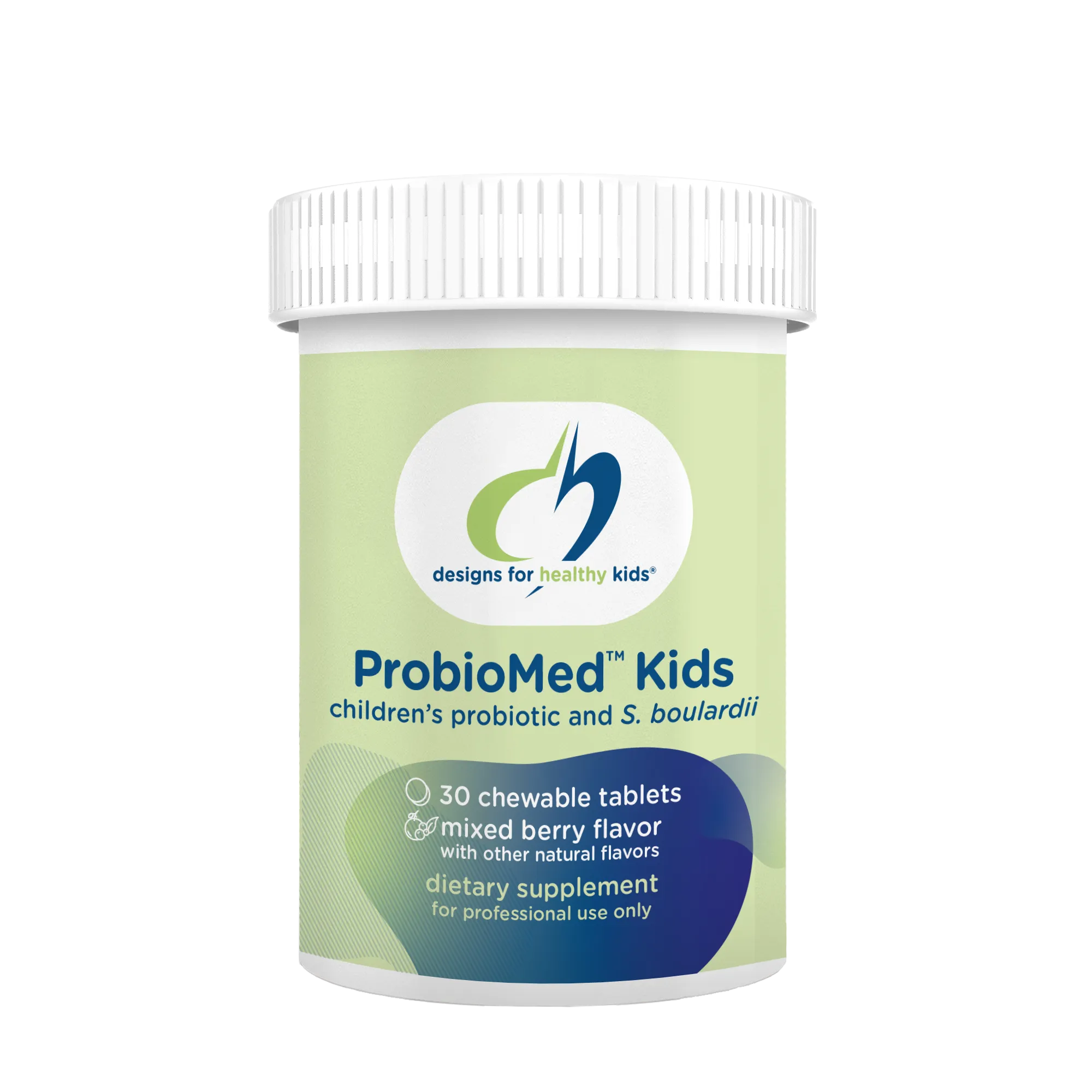
ProbioMed™ Kids is specifically formulated to support this intricate biological network. It provides a robust 10 billion colony-forming units (CFUs) per dose, delivered in a palatable, chewable tablet with a natural berry flavor sweetened only by monk fruit, avoiding artificial sweeteners that can further disrupt gut flora. The formula features a carefully curated, synergistic blend of 11 diverse probiotic strains, heavily featuring Lactobacillus and Bifidobacterium species. These specific genera are the dominant beneficial bacteria in a healthy pediatric gut, playing crucial roles in competitive exclusion—a process where beneficial bacteria physically crowd out opportunistic pathogens and consume the nutrients those pathogens need to survive.
The Role of Diverse Probiotic Strains
Diversity is the hallmark of a resilient microbiome. ProbioMed™ Kids includes highly researched strains such as Lactobacillus rhamnosus (GG) and Bifidobacterium lactis (HN019). At the molecular level, these bacteria interact directly with the intestinal epithelium and the gut-associated lymphoid tissue (GALT), which houses over 70% of the body's immune cells. For example, Lactobacillus species produce lactic acid, which lowers the pH of the intestinal environment, making it inhospitable to harmful bacteria and yeast. They also stimulate the production of secretory Immunoglobulin A (sIgA), the gut's first-line antibody defense that binds to and neutralizes toxins and viruses before they can breach the intestinal wall.
Furthermore, the Bifidobacterium strains in this formula, such as B. infantis and B. longum, are specialized in fermenting oligosaccharides—complex sugars that human digestive enzymes cannot break down. Through this fermentation process, they produce the aforementioned SCFAs. These SCFAs do more than just feed gut cells; they enter the bloodstream and exert systemic anti-inflammatory effects, modulating the activity of regulatory T-cells (Tregs) and dampening hyperactive immune responses. This is particularly relevant for children with mast cell activation syndrome (MCAS) or those experiencing the systemic inflammation characteristic of Long COVID.
Saccharomyces boulardii: The Resilient Yeast
A standout feature of ProbioMed™ Kids is the inclusion of Saccharomyces boulardii (S. boulardii), a non-pathogenic, transient probiotic yeast. Unlike bacterial probiotics, S. boulardii is naturally resistant to antibacterial antibiotics, making it an invaluable tool for maintaining gut health during and after necessary antibiotic treatments. It operates through unique trophic and luminal mechanisms. In the gut lumen, S. boulardii acts as a physical decoy; pathogenic bacteria such as E. coli and Salmonella bind to the yeast's cell wall instead of the intestinal lining, allowing them to be safely excreted from the body.
Additionally, S. boulardii secretes specialized proteases—enzymes that actively degrade and neutralize harmful bacterial toxins, such as those produced by Clostridium difficile. On a cellular level, it promotes the rapid repair and maturation of enterocytes (gut lining cells) by increasing the production of polyamines. It also helps preserve the "tight junctions" between intestinal cells by inhibiting the phosphorylation of the myosin light chain, thereby supporting the structural integrity of the gut barrier and preventing the phenomenon commonly referred to as "leaky gut."
How Pediatric Long COVID and Dysautonomia Impact the Gut Microbiome
Viral Persistence and the Pediatric Gut Reservoir
To understand why targeted probiotic support is so crucial, we must examine how complex chronic illnesses disrupt the pediatric gut. In the context of Long COVID, research has increasingly focused on the gut as a primary site of viral persistence. The SARS-CoV-2 virus gains entry into human cells by binding to ACE2 receptors, which are highly expressed along the lining of the small intestine and colon. Recent studies indicate that the pediatric gut can act as a long-term reservoir for the virus, with viral RNA and proteins detectable in the stool of children for months, or even up to a year, following the acute infection—even if the initial illness was mild or asymptomatic.
This persistent viral presence triggers a localized inflammatory response that damages the intestinal epithelium and leads to profound dysbiosis—a state where beneficial bacteria are depleted, and opportunistic or pathogenic microbes overgrow. In children with Long COVID, microbiome profiling has revealed a marked decrease in anti-inflammatory bacteria, such as Bifidobacterium, and an increase in inflammatory markers. This dysbiosis disrupts the delicate balance required for proper digestion, nutrient absorption, and immune regulation, setting the stage for chronic gastrointestinal distress. If you are wondering What Causes Long COVID?, this persistent viral reservoir and subsequent microbiome disruption is considered a leading mechanistic theory.
The Gut-Brain Axis and Neuroinflammation
The impact of gut dysbiosis extends far beyond the digestive tract, heavily influencing the central nervous system via the gut-brain axis. This bidirectional communication network involves the vagus nerve, immune signaling, and microbial metabolites. When beneficial, SCFA-producing bacteria are depleted, the integrity of the intestinal barrier is compromised. This increased intestinal permeability ("leaky gut") allows lipopolysaccharides (LPS)—endotoxins from the cell walls of Gram-negative bacteria—to translocate into the bloodstream.
Once in systemic circulation, these endotoxins trigger a widespread immune response, releasing pro-inflammatory cytokines that can cross the blood-brain barrier. This neuroinflammation is strongly implicated in the cognitive and neuropsychiatric symptoms frequently seen in pediatric Long COVID and ME/CFS, such as debilitating "brain fog," severe anxiety, mood swings, and sleep disturbances. The loss of beneficial microbes also impairs the production of crucial neurotransmitters; for instance, a significant portion of the body's serotonin is synthesized in the gut, and its disruption can profoundly affect a child's mood and pain perception.
Dysautonomia, POTS, and Slow Gut Motility
In children with dysautonomia, particularly postural orthostatic tachycardia syndrome (POTS), the relationship between the gut and the autonomic nervous system creates a challenging vicious cycle. The autonomic nervous system controls involuntary bodily functions, including the complex orchestration of digestion and gut motility. When autonomic signaling is impaired—often due to vagus nerve dysfunction following a viral illness—the digestive tract slows down significantly, a condition known as gastroparesis or delayed gastric emptying.
This sluggish motility creates a stagnant environment in the small intestine, allowing bacteria from the colon to migrate upward and breed abnormally. This results in Small Intestinal Bacterial Overgrowth (SIBO), a highly common comorbidity in pediatric POTS that causes severe bloating, abdominal pain, nausea, and systemic fatigue. A landmark 2024 study analyzing the gut microbiota of POTS patients confirmed significantly lower microbial diversity, directly correlating with the severity of their clinical symptoms. Understanding What Are the Symptoms of Long COVID? and POTS requires recognizing that these severe GI manifestations are not psychosomatic; they are rooted in measurable autonomic and microbial dysfunction.
ProbioMed™ Kids: Supporting Gut Health and Immune Function
Restoring the Intestinal Barrier and "Leaky Gut"
ProbioMed™ Kids offers a multifaceted approach to supporting the disrupted pathways seen in pediatric chronic illness. One of its primary mechanisms of action is the restoration and maintenance of the intestinal barrier. The specific strains in this formula, particularly Lactobacillus rhamnosus (GG), interact with the intestinal epithelial cells to upregulate the expression of tight junction proteins, such as zonula occludens-1 (ZO-1) and occludin. These proteins act like the mortar between the cellular bricks of the gut lining, preventing the translocation of endotoxins (like LPS) into the bloodstream.
By reinforcing this barrier, the probiotic blend helps mitigate the systemic immune activation and metabolic endotoxemia that drive the chronic inflammation seen in ME/CFS and Long COVID. Additionally, the inclusion of Saccharomyces boulardii provides a unique protective effect. S. boulardii inhibits the phosphorylation of the myosin light chain, a biochemical process that otherwise leads to the dismantling of tight junctions during inflammatory states. This dual bacterial and yeast approach offers robust support against the "leaky gut" phenomenon that exacerbates systemic symptoms.
Immunomodulation and Pathogen Defense
Beyond structural support, ProbioMed™ Kids actively modulates the pediatric immune system. The Bifidobacterium lactis (HN019) strain is extensively documented for its ability to enhance cellular immunity. At the molecular level, it stimulates the activity of natural killer (NK) cells and phagocytes—immune cells responsible for identifying and clearing viral particles and opportunistic pathogens. This is particularly vital for children whose immune systems are exhausted or dysregulated following a severe viral infection.
Furthermore, these probiotic strains help shift the immune system away from a hyper-inflammatory state. They interact with dendritic cells in the gut-associated lymphoid tissue (GALT), promoting the differentiation of regulatory T-cells (Tregs) and downregulating the production of pro-inflammatory cytokines like TNF-α and IL-6. By dampening this inflammatory cascade, the probiotics help break the cycle of chronic immune activation that contributes to post-exertional malaise (PEM) and systemic fatigue. The bacteria also produce bacteriocins—antimicrobial peptides that directly target and neutralize pathogenic bacteria, helping to correct the dysbiosis commonly seen in these complex conditions.
Enhancing Digestive Function and Nutrient Absorption
For children dealing with the slow gut motility and nausea associated with dysautonomia, optimizing digestive function is paramount. The diverse Lactobacillus and Bifidobacterium strains in ProbioMed™ Kids assist in the enzymatic breakdown of complex carbohydrates and proteins, easing the digestive burden on the child's compromised GI tract. By efficiently fermenting these compounds into short-chain fatty acids (SCFAs) like butyrate, the probiotics provide essential fuel to the colonocytes, promoting healthy mucosal turnover and reducing localized gut inflammation.
Moreover, a balanced microbiome is essential for the optimal absorption of micronutrients. Children with chronic GI distress often suffer from secondary nutritional deficiencies, such as low Vitamin B12 or iron, which can further exacerbate fatigue and autonomic instability. By restoring a healthy microbial environment and reducing intestinal inflammation, this synergistic formula supports the absorptive capacity of the gut lining, ensuring that the child can extract and utilize the vital nutrients from their diet needed for cellular energy production and recovery.

Symptoms ProbioMed™ Kids May Help Manage
Gastrointestinal Symptoms
By targeting the underlying dysbiosis and intestinal inflammation, the diverse strains in ProbioMed™ Kids may help manage a variety of challenging GI symptoms:
Abdominal Pain and Cramping: By reducing localized mucosal inflammation and modulating pain receptor signaling in the enteric nervous system, beneficial bacteria can help alleviate the chronic stomach pain often experienced by children with dysautonomia and Long COVID.
Unpredictable Bowel Habits (Diarrhea and Constipation): Saccharomyces boulardii is highly effective at normalizing stool consistency, secreting enzymes that counteract osmotic diarrhea, while Bifidobacterium strains help regulate transit time, offering support for both loose stools and functional constipation.
Bloating and SIBO Symptoms: In children with POTS-related slow motility, competitive exclusion by probiotic strains helps prevent the upward migration and overgrowth of gas-producing bacteria in the small intestine, thereby reducing severe bloating and distension.
Antibiotic-Associated GI Distress: For children who require frequent antibiotics, the antibiotic-resistant S. boulardii helps maintain gut flora balance, preventing the opportunistic overgrowth of pathogens like C. difficile that cause severe secondary diarrhea.
Systemic and Immune Symptoms
Because the gut microbiome is intimately connected to the brain and the immune system, supporting gut health can have profound systemic benefits:
Brain Fog and Cognitive Fatigue: By strengthening the intestinal barrier and preventing the translocation of inflammatory endotoxins (LPS) into the bloodstream, probiotics help reduce the neuroinflammation that drives cognitive impairment and "brain fog" via the gut-brain axis.
Frequent Respiratory Infections: Strains like Bifidobacterium lactis HN019 actively stimulate cellular immunity and sIgA production, which has been shown to support the body's defense against upper respiratory tract infections, a common issue in children with dysregulated immune systems.
Systemic Fatigue and PEM: By optimizing nutrient absorption (ensuring adequate uptake of energy-producing vitamins) and dampening chronic systemic inflammation, a balanced microbiome supports overall cellular energy production, potentially reducing the severity of fatigue and crashes.
Food Sensitivities: By promoting the differentiation of regulatory T-cells and dampening hyperactive Th2 immune responses, diverse probiotics can help support oral tolerance and reduce the severity of secondary food sensitivities that often emerge in MCAS and Long COVID.
Practical Considerations: Forms, Dosing, and Absorption
Bioavailability and Stomach Acid Survival
When evaluating a probiotic, the most critical factor is viability—the live microorganisms must survive the harsh, highly acidic environment of the stomach to reach the intestines where they exert their benefits. The human stomach typically maintains a pH between 1.5 and 3.5, designed specifically to neutralize ingested pathogens. ProbioMed™ Kids utilizes robust, well-researched strains that demonstrate high survivability. For instance, Saccharomyces boulardii is uniquely resilient to both extreme stomach acid and temperature fluctuations, ensuring a high rate of viable cells reach the colon.
To further maximize bioavailability, the timing of administration is important. Taking probiotics alongside a meal significantly improves their survival rate. The food matrix—especially meals containing healthy fats, proteins, or complex carbohydrates—acts as a buffer, temporarily raising the stomach's pH and providing a protective vehicle for the bacteria as they transit into the small intestine. The chewable tablet format of ProbioMed™ Kids also begins the digestive process in the mouth, mixing the strains with protective salivary enzymes.
Optimal Dosing and Administration for Children
ProbioMed™ Kids delivers a potent dose of 10 billion CFUs per chewable tablet, which aligns with clinical recommendations for pediatric digestive support and microbiome maintenance. The suggested use for children ages 4 years and older is to chew one tablet per day with a meal, or as directed by a healthcare practitioner. The natural berry flavor, sweetened exclusively with monk fruit extract, ensures high compliance among children who may be sensitive to strong tastes or textures, while avoiding the detrimental effects that artificial sweeteners can have on gut microbial diversity.
For children with complex chronic conditions, consistency is key. While some acute GI symptoms (like antibiotic-associated diarrhea) may improve within a few days of starting S. boulardii, modulating systemic immune function and restoring deep microbial diversity in conditions like Long COVID or ME/CFS is a gradual process. Caregivers should typically allow 4 to 8 weeks of consistent daily use to observe meaningful shifts in systemic symptoms like brain fog or fatigue, as the gut-brain axis requires time to downregulate chronic inflammation.
Safety, Tolerability, and Contraindications
The strains included in ProbioMed™ Kids are extensively researched and generally exceptionally well-tolerated in pediatric populations. Because S. boulardii is a transient yeast, it does not permanently colonize the gut; it performs its therapeutic functions and naturally exits the digestive system within a few days of discontinuing the supplement. This makes it a safe, temporary intervention for acute flares.
However, there are important safety considerations. While rare, probiotics containing Saccharomyces boulardii are contraindicated for children who are critically ill in the ICU, severely immunocompromised, or those who have an indwelling central venous catheter (such as a port or PICC line). In these highly vulnerable populations, there is a very rare risk of fungemia (yeast entering the bloodstream). As with any intervention for complex chronic illness, it is imperative to consult with your child's pediatrician or specialist before introducing a new supplement to ensure it aligns with their comprehensive care plan and current medications.
Follow the Science
Clinical Trials on Key Bacterial Strains
The specific strains utilized in ProbioMed™ Kids are backed by robust pediatric clinical trials. Bifidobacterium lactis HN019 has been extensively studied for its immunomodulatory effects. A recent, triple-blind, randomized clinical trial published in JAMA Network Open (2025) evaluated 128 children with upper respiratory tract infections. The study found that children receiving a probiotic blend containing HN019 experienced a statistically significant reduction in fever duration—averaging just 3 days compared to 5 days in the placebo group ($P < .001$). Researchers attributed this accelerated recovery to the probiotic's ability to reduce proinflammatory cytokines and activate systemic immune defenses via the gut.
Similarly, Lactobacillus rhamnosus GG (LGG) is one of the most rigorously validated probiotics in pediatric medicine. Clinical trials have demonstrated its profound efficacy in acute gastrointestinal scenarios. In a randomized, double-blind trial involving children with acute viral gastroenteritis, LGG supplementation dramatically boosted the humoral immune response, resulting in a massive, statistically significant increase in post-intervention IgG antibody levels compared to the placebo group. Furthermore, the LGG group showed significantly improved intestinal permeability, directly proving its ability to heal the "leaky gut" barrier.
The Efficacy of Saccharomyces boulardii
The inclusion of Saccharomyces boulardii provides a powerful, evidence-based tool for managing pediatric GI distress, helping to reduce the risk of antibiotic-associated diarrhea in children. This is crucial for children with chronic conditions who frequently require antibiotic interventions for secondary infections.
Additionally, a meta-analysis of 10 randomized controlled trials involving over 1,100 children demonstrated that S. boulardii significantly reduced the duration of pediatric acute gastroenteritis by an average of 1.63 days. Its unique ability to secrete proteases that degrade bacterial toxins, combined with its trophic action of stimulating digestive enzymes at the intestinal brush border, makes it a highly effective intervention for restoring normal bowel function and fluid absorption in a compromised pediatric gut.
Emerging Research on the Microbiome in Pediatric Chronic Illness
The scientific community is rapidly recognizing the microbiome as a central therapeutic target for post-viral syndromes. Recent research from the Chinese University of Hong Kong demonstrated that patients with Long COVID possess a distinct, less diverse gut microbial signature. In a pilot study, recovering COVID-19 patients given a targeted microbiome immunity formula saw a 90% reduction in the development of Long COVID symptoms at the six-month mark.
Furthermore, studies analyzing the gut microbiota of patients with POTS and dysautonomia have confirmed that lower microbial alpha diversity directly correlates with the severity of systemic clinical symptoms, including severe fatigue and bloating. This growing body of evidence strongly supports the clinical rationale for using diverse, multi-strain probiotics to proactively repair the gut flora, modulate neuroinflammation, and improve the quality of life for children navigating these complex, interconnected conditions. You can learn more about the complexities of these diagnoses in our guide, How Does a Doctor Diagnose Long COVID?.
The Path Forward
Integrating Gut Health into a Comprehensive Care Plan
Watching a child struggle with the unpredictable and often debilitating symptoms of Long COVID, ME/CFS, or dysautonomia is an incredibly challenging journey for any caregiver. The severe gastrointestinal distress, systemic fatigue, and cognitive impairments are not just "growing pains" or anxiety—they are very real manifestations of complex neuro-immune and autonomic dysfunction. Validating these symptoms is the first crucial step toward effective management. While there is no single miracle cure for these intricate conditions, targeted nutritional support can play a vital role in improving daily function and comfort.
ProbioMed™ Kids offers a science-backed, synergistic approach to addressing the gut dysbiosis that so frequently accompanies and exacerbates pediatric chronic illness. By supporting the intestinal barrier, modulating systemic inflammation, and promoting a diverse microbial ecosystem, this targeted blend of 11 bacterial strains and Saccharomyces boulardii addresses the foundational gut-brain and gut-immune axes. However, it is important to remember that supplements are most effective when integrated into a comprehensive, multidisciplinary management strategy that includes adequate hydration, autonomic support, pacing, and symptom tracking.
Empowering Children and Caregivers
As we continue to unravel the profound connections between the microbiome and complex chronic illness, empowering families with accessible, high-quality interventions is paramount. The chewable, naturally flavored format of ProbioMed™ Kids ensures that supporting your child's gut health doesn't have to be another daily battle. Always consult with your child's pediatrician or a qualified healthcare provider before beginning any new supplement regimen to ensure it is the right fit for their unique medical needs and current treatment plan.