Can PreTrain NRG™ Help Combat Brain Fog and Fatigue in Long COVID and ME/CFS?
March 6, 2026
PreTrain NRGLong COVIDME/CFS
Share:
Disclaimer: The information provided here is for educational purposes only and is not intended as medical advice. It should not be used to diagnose, treat, cure, or prevent any medical condition. Instead, use it as a starting point for discussion with your healthcare provider. Always consult with a qualified healthcare provider before starting any new medication, supplement, device, or making changes to your health regimen.
For individuals living with complex, chronic conditions like Long COVID, Myalgic Encephalomyelitis/Chronic Fatigue Syndrome (ME/CFS), and dysautonomia, the concept of a "pre-workout" supplement might seem entirely disconnected from their daily reality. When simply taking a shower or answering emails can trigger debilitating post-exertional malaise (PEM), the goal isn't to crush a high-intensity gym session—it's to find enough cellular energy to get through the day without crashing. However, when we look past the sports nutrition marketing and examine the raw biochemistry of certain performance supplements, we often find powerful, evidence-based compounds that target the exact metabolic deficits driving chronic fatigue and brain fog.
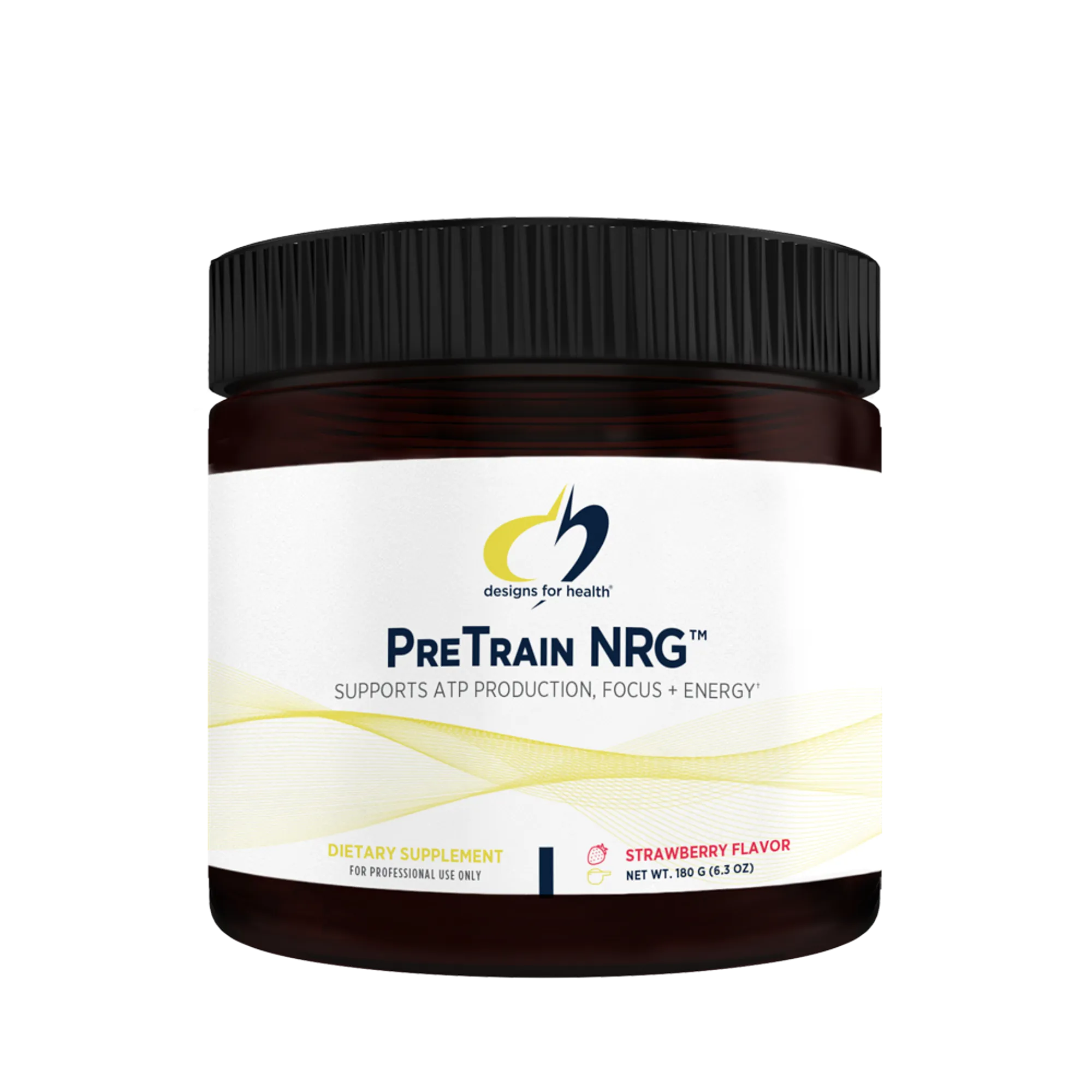
PreTrain NRG™ by Designs for Health is one such formula. While designed to support focus, power, and mental energy in athletes, its specific blend of ingredients—including Creatine MagnaPower®, Peak ATP®, Acetyl-L-Carnitine, L-Tyrosine, and a synergistic pairing of L-Theanine and caffeine—offers a unique, multi-targeted approach to cellular bioenergetics. By understanding how these compounds function at a molecular level, patients and practitioners can explore how they might be repurposed not to push through fatigue, but to raise the body's baseline energy production, improve cerebral blood flow, and protect cognitive function under the immense physiological stress of chronic illness.
TL;DR
PreTrain NRG™ provides metabolic support to help manage fatigue and brain fog in complex chronic conditions.
Ingredients like Creatine and ATP target cellular energy production and may support blood flow.
L-Tyrosine, L-Theanine, and caffeine work together to support cognitive focus and replenish neurotransmitters.
Use energy supplements to support daily baseline activities, not to push past your safe energy envelope.
What is PreTrain NRG™?
Beyond Traditional Sports Nutrition
At its core, PreTrain NRG™ is a targeted nutritional formula designed to optimize mitochondrial output, enhance neurotransmitter production, and promote vasodilation. In a healthy body preparing for physical exertion, these mechanisms translate to increased muscle strength, delayed fatigue, and sharpened mental focus. However, the biochemical pathways that support a healthy athlete's peak performance are often the exact same pathways that become dysfunctional in patients with post-viral syndromes. By supplying the body with highly bioavailable precursors to cellular energy, this supplement acts as a metabolic buffer.
It is crucial to reframe how we view these ingredients in the context of chronic illness. For a patient with Long COVID, "exertion" does not necessarily mean running a marathon; it can mean cognitive exertion, such as reading a complex document, or orthostatic exertion, such as standing in the kitchen to prepare a meal. The compounds in PreTrain NRG™ are not stimulants designed to artificially mask exhaustion; rather, the majority of them are fundamental building blocks that the body's cells require to generate true, sustainable energy in the form of adenosine triphosphate (ATP).
The Core Components of Cellular Energy
The efficacy of PreTrain NRG™ lies in its specific, synergistic blend of highly researched ingredients. First, it features 2.5 grams of Magnesium Creatine Chelate (Creatine MagnaPower®), a patented molecule that binds creatine to magnesium. Creatine is essential for the rapid regeneration of ATP within the cells, while magnesium is a mandatory cofactor for ATP to become biologically active. Without magnesium, ATP cannot bind to the enzymes required to release its energy.
Second, the formula includes 400 mg of Peak ATP®, a clinically validated form of oral adenosine 5'-triphosphate disodium. While historically thought to degrade in the gut, modern research shows that specific oral ATP formulations can act as powerful signaling molecules in the bloodstream, triggering profound vasodilation and improving blood flow to oxygen-starved tissues. This is complemented by 1.5 grams of Acetyl-L-Carnitine (ALCAR), an amino acid derivative that easily crosses the blood-brain barrier to shuttle fatty acids into the mitochondria for fuel.
Finally, the cognitive support matrix consists of 750 mg of N-Acetyl-L-Tyrosine, 200 mg of L-Theanine, and 100 mg of caffeine sourced from green coffee. Tyrosine provides the raw material needed to synthesize dopamine and norepinephrine, neurotransmitters that are rapidly depleted under chronic stress. Meanwhile, the precise 2:1 ratio of L-Theanine to caffeine provides a "nootropic stack" that enhances alertness while actively suppressing the jittery, anxiety-inducing sympathetic nervous system spikes typically associated with caffeine consumption.
A Paradigm Shift for Chronic Illness Management
When utilizing a formula like PreTrain NRG™ for conditions like ME/CFS or dysautonomia, the clinical intent shifts dramatically. The goal is not to use the enhanced energy to do more physical activity, which can dangerously trigger post-exertional malaise (PEM). Instead, the goal is to use the metabolic support to make baseline daily activities less physiologically costly.
By improving the efficiency of mitochondrial ATP production and enhancing cerebral blood flow, these ingredients can help reduce the severe "brain fog" and neuromuscular fatigue that plague patients even at rest. It is a strategy of metabolic conservation and restoration, providing the damaged cells with the exact substrates they need to function more efficiently without demanding an increase in overall energy expenditure.
How Chronic Illness Impacts Cellular Energy and Focus
Mitochondrial Dysfunction and the Energy Crisis
To understand why the ingredients in PreTrain NRG™ are relevant to chronic illness, we must first examine the pathophysiology of conditions like Long COVID and ME/CFS. A growing body of research points to profound mitochondrial dysfunction as a central driver of post-viral fatigue. Mitochondria are the powerhouses of our cells, responsible for converting the food we eat and the oxygen we breathe into ATP through a complex process called oxidative phosphorylation.
In post-viral syndromes, viral persistence, chronic inflammation, and oxidative stress can damage the mitochondrial membranes and impair the enzymes of the electron transport chain. As a result, the cells struggle to produce adequate ATP. When the demand for energy exceeds the mitochondria's ability to supply it, the body is forced to rely on less efficient, anaerobic (oxygen-independent) energy pathways. This leads to a rapid buildup of lactic acid and a profound, crushing sense of fatigue—the cellular hallmark of post-exertional malaise.
Neuroinflammation and Neurotransmitter Depletion
Beyond the muscles, the brain is highly vulnerable to this energy crisis. The brain consumes approximately 20% of the body's total ATP despite accounting for only 2% of its weight. When mitochondrial function is impaired, neurons cannot maintain their membrane potentials or synthesize neurotransmitters efficiently. This bioenergetic deficit is compounded by neuroinflammation, where activated microglial cells in the brain release inflammatory cytokines that further disrupt neural communication.
Chronic physiological stress—such as fighting a prolonged illness—also dramatically increases the firing rate of catecholamine neurons. The brain rapidly burns through its stores of dopamine and norepinephrine to maintain alertness and cognitive function. Over time, this constant demand outpaces the body's ability to synthesize new neurotransmitters, leading to a state of depletion. Clinically, this manifests as severe "brain fog," poor working memory, lack of motivation, and an inability to concentrate or process complex information.
Dysautonomia and Blood Flow Abnormalities
Many individuals with Long COVID and ME/CFS also develop forms of dysautonomia, such as Postural Orthostatic Tachycardia Syndrome (POTS). Dysautonomia involves a malfunction of the autonomic nervous system, which controls automatic bodily functions like heart rate and blood vessel constriction. A key issue in POTS is impaired vasoconstriction in the lower body; when a patient stands, blood pools in their legs, leading to a drop in blood pressure and a compensatory, rapid spike in heart rate.
Crucially, this blood pooling deprives the brain of adequate oxygen and nutrients, a condition known as cerebral hypoperfusion. Endothelial dysfunction—where the inner lining of the blood vessels fails to produce enough nitric oxide to regulate blood flow properly—further exacerbates this issue. Tissues throughout the body become hypoxic (oxygen-starved), which not only triggers severe fatigue and dizziness but also forces the already struggling mitochondria to work in an oxygen-deprived environment, creating a vicious cycle of energy failure.
PreTrain NRG™: Supporting Energy, Blood Flow, and Cognition
Creatine and Peak ATP®: Restoring Bioenergetics
PreTrain NRG™ addresses these complex metabolic deficits through several distinct mechanisms. The inclusion of Magnesium Creatine Chelate directly supports the phosphocreatine energy system. In the body, creatine is stored in the muscles and brain as phosphocreatine. When a cell uses ATP for energy, it loses a phosphate molecule, becoming adenosine diphosphate (ADP). The enzyme creatine kinase then takes a phosphate from phosphocreatine and donates it to ADP, instantly regenerating it back into usable ATP. By supplementing with highly bioavailable creatine, patients can expand their cellular phosphocreatine reserves, allowing for faster ATP recycling during periods of physical or cognitive demand, which clinical trials suggest can significantly reduce post-viral fatigue.
Simultaneously, Peak ATP® works through a completely different, yet complementary, pathway known as purinergic signaling. When oral ATP is absorbed into the bloodstream, it interacts with endothelial cells lining the blood vessels. It binds to specific P2Y2 receptors, which triggers the synthesis of endothelial nitric oxide synthase (eNOS). This enzyme produces nitric oxide, a powerful vasodilator that relaxes and widens the blood vessels. By enhancing vasodilation, Peak ATP® improves the delivery of oxygen and glucose to struggling tissues and helps clear out metabolic waste products like lactic acid, directly counteracting the hypoxic conditions often seen in dysautonomia.
Acetyl-L-Carnitine: Fueling the Brain
While creatine and ATP support broad bioenergetics, Acetyl-L-Carnitine (ALCAR) provides targeted support for mitochondrial lipid metabolism, particularly in the brain. The mitochondria rely on long-chain fatty acids as a primary fuel source for oxidative phosphorylation. However, these fatty acids cannot penetrate the inner mitochondrial membrane on their own. They require a transport mechanism known as the carnitine shuttle. ALCAR binds to these fatty acids and escorts them into the mitochondrial matrix, where they are burned for energy.
What makes the acetylated form (ALCAR) uniquely beneficial for chronic illness is its ability to easily cross the blood-brain barrier. Once inside the brain, it not only enhances neuronal ATP production but also donates its acetyl group to synthesize acetylcholine, a crucial neurotransmitter for memory and learning. Furthermore, research indicates that ALCAR possesses neuroprotective and anti-inflammatory properties, helping to downregulate the pro-inflammatory cytokines that drive post-viral brain fog and depressive symptoms.
L-Tyrosine: Replenishing Depleted Neurotransmitters
To combat the depletion of catecholamines caused by chronic stress, PreTrain NRG™ includes N-Acetyl-L-Tyrosine. Tyrosine is the direct biochemical precursor to L-DOPA, which is subsequently converted into dopamine, norepinephrine, and epinephrine. The conversion of tyrosine to L-DOPA by the enzyme tyrosine hydroxylase is the rate-limiting step in catecholamine synthesis.
Under normal conditions, the body makes enough tyrosine. However, during severe physiological or cognitive stress, the firing rate of catecholamine neurons increases dramatically, and the demand for these neurotransmitters outstrips the supply. By providing an exogenous source of highly soluble N-Acetyl-L-Tyrosine, the supplement acts as a biochemical buffer. It ensures the brain has an ample supply of raw materials to rapidly synthesize new dopamine and norepinephrine, which aerospace and military research has shown can preserve working memory, vigilance, and cognitive flexibility under extreme stress.
The L-Theanine and Caffeine Synergy
The inclusion of 100 mg of caffeine alongside 200 mg of L-Theanine is perhaps the most critical design feature for patients with dysautonomia. Caffeine is a central nervous system stimulant that blocks adenosine receptors, preventing drowsiness and causing beneficial vasoconstriction that can help combat the blood pooling seen in POTS. However, caffeine also triggers the sympathetic nervous system, which can cause severe tachycardia, anxiety, and adrenaline dumps in patients with hyperadrenergic POTS.
L-Theanine, an amino acid found in green tea, acts as the perfect autonomic buffer. It crosses the blood-brain barrier and increases the production of GABA, an inhibitory neurotransmitter that promotes relaxation. It also stimulates the generation of alpha brain waves, associated with a state of "wakeful relaxation." When combined, clinical studies demonstrate that L-Theanine and caffeine significantly improve accuracy and alertness while reducing tiredness. This synergy allows patients to harness the cognitive clarity of caffeine while supporting focused attention.

Symptoms PreTrain NRG™ May Help Manage
While PreTrain NRG™ is marketed for athletic performance, its mechanisms of action target several specific symptoms commonly experienced by individuals with complex chronic illnesses:
Severe Brain Fog and Cognitive Fatigue: The combination of ALCAR crossing the blood-brain barrier to fuel neuronal mitochondria, L-Tyrosine replenishing depleted dopamine stores, and the L-Theanine/caffeine synergy works collectively to enhance working memory, focus, and information processing speed.
Post-Exertional Muscle Weakness: By expanding phosphocreatine reserves with Creatine MagnaPower®, the body can more efficiently recycle ATP during minor physical tasks (like walking up stairs), potentially delaying the onset of rapid muscle fatigue and heaviness.
Orthostatic Intolerance and Dizziness: The purinergic signaling triggered by Peak ATP® promotes endothelial nitric oxide production, enhancing vasodilation and cerebral blood flow, while the mild caffeine content provides necessary vasoconstriction to help counteract blood pooling upon standing.
Stress-Induced Cognitive Decline: N-Acetyl-L-Tyrosine acts as a biochemical buffer, ensuring that the brain has the necessary precursors to maintain cognitive flexibility and vigilance even when the body is under severe physiological stress or experiencing a symptom flare.
Nervous System Dysregulation: The 200 mg of L-Theanine actively promotes GABA production and alpha brain waves, helping to soothe an overactive sympathetic nervous system and counteract the "wired but tired" sensation common in ME/CFS and dysautonomia.
Practical Considerations: Forms, Dosing, and Absorption
Understanding the Patented Forms
The bioavailability of a supplement—how well it is absorbed and utilized by the body—is just as important as the ingredients themselves. PreTrain NRG™ utilizes specific, patented forms of its key compounds to maximize absorption. Creatine MagnaPower® is a magnesium creatine chelate. By binding creatine to magnesium, it protects the creatine molecule from converting into the useless byproduct creatinine in the acidic environment of the stomach. Furthermore, because it utilizes the magnesium uptake pathway rather than the standard creatine transporter, it allows for greater intracellular absorption.
Similarly, Peak ATP® is a highly stable, disodium salt form of ATP. Historically, oral ATP was considered ineffective because digestive enzymes rapidly break down raw ATP. However, the patented Peak ATP® formulation has been clinically proven to survive the digestive tract, enter the bloodstream, and effectively bind to the endothelial receptors required to trigger vasodilation and blood flow enhancements.
Timing and Pacing Strategies
Because PreTrain NRG™ contains 100 mg of caffeine (roughly equivalent to one cup of coffee), timing is critical, especially for patients with chronic illness who often struggle with sleep disturbances and insomnia. It is generally recommended to take this supplement in the morning or early afternoon. Taking it late in the day can interfere with the natural circadian rhythm and prevent the deep, restorative sleep that is absolutely vital for neuro-immune recovery.
Furthermore, patients must employ strict pacing strategies when using a product that enhances energy and focus. The sudden lifting of brain fog or physical heaviness can create a false sense of security, tempting patients to overexert themselves. It is imperative to remember that this supplement is providing metabolic support, not a cure. Patients should use the enhanced clarity to comfortably manage their existing baseline of activity, rather than using it as fuel to push past their energy envelope and risk a severe PEM crash.
Safety, Interactions, and Contraindications
While the ingredients in PreTrain NRG™ are generally recognized as safe, there are specific contraindications to be aware of. Because L-Tyrosine is a direct precursor to thyroid hormones (thyroxine/T4 and triiodothyronine/T3), individuals with hyperthyroidism or Graves' disease should avoid it, as it may exacerbate their condition. Additionally, L-Tyrosine must never be combined with Monoamine Oxidase Inhibitors (MAOIs), a class of older antidepressants, as the combination can trigger a dangerous, life-threatening spike in blood pressure known as a hypertensive crisis.
Finally, individuals with severe, hyperadrenergic POTS or extreme sensitivities to stimulants should approach this formula with caution. While the 200 mg of L-Theanine is specifically included to blunt the sympathetic effects of the 100 mg of caffeine, some patients with severe autonomic dysfunction may still find any amount of caffeine triggering. As always, it is crucial to consult with a healthcare provider before introducing a new, multi-ingredient supplement into a complex chronic illness protocol.

Follow the Science
Clinical Trials on Creatine and ALCAR
The application of these metabolic compounds for post-viral fatigue is supported by a growing body of clinical literature. A landmark 2023 randomized, placebo-controlled trial by Slankamenac et al. investigated creatine supplementation in patients with Long COVID fatigue syndrome. Over six months, patients receiving dietary creatine showed significantly increased creatine levels across the brain and skeletal muscle. Clinically, they reported massive reductions in general fatigue, body aches, and "brain fog" compared to the placebo group, confirming creatine's ability to reverse post-viral bioenergetic deficits.
Similarly, Acetyl-L-Carnitine has been extensively studied for its neuroprotective effects. A 2022 observational case-control study published in Applied Sciences evaluated ALCAR therapy in Long COVID patients undergoing rehabilitation. The ALCAR group demonstrated statistically significant improvements in musculoskeletal pain, depressive symptoms, and overall quality of life. This aligns with older, foundational research, such as a 2004 randomized trial by Vermeulen and Scholte, which found that 2 grams of ALCAR per day significantly improved mental fatigue and cognitive concentration in patients with ME/CFS.
Research on Oral ATP and Cognitive Resilience
The benefits of Peak ATP® have been documented in clinical settings. A pivotal study by Jäger et al. (2014) demonstrated that 400 mg of oral ATP significantly increased total body strength and power in trained individuals. Furthermore, a 2023 double-blind study by Moon et al. explored ATP's cognitive benefits during intense physical stress. They found that subjects taking 400 mg of Peak ATP® maintained their proactive reaction times and significantly decreased cognitive errors following exhaustive exercise, proving its efficacy in mitigating stress-induced brain fog.
Finally, the cognitive impact of L-Tyrosine and the L-Theanine/caffeine synergy has been established through rigorous aerospace and neurobiological research. A classic study by Thomas et al. (1999) demonstrated that L-Tyrosine significantly enhanced accuracy and working memory in adults subjected to highly demanding, stressful multitasking environments. Complementing this, research by Giesbrecht et al. (2010) confirmed that combining L-Theanine with caffeine significantly improved task-switching accuracy and alertness while simultaneously reducing self-reported tiredness.
The Path Forward
Pacing Remains Paramount
Living with conditions like Long COVID, ME/CFS, and dysautonomia requires a delicate, daily balancing act. The profound fatigue and cognitive dysfunction associated with these illnesses are not signs of weakness; they are the result of measurable, physiological disruptions in how your cells generate and utilize energy. While targeted nutritional formulas can provide essential raw materials to support these struggling pathways, they must be used responsibly.
A supplement like PreTrain NRG™ should never be viewed as a "free pass" to push through your energy envelope. If you experience a sudden lifting of brain fog or physical heaviness, the most therapeutic action you can take is to enjoy that clarity while remaining within your safe baseline of activity. Pacing and strict symptom tracking remain the foundation of any successful chronic illness management strategy.
A Comprehensive Management Strategy
By supplying the body with highly bioavailable forms of creatine, ATP, ALCAR, and neurotransmitter precursors, you are actively addressing the mitochondrial dysfunction and neuroinflammation that drive post-viral symptoms. When combined with proper rest, hydration, and medical guidance, these metabolic buffers can help improve your quality of life, making daily tasks feel a little less insurmountable.
If you are struggling with severe brain fog, muscle fatigue, or orthostatic intolerance, discuss these evidence-based ingredients with your healthcare provider to see if they fit into your personalized care plan. You can Explore PreTrain NRG™ to learn more about this specific formulation and how it might support your cellular energy journey.