Can PhytoCore Support Liver Detoxification in Long COVID and ME/CFS?
March 6, 2026
PhytoCoreLiver DetoxificationLong COVID
Share:
Disclaimer: The information provided here is for educational purposes only and is not intended as medical advice. It should not be used to diagnose, treat, cure, or prevent any medical condition. Instead, use it as a starting point for discussion with your healthcare provider. Always consult with a qualified healthcare provider before starting any new medication, supplement, device, or making changes to your health regimen.
The human body is constantly exposed to a barrage of environmental toxins, metabolic waste products, and pharmaceutical agents. In a healthy system, the liver acts as the ultimate biochemical filter, seamlessly neutralizing and excreting these compounds before they can cause cellular damage. However, for individuals living with complex chronic conditions like Long COVID, myalgic encephalomyelitis/chronic fatigue syndrome (ME/CFS), and mast cell activation syndrome (MCAS), this delicate detoxification system often becomes overwhelmed. When the liver cannot keep pace with the sheer volume of inflammatory cytokines, viral debris, and oxidative stress, toxins recirculate through the bloodstream, triggering profound fatigue, severe brain fog, and systemic immune dysfunction.
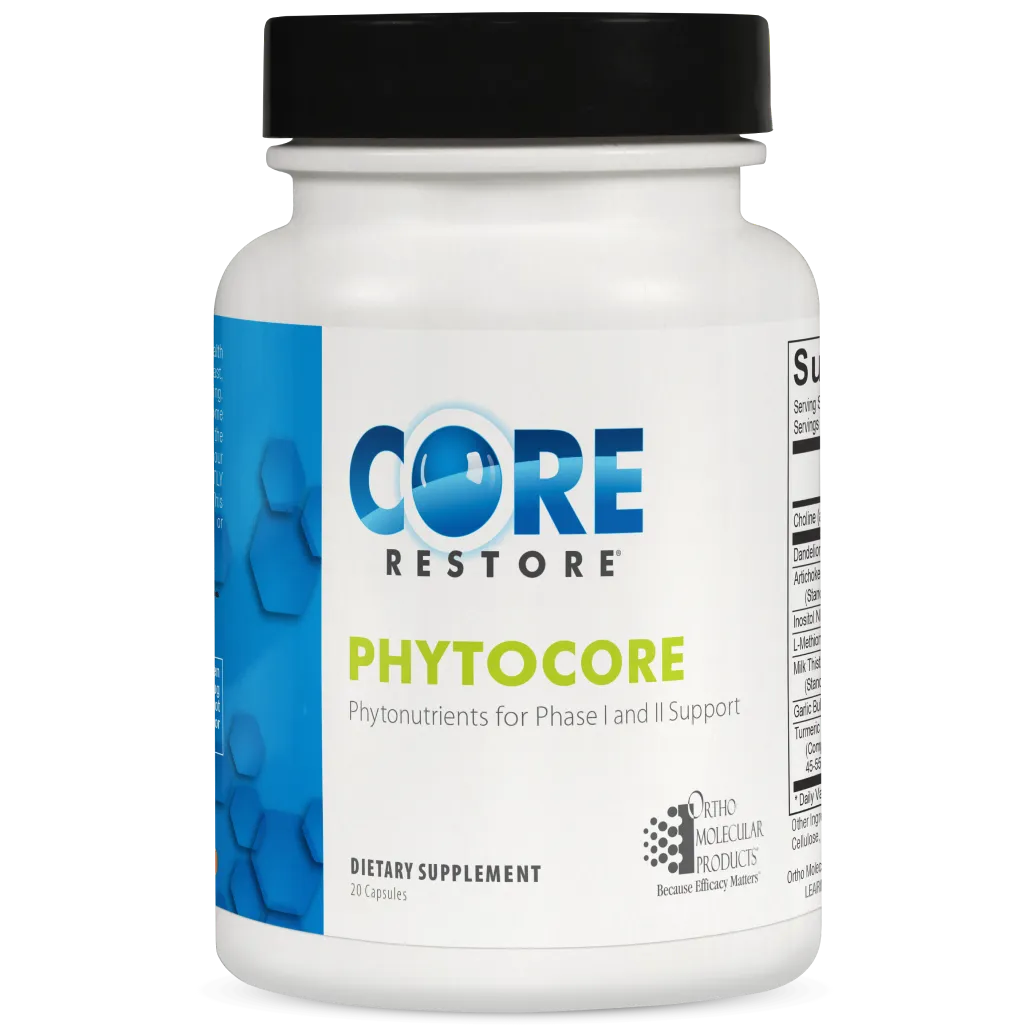
PhytoCore by Ortho Molecular Products is a specialized dietary supplement designed to address this exact bottleneck. Formulated as a core component of comprehensive detoxification programs, PhytoCore combines highly targeted botanical extracts—including silymarin, artichoke leaf, turmeric, and dandelion root—with essential lipotropic nutrients like methionine, choline, and inositol. Rather than simply "stimulating" the liver, this formulation is engineered to meticulously modulate the complex Phase I and Phase II enzymatic pathways, ensuring that toxins are safely neutralized and efficiently exported via bile. In this comprehensive guide, we will explore the intricate biochemistry of liver detoxification, how chronic illness disrupts these pathways, and the clinical science behind PhytoCore's ingredients.
What is PhytoCore?
The Liver's Three-Phase Detoxification System
To understand how the ingredients in PhytoCore function, it is essential to first understand the precise molecular mechanics of hepatic (liver) detoxification. The liver processes and removes fat-soluble toxins through a highly coordinated, three-phase biochemical assembly line. Phase I, known as functionalization, is the body's first line of defense. It is primarily driven by a massive family of enzymes known as the Cytochrome P450 (CYP450) system. These enzymes use oxygen to chemically alter a toxin—through oxidation, reduction, or hydrolysis—exposing a reactive site on the molecule so that it can be processed further.
However, Phase I presents a significant biological paradox. By exposing these reactive sites, the CYP450 enzymes transform the original toxin into a highly reactive intermediate, essentially creating a volatile free radical. These intermediate metabolites are frequently more toxic and damaging to cellular DNA and mitochondrial membranes than the original substance. To prevent severe oxidative damage to the liver cells (hepatocytes), these reactive intermediates must be immediately passed to Phase II. If Phase I operates faster than Phase II, a dangerous bottleneck occurs, leading to intense localized and systemic oxidative stress.
Phase II, known as conjugation, is the neutralization phase. Here, specialized liver enzymes attach (conjugate) a water-soluble molecule to the reactive intermediate. This process utilizes several distinct pathways, including glucuronidation, sulfation, methylation, and glutathione conjugation. By attaching these molecules, the liver effectively neutralizes the free radical and converts the fat-soluble toxin into a water-soluble compound. Finally, Phase III involves the physical elimination of these neutralized, water-soluble toxins. They are pumped out of the liver cells using ATP-binding cassette transporters and secreted into the bile for elimination via the gastrointestinal tract, or released into the bloodstream to be filtered by the kidneys.
The Role of Phytonutrients and Botanicals
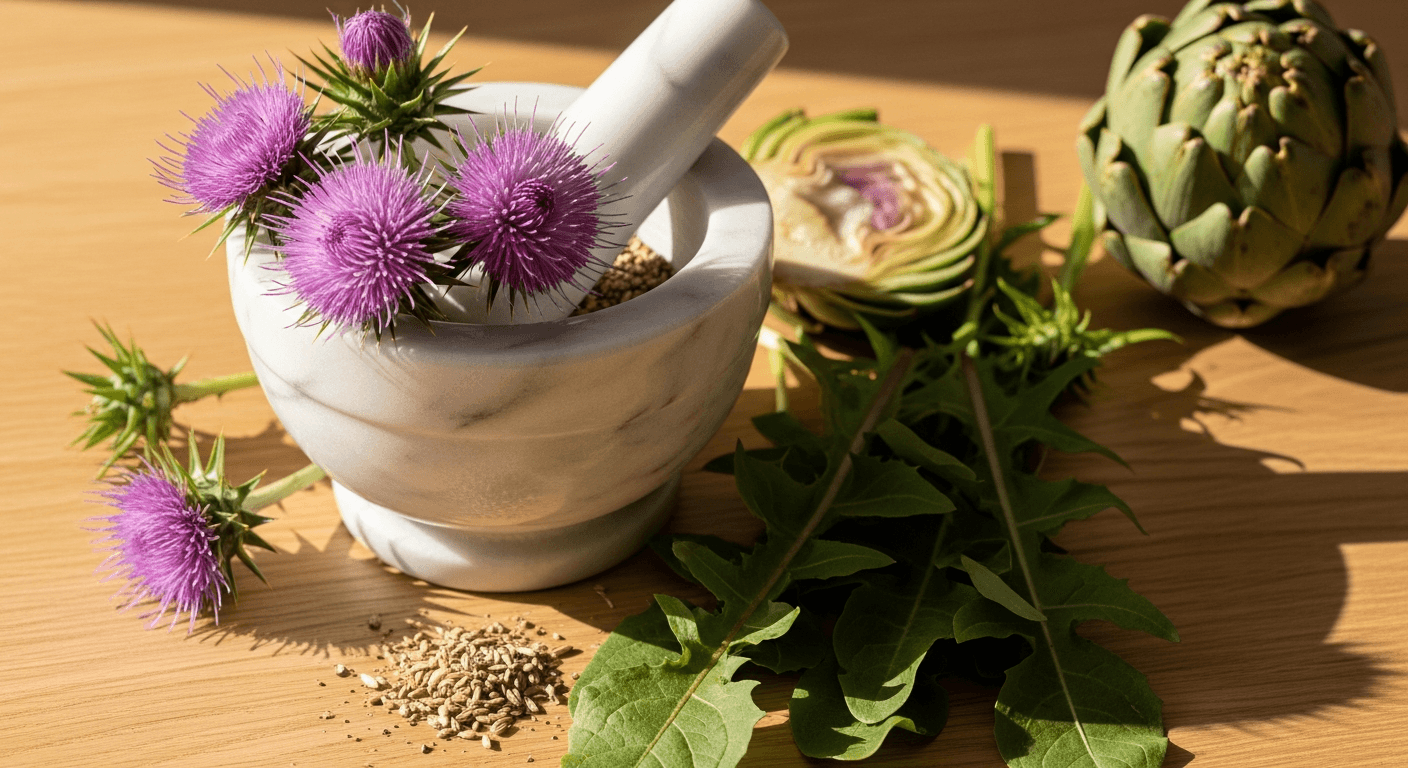
PhytoCore is built upon the clinical concept of bifunctional induction, meaning it is designed to simultaneously support and balance both Phase I and Phase II pathways to prevent toxic bottlenecks. The formulation relies heavily on specific phytonutrients—bioactive compounds derived from plants—that have been shown to directly interact with liver enzymes. For example, silymarin, a complex of flavonolignans extracted from milk thistle seed, acts as a potent structural shield for hepatocyte membranes while aggressively upregulating the production of glutathione, the body's master antioxidant required for Phase II conjugation.
Similarly, the inclusion of turmeric root extract (standardized for curcuminoids) serves a highly specific regulatory purpose. Curcumin is known to competitively inhibit certain overactive CYP450 enzymes, deliberately slowing down Phase I to prevent the over-production of toxic reactive intermediates. Simultaneously, it activates the Nrf2/ARE genetic signaling pathway, which signals the cell nucleus to produce more Phase II detox enzymes. This dual action ensures that the liver's neutralization capacity always exceeds its production of volatile free radicals.
Lipotropic Factors for Cellular Export
Beyond botanical extracts, PhytoCore incorporates a triad of essential nutrients known as lipotropic factors: methionine, choline, and inositol. The term "lipotropic" translates to "fat-loving," and these compounds are absolutely critical for the metabolism, transport, and exportation of lipids (fats) out of the liver. Without adequate lipotropic nutrients, fats and fat-soluble toxins become trapped within the liver tissue, leading to a condition known as hepatic steatosis (fatty liver), which drastically impairs the organ's ability to filter the blood.
Choline and inositol work synergistically to synthesize phosphatidylcholine, a primary building block of cellular membranes, and to package dietary and metabolic fats into very-low-density lipoproteins (VLDL). These lipoproteins act as transport vehicles, carrying fat out of the liver to be utilized by the body for energy. Meanwhile, L-methionine, a sulfur-containing amino acid, acts as a vital precursor for the sulfation and methylation pathways in Phase II detoxification. Together, these lipotropic agents ensure that the liver remains uncongested, maintaining the high metabolic rate required for continuous toxin clearance.
How Chronic Illness Impacts Liver Detoxification
Viral Persistence and Hepatic Oxidative Stress in Long COVID
In the context of complex post-viral syndromes like Long COVID, the body's detoxification systems are placed under unprecedented strain. Emerging clinical research indicates that Long COVID is driven by a combination of viral persistence, immune dysregulation, and severe mitochondrial dysfunction. When the SARS-CoV-2 virus or its lingering spike proteins continue to trigger the immune system, the body produces a constant stream of pro-inflammatory cytokines (such as IL-6 and TNF-alpha). The liver is tasked with filtering out these inflammatory markers and cellular debris, a process that rapidly depletes the body's endogenous antioxidant stores, particularly glutathione.
As glutathione levels plummet, Phase II detoxification pathways begin to stall. This creates a vicious cycle: the liver cannot neutralize the reactive intermediates produced in Phase I, leading to massive localized oxidative stress that damages the hepatocytes. This oxidative damage further impairs the liver's ability to clear viral debris, allowing systemic inflammation to run rampant. Patients often experience this biochemical backlog as profound, unrelenting fatigue, deep muscle aching, and cognitive impairment, as toxins that should have been excreted are instead recirculated to the brain and nervous system.
ME/CFS, Neuro-Lymphatic Congestion, and Post-Exertional Malaise
For individuals living with myalgic encephalomyelitis/chronic fatigue syndrome (ME/CFS), the impact of a sluggish liver is equally devastating. A hallmark symptom of ME/CFS is post-exertional malaise (PEM), a severe exacerbation of symptoms following minimal physical or cognitive exertion. Functional medicine models propose that ME/CFS involves profound neuro-lymphatic congestion, where metabolic waste products build up in the central nervous system faster than they can be drained. The liver is the ultimate destination for this lymphatic waste; if hepatic clearance is impaired, the entire drainage system backs up.
Furthermore, many ME/CFS patients suffer from comorbid multiple chemical sensitivity (MCS), where exposure to everyday environmental toxins—such as perfumes, cleaning agents, or exhaust fumes—triggers immediate and severe neurological crashes. This hypersensitivity is a direct manifestation of overwhelmed Phase I and Phase II liver pathways. When the liver lacks the specific amino acids and cofactors (like methionine and choline) required to rapidly conjugate these chemical exposures, the toxins cross the blood-brain barrier, triggering neuroinflammation and the catastrophic energy failure characteristic of a PEM crash.
Mast Cell Activation Syndrome (MCAS) and Toxic Burden
Mast cell activation syndrome (MCAS) adds another layer of complexity to hepatic dysfunction. Mast cells are immune cells that, when triggered, degranulate and release hundreds of potent chemical mediators, including histamine, tryptase, and leukotrienes. In MCAS, these cells become hyper-reactive, constantly flooding the bloodstream with inflammatory chemicals. The liver is primarily responsible for breaking down circulating histamine via the enzyme histamine N-methyltransferase (HNMT), a process that is heavily dependent on the methylation pathways supported by Phase II detoxification.
When the liver is burdened by viral debris, environmental toxins, or a lack of lipotropic nutrients, its ability to produce HNMT and clear histamine is severely compromised. This leads to a systemic accumulation of histamine, which in turn triggers more mast cell degranulation, creating a self-perpetuating loop of allergic inflammation. Internal research papers suggest that stabilizing mast cells and enhancing the liver's capacity to clear these mediators is critical for breaking the cycle of chronic immune reactivity seen in Long COVID and MCAS.
PhytoCore: Supporting Liver Detoxification and Cellular Health
Silymarin and Curcumin: Modulating Phase I and Phase II Pathways
PhytoCore is meticulously formulated to address these specific biochemical bottlenecks. The inclusion of 130 mg of milk thistle seed extract, standardized to contain 58% silymarin, provides profound hepatoprotective benefits. At the cellular level, silymarin acts as a structural shield, binding to the outer membranes of liver cells to block the entry of harmful toxins. More importantly, it aggressively upregulates the production of reduced glutathione, ensuring that Phase II conjugation has the necessary resources to neutralize the volatile free radicals generated during Phase I metabolism. This action directly combats the oxidative stress that drives Long COVID and ME/CFS fatigue.
Working in tandem with silymarin is 100 mg of turmeric root extract, standardized for potent curcuminoids. Curcumin is a master regulator of the detoxification process. It deliberately downregulates overactive CYP450 enzymes in Phase I, preventing the dangerous accumulation of reactive intermediates. Simultaneously, curcumin is a powerful activator of the Nrf2/ARE signaling pathway. When activated, Nrf2 enters the cell nucleus and turns on the genes responsible for producing Phase II detox enzymes, including NAD(P)H quinone oxidoreductase-1 (NQO1) and heme oxygenase-1 (HO-1). This sophisticated modulation ensures a smooth, bottleneck-free transition of toxins from Phase I to Phase II.
Artichoke and Dandelion Root: Stimulating Phase III Bile Excretion
Neutralizing toxins in Phase II is only half the battle; they must be physically removed from the liver in Phase III. This is where the choleretic (bile-stimulating) botanicals in PhytoCore—145 mg of artichoke leaf extract and 225 mg of dandelion root extract—play a critical role. Artichoke extract contains high levels of caffeoylquinic acids, such as cynarin, which clinical trials have shown can increase hepatic bile secretion by over 150%. This massive increase in bile flow provides the physical vehicle required to flush conjugated, fat-soluble toxins out of the liver and into the intestines for excretion.
Dandelion root complements this action by acting as a cholagogue, triggering the gallbladder to contract and release the stored bile. Furthermore, pharmacological research highlights dandelion root's ability to drastically upregulate the liver's endogenous antioxidant defenses, specifically catalase and superoxide dismutase (SOD). This protects the liver tissue from the oxidative stress generated as the artichoke extract accelerates the processing of toxins. Together, these botanicals prevent biliary stagnation, a common cause of the gastrointestinal symptoms seen with Long COVID.
Methionine, Choline, and Inositol: Preventing Hepatic Steatosis
To ensure that the liver's cellular machinery operates at peak efficiency, PhytoCore provides a robust dose of lipotropic nutrients. The 140 mg of L-methionine serves as a vital sulfur donor for the sulfation pathway, one of the primary Phase II routes for clearing neuroactive compounds and environmental toxins. Methionine is also the direct precursor to S-adenosylmethionine (SAMe), a compound clinically shown to support neurotransmitter synthesis and alleviate the profound cognitive fatigue associated with ME/CFS.
The combination of 72 mg of choline and 140 mg of inositol ensures that fats do not accumulate within the liver tissue. By synthesizing phosphatidylcholine and packaging fats into VLDL particles, these nutrients facilitate the continuous export of lipids out of the liver. Human clinical trials have demonstrated that deficiencies in choline rapidly lead to hepatic steatosis (fatty liver) and elevated liver enzymes. By supplying these essential lipotropic factors, PhytoCore maintains the structural integrity and metabolic rate of the liver, allowing it to efficiently process the heavy toxic loads associated with chronic viral and immune conditions.
Symptoms PhytoCore May Help Manage
Cognitive and Neurological Symptoms
When the liver is overburdened, toxins and inflammatory cytokines can cross the blood-brain barrier, leading to severe neurological manifestations. By supporting Phase II conjugation and promoting the clearance of these neurotoxic compounds, PhytoCore may help manage:
Brain Fog and Cognitive Impairment: By upregulating glutathione production via silymarin and methionine, the liver can more effectively clear the oxidative stress and viral debris that drive neuroinflammation and cognitive sluggishness.
Chemical Sensitivities: Enhancing the sulfation and glucuronidation pathways allows the body to rapidly metabolize and excrete environmental triggers (like perfumes or cleaning agents) before they can provoke a neurological crash or severe post-exertional malaise (PEM).
Mood Instability and Depression: Methionine serves as a precursor to SAMe, a critical compound for the synthesis of neurotransmitters like serotonin and dopamine, helping to stabilize mood in chronic illness.
Gastrointestinal and Metabolic Symptoms
The liver and the gastrointestinal tract are intimately connected via the biliary system. Sluggish bile flow can lead to a host of digestive and metabolic issues. The choleretic botanicals and lipotropic factors in PhytoCore target these specific mechanisms:
Digestive Bloating and Nausea: Artichoke and dandelion root extracts powerfully stimulate the production and release of bile, preventing biliary stagnation and improving the digestion and absorption of dietary fats.
Constipation and Toxin Recirculation: Increased bile flow acts as a natural, gentle laxative, ensuring that conjugated toxins are promptly excreted via the stool rather than being reabsorbed through the intestinal wall.
Metabolic Sluggishness: Choline and inositol facilitate the export of fats from the liver, preventing hepatic steatosis (fatty liver) and supporting overall metabolic rate and cellular energy production.
Energy and Immune Symptoms
Chronic fatigue and immune dysregulation are hallmarks of Long COVID and ME/CFS. By reducing the systemic toxic burden, PhytoCore supports the body's foundational energy reserves:
Profound Systemic Fatigue: By clearing the backlog of metabolic waste and reducing the energy the immune system expends on fighting systemic inflammation, the body can redirect ATP (cellular energy) toward healing and daily function.
Histamine Intolerance and MCAS Flares: Supporting the liver's methylation pathways enhances the production of histamine N-methyltransferase (HNMT), the enzyme responsible for breaking down circulating histamine and reducing allergic reactivity.
Joint and Muscle Pain: The potent anti-inflammatory properties of curcumin inhibit pro-inflammatory cytokines like IL-6 and TNF-alpha, helping to alleviate the deep, systemic muscle aching frequently experienced in post-viral syndromes.
Practical Considerations: Forms, Dosing, and Absorption
Optimizing Bioavailability and Absorption
When utilizing botanical extracts like curcumin and silymarin, bioavailability—the proportion of the substance that successfully enters the systemic circulation—is a critical consideration. Many phytonutrients are notoriously difficult for the body to absorb because they are rapidly metabolized and excreted by the intestines before reaching the liver. PhytoCore utilizes standardized extracts to ensure a consistent, potent dose of active compounds, such as 58% silymarin and 45-55% curcuminoids. To further enhance the absorption of these fat-soluble botanicals, it is highly recommended to take PhytoCore alongside a meal that contains healthy fats, such as olive oil, avocado, or omega-3 fatty acids.
The inclusion of lipotropic factors (methionine, choline, and inositol) within the same capsule provides a synergistic advantage. Because these nutrients actively support lipid transport and cellular membrane integrity, they help facilitate the cellular uptake of the accompanying botanical antioxidants. For patients with severely compromised gastrointestinal function or malabsorption issues—common in Long COVID and dysautonomia—taking the supplement with a digestive enzyme that includes lipase may further optimize the breakdown and assimilation of these crucial liver-supporting compounds.
Dosing Strategies and The Herxheimer Reaction
The manufacturer's suggested use for PhytoCore is 2-3 capsules, two times per day, or as recommended by a healthcare professional. However, for individuals with ME/CFS, Long COVID, or severe MCAS, a more cautious approach is often necessary. Introducing powerful liver detoxifiers can sometimes trigger a "Herxheimer" or die-off reaction. As the liver suddenly gains the nutrients required to rapidly process and dump accumulated toxins, patients may experience a temporary exacerbation of symptoms, including increased fatigue, brain fog, or flu-like body aches, lasting for a few days.
To mitigate this, functional medicine practitioners often recommend a "low and slow" titration strategy. A patient might begin with just one capsule per day, monitoring their symptom response closely. If well-tolerated for several days, the dose can be gradually increased to the therapeutic target. It is also vital to ensure that the primary pathways of elimination—specifically bowel movements and hydration—are fully optimized before aggressively stimulating liver detoxification. If the liver dumps toxins into the bile, but the patient is constipated, those toxins will simply be reabsorbed, worsening the systemic burden.
Potential Drug Interactions and Contraindications
Because PhytoCore is explicitly designed to modulate the liver's Cytochrome P450 (CYP450) enzyme system, it has the potential to interact with various prescription medications. The CYP450 system is responsible for metabolizing the vast majority of pharmaceutical drugs. By altering the speed at which these enzymes operate, botanical extracts like silymarin and curcumin can change how quickly a medication is cleared from the bloodstream, potentially leading to higher-than-intended drug levels or reduced drug efficacy.
Patients taking blood thinners, specific anti-anxiety medications, statins, or immune-modulating drugs should exercise particular caution. Additionally, because artichoke and dandelion root powerfully stimulate bile production and gallbladder contraction, PhytoCore is generally contraindicated for individuals with active gallstones or biliary tract obstructions, as the sudden contraction could provoke a gallbladder attack. As always, it is imperative to consult with a knowledgeable healthcare provider before integrating a comprehensive detoxification support supplement into a complex chronic illness protocol.

Follow the Science
Clinical Evidence for Silymarin and Curcumin in Viral Recovery
The scientific literature supporting the individual ingredients in PhytoCore for chronic illness and liver health is robust and rapidly expanding. Recent clinical research has identified severe, unrelenting oxidative stress and mitochondrial dysfunction as core biological drivers of Long COVID and ME/CFS. In these post-viral states, the body's natural antioxidant systems become overwhelmed. Silymarin has been extensively studied for its ability to counteract this exact mechanism. Clinical trials evaluating high-dose silymarin in viral hepatitis and post-viral fatigue have consistently demonstrated its ability to significantly boost endogenous glutathione levels, reduce elevated liver enzymes (ALT and AST), and mitigate the clinical course of systemic inflammation.
Similarly, curcumin is gaining significant attention in Long COVID research due to its potent immunomodulatory properties. A 2023 randomized controlled trial published in the journal Nutrients investigated curcumin supplementation in post-COVID adults. The study found that four weeks of curcumin significantly reduced circulating inflammatory biomarkers, such as Interleukin-6 (IL-6), compared to a placebo. By inhibiting these pro-inflammatory cytokines, curcumin helps calm the hyperactive immune response that drives chronic fatigue, joint pain, and neuroinflammation, making it a highly valuable tool for post-viral recovery.
Research on Choleretic Botanicals and Bile Flow
The efficacy of artichoke and dandelion root in stimulating Phase III detoxification is well-documented in pharmacological studies. A landmark randomized, double-blind crossover trial evaluated the choleretic effects of standardized artichoke extract in healthy human volunteers. Researchers recorded a staggering 151.5% increase in bile secretion above baseline within 60 minutes of administration, with the effects sustaining for over two hours. This massive increase in bile flow is critical for physically flushing conjugated toxins out of the liver.
Furthermore, comprehensive reviews published in journals like MDPI highlight dandelion root's ability to protect the liver against severe toxic agents. This hepatoprotective mechanism is primarily driven by taraxasterol, a compound that heavily modulates inflammatory pathways and drastically upregulates the liver's production of native antioxidant enzymes, including catalase and superoxide dismutase. In animal models of metabolic liver disease, dandelion extract has been shown to dramatically decrease hepatic lipid accumulation, reversing the early stages of fatty liver disease.
Lipotropic Nutrients and Fatigue Reduction
The clinical importance of lipotropic factors—methionine, choline, and inositol—is underscored by decades of hepatology research. In clinical studies, the standard method to induce severe liver inflammation and fatty liver (steatohepatitis) in laboratory models is to feed them a methionine-choline deficient diet. Removing these two nutrients causes rapid, catastrophic lipid accumulation and a drastic spike in liver enzymes, proving their absolute necessity for lipid export and liver function. When these nutrients are reintroduced, the liver damage is reversed.
Beyond liver health, these nutrients play a direct role in energy production and symptom management for chronic fatigue. A comprehensive review of nutrient therapies for fatigue concluded that the administration of specific metabolic compounds, including methionine and choline, yielded statistically significant benefits in reducing both physical and mental fatigue in patients with chronic illness. By supporting detoxification and respiratory health, synthesizing vital neurotransmitters, and ensuring the liver remains uncongested, these lipotropic factors address the foundational metabolic bottlenecks that perpetuate ME/CFS and Long COVID symptoms.
The Path Forward
Integrating Liver Support into Chronic Illness Care
Living with complex, invisible illnesses like Long COVID, ME/CFS, and MCAS is an exhausting and often frustrating journey. When your body is trapped in a cycle of chronic inflammation, viral persistence, and post-exertional malaise, it can feel as though your own biology is working against you. Validating this experience is the first step toward healing: your symptoms are not in your head; they are the result of profound, measurable biochemical disruptions, particularly within your body's detoxification systems. When the liver is overwhelmed, the entire system suffers, leading to the debilitating brain fog, muscle pain, and chemical sensitivities that make daily life so challenging.
A Comprehensive Approach to Healing
Addressing these complex conditions requires a multifaceted, compassionate approach. Supplements like PhytoCore offer a targeted, science-backed way to support your body's natural detoxification pathways, providing the specific botanicals and lipotropic nutrients needed to clear metabolic bottlenecks and reduce systemic oxidative stress. However, no single supplement is a cure-all. Liver support must be integrated into a broader management strategy that includes aggressive pacing to manage energy envelopes, careful symptom tracking, nervous system regulation, and comprehensive medical care.
As you navigate your recovery, remember that healing is rarely linear. It requires patience, self-compassion, and a willingness to listen to your body's unique signals. If you are struggling with the heavy toxic burden and systemic inflammation associated with post-viral syndromes, supporting your liver's intricate Phase I, II, and III pathways may be a crucial piece of your healing puzzle. Always consult with your healthcare provider to ensure that comprehensive detoxification support is appropriate for your specific clinical picture.
Sources
Kirchhoff, R., et al. (1994). Increase in choleresis by means of artichoke extract. Phytomedicine.
Bellik, L., et al. (2023). Curcumin Confers Anti-Inflammatory Effects in Adults Who Recovered from COVID-19. Nutrients.