Can Phytocidal Support Immune Function and Microbial Balance in Long COVID and ME/CFS?
March 6, 2026
PhytocidalLong COVIDME/CFS
Share:
Disclaimer: The information provided here is for educational purposes only and is not intended as medical advice. It should not be used to diagnose, treat, cure, or prevent any medical condition. Instead, use it as a starting point for discussion with your healthcare provider. Always consult with a qualified healthcare provider before starting any new medication, supplement, device, or making changes to your health regimen.
For many individuals living with complex chronic illnesses like Long COVID, myalgic encephalomyelitis/chronic fatigue syndrome (ME/CFS), and dysautonomia, the healing journey often feels like navigating a maze in the dark. You might experience periods of relative stability, only to be struck by a sudden, debilitating flare-up of severe fatigue, brain fog, or migrating joint pain. Often, these crashes occur without an obvious trigger, leaving patients and their healthcare providers searching for hidden culprits. Increasingly, medical researchers are discovering that the profound immune dysregulation caused by acute viral infections can act as a "second hit," allowing previously dormant, latent infections—such as tick-borne spirochetes—to wake up and wreak havoc on the body.
When the immune system is exhausted, stealth pathogens that have been hiding in deep tissues or protective biofilms can reactivate, driving a vicious cycle of systemic inflammation, mast cell activation, and neurological dysfunction. Addressing this complex web of immune suppression and microbial overgrowth requires a nuanced, multi-targeted approach. Phytocidal, a specialized botanical blend by Ortho Molecular, is designed to promote healthy microbial balance and support immune function, particularly for those dealing with a high spirochete load. In this comprehensive guide, we will explore the intricate science behind Phytocidal's key ingredients, how they interact with the immune system at a cellular level, and why supporting microbial balance is a critical piece of the puzzle for managing Long COVID and ME/CFS.
TL;DR
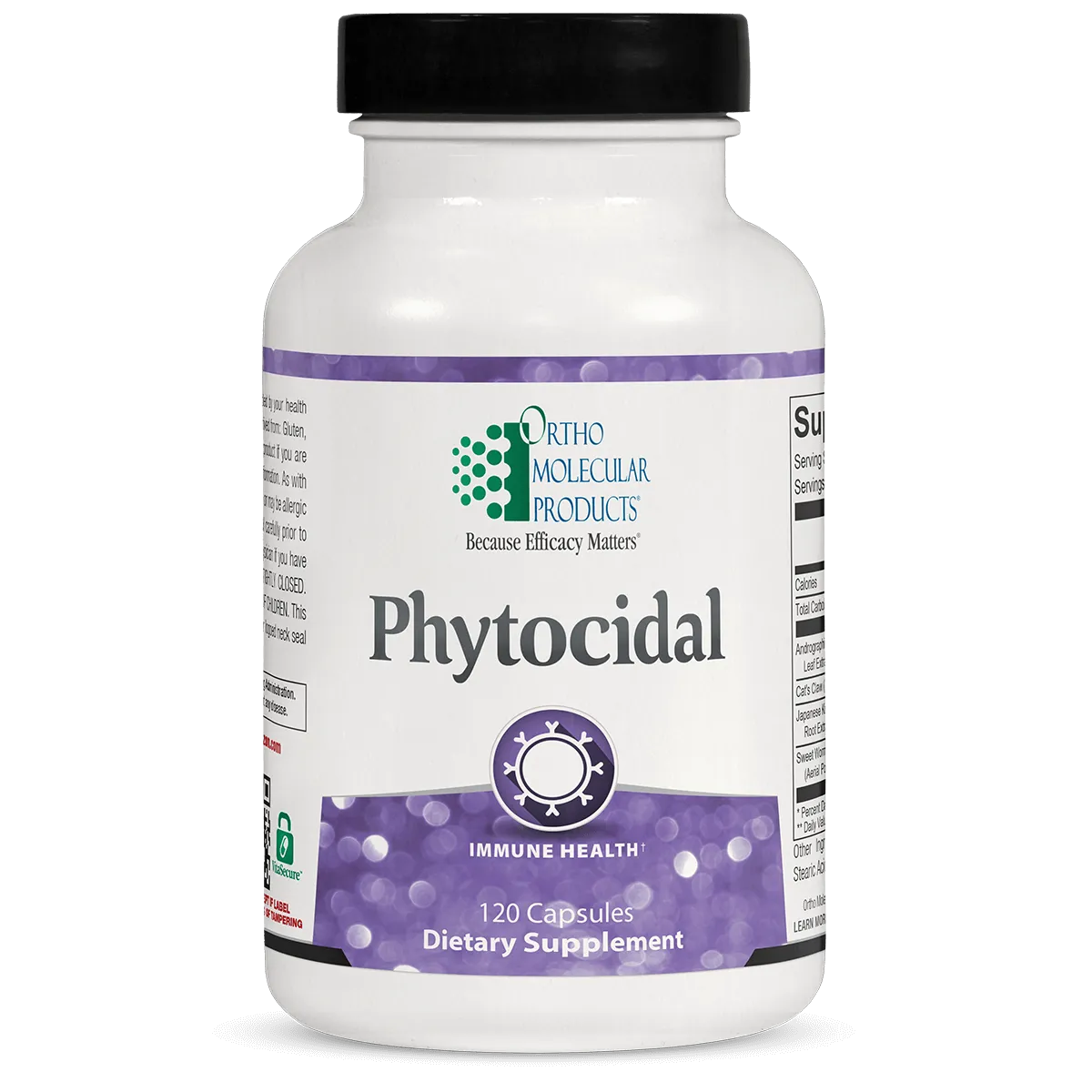
Phytocidal is a botanical blend designed to support immune function and healthy microbial balance.
It targets dormant pathogens and biofilms that may reactivate after viral infections like COVID-19.
Ingredients like Japanese Knotweed and Sweet Wormwood may help reduce inflammation and support cellular energy.
Consult your healthcare provider before starting to ensure safety and manage potential die-off reactions.
What is Phytocidal?
The Challenge of Stealth Pathogens and Spirochetes
To understand the purpose of Phytocidal, it is essential to first understand the unique nature of the pathogens it is designed to address. Spirochetes are a highly specialized group of bacteria characterized by their distinct spiral, corkscrew-like shape and unique rotational motility. The most well-known spirochete in the context of chronic illness is Borrelia burgdorferi, the causative agent of Lyme disease, which is typically transmitted through tick bites. Unlike many common bacteria that remain in the bloodstream, spirochetes possess powerful chemotactic sensors that allow them to locate nutrients and actively bore through dense tissue barriers, including cartilage, joint synovium, and even the blood-brain barrier. This allows them to establish deep-seated infections in areas of the body where the immune system and standard antibiotics struggle to reach.
Furthermore, spirochetes are considered "stealth pathogens" because of their extraordinary ability to evade immune detection and survive hostile environments. When exposed to stressors such as standard antibiotic therapies (like doxycycline) or a robust immune response, actively dividing (log-phase) spirochetes can drastically alter their morphology. They transition into dormant, stationary-phase "persister" cells, such as round bodies or cysts. In this latent state, they slow their metabolic rate to a crawl, rendering traditional antibiotics—which typically target active cell wall synthesis—largely ineffective. To further protect themselves, these persister cells aggregate and secrete a sticky, protective extracellular polymeric substance (EPS) composed of mucins, DNA, and calcium, forming impenetrable microcolonies known as biofilms.
A Synergistic Botanical Formulation
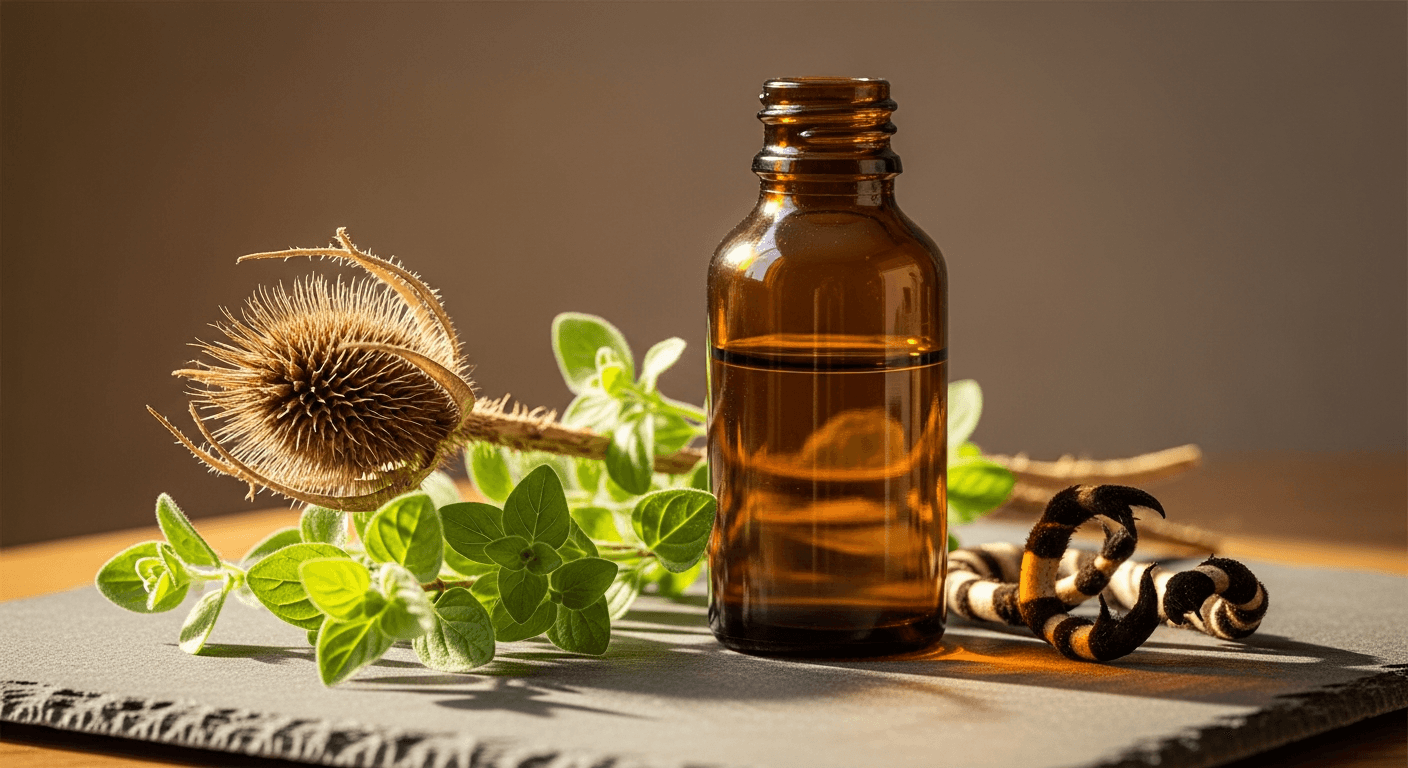
Phytocidal is meticulously formulated to address these specific microbial evasion tactics while simultaneously bolstering the host's immune defenses. Rather than relying on a single mechanism, Phytocidal utilizes a synergistic blend of four highly potent, standardized botanical extracts: Andrographis (Andrographis paniculata), Cat's Claw (Uncaria tomentosa), Japanese Knotweed (Polygonum cuspidatum), and Sweet Wormwood (Artemisia annua). Each of these botanicals has a rich history in traditional medicine and is now the subject of rigorous modern pharmacological research for their antimicrobial, anti-inflammatory, and immunomodulatory properties.
The philosophy behind this multi-herb formulation is rooted in the understanding that complex chronic infections rarely exist in isolation. Tick bites often transmit multiple pathogens simultaneously (co-infections like Babesia or Bartonella), and the resulting immune suppression allows opportunistic microbes to flourish. By combining ingredients that directly target stationary-phase persister cells, disrupt biofilm integrity, and modulate hyperactive inflammatory pathways, Phytocidal offers a comprehensive, broad-spectrum approach. This is particularly vital for patients who have plateaued on conventional therapies or who are seeking to support their immune system's natural ability to clear persistent microbial burdens without devastating their healthy gut microbiome.
How Latent Infections and Immune Dysregulation Impact Long COVID and ME/CFS
The "Second Hit" and Immune Exhaustion
The connection between chronic, post-infectious conditions like Long COVID or ME/CFS and latent spirochetal infections is a rapidly evolving frontier in medical research. Historically, these conditions were studied in silos. However, researchers now understand them under the unified umbrella of Post-Acute Infection Syndromes (PAIS). When a patient contracts an acute viral infection like SARS-CoV-2, the virus can severely disrupt the host's immune architecture. This immune dysregulation is characterized by the unchecked production of inflammatory cytokines, the generation of autoantibodies, and a phenomenon known as T-cell exhaustion. Recent research on ME/CFS and Long COVID has identified a pronounced dysfunction in CD8+ T-cells, which are the immune system's primary cytotoxic defenders. In these patients, CD8+ T-cells lose their ability to produce adequate levels of interferon-gamma (IFN-γ) and tumor necrosis factor-alpha (TNF-α), rendering them unable to clear intracellular threats.
This profound state of immune exhaustion creates a dangerous window of opportunity. A healthy, functioning immune system acts as a constant surveillance network, keeping latent pathogens—organisms that lay dormant in the body after an initial, perhaps unrecognized infection—firmly in check. However, the intense immune destabilization caused by COVID-19 compromises this surveillance. This acts as a "second hit," allowing previously dormant infections, including tick-borne spirochetes like Borrelia, to reactivate, proliferate, and amplify systemic inflammatory signaling. Case reports and emerging clinical data suggest that many patients who develop severe Long COVID may actually be experiencing the unchecked reactivation of these stealth pathogens, which had previously been suppressed by a healthy immune system. You can learn more about this phenomenon in our detailed guide on Autoimmunity and Immune Dysregulation in Long COVID.
Neuroinflammation and the Vicious Cycle of Chronic Illness
When latent spirochetes reactivate, they do not simply cause localized infections; they trigger a cascade of systemic, multi-organ dysfunction that mirrors the core symptoms of Long COVID and ME/CFS. One of the primary battlegrounds is the central nervous system. Spirochetes and their shed surface proteins (lipoproteins) are highly immunogenic. When they cross the blood-brain barrier, they chronically activate microglia, the resident immune cells of the brain. Hyperactive microglia secrete neurotoxic mediators and reactive oxygen species (ROS), driving severe neuroinflammation. This ongoing oxidative stress in the brain is a primary driver of the profound cognitive impairment ("brain fog"), sleep disturbances, and mood disorders frequently reported by patients.
Furthermore, the presence of these reactivated pathogens exacerbates other overlapping pathophysiological mechanisms, particularly mast cell activation and endothelial damage. Spirochetes are known to directly induce the degranulation of mast cells, flooding the body with histamine, tryptase, and inflammatory prostaglandins. This constant state of allergic-type inflammation contributes to the erratic, migrating symptoms seen in mast cell activation syndrome (MCAS). Additionally, the inflammatory response to these bacteria upregulates the release of matrix metalloproteinases (MMPs), enzymes that damage the vascular endothelium. This endothelial injury promotes the formation of microclots and impairs oxygen delivery to tissues, directly fueling the debilitating fatigue and post-exertional malaise (PEM) that define ME/CFS. Breaking this vicious cycle requires therapies that can simultaneously target the microbial burden and calm the hyperactive immune response.
Phytocidal: Supporting Immune Function and Microbial Balance
Targeting Persister Cells and Biofilms with Sweet Wormwood
The botanical extracts in Phytocidal work through distinct, yet complementary, cellular mechanisms to restore microbial balance and immune homeostasis. Sweet Wormwood (Artemisia annua) is standardized in this formula to contain 5% artemisinin, a highly potent compound renowned for its broad-spectrum antimicrobial properties. In the context of spirochetal infections, artemisinin is a biofilm disruptor and a direct antagonist to stationary-phase persister cells. A pivotal 2020 study from Johns Hopkins University demonstrated that Artemisia annua extract exhibited significantly better activity against stationary-phase Borrelia and mature biofilms than standard clinical antibiotics like doxycycline.
At the molecular level, artemisinin exerts its powerful anti-spirochetal effects primarily by generating localized free radicals, or reactive oxygen species (ROS), within the pathogen. The spirochete's cellular environment, which often contains high levels of iron, interacts with the endoperoxide bridge of the artemisinin molecule. This interaction cleaves the bridge, releasing a burst of oxidative stress that systematically breaks down the bacteria's essential proteins, disrupts its cellular morphology, and ultimately leads to the death of the persister cell. Furthermore, essential oils and compounds within Artemisia have been shown to disrupt "quorum sensing"—the chemical communication process bacteria use to coordinate the construction and maintenance of their protective biofilms. By dismantling these physical barriers, artemisinin exposes the hidden pathogens to the host's immune system.
Modulating the Immune Response with Andrographis and Cat's Claw
While eradicating the microbial burden is crucial, it is equally important to calm the collateral tissue damage caused by a hyperactive immune response. Andrographis (Andrographis paniculata), standardized to 30% andrographolides, acts as a sophisticated immunomodulator. Rather than simply stimulating or suppressing the immune system, andrographolide balances it. It achieves this by inhibiting the translocation of the NF-κB (Nuclear Factor-kappa B) p65 subunit to the cell nucleus. By preventing NF-κB from binding to DNA, andrographolide potently suppresses the genetic transcription of pro-inflammatory cytokines like TNF-α, IL-1β, and IL-6, which are the primary drivers of the "cytokine storms" seen in severe viral and bacterial infections. Simultaneously, it enhances the phagocytic ability of macrophages, helping them to effectively engulf and destroy pathogens without triggering excessive collateral inflammation.
Cat's Claw (Uncaria tomentosa) complements this action by specifically addressing the immune suppression caused by spirochetes. Borrelia bacteria actively evade the immune system by suppressing a specific subset of Natural Killer cells known as CD57+ cells. A low CD57+ count is a well-documented biomarker for chronic, active tick-borne infections. Cat's Claw contains potent oxindole alkaloids that stimulate the production and activity of white blood cells, specifically working to elevate and restore CD57+ NK cell counts. Furthermore, research published in the Journal of Ethnopharmacology demonstrates that Cat's Claw acts as a potent inhibitor of TNF-α via the NF-κB pathway, while augmenting the production of IL-1beta. This dual action re-equips the immune system to fight the infection while mitigating the severe joint pain and fatigue associated with Lyme arthritis and systemic inflammation.
Quelling Neuroinflammation with Japanese Knotweed (Resveratrol)
The final pillar of Phytocidal's mechanism is Japanese Knotweed (Polygonum cuspidatum), standardized to contain 20% trans-resveratrol. Japanese knotweed is one of the highest, most bioavailable natural concentrations of resveratrol in the world. In the context of Long COVID and ME/CFS, resveratrol is a highly prized therapeutic agent because it readily crosses the blood-brain barrier to directly target neuroinflammation. Once in the brain, resveratrol inhibits the MAPK signaling pathways, effectively "turning off" the chronic release of pro-inflammatory cytokines and calming hyperactive microglia, transitioning them out of their toxic state.
Beyond its neuroprotective effects, resveratrol is a powerful activator of the AMPK/PPARγ/PGC-1α cellular pathway. This pathway is the master regulator of mitochondrial biogenesis and function. By activating AMPK, resveratrol helps to mitigate the severe mitochondrial dysfunction and impaired ATP (energy) production that drives the debilitating fatigue of ME/CFS. Additionally, resveratrol activates the NRF2/HO-1 antioxidant response element, neutralizing the systemic oxidative stress caused by chronic infection. Finally, resveratrol is highly recognized as a mast cell stabilizer, helping to halt the cascade of histamines that contribute to MCAS flares, making it an invaluable tool for patients dealing with complex, overlapping syndromes. For more information on managing mast cell activation, explore our guide on Ketotifen: Unveiling Relief for the Hidden Battles of MCAS, Long COVID, ME/CFS, and Dysautonomia.
Symptoms Phytocidal May Help Manage
Targeted Symptom Relief for Complex Conditions
Because Phytocidal addresses foundational issues—microbial overgrowth, biofilm formation, and systemic immune dysregulation—it may help manage a wide array of symptoms associated with Long COVID, ME/CFS, and tick-borne illnesses. While individual responses vary, the synergistic mechanisms of its botanical ingredients target the root physiological drivers of these debilitating manifestations.
Here are the primary symptoms Phytocidal may help manage:
Profound Fatigue and Post-Exertional Malaise (PEM): By activating the AMPK/PGC-1α pathway via resveratrol (Japanese Knotweed), Phytocidal supports mitochondrial energy (ATP) production. Furthermore, by reducing the systemic inflammatory burden caused by latent spirochetes, it frees up cellular energy that the body would otherwise expend on a chronic immune response.
Cognitive Impairment ("Brain Fog"): Resveratrol crosses the blood-brain barrier to calm hyperactive microglia and reduce neuroinflammation. Additionally, by breaking down spirochetal biofilms with artemisinin (Sweet Wormwood), it helps clear the neurotoxic byproducts that cloud cognitive function, memory, and focus.
Migrating Joint and Muscle Pain: Both Andrographis and Cat's Claw are potent inhibitors of the NF-κB pathway, which controls the production of pain-inducing inflammatory cytokines like TNF-α and IL-6. This mechanism is particularly relevant for managing the severe, migrating musculoskeletal pain often associated with Lyme arthritis and systemic inflammation.
Mast Cell Activation (MCAS) Flares: Resveratrol acts as a natural mast cell stabilizer, helping to prevent the erratic degranulation of mast cells and the subsequent release of histamine. This can alleviate allergic-type symptoms, skin rashes, and gastrointestinal distress triggered by microbial antigens.
Frequent Infections and Immune Suppression: By elevating CD57+ Natural Killer cells (via Cat's Claw) and enhancing macrophage phagocytosis (via Andrographis), Phytocidal helps restore the immune system's baseline surveillance capabilities, making the body more resilient against opportunistic infections and viral reactivations.
Practical Considerations: Forms, Dosing, and Absorption
Optimizing Absorption and Dosage Timing
To maximize the therapeutic benefits of Phytocidal, it is important to understand how its botanical compounds are absorbed and utilized by the body. The manufacturer, Ortho Molecular, suggests a standard dosage of 2 capsules per day, or as recommended by your healthcare professional. Because the active compounds in this blend—particularly trans-resveratrol from Japanese Knotweed and artemisinin from Sweet Wormwood—are fat-soluble, their bioavailability is significantly enhanced when taken with a meal that contains healthy fats. Taking the supplement alongside foods like avocado, olive oil, nuts, or fatty fish can help ensure that these crucial molecules are efficiently absorbed through the intestinal wall and into the bloodstream.
Additionally, the alkaloids in Cat's Claw require adequate stomach acid for optimal extraction and activation. Therefore, taking Phytocidal with food not only aids in fat solubility but also stimulates the necessary gastric juices. Patients who are currently taking proton pump inhibitors (PPIs) or prescription antacids should consult their healthcare provider, as a suppressed acid environment may blunt the efficacy of the Cat's Claw extract. For those with highly sensitive systems, which is common in ME/CFS and MCAS, practitioners often recommend starting with a lower dose (e.g., one capsule daily) and slowly titrating up to the full suggested use to monitor for tolerability.
Managing the Herxheimer Reaction (Die-Off)
When utilizing potent antimicrobial and anti-biofilm agents like those found in Phytocidal, patients must be prepared for the possibility of a Jarisch-Herxheimer reaction, commonly referred to as a "Herx" or die-off reaction. As artemisinin and the other botanicals successfully break down biofilms and destroy stationary-phase spirochetes, the dying bacteria release large quantities of endotoxins and immunogenic lipoproteins into the bloodstream. This sudden influx of toxins can temporarily overwhelm the body's detoxification pathways, triggering an acute spike in inflammatory cytokines. Clinically, this manifests as a temporary worsening of baseline symptoms—increased fatigue, intensified joint pain, brain fog, chills, or mild fever.
It is crucial to understand that a Herxheimer reaction, while deeply uncomfortable, is a sign that the botanical agents are effectively targeting the microbial burden. However, severe die-off reactions should not be "pushed through." If a patient experiences a significant exacerbation of symptoms, it is generally advised to reduce the dosage of Phytocidal or pause it entirely until the body clears the toxins. Practitioners often recommend utilizing broad-spectrum binders (such as activated charcoal, bentonite clay, or specialized humic/fulvic acid blends) taken away from the supplement to help mop up these circulating endotoxins in the gut. Staying aggressively hydrated and prioritizing radical rest (pacing) are also essential strategies during this phase.
Contraindications and Potential Interactions
While botanical medicines are natural, they are highly biochemically active and must be treated with the same respect as pharmaceutical interventions. Phytocidal contains powerful immunomodulators and mild blood-thinning agents. Because Andrographis and Cat's Claw significantly stimulate certain aspects of the immune system (like NK cells and macrophages), this supplement is generally contraindicated for individuals who are actively taking prescription immunosuppressants (such as those prescribed post-organ transplant or for certain severe autoimmune conditions), as it may counteract the medication's intended effects.
Furthermore, Japanese Knotweed (resveratrol) and Cat's Claw possess mild anticoagulant and antiplatelet properties. Patients who are currently taking prescription blood thinners (like warfarin or Eliquis), or those who have an upcoming surgical procedure, should exercise extreme caution and consult their prescribing physician before initiating Phytocidal to avoid an increased risk of bleeding. Finally, due to a lack of definitive safety data regarding artemisinin and developing fetuses, this supplement should be strictly avoided by women who are pregnant, planning to become pregnant, or breastfeeding. Always consult with a Lyme-literate or complex chronic illness specialist to ensure this botanical blend fits safely within your broader treatment protocol.

Follow the Science
Breakthroughs in Botanical Antimicrobials
The scientific validation for the ingredients in Phytocidal has grown exponentially in recent years, particularly regarding their efficacy against stealth pathogens. The most compelling data regarding Artemisia annua (Sweet Wormwood) and Uncaria tomentosa (Cat's Claw) comes from a landmark in vitro study conducted by Dr. Ying Zhang’s research group at the Johns Hopkins Bloomberg School of Public Health, published in Frontiers in Medicine in 2020. The researchers evaluated various plant-based extracts against growing (motile) and non-growing (stationary phase/persister) forms of Borrelia burgdorferi, comparing their efficacy to frontline Lyme antibiotics like doxycycline and cefuroxime.
The study revealed that specific botanical extracts, notably Artemisia annua and Uncaria tomentosa, exhibited significantly greater activity against the stationary phase (persister) cells than the control antibiotics. While standard antibiotics failed to eradicate the dormant cysts, concentrations of 0.25% to 0.5% of the Cat's Claw extract showed highly potent activity at eradicating the stationary phase cultures. Similarly, the 1% extract of Artemisia annua demonstrated profound anti-biofilm properties, systematically breaking down the protective barriers that allow spirochetes to survive chronic immune attacks. This research provides a crucial mechanistic foundation for why these botanicals are heavily utilized in integrative protocols for complex, persistent infections.
Clinical Trials on Viral and Post-Viral Fatigue
Beyond antimicrobial action, the components of Phytocidal have been rigorously studied for their ability to manage the severe neuroinflammation and fatigue associated with Post-Acute Infection Syndromes. The most significant recent data connecting Polygonum cuspidatum (Japanese knotweed) to Long COVID recovery comes from the UK Phyto-V Study, a double-blind, randomized, placebo-controlled trial published in MDPI in March 2022. The trial investigated whether a specific phytochemical-rich capsule could improve symptoms in 147 patients suffering from acute and Long COVID.
Patients were given a capsule containing 100 mg of resveratrol sourced directly from Polygonum cuspidatum root, combined with other polyphenols. After 30 days, patients taking the resveratrol-inclusive capsule experienced statistically significant improvements compared to the placebo group, including a two-fold reduction in mean fatigue scores and more than a double improvement in overall well-being and quality of life. The study concluded that the resveratrol successfully downregulated excess tissue chronic inflammation by reducing COX-2 activation via the NF-κB pathway. Coupled with emerging research on CD8 T-cell dysfunction in ME/CFS and Long COVID, which highlights the need for therapies that restore immune competence, the science strongly supports the use of multi-targeted botanical immunomodulators like those found in Phytocidal.
The Path Forward
A Comprehensive Approach to Healing
Living with the unpredictable, migrating, and often invisible symptoms of Long COVID, ME/CFS, and tick-borne illness is an exhausting reality. When your body feels like it is constantly at war with itself, finding validating answers and effective management strategies can feel overwhelming. It is important to recognize that the reactivation of latent infections and the resulting immune dysregulation are deeply rooted, physiological processes—not manifestations of anxiety or deconditioning. Acknowledging the profound biological impact of stealth pathogens like spirochetes is a crucial step toward reclaiming your quality of life.
While Phytocidal offers a potent, science-backed blend of botanicals designed to target persister cells, disrupt biofilms, and balance hyperactive inflammation, it is not a standalone cure. True healing from complex chronic illness requires a comprehensive, multi-disciplinary approach. Supplements must be paired with aggressive pacing to manage post-exertional malaise (PEM), targeted nervous system regulation, dietary modifications to support the gut microbiome, and careful symptom tracking to identify specific triggers. By addressing the microbial burden while simultaneously supporting the host's cellular energy and immune resilience, patients can begin to break the vicious cycles that drive chronic symptoms.
Next Steps
If you suspect that latent infections or microbial imbalances are contributing to your chronic symptoms, Phytocidal may be a valuable addition to your integrative management toolkit. Always consult with your primary care provider or a specialist in complex chronic illness before introducing new botanical therapies, especially to navigate potential die-off reactions and ensure it aligns safely with your current medications.