Can Periommune™ Support Mucosal Immunity in Long COVID and Dysautonomia?
March 6, 2026
PeriommuneLong COVIDMucosal Immunity
Share:
Disclaimer: The information provided here is for educational purposes only and is not intended as medical advice. It should not be used to diagnose, treat, cure, or prevent any medical condition. Instead, use it as a starting point for discussion with your healthcare provider. Always consult with a qualified healthcare provider before starting any new medication, supplement, device, or making changes to your health regimen.
Months or even years after recovering from the initial acute phase of a SARS-CoV-2 infection, many individuals find themselves locked in a relentless battle with debilitating, unpredictable symptoms. This complex, multi-systemic condition, known as Long COVID, often leaves patients and their caregivers searching for answers in a medical landscape that is still catching up to the science. One of the most frustrating aspects of living with complex chronic illnesses like Long COVID, myalgic encephalomyelitis/chronic fatigue syndrome (ME/CFS), and dysautonomia is the profound sense of immune dysregulation. Patients frequently describe feeling as though their immune system is simultaneously exhausted and stuck in overdrive, reacting to everything while protecting against nothing. This constant state of physiological stress takes a massive toll on the body's foundational defense systems, particularly at the mucosal borders where the body interacts with the outside world.
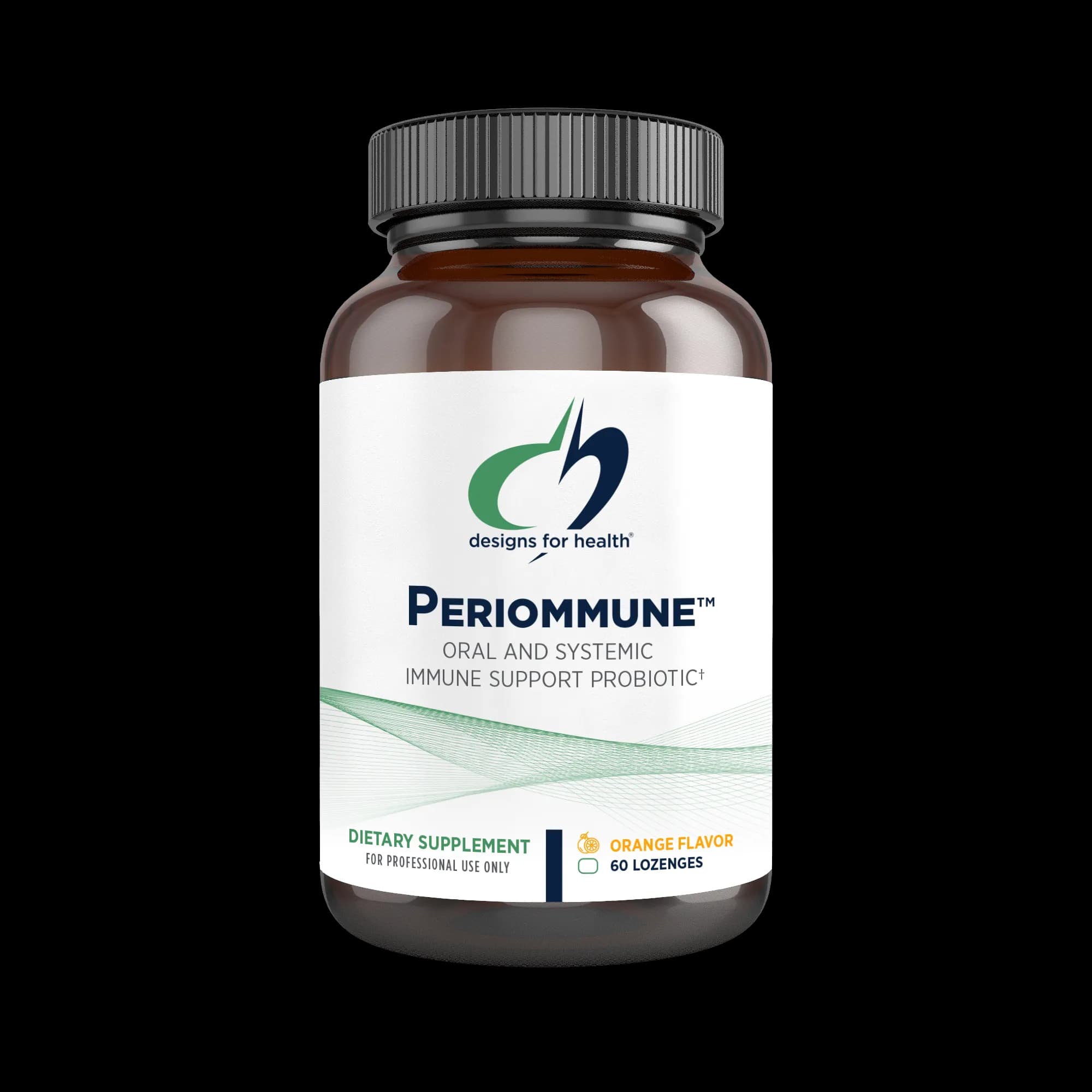
In the search for targeted, evidence-based management strategies, researchers and clinicians are increasingly focusing on the critical role of the oral microbiome and mucosal immunity. The mouth is not just a gateway for food and air; it is a highly active immunological hub that can either protect the body or serve as a persistent reservoir for inflammation. This is where specialized immunomodulating supplements come into the conversation. Periommune™ is a unique lozenge formulation designed specifically to support oral and immune health by interacting directly with the mucosal tissues in the mouth and throat. By combining two heavily researched ingredients—Immuno-LP20® and Wellmune®—this supplement offers a targeted approach to promoting a healthy oral microbial environment and supporting the body's natural defenses. In this comprehensive guide, we will explore the intricate science behind Periommune™, how chronic illness disrupts mucosal immunity, and how these specific ingredients work at the cellular level to support immune resilience.
What Are the Active Ingredients in Periommune™?
The Role of Postbiotics and Immuno-LP20®
To understand how Periommune™ works, we must first look at its foundational ingredients, starting with Immuno-LP20®. This proprietary ingredient is classified as a postbiotic, a relatively new and highly significant category in microbiome science. While most people are familiar with live probiotics, postbiotics are preparations of inanimate (dead) microorganisms and their components that confer a health benefit to the host. Immuno-LP20® is specifically a heat-killed strain of lactic acid bacteria known as Lactobacillus plantarum L-137 (HK L-137). Originally discovered in a traditional fermented dish from Southeast Asia, this specific bacterial strain was found to possess profound immune-modulating properties when exposed to high heat.
The heat-killing process is not a detriment to the bacteria's efficacy; in fact, it is the key to its power. When Lactobacillus plantarum L-137 is subjected to specific heat treatment, its cellular walls harden and stabilize. This process preserves the structural integrity of the cell wall, particularly the high concentration of lipoteichoic acids embedded within it. Because the bacteria are no longer alive, they are completely stable against the harsh, acidic environment of the stomach and the enzymatic activity of saliva. This ensures that the structural components of the bacteria remain entirely intact as they travel through the digestive tract or interact with the oral mucosa, allowing them to effectively bind to immune receptors and trigger a targeted biological response without the risk of causing a live bacterial infection.
In a healthy body, the immune system constantly surveys the environment for specific molecular patterns. The preserved lipoteichoic acids on the surface of Immuno-LP20® act as a biological signal, binding to Toll-Like Receptors (specifically TLR2) located on the surface of dendritic cells and macrophages. This interaction stimulates the production of vital signaling molecules, such as Interleukin-12 (IL-12), which helps orchestrate a balanced, robust immune response. By providing a stable, consistent signal to these receptors, Immuno-LP20® acts as a gentle but highly effective trainer for the innate immune system, helping to maintain vigilance against external stressors while promoting a healthy microbial balance in the localized tissues of the mouth and gut.
Wellmune® and the Power of Beta-Glucans
The second active ingredient in Periommune™ is Wellmune®, a highly purified, proprietary beta-glucan derived from the cell walls of a specific strain of baker’s yeast (Saccharomyces cerevisiae). Beta-glucans are naturally occurring polysaccharides (complex sugars) found in various sources, including oats, barley, mushrooms, and yeast. However, the source of the beta-glucan fundamentally dictates its biological function. While beta-glucans from oats and barley primarily act as dietary fibers that support metabolic health and cholesterol management, yeast-derived beta-glucans like Wellmune® possess a specific molecular structure—known as a beta-1,3/1,6-glucan linkage—that specifically targets and modulates the immune system.
At the cellular level, Wellmune® functions as a Pathogen-Associated Molecular Pattern (PAMP). When the innate immune system encounters this specific beta-1,3/1,6-glucan structure, it recognizes it as a signal to prepare for potential challenges. However, because Wellmune® is highly purified and isolated from the allergenic proteins of the yeast cell, it does not trigger an aggressive, inflammatory immune cascade. Instead, it acts as an immunomodulator, meaning it primes the immune system to respond more efficiently without pushing it into a state of overactive, systemic inflammation. This distinction is crucial for individuals with complex chronic illnesses, whose immune systems are often already hyper-reactive and burdened by chronic inflammation.
The journey of Wellmune® through the body is a fascinating display of cellular communication. When ingested, specialized immune tissues in the gastrointestinal tract, known as Peyer's patches, take up the beta-glucan molecules. Here, immune cells called macrophages engulf the Wellmune® and break it down into smaller, biologically active fragments. These macrophages then travel throughout the body's vital immune organs, slowly releasing these active fragments. The fragments bind to specific receptors—primarily Complement Receptor 3 (CR3)—on the surface of neutrophils, the most abundant type of white blood cell. This binding action "primes" the neutrophils, enhancing their ability to navigate toward specific stressors and neutralize them effectively, providing a foundational layer of support for the body's natural defense mechanisms.
The Importance of the Oral Mucosa in Immune Defense
To fully appreciate the design of Periommune™, we must understand the critical role of the oral mucosa. The human oral cavity serves as the primary gateway to the body, harboring the second-largest microbial community after the gut. This complex ecosystem is not just a passive collection of bacteria; it is an active, dynamic interface that constantly communicates with the host's immune system. Within the oral mucosa lies a sophisticated network of immune tissues known as mucosa-associated lymphoid tissue (MALT), which includes the tonsils and adenoids that make up Waldeyer's ring. These tissues act as the body's frontline sentinels, continuously sampling the environment for potential pathogens and orchestrating localized immune responses.
A cornerstone of this localized defense system is Secretory Immunoglobulin A (sIgA), an antibody found in high concentrations in saliva and mucosal secretions. sIgA acts as a biological shield; it binds to foreign particles, viruses, and pathogenic bacteria, neutralizing them and preventing them from adhering to the epithelial cells lining the mouth, throat, and respiratory tract. When the oral microbiome is balanced and mucosal immunity is strong, sIgA levels remain robust, providing a continuous, invisible layer of protection that supports both local nasopharyngeal health and broader systemic wellness.
The lozenge format of Periommune™ is specifically designed to leverage this localized mucosal defense system. By dissolving slowly in the mouth, the lozenge allows Immuno-LP20® and Wellmune® to bathe the oral cavity, maximizing their contact time with the mucosal tissues and the local immune receptors. Rather than relying solely on systemic absorption through the digestive tract, this targeted delivery method allows the immunomodulating compounds to interact directly with the MALT and stimulate the localized production of sIgA. This innovative approach helps promote a healthy oral microbial environment, supports the integrity of the oral mucosa, and provides foundational support for upper respiratory wellness.
How Long COVID and Dysautonomia Impact Mucosal Immunity
Viral Persistence and Oral Microbiome Dysbiosis
To understand why targeted mucosal support is so relevant, we must examine how chronic conditions disrupt these systems. If you are wondering What Causes Long COVID?, one of the leading scientific theories involves the persistence of viral fragments long after the acute infection has passed. The oral cavity and nasopharyngeal region are highly susceptible to initial SARS-CoV-2 infection because the mucosal and salivary epithelial cells are rich in ACE2 and TMPRSS2 receptors, the exact doorways the virus uses to enter human cells. Research suggests that in many Long COVID patients, the oral cavity can serve as a persistent viral reservoir, sheltering viral RNA and spike proteins that continuously trigger localized immune responses and prevent the tissues from fully healing.
This persistent viral presence wreaks havoc on the delicate balance of the oral microbiome. A landmark 2021 study published in JCI Insight discovered that patients who developed Long COVID exhibited significant "inflammation-type dysbiosis" in their oral microbiome. Specifically, researchers found abnormally high abundances of inflammation-inducing bacteria from the genera Prevotella and Veillonella. This shift from a healthy, symbiotic microbial community to a dysbiotic, pathogenic one creates a localized environment of chronic stress, fundamentally altering the way the mouth interacts with the rest of the body's immune system.
The overgrowth of these specific pathogenic bacteria is particularly damaging because they produce lipopolysaccharides (LPS), powerful endotoxins that continuously stimulate the release of pro-inflammatory cytokines. This constant localized inflammation not only damages the oral mucosa and periodontal tissues but can also be micro-aspirated into the lungs or swallowed into the gut, spreading the inflammatory burden. For patients navigating the complex symptoms of Long COVID, this oral dysbiosis acts as a continuous, hidden driver of systemic inflammation, making it incredibly difficult for the immune system to return to a state of baseline homeostasis.
Mucosal Barrier Breakdown and Mast Cell Activation
The chronic inflammation driven by viral persistence and oral dysbiosis ultimately leads to the breakdown of the mucosal barrier itself. In a healthy state, the tight junctions between the epithelial cells of the oral mucosa prevent unwanted pathogens and toxins from entering the underlying tissues and bloodstream. However, the continuous barrage of inflammatory cytokines and endotoxins degrades these junctions, creating a state of "leaky mucosa." This compromised barrier depletes the local reserves of Secretory IgA (sIgA) and antioxidant defenses, leaving the underlying immune cells highly exposed and vulnerable to constant stimulation.
Sitting right at the interface of these mucosal borders are mast cells, critical components of the innate immune system that act as the body's alarm bells. In conditions like Long COVID and mast cell activation syndrome (MCAS), these mast cells become hyper-sensitized and unregulated. The constant influx of viral fragments and bacterial endotoxins through the leaky oral mucosa triggers these mast cells into a state of chronic degranulation. When mast cells degranulate, they dump massive amounts of histamine, tryptase, and inflammatory cytokines into the surrounding tissues and the bloodstream.
This localized mucosal reactivity quickly cascades into systemic symptoms. The massive release of histamine and cytokines drives widespread vascular inflammation, contributing to the development of microclots and endothelial dysfunction. Patients often experience this as a sudden worsening of symptoms, including brain fog, profound fatigue, flushing, and unpredictable allergic-type reactions. The breakdown of the oral mucosal barrier is not just a localized dental issue; it is a critical domino in the systemic inflammatory cascade that defines many complex chronic illnesses, highlighting the urgent need for targeted mucosal support.
The Vagus Nerve Connection to Dysautonomia and POTS
The impact of oral mucosal inflammation extends far beyond the immune system, directly intersecting with the autonomic nervous system. The vagus nerve, the longest cranial nerve in the body, serves as the primary bidirectional communication highway between the brainstem and the visceral organs, including the mucosal linings of the throat, lungs, and gut. The vagus nerve is highly sensitive to localized inflammation. When the oral and nasopharyngeal mucosa are bathed in pro-inflammatory cytokines and endotoxins from microbiome dysbiosis, the afferent (sensory) fibers of the vagus nerve detect this localized distress and transmit continuous "danger signals" up to the brainstem.
This relentless barrage of inflammatory signaling disrupts the delicate balance of the autonomic nervous system. The vagus nerve is responsible for maintaining parasympathetic "rest and digest" tone, which regulates heart rate, digestion, and cellular repair. However, the chronic neuroinflammation driven by mucosal distress impairs vagal function, leading to a withdrawal of parasympathetic control. The body is subsequently forced into a state of sympathetic "fight or flight" overdrive. This autonomic dysregulation is a hallmark feature of dysautonomia, explaining why so many patients experience a cluster of interconnected immune and neurological symptoms.
For patients suffering from Postural Orthostatic Tachycardia Syndrome (POTS), a common manifestation of dysautonomia in Long COVID, this vagal impairment is particularly devastating. The combination of sympathetic overdrive, vascular inflammation from mast cell activation, and compromised endothelial function makes it incredibly difficult for the body to regulate blood pressure and heart rate upon standing. By understanding this "Oral Microbiome to Dysautonomia" pipeline, we can see how supporting localized mucosal immunity and reducing oral inflammation may play a vital role in a comprehensive strategy to manage the complex, overlapping symptoms of these chronic conditions.
Periommune™: Supporting Cellular Immune Function
Priming Neutrophils with Wellmune®
Periommune™ addresses these complex mucosal challenges by utilizing ingredients that interact with the immune system at the cellular level. Wellmune® plays a pivotal role in this process by enhancing the functional capacity of the innate immune system without exacerbating existing inflammation. When the active beta-1,3/1,6-glucan fragments of Wellmune® bind to the Complement Receptor 3 (CR3) on the surface of circulating neutrophils, they initiate a profound shift in cellular readiness. This binding action alters the physical conformation of the receptor, effectively "priming" the neutrophil for action.
It is crucial to differentiate between "priming" and "stimulating" the immune system. In complex chronic illnesses where the immune system is already hyper-reactive, directly stimulating immune cells can trigger a dangerous cytokine storm and worsen symptoms. Wellmune®, however, does not artificially stimulate the release of inflammatory cytokines. Instead, priming simply prepares the neutrophils to respond more rapidly and effectively only when they encounter a genuine pathogen or stressor. It is akin to putting a specialized task force on high alert; they are ready to deploy with maximum efficiency, but they do not start firing until a target is positively identified.
Once primed by Wellmune®, these neutrophils exhibit enhanced chemotaxis—the ability to navigate quickly and accurately toward the site of an infection or localized inflammation. Upon arriving at the target, their capacity for phagocytosis (the process of engulfing and destroying the pathogen) is significantly increased. By supporting the innate immune system's primary responders in this highly regulated manner, Wellmune® helps the body clear localized stressors more efficiently, potentially reducing the persistent inflammatory burden that drives the symptoms of Long COVID and ME/CFS.
Shifting to a Th1 Immune Response with Immuno-LP20®
While Wellmune® primes the innate immune cells, Immuno-LP20® works synergistically to modulate the adaptive immune system, specifically by influencing the balance of T-helper cells. The immune system relies on a delicate balance between T-helper 1 (Th1) and T-helper 2 (Th2) responses. A Th1 response is primarily responsible for cellular immunity, activating macrophages and natural killer (NK) cells to defend against intracellular pathogens like viruses. Conversely, a Th2 response drives humoral immunity and is heavily involved in allergic reactions, histamine release, and tissue inflammation. In many chronic conditions, including MCAS and Long COVID, patients often become stuck in a Th2-dominant state, leading to hyper-reactivity and chronic allergic-type symptoms.
Immuno-LP20® acts as a powerful counterweight to this Th2 dominance. When the lipoteichoic acids on the heat-killed Lactobacillus plantarum L-137 bind to Toll-Like Receptor 2 (TLR2) on dendritic cells in the mucosa, it triggers a robust production of Interleukin-12 (IL-12). IL-12 is a master regulatory cytokine that specifically drives the immune system toward a Th1 response. By promoting the activation of Th1 pathways, Immuno-LP20® helps suppress the overactive Th2 pathways, effectively calming the exaggerated allergic and inflammatory responses associated with mucosal hyper-reactivity.
This Th1 shift is incredibly beneficial for supporting overall immune resilience. Research indicates that Immuno-LP20® can stimulate the production of Type I interferons, such as IFN-beta, which are critical early effectors of the body's antiviral defense system. By restoring the Th1/Th2 balance, Immuno-LP20® helps the immune system respond more appropriately to external stressors, reducing the collateral tissue damage caused by chronic inflammation and supporting the body's natural ability to maintain homeostasis in the face of complex, overlapping conditions.
Elevating Secretory IgA (sIgA) in the Oral Cavity
One of the most significant synergistic benefits of combining Immuno-LP20® and Wellmune® in a lozenge format is their combined ability to support the production of Secretory Immunoglobulin A (sIgA). As previously discussed, sIgA is the cornerstone of localized mucosal defense, acting as a biological shield in the saliva and nasopharyngeal secretions. In states of chronic physiological stress, viral persistence, and microbiome dysbiosis, local sIgA levels are often severely depleted, leaving the mucosal barriers vulnerable to continuous irritation and pathogenic overgrowth.
Both ingredients in Periommune™ have been clinically shown to support sIgA levels. When the lozenge dissolves slowly in the mouth, the beta-glucans and heat-killed postbiotics interact directly with the pattern recognition receptors on the oral epithelial cells and the localized MALT tissues. This direct, prolonged interaction signals the local B-cells to increase the synthesis and secretion of sIgA into the saliva. A 2021 study by Liu et al. demonstrated that heat-killed probiotic strains significantly elevate salivary IgA concentrations, reinforcing the mucosal barrier against opportunistic pathogens.
By elevating sIgA levels in the oral cavity, Periommune™ provides a critical layer of defense right at the primary site of vulnerability. Robust sIgA levels help neutralize viral fragments and endotoxin-producing bacteria before they can adhere to the mucosal lining and trigger mast cell degranulation. This localized neutralization reduces the overall inflammatory burden on the vagus nerve and the systemic immune system, highlighting how targeted support for the oral mucosa can have profound downstream benefits for patients managing the complex, multi-systemic symptoms of Long COVID and dysautonomia.
Symptoms Periommune™ May Help Manage
Immune and Respiratory Symptoms
Frequent Upper Respiratory Tract Infections (URTIs): By priming neutrophils with Wellmune® and shifting toward a Th1 antiviral response with Immuno-LP20®, Periommune™ supports the body's ability to mount a rapid, effective defense against common respiratory pathogens.
Nasopharyngeal Discomfort: The targeted lozenge delivery system maximizes contact time with the throat and nasopharyngeal mucosa, supporting localized tissue integrity and reducing the localized inflammatory burden.
Prolonged Recovery Times: By supporting innate immune efficiency without triggering systemic inflammation, these ingredients may help the body clear localized stressors more effectively, potentially supporting a smoother recovery process from minor immune challenges.
Oral and Dental Symptoms
Gum Inflammation and Periodontal Stress: Chronic systemic inflammation often manifests as compromised gum health. Immuno-LP20® has been shown in clinical studies to support healthy periodontal tissues by modulating the localized immune response and reducing inflammatory markers in the gums.
Oral Microbiome Imbalances: By elevating Secretory IgA (sIgA) levels in the saliva, Periommune™ helps neutralize opportunistic, endotoxin-producing bacteria, promoting a healthier, more balanced oral microbial environment.
Compromised Oral Mucosa: The synergistic action of both ingredients supports the structural integrity of the mucosal barrier, helping to counteract the "leaky mucosa" phenomenon driven by chronic localized stress.
Systemic and Autonomic Symptoms
Mast Cell Reactivity: By shifting the immune balance away from a Th2-dominant state and supporting the mucosal barrier, Periommune™ may help reduce the constant influx of triggers that cause localized mast cell degranulation, offering foundational support for those managing MCAS symptoms.
Vagus Nerve Irritation: Reducing the localized inflammatory burden and endotoxin production in the oral cavity decreases the "danger signals" transmitted via the afferent vagus nerve, potentially supporting better autonomic nervous system balance.
Fatigue and Immune Exhaustion: By priming innate immune cells to work more efficiently rather than artificially stimulating them, Periommune™ supports immune function without draining the body's cellular energy reserves, which is critical for patients experiencing post-exertional malaise (PEM).
Practical Considerations: Forms, Dosing, and Absorption
Why a Lozenge? Localized Mucosal Absorption
When evaluating dietary supplements, bioavailability—the proportion of an active ingredient that enters the systemic circulation—is usually a primary concern. However, the mechanism of action for Periommune™ requires a fundamental shift in how we think about absorption. The large molecular structures of Wellmune® (beta-glucans) and Immuno-LP20® (heat-killed bacteria) are not designed to be absorbed directly into the bloodstream through the oral mucosa. If you were to swallow these ingredients in a standard capsule, they would bypass the critical immune tissues in the mouth and throat entirely, traveling straight to the stomach and intestines.
The lozenge format is a highly intentional delivery system designed to maximize localized mucosal interaction. By allowing the lozenge to dissolve slowly in the mouth, you are essentially bathing the oral cavity, tonsils, and nasopharyngeal tissues in these immunomodulating compounds. This prolonged contact time is essential because it allows the active ingredients to physically bind to the pattern recognition receptors (like TLR2 and Dectin-1) located directly on the surface of the oral epithelial cells and the localized immune tissues of Waldeyer's ring.
This localized interaction is what triggers the cascade of benefits, including the localized production of Secretory IgA (sIgA) and the priming of local immune sentinels. A pivotal review on orally administered yeast beta-glucans by Stier et al. highlighted a study where soluble yeast beta-glucan was administered as a mouthwash; researchers could not detect the beta-glucans in the blood serum, proving a lack of systemic absorption, yet they noted a significant increase in salivary sIgA. This confirms that Periommune™ does not need to enter the blood to exert its powerful, targeted effects on upper respiratory and oral health.
Dosage and Administration Guidelines
Periommune™ is formulated with clinically relevant doses of its active ingredients to ensure optimal efficacy. Each lozenge contains 250 mg of Baker's Yeast Beta Glucan (Wellmune®) and 50 mg of Lactobacillus plantarum L-137 (Immuno-LP20®). These specific amounts align closely with the dosages used in the extensive clinical trials that demonstrated their safety and immune-supporting benefits. The suggested use is to take up to 2 lozenges per day, or as directed by your healthcare practitioner, making it a simple addition to a comprehensive daily management protocol.
To achieve the maximum benefit from the lozenge delivery system, proper administration is key. You should allow the lozenge to dissolve slowly and completely in your mouth; do not chew or swallow it whole. The goal is to extend the contact time between the active ingredients and your oral mucosa for as long as possible. Many patients find it beneficial to take the lozenge after brushing their teeth or during periods of rest, allowing the compounds to coat the throat and nasopharyngeal region without being immediately washed away by food or large amounts of liquid.
When incorporating immunomodulators like Periommune™ into your routine, it is important to have realistic expectations regarding the timeline for noticing benefits. Unlike fast-acting symptom relievers, these ingredients work by fundamentally retraining and supporting the innate and adaptive immune systems at the cellular level. While localized soothing of the throat may be noticed quickly, the broader benefits of immune priming, Th1/Th2 balancing, and sIgA elevation typically require consistent, daily use over several weeks to months. Patience and consistency are vital when supporting complex biological systems.
Safety Profile and Potential Interactions
Both Wellmune® and Immuno-LP20® boast exceptional safety profiles and are supported by extensive toxicological research. Both ingredients hold Generally Recognized as Safe (GRAS) status in the United States. Because Immuno-LP20® is a postbiotic (heat-killed), it carries zero risk of causing a live bacterial infection (bacteremia), a rare but serious concern with traditional live probiotics in severely immunocompromised individuals. Furthermore, long-term clinical trials evaluating daily intake of Immuno-LP20® over 12 months found zero adverse events and no evidence of "immune exhaustion," confirming that it safely supports the immune system without overtaxing it.
Similarly, Wellmune® is highly purified to remove the allergenic mannoproteins found in yeast cells. This patented extraction process ensures that the beta-glucans are isolated and safe for consumption, even for individuals with known yeast allergies or Candida overgrowth concerns. It is Kosher, Halal, gluten-free, and non-GMO, making it highly accessible for patients with strict dietary restrictions or severe food sensitivities, which are common in populations dealing with MCAS and Long COVID.
However, because both ingredients actively prime and modulate the immune system, there is one primary contraindication to be aware of: immunosuppressive medications. Individuals who have received organ transplants or are taking heavy immunosuppressive drugs for severe autoimmune conditions should avoid using Periommune™ without strict medical supervision. Because these supplements enhance cellular immune defenses, they could theoretically counteract the intended effects of medications designed to suppress immune function. Always consult with your healthcare provider before adding new supplements to your regimen, especially if you are managing a complex chronic illness or taking prescription medications.
Follow the Science: Clinical Evidence for Periommune™ Ingredients
Clinical Trials on Wellmune® and Respiratory Health
The efficacy of Wellmune® is supported by over a dozen peer-reviewed clinical trials, with a strong focus on its ability to protect the body during periods of intense physiological and psychological stress. A randomized, double-blind trial conducted during peak cold and flu season evaluated healthy adults taking Wellmune® for 90 days. The results were striking: participants in the Wellmune® group reported zero missed days of work or school due to cold symptoms, compared to an average of 1.38 missed days in the placebo group. Furthermore, the incidence of fever was completely eliminated in the treatment group, highlighting its ability to support robust innate immune defenses.
Additional studies have focused on populations experiencing extreme physical stress, which is known to temporarily suppress immune function. Research involving marathon runners and wildland firefighters demonstrated that daily supplementation with Wellmune® significantly reduced the incidence, duration, and severity of upper respiratory tract infections (URTIs) following intense exertion. For patients with ME/CFS and Long COVID, who experience profound physiological stress and post-exertional malaise (PEM) from even minor activities, this data suggests that Wellmune® may offer critical support in preventing the secondary infections and immune crashes that often follow exertion.
In another notable 12-week study published in the Journal of the American College of Nutrition, moderately stressed individuals taking Wellmune® reported a significant reduction in upper respiratory symptoms compared to the placebo group. More interestingly, the treatment group experienced a 41% improvement in "vigor"—a measure of physical and mental energy. By supporting the immune system's efficiency, Wellmune® may help reduce the massive cellular energy expenditure required to fight off constant localized inflammation, potentially freeing up energy resources for overall healing and daily function.
Research on Immuno-LP20® for Stress and Oral Health
The clinical data supporting Immuno-LP20® is equally robust, particularly regarding its ability to counteract the immune-suppressing effects of psychological stress. A 12-week, randomized, double-blind, placebo-controlled study published in the Journal of Nutritional Science investigated healthy subjects experiencing high levels of psychological stress. The study found that daily intake of Immuno-LP20® significantly decreased the incidence and severity of URTIs. Blood analysis revealed that the proliferation of T-cells was significantly greater in the test group, confirming the ingredient's ability to drive a robust Th1 cellular immune response even under stressful conditions.
Beyond systemic immunity, Immuno-LP20® has demonstrated profound localized benefits for oral health. A compelling 12-week clinical trial evaluated its efficacy in patients undergoing supportive periodontal therapy. The researchers found that systemic supplementation with the heat-killed bacteria successfully decreased periodontal pocket depth and reduced markers of gum inflammation. Since periodontal disease is driven by a chronic inflammatory response to opportunistic oral pathogens, this study clearly illustrates Immuno-LP20®'s ability to modulate localized mucosal immunity and restore a healthier balance to the oral environment.
Furthermore, long-term safety and efficacy studies have confirmed the viability of Immuno-LP20® for chronic use. A 12-month study monitoring participants taking the supplement daily found no evidence of immune exhaustion; in fact, ex vivo T-cell proliferation was significantly greater at 12 months than at baseline. Additionally, the long-term intake favorably altered the gut microbiome, lowering the Firmicutes/Bacteroidetes ratio and increasing the concentration of beneficial short-chain fatty acids (SCFAs), demonstrating its broad, systemic benefits for microbiome health.
Relevance to Complex Chronic Conditions
The clinical mechanisms of these ingredients are highly relevant to the emerging research on Long COVID and ME/CFS. Recent internal database research on CD8 T-cell dysfunction has identified pronounced cellular exhaustion in both ME/CFS and Long COVID patients, where immune cells produce markedly less protective cytokines (like IFN-γ) when stimulated. By utilizing immunomodulators like Immuno-LP20® that specifically support Th1 cytokine production and T-cell proliferation, we can target these exact pathways of cellular exhaustion, providing foundational support for a deeply fatigued immune system.
Additionally, studies demonstrating frequent EBV and HSV-1 viral reactivation in ME/CFS and Long COVID highlight the critical need for robust innate antiviral defenses. When the immune system is stuck in a Th2-dominant, inflammatory state, latent viruses can easily reactivate and cause further cellular damage and mitochondrial fragmentation. The targeted Th1 shift provided by Immuno-LP20®, combined with the enhanced neutrophil priming of Wellmune®, offers a scientifically grounded approach to supporting the body's natural ability to keep these latent infections in check and maintain mucosal integrity.
While large-scale clinical trials specifically testing Periommune™ in Long COVID populations are still needed, the established mechanisms of action of its individual ingredients align perfectly with the known pathophysiology of the disease. By addressing oral dysbiosis, supporting sIgA production, and modulating the immune response without triggering systemic inflammation, Periommune™ represents a highly logical, evidence-based tool for patients navigating the complexities of post-viral chronic illness.
The Path Forward
Validating the Complex Reality of Chronic Illness
Living with a complex chronic illness like Long COVID, ME/CFS, or dysautonomia is an incredibly challenging journey. If you are constantly wondering Do Long COVID Symptoms Come and Go?, you are not alone; the unpredictable nature of these conditions, characterized by sudden flares, profound fatigue, and a myriad of interconnected symptoms, can feel deeply isolating. It is entirely valid to feel frustrated when standard medical tests return "normal" results while your body feels fundamentally altered. The emerging science surrounding the oral microbiome, mucosal immunity, and vagus nerve dysfunction validates what patients have known all along: these symptoms are rooted in complex, physiological systemic disruptions, not anxiety or deconditioning.
Understanding the intricate connections between the mouth, the immune system, and the autonomic nervous system provides a new lens through which to view your symptoms. It explains why a seemingly minor stressor or a slight shift in your oral health can trigger a cascade of systemic reactions, from brain fog to tachycardia. By recognizing the oral cavity as a critical immunological hub and a potential reservoir for persistent inflammation, we can begin to target these underlying mechanisms with greater precision and care.
It is important to remember that while the science is complex, the path forward is built on foundational support. There is no single miracle cure for conditions as deeply entrenched as Long COVID, but there is immense hope in comprehensive, targeted management strategies. By focusing on repairing the mucosal barriers, balancing the immune response, and reducing localized inflammation, you are taking vital steps toward restoring your body's natural equilibrium and improving your overall quality of life.
Integrating Periommune™ into Your Protocol
Periommune™ offers a unique, scientifically grounded approach to supporting mucosal immunity and oral health. By combining the immune-priming power of Wellmune® with the Th1-balancing properties of Immuno-LP20® in a targeted lozenge format, it provides direct support to the critical tissues of the mouth and nasopharyngeal region. However, supplements are most effective when utilized as one piece of a broader, holistic management strategy. Combining targeted nutritional support with aggressive pacing, detailed symptom tracking, nervous system regulation techniques, and comprehensive medical care offers the best chance for sustained improvement.
As always, we strongly encourage you to consult with your healthcare provider before introducing any new supplement into your regimen, particularly if you are navigating the complexities of how a doctor diagnoses Long COVID or managing severe dysautonomia and MCAS. Your medical team can help you determine if Periommune™ is the right fit for your specific clinical picture and ensure it aligns safely with your current medications and treatment goals. If you are ready to explore how targeted mucosal support can fit into your recovery journey, you can learn more about this innovative formulation below.