Can Perilla Extract Help Manage Mast Cell Activation and Immune Dysregulation in Long COVID?
March 6, 2026
Perilla ExtractLong COVIDMCAS
Share:
Disclaimer: The information provided here is for educational purposes only and is not intended as medical advice. It should not be used to diagnose, treat, cure, or prevent any medical condition. Instead, use it as a starting point for discussion with your healthcare provider. Always consult with a qualified healthcare provider before starting any new medication, supplement, device, or making changes to your health regimen.
Living with complex chronic conditions like Long COVID, myalgic encephalomyelitis/chronic fatigue syndrome (ME/CFS), mast cell activation syndrome (MCAS), and dysautonomia often feels like navigating a relentless, unpredictable storm. One day, you might be managing your baseline symptoms relatively well, and the next, a seemingly minor environmental trigger, a specific food, or a slight increase in physical exertion sends your body into a debilitating flare. For many patients, these sudden crashes are accompanied by a cascade of confusing and overwhelming symptoms: profound brain fog that makes simple conversations impossible, sudden allergic-like reactions, respiratory congestion, and a heavy, unrefreshing fatigue that no amount of sleep can cure. If you are experiencing this volatile reality, it is crucial to understand that your symptoms are not in your head—they are the result of profound, systemic physiological dysregulation, often driven by an immune system that has lost its ability to maintain homeostasis.
In the search for validating, science-backed management strategies, researchers and clinicians are increasingly turning their attention to the role of mast cells and the Th1/Th2 immune balance in driving these chronic disease states. When the immune system becomes hyper-reactive, it requires targeted interventions that can calm the inflammatory cascades at the cellular level without causing further stress to the body. This is where Perilla extract, a botanical intervention rich in potent polyphenols like rosmarinic acid and luteolin, enters the clinical conversation. By acting as a natural mast cell stabilizer and a modulator of inflammatory cytokines, Perilla extract offers a promising, multi-pathway approach to supporting immune function, protecting mucosal barriers, and helping patients reclaim a sense of stability in their daily lives.
What is Perilla Extract?
A Traditional Botanical with Modern Pharmacological Power
Perilla frutescens is an annual herb belonging to the mint family (Lamiaceae), widely cultivated across Asia and utilized for centuries in traditional medicine to address respiratory ailments, allergic reactions, and gastrointestinal distress. In the context of modern pharmacology, Perilla extract has emerged as a potent, scientifically validated botanical intervention for immune modulation. The therapeutic efficacy of this extract is primarily driven by its exceptionally high concentration of polyphenolic compounds, which act as powerful antioxidants and immune-regulating agents within the human body. Unlike synthetic pharmaceuticals that often target a single receptor or pathway, the complex phytochemical matrix of Perilla extract exerts broad-spectrum physiological effects, interacting with multiple cellular signaling cascades simultaneously to restore homeostasis in a dysregulated immune system.
The extraction process is critical to the clinical utility of this botanical. While the leaves and stems contain beneficial compounds, high-quality dietary supplements typically utilize Perilla seed extracts, which are standardized to deliver concentrated doses of specific bioactive molecules. Recent pharmacological research has demonstrated that fractionated Perilla seed extracts yield incredibly high concentrations of polyphenols, making them a highly potent source for therapeutic intervention. By standardizing the extract to contain a specific percentage of polyphenols—such as the 3% standardization found in clinical-grade formulations—manufacturers ensure that patients receive a consistent, reliable dose of the active ingredients required to modulate immune function and support cellular health.
The Molecular Architecture of Rosmarinic Acid and Luteolin
The two most pharmacologically active and extensively studied compounds within Perilla extract are rosmarinic acid (RA) and luteolin. Rosmarinic acid is a naturally occurring ester of caffeic acid and 3,4-dihydroxyphenyllactic acid, renowned for its profound antioxidant and anti-inflammatory properties. At the molecular level, rosmarinic acid functions as a robust scavenger of reactive oxygen species (ROS), neutralizing free radicals before they can inflict oxidative damage on cellular membranes, proteins, and mitochondrial DNA. This antioxidant capacity is crucial for protecting cells from the chronic oxidative stress that characterizes post-viral syndromes and systemic inflammatory conditions. By mitigating ROS overproduction, rosmarinic acid helps preserve the structural integrity of tissues throughout the body.
Luteolin, a highly potent polyphenolic flavonoid found alongside rosmarinic acid in Perilla, complements this antioxidant defense by penetrating deep into the intracellular environment to modulate genetic transcription. While rosmarinic acid excels at neutralizing extracellular and membrane-level threats, luteolin actively regulates the internal signaling pathways of immune cells. Together, these compounds form a synergistic defense mechanism, actively regulating the behavior of sentinel immune cells and preventing the excessive release of inflammatory mediators that drive chronic disease states. This dual-action approach—combining structural protection with genetic modulation—makes the combination of rosmarinic acid and luteolin exceptionally effective for managing complex immune dysregulation.
Maintaining Baseline Immune and Mucosal Homeostasis
In a healthy, optimally functioning body, the compounds found in Perilla extract play a vital role in maintaining the delicate balance of the mucosal immune system. The mucosal barriers lining our respiratory tract, gastrointestinal system, and nasal passages serve as the first line of defense against environmental pathogens, allergens, and toxins. These tissues are densely populated with immune cells, including mast cells and eosinophils, which must constantly evaluate whether a foreign particle is a genuine threat or a harmless environmental factor. Perilla extract supports the structural integrity and immunological vigilance of these barriers by promoting cytokine homeostasis—ensuring that the immune system responds appropriately to actual pathogens without overreacting to benign stimuli like pollen or specific foods.
By modulating the activity of T-helper cells and stabilizing resident mast cells, the polyphenols in Perilla help the body maintain a state of calm, vigilant readiness. This prevents the cascade of chronic inflammation that characterizes complex post-infectious syndromes, where the immune system becomes locked in a perpetual state of high alert. Furthermore, the antioxidant properties of Perilla extract help protect the delicate epithelial cells of the gut and respiratory tract from the damaging effects of chronic inflammation, supporting the physical barrier function that prevents toxins and undigested proteins from leaking into the bloodstream. This comprehensive support of both the immunological and physical aspects of mucosal health is fundamental to overall systemic well-being.
How Long COVID and MCAS Impact the Immune System
The Viral Trigger: SARS-CoV-2 and Aberrant Mast Cell Activation
To understand the profound therapeutic potential of Perilla extract, we must first examine the devastating immunological chaos triggered by conditions like Long COVID, ME/CFS, and MCAS. When the human body is exposed to the SARS-CoV-2 virus, the initial acute infection can sometimes trigger a prolonged, maladaptive immune response that persists long after the virus has been cleared. Clinical research suggests that the viral spike protein can directly interact with and chronically activate mast cells—the sentinel immune cells packed with inflammatory chemicals. In a healthy body, mast cells only release their contents in response to a genuine threat, such as a parasite or a severe injury. However, in patients with Long COVID and MCAS, these mast cells become hyper-sensitized and lose their regulatory mechanisms.
This loss of regulation leads to a state of aberrant, continuous degranulation. The mast cells inappropriately release massive quantities of pre-formed mediators, including histamine, tryptase, and heparin, alongside newly synthesized pro-inflammatory cytokines. This constant chemical barrage creates a vicious cycle of systemic inflammation that drives debilitating symptoms across multiple organ systems. Patients may experience sudden tachycardia, severe gastrointestinal distress, flushing, and unpredictable allergic reactions to previously tolerated foods or environmental factors. The immune system essentially becomes trapped in a perpetual state of alarm, exhausting the body's resources and severely impacting the patient's quality of life.
The Th1/Th2 Imbalance and Eosinophil Recruitment
A central feature of this immune dysregulation is the profound disruption of the Th1/Th2 balance. The immune system relies on a delicate equilibrium between Th1 cells, which drive cellular immunity against viruses and intracellular bacteria, and Th2 cells, which manage humoral immunity and allergic responses. In many patients with Long COVID and MCAS, the immune system becomes heavily skewed toward Th2 dominance. This Th2 overactivation results in the excessive production of specific interleukins, particularly IL-4, IL-5, and IL-13. These cytokines act as powerful signaling molecules that orchestrate a systemic allergic response, even in the absence of a true allergen. You can learn more about this complex dynamic in our detailed guide on Autoimmunity and Immune Dysregulation in Long COVID.
The overproduction of IL-5 is particularly problematic, as this cytokine is responsible for the activation, recruitment, and survival of eosinophils—white blood cells primarily involved in allergic inflammation and asthma. When eosinophils are continuously recruited to mucosal tissues in the lungs and gastrointestinal tract, they release their own toxic granules, causing severe tissue damage, airway hyperresponsiveness, and chronic gut inflammation. This immunological shift transforms the body into a highly reactive environment, where everyday environmental exposures, foods, and even physical exertion can trigger severe allergic-like cascades and systemic crashes. The constant presence of these inflammatory cells prevents the mucosal barriers from healing, perpetuating the cycle of chronic illness.
Neuroinflammation and the Blood-Brain Barrier
The consequences of this continuous mast cell activation and Th2 dominance extend far beyond the peripheral immune system, profoundly impacting the central nervous system. When peripheral mast cells degranulate, the resulting flood of inflammatory cytokines and histamine can compromise the structural integrity of the blood-brain barrier. This protective shield is designed to keep toxins and inflammatory mediators out of the brain, but chronic systemic inflammation can cause it to become permeable. Recent clinical literature indicates that these inflammatory mediators cross into the brain, where they activate microglia—the resident immune cells of the central nervous system.
This localized neuroinflammation in the hypothalamus and other brain regions is now considered a primary driver of the severe cognitive impairment, commonly referred to as "brain fog," and the profound, unrefreshing fatigue experienced by patients with Long COVID and ME/CFS. When microglia are chronically activated, they disrupt normal neuronal signaling, impair memory consolidation, and alter the brain's regulation of the autonomic nervous system. The continuous crosstalk between peripheral mast cells and central microglia creates a self-perpetuating loop of neuroimmune dysfunction that is incredibly difficult to break without targeted, multi-pathway interventions that can cross the blood-brain barrier and calm the nervous system directly.
Perilla Extract: Supporting Immune and Mast Cell Function
Halting Degranulation: The Calcium Blockade and Receptor Antagonism
Perilla extract, standardized to deliver concentrated doses of rosmarinic acid and luteolin, intervenes directly in this cycle of immune dysregulation by acting as a potent, natural mast cell stabilizer. At the cellular level, mast cell degranulation is triggered when allergens or viral proteins cross-link with IgE antibodies bound to high-affinity FcεRI receptors on the cell surface, or when non-IgE pathways activate the MRGPRX2 receptor. Both pathways cause a massive, rapid influx of extracellular calcium ($Ca^{2+}$) into the mast cell. This sudden spike in intracellular calcium is the necessary biochemical catalyst that forces the cell's secretory granules to fuse with the outer membrane and aggressively release their inflammatory contents into the surrounding tissue.
Pharmacological studies have demonstrated that the rosmarinic acid found in Perilla extract structurally interferes with these receptor complexes and significantly inhibits this critical calcium influx. By acting as a calcium channel blocker specific to mast cells, rosmarinic acid effectively halts the morphological changes required for degranulation. It traps histamine, tryptase, and other pre-formed mediators safely inside the cell where they cannot cause systemic harm. Furthermore, rosmarinic acid exhibits a high structural binding affinity to the MRGPRX2 receptor, effectively neutralizing the non-IgE activation signals that are often triggered by neuropeptides, stress hormones, and certain medications in MCAS patients. This receptor antagonism provides a crucial layer of defense against unpredictable mast cell flares.
Modulating Th2 Cytokines and Suppressing Inflammatory Pathways
Beyond stabilizing the cell membrane, the luteolin found in Perilla extract penetrates the intracellular environment to shut down the downstream genetic signaling pathways responsible for synthesizing new inflammatory cytokines. Once a mast cell is activated, it not only releases pre-formed histamine but also begins manufacturing new cytokines through the activation of the NF-κB and mTOR pathways. Research reveals that luteolin aggressively downregulates the phosphorylation of vital upstream signaling proteins, specifically PLC-γ, Lyn, and Bruton's tyrosine kinase (Btk). By inhibiting these kinases, luteolin prevents the activation of NF-κB, thereby stopping the de novo synthesis of interleukins like IL-1β, IL-6, and CXCL8. This dual-action mechanism makes Perilla extract an exceptionally comprehensive tool for managing hyper-reactive immune states. For patients exploring pharmacological options alongside botanical support, our guide on Ketotifen for MCAS and Long COVID provides further insight into mast cell stabilization strategies.
Furthermore, Perilla extract plays a crucial role in correcting the Th1/Th2 imbalance that drives allergic inflammation and eosinophil recruitment. By actively suppressing the secretion of Th2-specific cytokines like IL-4, IL-5, and IL-13, the rosmarinic acid in Perilla helps calm the hyperactive humoral immune response. Specifically, the reduction of IL-5 is critical, as this cytokine is the primary survival and activation factor for eosinophils. By lowering IL-5 levels, Perilla extract helps reduce eosinophil infiltration into mucosal tissues, thereby alleviating the chronic congestion, airway hyperresponsiveness, and systemic inflammation that plague many patients with complex chronic conditions.
Restoring Cytokine Homeostasis in GI Mucosal Tissue
The gastrointestinal tract is home to the largest concentration of immune cells in the human body, including a vast population of mucosal mast cells. In patients with Long COVID and dysautonomia, chronic mast cell activation in the gut often leads to severe gastrointestinal distress, increased intestinal permeability (leaky gut), and a breakdown of mucosal tolerance to food antigens. Perilla extract specifically targets this localized inflammation by supporting cytokine homeostasis within the GI mucosal tissue. By downregulating the production of pro-inflammatory cytokines like TNF-α and IL-6 within the gut lining, the polyphenols in Perilla help soothe the inflamed epithelium and restore normal barrier function.
This restoration of mucosal homeostasis is vital for overall systemic recovery. When the gut barrier is compromised, undigested food particles and bacterial endotoxins can enter the bloodstream, triggering further systemic immune activation and exacerbating symptoms like brain fog and fatigue. By stabilizing the mast cells resident in the gastrointestinal mucosa and promoting a balanced Th1/Th2 cytokine environment, Perilla extract helps break this cycle of gut-driven systemic inflammation. This localized support allows the digestive system to heal, improving nutrient absorption and reducing the frequency and severity of food-triggered symptom flares, which is a common and highly distressing issue for patients navigating MCAS.

Symptoms Perilla Extract May Help Manage
Targeting the Systemic Effects of Immune Dysregulation
Because Perilla extract exerts its effects at the foundational level of immune signaling—stabilizing mast cells and modulating Th2 cytokines—it has the potential to alleviate a wide range of systemic symptoms associated with Long COVID, MCAS, and dysautonomia. By reducing the overall inflammatory burden and halting the continuous release of histamine and interleukins, patients may experience improvements across multiple interconnected organ systems.
Addressing Neuroinflammation and Mucosal Reactivity
Brain Fog and Cognitive Impairment: By stabilizing peripheral mast cells and preventing the release of inflammatory cytokines like IL-6 and TNF-α, Perilla extract helps protect the blood-brain barrier. The luteolin in the extract can also cross into the central nervous system to calm activated microglia, reducing the neuroinflammation that drives severe cognitive dysfunction, memory loss, and difficulty concentrating.
Respiratory Congestion and Airway Hyperreactivity: Perilla extract actively suppresses the production of Th2 cytokines, particularly IL-5 and IL-13, which are responsible for recruiting eosinophils to the lungs and nasal passages. By halting this eosinophil infiltration and preventing histamine release, it helps manage chronic nasal congestion, shortness of breath, and asthma-like symptoms triggered by environmental factors.
Gastrointestinal Distress and Food Sensitivities: The polyphenols in Perilla support cytokine homeostasis in the GI mucosal tissue. By stabilizing the mast cells lining the gut and reducing localized inflammation, the extract can help alleviate abdominal pain, bloating, unpredictable bowel habits, and the severe, sudden reactions to previously tolerated foods that characterize MCAS.
Supporting Systemic Energy and Dermatological Health
Profound, Unrefreshing Fatigue: Chronic immune activation is incredibly energy-intensive. When the body is locked in a perpetual state of Th2 dominance and mast cell degranulation, it diverts mitochondrial energy away from normal cellular functions to sustain the inflammatory response. By calming this immune overactivity, Perilla extract helps conserve cellular energy, potentially reducing the severity of systemic fatigue and post-exertional malaise (PEM).
Pruritus, Hives, and Skin Rashes: The skin is densely populated with mast cells that express the MRGPRX2 receptor, which is heavily implicated in severe itching (pruritus) and dermatological inflammation. Rosmarinic acid has a high binding affinity for this receptor, acting as an antagonist to block activation signals. This helps prevent the sudden onset of hives, flushing, and chronic itching that frequently plague patients with immune dysregulation.
Chemical and Environmental Sensitivities: Patients with MCAS often develop severe sensitivities to perfumes, cleaning products, and temperature changes. By raising the activation threshold of mast cells and preventing the rapid influx of intracellular calcium, Perilla extract makes these sentinel cells less reactive to minor environmental stimuli, helping to expand a patient's tolerance to their surroundings.
Practical Considerations: Forms, Dosing, and Absorption
The Challenge of Bioavailability and Intestinal Absorption
While the pharmacological mechanisms of Perilla extract are incredibly promising, it is crucial to understand the practical considerations surrounding its absorption and utilization within the human body. The primary active compound, rosmarinic acid, is notorious for its poor systemic absorption in its natural, unesterified form. Pharmacokinetic models based on Lipinski’s "rule of five" suggest that rosmarinic acid should theoretically have high intestinal absorption. However, in vitro and in vivo studies prove that its actual intestinal permeability is quite low. The small fraction that is absorbed passes through the intestinal epithelium primarily via paracellular transport in tight junctions, resulting in an absolute oral bioavailability of roughly 1% to 2% in animal models.
Because of this low absolute bioavailability, the vast majority of ingested rosmarinic acid (up to 95%) is not absorbed intact into the bloodstream. Instead, it travels to the lower gastrointestinal tract, where it is extensively metabolized by the intestinal microflora. The gut microbiome breaks down the complex rosmarinic acid molecules into smaller, more easily absorbed phenolic units, such as caffeic acid and ferulic acid. While this means that intact rosmarinic acid levels in the blood may remain low, these smaller secondary metabolites still exert potent systemic antioxidant and anti-inflammatory effects. This extensive interaction with the gut microbiome also explains why Perilla extract is highly effective at modulating localized inflammation within the GI mucosal tissue.
Metabolism, The Food Effect, and Pharmacokinetics
The fraction of rosmarinic acid and luteolin that does successfully absorb into the systemic circulation undergoes rapid hepatic metabolism. In the liver, these compounds are quickly conjugated and methylated before being distributed to target tissues. Clinical trials measuring the pharmacokinetics of botanical extracts rich in rosmarinic acid have found that the compound reaches peak plasma concentrations ($C_{max}$) very quickly, typically within 30 to 60 minutes when taken on an empty stomach. However, the compound is also eliminated rapidly from the systemic circulation, primarily through urinary excretion via the kidneys, with an elimination half-life ($T_{1/2}$) of roughly 45 minutes to 1 hour.
Interestingly, the timing of supplementation in relation to meals significantly alters the pharmacokinetic profile of these polyphenols. Clinical data indicates that consuming rosmarinic acid-rich extracts alongside a meal delays the absorption time—shifting the peak concentration from 1 hour to roughly 3 hours. More importantly, taking the supplement with food actually increases the overall systemic exposure (measured as the Area Under the Curve, or AUC), even though the immediate peak concentration is slightly lower. For patients utilizing Perilla extract to manage chronic immune dysregulation, taking the supplement with a meal containing healthy fats may help prolong its therapeutic effects and ensure a more sustained modulation of mast cell activity throughout the day.
Safety Profile, Tolerability, and Hepatoprotective Properties
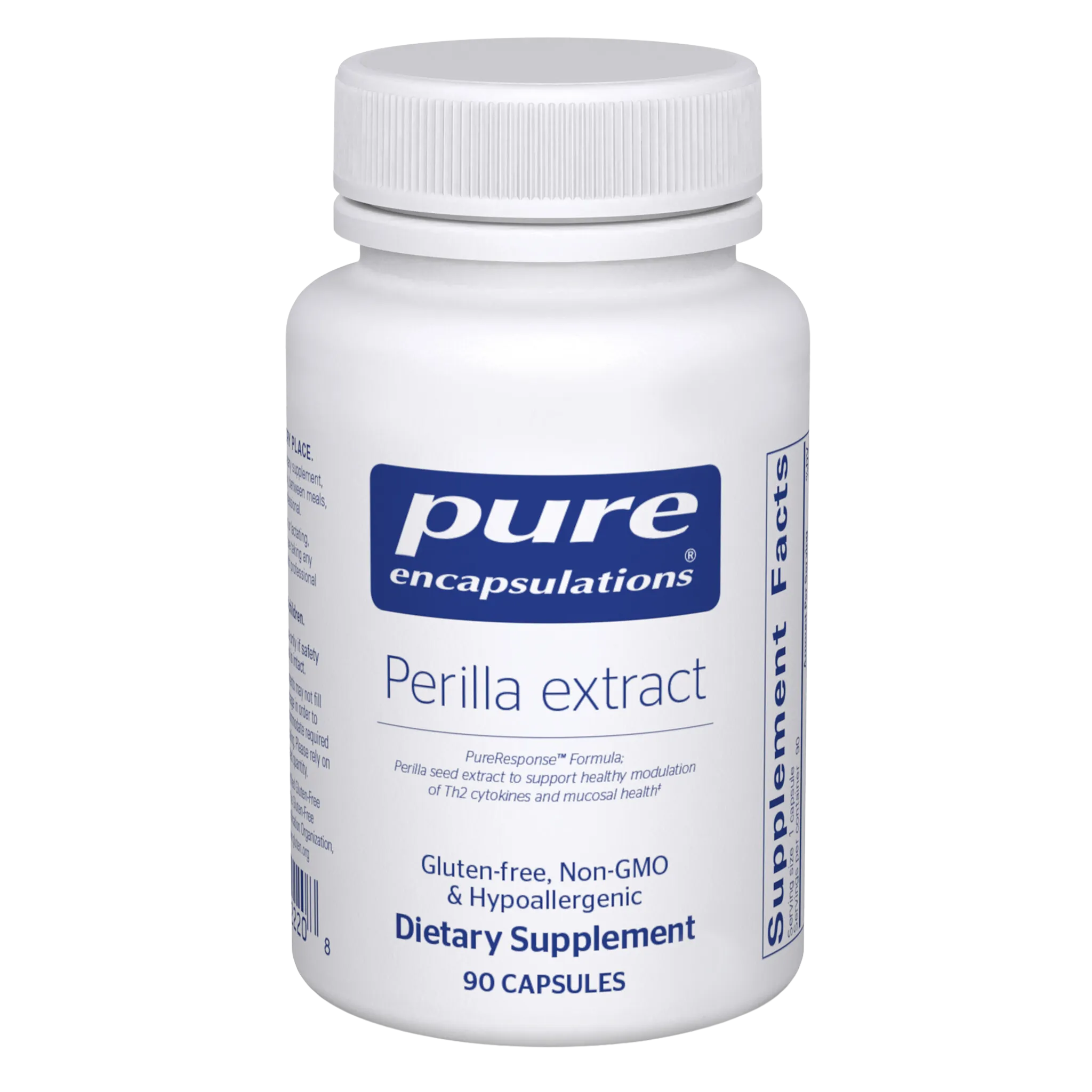
One of the most significant advantages of utilizing Perilla extract for immune support is its exceptional safety profile. Human clinical trials evaluating high oral doses of botanical extracts containing up to 500 mg of rosmarinic acid have consistently concluded that the compound is entirely safe and highly tolerable. Participants in these studies reported no adverse side effects, and comprehensive blood tests revealed no significant alterations in liver function, kidney function, or blood cell counts. Typical dietary supplement capsules, such as the 150 mg Perilla extract formulation, utilize highly effective but conservative doses that fall well within established safety margins, making them suitable for long-term daily use in chronic illness management.
Furthermore, rather than causing stress to the liver, the polyphenols in Perilla extract are actively hepatoprotective. Animal studies exposing subjects to highly toxic chemicals designed to induce acute liver damage demonstrated that rosmarinic acid significantly reversed the toxicity, reduced oxidative stress, and prevented the elevation of liver enzymes. This hepatoprotective quality is particularly beneficial for patients with Long COVID and ME/CFS, whose detoxification pathways are often overburdened by chronic inflammation and polypharmacy. While Perilla extract is generally safe, patients with known allergies to the Lamiaceae family (mint, basil, rosemary) should exercise caution, and it is always essential to consult with a healthcare provider before introducing new supplements, especially when managing complex, multi-systemic conditions.

Follow the Science
Clinical Efficacy in Allergic Rhinoconjunctivitis
The therapeutic potential of Perilla extract is not merely theoretical; it is supported by robust clinical trials demonstrating its efficacy in modulating human immune responses. One of the most significant placebo-controlled clinical trials investigated the effects of a rosmarinic acid-enriched Perilla frutescens extract on patients suffering from seasonal allergic rhinoconjunctivitis. In this 21-day, double-blind study, patients were administered daily oral doses of either a placebo, 50 mg of rosmarinic acid, or 200 mg of rosmarinic acid. The results were striking: 70% of the patients in the 200 mg group reported significant global symptom relief, including marked improvements in itchy nose, watery eyes, and total symptom scores, compared to negligible improvements in the placebo group.
Crucially, this study went beyond subjective symptom reporting to measure objective cellular biomarkers. Analysis of the patients' nasal lavage fluid revealed that the active Perilla extract significantly decreased the infiltration of neutrophils and eosinophils into the nasal passages. This objective reduction in inflammatory cell recruitment provides concrete clinical evidence that rosmarinic acid successfully modulates the Th2 cytokine response in humans, actively preventing the immunological cascades that drive allergic inflammation. The study also confirmed the excellent safety profile of the extract, with no adverse events or blood test abnormalities reported during the intervention period.
Luteolin's Superiority to Traditional Mast Cell Stabilizers
In the realm of mast cell activation, luteolin has emerged as a powerhouse compound, with recent research suggesting it may outperform standard pharmaceutical interventions in specific metrics. A pivotal 2024 in vitro study directly compared the efficacy of luteolin against cromolyn sodium, an FDA-approved prescription mast cell stabilizer. The researchers utilized cultured human mast cells and measured the release of various inflammatory mediators following activation. The findings demonstrated that luteolin was significantly more potent than cromolyn at inhibiting the release of histamine, tryptase, and Vascular Endothelial Growth Factor (VEGF).
Even more remarkably, the study revealed that while luteolin successfully halted the de novo synthesis and release of critical pro-inflammatory cytokines—specifically interleukin-1β (IL-1β), IL-6, and CXCL8—cromolyn was found to have absolutely no effect on these specific cytokines. This data highlights a crucial limitation of traditional mast cell stabilizers, which often only prevent the release of pre-formed mediators but fail to stop the delayed cytokine storm. Luteolin's ability to shut down both the immediate degranulation and the subsequent genetic transcription of cytokines makes it an exceptionally valuable tool for managing the complex, multi-layered inflammation seen in MCAS and Long COVID.
Emerging Evidence for Long COVID and Neuroinflammation
The clinical application of luteolin is rapidly expanding into the treatment of Long COVID, specifically targeting the neuroinflammation that drives cognitive impairment and sensory loss. Because luteolin can cross the blood-brain barrier, it is frequently utilized in clinical trials in a co-ultramicronized combination with Palmitoylethanolamide (PEA), an endocannabinoid-like lipid. A recent multicenter, double-blinded clinical trial investigated the use of this PEA-luteolin combination in 185 Long COVID patients suffering from chronic loss of smell (anosmia) lasting more than six months. Patients received a daily oral supplement of 700 mg PEA and 70 mg luteolin for 90 days.
The results of this intervention were highly encouraging. An astounding 92% of the patients in the active treatment group experienced significant improvements in olfactory threshold, discrimination, and identification scores, compared to only 42% in the placebo group. Furthermore, longitudinal studies tracking Long COVID patients utilizing the same PEA-luteolin protocol have noted statistically significant reductions in the severity of "brain fog" and mental clouding after three months of treatment. These clinical findings strongly support the hypothesis that stabilizing mast cells and reducing neuroinflammation with targeted polyphenols like luteolin can facilitate the recovery of damaged neural pathways and improve cognitive function in post-viral syndromes.
The Path Forward
Validating the Complex Journey of Chronic Illness
Living with the unpredictable and systemic symptoms of Long COVID, MCAS, and dysautonomia is an incredibly challenging journey. The sudden flares, the debilitating fatigue, and the cognitive impairment can make it difficult to maintain hope, especially when traditional medical approaches often fail to provide comprehensive answers. It is vital to recognize that your symptoms are valid, physiological responses to profound immune dysregulation. The hyper-reactivity of your mast cells and the imbalance of your Th2 cytokines are not character flaws or signs of weakness; they are complex biological mechanisms that require patience, understanding, and targeted, science-backed interventions to manage effectively.
Building a Comprehensive Management Strategy
While Perilla extract offers a powerful, multi-pathway approach to stabilizing mast cells and modulating immune function, it is important to view it as one piece of a broader, comprehensive management strategy. True healing in complex chronic illness requires a multifaceted approach that includes aggressive pacing to prevent post-exertional malaise, meticulous symptom tracking to identify specific environmental and dietary triggers, and the guidance of a knowledgeable healthcare provider who understands the intricacies of post-viral syndromes. Supplements like Perilla extract serve to support your body's foundational biology, creating a calmer internal environment that allows other management strategies to be more effective.
If you are struggling with the systemic effects of immune dysregulation, exploring targeted botanical support may be a valuable step forward. By providing your body with the concentrated polyphenols it needs to halt mast cell degranulation and restore mucosal homeostasis, you can begin to reclaim a sense of stability. Always consult with your primary care physician or a functional medicine specialist before introducing new supplements to ensure they align with your specific medical history and current treatment protocols.