Can Zinc-L-Carnosine Heal the Gut in Long COVID and ME/CFS?
March 5, 2026
Zinc-L-CarnosineLong COVIDGastrointestinal Health
Share:
Disclaimer: The information provided here is for educational purposes only and is not intended as medical advice. It should not be used to diagnose, treat, cure, or prevent any medical condition. Instead, use it as a starting point for discussion with your healthcare provider. Always consult with a qualified healthcare provider before starting any new medication, supplement, device, or making changes to your health regimen.
Months or even years after a viral infection, many individuals find themselves battling a relentless array of gastrointestinal issues, systemic inflammation, and profound fatigue. For those living with complex chronic conditions like Long COVID, myalgic encephalomyelitis/chronic fatigue syndrome (ME/CFS), and mast cell activation syndrome (MCAS), the gut often becomes a central battleground. You might experience unpredictable nausea, severe bloating, new food intolerances, or the distinct sensation that your digestive system is driving your systemic flare-ups. These symptoms are not just in your head; they are deeply rooted in physiological disruptions to the intestinal barrier and the immune system.
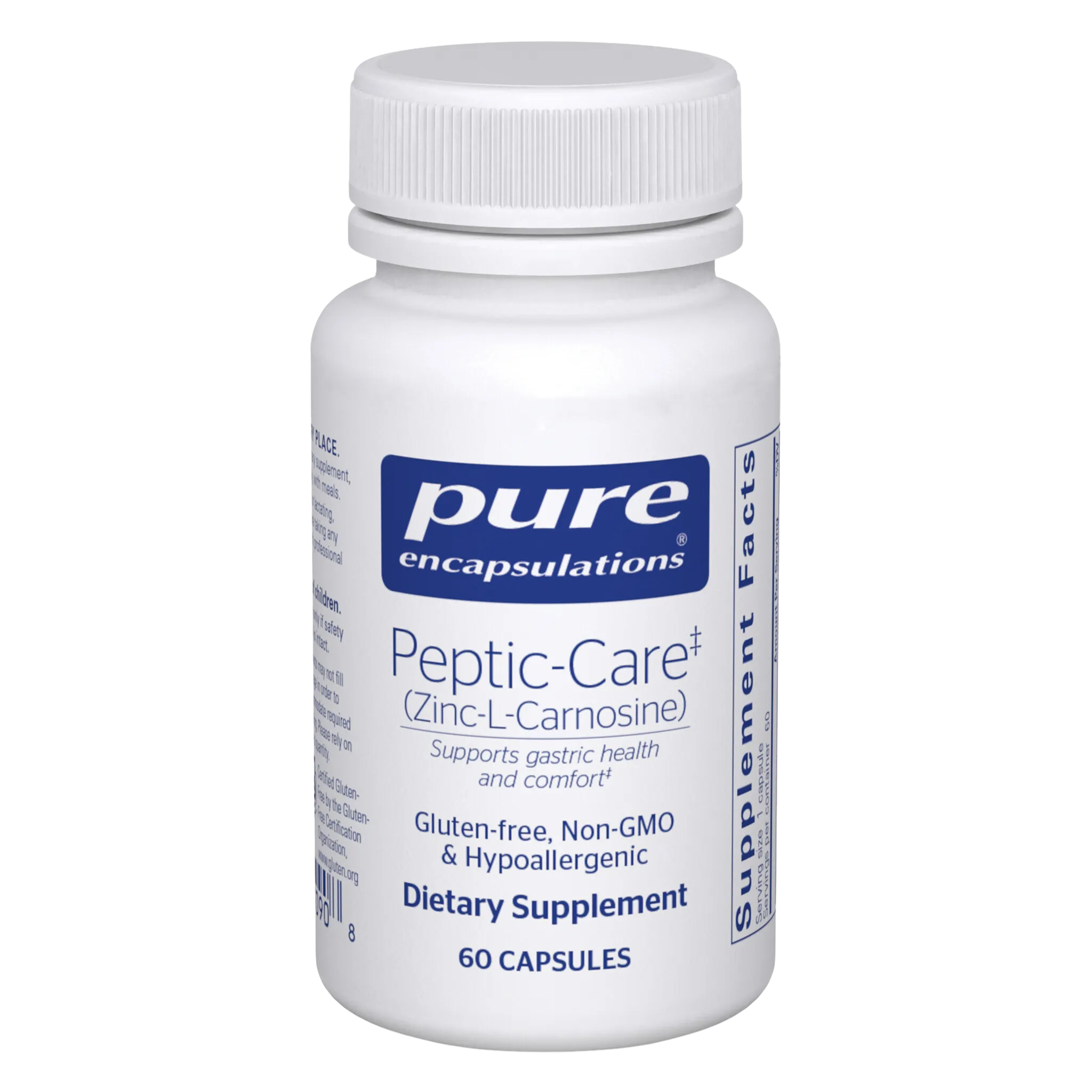
One of the most heavily researched therapeutic interventions for repairing this damage is Zinc-L-Carnosine, a unique chelated compound clinically proven to restore the stomach's mucosal defenses. Originally developed as a prescription medication in Japan for gastric ulcers, this powerful complex—found in supplements like Peptic-Care ZC—has emerged as a foundational tool in functional medicine. By adhering directly to damaged intestinal tissues, lowering localized inflammation, and stabilizing hyperactive mast cells, Zinc-L-Carnosine offers a targeted approach to healing the gut-brain-immune axis. In this article, we will explore the intricate biochemical mechanisms behind this supplement and how it may help you manage the debilitating gastrointestinal symptoms associated with chronic illness.
What is Peptic-Care ZC (Zinc-L-Carnosine)?
The Unique 1:1 Chelated Complex
To understand how Peptic-Care ZC functions, we must first look at its molecular structure. The active ingredient is Zinc-L-Carnosine (often referred to in clinical literature as Polaprezinc), which is a patented, synthetic chelated compound. This complex binds the essential trace mineral elemental zinc with the dipeptide L-carnosine in a precise 1:1 ratio. In a healthy body, zinc is a critical cofactor for over 300 enzymatic reactions, playing a vital role in DNA synthesis, immune function, and cellular repair. Meanwhile, L-carnosine—composed of the amino acids beta-alanine and L-histidine—is naturally concentrated in muscle and brain tissues, where it acts as a potent antioxidant and pH buffer. When these two molecules are chemically bonded together, they create a synergistic therapeutic agent that is vastly more effective for gastrointestinal health than either ingredient taken alone. The chelation process fundamentally alters how the body processes the zinc, turning it from a simple nutritional supplement into a targeted mucosal therapeutic.
Prolonged Mucosal Adherence and Release
The primary advantage of the Zinc-L-Carnosine complex lies in its unique pharmacokinetic profile within the harsh environment of the digestive tract. Standard zinc supplements, such as zinc gluconate or zinc sulfate, rapidly dissociate and break down as soon as they encounter highly acidic stomach acid. This rapid breakdown means the zinc is quickly absorbed or passed through the system, offering very little localized benefit to the stomach lining itself. In contrast, the chelated bond in Zinc-L-Carnosine has a remarkably slow dissociation rate. When you ingest this compound, it survives the gastric acid and actively seeks out damaged, ulcerated, or inflamed areas of the gastric mucosa. It adheres tightly to these lesions, creating a physical protective barrier over the damaged tissue. Once anchored to the site of injury, it slowly releases elemental zinc and L-carnosine directly into the surrounding cells over an extended period. This sustained, localized delivery mechanism is what allows the compound to provide prolonged protection and stimulate deep tissue repair exactly where it is needed most.
Cellular Defense and Heat Shock Proteins
At the cellular level, Zinc-L-Carnosine orchestrates a sophisticated defense mechanism to protect the stomach and intestinal lining from further degradation. One of its most critical functions is the upregulation of heat-shock proteins (HSPs), specifically HSP72. Heat-shock proteins are a family of cytoprotective proteins produced by cells in response to physiological stress, such as inflammation, oxidative damage, or infection. By stimulating the expression of HSP72, Zinc-L-Carnosine stabilizes cellular membranes and prevents mucosal cell apoptosis, which is the programmed cell death that occurs during severe inflammatory episodes. Furthermore, the L-carnosine component acts as a highly effective zinc ionophore, meaning it helps transport the zinc directly across the hydrophobic cell membranes and into the intracellular space. Once inside the cell, the compound heavily upregulates key mucosal growth factors, including vascular endothelial growth factor (VEGF) and nerve growth factor (NGF). These growth factors accelerate the migration and proliferation of healthy epithelial cells, effectively rebuilding the structural integrity of the gastrointestinal tract from the ground up.
How Long COVID and ME/CFS Impact Gastrointestinal Health
Viral Persistence and ACE2 Receptor Binding
To comprehend why gastrointestinal health is so severely compromised in chronic illnesses, we must examine What Causes Long COVID at a molecular level. The SARS-CoV-2 virus gains entry into human cells by binding to Angiotensin-Converting Enzyme 2 (ACE2) receptors. While much of the early pandemic focus was on the lungs, the mucosal lining of the small intestine and the broader gastrointestinal tract actually contains one of the highest concentrations of ACE2 receptors in the entire human body. During the acute phase of the infection, the virus heavily infiltrates these intestinal epithelial cells, triggering massive localized inflammation and cellular destruction. For many patients, the virus or its remnant spike proteins are not fully cleared after the initial illness. Instead, they establish persistent viral reservoirs within the gut tissue. This ongoing viral presence creates a state of chronic, low-grade inflammation that continuously degrades the mucosal barrier, leading to the severe Gastrointestinal Symptoms Seen with Long COVID, such as persistent nausea, debilitating bloating, and post-infectious irritable bowel syndrome (IBS).
Intestinal Permeability and the Endotoxin Leak
The chronic inflammation driven by viral persistence or immune dysregulation inevitably leads to a breakdown of the intestinal barrier, a condition clinically known as intestinal permeability or "leaky gut." In a healthy digestive system, the epithelial cells lining the intestines are held tightly together by complex protein structures called tight junctions. These junctions act as a highly selective filter, allowing essential nutrients to pass into the bloodstream while keeping harmful pathogens, undigested food particles, and bacterial toxins safely contained within the digestive tract. However, in conditions like Long COVID and ME/CFS, the inflammatory cytokine storm damages these tight junctions, causing them to loosen and separate. This structural failure allows endotoxins—specifically lipopolysaccharides (LPS) from the cell walls of gut bacteria—to leak directly into the systemic circulation. When the immune system detects these foreign endotoxins in the blood, it launches a massive, systemic inflammatory response. This phenomenon is a primary driver of the profound neuroinflammation, severe brain fog, and debilitating post-exertional malaise (PEM) that characterize these complex chronic conditions.
Dysautonomia and Impaired Gut Motility
The gastrointestinal dysfunction seen in these illnesses is further complicated by the intricate connection between the gut and the autonomic nervous system. Many patients with Long COVID and ME/CFS also develop dysautonomia, a dysfunction of the nerves that regulate involuntary bodily functions, including heart rate, blood pressure, and digestion. The vagus nerve, which serves as the primary communication highway between the brain and the gut, is frequently impaired in dysautonomia. When vagal tone is compromised, it leads to delayed gastric emptying (gastroparesis) and severely sluggish intestinal motility. This stagnation within the digestive tract creates the perfect breeding ground for opportunistic bacteria, leading to conditions like Small Intestinal Bacterial Overgrowth (SIBO) and severe gut dysbiosis. The overgrowth of pathogenic bacteria further damages the mucosal lining, exacerbating the leaky gut and increasing the systemic endotoxin load. This creates a vicious, self-perpetuating cycle: dysautonomia slows down the gut, the stagnant gut breeds bacteria that damage the intestinal barrier, and the resulting systemic inflammation further impairs the autonomic nervous system. Breaking this cycle requires targeted interventions that can simultaneously heal the mucosal barrier and reduce localized inflammation.
Zinc-L-Carnosine: Supporting Gut Repair and Immune Regulation
Restoring Tight Junctions and the Mucosal Barrier
When navigating the complexities of chronic illness, repairing the structural integrity of the gastrointestinal tract is often a necessary first step toward systemic recovery. Zinc-L-Carnosine is uniquely equipped to address this challenge by directly targeting and restoring the damaged tight junctions between intestinal epithelial cells. As the compound slowly dissociates along the digestive tract, the localized release of elemental zinc acts as a critical cofactor for the DNA and RNA polymerases required for cellular division and protein synthesis. This influx of bioavailable zinc accelerates the reproduction of healthy colon cells and maintains optimal villous function, which is essential for proper nutrient absorption. Clinical studies have demonstrated that Zinc-L-Carnosine significantly prevents the increase in gut permeability typically caused by physiological stress or harsh medications like non-steroidal anti-inflammatory drugs (NSAIDs). By physically fortifying the mucosal barrier and stimulating the production of protective gastric mucus, the supplement effectively seals the "leaks" in the gut lining, halting the dangerous influx of bacterial endotoxins into the bloodstream that drives so many systemic symptoms.
Suppressing the Localized Cytokine Storm
Beyond its structural repair capabilities, Zinc-L-Carnosine exerts profound anti-inflammatory and antioxidant effects within the gastrointestinal tract. In conditions like Long COVID, the gut is often trapped in a prolonged, localized cytokine storm, where the immune system continuously pumps out inflammatory signaling molecules. Zinc-L-Carnosine directly intervenes in this chaotic immune response by suppressing the activation of NF-κB, a master protein complex that controls the transcription of pro-inflammatory genes. By downregulating NF-κB, the compound significantly inhibits the expression of destructive cytokines, including Interleukin-1β (IL-1β), IL-6, IL-8, and Tumor Necrosis Factor-alpha (TNF-α). Simultaneously, the L-carnosine component serves as a potent antioxidant, actively scavenging the reactive oxygen species (ROS) and free radicals that cause oxidative damage to the stomach lining. Clinical trials have shown that Zinc-L-Carnosine drastically upregulates the body's natural antioxidant defense systems, including a documented increase in erythrocyte superoxide dismutase (eSOD) activity. This dual-action approach—shutting down the inflammatory cascade while neutralizing oxidative stress—creates a calm, stable environment where the gut tissue can finally begin to heal.
Mast Cell Stabilization and Histamine Reduction
For patients dealing with mast cell activation syndrome (MCAS), Zinc-L-Carnosine offers a highly targeted therapeutic mechanism. Mast cells are immune cells heavily concentrated in the gastrointestinal tract, and in MCAS, they become hyper-reactive, inappropriately releasing massive amounts of histamine and other inflammatory mediators in response to minor triggers. Both components of Zinc-L-Carnosine work synergistically to address this dysfunction. Research has established that L-carnosine acts as an endogenous mast cell stabilizer, significantly inhibiting mast cell degranulation and histamine release even under severe pathological stress. Meanwhile, the zinc component modulates the broader immune response, suppressing the production of pro-inflammatory enzymes like COX-2 and stabilizing the cellular signaling pathways that drive allergic reactions. Furthermore, by aggressively repairing the intestinal permeability discussed earlier, Zinc-L-Carnosine removes the chronic influx of undigested food antigens and bacterial toxins that keep the mast cells in a constant state of alarm. This comprehensive stabilization of the gut-mast cell axis can lead to a profound reduction in systemic histamine reactions, food intolerances, and allergic-type flare-ups.

Symptoms Zinc-L-Carnosine May Help Manage
Gastrointestinal and Systemic Targets
Because Zinc-L-Carnosine operates at the foundational level of mucosal repair and immune modulation, it can help manage a wide array of debilitating symptoms associated with complex chronic illnesses. By addressing the root causes of intestinal permeability and localized inflammation, patients often experience relief across multiple bodily systems.
Persistent Nausea and Gastric Discomfort: By adhering to inflamed gastric tissue and buffering stomach acid, Zinc-L-Carnosine provides a soothing, physical barrier that reduces the visceral hypersensitivity driving chronic nausea and stomach pain.
Post-Infectious IBS and Diarrhea: The compound restores the tight junctions between intestinal cells and suppresses pro-inflammatory cytokines, calming the hyperactive bowel responses and erratic motility associated with post-COVID irritable bowel syndrome.
Severe Bloating and Food Intolerances: By stabilizing hyperactive mast cells in the gut lining and reducing localized histamine release, the supplement helps mitigate the severe bloating and sudden allergic-type reactions triggered by previously tolerated foods.
Systemic Inflammation and Joint Pain: Sealing the leaky gut prevents bacterial endotoxins (LPS) from entering the bloodstream, which directly lowers the systemic immune burden and reduces widespread inflammatory symptoms like joint pain and muscle aches.
Neurological and Sensory Benefits
The benefits of healing the gut-brain axis extend far beyond the digestive tract. The reduction in systemic inflammation achieved through gut repair can have a profound impact on the neurological and sensory symptoms that frequently plague patients with Long COVID and ME/CFS.
Brain Fog and Cognitive Dysfunction: By stopping the leak of endotoxins into the bloodstream, Zinc-L-Carnosine reduces the neuroinflammation that impairs cognitive processing, helping to clear the persistent brain fog and improve mental clarity.
Post-Exertional Malaise (PEM): Lowering the overall systemic inflammatory burden and stabilizing the autonomic nervous system can help raise the threshold for exertion, potentially reducing the frequency and severity of debilitating crashes.
Loss of Taste and Smell (Dysgeusia): Viral infections rapidly deplete zinc stores in the oral and nasal mucosa. Supplementing with highly bioavailable Zinc-L-Carnosine has been clinically shown to restore gustatory sensitivity and help reverse post-viral taste disorders.
Autonomic Instability and Tachycardia: Healing the gut lining and reducing the localized cytokine storm can calm the vagus nerve, helping to stabilize the erratic heart rates and autonomic dysfunction seen in conditions like POTS and dysautonomia.
Practical Considerations: Forms, Dosing, and Absorption
Optimal Dosing and Elemental Yield
When incorporating Peptic-Care ZC into your management protocol, understanding the precise dosing and elemental yield is crucial for achieving therapeutic results without risking mineral imbalances. The standard, clinically studied dosage for significant gastrointestinal healing and mucosal repair is typically 150 mg of Zinc-L-Carnosine per day, usually divided into two 75 mg doses taken morning and night. Because this is a chelated complex, it is important to differentiate between the total weight of the compound and the actual amount of elemental zinc it provides. A daily dose of 150 mg of Zinc-L-Carnosine yields approximately 34 mg of elemental zinc and 116 mg of L-carnosine. This specific ratio is what makes the supplement so uniquely effective; it delivers a substantial, therapeutic dose of tissue-healing carnosine alongside a highly bioavailable form of zinc. When evaluating your overall supplement regimen, you must account for this 34 mg of elemental zinc to ensure you are staying within safe daily limits, especially if you are taking other multivitamins or immune support formulas that also contain zinc.
Timing and Bioavailability Factors
The timing of your Zinc-L-Carnosine supplementation plays a major role in its overall efficacy and bioavailability. To maximize the compound's ability to adhere to the mucosal lining of the stomach and intestines, clinical guidelines generally recommend taking it on an empty stomach, ideally one hour before meals or two hours after eating. This allows the complex to physically coat the damaged tissues without being swept away by the digestive processes associated with a large meal. In pharmacokinetic studies, after a single oral administration, the maximum plasma zinc concentration is typically reached within 1.6 hours, indicating a steady, sustained release profile. However, practical considerations must be made for patients with dysautonomia or severe gastric sensitivity. For some individuals, taking any form of zinc on a completely empty stomach can trigger intense waves of nausea or autonomic exhaustion. If you experience this side effect, it is perfectly acceptable to modify the protocol and take the capsule with a small, easily digestible snack to buffer the stomach while still allowing the compound to perform its healing functions.
Safety, Copper Balance, and Side Effects
While Zinc-L-Carnosine boasts an excellent safety profile and has been utilized as a prescription medication in Japan for decades, long-term use requires careful monitoring and medical supervision. The primary safety concern revolves around the delicate balance between zinc and copper in the human body. Zinc actively competes with copper for absorption in the gastrointestinal tract. Taking high doses of zinc (such as the 34 mg found in a standard daily dose of Zinc-L-Carnosine) for extended periods—typically beyond 8 to 12 weeks—can lead to a secondary copper deficiency. In patients with ME/CFS and Long COVID, a copper deficiency can manifest as worsened fatigue, increased histamine intolerance, and a persistent feeling of being cold. To mitigate this risk, functional medicine practitioners often recommend monitoring your zinc-to-copper ratios through blood tests or supplementing with trace amounts of copper (usually 1-2 mg) if you plan to stay on the protocol long-term. Additionally, because Zinc-L-Carnosine promotes tissue tightening and mucosal healing, some patients may experience mild constipation or a temporary slowing of GI motility as the gut barrier repairs itself. Always consult with your healthcare provider to tailor the dosage and duration to your specific clinical needs.

Follow the Science
Clinical Efficacy in Gastric Healing and Permeability
The scientific foundation supporting Zinc-L-Carnosine is robust, spanning decades of rigorous clinical trials and pharmacological research. The most pivotal data regarding its efficacy comes from its extensive use in gastroenterology for treating severe mucosal damage. In a landmark 8-week, randomized, double-blind, controlled trial involving 258 patients with confirmed gastric ulcers, researchers compared the efficacy of 150 mg/day of Zinc-L-Carnosine against a standard mucosal protectant. The results were striking: the Zinc-L-Carnosine group achieved a superior endoscopic cure rate of 60.4%, with 75% of patients reporting marked improvement in subjective symptoms. Furthermore, its ability to halt intestinal permeability has been conclusively demonstrated in human trials involving non-steroidal anti-inflammatory drugs (NSAIDs). When healthy subjects were given an NSAID alongside a placebo, they experienced a threefold increase in gut permeability. Conversely, the group taking Zinc-L-Carnosine completely avoided this increase, maintaining normal mucosal integrity and preventing the leaky gut phenomenon despite the harsh chemical challenge.
Emerging Data in Long COVID and Viral Recovery
As the medical community races to understand and treat the post-acute sequelae of SARS-CoV-2, Zinc-L-Carnosine has emerged as a highly relevant therapeutic agent. A massive nationwide medical data study in Japan, which analyzed over 650,000 COVID-19 patients between 2020 and 2022, identified Polaprezinc as one of the most frequently prescribed medications for Long COVID patients. Researchers are increasingly focused on the compound's ability to address the localized cytokine storms and viral reservoirs that persist in the gut long after the acute infection has cleared. Emerging studies suggest that the carnosine component may even help lower the affinity between the ACE2 receptor and the SARS-CoV-2 spike protein, potentially reducing the virus's ability to continually damage intestinal tissues. Additionally, clinical trials have proven its efficacy in treating the sensory deficits associated with viral infections; supplementing with Polaprezinc for 12 weeks has been shown to significantly improve gustatory sensitivity and cure post-viral taste disorders by restoring zinc homeostasis in the oral mucosa.
Mast Cell and Autonomic Nervous System Research
The intersection of gastroenterology, immunology, and neurology is where Zinc-L-Carnosine shows immense promise for patients with complex chronic conditions. Research into mast cell activation syndrome (MCAS) has highlighted the compound's direct stabilizing effects on hyperactive immune cells. A critical 2008 study published in Cell Biochemistry and Function demonstrated that pretreatment with carnosine significantly inhibited mast cell degranulation and halted the release of histamine and lactate dehydrogenase during severe pathological stress, confirming its role as an endogenous mast cell stabilizer. Furthermore, the connection between gut health and the autonomic nervous system is becoming clearer. Recent clinical reviews and patient case studies suggest that by repairing the intestinal barrier and stopping the systemic leak of endotoxins, Zinc-L-Carnosine helps lower the overall neuroinflammatory burden. This reduction in systemic inflammation is a crucial step in calming the vagus nerve and stabilizing the erratic autonomic responses seen in dysautonomia and POTS. As research continues to evolve, the profound impact of healing the gut-brain-immune axis remains a central focus in the management of these debilitating illnesses.
The Path Forward
A Foundational Step in Chronic Illness Management
Living with conditions like Long COVID, ME/CFS, dysautonomia, and MCAS is an incredibly complex and often exhausting journey. When your body is trapped in a cycle of systemic inflammation, unpredictable allergic reactions, and profound fatigue, it can feel impossible to find a clear path forward. However, understanding the deep physiological connection between your gastrointestinal health and your systemic symptoms offers a tangible, actionable starting point. Repairing the mucosal barrier, stabilizing hyperactive mast cells, and shutting down the localized cytokine storm in the gut are not just theoretical concepts; they are critical, foundational steps toward regaining your quality of life. By addressing the root causes of intestinal permeability and immune dysregulation, you can begin to lower the overall inflammatory burden on your nervous system and create an environment where true healing can occur.
Integrating Gut Health into Your Daily Routine
While Zinc-L-Carnosine is a powerful, science-backed tool for mucosal repair, it is important to remember that it is just one piece of a comprehensive management strategy. Healing a severely compromised gut requires patience, consistency, and a holistic approach to your overall well-being. This means pairing targeted supplementation with careful symptom tracking, pacing your physical and cognitive exertion to avoid debilitating crashes, and working closely with a knowledgeable healthcare provider to monitor your progress and adjust your protocol as needed. If you are struggling to navigate the complexities of your symptoms, exploring resources on How Can You Live with Long-Term COVID or understanding Do Long COVID Symptoms Come and Go? can provide valuable insights and validation for your experiences. Always consult with your medical team before introducing new supplements, especially to ensure proper dosing and to monitor for potential mineral imbalances like copper depletion.
Explore Peptic-Care ZC
If you and your healthcare provider determine that targeted gastrointestinal support is the right next step for your recovery journey, consider exploring the patented, highly bioavailable formulation of Zinc-L-Carnosine to help restore your mucosal defenses and stabilize your gut-immune axis.